

Healing Through Art: The Benefits of Creative Expression

Creative expression through art has been recognized as a powerful tool for healing and personal growth. Engaging in artistic activities can provide emotional, mental, and even physical benefits, making it a valuable practice for overall well-being. Here’s how you can harness the healing power of art and creative expression to enhance your health and wellness.

1. Emotional Healing

Art allows for the expression of emotions that might be difficult to articulate with words. It provides a safe outlet to explore and release feelings.

  • Example: Drawing, painting, or sculpting can help you process and express emotions such as sadness, anger, or joy. Create a piece of art that reflects your current emotional state to gain insights and find relief.

2. Stress Reduction

Engaging in creative activities can reduce stress by providing a distraction from daily pressures and fostering a state of relaxation.

  • Example: Spend time coloring in an adult coloring book or creating a mandala. The repetitive nature of these activities can induce a meditative state, reducing stress and promoting calmness.

3. Mental Health Benefits

Art therapy has been shown to improve mental health by enhancing self-awareness, self-esteem, and emotional resilience.

  • Example: Journaling with a combination of words and images can help you explore your thoughts and feelings, leading to greater self-awareness and emotional healing.

4. Cognitive Benefits

Creating art can enhance cognitive functions such as problem-solving, critical thinking, and memory.

  • Example: Try engaging in activities like puzzle-making, drawing intricate designs, or creating collages. These tasks stimulate the brain and can improve cognitive abilities.

5. Physical Benefits

Art can also have physical benefits, particularly for those recovering from illness or injury. It can improve motor skills, hand-eye coordination, and overall physical health.

  • Example: Activities like knitting, sculpting, or pottery can improve fine motor skills and hand strength. These activities also provide a sense of accomplishment and progress.

6. Social Connection

Participating in group art activities can foster a sense of community and connection with others, reducing feelings of isolation.

  • Example: Join a local art class or community art group. Collaborating with others on creative projects can enhance social bonds and provide emotional support.

7. Self-Expression and Identity

Art allows you to explore and express your identity, helping you understand yourself better and fostering personal growth.

  • Example: Create a self-portrait or a visual diary that reflects your experiences and identity. This practice can help you connect with your inner self and gain insights into your personal journey.

8. Healing Trauma

Art therapy can be particularly effective for healing trauma, as it provides a non-verbal outlet for processing traumatic experiences.

  • Example: Work with an art therapist to create pieces that reflect your trauma and healing journey. This process can help you process and release traumatic memories in a safe and supportive environment.

9. Enhancing Creativity

Engaging in artistic activities can boost creativity and inspire new ideas in various areas of life.

  • Example: Try experimenting with different art forms such as painting, digital art, or mixed media. Allow yourself to explore and take risks with your creativity.

10. Mindfulness and Presence

Creating art encourages mindfulness and being present in the moment, which can reduce anxiety and promote a sense of peace.

  • Example: Practice mindful drawing or painting by focusing on the sensations of the materials, the colors, and the movements of your hands. This can help you stay grounded and connected to the present moment.

Practical Tips for Incorporating Art into Your Life

  • Start Small: Begin with simple art activities that you enjoy, such as doodling or coloring. Gradually explore more complex projects as you become more comfortable.
    • Example: Set aside 10-15 minutes each day to engage in a creative activity.
  • Create a Dedicated Space: Set up a space in your home where you can create art without interruptions.
    • Example: Use a corner of a room with a table, art supplies, and good lighting to create your art studio.
  • Join a Class or Group: Look for local or online art classes and groups that align with your interests.
    • Example: Enroll in a painting class at a community center or join an online art workshop.
  • Use Art Supplies You Enjoy: Invest in quality art supplies that inspire you and make the creative process enjoyable.
    • Example: Buy a set of high-quality colored pencils, paints, or markers to enhance your creative experience.
  • Be Patient with Yourself: Remember that art is about the process, not the outcome. Allow yourself to create without judgment or pressure.
    • Example: Focus on enjoying the act of creating rather than striving for perfection.

The Benefits of Yoga: A Holistic Approach to Health and Well-Being

Yoga is an ancient practice that combines physical postures, breathing exercises, meditation, and a distinct philosophy to promote overall health and well-being. This holistic approach can provide numerous benefits for the mind, body, and spirit. Here’s how incorporating yoga into your daily routine can enhance your health and well-being.

1. Physical Health Benefits

Yoga offers a wide range of physical health benefits, making it an excellent addition to your fitness routine.

  • Improves Flexibility: Regular yoga practice helps increase flexibility, reducing the risk of injuries and improving overall mobility.
    • Example: Practicing poses like the forward bend or seated stretches can gradually improve flexibility over time.
  • Builds Strength: Many yoga poses are weight-bearing, which helps build and tone muscles throughout the body.
    • Example: Holding poses like plank, warrior, and chair pose can strengthen various muscle groups.
  • Enhances Balance and Coordination: Yoga poses often involve balancing on one leg or holding a pose for an extended period, which improves balance and coordination.
    • Example: Tree pose and eagle pose are excellent for developing balance.
  • Supports Cardiovascular Health: Certain styles of yoga, like Vinyasa or Power Yoga, can provide a cardiovascular workout that enhances heart health.
    • Example: Flowing through a series of sun salutations increases heart rate and improves cardiovascular endurance.

2. Mental Health Benefits

Yoga is well-known for its positive effects on mental health, helping to reduce stress, anxiety, and depression.

  • Reduces Stress: Yoga encourages relaxation and helps reduce the production of stress hormones.
    • Example: Incorporating relaxation poses like child’s pose and corpse pose into your routine can help reduce stress levels.
  • Improves Mood: The combination of physical activity, breathing exercises, and meditation in yoga promotes the release of endorphins, which can enhance mood.
    • Example: Practicing a gentle yoga sequence followed by a short meditation session can lift your spirits.
  • Enhances Focus and Concentration: The mindfulness aspect of yoga helps improve focus and concentration, making it easier to stay present in daily activities.
    • Example: Breathing exercises, such as alternate nostril breathing, can improve mental clarity and concentration.
  • Promotes Better Sleep: Regular yoga practice can help regulate sleep patterns and improve the quality of sleep.
    • Example: Practicing restorative yoga or gentle stretches before bed can promote relaxation and better sleep.

3. Emotional Health Benefits

Yoga helps cultivate a positive mindset and emotional resilience, which are essential for overall well-being.

  • Boosts Self-Esteem: Achieving and holding challenging poses can enhance self-esteem and confidence.
    • Example: Mastering poses like crow pose or headstand can boost your sense of accomplishment and self-worth.
  • Encourages Mindfulness: Yoga teaches you to be present in the moment, which can enhance your appreciation of life and foster a positive outlook.
    • Example: Mindful breathing exercises during yoga practice help you stay connected to the present moment.
  • Improves Emotional Regulation: The meditative aspects of yoga can help you manage and process emotions more effectively.
    • Example: Incorporating meditation and mindfulness practices into your yoga routine can help you stay calm and balanced in stressful situations.

4. Spiritual Health Benefits

Yoga can deepen your spiritual awareness and foster a sense of inner peace and connection.

  • Promotes Inner Peace: The meditative practices in yoga help you connect with your inner self, fostering a sense of peace and tranquility.
    • Example: Practicing yoga nidra, a form of guided meditation, can promote deep relaxation and inner peace.
  • Encourages Personal Growth: Yoga’s philosophy encourages self-reflection and personal growth, helping you develop a deeper understanding of yourself and your purpose.
    • Example: Keeping a yoga journal to reflect on your practice and personal insights can promote self-awareness and growth.
  • Fosters a Sense of Connection: Yoga encourages a sense of connection to others and the world around you, promoting compassion and empathy.
    • Example: Group yoga classes and community events can foster a sense of belonging and connection.

5. Practical Tips for Incorporating Yoga into Your Daily Routine

  • Start Small: Begin with short, manageable sessions and gradually increase the duration and intensity as you become more comfortable.
    • Example: Start with a 10-minute morning yoga routine and gradually increase it to 30 minutes.
  • Create a Dedicated Space: Set up a quiet, clutter-free space in your home where you can practice yoga without distractions.
    • Example: Use a yoga mat, blocks, and a cushion to create a comfortable practice area.
  • Follow Online Classes: If you’re new to yoga, consider following online classes or tutorials to guide your practice.
    • Example: Platforms like YouTube, Yoga with Adriene, and Gaia offer a variety of classes for all levels.
  • Join a Yoga Community: Joining a local yoga class or community can provide support and motivation.
    • Example: Participate in group classes or workshops to deepen your practice and connect with like-minded individuals.
  • Listen to Your Body: Pay attention to your body’s signals and modify poses as needed to avoid injury.
    • Example: If a pose feels uncomfortable or painful, use props or adjust the pose to suit your body’s needs.

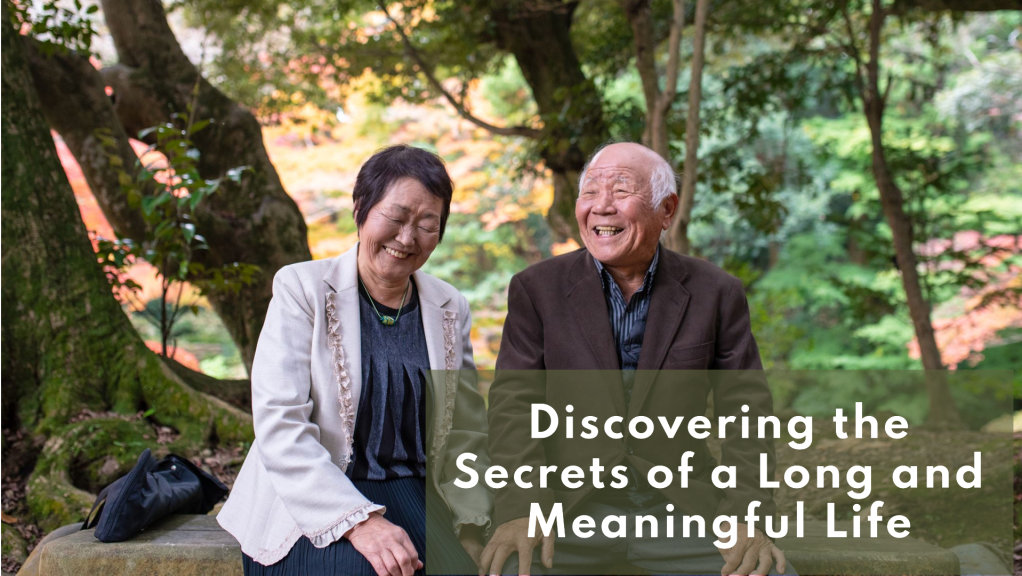
Japanese Secrets to a Longer and Meaningful Life

Japan is renowned for its longevity and quality of life. Here are some traditional Japanese techniques that can help you live a longer and more meaningful life.

1. Ikigai: Finding Your Life’s Purpose

Ikigai is a Japanese concept that means “a reason for being.” It involves finding a balance between what you love, what you are good at, what the world needs, and what you can be paid for. This sense of purpose is believed to contribute to a longer, more fulfilling life. Learn more about Ikigai.

2. Wabi-Sabi: Embracing Imperfection

Wabi-Sabi is the appreciation of the beauty in imperfection. It teaches you to find joy in the simple, rustic, and imperfect aspects of life. This mindset encourages acceptance and reduces stress. Explore the philosophy of Wabi-Sabi.

3. Traditional Diet

The traditional Japanese diet, rich in vegetables, fish, rice, and fermented foods like miso, is known for its health benefits. This diet is low in processed foods and high in nutrients, contributing to longevity. Discover the benefits of the Japanese diet.

4. Regular Physical Activity

Daily physical activity is a norm in Japan, whether it’s walking, cycling, or practicing martial arts. Regular exercise keeps the body fit and reduces the risk of chronic diseases. Learn about the benefits of regular physical activity.

5. Onsen: Hot Springs

Bathing in onsen, or hot springs, is a popular Japanese practice that promotes relaxation, improves circulation, and alleviates pain. The minerals in the water also have therapeutic benefits. Explore the health benefits of onsen.

6. Social Connections

Strong social bonds and community involvement are integral to Japanese culture. These connections provide emotional support and a sense of belonging, which are vital for mental health and longevity. Understand the importance of social connections.

7. Tea Ceremony

The Japanese tea ceremony is a ritualistic practice that promotes mindfulness and appreciation for the present moment. It’s a time to relax, reflect, and enjoy the simple pleasures of life. Learn about the Japanese tea ceremony.

8. Forest Bathing (Shinrin-yoku)

Shinrin-yoku, or forest bathing, involves spending time in nature to improve mental and physical health. It reduces stress, lowers blood pressure, and boosts mood. Discover the benefits of forest bathing.

9. Minimalist Living

Japanese minimalism focuses on living with less and finding contentment in simplicity. This approach reduces stress, fosters mindfulness, and allows you to focus on what truly matters. Explore the principles of Japanese minimalism.

10. Lifelong Learning

Continuously seeking knowledge and learning new skills is highly valued in Japan. This keeps the mind sharp and provides a sense of achievement and purpose. Learn about the benefits of lifelong learning.

Call to Action

Incorporate these Japanese techniques into your daily life to enhance your well-being and find deeper meaning. Visit Holistic Wellness Guide for more tips and insights on leading a balanced and fulfilling life.

#JapaneseWellness #Longevity #Mindfulness #HealthyLiving #Ikigai #WabiSabi #Minimalism #HolisticHealth #ForestBathing #TeaCeremony

The Healing Power of Aromatherapy: Essential Oils for Health and Wellness

Aromatherapy, the practice of using essential oils extracted from plants for therapeutic purposes, has been used for centuries to promote health and wellness. These oils can positively affect both the mind and body, offering a natural way to improve overall well-being. Here’s how you can harness the healing power of aromatherapy and essential oils to enhance your health and wellness.

Understanding Aromatherapy

Aromatherapy involves the use of essential oils, which are concentrated extracts from the roots, leaves, seeds, or blossoms of plants. These oils contain the plant’s essence and are believed to have healing properties when inhaled or applied to the skin.

Benefits of Aromatherapy

Aromatherapy can provide numerous benefits, including reducing stress, improving mood, enhancing sleep, and relieving pain. Different essential oils have unique properties that can address specific health concerns.

Popular Essential Oils and Their Benefits

1. Lavender

Lavender oil is widely known for its calming and relaxing properties. It can help reduce anxiety, improve sleep quality, and alleviate headaches.

  • Benefits: Reduces stress and anxiety, improves sleep, relieves headaches.
  • Example: Add a few drops of lavender oil to your pillow or use it in a diffuser before bedtime to promote restful sleep.

2. Peppermint

Peppermint oil has a refreshing and invigorating scent. It’s often used to relieve headaches, improve focus, and alleviate digestive issues.

  • Benefits: Eases headaches, enhances concentration, relieves digestive discomfort.
  • Example: Inhale peppermint oil directly from the bottle or add a few drops to a tissue and breathe deeply to relieve a headache.

3. Eucalyptus

Eucalyptus oil is known for its ability to clear the respiratory system and relieve congestion. It also has anti-inflammatory and pain-relieving properties.

  • Benefits: Relieves respiratory congestion, reduces inflammation, alleviates pain.
  • Example: Add eucalyptus oil to a bowl of hot water and inhale the steam to relieve nasal congestion and improve breathing.

4. Tea Tree

Tea tree oil has powerful antimicrobial properties and is often used to treat skin conditions, such as acne and fungal infections.

  • Benefits: Fights bacteria and fungi, treats acne, promotes skin health.
  • Example: Dilute tea tree oil with a carrier oil and apply it to acne-prone areas to help clear up breakouts.

5. Lemon

Lemon oil is uplifting and energizing. It’s commonly used to improve mood, boost energy levels, and support the immune system.

  • Benefits: Enhances mood, boosts energy, supports immune health.
  • Example: Add a few drops of lemon oil to a diffuser to create an energizing atmosphere in your home or office.

6. Frankincense

Frankincense oil is known for its grounding and calming effects. It’s often used in meditation and yoga practices to promote mental clarity and relaxation.

  • Benefits: Promotes relaxation, enhances mental clarity, supports emotional balance.
  • Example: Diffuse frankincense oil during meditation or yoga to create a serene and focused environment.

7. Chamomile

Chamomile oil has soothing and calming properties, making it ideal for reducing anxiety and promoting sleep. It’s also beneficial for skin health.

  • Benefits: Reduces anxiety, promotes sleep, supports skin health.
  • Example: Add a few drops of chamomile oil to a warm bath to unwind and relax before bed.

8. Rosemary

Rosemary oil is stimulating and invigorating. It can improve concentration, enhance memory, and promote hair health.

  • Benefits: Boosts concentration, improves memory, promotes hair growth.
  • Example: Use rosemary oil in a diffuser while studying or working to improve focus and mental clarity.

9. Ylang Ylang

Ylang ylang oil has a sweet, floral scent and is known for its mood-enhancing properties. It can reduce stress and promote a sense of well-being.

  • Benefits: Enhances mood, reduces stress, promotes relaxation.
  • Example: Add a few drops of ylang ylang oil to your bath or diffuser to create a calming and uplifting atmosphere.

How to Use Essential Oils

1. Diffusion

Using a diffuser is one of the most popular ways to enjoy the benefits of essential oils. Diffusers disperse the oils into the air, allowing you to inhale their therapeutic scents.

  • Example: Add 5-10 drops of your favorite essential oil to a diffuser filled with water. Turn it on and enjoy the aroma.

2. Inhalation

Direct inhalation involves breathing in the essential oil directly from the bottle or from a tissue with a few drops of the oil.

  • Example: Place a few drops of essential oil on a tissue and hold it close to your nose. Inhale deeply for several breaths.

3. Topical Application

Essential oils can be applied to the skin, but they should be diluted with a carrier oil to prevent irritation.

  • Example: Mix a few drops of essential oil with a carrier oil, such as coconut or jojoba oil, and apply it to your wrists, neck, or temples.

4. Bathing

Adding essential oils to your bath can enhance relaxation and provide therapeutic benefits.

  • Example: Add 5-10 drops of essential oil to your bathwater along with a cup of Epsom salts for a soothing and aromatic experience.

5. Massage

Incorporating essential oils into a massage can enhance relaxation and provide additional health benefits.

  • Example: Dilute essential oils with a carrier oil and use the mixture for a relaxing massage.

Safety Tips for Using Essential Oils

  • Always dilute essential oils with a carrier oil before applying them to the skin.
  • Perform a patch test to check for allergic reactions.
  • Use essential oils in well-ventilated areas.
  • Keep essential oils out of reach of children and pets.
  • Consult with a healthcare professional before using essential oils, especially if you are pregnant, nursing, or have a medical condition.

Ageless and Disease-Free: Your Ultimate Guide to a Healthier Life

Living a life free from diseases and maintaining a youthful body is achievable through a combination of healthy eating, regular exercise, and mindful practices. This guide provides comprehensive tips on how to keep your body in optimal health and preserve your youthful vitality.

Healthy Eating Habits

1. Eat a Balanced Diet

Incorporate a variety of fresh fruits, vegetables, lean proteins, and whole grains into your meals. These foods provide essential nutrients that support your body’s functions and boost your immune system. Learn more about balanced diets.

2. Stay Hydrated

Drink plenty of water throughout the day. Staying hydrated helps maintain your energy levels, supports digestion, and keeps your skin looking youthful. Aim for at least 8 glasses of water daily. Understand the importance of hydration.

3. Avoid Processed Foods

Limit your intake of processed foods that are high in sugars, unhealthy fats, and preservatives. Opt for whole, unprocessed foods to reduce your risk of chronic diseases. Explore healthy eating tips.

4. Incorporate Superfoods

Add superfoods like berries, nuts, seeds, and leafy greens to your diet. These foods are rich in antioxidants and nutrients that promote health and longevity. Discover superfoods.

Regular Exercise

1. Engage in Aerobic Activities

Aerobic exercises such as walking, running, swimming, or cycling improve cardiovascular health and boost your metabolism. Aim for at least 150 minutes of moderate aerobic activity per week. Explore aerobic exercises.

2. Strength Training

Incorporate strength training exercises to build and maintain muscle mass. This helps increase your metabolic rate and supports bone health. Aim for strength training sessions at least twice a week. Learn more about strength training.

3. Practice Flexibility and Balance Exercises

Yoga and Pilates are excellent for improving flexibility, balance, and overall body strength. These exercises also reduce stress and enhance mental clarity. Discover the benefits of yoga.

Mindful Practices

1. Get Adequate Sleep

Quality sleep is essential for recovery and overall health. Aim for 7-9 hours of sleep per night to support your body’s repair processes and maintain mental clarity. Understand the importance of sleep.

2. Manage Stress

Chronic stress can negatively impact your health. Practice stress management techniques such as meditation, deep breathing exercises, and spending time in nature to promote relaxation. Explore stress management techniques.

3. Regular Health Check-ups

Schedule regular health check-ups to monitor your health and detect any potential issues early. Preventive care is key to maintaining long-term health and well-being. Learn about preventive care.

Call to Action

Incorporate these habits into your daily life to maintain a disease-free and youthful body. Visit Holistic Wellness Guide for more tips and insights on leading a healthy and balanced life.

#HealthyLiving #YouthfulBody #DiseasePrevention #Nutrition #Exercise #Wellness #Mindfulness #Hydration #Superfoods #HolisticHealth

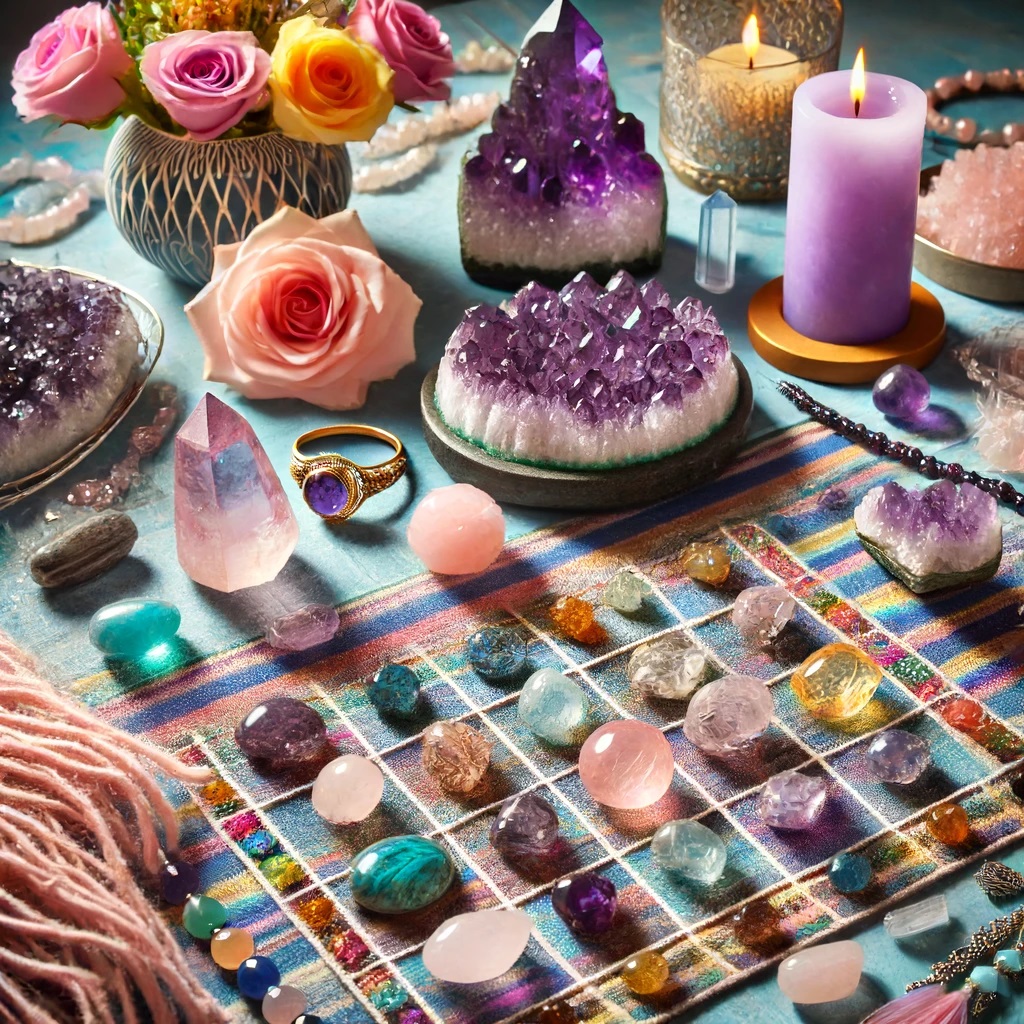
Healing with Crystals: Harnessing the Power of Gemstones

Crystals and gemstones have been used for centuries for their healing properties and ability to enhance well-being. Each crystal has unique energy and benefits, making them powerful tools for physical, emotional, and spiritual healing. Here’s how you can harness the power of gemstones to improve your overall health and well-being.

Understanding Crystal Healing

Crystal healing involves placing gemstones on or around the body to draw out negative energy, balance the body’s energy, and promote healing. The belief is that crystals interact with the body’s energy field, or chakra system, to restore harmony and health.

Popular Healing Crystals and Their Benefits

1. Amethyst

Amethyst is known for its calming and protective properties. It’s often used to reduce stress, enhance spiritual awareness, and promote restful sleep.

  • Example: Place an amethyst crystal under your pillow or on your nightstand to help improve sleep quality and reduce insomnia.

2. Rose Quartz

Rose quartz is the stone of love and compassion. It’s believed to promote self-love, emotional healing, and harmony in relationships.

  • Example: Wear a rose quartz pendant or keep a small stone in your pocket to encourage feelings of love and compassion throughout the day.

3. Clear Quartz

Clear quartz is known as the “master healer” for its ability to amplify energy and thought. It’s used to enhance clarity, focus, and overall energy.

  • Example: Meditate with a clear quartz crystal to clear your mind and enhance your focus during meditation sessions.

4. Citrine

Citrine is associated with prosperity and abundance. It’s believed to attract success, wealth, and positive energy.

  • Example: Place a citrine crystal in your workspace or wallet to attract financial success and abundance.

5. Black Tourmaline

Black tourmaline is a powerful grounding stone that protects against negative energy and electromagnetic radiation.

  • Example: Keep a piece of black tourmaline near your computer or carry it with you to protect against negative energy and EMF exposure.

6. Selenite

Selenite is known for its purifying and cleansing properties. It’s used to clear negative energy and enhance mental clarity.

  • Example: Use a selenite wand to cleanse your aura or place selenite crystals in your home to promote a peaceful environment.

7. Labradorite

Labradorite is a stone of transformation and protection. It’s believed to enhance intuition, psychic abilities, and spiritual growth.

  • Example: Meditate with labradorite to enhance your intuition and connect with your higher self.

8. Hematite

Hematite is a grounding and protective stone. It’s used to absorb negative energy and promote emotional stability.

  • Example: Wear a hematite bracelet to stay grounded and protect yourself from negative energy throughout the day.

How to Use Healing Crystals

1. Wear Them as Jewelry

One of the easiest ways to benefit from crystals is by wearing them as jewelry. This keeps the crystals close to your body, allowing you to absorb their energy throughout the day.

  • Example: Choose crystal bracelets, necklaces, or rings made from your favorite gemstones to wear daily.

2. Place Them in Your Environment

Placing crystals in your home or workspace can help create a positive and healing environment.

  • Example: Arrange crystals in a grid or place them in areas where you spend a lot of time, such as your bedroom, living room, or office.

3. Meditate with Crystals

Meditating with crystals can enhance your meditation practice by providing focus and amplifying your intentions.

  • Example: Hold a crystal in your hand or place it on your body while meditating to deepen your meditation and connect with the crystal’s energy.

4. Use Them in Healing Practices

Crystals can be incorporated into various healing practices, such as Reiki, chakra balancing, and massage therapy.

  • Example: Place specific crystals on different chakra points to balance and align your energy centers during a healing session.

5. Create Crystal Elixirs

Crystal elixirs are made by infusing water with the energy of crystals. Drinking crystal-infused water can help you absorb the crystal’s healing properties.

  • Example: Place a cleansed crystal in a glass of water and let it sit for several hours or overnight. Remove the crystal and drink the infused water.

Cleansing and Charging Your Crystals

It’s important to regularly cleanse and charge your crystals to maintain their energy and effectiveness.

  • Example: Cleanse your crystals by rinsing them under running water, smudging them with sage, or placing them in sunlight or moonlight. Charge them by placing them on a selenite slab or in a crystal grid.

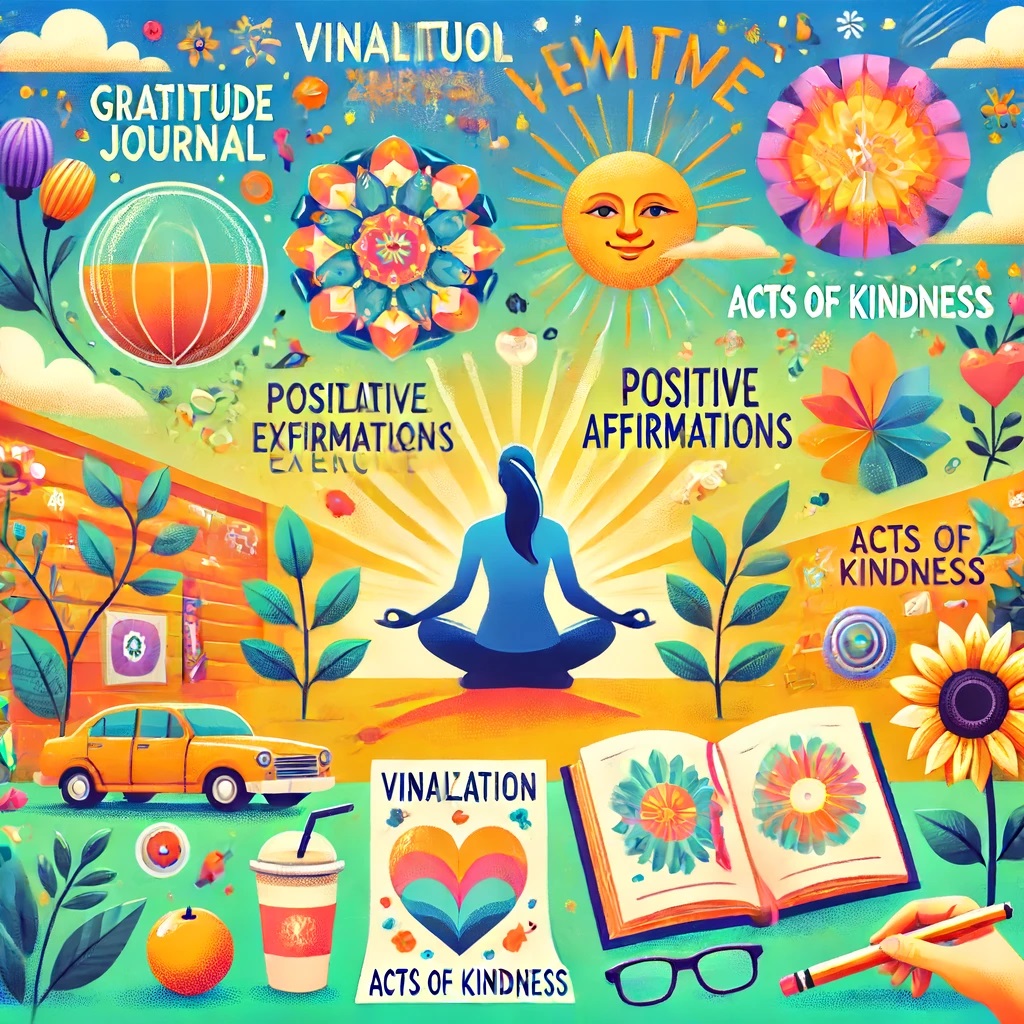
The Power of Positive Thinking: Transform Your Life with Optimism

Positive thinking is more than just a habit; it’s a powerful tool that can transform your life in numerous ways. By adopting a positive mindset, you can improve your mental health, enhance your physical well-being, and create a more fulfilling and optimistic life. Here’s how positive thinking can make a difference and practical ways to cultivate it in your daily life.

Understanding Positive Thinking: Positive thinking involves focusing on the good in any situation and maintaining an optimistic outlook. It doesn’t mean ignoring life’s challenges but rather approaching them with a positive attitude. For example, when faced with a setback at work, instead of feeling defeated, you might view it as an opportunity to learn and grow.

Daily Affirmations: Using daily affirmations can help promote positive thinking. For instance, start your day with affirmations like “I am capable and strong,” “I can handle whatever comes my way,” or “Today will be a great day.” Repeating these affirmations can help set a positive tone for your day.

Gratitude Practice: Incorporating gratitude into your routine can shift your focus from what’s lacking to what you have. Consider keeping a gratitude journal where you write down three things you’re thankful for each day. For example, “I am grateful for my supportive family,” “I appreciate the delicious meal I had today,” or “I am thankful for the sunny weather.”

Visualization Techniques: Visualization can help you achieve your goals by imagining yourself succeeding. Take a few minutes each day to visualize your goals as if they are already accomplished. For instance, if you aim to run a marathon, visualize yourself crossing the finish line, feeling strong and accomplished.

Surrounding Yourself with Positivity: Your environment can significantly influence your mindset. Surround yourself with positive influences, such as uplifting books, inspiring podcasts, and supportive friends. For example, join a local club or online community that shares your interests and values.

Mindfulness and Meditation: Mindfulness and meditation practices can help manage negative thoughts and cultivate a positive mindset. Spend a few minutes each day in meditation, focusing on your breath and letting go of negative thoughts. Apps like Headspace and Calm offer guided meditations that can help you get started.

Positive Self-Talk: Replacing negative self-talk with positive affirmations can boost your self-esteem and outlook. For example, if you catch yourself thinking, “I can’t do this,” replace it with, “I am capable of overcoming this challenge.”

Acts of Kindness: Performing acts of kindness can enhance your mood and promote positivity. Simple actions like complimenting a colleague, helping a neighbor, or volunteering at a local charity can make a big difference. These acts not only benefit others but also bring a sense of joy and fulfillment to your own life.

Setting Realistic Goals: Setting achievable goals can maintain your motivation and positive outlook. For instance, instead of setting a vague goal like “get fit,” set a specific and measurable goal like “exercise for 30 minutes three times a week.” Break larger goals into smaller, manageable steps, and celebrate your progress along the way.

Personal Stories and Testimonials: Many individuals have transformed their lives through positive thinking. For example, Sarah, a school teacher, found that starting each day with a gratitude journal helped her stay positive and resilient, even during challenging times. Similarly, John, a business executive, used daily affirmations and visualization techniques to stay motivated and achieve his career goals.

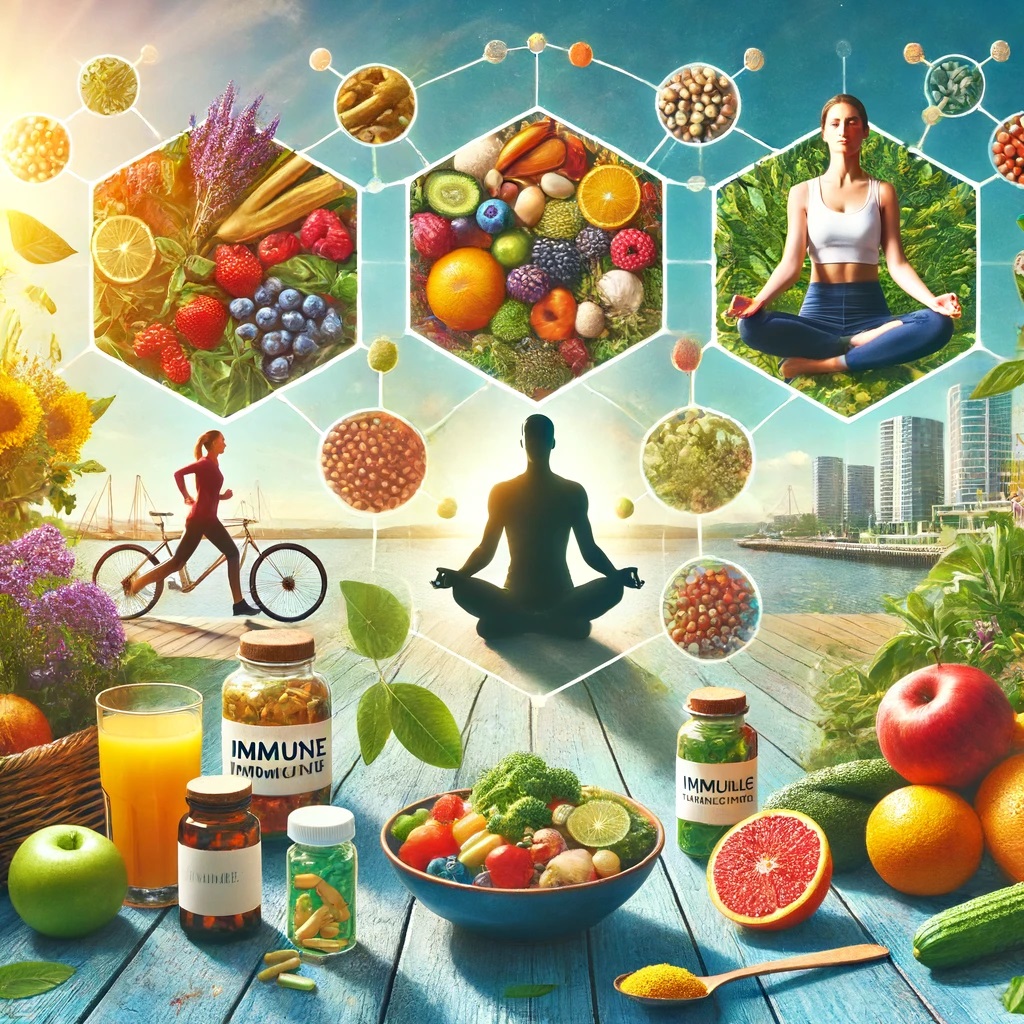
Holistic Approaches to Boosting Your Immune System

A strong immune system is essential for maintaining good health and preventing illness. While there are many ways to support immune function, holistic approaches focus on nurturing the body, mind, and spirit. Here are some effective holistic strategies to boost your immune system and promote overall well-being.

1. Nutrition: Fuel Your Body with Nutrient-Dense Foods

A balanced diet rich in vitamins, minerals, and antioxidants is crucial for immune health. Focus on whole, unprocessed foods that provide essential nutrients.

  • Example: Incorporate a variety of colorful fruits and vegetables, lean proteins, whole grains, nuts, and seeds into your diet. Foods high in vitamin C (like oranges, strawberries, and bell peppers) and zinc (like nuts, seeds, and legumes) are particularly beneficial for immune support.

2. Hydration: Drink Plenty of Water

Staying hydrated is vital for maintaining bodily functions and supporting the immune system. Water helps transport nutrients to cells and remove toxins from the body.

  • Example: Aim to drink at least 8 glasses of water a day. Herbal teas and natural fruit-infused water can also help keep you hydrated.

3. Sleep: Prioritize Restful Sleep

Quality sleep is essential for a healthy immune system. During sleep, the body repairs and regenerates, which is critical for immune function.

  • Example: Establish a regular sleep schedule by going to bed and waking up at the same time each day. Create a relaxing bedtime routine, such as reading or taking a warm bath, to signal to your body that it’s time to wind down.

4. Stress Management: Practice Mindfulness and Relaxation Techniques

Chronic stress can weaken the immune system. Practicing mindfulness and relaxation techniques can help manage stress levels and enhance immune function.

  • Example: Incorporate practices like meditation, deep breathing exercises, yoga, or tai chi into your daily routine. Apps like Headspace and Calm offer guided sessions to help you get started.

5. Exercise: Stay Active with Regular Physical Activity

Regular physical activity can boost the immune system by promoting good circulation and reducing stress. It also helps maintain a healthy weight, which is important for immune health.

  • Example: Aim for at least 30 minutes of moderate exercise most days of the week. Activities like walking, jogging, cycling, or dancing can be both enjoyable and beneficial.

6. Herbal Remedies: Support Your Immune System with Natural Herbs

Certain herbs have immune-boosting properties and can be incorporated into your daily routine to support overall health.

  • Example: Herbs like echinacea, elderberry, and astragalus are known for their immune-supportive effects. You can take these herbs in the form of teas, tinctures, or supplements after consulting with a healthcare provider.

7. Probiotics: Maintain Gut Health

A healthy gut microbiome is crucial for a strong immune system. Probiotics, which are beneficial bacteria, can help maintain gut health and support immune function.

  • Example: Include fermented foods like yogurt, kefir, sauerkraut, kimchi, and kombucha in your diet. You can also take a high-quality probiotic supplement.

8. Essential Oils: Utilize Aromatherapy for Immune Support

Aromatherapy with essential oils can enhance immune function and promote relaxation.

  • Example: Essential oils like eucalyptus, tea tree, and lavender have antimicrobial and stress-relieving properties. Use a diffuser to disperse the oils in your home, or add a few drops to a warm bath.

9. Social Connections: Foster Healthy Relationships

Strong social connections can positively impact your immune system. Engaging with friends and family can reduce stress and promote overall well-being.

  • Example: Schedule regular phone calls, video chats, or in-person meetings with loved ones. Participating in community activities or joining clubs can also help build a supportive social network.

10. Sunlight and Vitamin D: Get Natural Sun Exposure

Vitamin D, often called the “sunshine vitamin,” is vital for immune health. Sunlight exposure helps the body produce vitamin D.

  • Example: Spend time outdoors in natural sunlight for about 15-30 minutes a few times a week. If you live in an area with limited sun exposure, consider taking a vitamin D supplement after consulting with your healthcare provider.

The Benefits of Spending Time in Nature: Reconnect with the Outdoors

In our modern, fast-paced world, it’s easy to become disconnected from nature. However, spending time outdoors offers numerous benefits for our physical, mental, and emotional well-being. Reconnecting with nature can enhance your quality of life in many ways. Here’s how spending time in nature can benefit you and practical tips to incorporate more outdoor activities into your routine.

Physical Health Benefits

Spending time in nature can have profound effects on your physical health. Activities like walking, hiking, and cycling improve cardiovascular health, strengthen muscles, and enhance flexibility.

  • Example: Regularly hiking in a local nature reserve can improve your stamina and cardiovascular fitness while providing beautiful scenery to enjoy.

Mental Health Benefits

Nature has a calming effect on the mind. It can reduce stress, anxiety, and depression, while improving mood and mental clarity. The natural environment helps to lower cortisol levels and promotes relaxation.

  • Example: A daily walk in the park can significantly reduce stress levels and improve your mood, providing a break from the hustle and bustle of daily life.

Enhanced Creativity and Focus

Being in nature can boost creativity and improve focus. The natural environment allows your mind to rest and rejuvenate, which can enhance problem-solving skills and creativity.

  • Example: If you’re struggling with a work project, take a break and spend some time outdoors. You may find that the fresh air and natural surroundings help you come up with new ideas and solutions.

Improved Sleep

Exposure to natural light helps regulate your circadian rhythm, leading to better sleep. Spending time outdoors, especially in the morning, can improve the quality and duration of your sleep.

  • Example: Start your day with a morning walk in the sunlight to help set your internal clock and promote better sleep at night.

Increased Physical Activity

Nature encourages physical activity, which is essential for overall health. Outdoor activities like hiking, swimming, and gardening can help you stay active and fit.

  • Example: Join a local hiking group to explore different trails and stay motivated to exercise regularly in a fun and social way.

Connection to Nature and Mindfulness

Spending time in nature fosters a sense of connection to the environment and promotes mindfulness. It encourages you to be present and appreciate the beauty around you.

  • Example: Practice mindfulness by sitting quietly in a natural setting, focusing on the sounds, smells, and sights around you. This can help you feel more grounded and connected to the world.

Social Benefits

Outdoor activities can also be social activities. Hiking, picnicking, or playing sports in a park are great ways to connect with friends and family while enjoying nature.

  • Example: Organize a weekend picnic with friends in a local park. Bring along games and activities to enjoy together, fostering social connections and a love for the outdoors.

Boosted Immune System

Spending time in nature can boost your immune system. Exposure to diverse natural environments increases the diversity of beneficial microbes in your body, strengthening your immune response.

  • Example: Regular visits to different natural settings, such as forests, beaches, and mountains, can expose you to a variety of beneficial microbes and enhance your immune health.

Inspiration and Perspective

Nature can provide inspiration and a sense of perspective. Observing the vastness and beauty of the natural world can help you feel more connected and appreciative of life.

  • Example: Spend time in awe-inspiring natural locations, such as mountains or oceans, to gain a greater sense of perspective and inspiration.

Practical Tips to Reconnect with Nature

1. Make Outdoor Time a Priority

Schedule regular time in your week to spend outdoors. Treat it as an important part of your routine.

  • Example: Block off time in your calendar for outdoor activities, such as weekend hikes or evening walks.

2. Explore Local Parks and Trails

Take advantage of local parks, nature reserves, and trails. These are often easily accessible and offer a quick escape to nature.

  • Example: Research and visit different parks and trails in your area. Try to explore a new one each week to keep things interesting.

3. Practice Outdoor Hobbies

Engage in hobbies that take you outdoors, such as bird watching, photography, or gardening.

  • Example: Start a small garden in your backyard or join a community garden to spend more time outdoors and enjoy the therapeutic benefits of gardening.

4. Plan Outdoor Activities with Friends and Family

Incorporate social activities that involve spending time in nature. This makes it more enjoyable and helps you stay committed.

  • Example: Plan regular outdoor outings with friends and family, such as camping trips, beach days, or nature walks.

5. Unplug and Be Present

When spending time in nature, unplug from digital devices and be fully present in the moment.

  • Example: Leave your phone behind or turn it off when you go for a walk in the park. Focus on the sights, sounds, and smells around you.

6. Bring Nature Indoors

If you can’t get outside, bring nature indoors. Houseplants, natural light, and nature-inspired decor can help create a calming environment.

  • Example: Fill your living space with plants and natural elements, like wooden furniture and stone accents, to create a peaceful, nature-inspired atmosphere.

The Healing Power of Music: How Sound Can Improve Your Well-Being

Music has a profound impact on our emotions, mind, and body. It can evoke powerful feelings, reduce stress, and even promote physical healing. Here’s how you can harness the healing power of music to enhance your well-being.

The Science Behind Music Therapy

Music therapy is a well-established field that uses music to address physical, emotional, cognitive, and social needs. Research has shown that music can influence brain waves, heart rate, and hormone levels, leading to improved mood and reduced stress.

Benefits of Music for Well-Being

1. Stress Reduction

Listening to calming music can significantly reduce stress levels. Slow, soothing music can lower cortisol levels, reduce heart rate, and promote relaxation.

  • Example: Create a playlist of calming music or nature sounds and listen to it during stressful moments or before bed to help unwind.

2. Enhanced Mood

Music can elevate your mood and increase feelings of happiness. Upbeat, lively music can boost energy levels and improve overall emotional well-being.

  • Example: Start your day with an energizing playlist of your favorite upbeat songs to set a positive tone for the day.

3. Improved Sleep

Music can improve sleep quality by promoting relaxation and reducing anxiety. Listening to calming music before bed can help you fall asleep faster and enjoy a more restful sleep.

  • Example: Play soft, instrumental music or lullabies as part of your bedtime routine to enhance sleep quality.

4. Pain Management

Music can be an effective tool for pain management. It can distract from pain, reduce the perception of pain, and promote relaxation.

  • Example: Listen to your favorite music during medical procedures or while recovering from surgery to help manage pain and discomfort.

5. Cognitive Benefits

Music can enhance cognitive performance, including memory, attention, and problem-solving skills. Background music can improve focus and productivity.

  • Example: Play instrumental or classical music while studying or working to enhance concentration and cognitive function.

6. Emotional Expression

Music provides a powerful outlet for emotional expression. It can help process complex emotions and provide comfort during difficult times.

  • Example: Create a playlist that reflects your current emotions and listen to it when you need to process your feelings or find solace.

7. Physical Rehabilitation

Music can support physical rehabilitation by improving coordination, movement, and motivation. Rhythmic music can enhance motor skills and make exercise more enjoyable.

  • Example: Use rhythmic music during physical therapy sessions or workouts to improve movement and stay motivated.

Practical Ways to Incorporate Music into Your Daily Life

1. Create Personalized Playlists

Curate playlists for different moods and activities. Have a calming playlist for relaxation, an upbeat playlist for exercise, and a focus playlist for work or study.

  • Example: Use music streaming services like Spotify or Apple Music to create and organize your playlists based on your preferences and needs.

2. Play a Musical Instrument

Learning to play a musical instrument can provide mental stimulation, improve coordination, and offer a creative outlet.

  • Example: Take lessons for an instrument you’re interested in, such as the piano, guitar, or drums. Practice regularly to enjoy the cognitive and emotional benefits of playing music.

3. Attend Live Music Events

Experiencing live music can enhance your connection to music and provide a sense of community and joy.

  • Example: Attend concerts, music festivals, or local performances to enjoy live music and connect with others who share your interests.

4. Use Music for Meditation and Mindfulness

Incorporate music into your meditation or mindfulness practice to enhance relaxation and focus.

  • Example: Listen to ambient or instrumental music during meditation sessions to create a serene atmosphere and deepen your practice.

5. Explore Different Genres

Expand your musical horizons by exploring different genres and cultural music. This can enrich your listening experience and expose you to new sounds and rhythms.

  • Example: Try listening to classical, jazz, world music, or other genres that you might not be familiar with to discover new favorites and broaden your musical appreciation.

6. Music and Movement

Combine music with movement to enhance physical and emotional well-being. Dancing, yoga, and other forms of exercise can be more enjoyable and effective with music.

  • Example: Create a dance routine to your favorite songs, or use music during yoga practice to enhance the flow and rhythm of your movements.