

Natural Remedies for Better Sleep: Tips and Tricks

A good night’s sleep is essential for overall health and well-being. If you’re struggling with sleep issues, natural remedies can help you relax and improve your sleep quality. Here are some tips and tricks for better sleep using natural remedies.

Herbal Teas for Relaxation: Herbal teas like chamomile, valerian root, and lavender are known for their calming effects. These teas can help you unwind and prepare for a restful night’s sleep.

Example: Enjoy a warm cup of chamomile tea about 30 minutes before bedtime to help relax your mind and body.

Aromatherapy with Essential Oils: Aromatherapy using essential oils such as lavender, bergamot, and cedarwood can promote relaxation and improve sleep quality. You can use these oils in a diffuser or apply them to your pillow.

Example: Diffuse lavender oil in your bedroom or add a few drops to your pillow before going to bed for a calming effect.

Magnesium Supplements for Relaxation: Magnesium is a mineral that plays a crucial role in muscle relaxation and sleep. Taking a magnesium supplement can help you relax and improve sleep quality.

Example: Take a magnesium supplement an hour before bedtime to help your muscles relax and prepare for sleep.

Mindfulness Meditation for Calmness: Practicing mindfulness meditation before bed can help calm your mind and reduce anxiety, making it easier to fall asleep.

Example: Spend 10-15 minutes meditating before bed, focusing on your breath and letting go of any stressful thoughts.

Creating a Sleep-Friendly Environment: Your bedroom environment plays a significant role in your sleep quality. Make sure your room is cool, dark, and quiet. Use blackout curtains and consider white noise machines to block out any disruptive sounds.

Example: Invest in a comfortable mattress and pillows, and keep your bedroom cool and dark to create an optimal sleep environment.

Establishing a Bedtime Routine: A consistent bedtime routine signals to your body that it’s time to wind down and prepare for sleep. This routine can include activities like reading, taking a warm bath, or practicing gentle yoga.

Example: Create a bedtime routine that includes reading a book and taking a warm bath to help signal to your body that it’s time to sleep.

By incorporating these natural remedies and tips into your routine, you can improve your sleep quality and enjoy more restful nights.
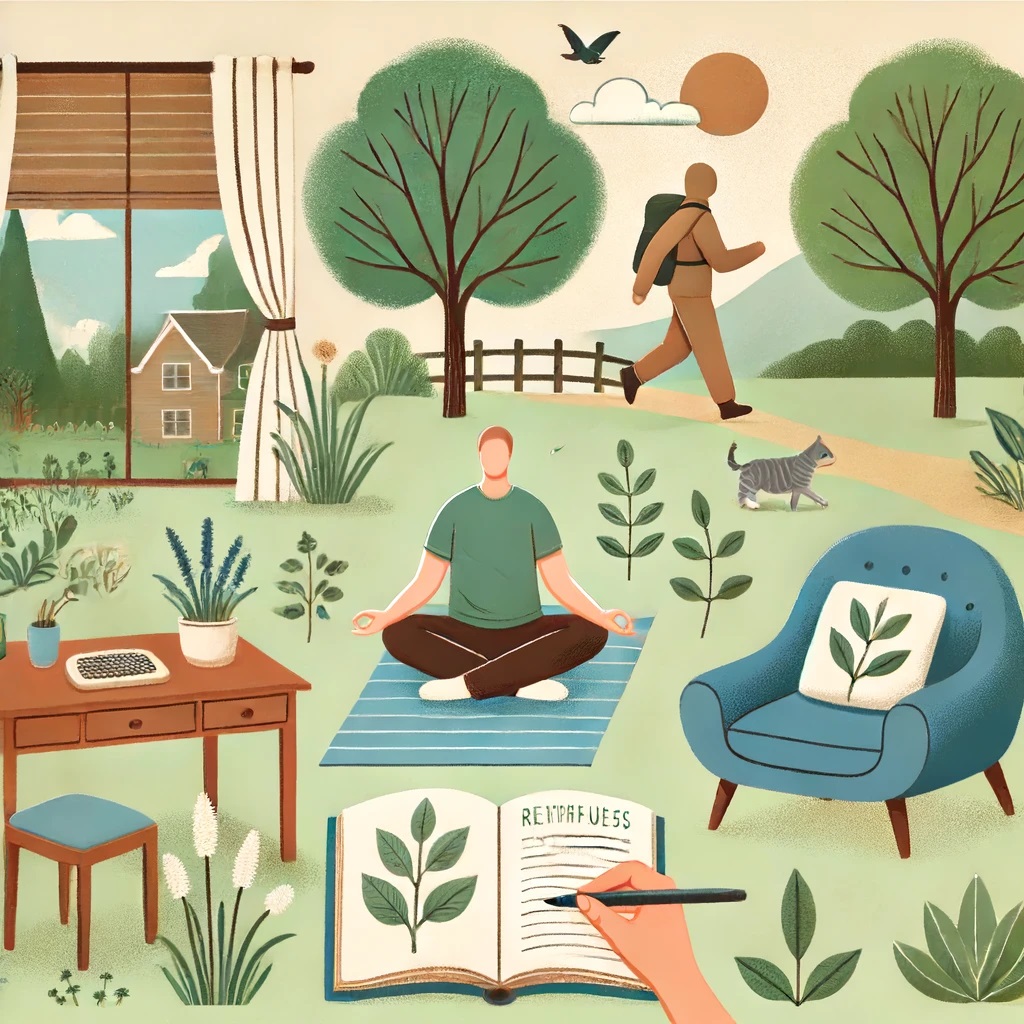

The Power of Mindfulness: Simple Practices to Reduce Stres

Mindfulness is a powerful tool for reducing stress and improving overall well-being. By practicing mindfulness, you can bring your attention to the present moment and experience greater peace and clarity. Here are some simple mindfulness practices to incorporate into your daily routine.

Mindful Breathing: Mindful breathing involves paying close attention to your breath. It helps calm the mind and reduce stress by bringing your focus to the present moment.

Example: Spend a few minutes each day sitting quietly and focusing on your breath. Inhale deeply through your nose, hold for a moment, and exhale slowly through your mouth. Notice the sensation of your breath as it flows in and out.

Body Scan Meditation: Body scan meditation involves focusing on different parts of your body and noticing any sensations. This practice helps you become more aware of your body and release tension.

Example: Lie down comfortably and close your eyes. Starting from your toes, slowly move your attention up through your body, noticing any sensations without judgment. Finish at the top of your head, feeling a sense of relaxation.

Mindful Walking: Mindful walking is about paying attention to the sensations of walking. It’s a great way to practice mindfulness while getting some exercise.

Example: Take a walk outside and focus on the sensation of your feet touching the ground, the movement of your legs, and the rhythm of your breath. Notice your surroundings and bring your mind back to the present moment whenever it wanders.

Mindful Eating: Mindful eating involves paying attention to the taste, texture, and smell of your food. It helps you appreciate your meals more and can improve digestion.

Example: During meals, take small bites and chew slowly. Notice the flavors and textures of the food. Avoid distractions like TV or smartphones to fully engage in the eating experience.

Gratitude Journaling: Writing down things you are grateful for can shift your focus from stress to positivity. It’s a simple practice that can boost your mood and overall outlook on life.

Example: Each evening, write down three things you are grateful for in a journal. Reflect on these moments and appreciate the positive aspects of your day.

By incorporating these simple mindfulness practices into your routine, you can reduce stress and enhance your overall well-being.

From Stress to Serenity: A Journey Through Aromatherapy

Meet Anjali, a 35-year-old marketing manager from Mumbai, who was overwhelmed by the stresses of her demanding job. Constantly juggling deadlines and responsibilities, Anjali struggled to find peace and relaxation in her daily life. After a recommendation from a friend, she decided to try aromatherapy and discovered its transformative effects.

Anjali’s journey with aromatherapy began with simple steps. She started using essential oils to create a calming environment at home. Lavender oil became her go-to for relaxation, while peppermint oil helped her stay alert and focused during work.

Choosing the Right Essential Oils: Different essential oils offer various benefits. Anjali explored oils like lavender for relaxation, eucalyptus for clarity, and chamomile for stress relief. Each oil brought a unique sense of calm and well-being.

Example: Anjali diffused lavender oil in her living room every evening, helping her unwind after a long day. The soothing scent created a peaceful atmosphere, allowing her to de-stress and sleep better.

Incorporating Aromatherapy into Daily Routine: Anjali incorporated essential oils into her daily routine. She added a few drops of eucalyptus oil to her morning shower to invigorate her senses and used chamomile oil in a diffuser at bedtime to promote restful sleep.

Example: During her morning routine, Anjali applied a blend of peppermint and rosemary oils to her temples to boost her concentration and energy levels for the day ahead.

Using Aromatherapy for Stress Relief: To manage work-related stress, Anjali carried a small roller bottle of lavender oil in her bag. Whenever she felt overwhelmed, she applied it to her wrists and took deep breaths to regain her sense of calm.

With these simple yet effective steps, Anjali transformed her life through aromatherapy. The natural scents helped her find serenity amidst the chaos, enhancing her well-being and productivity.

How Min-Jun Boosted His Immunity with a Balanced Diet

Stronger Immunity: How Min-Jun Boosted His Health with a Balanced Diet

Meet Min-Jun: Min-Jun, a 33-year-old office worker from Seoul, often fell sick and had low energy levels. Determined to improve his health, he focused on eating a balanced diet.

Adding Fruits and Vegetables: Min-Jun increased his intake of fruits and vegetables, ensuring he got a variety of vitamins and minerals.

Example: For breakfast, Min-Jun started having a smoothie bowl with spinach, berries, and chia seeds.

Incorporating Lean Proteins: He included lean proteins like chicken, fish, and tofu in his meals to support his immune system.

Example: For lunch, Min-Jun enjoyed a salad with grilled chicken, mixed greens, and avocado.

Staying Hydrated: Min-Jun made a conscious effort to drink more water and stay hydrated throughout the day.

Example: He carried a reusable water bottle and set reminders to drink water regularly.

The Result: With these dietary changes, Min-Jun experienced fewer illnesses and higher energy levels. A balanced diet significantly improved his overall health.

Emily’s Journey to Better Sleep with Natural Remedies

Restful Nights: Emily’s Journey to Better Sleep with Natural Remedies

Meet Emily, a 29-year-old graphic designer who struggled with insomnia and restless nights. Frustrated with over-the-counter sleep aids, she turned to natural remedies and found lasting relief. In this post, we’ll share Emily’s journey to better sleep and the natural solutions she discovered.

Emily’s sleepless nights affected her daily life and productivity. Determined to find a natural solution, she researched and tried various remedies to improve her sleep.

Step 1: Establishing a Sleep Routine: Emily created a consistent bedtime routine to signal her body that it was time to wind down.

Example: Every night, Emily turned off electronics an hour before bed, dimmed the lights, and read a book to relax.

Step 2: Using Herbal Teas: She incorporated calming herbal teas like chamomile and valerian root into her nightly routine to promote relaxation.

Example: Emily enjoyed a cup of chamomile tea 30 minutes before bed to help her unwind.

Step 3: Aromatherapy: Emily used essential oils like lavender and bergamot in a diffuser to create a calming sleep environment.

Example: She diffused lavender oil in her bedroom to help relax her mind and body before sleep.

Step 4: Practicing Relaxation Techniques: To calm her mind, Emily practiced relaxation techniques such as deep breathing and progressive muscle relaxation.

Example: Emily spent 10 minutes each night practicing deep breathing exercises to reduce anxiety and prepare for sleep.

With these natural remedies, Emily experienced significant improvements in her sleep quality. She fell asleep faster, stayed asleep longer, and woke up feeling refreshed. The natural solutions transformed her nights and improved her overall well-being.

Emily’s journey demonstrates the effectiveness of natural remedies for improving sleep quality. At Alchemy International, we believe in the power of holistic solutions to support restful sleep. Try incorporating these natural remedies into your nightly routine and experience the benefits of better sleep.

How Sarah Found Peace Through Daily Meditation

Finding Inner Peace: How Sarah Transformed Her Life with Daily Meditation

Meet Sarah, a 28-year-old software engineer who struggled with anxiety and stress due to her demanding job. Discover how she transformed her mental health and found inner peace through the practice of daily meditation. In this post, we’ll share Sarah’s inspiring journey and the practical steps she took to incorporate meditation into her routine.

Sarah’s Story: Sarah’s high-pressure job left her feeling overwhelmed and anxious. She had trouble sleeping and constantly felt on edge. Determined to find a solution, she turned to meditation after reading about its benefits for mental health.

Step 1: Starting Small: Sarah began her meditation journey with just 5 minutes a day. She found a quiet space in her home and focused on her breath, gradually increasing the duration as she became more comfortable.

Example: Sarah used a meditation app to guide her through short sessions, helping her stay focused and consistent.

Step 2: Creating a Routine: To make meditation a habit, Sarah incorporated it into her daily routine. She meditated first thing in the morning, setting a positive tone for the day.

Example: Sarah set her alarm 10 minutes earlier and dedicated those few minutes to meditation before starting her day.

Step 3: Exploring Different Techniques: Sarah experimented with various meditation techniques, including guided meditations, body scans, and mindfulness practices, to find what worked best for her.

Example: On stressful days, Sarah preferred guided meditations that helped her relax and clear her mind.

Step 4: Joining a Community: To stay motivated, Sarah joined a local meditation group where she could share her experiences and learn from others.

Example: The group met once a week for group meditations and discussions, providing Sarah with a sense of support and community.

Sarah’s Transformation: After a few months of consistent practice, Sarah noticed significant improvements in her mental health. She felt calmer, more focused, and better equipped to handle stress. Meditation became an essential part of her daily routine, helping her maintain inner peace and balance.

Sarah’s journey demonstrates the profound impact of daily meditation on mental health and overall well-being. At Alchemy International, we believe in the power of mindfulness practices like meditation to promote holistic wellness. Start your meditation journey today and discover the transformative benefits for yourself.

The Top Benefits of Full Body Massage

Rejuvenate and Relax: The Top Benefits of Full Body Massage

Full body massage is a therapeutic practice that has been used for centuries to promote relaxation and overall well-being. It involves the manipulation of muscles and soft tissues to relieve tension, reduce stress, and improve circulation. In this post, we’ll explore the top benefits of full body massage and how it can enhance your health.

Benefit 1: Reduces Stress and Anxiety: Massage therapy helps lower stress hormones and increase the production of endorphins, the body’s natural mood elevators.

Benefit 2: Relieves Muscle Tension and Pain: A full body massage targets areas of muscle tension and pain, helping to relax tight muscles and alleviate discomfort.

Benefit 3: Improves Circulation: Massage therapy enhances blood flow, which helps deliver oxygen and nutrients to tissues and organs, promoting overall health.

Benefit 4: Boosts Immune Function: Regular massage sessions can boost the immune system by increasing the activity of white blood cells that fight off infections.

Benefit 5: Enhances Flexibility and Range of Motion: Massage helps improve flexibility by stretching and relaxing muscles, tendons, and ligaments.

Benefit 6: Promotes Better Sleep: Massage therapy can improve sleep quality by promoting relaxation and reducing the physical discomfort that may interfere with restful sleep.

How to Get the Most Out of Your Massage:

  • Choose a Qualified Therapist: Ensure your massage therapist is certified and experienced.
  • Communicate Your Needs: Let your therapist know about any specific areas of tension or pain.
  • Stay Hydrated: Drink plenty of water before and after your massage to help flush out toxins.
  • Relax and Breathe: Focus on your breath and allow yourself to fully relax during the session.

Full body massage is a powerful way to support your physical and mental health. At Alchemy International, we believe in the benefits of holistic practices like massage therapy to enhance well-being. Treat yourself to a massage and experience the rejuvenating effects for yourself.

How Joon Improved His Energy Levels with Tai Chi

Energy Boost: How Joon Improved His Energy Levels with Tai Chi

Meet Joon: Joon, a 45-year-old professor from Seoul, often felt fatigued and low on energy. Seeking a gentle exercise routine, he turned to Tai Chi.

Starting with Basic Movements: Joon began learning the basic movements of Tai Chi to improve his balance and energy flow.

Example: Each morning, Joon practiced Tai Chi in his garden, focusing on slow, deliberate movements.

Consistency in Practice: He made Tai Chi a daily habit, practicing for 30 minutes each day to build his energy levels.

Example: Over time, Joon found that regular practice helped him feel more energized and less fatigued.

Combining Tai Chi with Breathing Exercises: Joon incorporated deep breathing exercises into his Tai Chi routine to enhance relaxation and energy flow.

Example: He focused on coordinating his breath with his movements, which helped improve his overall well-being.

The Result: Within a few months, Joon noticed a significant increase in his energy levels and a reduction in fatigue. Tai Chi became an essential part of his daily routine.

Boost Your Immunity Naturally: Top Foods and Supplements

Supporting your immune system with the right foods and natural supplements can help keep you healthy and resilient. Here’s a guide to some of the best foods and supplements to enhance your immunity naturally.

Citrus Fruits for Vitamin C: Citrus fruits like oranges, grapefruits, lemons, and limes are packed with vitamin C, which is essential for immune function. Vitamin C increases the production of white blood cells, key to fighting infections.

Example: Start your day with a glass of fresh orange juice or add lemon slices to your water throughout the day for an extra boost.

Leafy Greens for Antioxidants: Leafy greens such as spinach, kale, and Swiss chard are rich in antioxidants and essential nutrients that support the immune system. These greens are also high in vitamins A and C.

Example: Incorporate a green smoothie into your breakfast or enjoy a fresh spinach salad for lunch to pack in the nutrients.

Ginger for Anti-Inflammatory Benefits: Ginger is a powerful anti-inflammatory and antioxidant root that can help reduce inflammation and boost immune health. It is also known for its ability to soothe a sore throat and fight infections.

Example: Add fresh ginger to your tea or include it in your cooking for a flavorful and health-boosting addition.

Garlic for Immune Support: Garlic contains compounds that enhance the immune system. It has been used for centuries for its medicinal properties and is known to boost the function of the immune system.

Example: Add minced garlic to your meals or consume a raw garlic clove daily for its potent benefits.

Turmeric for Curcumin: Turmeric is a spice that contains curcumin, a compound with powerful anti-inflammatory and antioxidant effects. Curcumin can help modulate the immune system and has been shown to have antiviral properties.

Example: Enjoy a warm cup of turmeric tea or add turmeric to your soups and stews for an immune-boosting effect.

Probiotics for Gut Health: Probiotics found in yogurt, kefir, and fermented foods like sauerkraut and kimchi can enhance gut health, which is closely linked to the immune system. A healthy gut flora supports overall immunity.

Example: Include a serving of yogurt in your breakfast or snack on fermented vegetables to support gut and immune health.

Herbal Supplements for Extra Support: Herbal supplements such as echinacea, elderberry, and astragalus can provide additional immune support. These herbs have been traditionally used to prevent and treat colds and flu.

Example: Take an echinacea supplement during flu season or sip on elderberry syrup to enhance your immune defenses.

By incorporating these immune-boosting foods and supplements into your diet, you can naturally enhance your body’s ability to fight off infections and stay healthy.

The Benefits of Daily Walking: Simple Steps to Better Health

Walking is one of the simplest and most accessible forms of exercise, yet it offers numerous health benefits for both body and mind. Whether you’re looking to improve your physical health, boost your mental well-being, or simply enjoy some time outdoors, incorporating daily walks into your routine can make a significant difference.

Physical Health Benefits: Walking regularly can have a profound impact on your physical health. It helps improve cardiovascular fitness, strengthens bones and muscles, and aids in weight management. Research has shown that walking can lower the risk of chronic diseases such as heart disease, type 2 diabetes, and certain cancers. Additionally, walking enhances circulation, boosts immune function, and promotes better sleep.

Mental Health Benefits: In addition to its physical benefits, walking also has a positive effect on mental health. Engaging in regular walks can reduce stress, anxiety, and depression by releasing endorphins and promoting relaxation. It provides an opportunity to clear your mind, enjoy the present moment, and practice mindfulness. Walking in nature, in particular, has been shown to enhance mood and overall mental well-being.

Improving Creativity and Focus: Walking is not only good for your body and mind but also for your creativity and focus. Studies have found that walking can stimulate creative thinking and problem-solving. When you take a walk, your brain receives increased blood flow and oxygen, which can enhance cognitive function. Consider taking short walking breaks during work or study sessions to boost productivity and generate new ideas.

Social Benefits: Walking can be a social activity that strengthens relationships and builds a sense of community. Walking with friends, family, or joining walking groups provides an opportunity to connect with others, have meaningful conversations, and enjoy shared experiences. It can also be a great way to meet new people and expand your social network.

Incorporating Walking into Daily Routine: Making walking a regular part of your daily routine doesn’t have to be difficult. Start by setting specific times for your walks, such as a morning walk to kickstart your day, a lunchtime stroll to break up your workday, or an evening walk to unwind. Use walking as a mode of transportation whenever possible, such as walking to work, running errands on foot, or taking the stairs instead of the elevator.

Setting Goals and Tracking Progress: Setting walking goals and tracking your progress can help you stay motivated and accountable. Use apps or fitness trackers to monitor your steps and set daily or weekly goals. Celebrate milestones and reward yourself for achieving your targets. Gradually increase the duration and intensity of your walks as your fitness improves.

Exploring Nature and Local Areas: Walking is a great way to explore nature and discover new places in your local area. Take advantage of parks, nature trails, and scenic neighborhoods. Spending time outdoors and connecting with nature has additional benefits for your overall well-being, including reducing stress and improving mood.

Mindful Walking Practices: Enhance the benefits of walking by incorporating mindful practices. Focus on your breath, observe your surroundings, and stay present in the moment. Practice gratitude as you walk, appreciating the sights, sounds, and sensations around you. Mindful walking can improve mental clarity, reduce stress, and enhance your overall walking experience.

Personal Stories and Testimonials: Many individuals have experienced the transformative power of daily walking. For example, Jane, a busy professional, found that incorporating a 30-minute walk into her morning routine significantly reduced her stress levels and improved her productivity at work. Similarly, John, who struggled with weight management, started walking every evening and lost over 20 pounds in six months while also feeling more energetic and positive.