Mindful Movement: The Best Practices for Holistic Fitness in 2025

Fitness isn’t just about physical strength or appearance—it’s about creating harmony between your body, mind, and spirit. Mindful movement practices prioritize connection and presence, helping you achieve holistic wellness. As we move into 2025, integrating mindful fitness into your routine can elevate your health, reduce stress, and bring deeper fulfillment to your workouts. Here are the best mindful movement practices to embrace this year.


1. Yoga for Flexibility and Inner Peace

Yoga is a timeless practice that promotes strength, flexibility, and mindfulness. It combines movement with breath, grounding you in the present moment.

  • How to Practice:
    • Begin with beginner-friendly poses like Child’s Pose, Cat-Cow, or Downward Dog.
    • Focus on your breathing to enhance the connection between body and mind.
  • Pro Tip: Explore different styles like Hatha for relaxation or Vinyasa for a dynamic flow.

2. Tai Chi for Balance and Energy Flow

Known as “meditation in motion,” Tai Chi is a slow, flowing martial art that improves balance, flexibility, and energy circulation.

  • How to Practice:
    • Follow a Tai Chi video or join a local class to learn the foundational moves.
    • Practice outdoors to enhance the connection with nature.
  • Pro Tip: Combine Tai Chi with deep breathing to amplify its calming effects.

3. Dance as Creative Expression

Dance is a joyful way to connect with your body while expressing emotions and creativity. It boosts cardiovascular health and enhances mood.

  • How to Practice:
    • Put on your favorite music and dance freely in your living room.
    • Try dance-based workouts like Zumba or ecstatic dance for guided movement.
  • Pro Tip: Focus on how movement feels rather than how it looks.

4. Walking Meditation for Grounding

Walking meditation combines the benefits of gentle exercise with mindfulness. It’s a perfect way to calm your mind while staying active.

  • How to Practice:
    • Walk at a slow, deliberate pace, focusing on the sensation of your feet touching the ground.
    • Notice the sights, sounds, and smells around you as you walk.
  • Pro Tip: Practice walking meditation in a park or quiet area to deepen the experience.

5. Pilates for Core Strength and Focus

Pilates emphasizes controlled movements, core strength, and alignment, making it a mindful and effective workout.

  • How to Practice:
    • Start with beginner exercises like the Hundred or Roll-Up.
    • Concentrate on maintaining proper form and controlled breathing.
  • Pro Tip: Use resistance bands or a stability ball to enhance your practice.

6. Qi Gong for Vitality and Relaxation

Qi Gong is an ancient Chinese practice that combines gentle movements, breathing techniques, and meditation to cultivate energy and vitality.

  • How to Practice:
    • Follow a guided Qi Gong session to learn simple, flowing movements.
    • Practice daily for 10-15 minutes to feel its calming effects.
  • Pro Tip: Visualize energy flowing through your body during each movement.

7. Swimming for Mind-Body Synchrony

Swimming offers a full-body workout that soothes the mind and strengthens the body. The rhythmic nature of swimming promotes mindfulness.

  • How to Practice:
    • Focus on your breathing and the feeling of water supporting your body.
    • Experiment with different strokes to keep your routine engaging.
  • Pro Tip: Swim in natural bodies of water for a deeper connection with nature.

8. Stretching for Relaxation

Stretching not only improves flexibility but also calms the nervous system and releases tension stored in the body.

  • How to Practice:
    • Dedicate 5-10 minutes to stretching after your workouts or before bed.
    • Hold each stretch for at least 20-30 seconds, breathing deeply.
  • Pro Tip: Focus on areas where you tend to carry tension, like your shoulders or hips.

9. Strength Training with Intention

Strength training can be a mindful practice when approached with focus and purpose. Lifting weights mindfully enhances both physical and mental strength.

  • How to Practice:
    • Pay attention to your form and the sensation of your muscles working.
    • Breathe deeply and exhale during exertion for better focus and control.
  • Pro Tip: Use lighter weights and slower movements to build control.

10. Nature-Based Exercise for Serenity

Exercising in nature combines physical activity with the therapeutic effects of the outdoors, reducing stress and boosting well-being.

  • How to Practice:
    • Go for a hike, practice yoga in a park, or jog along a nature trail.
    • Pause to take in the beauty of your surroundings.
  • Pro Tip: Make it a weekly ritual to exercise outdoors for a mood boost.

Conclusion

Mindful movement transforms fitness into a holistic practice, fostering balance and connection between your body, mind, and spirit. By exploring these practices, you can create a fitness routine that aligns with your values and promotes overall well-being. Start small, experiment with different approaches, and find what resonates with your unique journey toward holistic fitness.


For more inspiration on living mindfully and embracing balance, check out my book, The Mindful Executive: https://www.amazon.com/dp/B0D75YJCLW.

The Power of Mind-Body Connection: How Your Thoughts Influence Your Health

In today’s fast-paced world, the mind-body connection has become an essential topic of discussion among health enthusiasts, scientists, and spiritual leaders alike. The idea that our mental state can influence our physical health isn’t new, but it’s gaining more recognition and credibility as research continues to shed light on the profound impact our thoughts, emotions, and mental habits can have on our overall well-being.

1. Understanding the Mind-Body Connection

The mind-body connection is the concept that our thoughts, feelings, beliefs, and attitudes can positively or negatively affect our biological functioning. In other words, our minds have the power to influence our bodies, and vice versa. This connection is evident in everyday experiences — like how stress can lead to a headache or how a positive mindset can improve recovery from illness.

Research has shown that psychological stress can manifest physically, leading to various health problems, including heart disease, digestive issues, and a weakened immune system. Conversely, practices that promote mental well-being, such as mindfulness, meditation, and positive thinking, can enhance physical health and longevity.

2. The Science Behind the Connection

Several studies have explored how the mind-body connection works. For example, the field of psychoneuroimmunology examines how our mental and emotional states affect our immune system. When we’re stressed, our bodies release cortisol, a hormone that, in high levels, can suppress the immune system and increase the risk of disease.

Moreover, neuroplasticity — the brain’s ability to reorganize itself by forming new neural connections — plays a crucial role in how our thoughts and experiences shape our brain structure and function. Meditation and mindfulness practices have been shown to increase gray matter in the brain, improve emotional regulation, and reduce symptoms of anxiety and depression.

3. Practices to Strengthen the Mind-Body Connection

The good news is that there are several ways to enhance the mind-body connection and improve overall health. Here are some effective practices:

  • Mindfulness Meditation: Regular mindfulness meditation can help you become more aware of your thoughts and how they influence your emotions and physical sensations. This practice can reduce stress, improve focus, and enhance emotional resilience.
  • Breathwork: Controlled breathing exercises can help calm the nervous system, reduce stress, and improve mental clarity. Practices like diaphragmatic breathing, box breathing, or alternate nostril breathing are simple yet powerful tools to connect the mind and body.
  • Yoga: Yoga combines physical postures, breath control, and meditation to create a holistic practice that benefits both the mind and body. It has been shown to reduce stress, improve flexibility, and promote a sense of inner peace.
  • Journaling: Writing down your thoughts and feelings can help you process emotions and gain insight into how your mind influences your body. Journaling can also be a therapeutic practice for managing stress and anxiety.
  • Gratitude Practice: Focusing on gratitude can shift your mindset from negativity to positivity, which can have a profound impact on your physical health. Regularly acknowledging what you’re grateful for can improve your mood, boost your immune system, and even improve sleep quality.

4. Real-Life Examples of Mind-Body Healing

Many individuals have experienced profound healing through mind-body practices. For instance, cancer patients who incorporate mindfulness and meditation into their treatment plan often report reduced stress, less pain, and a better quality of life. Athletes, too, use visualization techniques to enhance their performance, demonstrating the powerful connection between the mind and physical capabilities.

5. Integrating Mind-Body Practices into Your Daily Life

It’s not necessary to overhaul your entire routine to benefit from the mind-body connection. Start small by incorporating one or two practices into your daily life:

  • Morning Mindfulness: Begin your day with a few minutes of mindfulness meditation to set a positive tone for the day.
  • Lunchtime Breathing Exercises: Take a few deep breaths before or after lunch to re-center and reduce stress.
  • Evening Journaling: Reflect on your day and jot down any thoughts or feelings that arise, helping you clear your mind before bed.

Conclusion

The mind-body connection is a powerful tool for enhancing overall health and well-being. By understanding and nurturing this connection, we can better manage stress, improve our physical health, and live more balanced, fulfilling lives. Start integrating these practices into your routine today and experience the transformative effects of a healthy mind-body relationship.

Call to Action: Ready to unlock the power of the mind-body connection? Visit our Holistic Wellness Guide for more tips, insights, and practices to help you achieve holistic health and well-being.

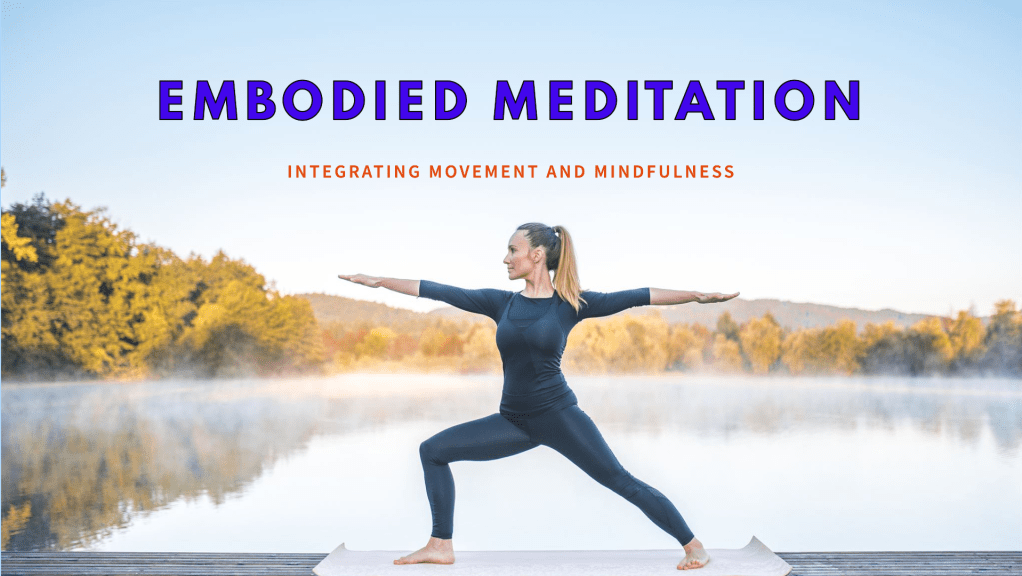
Embodied Meditation: Integrating Movement and Mindfulness for a Deeper Connection to Your Body

In the fast-paced world we live in, finding ways to connect deeply with our bodies and minds has become more essential than ever. Embodied meditation offers a unique approach that bridges the gap between traditional meditation practices and physical movement, allowing us to achieve a profound sense of mindfulness and holistic well-being.

The Concept of Embodied Meditation

Embodied meditation is not just about sitting still and focusing on your breath. It’s about becoming fully present in your body through mindful movement. Whether it’s through yoga, Tai Chi, or simple stretching exercises, embodied meditation encourages you to feel every sensation, notice every tension, and release every stressor held in your body. This practice is rooted in the understanding that our physical body holds emotions, memories, and stress, and by engaging in mindful movement, we can begin to release these stored energies and create a more harmonious state of being.

For example, in yoga, the focus is not only on the physical postures but also on the breath and the flow of energy within the body. Each movement is an opportunity to connect deeper with oneself, to understand the body’s needs, and to cultivate a sense of inner peace. The same principle applies to other forms of embodied meditation, such as Qi Gong, which integrates slow, deliberate movements with breath control and mental focus to promote healing and balance within the body.

Benefits of Embodied Meditation

  1. Enhanced Body Awareness
    • Embodied meditation helps you develop a deeper connection with your body, making you more aware of its signals. This heightened awareness can lead to better posture, reduced pain, and an overall improvement in physical health. As you move, you become more attuned to how your body feels, which can help in identifying areas of tension or discomfort that you may not have noticed otherwise.
  2. Reduction of Stress and Anxiety
    • By focusing on the physical sensations in your body, embodied meditation can help calm the mind and reduce stress. The physical act of moving with intention allows you to release pent-up energy and emotions, which can be particularly effective in managing anxiety and improving mental clarity. For instance, studies have shown that practices like Tai Chi and yoga can significantly reduce levels of cortisol, the stress hormone, in the body.
  3. Improved Emotional Resilience
    • Movement combined with mindfulness helps in processing emotions more effectively. When you engage in embodied meditation, you are not just moving your body; you are also moving through your emotions, allowing them to flow and release naturally. This can lead to greater emotional resilience, as you become better equipped to handle life’s challenges with a calm and centered mindset.
  4. Increased Focus and Mental Clarity
    • Engaging both the mind and body in meditation enhances cognitive function. When you practice embodied meditation, the mind is less likely to wander because it is actively engaged in coordinating movement and breath. This dual focus helps improve concentration, memory, and overall mental sharpness. According to a study published in the journal Frontiers in Psychology, regular practice of mindful movement can lead to significant improvements in attention and cognitive function.
  5. Holistic Health and Well-being
    • Embodied meditation is a holistic practice that benefits not just the mind, but the entire body. By integrating movement into your meditation practice, you are promoting circulation, flexibility, and strength, all of which contribute to overall health and longevity. Moreover, the mindful aspect of this practice ensures that you are not just going through the motions, but truly connecting with your body on a deeper level.

Practical Tips for Embodied Meditation

  1. Start with Simple Movements: Begin with movements you are comfortable with, such as gentle stretching or walking. The key is to focus on the sensations in your body as you move. Notice how your muscles feel, how your breath flows, and how your body responds to each movement.
  2. Incorporate Breath Awareness: Sync your movements with your breath. For example, as you stretch, inhale deeply to expand your body and exhale slowly to release tension. This not only enhances the meditative experience but also helps in regulating your nervous system.
  3. Be Present in Every Moment: It’s easy for the mind to wander, even during movement. If you find yourself lost in thought, gently bring your focus back to your body and the present moment. The more you practice, the easier it will become to stay grounded in your body.
  4. Use Guided Practices: If you’re new to embodied meditation, consider following a guided practice. There are numerous resources available online, such as guided yoga sessions or Tai Chi tutorials, that can help you get started.
  5. Reflect Post-Practice: After your session, take a few minutes to sit quietly and reflect on your experience. Notice any changes in your body, mind, or emotions. Journaling about your practice can also help deepen your awareness and track your progress over time.

Conclusion

Embodied meditation offers a unique path to mindfulness that incorporates the wisdom of the body into the meditative process. By combining movement with mindful awareness, you can deepen your connection to yourself, reduce stress, and enhance your overall well-being. Whether you’re looking to improve your mental clarity, emotional resilience, or physical health, embodied meditation is a powerful practice that can support your holistic journey.

Call to Action

Begin your journey with embodied meditation today and discover the profound benefits of integrating movement with mindfulness. Visit Holistic Wellness Guide for more insights and resources on how to incorporate this practice into your daily life.

#EmbodiedMeditation #Mindfulness #HolisticHealth #MindBodyConnection #StressRelief #Yoga #TaiChi #WellnessJourney #EmotionalResilience #HolisticWellness

The Ultimate Evening Workouts for Weight Loss and Better Sleep

Finding the right time to exercise can significantly impact your weight loss journey and sleep quality. While morning workouts are popular, evening workouts have unique benefits. Here are six of the best evening workouts that can help you achieve your fitness goals and improve your sleep.


1. Evening Jogging

Jogging in the evening can help you unwind after a long day. It improves cardiovascular health and burns calories effectively. The cooler evening air can also make jogging more comfortable compared to the heat of the day.

Learn more about the benefits of evening jogging: Healthline


2. Yoga for Relaxation

Practicing yoga in the evening can be incredibly beneficial for both your body and mind. Yoga helps reduce stress, improve flexibility, and prepare your body for restful sleep. Poses like the child’s pose and savasana are perfect for winding down.

Explore evening yoga routines: Yoga Journal


3. Strength Training

Evening strength training can boost your metabolism and promote muscle growth. Exercises like weight lifting, resistance band workouts, and bodyweight exercises are effective ways to build strength and burn calories.

Discover effective strength training exercises: Verywell Fit


4. Cycling

Cycling in the evening is a great cardiovascular workout that can help with weight loss. It’s a low-impact exercise that’s easy on the joints and allows you to enjoy the outdoors or use a stationary bike indoors.

Find cycling tips and benefits: Bicycling


5. Swimming

Swimming is an excellent full-body workout that can be done in the evening to promote relaxation and weight loss. It’s a low-impact exercise that can help improve cardiovascular health and build muscle.

Learn more about the benefits of swimming: Swim England


6. Pilates

Pilates is a great way to improve core strength, flexibility, and posture. Evening Pilates sessions can help reduce stress and tension in your body, making it easier to fall asleep.

Explore Pilates routines: Pilates Foundation


Call to Action

Incorporate these evening workouts into your routine to maximize weight loss and enhance your sleep quality. For more tips and wellness guides, visit Holistic Wellness Guide.

#Fitness #EveningWorkouts #WeightLoss #BetterSleep #Yoga #StrengthTraining #Cycling #Swimming #Pilates #HealthyLiving

10 Holistic Practices for a Healthier, Balanced Life

1. Daily Meditation

Meditation is a powerful tool for reducing stress and enhancing mental clarity. Just 10-15 minutes of meditation each morning can set a positive tone for the day, helping you to stay focused and calm. Find a quiet space, close your eyes, and focus on your breath or a calming mantra. Consistent practice can significantly improve your overall mental well-being.

2. Regular Exercise

Incorporating regular physical activity into your routine is essential for maintaining good health. Activities such as yoga, walking, or tai chi not only improve physical fitness but also enhance mental relaxation. Aim for at least 30 minutes of moderate exercise most days of the week to boost your energy levels, improve cardiovascular health, and reduce stress.

3. Balanced Diet

Eating a balanced diet rich in fruits, vegetables, whole grains, and lean proteins can have profound effects on your health. Nutrient-dense foods provide the energy and nutrients needed to support bodily functions, improve mood, and maintain a healthy weight. Avoid processed foods and sugars, and aim to eat a variety of colors on your plate for maximum nutritional benefits.

4. Adequate Sleep

Getting enough sleep is crucial for overall health and well-being. Aim for 7-9 hours of quality sleep each night to allow your body to repair and rejuvenate. Create a calming bedtime routine, such as reading or taking a warm bath, to signal to your body that it’s time to wind down. Avoid screens and heavy meals before bedtime to improve sleep quality.

5. Mindful Eating

Practicing mindful eating involves paying attention to the taste, texture, and aroma of your food, as well as your body’s hunger and fullness cues. This practice can help you enjoy your meals more and prevent overeating. Slow down, savor each bite, and avoid distractions like TV or smartphones while eating. Mindful eating can improve digestion and foster a healthier relationship with food.

6. Hydration

Staying hydrated is essential for maintaining energy levels, supporting digestion, and keeping your skin healthy. Aim to drink at least 8 glasses of water a day, more if you are active or live in a hot climate. Carry a reusable water bottle with you as a reminder to drink regularly, and incorporate water-rich foods like cucumbers and oranges into your diet.

7. Stress Management

Finding effective ways to manage stress is key to maintaining overall wellness. Techniques such as deep breathing exercises, progressive muscle relaxation, and spending time in nature can help reduce stress levels. Identify your stress triggers and develop a toolkit of stress-relief practices to use when needed. Consistent stress management can improve both mental and physical health.

8. Social Connections

Maintaining strong social connections is vital for emotional well-being. Spend time with family and friends, join community groups, or volunteer to foster a sense of belonging and support. Positive social interactions can boost your mood, reduce feelings of loneliness, and even improve your immune system. Make an effort to connect with others regularly.

9. Regular Health Check-ups

Regular health check-ups are essential for early detection and prevention of potential health issues. Schedule annual visits with your healthcare provider, and stay up-to-date with recommended screenings and vaccinations. Proactive health management can help you stay informed about your health status and make necessary adjustments to your lifestyle.

10. Personal Development

Engaging in continuous personal development can lead to greater life satisfaction and self-fulfillment. Set aside time for activities that promote growth, such as reading, learning new skills, or pursuing hobbies. Personal development enhances self-awareness, boosts confidence, and can help you achieve your personal and professional goals.

Call to Action: Integrate these holistic practices into your daily routine to achieve a healthier, more balanced life. Visit Holistic Wellness Guide for more tips and insights on maintaining your well-being.

Natural and Holistic Methods for Managing Chronic Pain

Chronic pain can significantly impact quality of life, but natural and holistic methods can offer effective relief without the side effects of conventional medications. Here’s a guide to managing chronic pain through diet, exercise, and alternative therapies.

1. Anti-Inflammatory Diet

Diet plays a crucial role in managing chronic pain, especially when inflammation is a key factor. An anti-inflammatory diet can help reduce pain and improve overall health.

  • Foods to Include:
    • Fruits and Vegetables: Rich in antioxidants and vitamins, they help reduce inflammation. Examples include berries, leafy greens, and cruciferous vegetables.
    • Healthy Fats: Omega-3 fatty acids found in fish, flaxseeds, and walnuts have anti-inflammatory properties.
    • Whole Grains: Brown rice, quinoa, and whole oats can help maintain steady blood sugar levels, reducing pain flare-ups.
    • Spices and Herbs: Turmeric, ginger, and garlic are known for their anti-inflammatory effects.
  • Tip: Incorporate a variety of these foods into your daily meals for the best results.
  • Story: Sarah, who suffers from arthritis, started following an anti-inflammatory diet. She noticed a significant reduction in joint pain and improved mobility after a few months.

2. Regular Exercise

Exercise is essential for managing chronic pain. It helps to strengthen muscles, improve flexibility, and increase endorphins, which are natural pain relievers.

  • Low-Impact Exercises:
    • Yoga: Enhances flexibility, reduces stress, and improves pain tolerance.
    • Swimming: Provides a full-body workout without putting stress on the joints.
    • Walking: Improves cardiovascular health and overall fitness with minimal impact on the body.
  • Tip: Start with gentle exercises and gradually increase intensity as your body adapts.
  • Story: John, who has chronic back pain, began a gentle yoga routine. Over time, he experienced less pain and greater ease of movement.

3. Alternative Therapies

Several alternative therapies can complement conventional treatments for chronic pain, offering additional relief.

  • Acupuncture: Involves inserting thin needles into specific points on the body to balance energy flow and reduce pain.
    • Tip: Seek a certified acupuncturist for safe and effective treatment.
    • Story: Emily, dealing with chronic migraines, found acupuncture sessions helped reduce the frequency and intensity of her headaches.
  • Massage Therapy: Helps to relieve muscle tension, improve circulation, and promote relaxation.
    • Tip: Regular sessions with a professional massage therapist can provide ongoing relief.
    • Story: Raj, suffering from fibromyalgia, found that regular massages significantly alleviated his muscle pain and stiffness.
  • Chiropractic Care: Focuses on aligning the spine and musculoskeletal system to relieve pain and improve function.
    • Tip: Consult a licensed chiropractor to ensure safe and effective treatment.
    • Story: Lisa, who had chronic neck pain, experienced relief after a series of chiropractic adjustments.

4. Mind-Body Techniques

Mind-body techniques can help manage pain by reducing stress and promoting relaxation.

  • Meditation: Practices like mindfulness meditation can reduce pain perception and improve mental health.
    • Tip: Set aside a few minutes each day to practice meditation or deep breathing exercises.
    • Story: Alex, a chronic pain sufferer, found that daily meditation helped him manage his pain better and improve his overall well-being.
  • Biofeedback: Uses electronic monitoring to help patients gain awareness and control over physiological functions related to pain.
    • Tip: Work with a biofeedback therapist to learn how to use this technique effectively.
    • Story: Maria, dealing with chronic tension headaches, benefited from biofeedback therapy, which helped her reduce headache frequency.

Conclusion: Managing chronic pain requires a multifaceted approach that includes diet, exercise, and alternative therapies. By incorporating these natural and holistic methods into your routine, you can achieve better pain management and improve your overall quality of life.

The Benefits of Yoga: A Holistic Approach to Health and Well-Being

Yoga is an ancient practice that combines physical postures, breathing exercises, meditation, and a distinct philosophy to promote overall health and well-being. This holistic approach can provide numerous benefits for the mind, body, and spirit. Here’s how incorporating yoga into your daily routine can enhance your health and well-being.

1. Physical Health Benefits

Yoga offers a wide range of physical health benefits, making it an excellent addition to your fitness routine.

  • Improves Flexibility: Regular yoga practice helps increase flexibility, reducing the risk of injuries and improving overall mobility.
    • Example: Practicing poses like the forward bend or seated stretches can gradually improve flexibility over time.
  • Builds Strength: Many yoga poses are weight-bearing, which helps build and tone muscles throughout the body.
    • Example: Holding poses like plank, warrior, and chair pose can strengthen various muscle groups.
  • Enhances Balance and Coordination: Yoga poses often involve balancing on one leg or holding a pose for an extended period, which improves balance and coordination.
    • Example: Tree pose and eagle pose are excellent for developing balance.
  • Supports Cardiovascular Health: Certain styles of yoga, like Vinyasa or Power Yoga, can provide a cardiovascular workout that enhances heart health.
    • Example: Flowing through a series of sun salutations increases heart rate and improves cardiovascular endurance.

2. Mental Health Benefits

Yoga is well-known for its positive effects on mental health, helping to reduce stress, anxiety, and depression.

  • Reduces Stress: Yoga encourages relaxation and helps reduce the production of stress hormones.
    • Example: Incorporating relaxation poses like child’s pose and corpse pose into your routine can help reduce stress levels.
  • Improves Mood: The combination of physical activity, breathing exercises, and meditation in yoga promotes the release of endorphins, which can enhance mood.
    • Example: Practicing a gentle yoga sequence followed by a short meditation session can lift your spirits.
  • Enhances Focus and Concentration: The mindfulness aspect of yoga helps improve focus and concentration, making it easier to stay present in daily activities.
    • Example: Breathing exercises, such as alternate nostril breathing, can improve mental clarity and concentration.
  • Promotes Better Sleep: Regular yoga practice can help regulate sleep patterns and improve the quality of sleep.
    • Example: Practicing restorative yoga or gentle stretches before bed can promote relaxation and better sleep.

3. Emotional Health Benefits

Yoga helps cultivate a positive mindset and emotional resilience, which are essential for overall well-being.

  • Boosts Self-Esteem: Achieving and holding challenging poses can enhance self-esteem and confidence.
    • Example: Mastering poses like crow pose or headstand can boost your sense of accomplishment and self-worth.
  • Encourages Mindfulness: Yoga teaches you to be present in the moment, which can enhance your appreciation of life and foster a positive outlook.
    • Example: Mindful breathing exercises during yoga practice help you stay connected to the present moment.
  • Improves Emotional Regulation: The meditative aspects of yoga can help you manage and process emotions more effectively.
    • Example: Incorporating meditation and mindfulness practices into your yoga routine can help you stay calm and balanced in stressful situations.

4. Spiritual Health Benefits

Yoga can deepen your spiritual awareness and foster a sense of inner peace and connection.

  • Promotes Inner Peace: The meditative practices in yoga help you connect with your inner self, fostering a sense of peace and tranquility.
    • Example: Practicing yoga nidra, a form of guided meditation, can promote deep relaxation and inner peace.
  • Encourages Personal Growth: Yoga’s philosophy encourages self-reflection and personal growth, helping you develop a deeper understanding of yourself and your purpose.
    • Example: Keeping a yoga journal to reflect on your practice and personal insights can promote self-awareness and growth.
  • Fosters a Sense of Connection: Yoga encourages a sense of connection to others and the world around you, promoting compassion and empathy.
    • Example: Group yoga classes and community events can foster a sense of belonging and connection.

5. Practical Tips for Incorporating Yoga into Your Daily Routine

  • Start Small: Begin with short, manageable sessions and gradually increase the duration and intensity as you become more comfortable.
    • Example: Start with a 10-minute morning yoga routine and gradually increase it to 30 minutes.
  • Create a Dedicated Space: Set up a quiet, clutter-free space in your home where you can practice yoga without distractions.
    • Example: Use a yoga mat, blocks, and a cushion to create a comfortable practice area.
  • Follow Online Classes: If you’re new to yoga, consider following online classes or tutorials to guide your practice.
    • Example: Platforms like YouTube, Yoga with Adriene, and Gaia offer a variety of classes for all levels.
  • Join a Yoga Community: Joining a local yoga class or community can provide support and motivation.
    • Example: Participate in group classes or workshops to deepen your practice and connect with like-minded individuals.
  • Listen to Your Body: Pay attention to your body’s signals and modify poses as needed to avoid injury.
    • Example: If a pose feels uncomfortable or painful, use props or adjust the pose to suit your body’s needs.

A Day in the Life of a Mindful Executive

Explore a typical day of a mindful executive who balances work responsibilities with mindfulness practices and healthy habits to maintain well-being and productivity.

Morning Routine: The mindful executive begins the day with intentional practices to set a positive tone.

Example: Wake up at 6 AM and start the day with a glass of warm lemon water. Spend 10 minutes practicing mindfulness meditation, followed by a light stretching routine to awaken the body.

Healthy Breakfast: A nourishing breakfast fuels the body and mind for the busy day ahead.

Example: Prepare a bowl of oatmeal topped with fresh berries, nuts, and a drizzle of honey. Enjoy this while reviewing the day’s schedule and setting intentions.

Commute with Purpose: Use the commute time as an opportunity for mindfulness or learning.

Example: Listen to a motivational podcast or an audiobook related to personal development during the commute to the office.

Mindful Work Practices: Incorporate mindfulness techniques to stay focused and calm throughout the workday.

Example: Begin the workday with a brief team meditation or mindfulness exercise. Schedule short breaks between meetings to stretch, breathe, and reset.

Lunch Break: Enjoy a balanced meal that supports sustained energy and mental clarity.

Example: Have a quinoa salad with mixed greens, avocado, cherry tomatoes, and grilled salmon. Take a walk outside after lunch to get fresh air and clear the mind.

Afternoon Focus: Maintain productivity with focused work periods and mindful breaks.

Example: Use the Pomodoro Technique to break work into intervals with short breaks. During breaks, practice deep breathing or do a quick mindfulness exercise.

Evening Wind-Down: Transition from work to personal time with activities that promote relaxation and well-being.

Example: Leave the office by 6 PM and head to a yoga class to unwind and release tension. Follow this with a light, nutritious dinner at home.

Family Time and Relaxation: Spend quality time with loved ones and engage in relaxing activities.

Example: Have a family dinner, then engage in a calming activity such as reading, playing a board game, or taking a walk together.

Nighttime Routine: Create a peaceful evening routine to prepare for restful sleep.

Example: Take a warm bath with lavender essential oil, followed by a cup of chamomile tea. Reflect on the day with a gratitude journal and set positive intentions for the next day.

Mindful Morning Routines: Start Your Day with Yoga and Meditation

Starting the day with a calm and focused mindset can significantly enhance your overall well-being and productivity. Integrating yoga and meditation into your morning routine helps you begin the day with clarity and energy.

Begin with Gentle Yoga: Kickstart your morning with gentle yoga poses to wake up your body and mind. Poses like Cat-Cow, Downward-Facing Dog, and Child’s Pose are excellent for stretching and energizing your body.

Example: Spend 10 minutes in the morning practicing these poses on a yoga mat in a quiet space. This helps improve flexibility and reduce morning stiffness.

Transition to Meditation: After yoga, transition to a meditation session. Find a comfortable seated position, close your eyes, and focus on your breath. Meditation helps calm the mind, reduce stress, and set a positive tone for the day.

Example: Practice meditation for 10-15 minutes. Use guided meditation apps if needed, focusing on deep breathing and mindfulness.

Create a Peaceful Environment: Set up a dedicated space for your morning routine. Ensure it’s quiet, clutter-free, and filled with natural light. Adding elements like plants, candles, or soft music can enhance the ambiance.

Example: Designate a corner of your room for yoga and meditation. Decorate it with calming colors and inspirational quotes to motivate you.

Consistency is Key: Consistency is essential for reaping the benefits of yoga and meditation. Make this routine a daily habit to experience long-term improvements in your mental and physical health.

Example: Stick to your routine even on busy days. The consistency will help you maintain balance and resilience throughout your daily challenges.

By starting your day with yoga and meditation, you cultivate mindfulness and serenity, preparing yourself for whatever the day may bring.

Embracing Holistic Wellness: Integrating Natural Remedies for Better Health

Understanding Holistic Wellness

Holistic wellness focuses on the whole person, considering physical, mental, emotional, and spiritual aspects. It promotes a balanced lifestyle that nurtures all facets of health.

Key Components of Holistic Wellness

  1. Physical Health: Regular exercise, a balanced diet, and adequate sleep are essential. Activities like yoga and tai chi improve physical fitness and mental relaxation.
  2. Mental and Emotional Health: Managing stress through mindfulness, meditation, and positive thinking enhances mental clarity and emotional stability.
  3. Spiritual Health: Finding purpose and meaning through spiritual practices or spending time in nature fosters inner peace and fulfillment.

Natural Remedies for Common Ailments

  1. Echinacea for Colds and Flu: Known for its immune-boosting properties, echinacea can reduce the duration and severity of colds and flu.
    • Usage: Take supplements or drink echinacea tea at the first sign of symptoms.
  2. Ginger for Digestive Issues: Ginger is effective for soothing nausea, indigestion, and bloating.
    • Usage: Incorporate fresh ginger into meals or drink ginger tea after eating.
  3. Turmeric for Inflammation: Turmeric’s anti-inflammatory properties can help manage conditions like arthritis.
    • Usage: Add turmeric to your diet or take it as a supplement.

Benefits of Holistic Wellness

  1. Improved Physical Health: Addressing the root causes leads to better overall health.
  2. Enhanced Mental and Emotional Stability: Mindfulness and meditation reduce stress and improve mental clarity.
  3. Greater Life Satisfaction: Balancing all aspects of well-being leads to a more fulfilling life.

Implementing Holistic Wellness in Daily Life

  1. Set Realistic Goals: Start with small, achievable goals in each area of health.
  2. Create a Balanced Routine: Include physical activities, mental exercises, and spiritual practices in your daily schedule.
  3. Seek Professional Guidance: Consult with holistic health professionals for personalized advice.

Call to Action

Embrace holistic wellness today for a balanced and fulfilling life. Visit Holistic Wellness Guide for more tips on integrating these practices into your daily routine.