

How a Busy Doctor Reversed His Age by 20 Years: A Comprehensive Guide

Introduction

Dr. John Smith, a renowned physician, has astonished the medical community by reversing his age by 20 years through a disciplined workout routine. His transformation showcases the incredible benefits of maintaining a structured fitness regimen, even for those with demanding schedules.

Dr. Smith’s Workout Routine

1. Morning Cardio Sessions

  • Activity: 30-minute high-intensity interval training (HIIT)
  • Benefits: Boosts metabolism, enhances cardiovascular health, and promotes weight loss.
  • Tips: Dr. Smith suggests starting the day with HIIT to kickstart energy levels and burn fat efficiently.

2. Strength Training

  • Activity: 45-minute strength training, focusing on different muscle groups each day.
  • Benefits: Builds muscle mass, improves bone density, and increases overall strength.
  • Tips: Incorporate exercises like squats, deadlifts, and bench presses for comprehensive muscle engagement.

3. Flexibility and Mobility Workouts

  • Activity: 15-minute daily yoga or stretching routine.
  • Benefits: Enhances flexibility, reduces muscle stiffness, and prevents injuries.
  • Tips: Dr. Smith recommends incorporating yoga poses that target multiple muscle groups and improve balance.

4. Evening Walks

  • Activity: 30-minute brisk walk or light jog.
  • Benefits: Promotes mental clarity, aids digestion, and improves sleep quality.
  • Tips: Use evening walks as a time to unwind and reflect on the day.

Nutritional Support

1. Balanced Diet

  • Components: High protein, moderate healthy fats, low refined sugars.
  • Benefits: Supports muscle recovery, boosts energy, and maintains overall health.
  • Tips: Dr. Smith emphasizes the importance of a diet rich in lean meats, vegetables, and whole grains.

2. Hydration

  • Routine: Drinking at least 3 liters of water daily.
  • Benefits: Maintains hydration, aids in detoxification, and improves skin health.
  • Tips: Keep a water bottle handy and set reminders to drink water throughout the day.

3. Supplements

  • Inclusions: Omega-3 fatty acids, vitamin D, and multivitamins.
  • Benefits: Supports overall health, enhances immune function, and fills nutritional gaps.
  • Tips: Consult with a healthcare provider before starting any supplement regimen.

Mental Well-Being

1. Meditation and Mindfulness

  • Activity: 10-minute daily meditation practice.
  • Benefits: Reduces stress, enhances focus, and promotes emotional balance.
  • Tips: Dr. Smith practices mindfulness to stay present and manage the stress of a busy schedule.

2. Quality Sleep

  • Routine: Ensuring 7-8 hours of sleep every night.
  • Benefits: Supports physical recovery, improves cognitive function, and maintains mood balance.
  • Tips: Establish a regular sleep schedule and create a restful sleeping environment.

Call to Action:

Embrace a balanced fitness routine, just like Dr. John Smith, to experience transformative health benefits. Visit Holistic Wellness Guide for more tips and insights on maintaining a healthy lifestyle.

#FitnessJourney #HealthyLiving #AgeReversal #WellnessRoutine #BalancedDiet #MentalHealth #StrengthTraining #Hydration #Mindfulness


Holistic Approaches to Boosting Your Immune System

A strong immune system is essential for maintaining good health and preventing illness. Holistic approaches to boosting your immune system involve natural and comprehensive methods that support overall well-being. Here’s a guide on how to enhance your immune system holistically.

1. Nutrition: Eating a Balanced Diet

A well-balanced diet rich in vitamins and minerals is crucial for a strong immune system.

  • Tip: Incorporate a variety of fruits, vegetables, whole grains, lean proteins, and healthy fats into your meals.
  • Story: Mike, a fitness enthusiast, revamped his diet to include more immune-boosting foods like citrus fruits, leafy greens, and nuts. He noticed fewer colds and a general improvement in his health.

2. Regular Exercise

Regular physical activity can boost your immune system by promoting overall health.

  • Tip: Aim for at least 30 minutes of moderate exercise most days of the week.
  • Story: Sarah, a busy mother, started incorporating daily walks and yoga sessions into her routine. She found that regular exercise not only boosted her immune system but also improved her mood and energy levels.

3. Adequate Sleep

Quality sleep is vital for a healthy immune system.

  • Tip: Aim for 7-9 hours of sleep per night and establish a consistent sleep schedule.
  • Story: John, a high-stress executive, prioritized his sleep by creating a bedtime routine and sticking to it. He experienced fewer illnesses and felt more rejuvenated.

4. Stress Management

Chronic stress can weaken the immune system. Managing stress is essential for maintaining health.

  • Tip: Practice stress-reducing techniques such as meditation, deep breathing exercises, or hobbies you enjoy.
  • Story: Emily, a college student, used meditation and journaling to manage her stress levels. As a result, she felt less anxious and noticed an improvement in her overall health.

5. Herbal Supplements

Certain herbs and supplements can support immune function.

  • Tip: Consider adding immune-boosting herbs like echinacea, elderberry, and garlic to your diet.
  • Story: Raj, an office worker, started taking elderberry supplements during cold and flu season. He found that they helped reduce the duration and severity of his symptoms.

Conclusion

Boosting your immune system holistically involves a combination of a balanced diet, regular exercise, adequate sleep, stress management, and herbal supplements. By incorporating these practices into your daily routine, you can enhance your immune function and overall well-being.

The Healing Power of Nature: Embracing Outdoor Activities for Wellness

Spending time in nature has numerous benefits for both mental and physical health. Embracing outdoor activities can improve your mood, reduce stress, and enhance overall well-being. Here’s a comprehensive guide on how to integrate nature into your wellness routine.

1. Hiking

Hiking is an excellent way to explore nature while getting a good workout. The physical activity combined with the beauty of natural landscapes can provide a sense of peace and accomplishment.

  • Benefits: Improves cardiovascular health, strengthens muscles, reduces stress, and enhances mental clarity.
  • How to Start: Find local trails or nature parks. Start with easy hikes and gradually increase the difficulty as your fitness improves.

2. Gardening

Gardening offers a therapeutic way to connect with nature. It can be a relaxing and rewarding activity that allows you to nurture plants and enjoy the beauty of your surroundings.

  • Benefits: Reduces stress, improves mood, enhances physical activity, and provides a sense of accomplishment.
  • How to Start: Begin with a small garden or even a few potted plants. Choose plants that are suitable for your climate and enjoy the process of caring for them.

3. Outdoor Yoga

Practicing yoga outdoors allows you to combine the benefits of yoga with the healing power of nature. The fresh air and natural surroundings can enhance your practice and provide a deeper sense of relaxation.

  • Benefits: Increases flexibility, improves mental focus, reduces stress, and enhances overall well-being.
  • How to Start: Find a quiet outdoor space, such as a park or your backyard. Bring a yoga mat and start with simple poses. Focus on your breath and the natural sounds around you.

4. Forest Bathing

Forest bathing, or Shinrin-yoku, is a Japanese practice that involves immersing oneself in nature to improve health and well-being. It’s about being mindful and present in the natural environment.

  • Benefits: Reduces stress, improves mood, boosts the immune system, and enhances overall well-being.
  • How to Start: Visit a forest or a park with plenty of trees. Walk slowly, breathe deeply, and take in the sights, sounds, and smells of the forest. Focus on being present in the moment.

5. Bird Watching

Bird watching is a relaxing activity that allows you to connect with nature and observe wildlife. It can be a meditative practice that provides a sense of calm and joy.

  • Benefits: Reduces stress, improves mental focus, enhances mood, and provides a sense of connection with nature.
  • How to Start: Get a pair of binoculars and a bird guidebook. Visit local parks or nature reserves and spend time quietly observing birds. Take notes and enjoy the peacefulness of the activity.

Conclusion

Integrating outdoor activities into your wellness routine can have profound benefits for your mental and physical health. Whether it’s hiking, gardening, practicing yoga, forest bathing, or bird watching, spending time in nature can enhance your overall well-being and provide a sense of peace and connection.

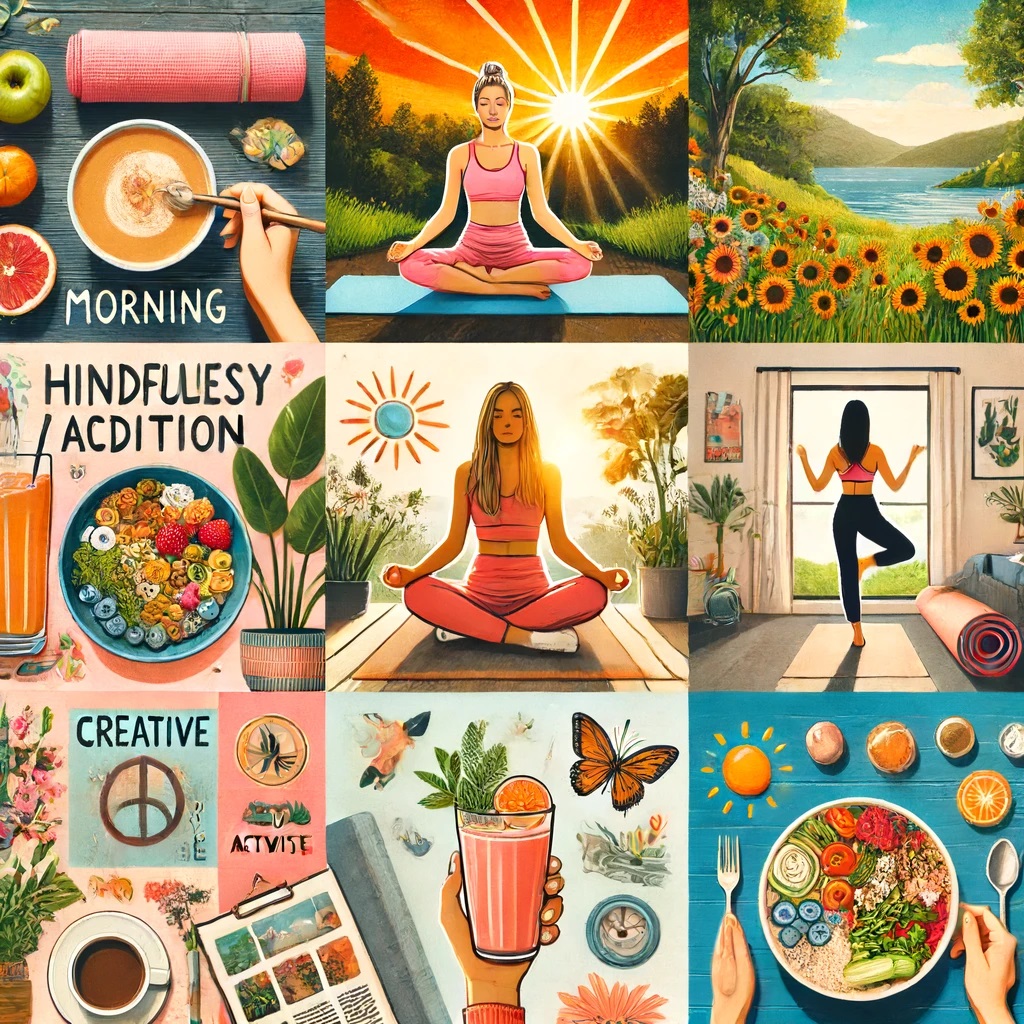
A Day in the Life of a Wellness Enthusiast

Explore a day in the life of someone who is passionate about wellness. This blog post can highlight various healthy habits, activities, and routines that promote physical and mental well-being. The narrative style can make it engaging and relatable.

Morning Routine: The wellness enthusiast starts their day with a series of healthy habits.

Example: Wake up early and begin the day with a glass of warm lemon water to kickstart digestion. Follow this with a 20-minute yoga session to stretch and energize the body.

Healthy Breakfast: A nutrient-rich breakfast is essential for fueling the day.

Example: Prepare a smoothie bowl with spinach, banana, berries, chia seeds, and almond milk. Top it with granola and fresh fruit for added texture and flavor.

Mindfulness Practice: Incorporate mindfulness to maintain mental clarity and focus.

Example: Spend 10 minutes meditating or practicing deep breathing exercises. This helps set a positive tone for the rest of the day.

Work and Productivity: Balance work responsibilities with wellness breaks.

Example: During work hours, take short breaks to stand, stretch, and walk around. This helps maintain physical health and mental sharpness.

Lunch Break: Enjoy a balanced meal that supports energy and concentration.

Example: Have a salad with mixed greens, quinoa, avocado, cherry tomatoes, and grilled chicken, dressed with olive oil and lemon juice.

Afternoon Activities: Engage in activities that promote relaxation and creativity.

Example: Take a walk in nature or visit a park to unwind and rejuvenate. Alternatively, spend time on a creative hobby like painting or playing a musical instrument.

Evening Exercise: Stay active with an enjoyable workout session.

Example: Join a dance class or go for a bike ride. Choose activities that are fun and keep you motivated.

Dinner and Relaxation: End the day with a light, nutritious dinner and relaxation techniques.

Example: Prepare a vegetable stir-fry with tofu or fish, and enjoy it with brown rice. After dinner, practice gentle stretching or read a book to wind down.

Nighttime Routine: Create a calming bedtime routine to ensure restful sleep.

Example: Take a warm bath with Epsom salts, followed by a cup of chamomile tea. Reflect on the day with a gratitude journal and set intentions for the next day.