


The Power of Solitude: How Embracing Alone Time Can Transform Your Mind and Soul

In a world that often glorifies busyness and social connection, the art of solitude is often undervalued. Yet, spending time alone can be profoundly healing and transformative. Embracing solitude allows you to reconnect with yourself, understand your desires, and cultivate inner peace. Here, we’ll explore the power of solitude, the benefits it brings to the mind and soul, and how to make the most of your alone time.


Why Solitude is Essential for Personal Growth

Solitude isn’t about isolation; it’s about connection—to yourself. When you spend time alone, you have the space to listen to your thoughts, process emotions, and gain clarity on what truly matters to you. Solitude allows for self-reflection, creativity, and a deeper understanding of who you are beyond external influences.

The Benefits of Embracing Solitude

  1. Enhanced Self-Awareness Solitude creates an opportunity for introspection. When you’re alone, you’re free from distractions and external expectations, allowing you to reflect on your thoughts, beliefs, and aspirations. This leads to greater self-awareness and understanding.
  2. Emotional Resilience Spending time alone helps you build emotional strength and resilience. Without the constant influence of others, you learn to process your emotions independently, becoming more comfortable with your feelings and developing inner strength.
  3. Increased Creativity and Clarity Solitude sparks creativity and problem-solving. Many artists, writers, and thinkers use solitude to generate ideas and find clarity. Time alone allows you to brainstorm freely, connect ideas, and explore creative expressions without interruption.
  4. Deep Inner Peace In solitude, you can disconnect from the noise and chaos of daily life. This quiet time helps you find inner peace, letting go of stress and anxiety. Solitude allows you to center yourself, reconnect with your inner calm, and recharge your spirit.

1. Establish a Regular “Solitude Session”

Just as you schedule social outings or work commitments, schedule regular time for solitude. This intentional alone time helps you recharge, reflect, and create a routine of self-connection.

  • How to Practice: Choose a specific time each day or week to disconnect from technology and be alone. Use this time for reflection, journaling, or simply enjoying quiet.

2. Create a Solo Ritual You Love

Rituals give structure to solitude, making it a cherished practice. Whether it’s morning coffee on your balcony or a solo sunset walk, choose an activity that feels restorative.

  • How to Practice: Dedicate a ritual to yourself, like making a cup of tea and enjoying it slowly, or taking a nature walk in the early morning. Make this ritual a sacred time of reflection.

3. Journal for Self-Discovery

Journaling is a powerful tool for self-discovery and introspection. It gives you a private space to express emotions, clarify goals, and explore your inner thoughts.

  • How to Practice: Set aside 10-15 minutes during your solitude session to write freely. Reflect on your dreams, emotions, or experiences, and let the process guide you to self-understanding.

4. Practice Mindful Observation

Solitude offers an opportunity to slow down and observe the world around you with fresh eyes. Practicing mindful observation deepens your sense of presence and appreciation for the moment.

  • How to Practice: During your solitude, focus on observing small details—like the play of light on a wall or the sounds of nature. Let yourself be fully present and notice the richness of each moment.

5. Embrace Silence

Silence can be one of the most profound experiences in solitude. Without external noise, silence helps you tune into your thoughts and feelings, promoting clarity and peace.

  • How to Practice: Find a quiet spot and embrace the silence for a few minutes. Avoid speaking, music, or other sounds. Allow your mind to settle and your spirit to recharge in the stillness.

6. Disconnect from Technology

Technology often disrupts our time alone, keeping us tethered to external stimulation. Disconnecting from screens helps you fully embrace solitude and be present with yourself.

  • How to Practice: Set your devices aside during solitude sessions. Embrace tech-free time to cultivate deeper connections within, without the distraction of notifications or social media.

7. Engage in Solo Creativity

Creativity flourishes in solitude, where your mind is free to wander without judgment. Use your alone time to express yourself creatively—whether it’s drawing, writing, playing music, or crafting.

  • How to Practice: Choose a creative activity you enjoy and let it be a form of self-expression. Allow yourself to explore freely, focusing on the process rather than the end result.

8. Reflect on Personal Goals and Aspirations

Solitude provides the perfect setting to reflect on your goals and desires. Without external opinions, you can tap into your authentic self and understand what truly drives you.

  • How to Practice: Spend time thinking about your aspirations and personal values. Consider journaling about your goals, where you see yourself in the future, and the steps to get there.

9. Practice Self-Compassion

Solitude is an ideal time to cultivate self-compassion. Use your time alone to practice kindness toward yourself, reflecting on your growth and accepting any imperfections.

  • How to Practice: During your solitude session, repeat self-compassionate affirmations or reflect on your accomplishments. Remind yourself that you are enough and embrace self-love.

10. Engage in a “Solo Adventure”

Exploring something new alone, like visiting a museum or going for a hike, builds independence and self-confidence. Solo adventures offer unique experiences that deepen your relationship with yourself.

  • How to Practice: Plan a simple solo outing, like trying a new coffee shop, hiking trail, or local event. Use this time to enjoy your own company and explore new experiences independently.

11. Read for Personal Growth and Reflection

Books offer a window into new ideas, perspectives, and self-discovery. Reading alone allows you to immerse yourself in knowledge that resonates with your values or aspirations.

  • How to Practice: Choose books that inspire growth and insight, like self-help, philosophy, or fiction with profound themes. Reflect on what you learn and how it relates to your own journey.

12. End with a Moment of Gratitude

Ending your solitude session with gratitude reinforces the positive impact of alone time. It grounds you, helping you recognize the value of this special time for self-renewal.

  • How to Practice: Reflect on one or two things you’re grateful for after each solitude session. It could be an insight you gained, a peaceful feeling, or simply the opportunity to spend time with yourself.

Conclusion

Embracing solitude is a powerful act of self-care and self-connection. It offers a space to slow down, reflect, and discover who you are beneath life’s noise and expectations. By incorporating solitude into your routine, you nurture a relationship with yourself that brings clarity, inner peace, and resilience. Start small, find practices that resonate with you, and let solitude become a cherished part of your life’s journey.


For more guidance on inner peace and personal growth, check out my book, The Mindful Executive: https://www.amazon.com/dp/B0D75YJCLW.


10 Signs Your Energy is Out of Balance—and How to Fix It

Feeling off, drained, or out of sync? Our bodies, minds, and spirits thrive on balanced energy, but everyday stressors, emotional challenges, and lifestyle choices can throw that balance off. Recognizing the signs of energy imbalance allows you to address and restore harmony within. Here are 10 common indicators of energy imbalance and practical ways to bring yourself back into alignment.


1. Chronic Fatigue and Low Energy

Persistent fatigue, even after rest, can be a sign that your energy is misaligned. Emotional, mental, or physical blocks may be draining your energy reserves.

  • How to Fix It: Prioritize restorative activities like gentle exercise, breathwork, or nature walks. Grounding exercises, like walking barefoot or deep breathing, can help reconnect you to stable energy.

2. Frequent Mood Swings

Feeling emotionally turbulent or irritable may indicate an imbalance in your emotional energy. This can happen when you’re suppressing emotions or not expressing your needs.

  • How to Fix It: Practice emotional release exercises like journaling or talking to a trusted friend. Incorporating heart-opening yoga poses, such as camel or bridge pose, can help balance emotional energy.

3. Poor Sleep Quality

If you’re having trouble falling asleep, staying asleep, or waking up feeling unrefreshed, it may indicate an imbalance in your mental or physical energy.

  • How to Fix It: Develop a consistent bedtime routine and avoid screens before bed. Try a 4-7-8 breathing exercise to calm your mind and promote restful sleep.

4. Difficulty Concentrating

A scattered mind or trouble focusing may suggest an imbalance in your mental energy, often stemming from stress or overstimulation.

  • How to Fix It: Take regular breaks from digital devices and practice mindfulness techniques. Meditating for even five minutes can help you center and sharpen your focus.

5. Frequent Illness or Weakened Immune System

Regular colds or other illnesses might indicate that your body’s energy is depleted or blocked, affecting your immune defenses.

  • How to Fix It: Nourish your body with immune-boosting foods, like citrus fruits, ginger, and greens. Gentle movement and adequate rest can help restore physical vitality.

6. Digestive Issues

Bloating, indigestion, or other digestive discomforts may signal that your energy flow is disrupted, particularly in the solar plexus area, which is associated with personal power and confidence.

  • How to Fix It: Practice deep breathing exercises, especially belly breathing, to relax the digestive organs. Try mindful eating by slowing down and savoring each bite.

7. Persistent Self-Doubt

Constantly second-guessing yourself or feeling unworthy can indicate an imbalance in your personal power and self-esteem, often associated with the solar plexus chakra.

  • How to Fix It: Practice affirmations that reinforce your self-worth, such as “I am capable” or “I trust myself.” Physical activities like yoga can also boost your confidence and personal power.

8. Tension in the Neck, Shoulders, or Back

Physical tension, especially in the neck, shoulders, and back, often reflects stress, suppressed emotions, or a lack of support in life.

  • How to Fix It: Stretching, yoga, and bodywork therapies like massage can release physical tension. Focus on deep, mindful breaths during stretches to further relieve stress.

9. Feeling Disconnected or “Empty”

A sense of emptiness or disconnection from life’s purpose can indicate an imbalance in spiritual energy. This often occurs when we’re not nurturing our sense of purpose or spiritual connection.

  • How to Fix It: Engage in activities that nourish your spirit, like meditation, volunteering, or spending time in nature. Reflecting on what brings you joy and meaning can also rekindle your inner spark.

10. Overthinking or Constant Worry

Excessive worry or overthinking can indicate a blocked or imbalanced third eye chakra, which is associated with intuition and clarity of mind.

  • How to Fix It: Practice meditation or visualization techniques that calm the mind and focus on the present. Visualization exercises, like imagining a peaceful place, can help ease mental strain.

Conclusion

Recognizing these signs of energy imbalance empowers you to make simple yet effective adjustments to restore harmony within. By understanding the specific areas where your energy may be blocked or out of alignment, you can take proactive steps to renew and reenergize. Small practices, such as grounding exercises, mindfulness, and self-care rituals, can help you restore your natural flow and thrive in mind, body, and spirit.


For more insights on maintaining balanced energy, check out my book, The Mindful Executive: https://www.amazon.com/dp/B0D75YJCLW.

15 Types of Healing Crystals and How to Use Them for Holistic Health

Healing crystals have been used for centuries across cultures to promote well-being, balance, and energetic healing. Each crystal has unique properties and vibrational energies that can support physical, emotional, and spiritual health. Whether you’re new to crystal healing or looking to expand your practice, this guide explores 15 powerful healing crystals, their benefits, and practical ways to incorporate them into your daily life.


1. Amethyst: The Calming Stone

Amethyst is a purple stone known for its calming and purifying qualities. It’s often used for reducing stress, enhancing spiritual growth, and aiding restful sleep. Amethyst can help clear the mind of negativity and supports emotional balance.

  • How to Use: Place amethyst under your pillow for better sleep or keep it nearby during meditation to deepen your connection with inner peace.

2. Rose Quartz: The Stone of Love

Known as the stone of universal love, rose quartz promotes compassion, forgiveness, and emotional healing. It’s a powerful tool for healing relationships, fostering self-love, and encouraging positive energy in your environment.

  • How to Use: Place rose quartz in your bedroom or wear it as jewelry to attract love and harmony into your life.

3. Citrine: The Manifestation Crystal

Citrine is a vibrant yellow stone associated with abundance, confidence, and creativity. Often referred to as the “merchant’s stone,” it’s used to attract prosperity, inspire optimism, and encourage positive transformation.

  • How to Use: Keep citrine in your workspace to boost motivation and creativity, or place it in your wallet to attract financial abundance.

4. Clear Quartz: The Master Healer

Clear quartz is known as a master healer due to its powerful energy amplification abilities. It’s a versatile stone that can be programmed with intentions and is used to clear, align, and energize all chakras.

  • How to Use: Meditate with clear quartz while focusing on your goals or place it near other crystals to enhance their energy.

5. Black Tourmaline: The Protection Stone

Black tourmaline is revered for its grounding and protective properties. It creates a shield against negative energy, making it ideal for those who feel emotionally drained or surrounded by negativity.

  • How to Use: Place black tourmaline near your front door to guard your space, or carry it with you to create a protective energy field.

6. Labradorite: The Stone of Transformation

Labradorite is a mystical stone known for its transformative energy, supporting inner growth and intuition. It’s especially useful during times of change, helping you stay grounded while embracing new possibilities.

  • How to Use: Meditate with labradorite to enhance your intuition or keep it nearby during times of transition for spiritual guidance.

7. Selenite: The Purification Crystal

Selenite is a powerful cleanser and purifier that clears stagnant energy and raises vibrations. Known for its calming effects, it’s also great for connecting with higher realms.

  • How to Use: Place selenite in your home to cleanse your space or use a selenite wand to “scan” your body and release blockages.

8. Carnelian: The Stone of Vitality

Carnelian is an energizing stone that boosts motivation, creativity, and confidence. Known for its fiery energy, it’s ideal for those seeking a renewed sense of enthusiasm.

  • How to Use: Wear carnelian jewelry to keep your energy levels high or place it in your workspace to stimulate creativity.

9. Jade: The Stone of Harmony

Jade has been cherished for centuries as a symbol of tranquility, protection, and good luck. It supports emotional stability, promotes wisdom, and is often used to attract prosperity.

  • How to Use: Carry jade in your pocket to foster calm and balance or keep it in your home to invite peace and prosperity.

10. Smoky Quartz: The Grounding Crystal

Smoky quartz is a grounding stone that connects you to the earth, helping to relieve anxiety and neutralize negative energies. It’s particularly useful during challenging times or for grounding after energy work.

  • How to Use: Meditate with smoky quartz to center yourself, or place it near electronic devices to absorb EMFs.

11. Aventurine: The Stone of Opportunity

Green aventurine is known for attracting luck, new opportunities, and positive outcomes. It’s also a great stone for those seeking to heal heartache and invite abundance into their lives.

  • How to Use: Keep aventurine in your wallet or wear it as jewelry to attract new opportunities and emotional healing.

12. Hematite: The Strength Stone

Hematite is a protective stone that strengthens mental clarity, focus, and courage. Known for its grounding properties, it’s helpful for those who need to stay anchored.

  • How to Use: Hold hematite during meditation or keep it on your desk to stay focused and energized.

13. Moonstone: The Intuition Crystal

Moonstone is associated with intuition, balance, and emotional harmony. It helps connect with your inner self, especially beneficial during times of emotional turmoil.

  • How to Use: Wear moonstone as jewelry or keep it nearby during meditation to enhance intuition and emotional awareness.

14. Turquoise: The Healing Stone

Turquoise is revered for its healing and balancing properties, promoting self-realization and inner calm. It’s also a symbol of protection and is often used to foster communication and personal truth.

  • How to Use: Wear turquoise to enhance clear communication or place it near your throat chakra for self-expression.

15. Fluorite: The Focus Crystal

Fluorite is known for its ability to enhance mental clarity, focus, and concentration. It’s especially helpful for those looking to boost their cognitive abilities and detoxify their environment.

  • How to Use: Place fluorite on your desk to support focus and clarity, or meditate with it to align your thoughts.

Conclusion

Crystals offer a gentle yet powerful way to support holistic health. Each stone carries a unique vibration, providing a wide range of healing benefits for the body, mind, and spirit. Whether you’re looking to attract love, ground yourself, or enhance mental clarity, there’s a crystal that can support your journey. Try incorporating these crystals into your daily life and experience the subtle yet transformative power they bring.


For further insights into holistic wellness practices, check out my book, The Mindful Executive: https://www.amazon.com/dp/B0D75YJCLW.
15 Small Changes for a Healthier, More Balanced Lifestyle

Achieving a healthy, balanced lifestyle doesn’t require dramatic overhauls. Instead, it’s the small, consistent changes that can lead to lasting well-being. By making simple adjustments to your daily habits, you can create a lifestyle that supports your physical, mental, and emotional health. Here are 15 small changes you can start today for a healthier, more balanced life.

1. Drink More Water

Staying hydrated is one of the easiest ways to improve your health. Proper hydration supports digestion, skin health, and energy levels.

  • Tip: Carry a reusable water bottle with you and aim to drink at least 8 glasses of water per day.

2. Add More Vegetables to Your Meals

Vegetables are packed with vitamins, minerals, and antioxidants. Adding more veggies to each meal will boost your nutrient intake and help balance your diet.

  • Tip: Start by adding a serving of greens to your breakfast or sneaking extra veggies into soups and smoothies.

3. Take Short Breaks Throughout the Day

Taking regular breaks can help reduce stress, improve focus, and increase productivity. Short breaks allow you to reset mentally and physically.

  • Tip: Set a timer to take a 5-minute break every hour. Use that time to stretch, walk, or practice deep breathing.

4. Incorporate Stretching Into Your Routine

Stretching helps increase flexibility, improve circulation, and reduce muscle tension. Even a few minutes of stretching each day can make a difference.

  • Tip: Incorporate 5-10 minutes of stretching into your morning or evening routine.

5. Practice Gratitude Daily

Focusing on what you’re grateful for can shift your mindset and improve emotional well-being. Gratitude practices encourage positivity and reduce stress.

  • Tip: Write down 3 things you’re grateful for each day, either in the morning or before bed.

6. Swap Sugary Snacks for Healthier Options

Reducing your sugar intake can improve energy levels, support weight management, and reduce the risk of chronic diseases. Swapping sugary snacks for healthier options is a simple way to start.

  • Tip: Keep fruits, nuts, or yogurt on hand for a healthier snack alternative.

7. Reduce Screen Time Before Bed

Excessive screen time, especially before bed, can interfere with your sleep quality. Limiting your use of electronics before bedtime will help you wind down and sleep better.

  • Tip: Turn off screens at least 30 minutes before bed and engage in relaxing activities like reading or meditation instead.

8. Move Your Body Every Day

Regular movement, whether through walking, stretching, or exercising, boosts energy and improves mood. It’s important to move your body consistently to stay healthy.

  • Tip: Aim for at least 30 minutes of movement each day, even if it’s just a brisk walk or a quick yoga session.

9. Eat Mindfully

Eating mindfully helps you appreciate your food, aids digestion, and prevents overeating. By slowing down and savoring each bite, you can develop a healthier relationship with food.

  • Tip: Avoid distractions like TV or phone during meals, and focus on the flavors and textures of your food.

10. Start a Morning Routine

A consistent morning routine can set a positive tone for the rest of the day. Incorporating calming and productive activities, such as meditation or journaling, into your morning can create a sense of balance.

  • Tip: Start with just one simple activity, like stretching or sipping herbal tea, to ease into your morning routine.

11. Get Outside More Often

Spending time in nature has been shown to reduce stress, improve mood, and enhance mental clarity. Even short periods outside can have a significant impact on your well-being.

  • Tip: Take a 10-minute walk outside during lunch or spend your breaks in the park.

12. Plan Your Meals Ahead

Planning your meals can help you eat healthier, save time, and reduce food waste. Meal planning encourages balanced nutrition and takes the guesswork out of eating well.

  • Tip: Set aside time each week to plan your meals and prepare healthy ingredients in advance.

13. Focus on Quality Sleep

Sleep is vital for overall health, yet many people struggle with getting enough rest. Prioritizing good sleep hygiene can drastically improve your mood, energy levels, and focus.

  • Tip: Establish a relaxing bedtime routine and aim for 7-8 hours of sleep each night.

14. Practice Breathing Exercises

Simple breathing exercises can reduce stress, promote relaxation, and improve focus. Taking a few minutes to focus on your breath can bring calm to your day.

  • Tip: Try a 5-minute deep breathing exercise when you feel stressed or overwhelmed.

15. Prioritize Self-Care

Self-care is essential for maintaining balance in your life. Taking time to care for yourself helps recharge your energy and prevents burnout.

  • Tip: Schedule regular self-care activities, whether it’s taking a bath, reading a book, or spending time with loved ones.

Conclusion

Achieving a balanced lifestyle doesn’t happen overnight, but with small, consistent changes, you can create a healthier routine that supports your mind, body, and spirit. These 15 simple changes are easy to implement and can lead to long-lasting improvements in your overall well-being.


For more tips on living a balanced, mindful life, check out my book, The Mindful Executive: https://www.amazon.com/dp/B0D75YJCLW.

10 Ways to Balance Your Energy with Everyday Rituals

In our fast-paced world, it’s easy to feel off-balance and disconnected from our inner selves. Our energy gets depleted, scattered, and blocked by stress, unhealthy habits, and lack of mindfulness. Fortunately, you don’t need elaborate techniques to restore your energy and bring balance back into your life. Simple everyday rituals can help realign your mind, body, and spirit, allowing you to feel grounded, centered, and energized. Here are 10 ways to balance your energy through holistic and mindful practices.

1. Morning Grounding Rituals

Start your day by reconnecting with the earth through grounding. Walking barefoot on grass, sand, or soil for just a few minutes can help release negative energy and absorb the earth’s natural, stabilizing energy. This ritual helps balance your root chakra, providing a strong foundation for the rest of the day.

  • Tip: Try starting your morning with a short, mindful walk outside, focusing on the sensations of the ground beneath your feet.

2. Breathwork for Energy Flow

Breath is the bridge between your body and mind, and practicing mindful breathwork can help you balance your energy. Techniques like deep diaphragmatic breathing or alternate nostril breathing (Nadi Shodhana) can release stress, clear blocked energy pathways, and activate your body’s natural healing systems.

  • Tip: Spend 5 minutes practicing slow, deep breathing or alternate nostril breathing before starting your workday for enhanced focus and calm.

3. Crystal Energy Balancing

Crystals have been used for centuries to help balance energy. Different crystals resonate with various chakras and can support emotional, physical, and spiritual healing. Carrying crystals like amethyst for calming energy or citrine for positivity can subtly help balance your energy throughout the day.

  • Tip: Carry a small crystal in your pocket or wear one as jewelry to keep its energy close to your body.

4. Mindful Eating for Balanced Energy

The food we eat plays a significant role in how we feel. Eating mindfully not only nourishes your body but also helps maintain a steady flow of energy. Focus on whole, unprocessed foods rich in nutrients, and try to be fully present while eating—savoring every bite and appreciating the nourishment it provides.

  • Tip: Incorporate grounding foods like root vegetables (carrots, sweet potatoes) and leafy greens into your diet for sustained energy.

5. Use Essential Oils to Reset Your Energy

Aromatherapy is a powerful tool for balancing your energy. Essential oils like lavender can calm overactive energy, while oils like eucalyptus or peppermint can help uplift and refresh. Diffusing oils or applying them to pulse points helps bring your body’s energy back into alignment.

  • Tip: Keep a small roller of essential oils with you, and apply it when you need an energy boost or calming influence.

6. Chakra Meditation

Chakra meditation focuses on aligning and clearing the body’s energy centers. By focusing on each chakra (from the root to the crown), you can remove blockages and restore the free flow of energy throughout your system. This practice brings harmony between your physical, emotional, and spiritual bodies.

  • Tip: Spend 10 minutes meditating on each chakra, visualizing it glowing with light and spinning freely.

7. Hydration Ritual

Water is essential for maintaining energetic balance. Dehydration can block the natural flow of energy and cause sluggishness or fatigue. Drinking water with mindfulness—acknowledging its life-giving properties—helps connect you to the element of water, which is essential for cleansing and balancing.

  • Tip: Add a slice of lemon or cucumber to your water for added purification and refreshment.

8. Sound Healing for Energy Balance

Sound therapy, whether through listening to calming music, Tibetan singing bowls, or tuning forks, has the ability to restore energetic balance. Sound waves influence our brainwaves and can promote deep relaxation, realigning our internal energy.

  • Tip: Play calming music or sound healing tracks during moments of stress or before bed to help harmonize your body’s energy.

9. Create a Sleep Sanctuary

Sleep is when the body and mind naturally restore their energy. A cluttered, overstimulating sleep environment can hinder this process. Creating a sleep sanctuary—complete with soothing colors, dim lighting, and a clean, calm space—helps balance your energy overnight, leaving you refreshed in the morning.

  • Tip: Turn off electronics 30 minutes before bed and use soft lighting to create a calming atmosphere.

10. Daily Gratitude Ritual

Practicing gratitude is one of the simplest yet most powerful ways to balance your energy. When you focus on what you’re grateful for, you naturally raise your vibration and shift your energy to a more positive frequency. This practice opens up your heart chakra and enhances overall emotional well-being.

  • Tip: Keep a gratitude journal and write down three things you are grateful for every night before bed.

Conclusion

Balancing your energy doesn’t require grand changes. Small, mindful rituals can have a profound impact on your overall wellness. Whether it’s through grounding, breathwork, or crystal energy, these everyday practices can help you stay centered, grounded, and energetically aligned. Start with one or two rituals, and gradually build them into your daily routine to create a more balanced, harmonious life.


For more insights on integrating wellness practices into your daily life, check out my book, The Mindful Executive: https://www.amazon.com/dp/B0D75YJCLW.
Tuning the Body’s Frequencies: How Sound Healing Can Restore Balance

In recent years, there has been a resurgence in the use of ancient healing practices, and one that is gaining particular attention is sound healing. Sound has long been recognized as a tool for relaxation and emotional well-being, but it’s much more than that. Sound healing uses specific frequencies to influence the energy fields in the body, promoting physical, emotional, and mental balance. In a world filled with stress, this natural and holistic approach offers a simple yet powerful way to restore harmony in the body and mind.

The Science Behind Sound Healing

Sound healing isn’t just spiritual or metaphysical—it has scientific backing. Everything in the universe vibrates at a specific frequency, including our bodies. When we experience illness, stress, or emotional imbalances, our body’s frequencies can become misaligned. By using specific sounds and vibrations, sound healing helps to re-tune the body to its optimal frequency, much like tuning a musical instrument.

Different sound frequencies affect different parts of the body. For instance:

  • 432 Hz is known for its calming effects, promoting relaxation and harmony.
  • 528 Hz is often called the “miracle tone” and is believed to repair DNA and promote healing.
  • 963 Hz is associated with spiritual connection and awakening.

Types of Sound Healing

There are various types of sound healing, each offering unique benefits. Let’s explore some of the most popular methods:

  1. Tibetan Singing Bowls
    These metal bowls produce harmonic sounds when struck or circled with a mallet. The vibrations from the bowl are believed to penetrate the body, helping to release tension and stress. Tibetan bowls are often used in meditation or during energy healing sessions to align the body’s chakras.
    • Tip: Use a singing bowl at the beginning or end of your meditation practice to enhance focus and relaxation.
  2. Crystal Singing Bowls
    Made from quartz crystal, these bowls produce a purer, more ethereal sound compared to their Tibetan counterparts. They are often associated with healing on a cellular level, as the quartz amplifies the sound’s vibrational frequency, promoting deeper healing.
    • Tip: Incorporate crystal singing bowls into your yoga or meditation practice to deepen your connection with your body.
  3. Binaural Beats
    Binaural beats are an auditory illusion created by playing slightly different frequencies in each ear. The brain perceives a third tone, known as a binaural beat, which can influence brainwave activity. This method is particularly effective in promoting relaxation, focus, and sleep.
    • Tip: Listen to binaural beats before bed to improve sleep quality or use them to enhance focus while working or studying.
  4. Gongs and Tuning Forks
    Gongs have been used for thousands of years in ceremonies and rituals, producing deep, reverberating sounds that are said to heal the body and mind. Tuning forks, on the other hand, are more targeted, used to tune specific areas of the body by applying vibration to acupuncture points or energy centers.
    • Tip: Try using a tuning fork on acupressure points to relieve tension or blockages in the body’s energy flow.

How Sound Healing Works

The mechanism behind sound healing lies in its ability to resonate with the body’s energy fields. When the body is exposed to harmonious sounds, it entrains or aligns its frequencies to match the healing tones. This process of entrainment helps to regulate brain waves, balance emotions, and improve overall health.

In addition to promoting relaxation, sound healing is believed to:

  • Reduce stress and anxiety
  • Improve concentration and focus
  • Relieve physical pain
  • Enhance creativity and intuition
  • Balance the body’s energy centers (chakras)

How to Incorporate Sound Healing into Your Wellness Routine

Integrating sound healing into your daily routine is easier than you might think. Here are a few practical ways to bring the power of sound into your life:

  1. Morning Sound Bath:
    Start your day with a short sound bath using a Tibetan or crystal singing bowl. This can set a positive tone for the day and align your energy.
  2. Guided Meditation with Binaural Beats:
    Listen to guided meditations that incorporate binaural beats to deepen your mindfulness practice. These frequencies can help you focus better, calm your mind, and reduce stress.
  3. Use Sound for Sleep:
    To enhance your sleep quality, play binaural beats or calming nature sounds (like rain or ocean waves) as you drift off. The right frequencies can help guide your brain into a state of deep relaxation.
  4. Healing with Gongs or Tuning Forks:
    If you have access to these instruments, use them during meditation or yoga practices. Alternatively, there are sound healing therapists who can offer more structured sound healing sessions.

The Future of Sound Healing

Sound healing is not just a trend; it’s a re-discovery of ancient knowledge that is now being supported by modern science. As more people seek out natural ways to heal, we can expect sound healing to become more prominent in wellness spaces. With further research, we might see sound therapy integrated into mainstream medical treatments, offering a complementary approach to conventional medicine.

Conclusion

Sound healing is a powerful tool that can restore balance in a chaotic world. Whether through Tibetan singing bowls, crystal bowls, binaural beats, or gongs, the vibrations from these healing sounds resonate deep within the body, helping to alleviate stress, anxiety, and physical discomfort. By incorporating sound healing into your wellness routine, you can attune your body’s frequencies to promote holistic well-being and harmony.


For more ways to enhance your wellness journey, check out my book, The Mindful Executive: https://www.amazon.com/dp/B0D75YJCLW.

Biohacking with Nature: Ancient Wisdom Meets Modern Wellness Technology

In a world where the line between technology and health is becoming increasingly blurred, there’s an exciting movement that’s taking wellness to new heights: biohacking. While this might conjure up images of futuristic gadgets and extreme diets, biohacking is also deeply rooted in ancient wisdom. By blending the time-tested practices of holistic health—like herbal remedies, meditation, and energy healing—with cutting-edge wellness technology, you can optimize your body and mind for peak performance. This integration of ancient and modern practices offers a unique path to ultimate well-being.

What Is Biohacking?

At its core, biohacking is the practice of making small, strategic changes to your body and lifestyle to enhance your overall health and well-being. These hacks range from dietary adjustments and sleep optimization to more advanced practices like wearable tech and cold therapy. The beauty of biohacking lies in its flexibility—you can mix and match what works for you, creating a personalized wellness routine.

But what makes it truly powerful is its overlap with holistic wellness, where the aim is not just physical optimization, but balance and harmony within the body.

Ancient Biohacks: The Wisdom of Holistic Practices

Before there were wearable devices or supplements designed to boost cognitive function, ancient cultures had their own ways of optimizing health and longevity. These time-tested practices are now being recognized for their biohacking potential:

  • Ayurveda: This ancient Indian system of medicine emphasizes balance through diet, exercise, and mindfulness. Ayurveda also utilizes adaptogenic herbs, like Ashwagandha, to manage stress—a natural biohack for modern lives.
  • Traditional Chinese Medicine (TCM): Practices like acupuncture, herbal medicine, and Qigong (a form of meditative movement) aim to balance the body’s energy (Qi). These methods work with the body’s natural healing processes, an early form of biohacking.
  • Indigenous Healing: Many indigenous cultures have long practiced natural medicine and healing, from using medicinal plants to incorporating rituals that align the mind, body, and spirit.

These ancient practices laid the foundation for modern biohacking by showing us how to tap into the body’s innate ability to heal and regenerate.

Modern Biohacking: The Tech-Savvy Approach to Wellness

In the digital age, biohacking has evolved into a sophisticated science that leverages technology to track and optimize various aspects of health. Some of the most popular modern biohacks include:

  • Wearable Technology: Devices like the Oura Ring or Fitbit help track your sleep, activity, and even heart rate variability (HRV), giving you real-time insights into your body’s needs. This data allows for personalized adjustments to sleep, fitness, and stress management.
  • Cold Therapy: Popularized by biohackers like Wim Hof, cold exposure (via ice baths or cryotherapy) activates the body’s natural defenses, boosting immunity and improving mental clarity.
  • Nootropics and Supplements: Biohackers often use brain-enhancing supplements, or nootropics, to boost focus, creativity, and mental stamina. These range from natural herbs like Rhodiola to more advanced stacks designed to optimize brain chemistry.

By combining these modern techniques with ancient practices, we create a biohacking system that is both holistic and highly personalized.

Bridging the Gap: How to Combine Ancient and Modern Biohacks

The key to unlocking your body’s full potential is to merge the wisdom of the past with the innovations of today. Here’s how you can integrate both:

  1. Start with the Basics: Mindfulness and Meditation Ancient practices like mindfulness and meditation are essential for grounding your biohacking efforts. By calming the mind and centering the body, you set the foundation for better health. Modern meditation apps like Headspace or Calm can enhance this practice with guided sessions tailored to your needs.
  2. Incorporate Adaptogens and Herbal Remedies Ancient herbal remedies, like those used in Ayurveda and TCM, can be combined with modern supplements to optimize your body’s stress response. Try using ashwagandha or holy basil as part of your daily routine to reduce cortisol levels and enhance mental clarity.
  3. Leverage Technology for Personalized Data Wearable devices allow you to monitor the effects of ancient practices on your health. Use a fitness tracker to see how meditation impacts your heart rate variability, or track your sleep cycles after taking adaptogens. This data-driven approach allows you to fine-tune your biohacking plan.
  4. Try Cold Exposure and Breathwork Cold therapy may sound modern, but it has roots in ancient practices. Indigenous cultures and Tibetan monks have used cold exposure and breathwork for centuries. Start small with cold showers and work your way up to ice baths, combining this practice with modern breathing techniques like those from the Wim Hof Method.
  5. Dietary Optimization with a Holistic Twist Combine intermittent fasting—a modern biohacking practice—with the principles of ancient diets like Ayurveda or TCM. Focus on balancing meals with seasonal foods and including medicinal herbs to enhance digestion and energy levels.

The Future of Biohacking: A Holistic Approach

As wellness continues to evolve, the future of biohacking is heading toward a more holistic approach. By incorporating ancient wisdom into modern wellness practices, we create a more sustainable and balanced way of optimizing health. This integration honors the body’s natural rhythms while leveraging technology to make wellness more accessible and personalized.

Conclusion

Biohacking isn’t just about high-tech gadgets and extreme diets—it’s about harnessing the best of both worlds: ancient wisdom and modern science. By blending practices like Ayurveda, TCM, and Indigenous healing with today’s technological advancements, we can create a powerful synergy that enhances our health, longevity, and overall well-being.

For more insights into the fusion of wellness and leadership, check out my book, The Mindful Executive: https://www.amazon.com/dp/B0D75YJCLW.

The Quantum Connection: How Quantum Physics Aligns with Holistic Wellness

In the world of wellness, we often hear about the importance of balance, energy, and harmony within the body and mind. But what if these principles had roots far deeper than ancient practices—reaching into the very fabric of reality itself? Quantum physics, a field that explores the smallest particles of the universe, might just hold the key to understanding how holistic wellness works on a subatomic level. This fascinating interplay between quantum mechanics and holistic health opens up new possibilities for healing, transformation, and personal empowerment.

The Quantum Universe: A Brief Overview

Quantum physics delves into how matter and energy behave on a microscopic scale. The famous double-slit experiment, for example, demonstrated that particles like electrons can exist in multiple states (as both particles and waves) until observed. This discovery challenges traditional Newtonian physics, suggesting that reality is not as fixed as we once thought. In many ways, quantum physics aligns with the idea that our thoughts, energy, and intentions can influence our health and well-being—key tenets of holistic wellness practices.

Quantum Entanglement and the Mind-Body Connection

One of the most intriguing aspects of quantum physics is quantum entanglement—when two particles become so deeply connected that their states mirror each other, no matter the distance. This concept can be mirrored in holistic practices that emphasize the mind-body connection. Just as entangled particles affect one another across great distances, our thoughts, emotions, and physical states are interconnected, influencing our overall wellness. Practices like mindfulness, meditation, and energy healing tap into this connection, aligning the mind and body to promote balance and healing.

The Power of Energy Healing in a Quantum World

Energy healing techniques, such as Reiki or acupuncture, have long been used in holistic wellness. At their core, these practices are based on the idea that the body contains a vital life force (or energy) that can be manipulated to achieve better health. This concept isn’t too far removed from the idea of quantum fields. In quantum physics, energy fields exist all around us, influencing matter and reality at a fundamental level. By working with the body’s energy fields, we may be engaging with the same invisible forces that quantum physics is just beginning to explore.

How Consciousness Shapes Reality: The Observer Effect

Another quantum phenomenon is the observer effect, which suggests that simply observing a particle changes its state. In holistic wellness, this concept aligns with the belief that consciousness shapes reality. The way we perceive and interact with our environment—our thoughts, beliefs, and emotions—can influence our physical and mental health. For instance, a positive mindset and visualizations can shift our emotional and physical state, creating a reality where healing is possible.

Practical Applications: Integrating Quantum Principles into Holistic Wellness

So, how can we apply these quantum principles to our daily lives in a way that supports holistic health and wellness? Here are some actionable tips:

  • Practice Mindful Observation: Just as the observer effect changes quantum particles, mindful observation of your thoughts, emotions, and bodily sensations can create shifts in your well-being. Pay close attention to how your thoughts influence your emotions and how that, in turn, affects your physical state.
  • Energy Alignment Through Meditation: Meditative practices are known to align energy within the body. When combined with visualization techniques, meditation taps into the quantum field of possibilities, opening pathways for healing and balance.
  • Sound Therapy and Frequency Healing: Quantum physics tells us that everything vibrates at a specific frequency. Sound healing, whether through Tibetan singing bowls or binaural beats, works to restore your body’s natural frequencies, promoting both mental and physical wellness.
  • Reiki and Quantum Touch: Energy healing modalities like Reiki operate on the assumption that a healer can influence the body’s energy field. These practices parallel the quantum idea that energy transfer can occur over long distances, much like entangled particles influencing one another.

The Future of Wellness: Bridging Science and Holistic Practices

As quantum physics continues to reveal the mysteries of the universe, its principles offer exciting possibilities for expanding our understanding of holistic health. The bridge between science and wellness is becoming clearer, and soon we may find even more ways to harness the power of quantum phenomena to enhance physical, emotional, and mental well-being.

By aligning our thoughts, energy, and practices with these cutting-edge scientific discoveries, we open ourselves to new pathways of healing and transformation. As we deepen our connection to both the seen and unseen forces of the universe, the potential for optimal health becomes boundless.

Conclusion

Quantum physics and holistic wellness are not as disparate as they might first seem. In fact, the principles of quantum mechanics may provide the scientific foundation for much of what holistic practitioners have known for centuries—that our thoughts, energy, and environment shape our reality. By integrating quantum principles into your wellness journey, you can tap into the hidden forces of the universe to achieve balance, healing, and well-being.


Explore the mind-body connection further in my book, The Mindful Executive: https://www.amazon.com/dp/B0D75YJCLW.

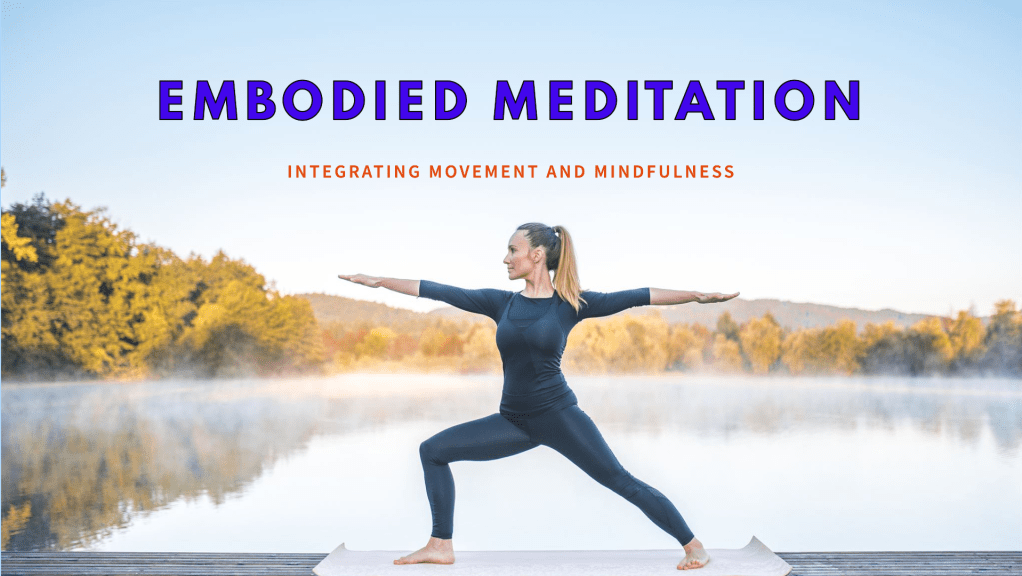
Embodied Meditation: Integrating Movement and Mindfulness for a Deeper Connection to Your Body

In the fast-paced world we live in, finding ways to connect deeply with our bodies and minds has become more essential than ever. Embodied meditation offers a unique approach that bridges the gap between traditional meditation practices and physical movement, allowing us to achieve a profound sense of mindfulness and holistic well-being.

The Concept of Embodied Meditation

Embodied meditation is not just about sitting still and focusing on your breath. It’s about becoming fully present in your body through mindful movement. Whether it’s through yoga, Tai Chi, or simple stretching exercises, embodied meditation encourages you to feel every sensation, notice every tension, and release every stressor held in your body. This practice is rooted in the understanding that our physical body holds emotions, memories, and stress, and by engaging in mindful movement, we can begin to release these stored energies and create a more harmonious state of being.

For example, in yoga, the focus is not only on the physical postures but also on the breath and the flow of energy within the body. Each movement is an opportunity to connect deeper with oneself, to understand the body’s needs, and to cultivate a sense of inner peace. The same principle applies to other forms of embodied meditation, such as Qi Gong, which integrates slow, deliberate movements with breath control and mental focus to promote healing and balance within the body.

Benefits of Embodied Meditation

  1. Enhanced Body Awareness
    • Embodied meditation helps you develop a deeper connection with your body, making you more aware of its signals. This heightened awareness can lead to better posture, reduced pain, and an overall improvement in physical health. As you move, you become more attuned to how your body feels, which can help in identifying areas of tension or discomfort that you may not have noticed otherwise.
  2. Reduction of Stress and Anxiety
    • By focusing on the physical sensations in your body, embodied meditation can help calm the mind and reduce stress. The physical act of moving with intention allows you to release pent-up energy and emotions, which can be particularly effective in managing anxiety and improving mental clarity. For instance, studies have shown that practices like Tai Chi and yoga can significantly reduce levels of cortisol, the stress hormone, in the body.
  3. Improved Emotional Resilience
    • Movement combined with mindfulness helps in processing emotions more effectively. When you engage in embodied meditation, you are not just moving your body; you are also moving through your emotions, allowing them to flow and release naturally. This can lead to greater emotional resilience, as you become better equipped to handle life’s challenges with a calm and centered mindset.
  4. Increased Focus and Mental Clarity
    • Engaging both the mind and body in meditation enhances cognitive function. When you practice embodied meditation, the mind is less likely to wander because it is actively engaged in coordinating movement and breath. This dual focus helps improve concentration, memory, and overall mental sharpness. According to a study published in the journal Frontiers in Psychology, regular practice of mindful movement can lead to significant improvements in attention and cognitive function.
  5. Holistic Health and Well-being
    • Embodied meditation is a holistic practice that benefits not just the mind, but the entire body. By integrating movement into your meditation practice, you are promoting circulation, flexibility, and strength, all of which contribute to overall health and longevity. Moreover, the mindful aspect of this practice ensures that you are not just going through the motions, but truly connecting with your body on a deeper level.

Practical Tips for Embodied Meditation

  1. Start with Simple Movements: Begin with movements you are comfortable with, such as gentle stretching or walking. The key is to focus on the sensations in your body as you move. Notice how your muscles feel, how your breath flows, and how your body responds to each movement.
  2. Incorporate Breath Awareness: Sync your movements with your breath. For example, as you stretch, inhale deeply to expand your body and exhale slowly to release tension. This not only enhances the meditative experience but also helps in regulating your nervous system.
  3. Be Present in Every Moment: It’s easy for the mind to wander, even during movement. If you find yourself lost in thought, gently bring your focus back to your body and the present moment. The more you practice, the easier it will become to stay grounded in your body.
  4. Use Guided Practices: If you’re new to embodied meditation, consider following a guided practice. There are numerous resources available online, such as guided yoga sessions or Tai Chi tutorials, that can help you get started.
  5. Reflect Post-Practice: After your session, take a few minutes to sit quietly and reflect on your experience. Notice any changes in your body, mind, or emotions. Journaling about your practice can also help deepen your awareness and track your progress over time.

Conclusion

Embodied meditation offers a unique path to mindfulness that incorporates the wisdom of the body into the meditative process. By combining movement with mindful awareness, you can deepen your connection to yourself, reduce stress, and enhance your overall well-being. Whether you’re looking to improve your mental clarity, emotional resilience, or physical health, embodied meditation is a powerful practice that can support your holistic journey.

Call to Action

Begin your journey with embodied meditation today and discover the profound benefits of integrating movement with mindfulness. Visit Holistic Wellness Guide for more insights and resources on how to incorporate this practice into your daily life.

#EmbodiedMeditation #Mindfulness #HolisticHealth #MindBodyConnection #StressRelief #Yoga #TaiChi #WellnessJourney #EmotionalResilience #HolisticWellness

Longevity Elixirs: Daily Drinks That Promote a Long and Healthy Life

Incorporating certain beverages into your daily routine can have a profound impact on your longevity and overall health. These drinks are packed with nutrients, antioxidants, and other health-boosting properties that can help you maintain vitality as you age. Here are some daily drinks that can support a long and healthy life:

1. Green Tea

Green tea is celebrated for its high levels of antioxidants, particularly catechins, which are known to reduce the risk of heart disease, improve brain function, and promote fat loss. Drinking green tea regularly can also help with weight management and may reduce the risk of certain cancers.

2. Lemon Water

Starting your day with a glass of lemon water can boost your immune system, thanks to its high vitamin C content. Lemon water also aids digestion, helps detoxify the liver, and keeps your skin glowing. It’s a simple but effective way to kickstart your day with hydration and health benefits.

3. Matcha

Matcha, a finely ground powder of specially grown green tea leaves, offers a more concentrated source of antioxidants compared to regular green tea. It provides a calm energy boost, enhances focus, and supports metabolism. Matcha is also known for its detoxifying properties and ability to protect the liver.

4. Turmeric Tea

Turmeric, a spice known for its anti-inflammatory and antioxidant properties, is the main ingredient in turmeric tea. Regular consumption can help reduce inflammation in the body, improve brain health, and lower the risk of chronic diseases like heart disease and cancer.

5. Bone Broth

Rich in collagen and minerals, bone broth supports joint health, improves skin elasticity, and promotes gut health. It’s also a great source of protein and can be soothing and nourishing, especially when consumed regularly as part of your diet.

6. Kombucha

Kombucha is a fermented tea that’s packed with probiotics, which promote a healthy gut microbiome. It also contains antioxidants and can help with digestion, boost your immune system, and support overall well-being.

7. Ginger Tea

Ginger tea is a powerful drink that can aid digestion, reduce nausea, and fight inflammation. It’s also beneficial for boosting the immune system and promoting cardiovascular health. Drinking ginger tea regularly can help you stay healthy and energized.

Conclusion

Incorporating these drinks into your daily routine can be a simple yet powerful way to enhance your health and longevity. Each of these beverages brings unique benefits that can help you maintain a balanced, healthy lifestyle as you age. Whether it’s a warm cup of green tea in the morning or a soothing ginger tea before bed, these drinks are easy to include in your diet and can contribute significantly to your well-being.