Reset and Renew: A 30-Day Holistic Lifestyle Challenge for the New Year

The new year is the perfect time for a fresh start, and a holistic lifestyle challenge can help you reset, renew, and embrace wellness on every level—mind, body, and spirit. This 30-day guide is designed to inspire positive habits, improve your health, and bring balance to your life. Whether you’re new to holistic practices or looking to deepen your journey, this challenge offers actionable steps for a transformative start to the year.


Week 1: Detox and Declutter

Focus on creating a clean slate in your physical and mental space.

Day 1-3: Declutter Your Space

  • Clear one area of your home each day, starting with high-traffic zones like your kitchen, bedroom, or workspace. A clutter-free environment promotes mental clarity.
  • Pro Tip: Donate or recycle items that no longer serve you.

Day 4-5: Digital Detox

  • Spend two days decluttering your digital life—organize your inbox, delete unused apps, and unfollow accounts that drain your energy.
  • Pro Tip: Set screen time limits to reduce digital distractions.

Day 6-7: Nourish Your Body

  • Start incorporating fresh, whole foods into your diet. Add one green smoothie or a nutrient-packed salad to your meals.
  • Pro Tip: Keep a food journal to track how you feel after each meal.

Week 2: Mindful Practices

Introduce mindfulness into your daily routine to enhance mental clarity and emotional balance.

Day 8-10: Start a Morning Meditation Practice

  • Dedicate 5-10 minutes each morning to mindfulness meditation. Focus on your breath and set a positive intention for the day.
  • Pro Tip: Use a meditation app like Calm or Insight Timer to get started.

Day 11-12: Gratitude Journaling

  • Write down three things you’re grateful for each day. This practice helps shift your focus to positivity and abundance.
  • Pro Tip: Reflect on small moments of joy, such as a kind word or a peaceful walk.

Day 13-14: Mindful Movement

  • Try yoga, tai chi, or a gentle stretch routine to connect your body and mind.
  • Pro Tip: Join an online class or follow a free session on YouTube.

Week 3: Self-Care and Connection

Prioritize your well-being while deepening your connections with others.

Day 15-16: Schedule Self-Care Rituals

  • Dedicate time to activities that rejuvenate you, like a warm bath, reading, or a DIY spa day.
  • Pro Tip: Set boundaries to ensure uninterrupted self-care time.

Day 17-19: Deepen Personal Connections

  • Spend quality time with loved ones. Plan a meaningful activity or simply have a heartfelt conversation.
  • Pro Tip: Practice active listening to foster stronger relationships.

Day 20-21: Explore Creativity

  • Engage in a creative activity like painting, writing, or cooking a new recipe. Creativity is a powerful way to express emotions and recharge.
  • Pro Tip: Allow yourself to play and explore without judgment.

Week 4: Empower and Sustain

Focus on creating sustainable habits to carry your holistic lifestyle forward.

Day 22-24: Vision Board for the Future

  • Create a vision board reflecting your goals and aspirations. Use images, affirmations, and colors that inspire you.
  • Pro Tip: Keep your vision board in a visible spot to stay motivated.

Day 25-27: Establish an Evening Routine

  • Develop a relaxing evening routine to wind down and prepare for restful sleep. This could include journaling, meditation, or aromatherapy.
  • Pro Tip: Dim the lights and avoid screens an hour before bed.

Day 28-30: Reflect and Plan Ahead

  • Reflect on what you’ve learned during the challenge and plan how to sustain these habits.
  • Pro Tip: Write down your intentions for the year, focusing on what brings you joy and balance.

Conclusion

This 30-day holistic lifestyle challenge is your guide to starting the year with purpose and intention. By focusing on detoxing, mindfulness, self-care, and sustainable habits, you’ll create a strong foundation for a healthier, more balanced life. Remember, each small step contributes to lasting transformation. Take the challenge, embrace the journey, and make this year your most vibrant yet.


7 Signs You Might Need a Magnesium Supplement

Magnesium is a crucial mineral that supports numerous bodily functions, including muscle and nerve function, blood sugar control, and bone health. Despite its importance, many people are unaware they might be deficient in magnesium. Here are seven signs that you might need a magnesium supplement.

1. Muscle Cramps and Spasms

2. Mental Health Issues

  • Description: Magnesium deficiency has been linked to mental health disorders such as anxiety and depression. This is because magnesium is involved in regulating neurotransmitters that send messages throughout the brain and nervous system.
  • Link: Psychology Today on Magnesium and Mental Health

3. Fatigue and Weakness

4. High Blood Pressure

5. Osteoporosis

6. Poor Sleep

7. Migraine Headaches

  • Description: Studies suggest that magnesium deficiency may be linked to migraine headaches. Magnesium can prevent the wave of brain signaling, called cortical spreading depression, which produces the visual and sensory changes typical of a migraine.
  • Link: American Migraine Foundation on Magnesium and Migraines

Conclusion

If you are experiencing any of these symptoms, it might be worth discussing with your healthcare provider whether a magnesium supplement could be beneficial for you. Ensuring adequate magnesium intake can significantly enhance your overall health and well-being.

Call to Action: Learn more about the importance of magnesium and explore supplement options to support your health by visiting Holistic Wellness Guide.

#Magnesium #Health #Wellness #Supplements #MentalHealth #MuscleCramps #Fatigue #BloodPressure #Osteoporosis #Sleep #Migraines

10 Effective Drinks to Lower Blood Sugar Levels

Managing blood sugar levels is crucial for overall health, especially for those with diabetes or pre-diabetes. Incorporating certain drinks into your daily routine can help lower blood sugar levels quickly and effectively. Here are ten healthy drinks and juices that can help manage your blood sugar levels.


1. Green Smoothies

Green smoothies made with leafy greens like spinach, kale, and cucumber are rich in fiber and antioxidants, which help regulate blood sugar levels.

Learn more: Healthline


2. Lemon Water

Lemon water is a refreshing drink that helps control blood sugar levels due to its high vitamin C content and antioxidants.

Discover the benefits: WebMD


3. Herbal Teas

Herbal teas, such as chamomile and hibiscus, have been shown to improve insulin sensitivity and lower blood sugar levels.

Explore more: Mayo Clinic


4. Apple Cider Vinegar Drink

Mixing apple cider vinegar with water and a bit of honey can help lower blood sugar levels and improve insulin sensitivity.

Learn how to make it: Medical News Today


5. Cinnamon Tea

Cinnamon is known for its ability to lower blood sugar levels. A cup of cinnamon tea can be a delicious way to incorporate this spice into your diet.

Read about the benefits: Healthline


6. Bitter Melon Juice

Bitter melon is a traditional remedy for lowering blood sugar levels. Its juice is particularly effective for managing diabetes.

Discover more: Diabetes.co.uk


7. Turmeric Milk

Turmeric has anti-inflammatory properties that help manage blood sugar levels. A warm cup of turmeric milk can be both soothing and beneficial.

Learn how to prepare it: Everyday Health


8. Aloe Vera Juice

Aloe vera juice is not only refreshing but also helps lower blood sugar levels due to its natural compounds.

Explore its benefits: Medical News Today


9. Fenugreek Water

Soaking fenugreek seeds in water overnight and drinking the water in the morning can help lower blood sugar levels.

Read more: WebMD


Call to Action: Incorporate these drinks into your daily routine to help manage your blood sugar levels naturally. For more tips on healthy living, visit Holistic Wellness Guide.

#HealthyLiving #BloodSugarControl #DiabetesManagement #NaturalRemedies #HealthyDrinks #Nutrition #Wellness

Rethinking the Benefits of Daily Wine Consumption

Wine has long been associated with various health benefits, from heart health to longevity. However, recent research suggests that a daily glass of wine may not be as beneficial as once thought. It’s essential to re-evaluate the impact of regular wine consumption on our health.


1. Heart Health: The Debate Continues

While some studies have shown that moderate wine consumption can benefit heart health, recent research indicates that these benefits might not be as significant as previously believed. The key is moderation, and even then, the potential risks must be considered.

Learn more about wine and heart health: American Heart Association


2. Cancer Risk: A Critical Concern

Consuming alcohol regularly, even in moderate amounts, has been linked to an increased risk of various cancers. This includes breast, liver, and colon cancers. It’s crucial to weigh the potential cancer risks against the perceived benefits of daily wine consumption.

Read about the link between alcohol and cancer: National Cancer Institute


3. Mental Health: A Double-Edged Sword

While a glass of wine might help you unwind after a long day, regular consumption can negatively affect mental health. Alcohol is a depressant, and over time, it can lead to increased anxiety, depression, and dependence.

Discover the effects of alcohol on mental health: Mental Health Foundation


4. Liver Health: The Hidden Costs

Regular alcohol consumption can strain the liver, leading to conditions such as fatty liver disease, hepatitis, and cirrhosis. It’s essential to understand that even moderate drinking can contribute to long-term liver damage.

Learn about alcohol’s impact on the liver: British Liver Trust


5. Weight Gain: An Overlooked Factor

Wine contains calories, and regular consumption can contribute to weight gain and obesity. This, in turn, can lead to a range of health issues, including heart disease and diabetes.

Read about alcohol and weight gain: Harvard T.H. Chan School of Public Health


6. Alternatives to Wine: Healthier Choices

For those looking to unwind without the potential health risks of alcohol, there are plenty of alternatives. Herbal teas, sparkling water, and non-alcoholic beverages can provide relaxation without the negative side effects.

Explore healthy alternatives to alcohol: Healthline


7. The Social Aspect: Moderation is Key

Social drinking can be a part of a balanced lifestyle, but it’s important to practice moderation. Being mindful of your consumption and setting limits can help maintain your health while enjoying social occasions.

Tips for mindful drinking: Drinkaware


Call to Action

It’s time to re-evaluate the role of wine in our daily lives. While it can be enjoyed in moderation, it’s essential to be aware of the potential health risks. For more insights on maintaining a balanced and healthy lifestyle, visit Holistic Wellness Guide.

#Health #Wine #AlcoholAwareness #Wellness #HealthyLiving #Moderation #HeartHealth #CancerPrevention #MentalHealth #LiverHealth #WeightManagement

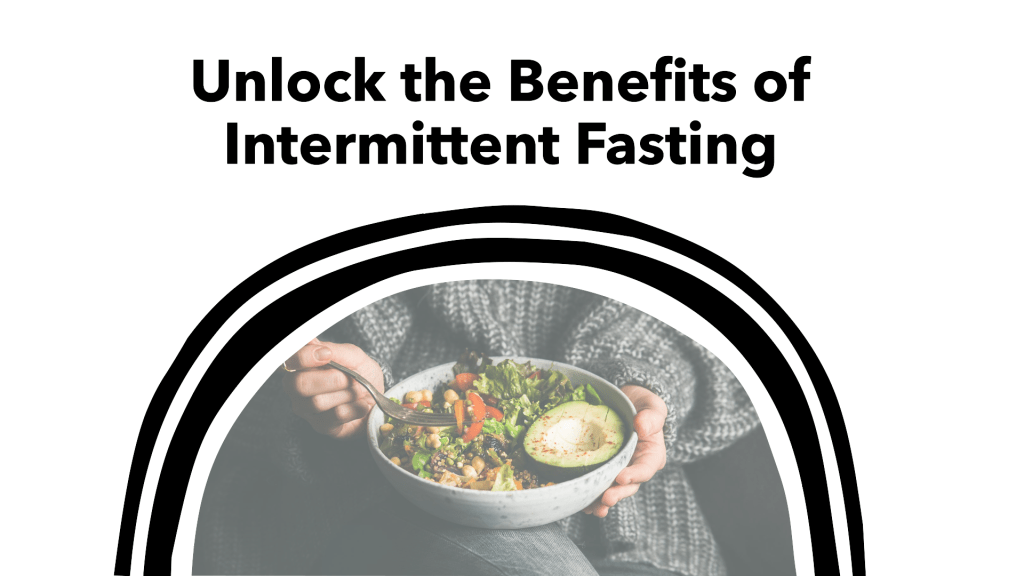
Unlock the Benefits of Intermittent Fasting for Weight Loss

Intermittent fasting has become a popular method for weight loss and improving overall health. By alternating periods of eating and fasting, this approach helps to optimize bodily functions and promotes a range of health benefits. Here are ten compelling benefits of intermittent fasting that can help you achieve your weight loss goals.


1. Promotes Weight Loss

Intermittent fasting helps reduce calorie intake by limiting the time window for eating. This naturally leads to weight loss as you consume fewer calories throughout the day.

Learn more about weight loss through intermittent fasting: Healthline


2. Improves Metabolic Health

Fasting can enhance various metabolic markers such as insulin sensitivity, which helps in better blood sugar management. This is crucial for preventing metabolic diseases like type 2 diabetes.

Read about the metabolic benefits: WebMD


3. Supports Cellular Repair

During fasting, the body initiates cellular repair processes, such as removing damaged cells and regenerating new ones. This can contribute to overall health and longevity.

Discover more about cellular repair: Medical News Today


4. Enhances Brain Function

Intermittent fasting can boost brain function by promoting the production of brain-derived neurotrophic factor (BDNF), a protein that supports brain health.

Learn about the impact on brain function: Healthline


5. Reduces Inflammation

Chronic inflammation is linked to many diseases. Intermittent fasting helps reduce inflammation and lowers the risk of developing chronic conditions.

Read more about inflammation reduction: Verywell Health


6. Increases Longevity

Studies suggest that intermittent fasting can extend lifespan by promoting healthy aging processes and reducing the risk of age-related diseases.

Explore the connection between fasting and longevity: WebMD


7. Improves Heart Health

Intermittent fasting can improve heart health by lowering cholesterol levels, reducing blood pressure, and decreasing triglycerides.

Discover the heart health benefits: Healthline


8. Enhances Hormone Function

Fasting can improve hormone balance, particularly by increasing the release of norepinephrine, a hormone that boosts metabolism and promotes fat burning.

Learn about hormonal benefits: Medical News Today


9. Promotes Gut Health

By giving your digestive system a break, intermittent fasting can improve gut health and promote a balanced microbiome.

Read about gut health benefits: Verywell Health


10. Simplifies Meal Planning

With fewer meals to plan and prepare, intermittent fasting can simplify your daily routine and reduce the time spent on food preparation.

Learn more about the simplicity of fasting: Healthline

Call to Action

Incorporate intermittent fasting into your lifestyle to reap these incredible health benefits. For more tips and meal plans, visit Holistic Wellness Guide.

#IntermittentFasting #WeightLoss #HealthyLiving #Wellness #DietTips #Nutrition #MetabolicHealth #Longevity #GutHealth

Relax and Rejuvenate: The Power of Double Inhale and Extended Exhale

In today’s fast-paced world, finding effective techniques to relax and calm the mind is essential. One such powerful technique is the double inhale followed by an extended exhale. This simple yet profound breathing method can help reduce stress, improve focus, and promote overall well-being. Here’s how you can incorporate this technique into your daily routine.


1. Understanding the Technique

The double inhale followed by an extended exhale involves taking two short inhales through the nose, followed by a slow and extended exhale through the mouth. This breathing pattern activates the parasympathetic nervous system, which helps to relax the body and mind.

Learn more about the benefits of controlled breathing: Healthline


2. How to Practice the Double Inhale and Extended Exhale

Step-by-Step Guide:

  1. Find a Comfortable Position: Sit or lie down in a quiet and comfortable space.
  2. Double Inhale: Take a short, deep breath in through your nose, followed immediately by a second short inhale.
  3. Extended Exhale: Slowly exhale through your mouth, making the exhale longer than the two inhales combined.
  4. Repeat: Continue this pattern for several minutes, focusing on the rhythm of your breath.

Tips:

  • Practice this technique daily, especially during times of stress or anxiety.
  • Use it as a quick relaxation tool before sleep or after a long day.

Explore more breathing techniques: Medical News Today


3. Benefits of the Double Inhale and Extended Exhale

Reduces Stress: This breathing technique helps to lower cortisol levels, reducing stress and promoting a sense of calm.

Improves Focus: By increasing oxygen flow to the brain, it enhances mental clarity and concentration.

Promotes Relaxation: Activating the parasympathetic nervous system helps to relax muscles and lower heart rate.

Learn about the science behind relaxation: WebMD


4. Incorporating the Technique into Your Routine

Morning Routine: Start your day with this breathing exercise to set a calm and focused tone for the day ahead.

Work Breaks: Use this technique during short breaks at work to manage stress and improve productivity.

Pre-Sleep Ritual: Practice this breathing method before bed to promote relaxation and improve sleep quality.

Discover more tips for a balanced life: Holistic Wellness Guide

Call to Action

Incorporate the double inhale and extended exhale technique into your daily routine to experience its powerful benefits. For more tips on maintaining a balanced and healthy lifestyle, visit Holistic Wellness Guide.

#BreathingTechniques #Relaxation #Mindfulness #StressRelief #Wellness #HealthyLiving #MentalHealth #CalmMind

Boost Your Health with Cinnamon, Lemon, and Ginger Juice

Cinnamon, lemon, and ginger juice is a powerful combination that offers numerous health benefits. This refreshing and nutritious drink is easy to make and can be a great addition to your daily routine. Here’s why you should consider incorporating this juice into your diet and how to prepare it.


1. Health Benefits of Cinnamon, Lemon, and Ginger Juice

Cinnamon is known for its anti-inflammatory and antioxidant properties. It helps regulate blood sugar levels, which can aid in weight management. Additionally, cinnamon has been shown to improve digestion and boost metabolic rate.

Lemon is rich in vitamin C, which is essential for a healthy immune system. Lemons also have detoxifying properties and can help improve skin health. The citric acid in lemons aids in digestion and helps prevent kidney stones.

Ginger is widely recognized for its ability to soothe the digestive system and reduce nausea. It also has anti-inflammatory properties and can help alleviate pain and improve circulation. Ginger is also known to boost the immune system and combat respiratory issues.

Learn more about the benefits of these ingredients: Healthline


2. How to Make Cinnamon, Lemon, and Ginger Juice

Ingredients:

  • 1 cup of water
  • 1 teaspoon of ground cinnamon
  • 1 tablespoon of freshly squeezed lemon juice
  • 1 teaspoon of grated ginger
  • Honey to taste (optional)

Instructions:

  1. Boil the water and add the ground cinnamon and grated ginger.
  2. Let it simmer for about 10 minutes.
  3. Remove from heat and strain the mixture into a glass.
  4. Add the freshly squeezed lemon juice and honey (if using).
  5. Stir well and enjoy your refreshing drink.

Find more healthy recipes: WebMD


3. Incorporating Cinnamon, Lemon, and Ginger Juice into Your Routine

Drinking this juice in the morning can help kickstart your metabolism and provide a refreshing start to your day. You can also enjoy it as a mid-afternoon pick-me-up or before bedtime to aid digestion.

Tips for Incorporation:

  • Morning Boost: Drink a glass first thing in the morning on an empty stomach.
  • Afternoon Refreshment: Enjoy a glass in the afternoon to stay energized.
  • Pre-Bedtime Ritual: Have a warm version of this drink before bed to aid digestion and promote restful sleep.

Discover more wellness tips: Medical News Today

Call to Action

Start incorporating cinnamon, lemon, and ginger juice into your daily routine to reap its numerous health benefits. Visit Holistic Wellness Guide for more healthy living tips and recipes.

#HealthDrink #CinnamonLemonGinger #NaturalRemedies #HealthyLiving #Wellness #DetoxDrink #ImmuneBoost #HealthyRecipes

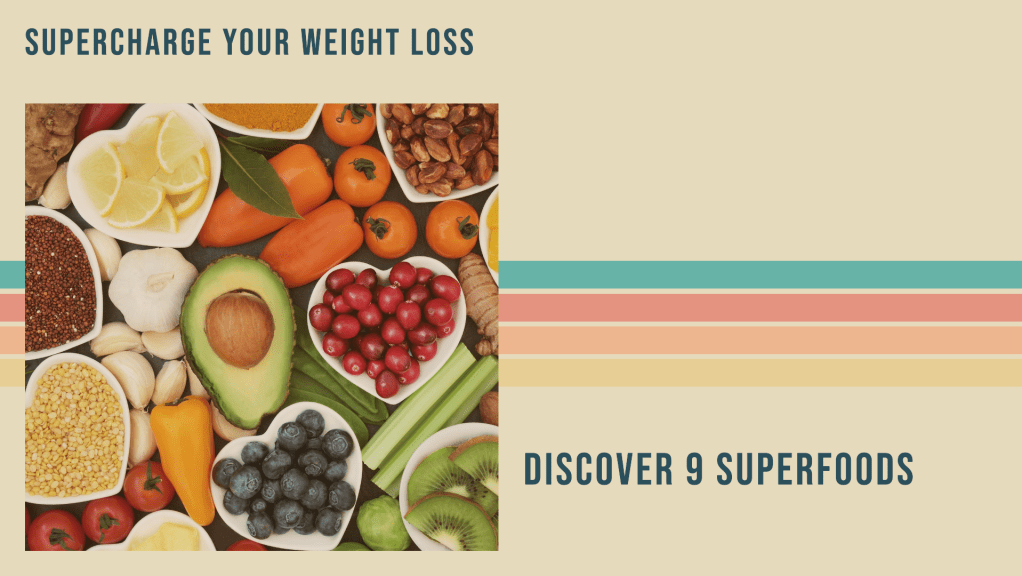
9 Superfoods to Supercharge Your Weight Loss Journey

Incorporating the right superfoods into your diet can make a significant difference in your weight loss efforts. These nutrient-dense foods not only help you shed pounds but also provide numerous health benefits. Here are nine superfoods that can naturally aid in weight loss.


1. Kale

Kale is a leafy green packed with vitamins A, K, and C, as well as fiber and antioxidants. Its low calorie content makes it an ideal food for weight loss.

Learn more about kale’s benefits: Healthline


2. Quinoa

Quinoa is a complete protein, meaning it contains all nine essential amino acids. It’s also high in fiber, which helps keep you full longer.

Explore quinoa’s health benefits: Medical News Today


3. Berries

Berries, such as blueberries, strawberries, and raspberries, are low in calories but high in fiber and antioxidants. They can help curb your sweet cravings while providing essential nutrients.

Read about the benefits of berries: Healthline


4. Avocados

Avocados are rich in healthy fats, particularly monounsaturated fats, which can help reduce belly fat. They also contain fiber and various essential vitamins.

Discover more about avocados: WebMD


5. Nuts

Nuts, such as almonds and walnuts, are high in healthy fats, protein, and fiber. They make for a satisfying snack that can help control hunger.

Learn about the benefits of nuts: Harvard T.H. Chan School of Public Health


6. Chia Seeds

Chia seeds are rich in omega-3 fatty acids, fiber, and protein. They expand in your stomach, helping you feel full and satisfied.

Explore chia seeds’ health benefits: Healthline


7. Green Tea

Green tea contains catechins, antioxidants that boost metabolism and increase fat burning. Drinking green tea can enhance your weight loss efforts.

Read about green tea’s benefits: WebMD


8. Greek Yogurt

Greek yogurt is high in protein and probiotics, which support digestion and keep you full longer. It’s a great addition to a balanced diet.

Learn about Greek yogurt: Medical News Today


9. Sweet Potatoes

Sweet potatoes are high in fiber, vitamins, and minerals. Their low glycemic index helps regulate blood sugar levels, making them a great food for weight loss.

Discover the benefits of sweet potatoes: Healthline

Call to Action

Incorporate these superfoods into your daily meals to support your weight loss journey and enhance your overall health. For more tips on healthy living, visit Holistic Wellness Guide.

#WeightLoss #Superfoods #HealthyEating #Nutrition #Wellness #HealthyLiving #DietTips #Fitness #HealthyLifestyle

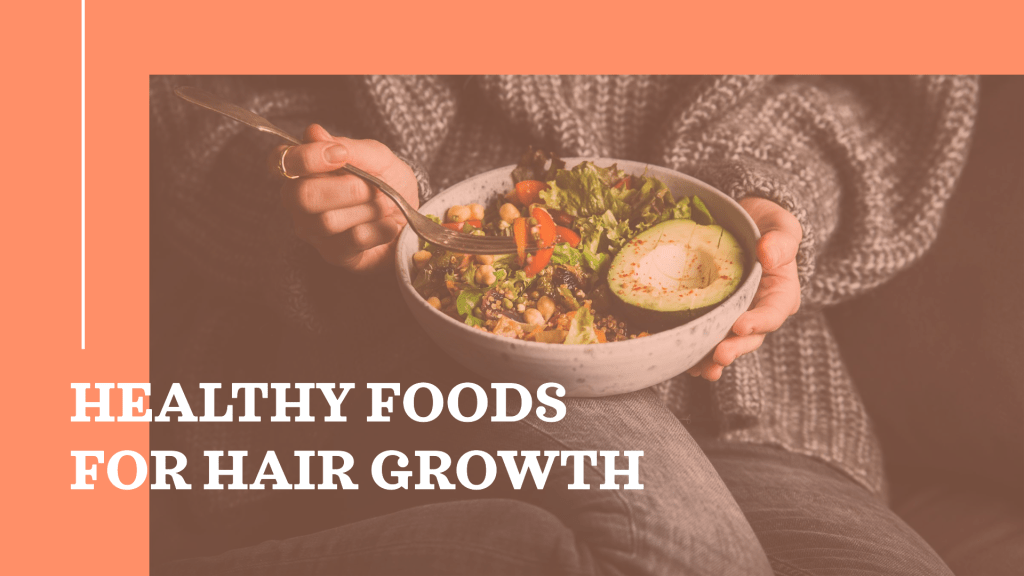
9 Foods That Naturally Boost Hair Growth

Achieving healthy and luscious hair often starts from within. Incorporating the right foods into your diet can significantly impact your hair health. Here are nine foods that can naturally help in hair growth.


1. Spinach

Rich in iron, vitamins A and C, and protein, spinach is a powerhouse for hair health. Iron deficiency is a common cause of hair loss, and spinach provides a good amount of this essential mineral.

Learn more about spinach and hair health: Healthline


2. Sweet Potatoes

Sweet potatoes are loaded with beta-carotene, which the body converts into vitamin A. This vitamin promotes the production of sebum, which helps keep hair healthy.

Explore the benefits of sweet potatoes: WebMD


3. Eggs

Eggs are a great source of protein and biotin, both of which are essential for hair growth. Biotin, in particular, is known to improve hair’s keratin infrastructure.

Read about eggs and hair growth: Medical News Today


4. Berries

Berries are packed with beneficial compounds and vitamins that promote hair growth. They contain vitamin C, which has strong antioxidant properties that protect hair follicles from damage.

Discover more about the benefits of berries: Healthline


5. Avocados

Avocados are high in healthy fats and vitamin E, which can promote hair growth. Vitamin E helps improve blood circulation and supports the follicles.

Learn about avocados and hair health: Medical News Today


6. Nuts

Nuts like almonds and walnuts are rich in vitamin E, zinc, and fatty acids, which can enhance hair health. They also provide a good amount of B vitamins, which are crucial for hair growth.

Read more about nuts and hair growth: Healthline


7. Seeds

Seeds such as flaxseeds and chia seeds provide omega-3 fatty acids, which are essential for hair growth. They also contain antioxidants and other nutrients that support hair health.

Explore the benefits of seeds: Medical News Today


8. Fish

Fatty fish like salmon and mackerel are rich in omega-3 fatty acids, which can boost hair growth. These fish are also excellent sources of protein, selenium, and vitamin D3.

Discover more about the benefits of fish: WebMD


9. Legumes

Legumes like beans and lentils are packed with protein, iron, zinc, and biotin, all of which are essential for hair growth. They are a great plant-based source of these nutrients.

Learn about legumes and hair health: Healthline

Call to Action

Incorporate these foods into your daily diet to naturally boost hair growth and maintain healthy locks. For more tips on maintaining a balanced and nutritious diet, visit Holistic Wellness Guide.

#HairGrowth #HealthyHair #NaturalHairCare #Nutrition #Wellness #HealthyEating #HairCareTips

10 Ways to Achieve an Inner Sense of Happiness

Finding inner happiness is a journey that involves self-discovery, mindfulness, and positive habits. Here are ten ways to cultivate a deep sense of inner happiness and peace.

1. Practice Mindfulness and Meditation

Mindfulness and meditation help you stay present and reduce stress. Spend a few minutes each day focusing on your breath and clearing your mind. Learn how to meditate.

2. Maintain a Gratitude Journal

Writing down things you’re grateful for can shift your focus from what’s wrong to what’s right in your life. This simple practice can increase feelings of happiness and contentment. Explore the benefits of gratitude.

3. Exercise Regularly

Physical activity releases endorphins, which are natural mood boosters. Aim for at least 30 minutes of exercise most days of the week. Discover the mental health benefits of exercise.

4. Eat a Balanced Diet

A healthy diet rich in fruits, vegetables, lean proteins, and whole grains can improve your mood and energy levels. Learn more about the connection between diet and mental health.

5. Get Adequate Sleep

Quality sleep is essential for emotional regulation and overall well-being. Aim for 7-9 hours of sleep per night. Understand the importance of sleep.

6. Connect with Others

Strong social connections can enhance your sense of belonging and happiness. Spend time with friends and family, or join groups with similar interests. Explore the benefits of social connections.

7. Engage in Hobbies

Pursuing activities you love can bring joy and fulfillment. Whether it’s reading, painting, gardening, or playing music, make time for your passions. Find the benefits of hobbies.

8. Practice Acts of Kindness

Helping others can increase your own happiness. Volunteer, offer a helping hand, or simply be kind to those around you. Learn about the science of kindness.

9. Set and Achieve Goals

Setting and accomplishing goals gives you a sense of purpose and achievement. Start with small, manageable goals and gradually tackle larger ones. Discover goal-setting strategies.

10. Embrace Positive Thinking

Cultivate a positive mindset by challenging negative thoughts and focusing on the good in your life. Positive thinking can improve your mood and resilience. Explore techniques for positive thinking.

Call to Action

Embrace these habits to achieve an inner sense of happiness and peace. Visit Holistic Wellness Guide for more tips and insights on leading a balanced and joyful life.

#InnerHappiness #Mindfulness #Gratitude #HealthyLiving #PositiveThinking #Wellness #SelfCare #MentalHealth #HolisticHealth #JoyfulLife