15 Natural Remedies to Boost Your Immune System

A strong immune system is essential for protecting your body against illness and infection. While there are plenty of over-the-counter remedies, natural solutions can be just as effective—without the harsh chemicals. By incorporating immune-boosting foods, herbs, and lifestyle habits into your routine, you can strengthen your immune defenses and keep your body in top shape. Here are 15 natural remedies to boost your immune system.

1. Eat More Garlic

Garlic is a powerful immune booster thanks to its high content of allicin, a compound that helps the body fight off infections and viruses. Its natural antibacterial and antiviral properties make it a staple in immune-boosting diets.

  • Tip: Add raw or lightly cooked garlic to your meals for an extra immune boost.

2. Drink Ginger Tea

Ginger has anti-inflammatory and antioxidant properties, making it a great remedy for boosting the immune system. It also helps soothe the throat and can ease cold symptoms.

  • Tip: Brew a cup of ginger tea with fresh ginger root and honey for a warm, immune-boosting drink.

3. Take Vitamin C

Vitamin C is one of the most well-known immune-boosting nutrients. It increases the production of white blood cells, which are essential for fighting infections.

  • Tip: Include vitamin C-rich foods like oranges, strawberries, bell peppers, and spinach in your diet.

4. Use Echinacea

Echinacea is a powerful herb that can help reduce the severity and duration of colds. It’s known for stimulating the immune system and increasing the body’s resistance to infection.

  • Tip: Take Echinacea supplements or drink Echinacea tea during cold season to boost your immune defenses.

5. Incorporate Probiotics

Probiotics are beneficial bacteria that support gut health, and since much of the immune system resides in the gut, probiotics play a key role in boosting immunity.

  • Tip: Include probiotic-rich foods like yogurt, kefir, and fermented vegetables in your diet to support a healthy gut.

6. Stay Hydrated

Hydration is essential for immune function. Water helps carry oxygen to your cells and flush toxins from the body, supporting overall immune health.

  • Tip: Drink at least 8 glasses of water a day to stay hydrated and support your immune system.

7. Get Plenty of Sleep

Lack of sleep can weaken your immune system and make you more susceptible to illness. Your body needs rest to repair and regenerate immune cells.

  • Tip: Aim for 7-8 hours of sleep each night to keep your immune system strong.

8. Eat Zinc-Rich Foods

Zinc is essential for immune function, helping the body to fight off pathogens and heal faster. Zinc also plays a role in the production of white blood cells.

  • Tip: Add zinc-rich foods like pumpkin seeds, chickpeas, and almonds to your meals for an immune boost.

9. Drink Green Tea

Green tea is rich in antioxidants and catechins, which help boost immune function and protect the body against illness.

  • Tip: Drink a cup of green tea daily to benefit from its immune-boosting properties.

10. Exercise Regularly

Regular physical activity helps boost immune function by promoting good circulation, which allows immune cells to move through the body more effectively.

  • Tip: Aim for at least 30 minutes of moderate exercise, such as walking or yoga, most days of the week.

11. Try Elderberry

Elderberry has long been used to treat colds and flu, and research shows that it can reduce the duration of symptoms. Its high levels of antioxidants help support the immune system.

  • Tip: Take elderberry syrup or supplements at the onset of cold symptoms for a natural boost.

12. Use Turmeric

Turmeric contains curcumin, a compound with strong anti-inflammatory and antioxidant effects. It helps support immune function and reduce inflammation in the body.

  • Tip: Add turmeric to your meals or make a turmeric latte to enjoy its immune-boosting benefits.

13. Reduce Stress

Chronic stress can weaken the immune system by increasing inflammation and suppressing immune function. Finding ways to manage stress is essential for maintaining a strong immune system.

  • Tip: Practice stress-reducing activities like meditation, deep breathing, or yoga to support your immune health.

14. Get Sunlight for Vitamin D

Vitamin D is crucial for immune function, helping the body fight off infections. Getting regular sunlight exposure can boost your body’s production of vitamin D.

  • Tip: Spend 10-15 minutes outside in the sun each day to maintain healthy vitamin D levels.

15. Eat Leafy Greens

Leafy greens like spinach and kale are rich in vitamins, minerals, and antioxidants that help support immune health. These greens also promote gut health, which is linked to overall immunity.

  • Tip: Incorporate leafy greens into your meals daily, whether in salads, smoothies, or side dishes.

Conclusion

Supporting your immune system naturally doesn’t have to be complicated. By incorporating these 15 remedies into your daily routine, you can strengthen your body’s defenses and stay healthy year-round. From immune-boosting herbs and foods to lifestyle practices that promote overall well-being, these natural remedies offer a holistic approach to keeping your immune system strong.


For more holistic wellness tips, check out my book, The Mindful Executive: https://www.amazon.com/dp/B0D75YJCLW.

Herbal Teas for Wellness: Natural Remedies in a Cup

Herbal teas have been cherished for centuries as natural remedies for various ailments and to promote overall wellness. These teas, made from the leaves, flowers, seeds, and roots of different plants, offer unique health benefits. Here are some popular herbal teas and their wellness benefits, along with practical tips for incorporating them into your daily routine.

1. Chamomile Tea

Chamomile tea is renowned for its calming and soothing properties. It’s often used to reduce stress, promote relaxation, and improve sleep quality.

  • Benefits: Reduces anxiety, aids in digestion, and relieves insomnia.
  • Example: Drink a cup of chamomile tea before bedtime to help unwind and improve your sleep quality.

2. Peppermint Tea

Peppermint tea is refreshing and invigorating. It’s commonly used to relieve digestive issues and improve respiratory function.

  • Benefits: Eases indigestion, reduces nausea, and alleviates headaches.
  • Example: Sip on peppermint tea after meals to aid digestion and freshen your breath.

3. Ginger Tea

Ginger tea is a powerful remedy for nausea and digestive discomfort. It’s also known for its anti-inflammatory and immune-boosting properties.

  • Benefits: Relieves nausea, reduces inflammation, and boosts the immune system.
  • Example: Brew ginger tea when you’re feeling nauseous or to support your immune system during cold and flu season.

4. Hibiscus Tea

Hibiscus tea is a vibrant, tangy beverage rich in antioxidants. It’s known for its ability to lower blood pressure and support heart health.

  • Benefits: Lowers blood pressure, supports cardiovascular health, and provides antioxidant protection.
  • Example: Enjoy a refreshing glass of hibiscus tea iced on a hot day to stay hydrated and boost your heart health.

5. Echinacea Tea

Echinacea tea is widely used to boost the immune system and fight off infections. It’s particularly popular during the cold and flu season.

  • Benefits: Boosts the immune system, reduces the duration of colds, and fights infections.
  • Example: Drink echinacea tea at the first sign of a cold to help your body fend off the illness.

6. Rooibos Tea

Rooibos tea, also known as red bush tea, is caffeine-free and packed with antioxidants. It’s known for its anti-inflammatory properties and ability to promote skin health.

  • Benefits: Reduces inflammation, promotes healthy skin, and supports heart health.
  • Example: Include rooibos tea in your daily routine for a caffeine-free antioxidant boost.

7. Lemon Balm Tea

Lemon balm tea has a mild lemony flavor and is known for its calming effects. It’s often used to reduce anxiety and improve cognitive function.

  • Benefits: Reduces anxiety, improves mood, and enhances cognitive function.
  • Example: Drink lemon balm tea during stressful times to calm your nerves and improve focus.

8. Turmeric Tea

Turmeric tea, also known as golden milk, is renowned for its anti-inflammatory and antioxidant properties. It’s often used to support joint health and boost the immune system.

  • Benefits: Reduces inflammation, supports joint health, and boosts the immune system.
  • Example: Enjoy a warm cup of turmeric tea in the evening to benefit from its anti-inflammatory properties.

9. Lavender Tea

Lavender tea is soothing and aromatic. It’s commonly used to promote relaxation and alleviate headaches.

  • Benefits: Promotes relaxation, reduces anxiety, and alleviates headaches.
  • Example: Sip on lavender tea when you need to relax or before bedtime to help you sleep.

10. Dandelion Tea

Dandelion tea is a natural detoxifier and diuretic. It’s often used to support liver health and digestion.

  • Benefits: Supports liver health, aids digestion, and acts as a diuretic.
  • Example: Drink dandelion tea after a heavy meal to support digestion and detoxification.

How to Brew Herbal Teas

Brewing herbal tea is simple and can be done using fresh or dried herbs. Here’s a basic guide:

  1. Measure the Herbs: Use about 1 teaspoon of dried herbs or 1 tablespoon of fresh herbs per cup of water.
  2. Boil the Water: Bring water to a boil, then let it cool slightly before pouring over the herbs.
  3. Steep: Cover and steep the herbs for 5-10 minutes, depending on the desired strength.
  4. Strain: Strain the herbs from the water and enjoy your tea.

Incorporating Herbal Teas into Your Routine

  • Morning Boost: Start your day with an energizing tea like ginger or peppermint.
  • Midday Refresh: Enjoy a cup of hibiscus or lemon balm tea to recharge in the afternoon.
  • Evening Relaxation: Unwind with chamomile or lavender tea before bed.

Harnessing the Power of Herbs: Natural Remedies for Common Ailments

Herbs have been used for centuries to treat various ailments and promote overall health. By incorporating natural remedies into your daily routine, you can take advantage of the healing properties of herbs to address common health issues. Here are some effective herbal remedies for common ailments, along with practical tips on how to use them.

1. Chamomile for Anxiety and Insomnia

Chamomile is known for its calming and soothing properties. It can help reduce anxiety and promote better sleep.

  • How to Use: Brew a cup of chamomile tea by steeping dried chamomile flowers in hot water for 5-10 minutes. Drink it before bedtime to relax and improve sleep quality.

2. Ginger for Nausea and Digestive Issues

Ginger is a powerful herb for treating nausea, motion sickness, and various digestive problems.

  • How to Use: Slice fresh ginger and steep it in hot water to make ginger tea. You can also chew on a small piece of raw ginger or take ginger supplements to alleviate nausea and improve digestion.

3. Peppermint for Headaches and Indigestion

Peppermint is effective in relieving headaches, migraines, and digestive issues such as bloating and indigestion.

  • How to Use: Drink peppermint tea made from fresh or dried peppermint leaves. You can also apply diluted peppermint oil to your temples to ease headache pain or inhale the aroma for a calming effect.

4. Echinacea for Immune Support

Echinacea is commonly used to boost the immune system and reduce the duration of colds and flu.

  • How to Use: Take echinacea supplements or drink echinacea tea during the onset of cold symptoms. For tea, steep dried echinacea leaves and flowers in hot water for 10-15 minutes.

5. Turmeric for Inflammation and Joint Pain

Turmeric contains curcumin, a compound with strong anti-inflammatory and antioxidant properties. It is beneficial for reducing inflammation and joint pain.

  • How to Use: Add turmeric powder to your cooking, make turmeric tea by boiling water with turmeric and a pinch of black pepper, or take curcumin supplements for more concentrated effects.

6. Lavender for Stress and Skin Irritations

Lavender is known for its relaxing aroma and can be used to relieve stress, anxiety, and skin irritations.

  • How to Use: Use lavender essential oil in a diffuser to create a calming atmosphere or add a few drops to a warm bath. For skin irritations, dilute lavender oil with a carrier oil and apply it to the affected area.

7. Garlic for Cardiovascular Health

Garlic is renowned for its cardiovascular benefits, including lowering blood pressure and cholesterol levels.

  • How to Use: Incorporate raw or cooked garlic into your meals. For a more potent effect, take garlic supplements after consulting with a healthcare provider.

8. Aloe Vera for Skin Conditions and Digestive Health

Aloe vera is commonly used for treating skin conditions like burns, cuts, and eczema. It also supports digestive health.

  • How to Use: Apply fresh aloe vera gel directly to the skin for burns and irritations. For digestive benefits, drink aloe vera juice or take aloe supplements.

9. Holy Basil (Tulsi) for Respiratory Health

Holy basil, also known as Tulsi, is effective in treating respiratory issues such as colds, coughs, and asthma.

  • How to Use: Brew Tulsi tea by steeping fresh or dried leaves in hot water. Drink it regularly to support respiratory health and boost immunity.

10. Rosemary for Cognitive Function

Rosemary is known to improve memory and cognitive function. It also has antioxidant and anti-inflammatory properties.

  • How to Use: Use fresh or dried rosemary in cooking, or brew rosemary tea. Inhaling rosemary essential oil can also help enhance focus and memory.

Holistic Skincare: Natural Ingredients for Glowing Skin

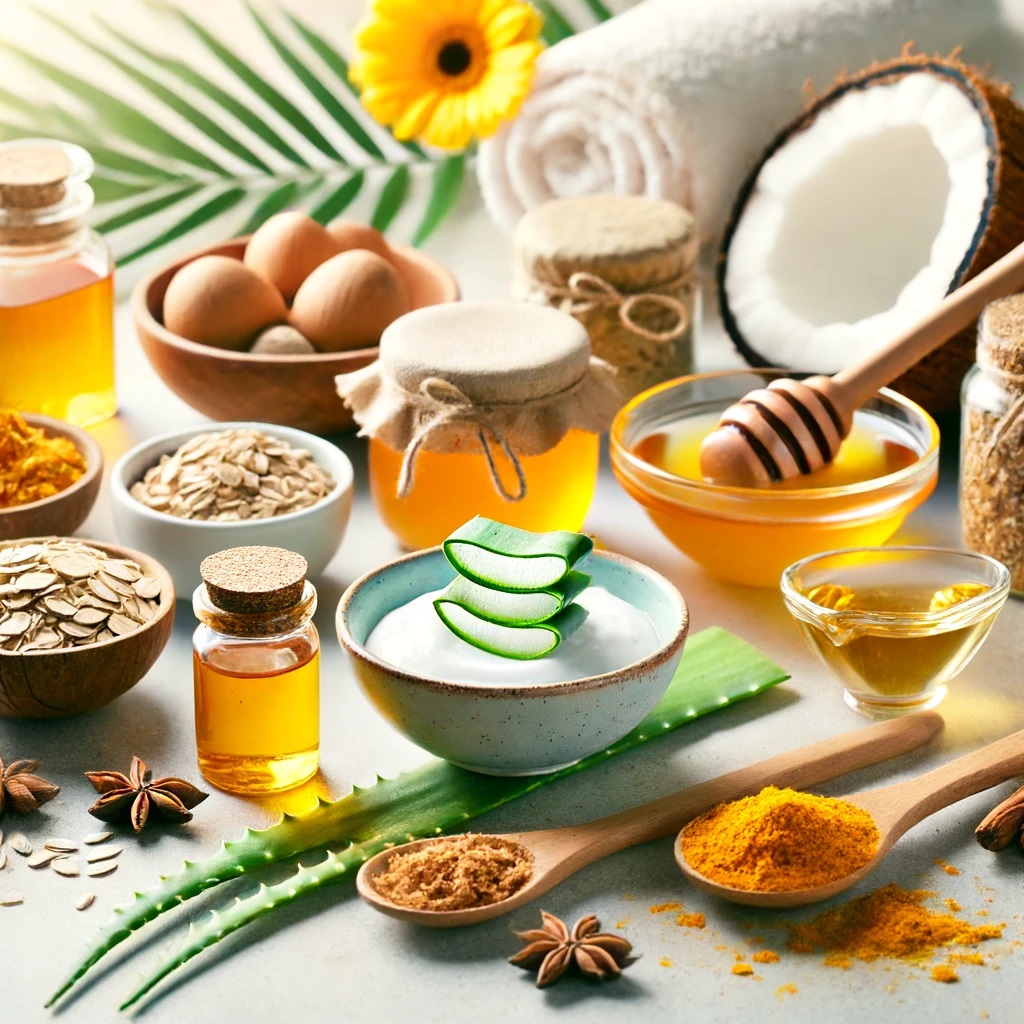
Achieving glowing, healthy skin doesn’t have to involve expensive products. Natural ingredients can be just as effective and are often gentler on your skin. Here’s how you can use some common natural ingredients in your skincare routine.

Honey for Moisturizing and Healing: Honey is a natural humectant, meaning it helps retain moisture in the skin. It also has antibacterial properties, making it great for acne-prone skin.

Example: Apply a thin layer of raw honey to your face and leave it on for 15-20 minutes before rinsing with warm water. This can help moisturize your skin and reduce acne.

Aloe Vera for Soothing and Hydration: Aloe vera is well-known for its soothing and hydrating properties. It can help calm irritated skin and provide deep moisture.

Example: Use fresh aloe vera gel as a moisturizer or apply it to sunburned skin for instant relief.

Coconut Oil for Deep Moisturizing: Coconut oil is rich in fatty acids, making it an excellent moisturizer for dry skin. It also has antibacterial properties, which can help with skin infections.

Example: Use coconut oil as a nighttime moisturizer or add it to your DIY body scrub for extra hydration.

Oatmeal for Exfoliation and Soothing: Oatmeal is a gentle exfoliant that can help remove dead skin cells. It also has anti-inflammatory properties, making it great for sensitive skin.

Example: Mix oatmeal with honey to create a soothing face scrub. Gently massage it onto your skin and rinse with warm water.

Turmeric for Brightening: Turmeric contains curcumin, which has anti-inflammatory and antioxidant properties. It can help brighten the skin and reduce dark spots.

Example: Create a face mask with turmeric, yogurt, and honey. Apply it to your face for 10-15 minutes before rinsing off for a brighter complexion.

DIY Recipes:

  1. Honey and Oatmeal Face Mask:
    • Mix 2 tablespoons of honey with 1 tablespoon of ground oatmeal.
    • Apply to your face and leave on for 15 minutes.
    • Rinse with warm water for soft, exfoliated skin.
  2. Aloe Vera and Coconut Oil Moisturizer:
    • Mix equal parts aloe vera gel and coconut oil.
    • Apply to your skin as a moisturizer, especially before bed.
  3. Turmeric Brightening Mask:
    • Mix 1 teaspoon of turmeric powder with 2 tablespoons of yogurt and 1 tablespoon of honey.
    • Apply to your face and leave on for 10-15 minutes.
    • Rinse with warm water for a glowing complexion.

Using these natural ingredients in your skincare routine can help you achieve healthy, glowing skin without the need for harsh chemicals.

5 Superfoods to Boost Your Immune System

Power Up Your Immunity: 5 Superfoods to Boost Your Immune System

A strong immune system is essential for maintaining good health and warding off illnesses. One of the best ways to support your immune system is through a nutrient-rich diet. In this post, we’ll highlight five superfoods that can help boost your immunity and keep you feeling your best.

Superfood 1: Berries: Berries, such as blueberries, strawberries, and raspberries, are packed with antioxidants, vitamins, and fiber. These nutrients help protect your cells from damage and support a healthy immune response. Berries are also delicious and versatile, making them easy to incorporate into your diet.

How to Enjoy:

  • Add fresh berries to your morning yogurt or oatmeal.
  • Blend them into smoothies.
  • Enjoy as a snack on their own or with a handful of nuts.

Superfood 2: Garlic: Garlic has been used for centuries for its medicinal properties. It contains compounds like allicin that have been shown to boost the immune system and fight off infections. Incorporating garlic into your meals can provide a flavorful way to enhance your health.

How to Enjoy:

  • Add minced garlic to salad dressings and marinades.
  • Include garlic in your favorite soups and stews.
  • Roast whole garlic cloves and spread on whole-grain toast.

Superfood 3: Spinach: Spinach is rich in vitamins A, C, and E, as well as antioxidants and beta carotene, all of which are essential for immune function. This leafy green is also low in calories and high in fiber, making it a nutritious addition to any meal.

How to Enjoy:

  • Add fresh spinach to salads and sandwiches.
  • Sauté spinach with a bit of olive oil and garlic.
  • Blend spinach into smoothies for a nutrient boost.

Superfood 4: Almonds: Almonds are a great source of vitamin E, an antioxidant that helps protect your cells from damage. They also provide healthy fats, protein, and fiber, making them a satisfying and nutritious snack.

How to Enjoy:

  • Snack on a handful of almonds between meals.
  • Add chopped almonds to your morning cereal or yogurt.
  • Use almond butter as a spread on whole-grain toast or fruit slices.

Superfood 5: Turmeric: Turmeric is a powerful anti-inflammatory spice that has been used in traditional medicine for centuries. Its active compound, curcumin, has been shown to enhance immune function and reduce inflammation. Incorporating turmeric into your diet can provide a flavorful way to boost your health.

How to Enjoy:

  • Add turmeric to soups, stews, and curries.
  • Mix turmeric into scrambled eggs or tofu.
  • Make a soothing turmeric tea with hot water, lemon, and honey.

Incorporating these superfoods into your diet can help strengthen your immune system and improve your overall health. At Alchemy International, we believe in the power of natural ingredients to support wellness. Try adding these superfoods to your meals and experience the benefits of a boosted immune system.