


Cultivating Empathy and Emotional Intelligence in the Workplace

Empathy and emotional intelligence (EI) are crucial skills in today’s business environment. They enhance communication, improve teamwork, and lead to better leadership. This blog explores the importance of empathy and EI, and how to cultivate these skills in the workplace.

Understanding Empathy and Emotional Intelligence

Empathy is the ability to understand and share the feelings of others, while emotional intelligence refers to the capacity to recognize, understand, and manage our own emotions and the emotions of others. Together, these skills contribute to a supportive and productive work environment.

Benefits of Empathy and Emotional Intelligence

  1. Improved Communication: Empathy allows individuals to listen actively and respond thoughtfully, enhancing interpersonal communication.
  2. Enhanced Teamwork: Understanding and managing emotions helps to build trust and collaboration among team members.
  3. Better Leadership: Leaders with high EI are more effective in managing teams, resolving conflicts, and motivating employees.
  4. Increased Employee Satisfaction: A workplace that values empathy and EI fosters a positive atmosphere, leading to higher job satisfaction and retention.

Cultivating Empathy and Emotional Intelligence

1. Practice Active Listening

Active listening involves fully concentrating, understanding, responding, and remembering what is being said. Encourage employees to listen without interrupting, show empathy through body language, and provide feedback that shows understanding.

2. Develop Self-Awareness

Self-awareness is the foundation of EI. Encourage employees to reflect on their emotions, recognize their strengths and weaknesses, and understand how their emotions affect their behavior and performance.

3. Foster Open Communication

Create an environment where employees feel comfortable expressing their thoughts and emotions. Regularly hold open discussions and provide platforms for feedback to enhance communication and understanding.

4. Lead by Example

Leaders play a crucial role in cultivating empathy and EI. By demonstrating these skills, leaders set a positive example for their teams to follow. Show empathy in your interactions and manage your emotions effectively.

5. Provide Training and Resources

Offer training programs and resources to help employees develop empathy and EI. Workshops, seminars, and books like “The Mindful Executive” by Ashish Singh can be valuable tools. This book provides practical insights and strategies for integrating mindfulness and emotional intelligence into leadership practices.

6. Encourage Mindfulness Practices

Mindfulness practices, such as meditation and deep breathing exercises, can enhance self-awareness and emotional regulation. Encourage employees to incorporate mindfulness into their daily routines to improve their emotional intelligence.

Case Study: The Impact of Empathy and EI

A tech company implemented an EI training program that included mindfulness practices, active listening workshops, and leadership training focused on empathy. The result was a significant improvement in employee engagement, teamwork, and overall job satisfaction. Employees reported feeling more understood and valued, leading to higher productivity and lower turnover rates.

Challenges and Solutions

1. Resistance to Change: Some employees may resist developing EI skills. Address this by highlighting the personal and professional benefits of empathy and EI. 2. Time Constraints: Incorporating EI training into busy schedules can be challenging. Offer flexible training options, such as online courses and short workshops, to accommodate different schedules.

Call to Action

Cultivate empathy and emotional intelligence in your workplace to enhance communication, teamwork, and leadership. For more insights and strategies, check out “The Mindful Executive” by Ashish Singh, available here. Visit Holistic Wellness Guide for additional tips on fostering a supportive and productive work environment.

#EmotionalIntelligence, #EmpathyInTheWorkplace, #MindfulLeadership, #WorkplaceWellness, #TeamBuilding, #EffectiveCommunication, #LeadershipDevelopment, #EmployeeEngagement, #CorporateCulture, #HolisticWellness
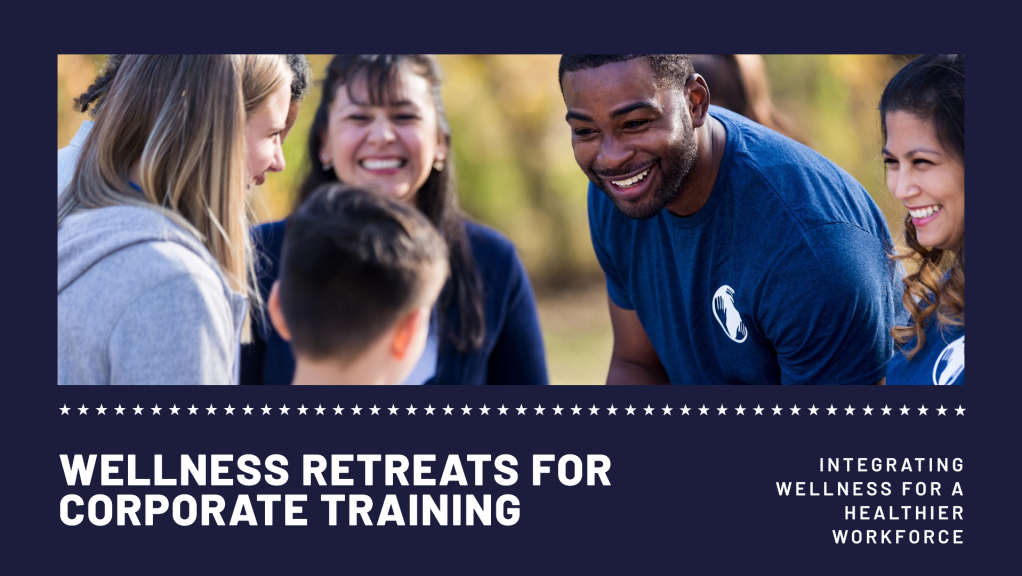
The Power of Integrating Wellness Retreats into Corporate Training Programs

In today’s competitive business environment, companies are continuously seeking innovative ways to enhance employee productivity and engagement. One emerging trend is the integration of wellness retreats into corporate training programs. These retreats offer a holistic approach to professional development, combining skill-building sessions with activities that promote physical, mental, and emotional well-being.

The Concept of Wellness Retreats

Wellness retreats are designed to provide a comprehensive experience that rejuvenates and educates participants. These retreats typically include a variety of activities such as yoga, meditation, nutrition workshops, and team-building exercises. By integrating wellness practices into corporate training, companies can create a more balanced and enriching experience for their employees.

Benefits of Wellness Retreats in Corporate Training

  1. Enhanced Learning and Retention
    • Wellness retreats create an immersive learning environment free from daily distractions. The combination of physical activity and mental relaxation techniques helps improve focus and retention of new information. Employees return to work with a refreshed mindset and a deeper understanding of the training content.
  2. Improved Employee Well-Being
    • Incorporating wellness activities such as yoga and meditation helps reduce stress and promote mental clarity. These practices not only enhance physical health but also improve emotional resilience. Employees who feel better are more likely to be productive and engaged in their work.
  3. Stronger Team Dynamics
    • Wellness retreats often include team-building exercises that foster better communication and collaboration among employees. Shared experiences outside the usual work environment help build trust and camaraderie, leading to a more cohesive team.
  4. Increased Creativity and Innovation
    • A change of scenery and the inclusion of creative activities can stimulate innovative thinking. Employees are encouraged to think outside the box and come up with novel solutions to business challenges. This creative boost can be particularly beneficial for companies looking to stay ahead in their industry.
  5. Attraction and Retention of Talent
    • Offering unique professional development opportunities such as wellness retreats can make a company more attractive to top talent. Employees appreciate organizations that invest in their well-being and growth. This can lead to higher retention rates and a more motivated workforce.

Implementing Wellness Retreats in Corporate Training

  1. Define Objectives
    • Clearly outline the goals of the retreat. Whether it’s skill development, team building, or stress reduction, having clear objectives will help design a program that meets your company’s needs.
  2. Choose the Right Location
    • Select a location that provides a peaceful and inspiring environment. Natural settings such as mountains, beaches, or countryside retreats can enhance the wellness experience.
  3. Incorporate a Variety of Activities
    • Balance work-related training sessions with wellness activities. This could include yoga, meditation, nature walks, and nutrition workshops. Ensure there is time for relaxation and reflection.
  4. Engage Professional Facilitators
    • Hire experienced trainers and wellness professionals to lead the sessions. Their expertise will ensure that the activities are effective and engaging.
  5. Gather Feedback
    • After the retreat, gather feedback from participants to assess the effectiveness of the program. Use this feedback to make improvements for future retreats.

Case Study: A Successful Wellness Retreat

A leading tech company recently implemented a wellness retreat as part of their leadership development program. The retreat took place at a serene mountain resort and included a mix of leadership training, mindfulness workshops, and outdoor activities. The participants reported increased focus, reduced stress, and a stronger sense of team cohesion. The company observed a noticeable improvement in employee morale and productivity following the retreat.

Challenges and Solutions

  1. Cost Considerations
    • Wellness retreats can be expensive. To manage costs, consider local destinations or shorter retreats. Partnering with wellness providers can also offer cost-effective solutions.
  2. Scheduling Conflicts
    • Finding a time that works for all participants can be challenging. Plan well in advance and consider scheduling retreats during off-peak seasons to minimize disruptions.
  3. Employee Buy-In
    • Some employees may be skeptical about the benefits of wellness retreats. Communicate the goals and benefits clearly, and consider offering testimonials from past participants to build enthusiasm.

Call to Action

Integrate wellness retreats into your corporate training programs to enhance employee well-being, boost productivity, and foster a positive workplace culture. Visit Holistic Wellness Guide for more insights and tips on creating a balanced and enriching work environment.