
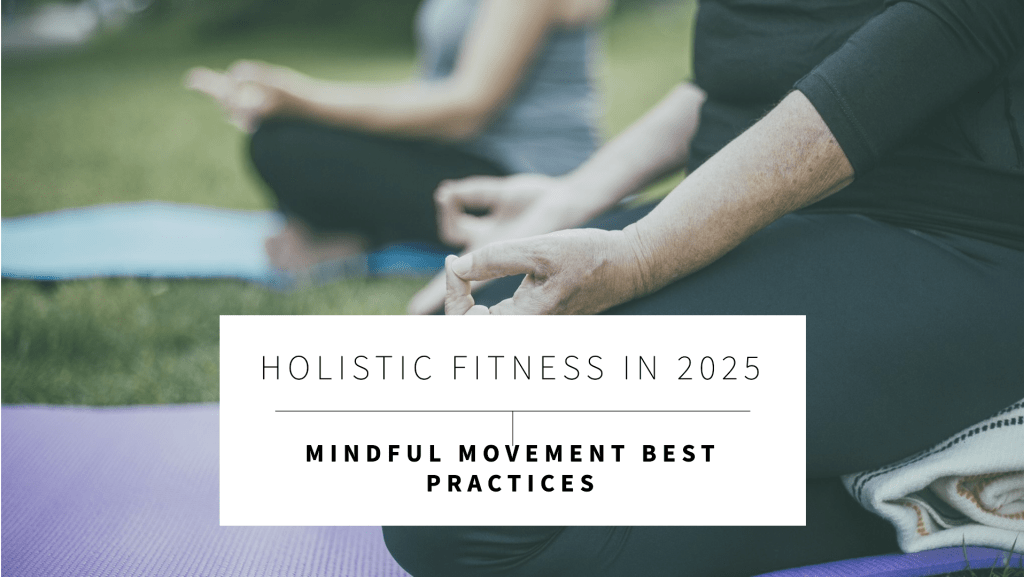
Mindful Movement: The Best Practices for Holistic Fitness in 2025

Fitness isn’t just about physical strength or appearance—it’s about creating harmony between your body, mind, and spirit. Mindful movement practices prioritize connection and presence, helping you achieve holistic wellness. As we move into 2025, integrating mindful fitness into your routine can elevate your health, reduce stress, and bring deeper fulfillment to your workouts. Here are the best mindful movement practices to embrace this year.


1. Yoga for Flexibility and Inner Peace

Yoga is a timeless practice that promotes strength, flexibility, and mindfulness. It combines movement with breath, grounding you in the present moment.

  • How to Practice:
    • Begin with beginner-friendly poses like Child’s Pose, Cat-Cow, or Downward Dog.
    • Focus on your breathing to enhance the connection between body and mind.
  • Pro Tip: Explore different styles like Hatha for relaxation or Vinyasa for a dynamic flow.

2. Tai Chi for Balance and Energy Flow

Known as “meditation in motion,” Tai Chi is a slow, flowing martial art that improves balance, flexibility, and energy circulation.

  • How to Practice:
    • Follow a Tai Chi video or join a local class to learn the foundational moves.
    • Practice outdoors to enhance the connection with nature.
  • Pro Tip: Combine Tai Chi with deep breathing to amplify its calming effects.

3. Dance as Creative Expression

Dance is a joyful way to connect with your body while expressing emotions and creativity. It boosts cardiovascular health and enhances mood.

  • How to Practice:
    • Put on your favorite music and dance freely in your living room.
    • Try dance-based workouts like Zumba or ecstatic dance for guided movement.
  • Pro Tip: Focus on how movement feels rather than how it looks.

4. Walking Meditation for Grounding

Walking meditation combines the benefits of gentle exercise with mindfulness. It’s a perfect way to calm your mind while staying active.

  • How to Practice:
    • Walk at a slow, deliberate pace, focusing on the sensation of your feet touching the ground.
    • Notice the sights, sounds, and smells around you as you walk.
  • Pro Tip: Practice walking meditation in a park or quiet area to deepen the experience.

5. Pilates for Core Strength and Focus

Pilates emphasizes controlled movements, core strength, and alignment, making it a mindful and effective workout.

  • How to Practice:
    • Start with beginner exercises like the Hundred or Roll-Up.
    • Concentrate on maintaining proper form and controlled breathing.
  • Pro Tip: Use resistance bands or a stability ball to enhance your practice.

6. Qi Gong for Vitality and Relaxation

Qi Gong is an ancient Chinese practice that combines gentle movements, breathing techniques, and meditation to cultivate energy and vitality.

  • How to Practice:
    • Follow a guided Qi Gong session to learn simple, flowing movements.
    • Practice daily for 10-15 minutes to feel its calming effects.
  • Pro Tip: Visualize energy flowing through your body during each movement.

7. Swimming for Mind-Body Synchrony

Swimming offers a full-body workout that soothes the mind and strengthens the body. The rhythmic nature of swimming promotes mindfulness.

  • How to Practice:
    • Focus on your breathing and the feeling of water supporting your body.
    • Experiment with different strokes to keep your routine engaging.
  • Pro Tip: Swim in natural bodies of water for a deeper connection with nature.

8. Stretching for Relaxation

Stretching not only improves flexibility but also calms the nervous system and releases tension stored in the body.

  • How to Practice:
    • Dedicate 5-10 minutes to stretching after your workouts or before bed.
    • Hold each stretch for at least 20-30 seconds, breathing deeply.
  • Pro Tip: Focus on areas where you tend to carry tension, like your shoulders or hips.

9. Strength Training with Intention

Strength training can be a mindful practice when approached with focus and purpose. Lifting weights mindfully enhances both physical and mental strength.

  • How to Practice:
    • Pay attention to your form and the sensation of your muscles working.
    • Breathe deeply and exhale during exertion for better focus and control.
  • Pro Tip: Use lighter weights and slower movements to build control.

10. Nature-Based Exercise for Serenity

Exercising in nature combines physical activity with the therapeutic effects of the outdoors, reducing stress and boosting well-being.

  • How to Practice:
    • Go for a hike, practice yoga in a park, or jog along a nature trail.
    • Pause to take in the beauty of your surroundings.
  • Pro Tip: Make it a weekly ritual to exercise outdoors for a mood boost.

Conclusion

Mindful movement transforms fitness into a holistic practice, fostering balance and connection between your body, mind, and spirit. By exploring these practices, you can create a fitness routine that aligns with your values and promotes overall well-being. Start small, experiment with different approaches, and find what resonates with your unique journey toward holistic fitness.


For more inspiration on living mindfully and embracing balance, check out my book, The Mindful Executive: https://www.amazon.com/dp/B0D75YJCLW.
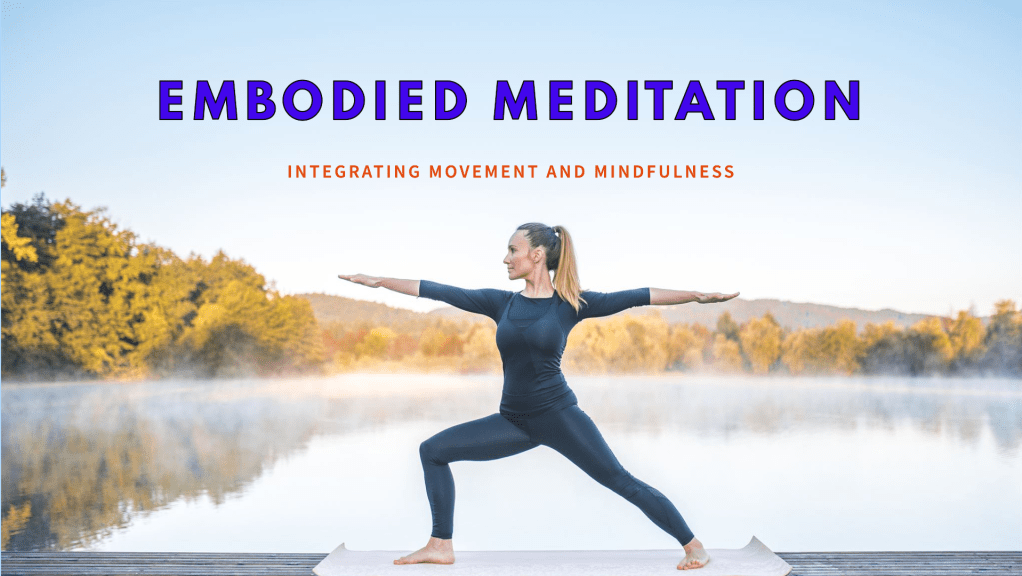

Embodied Meditation: Integrating Movement and Mindfulness for a Deeper Connection to Your Body

In the fast-paced world we live in, finding ways to connect deeply with our bodies and minds has become more essential than ever. Embodied meditation offers a unique approach that bridges the gap between traditional meditation practices and physical movement, allowing us to achieve a profound sense of mindfulness and holistic well-being.

The Concept of Embodied Meditation

Embodied meditation is not just about sitting still and focusing on your breath. It’s about becoming fully present in your body through mindful movement. Whether it’s through yoga, Tai Chi, or simple stretching exercises, embodied meditation encourages you to feel every sensation, notice every tension, and release every stressor held in your body. This practice is rooted in the understanding that our physical body holds emotions, memories, and stress, and by engaging in mindful movement, we can begin to release these stored energies and create a more harmonious state of being.

For example, in yoga, the focus is not only on the physical postures but also on the breath and the flow of energy within the body. Each movement is an opportunity to connect deeper with oneself, to understand the body’s needs, and to cultivate a sense of inner peace. The same principle applies to other forms of embodied meditation, such as Qi Gong, which integrates slow, deliberate movements with breath control and mental focus to promote healing and balance within the body.

Benefits of Embodied Meditation

  1. Enhanced Body Awareness
    • Embodied meditation helps you develop a deeper connection with your body, making you more aware of its signals. This heightened awareness can lead to better posture, reduced pain, and an overall improvement in physical health. As you move, you become more attuned to how your body feels, which can help in identifying areas of tension or discomfort that you may not have noticed otherwise.
  2. Reduction of Stress and Anxiety
    • By focusing on the physical sensations in your body, embodied meditation can help calm the mind and reduce stress. The physical act of moving with intention allows you to release pent-up energy and emotions, which can be particularly effective in managing anxiety and improving mental clarity. For instance, studies have shown that practices like Tai Chi and yoga can significantly reduce levels of cortisol, the stress hormone, in the body.
  3. Improved Emotional Resilience
    • Movement combined with mindfulness helps in processing emotions more effectively. When you engage in embodied meditation, you are not just moving your body; you are also moving through your emotions, allowing them to flow and release naturally. This can lead to greater emotional resilience, as you become better equipped to handle life’s challenges with a calm and centered mindset.
  4. Increased Focus and Mental Clarity
    • Engaging both the mind and body in meditation enhances cognitive function. When you practice embodied meditation, the mind is less likely to wander because it is actively engaged in coordinating movement and breath. This dual focus helps improve concentration, memory, and overall mental sharpness. According to a study published in the journal Frontiers in Psychology, regular practice of mindful movement can lead to significant improvements in attention and cognitive function.
  5. Holistic Health and Well-being
    • Embodied meditation is a holistic practice that benefits not just the mind, but the entire body. By integrating movement into your meditation practice, you are promoting circulation, flexibility, and strength, all of which contribute to overall health and longevity. Moreover, the mindful aspect of this practice ensures that you are not just going through the motions, but truly connecting with your body on a deeper level.

Practical Tips for Embodied Meditation

  1. Start with Simple Movements: Begin with movements you are comfortable with, such as gentle stretching or walking. The key is to focus on the sensations in your body as you move. Notice how your muscles feel, how your breath flows, and how your body responds to each movement.
  2. Incorporate Breath Awareness: Sync your movements with your breath. For example, as you stretch, inhale deeply to expand your body and exhale slowly to release tension. This not only enhances the meditative experience but also helps in regulating your nervous system.
  3. Be Present in Every Moment: It’s easy for the mind to wander, even during movement. If you find yourself lost in thought, gently bring your focus back to your body and the present moment. The more you practice, the easier it will become to stay grounded in your body.
  4. Use Guided Practices: If you’re new to embodied meditation, consider following a guided practice. There are numerous resources available online, such as guided yoga sessions or Tai Chi tutorials, that can help you get started.
  5. Reflect Post-Practice: After your session, take a few minutes to sit quietly and reflect on your experience. Notice any changes in your body, mind, or emotions. Journaling about your practice can also help deepen your awareness and track your progress over time.

Conclusion

Embodied meditation offers a unique path to mindfulness that incorporates the wisdom of the body into the meditative process. By combining movement with mindful awareness, you can deepen your connection to yourself, reduce stress, and enhance your overall well-being. Whether you’re looking to improve your mental clarity, emotional resilience, or physical health, embodied meditation is a powerful practice that can support your holistic journey.

Call to Action

Begin your journey with embodied meditation today and discover the profound benefits of integrating movement with mindfulness. Visit Holistic Wellness Guide for more insights and resources on how to incorporate this practice into your daily life.

#EmbodiedMeditation #Mindfulness #HolisticHealth #MindBodyConnection #StressRelief #Yoga #TaiChi #WellnessJourney #EmotionalResilience #HolisticWellness

How Joon Improved His Energy Levels with Tai Chi

Energy Boost: How Joon Improved His Energy Levels with Tai Chi

Meet Joon: Joon, a 45-year-old professor from Seoul, often felt fatigued and low on energy. Seeking a gentle exercise routine, he turned to Tai Chi.

Starting with Basic Movements: Joon began learning the basic movements of Tai Chi to improve his balance and energy flow.

Example: Each morning, Joon practiced Tai Chi in his garden, focusing on slow, deliberate movements.

Consistency in Practice: He made Tai Chi a daily habit, practicing for 30 minutes each day to build his energy levels.

Example: Over time, Joon found that regular practice helped him feel more energized and less fatigued.

Combining Tai Chi with Breathing Exercises: Joon incorporated deep breathing exercises into his Tai Chi routine to enhance relaxation and energy flow.

Example: He focused on coordinating his breath with his movements, which helped improve his overall well-being.

The Result: Within a few months, Joon noticed a significant increase in his energy levels and a reduction in fatigue. Tai Chi became an essential part of his daily routine.