
The Superpowers of Bell Peppers: Green, Red, and Yellow

Bell peppers, available in vibrant green, red, and yellow varieties, are not just colorful additions to your meals; they are packed with essential nutrients and health benefits. Let’s dive into the nutritional value and benefits of these superfoods, and how you can incorporate them into your diet for a healthier lifestyle.


Nutritional Benefits

1. Rich in Vitamins and Antioxidants

Bell peppers are loaded with vitamins A, C, and E. Red bell peppers, in particular, have the highest amount of vitamin C, which is crucial for boosting your immune system and promoting skin health. The antioxidants in bell peppers help combat oxidative stress and reduce inflammation.

Learn more about the nutritional benefits of bell peppers: Healthline


2. Low in Calories, High in Fiber

Bell peppers are low in calories, making them an excellent addition to any weight loss diet. They are also high in dietary fiber, which aids in digestion and keeps you feeling full longer.

Explore the weight loss benefits of bell peppers: WebMD


3. Supports Eye Health

The high levels of beta-carotene and lutein in bell peppers are beneficial for eye health. These compounds help prevent macular degeneration and cataracts, ensuring that your vision stays sharp as you age.

Discover more about bell peppers and eye health: American Academy of Ophthalmology


4. Promotes Heart Health

Bell peppers contain potassium, which helps regulate blood pressure, and fiber, which reduces cholesterol levels. These factors contribute to better heart health and reduce the risk of cardiovascular diseases.

Learn about heart health and bell peppers: Harvard Health


5. Boosts Immunity

The vitamin C content in bell peppers boosts your immune system, helping your body fight off infections and diseases more effectively. This makes them a great addition to your diet, especially during the cold and flu season.

Read about boosting immunity with bell peppers: Mayo Clinic


How to Incorporate Bell Peppers into Your Diet

1. Salads and Stir-Fries

Add chopped bell peppers to your salads and stir-fries for a crunchy texture and a burst of flavor. They pair well with a variety of vegetables and proteins.

2. Stuffed Bell Peppers

Fill bell peppers with a mixture of quinoa, black beans, corn, and cheese for a nutritious and satisfying meal.

3. Grilled or Roasted

Grill or roast bell peppers to bring out their natural sweetness. They make a delicious side dish or topping for sandwiches and burgers.

4. Smoothies

Blend bell peppers into your smoothies for an extra dose of vitamins and antioxidants. Their mild flavor blends well with fruits like strawberries and oranges.


Call to Action

Add the superpowers of bell peppers to your meals today and enjoy their numerous health benefits. For more healthy eating tips and recipes, visit Holistic Wellness Guide.

#HealthyEating #Superfoods #BellPeppers #Nutrition #Vitamins #WeightLoss #HeartHealth #ImmunityBoost


Boost Your Vision: Top 9 Foods for Eye Health

Maintaining good vision is essential for overall well-being, and incorporating certain foods into your diet can play a significant role in supporting eye health. Here are nine nutritious foods that can help enhance and protect your vision.


1. Carrots

Carrots are rich in beta-carotene, which the body converts into vitamin A. Vitamin A is crucial for maintaining good vision, especially in low light conditions. Including carrots in your diet can help prevent night blindness and other vision-related issues.

Learn more about the benefits of carrots: Healthline


2. Leafy Greens

Leafy greens like spinach, kale, and collard greens are high in lutein and zeaxanthin. These antioxidants protect the eyes from harmful light and reduce the risk of chronic eye diseases such as macular degeneration and cataracts.

Read about leafy greens and eye health: WebMD


3. Citrus Fruits

Citrus fruits, including oranges, lemons, and grapefruits, are packed with vitamin C. This vitamin is essential for eye health as it helps reduce the risk of cataracts and macular degeneration by combating oxidative stress.

Discover the benefits of citrus fruits for vision: Verywell Health


4. Nuts and Seeds

Nuts and seeds, such as almonds, walnuts, and chia seeds, are excellent sources of vitamin E. Vitamin E protects the eyes from oxidative damage and helps maintain healthy vision. Regular consumption of these foods can lower the risk of age-related eye conditions.

Explore how nuts and seeds support eye health: Medical News Today


5. Fish

Fatty fish like salmon, tuna, and sardines are rich in omega-3 fatty acids. These healthy fats are crucial for maintaining the health of the retina and can help prevent dry eyes and macular degeneration.

Learn about the benefits of fish for your eyes: Healthline


6. Eggs

Eggs contain lutein, zeaxanthin, and zinc, which are all vital for eye health. These nutrients work together to protect the retina and improve overall vision, making eggs an excellent addition to your diet.

Read about eggs and eye health: WebMD


7. Sweet Potatoes

Sweet potatoes are high in beta-carotene and vitamin E. These nutrients help maintain the health of the eyes and reduce the risk of eye diseases. Including sweet potatoes in your meals can provide a significant boost to your eye health.

Discover the benefits of sweet potatoes for vision: Verywell Fit


8. Bell Peppers

Bell peppers are loaded with vitamins A and C, both of which are essential for maintaining good vision. These vitamins help reduce the risk of cataracts and macular degeneration, making bell peppers a nutritious addition to your diet.

Learn more about the benefits of bell peppers: Healthline


9. Blueberries

Blueberries are packed with antioxidants that help reduce inflammation and oxidative stress in the eyes. Regular consumption of blueberries can improve vision and reduce the risk of cataracts and other eye conditions.

Explore how blueberries benefit your eyes: Medical News Today

Call to Action

Incorporate these nutritious foods into your diet to support better vision and overall eye health. For more tips on healthy living and nutrition, visit Holistic Wellness Guide.

#EyeHealth #Nutrition #HealthyLiving #Superfoods #VisionCare #HealthyDiet #Wellness

Kickstart Your Day with These 5 Healthiest Fats

Starting your day with healthy fats can provide numerous health benefits, from sustained energy levels to improved brain function. Here are five of the healthiest fats to incorporate into your breakfast to ensure a nutritious start to your day.


1. Avocado

Avocados are rich in monounsaturated fats, which are known to improve heart health by reducing bad cholesterol levels. They also provide a good amount of fiber and essential nutrients.

Learn more about the benefits of avocados: Healthline


2. Nuts and Seeds

Nuts and seeds, such as almonds, chia seeds, and flaxseeds, are packed with omega-3 fatty acids, protein, and fiber. These nutrients help maintain healthy brain function, reduce inflammation, and keep you feeling full longer.

Discover the benefits of nuts and seeds: Medical News Today


3. Olive Oil

Olive oil is a staple in the Mediterranean diet, known for its heart-healthy monounsaturated fats. Using olive oil in your breakfast, such as drizzling it over toast or adding it to smoothies, can provide a delicious and nutritious boost.

Read about olive oil’s health benefits: WebMD


4. Greek Yogurt

Greek yogurt is an excellent source of healthy fats and protein. It contains probiotics, which support gut health, and can be paired with fruits and nuts for a balanced and satisfying breakfast.

Explore the benefits of Greek yogurt: Healthline


5. Coconut Oil

Coconut oil contains medium-chain triglycerides (MCTs), which are quickly absorbed by the body and used as a source of energy. Adding coconut oil to your morning coffee or smoothie can help kickstart your metabolism.

Learn more about coconut oil: Verywell Fit

Call to Action

Incorporate these healthy fats into your breakfast routine to enjoy a nutritious and energy-boosting start to your day. For more tips on healthy living and nutrition, visit Holistic Wellness Guide.

#HealthyFats #Breakfast #Nutrition #HealthyLiving #Superfoods #HeartHealth #BrainBoost #WeightLoss

5 Health Benefits of Eating More Blueberries

Blueberries are not only delicious but also packed with nutrients that provide numerous health benefits. Incorporating more blueberries into your diet can have a positive impact on your overall health and well-being. Here are five compelling reasons to eat more blueberries:


1. Rich in Antioxidants

Blueberries are loaded with antioxidants, particularly anthocyanins, which give them their vibrant color. Antioxidants help protect your body from oxidative stress and free radicals, reducing the risk of chronic diseases.

Read more about the antioxidant power of blueberries: Healthline


2. Supports Heart Health

Regular consumption of blueberries can improve heart health by lowering blood pressure, reducing cholesterol levels, and improving arterial function. These benefits are due to the high levels of fiber, vitamins, and antioxidants in blueberries.

Discover more about blueberries and heart health: WebMD


3. Boosts Brain Function

Studies have shown that blueberries can enhance brain health by improving memory and cognitive function. The antioxidants in blueberries help reduce inflammation and oxidative stress in the brain, promoting healthy brain aging.

Learn about the cognitive benefits of blueberries: Medical News Today


4. Aids in Digestion

Blueberries are a good source of dietary fiber, which promotes healthy digestion and prevents constipation. Fiber also supports a healthy gut microbiome, which is essential for overall digestive health.

Read more on the digestive benefits of blueberries: Healthline


5. Supports Weight Loss

Blueberries are low in calories but high in nutrients, making them an excellent addition to a weight-loss diet. Their high fiber content helps you feel full, reducing overall calorie intake and aiding in weight management.

Find out how blueberries support weight loss: Verywell Fit

Call to Action

Start incorporating more blueberries into your diet today to enjoy these incredible health benefits. For more tips on healthy living and nutrition, visit Holistic Wellness Guide.

#Blueberries #Superfoods #HealthyLiving #Nutrition #Antioxidants #HeartHealth #BrainBoost #WeightLoss

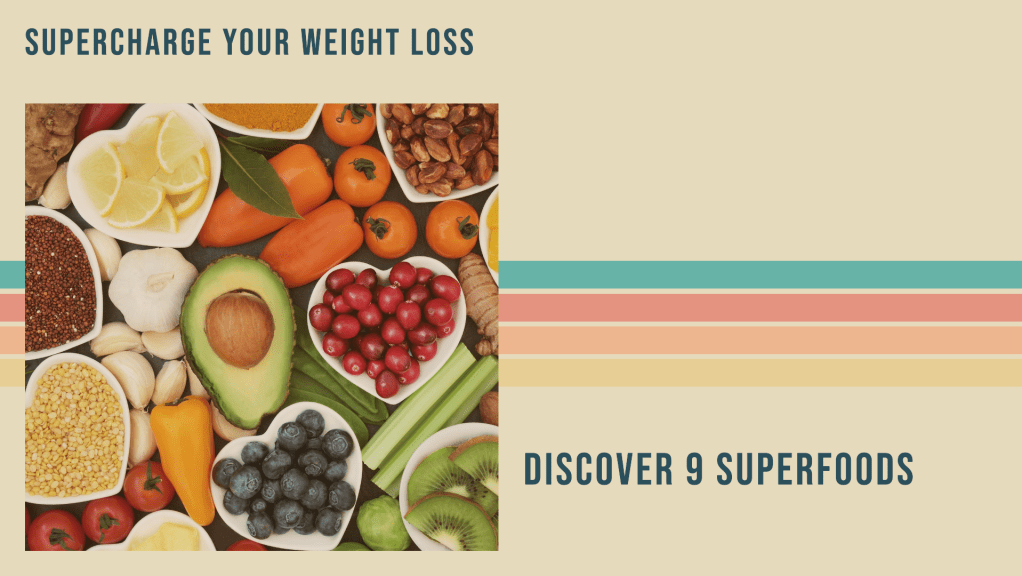
9 Superfoods to Supercharge Your Weight Loss Journey

Incorporating the right superfoods into your diet can make a significant difference in your weight loss efforts. These nutrient-dense foods not only help you shed pounds but also provide numerous health benefits. Here are nine superfoods that can naturally aid in weight loss.


1. Kale

Kale is a leafy green packed with vitamins A, K, and C, as well as fiber and antioxidants. Its low calorie content makes it an ideal food for weight loss.

Learn more about kale’s benefits: Healthline


2. Quinoa

Quinoa is a complete protein, meaning it contains all nine essential amino acids. It’s also high in fiber, which helps keep you full longer.

Explore quinoa’s health benefits: Medical News Today


3. Berries

Berries, such as blueberries, strawberries, and raspberries, are low in calories but high in fiber and antioxidants. They can help curb your sweet cravings while providing essential nutrients.

Read about the benefits of berries: Healthline


4. Avocados

Avocados are rich in healthy fats, particularly monounsaturated fats, which can help reduce belly fat. They also contain fiber and various essential vitamins.

Discover more about avocados: WebMD


5. Nuts

Nuts, such as almonds and walnuts, are high in healthy fats, protein, and fiber. They make for a satisfying snack that can help control hunger.

Learn about the benefits of nuts: Harvard T.H. Chan School of Public Health


6. Chia Seeds

Chia seeds are rich in omega-3 fatty acids, fiber, and protein. They expand in your stomach, helping you feel full and satisfied.

Explore chia seeds’ health benefits: Healthline


7. Green Tea

Green tea contains catechins, antioxidants that boost metabolism and increase fat burning. Drinking green tea can enhance your weight loss efforts.

Read about green tea’s benefits: WebMD


8. Greek Yogurt

Greek yogurt is high in protein and probiotics, which support digestion and keep you full longer. It’s a great addition to a balanced diet.

Learn about Greek yogurt: Medical News Today


9. Sweet Potatoes

Sweet potatoes are high in fiber, vitamins, and minerals. Their low glycemic index helps regulate blood sugar levels, making them a great food for weight loss.

Discover the benefits of sweet potatoes: Healthline

Call to Action

Incorporate these superfoods into your daily meals to support your weight loss journey and enhance your overall health. For more tips on healthy living, visit Holistic Wellness Guide.

#WeightLoss #Superfoods #HealthyEating #Nutrition #Wellness #HealthyLiving #DietTips #Fitness #HealthyLifestyle

Japanese Superfoods for Longevity: 8 Daily Essentials

Japan is renowned for its population’s longevity, and much of this can be attributed to their diet. Here are eight traditional Japanese foods that contribute to a longer, healthier life.


1. Miso Soup

Miso soup is a staple in Japanese cuisine, made from fermented soybeans. It is rich in probiotics, which promote gut health and boost the immune system.

Learn more about the benefits of miso soup: Healthline


2. Natto

Natto, fermented soybeans, is a powerhouse of nutrients, including vitamin K2, which is essential for bone and heart health. Its high probiotic content also supports digestion.

Discover the health benefits of natto: WebMD


3. Green Tea

Green tea is celebrated for its high antioxidant content, particularly catechins, which help reduce inflammation and lower the risk of chronic diseases.

Explore the benefits of green tea: Medical News Today


4. Tofu

Tofu, made from soybeans, is a versatile and protein-rich food that is low in calories. It is a great source of iron, calcium, and essential amino acids.

Learn more about tofu: BBC Good Food


5. Fish

Fish, particularly fatty fish like salmon and mackerel, is a cornerstone of the Japanese diet. It is rich in omega-3 fatty acids, which are crucial for heart and brain health.

Discover the benefits of eating fish: Harvard T.H. Chan School of Public Health


6. Vegetables

A variety of vegetables, such as seaweed, sweet potatoes, and leafy greens, are regularly consumed in Japan. These vegetables are packed with vitamins, minerals, and antioxidants.

Explore the benefits of a vegetable-rich diet: Healthline


7. Rice

Rice, particularly brown rice, is a staple in the Japanese diet. It provides essential carbohydrates for energy and is a good source of fiber.

Learn more about the benefits of rice: Harvard T.H. Chan School of Public Health


8. Seaweed

Seaweed, such as nori and kombu, is rich in iodine, calcium, and various vitamins. It supports thyroid function and provides numerous health benefits.

Discover the health benefits of seaweed: Medical News Today

Call to Action

Incorporating these Japanese superfoods into your daily diet can contribute to a longer, healthier life. Start embracing these nutritional powerhouses and visit Holistic Wellness Guide for more tips on healthy living.

#JapaneseDiet #Longevity #Superfoods #HealthyLiving #MisoSoup #Natto #GreenTea #Tofu #Fish #Vegetables #Rice #Seaweed

Supercharge Your Kids’ Diet with Moringa, Beets, and Lemon

Incorporating superfoods into your children’s diet can significantly enhance their overall health and development. Moringa, beets, and lemon are three powerhouse ingredients that can provide a wealth of nutrients and benefits. Here’s a detailed guide on meal plans featuring these superfoods to help your kids thrive.


1. Moringa: The Miracle Tree

Moringa is packed with essential nutrients like vitamins A, C, and E, calcium, and iron. It’s known for its anti-inflammatory properties and can boost the immune system.

Moringa Smoothie Recipe

  • 1 cup of almond milk
  • 1 banana
  • 1 tablespoon of moringa powder
  • 1 handful of spinach
  • 1 tablespoon of honey Blend all ingredients until smooth. Serve chilled.

Benefits:

  • Boosts energy levels
  • Enhances immune function
  • Supports healthy skin and hair

Learn more about the benefits of moringa


2. Beets: Nature’s Multivitamin

Beets are rich in essential nutrients like fiber, folate, and vitamin C. They can improve blood flow, reduce blood pressure, and increase stamina.

Beet Salad Recipe

  • 2 medium beets, boiled and sliced
  • 1 cup of mixed greens
  • 1/4 cup of feta cheese
  • 1/4 cup of walnuts
  • 2 tablespoons of olive oil
  • 1 tablespoon of balsamic vinegar Mix all ingredients in a bowl and toss with olive oil and balsamic vinegar.

Benefits:

  • Enhances athletic performance
  • Supports detoxification
  • Improves digestive health

Discover more about the nutritional value of beets


3. Lemon: A Citrus Powerhouse

Lemon is high in vitamin C, antioxidants, and has alkalizing properties. It aids in digestion, boosts the immune system, and enhances skin health.

Lemon-Infused Water Recipe

  • 1 lemon, sliced
  • 1 liter of water
  • A few mint leaves (optional) Add lemon slices and mint leaves to water. Let it sit for 1 hour before drinking.

Benefits:

  • Aids in digestion
  • Enhances hydration
  • Promotes clear skin

Explore the health benefits of lemons


Meal Plan for Kids

Day 1

  • Breakfast: Moringa Smoothie
  • Lunch: Beet Salad with Grilled Chicken
  • Dinner: Baked Salmon with Lemon and Herbs
  • Snacks: Carrot sticks with hummus, Lemon-infused water

Day 2

  • Breakfast: Greek Yogurt with Honey and Moringa Powder
  • Lunch: Whole Wheat Wrap with Beetroot and Avocado
  • Dinner: Lemon Chicken with Quinoa
  • Snacks: Apple slices with almond butter, Lemon-infused water

Day 3

  • Breakfast: Oatmeal with Fresh Berries and Moringa
  • Lunch: Beetroot Hummus with Pita Bread
  • Dinner: Lemon-Garlic Shrimp with Brown Rice
  • Snacks: Celery sticks with peanut butter, Lemon-infused water

The Power Trio: Unveiling the Benefits of Moringa, Beets, and Lemon

Moringa, beets, and lemon are not just everyday foods; they are superfoods packed with an array of nutrients that can significantly benefit your body. Here’s a deep dive into the remarkable health benefits of these three powerhouse ingredients.


1. Moringa: The Miracle Tree

Moringa oleifera, often referred to as the “miracle tree,” is rich in vitamins, minerals, and antioxidants.

Benefits:

  • Nutrient Dense: Moringa leaves contain high levels of vitamins A, C, and E, calcium, potassium, and protein, providing essential nutrients to the body.
  • Anti-Inflammatory: Its anti-inflammatory properties can help reduce inflammation, which is beneficial for conditions such as arthritis and muscle pain.
  • Antioxidant Powerhouse: Moringa is rich in antioxidants, which help protect cells from damage by free radicals, potentially reducing the risk of chronic diseases.

Healthline: 10 Benefits of Moringa

WebMD: Moringa Benefits


2. Beets: Nature’s Multivitamin

Beetroots are known for their vibrant color and numerous health benefits.

Benefits:

  • Improves Blood Flow: Beets are high in nitrates, which convert to nitric oxide in the body, helping to dilate blood vessels and improve blood flow.
  • Supports Detoxification: The betaine in beets helps support liver function and detoxification processes.
  • Boosts Stamina: Consuming beets can enhance athletic performance by increasing stamina and endurance.

Medical News Today: Health Benefits of Beets

Healthline: 9 Impressive Health Benefits of Beets


3. Lemon: A Citrus Powerhouse

Lemons are a staple in many kitchens, known for their refreshing flavor and numerous health benefits.

Benefits:

  • Rich in Vitamin C: Lemons are an excellent source of vitamin C, an essential nutrient that boosts the immune system and protects against infections.
  • Aids Digestion: Lemon juice can help stimulate digestive juices and improve digestion, reducing symptoms of bloating and indigestion.
  • Promotes Hydration: Adding lemon to water can make it more palatable, encouraging you to drink more and stay hydrated.

Healthline: 6 Evidence-Based Health Benefits of Lemons

WebMD: Health Benefits of Lemon

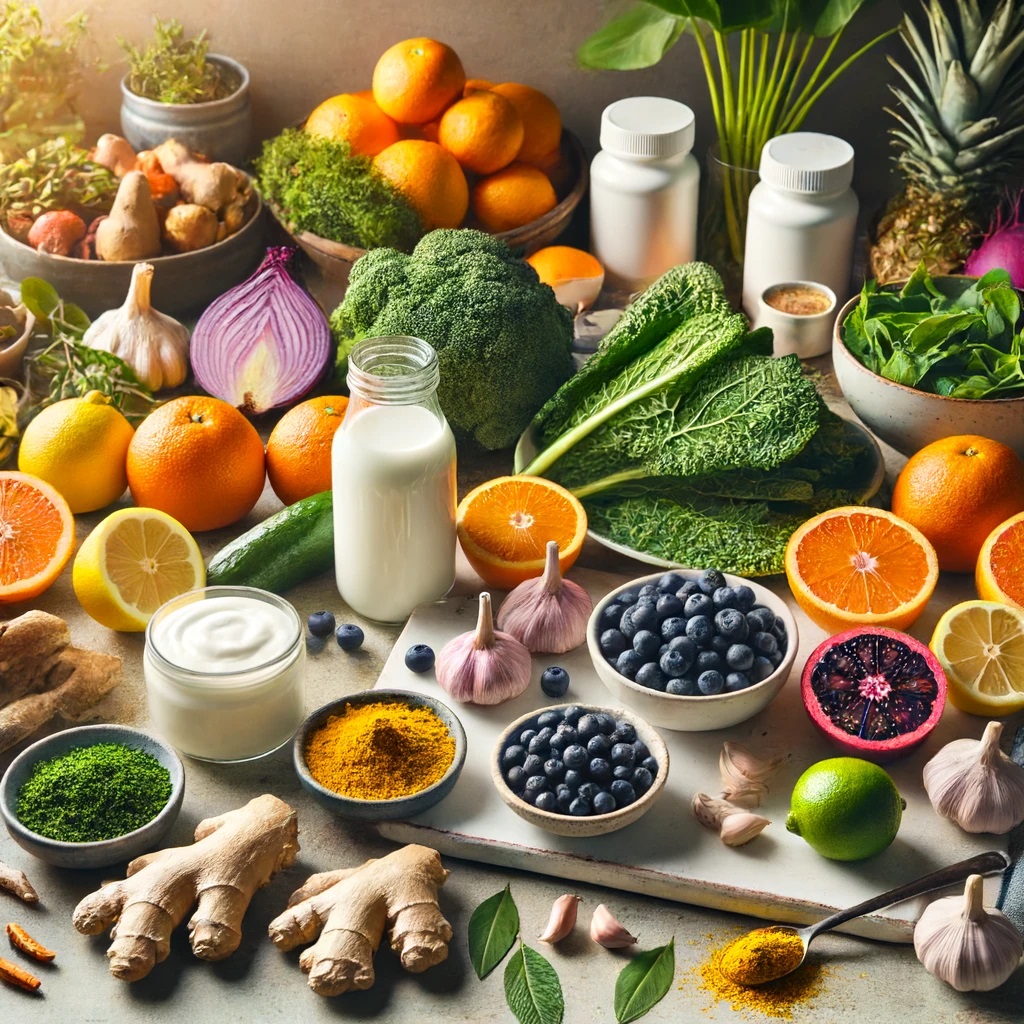
Boost Your Immunity Naturally: Top Foods and Supplements

Supporting your immune system with the right foods and natural supplements can help keep you healthy and resilient. Here’s a guide to some of the best foods and supplements to enhance your immunity naturally.

Citrus Fruits for Vitamin C: Citrus fruits like oranges, grapefruits, lemons, and limes are packed with vitamin C, which is essential for immune function. Vitamin C increases the production of white blood cells, key to fighting infections.

Example: Start your day with a glass of fresh orange juice or add lemon slices to your water throughout the day for an extra boost.

Leafy Greens for Antioxidants: Leafy greens such as spinach, kale, and Swiss chard are rich in antioxidants and essential nutrients that support the immune system. These greens are also high in vitamins A and C.

Example: Incorporate a green smoothie into your breakfast or enjoy a fresh spinach salad for lunch to pack in the nutrients.

Ginger for Anti-Inflammatory Benefits: Ginger is a powerful anti-inflammatory and antioxidant root that can help reduce inflammation and boost immune health. It is also known for its ability to soothe a sore throat and fight infections.

Example: Add fresh ginger to your tea or include it in your cooking for a flavorful and health-boosting addition.

Garlic for Immune Support: Garlic contains compounds that enhance the immune system. It has been used for centuries for its medicinal properties and is known to boost the function of the immune system.

Example: Add minced garlic to your meals or consume a raw garlic clove daily for its potent benefits.

Turmeric for Curcumin: Turmeric is a spice that contains curcumin, a compound with powerful anti-inflammatory and antioxidant effects. Curcumin can help modulate the immune system and has been shown to have antiviral properties.

Example: Enjoy a warm cup of turmeric tea or add turmeric to your soups and stews for an immune-boosting effect.

Probiotics for Gut Health: Probiotics found in yogurt, kefir, and fermented foods like sauerkraut and kimchi can enhance gut health, which is closely linked to the immune system. A healthy gut flora supports overall immunity.

Example: Include a serving of yogurt in your breakfast or snack on fermented vegetables to support gut and immune health.

Herbal Supplements for Extra Support: Herbal supplements such as echinacea, elderberry, and astragalus can provide additional immune support. These herbs have been traditionally used to prevent and treat colds and flu.

Example: Take an echinacea supplement during flu season or sip on elderberry syrup to enhance your immune defenses.

By incorporating these immune-boosting foods and supplements into your diet, you can naturally enhance your body’s ability to fight off infections and stay healthy.

Ageless and Disease-Free: Your Ultimate Guide to a Healthier Life

Living a life free from diseases and maintaining a youthful body is achievable through a combination of healthy eating, regular exercise, and mindful practices. This guide provides comprehensive tips on how to keep your body in optimal health and preserve your youthful vitality.

Healthy Eating Habits

1. Eat a Balanced Diet

Incorporate a variety of fresh fruits, vegetables, lean proteins, and whole grains into your meals. These foods provide essential nutrients that support your body’s functions and boost your immune system. Learn more about balanced diets.

2. Stay Hydrated

Drink plenty of water throughout the day. Staying hydrated helps maintain your energy levels, supports digestion, and keeps your skin looking youthful. Aim for at least 8 glasses of water daily. Understand the importance of hydration.

3. Avoid Processed Foods

Limit your intake of processed foods that are high in sugars, unhealthy fats, and preservatives. Opt for whole, unprocessed foods to reduce your risk of chronic diseases. Explore healthy eating tips.

4. Incorporate Superfoods

Add superfoods like berries, nuts, seeds, and leafy greens to your diet. These foods are rich in antioxidants and nutrients that promote health and longevity. Discover superfoods.

Regular Exercise

1. Engage in Aerobic Activities

Aerobic exercises such as walking, running, swimming, or cycling improve cardiovascular health and boost your metabolism. Aim for at least 150 minutes of moderate aerobic activity per week. Explore aerobic exercises.

2. Strength Training

Incorporate strength training exercises to build and maintain muscle mass. This helps increase your metabolic rate and supports bone health. Aim for strength training sessions at least twice a week. Learn more about strength training.

3. Practice Flexibility and Balance Exercises

Yoga and Pilates are excellent for improving flexibility, balance, and overall body strength. These exercises also reduce stress and enhance mental clarity. Discover the benefits of yoga.

Mindful Practices

1. Get Adequate Sleep

Quality sleep is essential for recovery and overall health. Aim for 7-9 hours of sleep per night to support your body’s repair processes and maintain mental clarity. Understand the importance of sleep.

2. Manage Stress

Chronic stress can negatively impact your health. Practice stress management techniques such as meditation, deep breathing exercises, and spending time in nature to promote relaxation. Explore stress management techniques.

3. Regular Health Check-ups

Schedule regular health check-ups to monitor your health and detect any potential issues early. Preventive care is key to maintaining long-term health and well-being. Learn about preventive care.

Call to Action

Incorporate these habits into your daily life to maintain a disease-free and youthful body. Visit Holistic Wellness Guide for more tips and insights on leading a healthy and balanced life.

#HealthyLiving #YouthfulBody #DiseasePrevention #Nutrition #Exercise #Wellness #Mindfulness #Hydration #Superfoods #HolisticHealth