

The Perfect Time to Exercise: Morning vs. Evening Workouts

Finding the best time to exercise can significantly impact your workout efficiency and overall well-being. Let’s explore the benefits of morning and evening workouts to help you decide which is best for you.


Morning Workouts

1. Boosts Your Metabolism

Starting your day with exercise can boost your metabolism, helping you burn more calories throughout the day. Morning workouts can kickstart your energy levels and keep you active and alert.

Learn more about the benefits of morning workouts: New Scientist


2. Enhances Mood and Mental Health

Exercising in the morning releases endorphins, which can enhance your mood and reduce stress and anxiety. It sets a positive tone for the rest of your day.

Discover the link between exercise and mental health: Psychology Today


3. Improves Sleep Quality

Morning exercise can help regulate your sleep-wake cycle, making it easier to fall asleep at night and improving overall sleep quality.

Explore the impact of exercise on sleep: Sleep Foundation


Evening Workouts

1. Relieves Stress

Exercising in the evening can be a great way to unwind after a stressful day. Physical activity helps reduce cortisol levels, the body’s primary stress hormone.

Learn more about evening workouts and stress relief: Harvard Health


2. Enhances Performance

Your body temperature is higher in the late afternoon and evening, which can improve muscle function, strength, enzyme activity, and endurance. This makes evening workouts potentially more effective.

Discover the benefits of exercising later in the day: The New York Times


3. Flexibility and Consistency

For many people, evening workouts are more convenient and easier to stick with consistently. After-work exercise can fit more seamlessly into a busy schedule.

Understand the importance of consistency in workouts: American Heart Association


Conclusion

Whether you choose to exercise in the morning or evening, the key is consistency and finding a routine that fits your lifestyle. Both times offer unique benefits that can help you maximize your workout and improve your overall health.

Call to Action

Start experimenting with different workout times to see which suits you best. Visit Holistic Wellness Guide for more tips on maintaining a healthy and active lifestyle.

#WorkoutTime #MorningExercise #EveningExercise #FitnessRoutine #HealthyLiving #StressRelief #MentalHealth #MetabolismBoost #ConsistencyIsKey
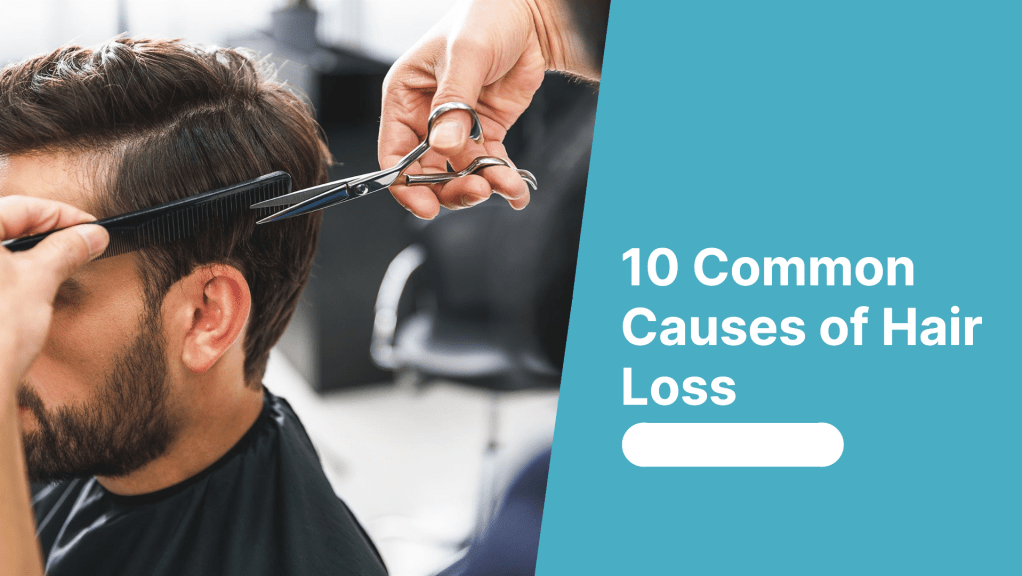

Understanding Hair Loss: The 10 Most Common Causes

Hair loss can be distressing, but understanding the underlying causes can help you take appropriate steps to address it. Here are the ten most common causes of hair loss and what you can do about them.


1. Genetics

Genetic factors play a significant role in hair loss. Androgenetic alopecia, also known as male or female pattern baldness, is the most common cause of hair loss and is inherited from your parents.

Benefits of Early Detection:

  • Allows for early intervention
  • Helps in managing expectations
  • Provides options for treatment and prevention

Learn more about genetic hair loss: American Academy of Dermatology


2. Hormonal Changes

Hormonal imbalances can lead to hair loss. Conditions such as thyroid disorders, pregnancy, menopause, and polycystic ovary syndrome (PCOS) can cause hair thinning and loss.

Benefits of Managing Hormonal Health:

  • Stabilizes hair growth
  • Improves overall health
  • Reduces stress and anxiety

Discover more about hormonal hair loss: WebMD


3. Stress

Chronic stress can lead to hair loss conditions like telogen effluvium, where hair follicles enter a resting phase and fall out prematurely.

Benefits of Stress Management:

  • Promotes healthy hair growth
  • Enhances mental well-being
  • Improves overall health

Learn stress management techniques: Mayo Clinic


4. Poor Diet

A diet lacking essential nutrients, such as vitamins, minerals, and proteins, can weaken hair and lead to hair loss.

Benefits of a Balanced Diet:

  • Strengthens hair follicles
  • Improves overall health
  • Enhances hair texture and growth

Explore a hair-friendly diet: Healthline


5. Medical Conditions

Medical conditions like alopecia areata, lupus, and diabetes can cause hair loss. These conditions often require medical diagnosis and treatment.

Benefits of Medical Intervention:

  • Identifies underlying health issues
  • Provides targeted treatment
  • Prevents further hair loss

Find out more about medical-related hair loss: National Institute of Arthritis and Musculoskeletal and Skin Diseases


6. Medications

Certain medications, including those for cancer, arthritis, depression, heart problems, and high blood pressure, can cause hair loss as a side effect.

Benefits of Consulting with Healthcare Providers:

  • Adjusts medications if necessary
  • Provides alternative treatments
  • Manages side effects effectively

Learn about medication-induced hair loss: American Academy of Family Physicians


7. Environmental Factors

Exposure to pollutants, harsh weather conditions, and chemicals can weaken hair and lead to hair loss.

Benefits of Protecting Hair:

  • Maintains hair health
  • Prevents damage
  • Enhances hair appearance

Discover tips for protecting your hair: Harvard Health


8. Hair Treatments and Styling

Frequent use of chemical treatments, heat styling, and tight hairstyles can damage hair and lead to hair loss.

Benefits of Gentle Hair Care:

  • Prevents breakage
  • Maintains hair strength
  • Promotes healthy growth

Explore gentle hair care practices: Dermatology Times


9. Aging

As we age, hair naturally becomes thinner and more prone to falling out.

Benefits of Age-Appropriate Hair Care:

  • Maintains hair volume
  • Enhances hair texture
  • Reduces breakage

Learn more about age-related hair loss: Cleveland Clinic


10. Smoking

Smoking can damage hair follicles and reduce blood flow to the scalp, leading to hair loss.

Benefits of Quitting Smoking:

  • Improves hair health
  • Enhances overall health
  • Reduces hair thinning

Find resources to quit smoking: Smokefree.gov

Call to Action

Understanding the causes of hair loss can help you take proactive steps to address and prevent it. Visit Holistic Wellness Guide for more tips on maintaining healthy hair and overall well-being.

#HairLoss #HairCare #GeneticHairLoss #StressRelief #HealthyDiet #MedicalConditions #HairHealth #WellnessJourney

From Stress to Success: How Meditation Helps Students Excel in Academics

Meditation is a powerful tool that can transform a student’s academic journey from one filled with stress to one of success. Here’s how incorporating meditation into daily routines can help students excel academically.


1. Reduces Stress and Anxiety

Meditation helps to calm the mind, reducing the levels of stress and anxiety that often accompany academic pressures. By promoting relaxation, students can approach their studies with a clearer, more focused mind.

Benefits:

  • Lowers cortisol levels
  • Promotes mental clarity
  • Reduces feelings of overwhelm

Learn more about how meditation reduces stress: Psychology Today


2. Improves Concentration and Focus

Regular meditation practice enhances concentration and focus, making it easier for students to absorb and retain information. This improved attention span can lead to better academic performance.

Benefits:

  • Increases attention span
  • Enhances memory retention
  • Boosts cognitive function

Explore the benefits of meditation on concentration: Mayo Clinic


3. Enhances Emotional Well-Being

Meditation promotes emotional stability, helping students to manage their emotions better. This emotional balance can lead to a more positive outlook on their academic responsibilities and interactions with peers and teachers.

Benefits:

  • Reduces negative emotions
  • Increases self-awareness
  • Promotes a positive mindset

Discover how meditation enhances emotional well-being: Harvard Health


4. Boosts Creativity

Meditation encourages a state of relaxed awareness, which can boost creativity. Students who meditate regularly may find it easier to think outside the box and come up with innovative solutions to problems.

Benefits:

  • Encourages creative thinking
  • Enhances problem-solving skills
  • Stimulates imagination

Learn how meditation boosts creativity: Forbes


5. Improves Academic Performance

The cumulative benefits of meditation, including reduced stress, improved focus, and enhanced emotional well-being, contribute to better academic performance. Students who meditate regularly tend to achieve higher grades and perform better in exams.

Benefits:

  • Higher grades
  • Better exam performance
  • Improved overall academic outcomes

Read about the academic benefits of meditation: Mindful Schools

Call to Action

Incorporate meditation into your daily routine to transform your academic journey from stress to success. Visit Holistic Wellness Guide for more tips on integrating mindfulness practices into your life.

#Meditation #AcademicSuccess #StudentLife #Mindfulness #StressRelief #Focus #Concentration #EmotionalWellBeing #Creativity #HolisticWellness

Wanderlust and Wellness: How Travel Enhances Your Well-Being

Traveling is more than just a break from routine; it offers numerous wellness benefits that can rejuvenate your mind, body, and soul. Here’s how travel can enhance your well-being, along with some recommended destinations to explore.

Benefits of Travel for Wellness

1. Reduces Stress

Traveling allows you to escape from daily stressors and immerse yourself in new environments. This break from routine can significantly reduce stress levels and improve mental health. Learn more about the stress-relieving benefits of travel.

2. Boosts Physical Health

Exploring new places often involves physical activities such as hiking, walking, or swimming. These activities not only improve physical fitness but also promote cardiovascular health and overall well-being. Explore the physical health benefits of travel.

3. Enhances Creativity

Experiencing different cultures and environments can stimulate creativity and inspire new ideas. Traveling exposes you to diverse perspectives, which can enhance problem-solving skills and creativity. Discover how travel boosts creativity.

4. Improves Mental Health

Traveling can combat depression and anxiety by providing a sense of adventure and novelty. Engaging with new experiences and environments can uplift your mood and provide a fresh outlook on life. Read about travel’s impact on mental health.

5. Strengthens Relationships

Traveling with family or friends can strengthen relationships by creating shared experiences and memories. It provides an opportunity to bond and connect on a deeper level. Understand how travel strengthens relationships.

Recommended Wellness Travel Destinations

1. Bali, Indonesia

Bali is known for its serene landscapes, yoga retreats, and holistic wellness centers. It’s an ideal destination for those seeking relaxation and spiritual rejuvenation. Explore Bali wellness retreats.

2. Costa Rica

Costa Rica offers a blend of adventure and relaxation with its lush rainforests, pristine beaches, and wellness resorts. Activities like surfing, yoga, and eco-tourism make it a top wellness destination. Discover Costa Rica wellness travel.

3. Sedona, Arizona

Sedona is famous for its red rock formations and spiritual vortexes. It’s a perfect place for hiking, meditation, and holistic healing. Learn about Sedona’s wellness offerings.

4. Iceland

Iceland’s natural hot springs, stunning landscapes, and wellness retreats offer a unique and refreshing experience. It’s an excellent destination for relaxation and rejuvenation. Explore wellness in Iceland.

5. Kyoto, Japan

Kyoto’s traditional tea ceremonies, zen gardens, and hot springs provide a peaceful escape. It’s an ideal location for those seeking mindfulness and cultural enrichment. Discover wellness travel in Kyoto.

Call to Action

Embrace the wellness benefits of travel and explore these incredible destinations to rejuvenate your mind, body, and soul. Visit Holistic Wellness Guide for more tips and insights on leading a balanced and healthy life.

#TravelWellness #Wanderlust #HealthyLiving #Mindfulness #StressRelief #Adventure #WellBeing #HolisticHealth #TravelDestinations

15 Things to Stop Doing for Better Holistic Health

Achieving better holistic health often starts with removing the habits, behaviors, and patterns that drain our energy or prevent us from living in alignment. While adding healthy practices to your life is important, letting go of negative ones can be equally transformative. By stopping certain behaviors, you make room for growth, balance, and healing. Here are 15 things you should stop doing for better holistic health and well-being.

1. Stop Overusing Technology

Constant screen time and excessive use of social media can leave your mind overstimulated and drained. Disconnecting from technology, especially before bed, helps restore mental clarity and calm.

  • Tip: Schedule regular digital detoxes, even if it’s just for a few hours each day.

2. Stop Skipping Meals

Skipping meals can wreak havoc on your energy levels and metabolism. Balanced, regular meals are essential for maintaining a stable energy flow and supporting your body’s natural rhythms.

  • Tip: Prepare easy, nutrient-dense snacks if you tend to get busy during the day.

3. Stop Ignoring Hydration

Dehydration is a major energy drainer and can lead to headaches, fatigue, and sluggishness. Make it a priority to drink water throughout the day, as it’s crucial for maintaining balanced energy and detoxifying the body.

  • Tip: Set reminders on your phone to drink water every hour.

4. Stop Neglecting Sleep

A consistent lack of sleep disrupts both your physical and mental health. Without proper rest, your body can’t heal, and your mind can’t process emotions effectively, leading to stress and imbalances.

  • Tip: Create a calming bedtime routine and prioritize 7-8 hours of sleep each night.

5. Stop Holding onto Grudges

Negative emotions like resentment and anger can weigh down your energy and block healing. Forgiveness and emotional release are key to clearing energy blockages and fostering holistic well-being.

  • Tip: Practice journaling or meditation to process and let go of negative emotions.

6. Stop Multitasking

While it may feel efficient, multitasking actually scatters your focus and drains your mental energy. Focusing on one task at a time leads to greater productivity and mental balance.

  • Tip: Use time-blocking techniques to manage your day with intention and focus.

7. Stop Eating Processed Foods

Processed foods are often loaded with chemicals, sugar, and unhealthy fats that can disrupt your body’s natural balance. Opting for whole, natural foods supports your body’s energy and overall well-being.

  • Tip: Choose fresh fruits, vegetables, and whole grains as the foundation of your meals.

8. Stop Saying Yes to Everything

Overcommitting and constantly saying “yes” to requests can leave you feeling overwhelmed and depleted. Learning to set boundaries and prioritize your energy is essential for maintaining balance.

  • Tip: Practice saying “no” when necessary, and focus on what aligns with your wellness goals.

9. Stop Living in the Past

Holding onto the past keeps you stuck in old patterns and prevents you from living in the present. Embracing mindfulness and releasing what no longer serves you can open you up to new opportunities for growth.

  • Tip: Try grounding exercises and mindfulness meditation to bring your focus back to the present moment.

10. Stop Neglecting Physical Activity

A sedentary lifestyle can lead to physical and mental stagnation. Movement is essential for maintaining a healthy energy flow, boosting mood, and reducing stress.

  • Tip: Find enjoyable ways to stay active, such as yoga, walking, or dancing, and make it a part of your daily routine.

11. Stop Overloading Your Schedule

Constantly filling up your schedule with tasks, appointments, and obligations can lead to burnout. Leaving space for rest and relaxation is just as important as getting things done.

  • Tip: Practice time management and schedule downtime for yourself each week.

12. Stop Comparing Yourself to Others

Comparison is a surefire way to drain your energy and erode self-esteem. Focusing on your own journey and celebrating your unique progress is key to cultivating self-love and mental wellness.

  • Tip: Shift your focus inward by journaling about your personal growth and achievements.

13. Stop Suppressing Your Emotions

Suppressing emotions can lead to energy blockages and even physical illness. Allowing yourself to feel and process emotions in a healthy way supports both mental and physical healing.

  • Tip: Engage in emotional release practices, like deep breathing, EFT tapping, or expressive writing.

14. Stop Fearing Change

Fear of change can keep you stuck in unhealthy patterns. Embracing change, both big and small, is necessary for personal growth and holistic wellness.

  • Tip: Start small by making one positive change each week, whether it’s in your diet, habits, or mindset.

15. Stop Isolating Yourself

While alone time is important, too much isolation can lead to loneliness and emotional imbalance. Building connections with supportive people enhances your emotional and mental well-being.

  • Tip: Make an effort to reach out to friends or join wellness communities to nurture positive connections.

Conclusion

Sometimes the best way to improve your well-being is to let go of the things that are holding you back. By stopping these 15 behaviors, you can clear space for more positive energy and practices that support holistic health. Embrace the power of letting go, and allow your mind, body, and spirit to thrive in balance.


For more holistic health tips and guidance, check out my book, The Mindful Executive: https://www.amazon.com/dp/B0D75YJCLW.

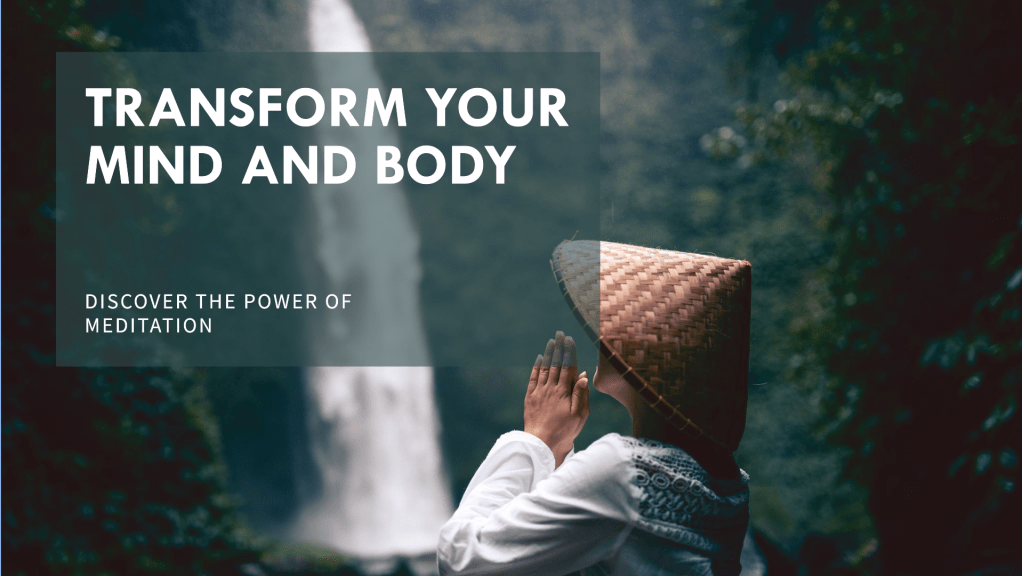
The Mindful Path: Transforming Your Mind and Body through Meditation

Meditation is a powerful tool for enhancing both mental and physical well-being. Whether you’re looking to reduce stress, improve focus, or simply cultivate a greater sense of inner peace, the practice of meditation offers numerous benefits. Here, we explore how regular meditation can positively impact your mind and body, providing a holistic approach to health.

1. Reduces Stress and Anxiety

Meditation is widely recognized for its ability to reduce stress and anxiety. By focusing on the breath and being present in the moment, meditation helps calm the mind, lower cortisol levels, and decrease overall stress. Over time, regular practice can lead to a more relaxed state of being, helping you manage life’s challenges with greater ease.

2. Enhances Emotional Health

Meditation encourages mindfulness, which allows you to become more aware of your thoughts and emotions without judgment. This increased awareness can lead to better emotional regulation and a more positive outlook on life. Studies have shown that mindfulness meditation can reduce symptoms of depression and increase overall well-being.

3. Improves Concentration and Attention

One of the key benefits of meditation is its ability to enhance concentration and attention. By training the mind to focus on a single point of reference, such as the breath, you can improve your ability to concentrate on tasks and reduce distractions. This heightened focus can lead to greater productivity and efficiency in daily life.

4. Promotes Better Sleep

Meditation can also improve the quality of your sleep. By practicing mindfulness or deep relaxation techniques before bed, you can quiet the mind, release tension, and prepare your body for restful sleep. Over time, regular meditation can help alleviate insomnia and other sleep disorders, leading to more restorative nights.

5. Boosts Physical Health

The benefits of meditation extend beyond the mind. Regular practice has been linked to a variety of physical health benefits, including lower blood pressure, improved heart health, and a stronger immune system. By reducing stress and promoting relaxation, meditation supports the body’s natural healing processes.

6. Encourages Self-Awareness

Meditation fosters a deeper connection with yourself. As you practice, you become more aware of your thoughts, feelings, and behaviors. This increased self-awareness can help you make healthier choices, break negative patterns, and cultivate a greater sense of self-compassion.

7. Supports Mind-Body Connection

Meditation strengthens the connection between the mind and body. By tuning into your bodily sensations and practicing mindfulness, you can develop a greater sense of harmony and balance. This mind-body connection is essential for overall well-being and can lead to a more holistic approach to health.

Conclusion

Incorporating meditation into your daily routine can have profound effects on both your mind and body. Whether you’re seeking stress relief, emotional balance, or improved physical health, meditation offers a path to greater well-being. Start with just a few minutes each day and gradually increase your practice as you become more comfortable. Over time, you’ll likely find that meditation becomes an integral part of your life, providing you with the tools you need to navigate life’s challenges with grace and ease.

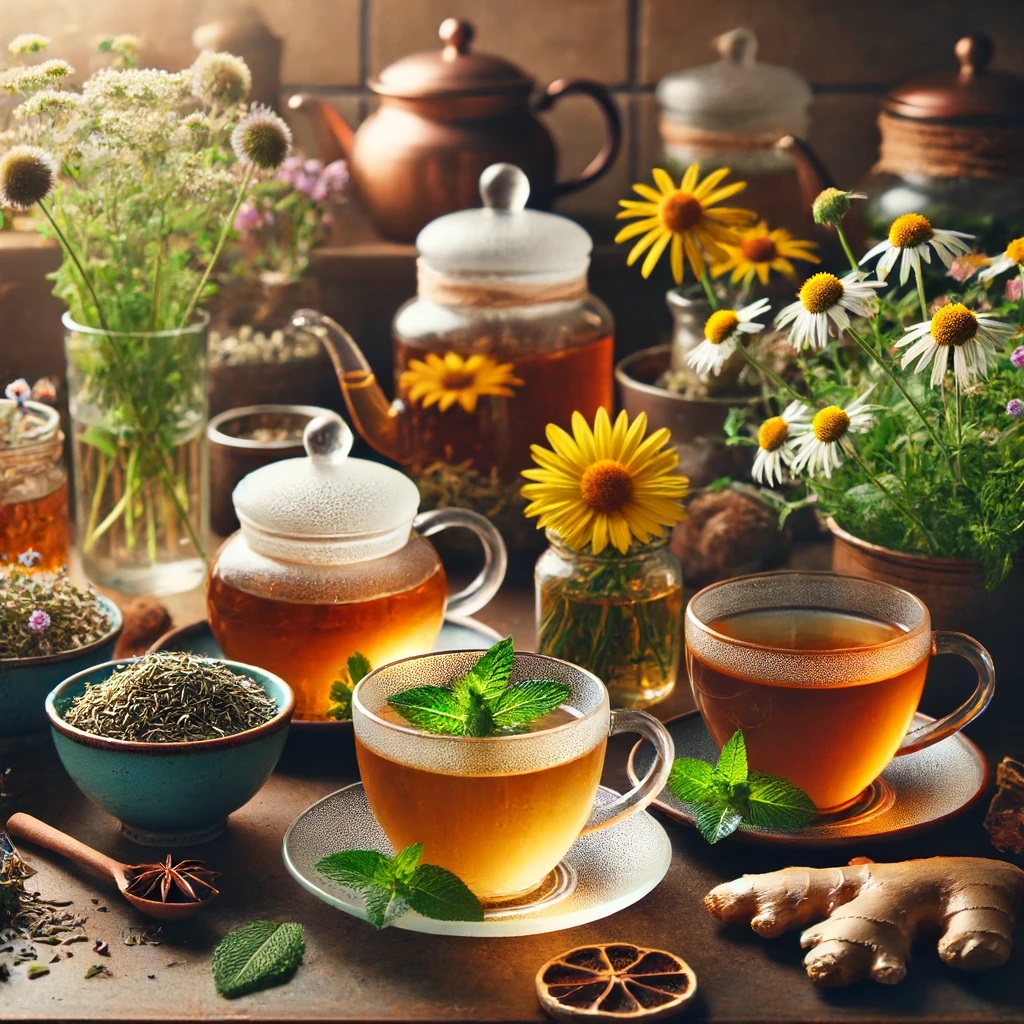
Herbal Teas for Stress Relief: Natural Calm in a Cup

Herbal teas have been used for centuries to soothe the mind and body. Certain herbs are particularly effective at reducing stress and promoting relaxation. Here are some of the best herbal teas for stress relief and how to incorporate them into your daily routine.

1. Chamomile Tea

Chamomile is well-known for its calming properties and is often used to promote relaxation and better sleep.

  • Benefits: Reduces anxiety, improves sleep quality.
  • How to Use: Brew a cup of chamomile tea in the evening to unwind before bed.
  • Story: Emma, a college student, found chamomile tea to be a lifesaver during exam periods. It helped her relax and get a good night’s sleep, even during stressful times.

2. Lavender Tea

Lavender has a soothing aroma that can help reduce stress and anxiety.

  • Benefits: Calms the mind, reduces anxiety.
  • How to Use: Enjoy a cup of lavender tea in the afternoon to break up a stressful day.
  • Story: Mark, a high-pressure executive, started drinking lavender tea in the afternoons. It became his go-to remedy for mid-day stress relief, helping him stay calm and focused.

3. Peppermint Tea

Peppermint is refreshing and has natural muscle-relaxing properties that can ease tension.

  • Benefits: Relieves tension, improves digestion.
  • How to Use: Drink peppermint tea after meals to relax and aid digestion.
  • Story: Lisa, a mother of two, found that peppermint tea was perfect for winding down after dinner. It helped her relax and enjoy her evenings without feeling overwhelmed.

4. Lemon Balm Tea

Lemon balm is known for its calming effects and can help reduce anxiety and promote a sense of calm.

  • Benefits: Reduces anxiety, promotes relaxation.
  • How to Use: Brew a cup of lemon balm tea when you need a moment of peace.
  • Story: Raj, a software developer, added lemon balm tea to his evening routine. It helped him transition from a hectic workday to a relaxing evening at home.

5. Passionflower Tea

Passionflower is used to treat anxiety and improve sleep quality, making it a great option for stress relief.

  • Benefits: Reduces anxiety, improves sleep.
  • How to Use: Drink a cup of passionflower tea before bed to help you unwind.
  • Story: Jane, who had trouble sleeping due to stress, found that passionflower tea was an excellent natural remedy. It helped her relax and fall asleep more easily.

From Stress to Serenity: A Journey Through Aromatherapy

Meet Anjali, a 35-year-old marketing manager from Mumbai, who was overwhelmed by the stresses of her demanding job. Constantly juggling deadlines and responsibilities, Anjali struggled to find peace and relaxation in her daily life. After a recommendation from a friend, she decided to try aromatherapy and discovered its transformative effects.

Anjali’s journey with aromatherapy began with simple steps. She started using essential oils to create a calming environment at home. Lavender oil became her go-to for relaxation, while peppermint oil helped her stay alert and focused during work.

Choosing the Right Essential Oils: Different essential oils offer various benefits. Anjali explored oils like lavender for relaxation, eucalyptus for clarity, and chamomile for stress relief. Each oil brought a unique sense of calm and well-being.

Example: Anjali diffused lavender oil in her living room every evening, helping her unwind after a long day. The soothing scent created a peaceful atmosphere, allowing her to de-stress and sleep better.

Incorporating Aromatherapy into Daily Routine: Anjali incorporated essential oils into her daily routine. She added a few drops of eucalyptus oil to her morning shower to invigorate her senses and used chamomile oil in a diffuser at bedtime to promote restful sleep.

Example: During her morning routine, Anjali applied a blend of peppermint and rosemary oils to her temples to boost her concentration and energy levels for the day ahead.

Using Aromatherapy for Stress Relief: To manage work-related stress, Anjali carried a small roller bottle of lavender oil in her bag. Whenever she felt overwhelmed, she applied it to her wrists and took deep breaths to regain her sense of calm.

With these simple yet effective steps, Anjali transformed her life through aromatherapy. The natural scents helped her find serenity amidst the chaos, enhancing her well-being and productivity.

The Healing Power of Aromatherapy: Essential Oils for Health and Wellness

Aromatherapy, the practice of using essential oils extracted from plants for therapeutic purposes, has been used for centuries to promote health and wellness. These oils can positively affect both the mind and body, offering a natural way to improve overall well-being. Here’s how you can harness the healing power of aromatherapy and essential oils to enhance your health and wellness.

Understanding Aromatherapy

Aromatherapy involves the use of essential oils, which are concentrated extracts from the roots, leaves, seeds, or blossoms of plants. These oils contain the plant’s essence and are believed to have healing properties when inhaled or applied to the skin.

Benefits of Aromatherapy

Aromatherapy can provide numerous benefits, including reducing stress, improving mood, enhancing sleep, and relieving pain. Different essential oils have unique properties that can address specific health concerns.

Popular Essential Oils and Their Benefits

1. Lavender

Lavender oil is widely known for its calming and relaxing properties. It can help reduce anxiety, improve sleep quality, and alleviate headaches.

  • Benefits: Reduces stress and anxiety, improves sleep, relieves headaches.
  • Example: Add a few drops of lavender oil to your pillow or use it in a diffuser before bedtime to promote restful sleep.

2. Peppermint

Peppermint oil has a refreshing and invigorating scent. It’s often used to relieve headaches, improve focus, and alleviate digestive issues.

  • Benefits: Eases headaches, enhances concentration, relieves digestive discomfort.
  • Example: Inhale peppermint oil directly from the bottle or add a few drops to a tissue and breathe deeply to relieve a headache.

3. Eucalyptus

Eucalyptus oil is known for its ability to clear the respiratory system and relieve congestion. It also has anti-inflammatory and pain-relieving properties.

  • Benefits: Relieves respiratory congestion, reduces inflammation, alleviates pain.
  • Example: Add eucalyptus oil to a bowl of hot water and inhale the steam to relieve nasal congestion and improve breathing.

4. Tea Tree

Tea tree oil has powerful antimicrobial properties and is often used to treat skin conditions, such as acne and fungal infections.

  • Benefits: Fights bacteria and fungi, treats acne, promotes skin health.
  • Example: Dilute tea tree oil with a carrier oil and apply it to acne-prone areas to help clear up breakouts.

5. Lemon

Lemon oil is uplifting and energizing. It’s commonly used to improve mood, boost energy levels, and support the immune system.

  • Benefits: Enhances mood, boosts energy, supports immune health.
  • Example: Add a few drops of lemon oil to a diffuser to create an energizing atmosphere in your home or office.

6. Frankincense

Frankincense oil is known for its grounding and calming effects. It’s often used in meditation and yoga practices to promote mental clarity and relaxation.

  • Benefits: Promotes relaxation, enhances mental clarity, supports emotional balance.
  • Example: Diffuse frankincense oil during meditation or yoga to create a serene and focused environment.

7. Chamomile

Chamomile oil has soothing and calming properties, making it ideal for reducing anxiety and promoting sleep. It’s also beneficial for skin health.

  • Benefits: Reduces anxiety, promotes sleep, supports skin health.
  • Example: Add a few drops of chamomile oil to a warm bath to unwind and relax before bed.

8. Rosemary

Rosemary oil is stimulating and invigorating. It can improve concentration, enhance memory, and promote hair health.

  • Benefits: Boosts concentration, improves memory, promotes hair growth.
  • Example: Use rosemary oil in a diffuser while studying or working to improve focus and mental clarity.

9. Ylang Ylang

Ylang ylang oil has a sweet, floral scent and is known for its mood-enhancing properties. It can reduce stress and promote a sense of well-being.

  • Benefits: Enhances mood, reduces stress, promotes relaxation.
  • Example: Add a few drops of ylang ylang oil to your bath or diffuser to create a calming and uplifting atmosphere.

How to Use Essential Oils

1. Diffusion

Using a diffuser is one of the most popular ways to enjoy the benefits of essential oils. Diffusers disperse the oils into the air, allowing you to inhale their therapeutic scents.

  • Example: Add 5-10 drops of your favorite essential oil to a diffuser filled with water. Turn it on and enjoy the aroma.

2. Inhalation

Direct inhalation involves breathing in the essential oil directly from the bottle or from a tissue with a few drops of the oil.

  • Example: Place a few drops of essential oil on a tissue and hold it close to your nose. Inhale deeply for several breaths.

3. Topical Application

Essential oils can be applied to the skin, but they should be diluted with a carrier oil to prevent irritation.

  • Example: Mix a few drops of essential oil with a carrier oil, such as coconut or jojoba oil, and apply it to your wrists, neck, or temples.

4. Bathing

Adding essential oils to your bath can enhance relaxation and provide therapeutic benefits.

  • Example: Add 5-10 drops of essential oil to your bathwater along with a cup of Epsom salts for a soothing and aromatic experience.

5. Massage

Incorporating essential oils into a massage can enhance relaxation and provide additional health benefits.

  • Example: Dilute essential oils with a carrier oil and use the mixture for a relaxing massage.

Safety Tips for Using Essential Oils

  • Always dilute essential oils with a carrier oil before applying them to the skin.
  • Perform a patch test to check for allergic reactions.
  • Use essential oils in well-ventilated areas.
  • Keep essential oils out of reach of children and pets.
  • Consult with a healthcare professional before using essential oils, especially if you are pregnant, nursing, or have a medical condition.

The Healing Power of Music: How Sound Can Improve Your Well-Being

Music has a profound impact on our emotions, mind, and body. It can evoke powerful feelings, reduce stress, and even promote physical healing. Here’s how you can harness the healing power of music to enhance your well-being.

The Science Behind Music Therapy

Music therapy is a well-established field that uses music to address physical, emotional, cognitive, and social needs. Research has shown that music can influence brain waves, heart rate, and hormone levels, leading to improved mood and reduced stress.

Benefits of Music for Well-Being

1. Stress Reduction

Listening to calming music can significantly reduce stress levels. Slow, soothing music can lower cortisol levels, reduce heart rate, and promote relaxation.

  • Example: Create a playlist of calming music or nature sounds and listen to it during stressful moments or before bed to help unwind.

2. Enhanced Mood

Music can elevate your mood and increase feelings of happiness. Upbeat, lively music can boost energy levels and improve overall emotional well-being.

  • Example: Start your day with an energizing playlist of your favorite upbeat songs to set a positive tone for the day.

3. Improved Sleep

Music can improve sleep quality by promoting relaxation and reducing anxiety. Listening to calming music before bed can help you fall asleep faster and enjoy a more restful sleep.

  • Example: Play soft, instrumental music or lullabies as part of your bedtime routine to enhance sleep quality.

4. Pain Management

Music can be an effective tool for pain management. It can distract from pain, reduce the perception of pain, and promote relaxation.

  • Example: Listen to your favorite music during medical procedures or while recovering from surgery to help manage pain and discomfort.

5. Cognitive Benefits

Music can enhance cognitive performance, including memory, attention, and problem-solving skills. Background music can improve focus and productivity.

  • Example: Play instrumental or classical music while studying or working to enhance concentration and cognitive function.

6. Emotional Expression

Music provides a powerful outlet for emotional expression. It can help process complex emotions and provide comfort during difficult times.

  • Example: Create a playlist that reflects your current emotions and listen to it when you need to process your feelings or find solace.

7. Physical Rehabilitation

Music can support physical rehabilitation by improving coordination, movement, and motivation. Rhythmic music can enhance motor skills and make exercise more enjoyable.

  • Example: Use rhythmic music during physical therapy sessions or workouts to improve movement and stay motivated.

Practical Ways to Incorporate Music into Your Daily Life

1. Create Personalized Playlists

Curate playlists for different moods and activities. Have a calming playlist for relaxation, an upbeat playlist for exercise, and a focus playlist for work or study.

  • Example: Use music streaming services like Spotify or Apple Music to create and organize your playlists based on your preferences and needs.

2. Play a Musical Instrument

Learning to play a musical instrument can provide mental stimulation, improve coordination, and offer a creative outlet.

  • Example: Take lessons for an instrument you’re interested in, such as the piano, guitar, or drums. Practice regularly to enjoy the cognitive and emotional benefits of playing music.

3. Attend Live Music Events

Experiencing live music can enhance your connection to music and provide a sense of community and joy.

  • Example: Attend concerts, music festivals, or local performances to enjoy live music and connect with others who share your interests.

4. Use Music for Meditation and Mindfulness

Incorporate music into your meditation or mindfulness practice to enhance relaxation and focus.

  • Example: Listen to ambient or instrumental music during meditation sessions to create a serene atmosphere and deepen your practice.

5. Explore Different Genres

Expand your musical horizons by exploring different genres and cultural music. This can enrich your listening experience and expose you to new sounds and rhythms.

  • Example: Try listening to classical, jazz, world music, or other genres that you might not be familiar with to discover new favorites and broaden your musical appreciation.

6. Music and Movement

Combine music with movement to enhance physical and emotional well-being. Dancing, yoga, and other forms of exercise can be more enjoyable and effective with music.

  • Example: Create a dance routine to your favorite songs, or use music during yoga practice to enhance the flow and rhythm of your movements.