
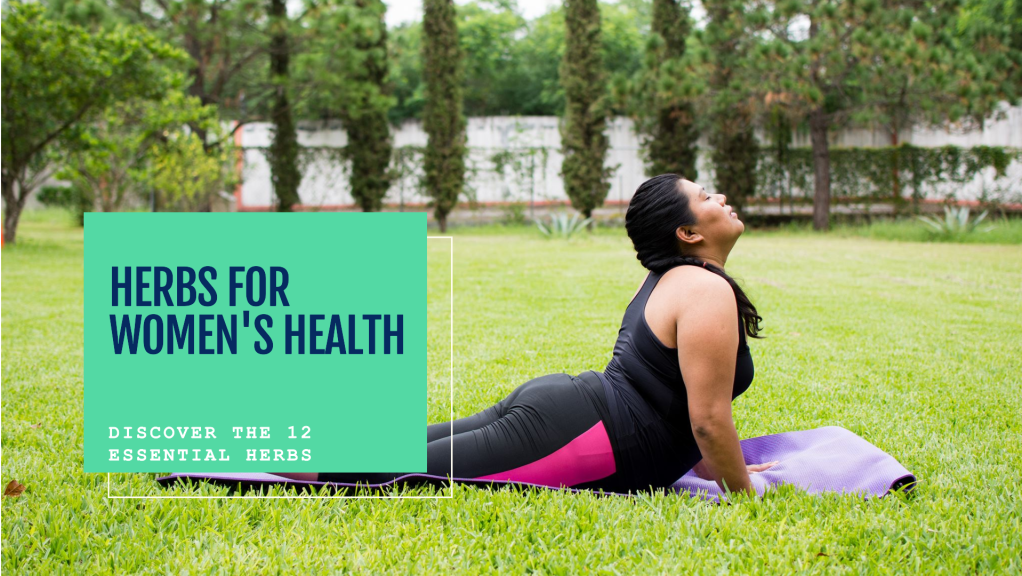
12 Essential Herbs for Women’s Holistic Health

For centuries, herbs have been used to support women’s health, addressing everything from hormonal balance to mental clarity and physical vitality. Today, these natural remedies are still powerful allies in a holistic approach to well-being. Incorporating herbs into your routine can help you maintain balance, enhance resilience, and promote overall wellness. Here are 12 essential herbs for women’s holistic health, each offering unique benefits and gentle support.


1. Ashwagandha: The Adaptogen for Stress Relief

Known as a powerful adaptogen, Ashwagandha helps the body adapt to stress, reduces anxiety, and supports mental clarity. It also aids hormonal balance, making it ideal for women’s overall well-being.

  • How to Use: Take Ashwagandha as a capsule, tincture, or add powdered Ashwagandha to smoothies for daily stress support.

2. Red Raspberry Leaf: The Uterine Tonic

Often referred to as “the woman’s herb,” red raspberry leaf supports menstrual and reproductive health by strengthening the uterine muscles. It’s also rich in vitamins and minerals, providing gentle nourishment.

  • How to Use: Brew red raspberry leaf tea daily, especially beneficial during menstrual cycles or pregnancy.

3. Maca Root: The Energy and Libido Booster

Maca root is known for boosting energy, improving libido, and supporting hormonal balance. Its adaptogenic properties help with endurance and stamina, both physically and mentally.

  • How to Use: Add powdered maca to smoothies, energy balls, or oatmeal for a natural energy boost.

4. Vitex (Chasteberry): The Hormone Balancer

Vitex is well-known for balancing hormones, particularly during the menstrual cycle or menopause. It helps regulate estrogen and progesterone, making it helpful for managing PMS and other hormonal imbalances.

  • How to Use: Take Vitex as a tincture or capsule under the guidance of a health practitioner, especially if addressing specific hormonal issues.

5. Stinging Nettle: The Nutrient-Rich Detoxifier

Stinging nettle is rich in iron, calcium, and vitamins, which are essential for women’s health. It supports energy levels, particularly beneficial for women with low iron, and acts as a gentle detoxifier.

  • How to Use: Drink nettle tea regularly, or incorporate it as a dried herb in soups and stews.

6. Shatavari: The Reproductive Supporter

Shatavari, a root commonly used in Ayurvedic medicine, is known for its ability to support female reproductive health, especially during menopause and lactation. It promotes hormonal balance and aids emotional wellness.

  • How to Use: Take Shatavari powder in a glass of warm milk or water, or use it as a capsule supplement.

7. Dong Quai: The Blood and Circulation Enhancer

Known as the “female ginseng,” Dong Quai supports blood circulation and is often used to balance hormones, especially during menopause. It also helps alleviate menstrual cramps and other PMS symptoms.

  • How to Use: Take Dong Quai in capsule or tincture form, particularly during PMS or menopause for targeted support.

8. Lemon Balm: The Calming Herb

Lemon balm is a gentle herb that reduces anxiety, supports digestion, and promotes restful sleep. It’s particularly helpful for easing tension, making it ideal for women dealing with stress or irritability.

  • How to Use: Enjoy lemon balm as a tea or add a few drops of tincture to water for a calming effect.

9. Black Cohosh: The Menopause Supporter

Black cohosh is renowned for alleviating menopause symptoms, particularly hot flashes and night sweats. It also supports bone health, making it a valuable herb during menopause.

  • How to Use: Take black cohosh in capsule or tincture form for targeted menopause support, under the guidance of a health practitioner.

10. Evening Primrose Oil: The Skin and Hormone Supporter

Evening primrose oil is rich in gamma-linolenic acid, which supports hormonal balance, skin health, and reduces PMS symptoms. It’s particularly useful for women experiencing hormonal acne or irregular cycles.

  • How to Use: Take evening primrose oil as a capsule, or use it topically on the skin to reduce inflammation.

11. Peppermint: The Digestive Aid

Peppermint aids in digestion, relieves bloating, and reduces menstrual cramps. Its cooling properties make it especially useful for women who experience digestive discomfort or need a gentle energy boost.

  • How to Use: Drink peppermint tea after meals for digestive support or apply diluted peppermint oil to the abdomen to relieve cramps.

12. Turmeric: The Anti-Inflammatory Powerhouse

Turmeric, rich in curcumin, is an anti-inflammatory herb that supports overall health, particularly joint, skin, and hormonal health. It helps reduce inflammation, balances hormones, and supports liver detoxification.

  • How to Use: Add turmeric powder to curries, golden milk, or smoothies to reap its anti-inflammatory benefits.

Conclusion

These 12 herbs provide a powerful, natural way to support women’s health, helping to address everything from stress and digestion to hormonal balance and skin health. By incorporating these herbs into your routine, you can nurture your mind, body, and spirit, creating a holistic approach to well-being. Start by choosing one or two herbs that resonate with your needs, and gradually incorporate others to build a balanced herbal wellness routine.


For more holistic wellness insights, check out my book, The Mindful Executive: https://www.amazon.com/dp/B0D75YJCLW.

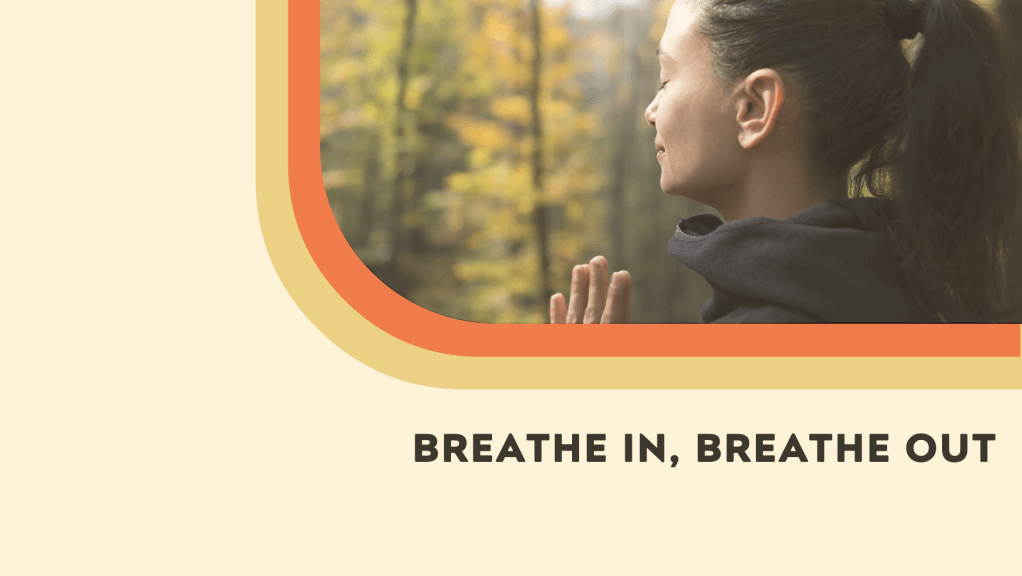
10 Types of Breathwork Techniques and Their Benefits for Wellness

Breathwork is a powerful, natural tool for enhancing physical, mental, and emotional well-being. By practicing intentional breathing, you can reduce stress, increase energy, and improve focus. Breathwork techniques vary widely, from energizing and invigorating methods to calming and grounding exercises. Here are 10 different types of breathwork techniques, each offering unique benefits to support your holistic wellness journey.


1. Box Breathing: The Stress Reliever

Box breathing, also known as four-square breathing, is a technique that promotes calmness by balancing oxygen and carbon dioxide levels in the blood. It’s commonly used by athletes and military personnel to manage stress and improve focus.

  • How to Practice: Inhale for 4 counts, hold for 4 counts, exhale for 4 counts, and hold again for 4 counts. Repeat for several cycles.

2. Alternate Nostril Breathing: The Energy Balancer

Also known as Nadi Shodhana, alternate nostril breathing balances the energy channels in the body, promoting mental clarity and reducing anxiety. It’s especially helpful for enhancing focus and calming the mind.

  • How to Practice: Using your thumb, close your right nostril and inhale through the left nostril. Then close your left nostril, open the right, and exhale. Inhale through the right, close it, and exhale through the left. Repeat for 5-10 cycles.

3. Diaphragmatic Breathing: The Deep Relaxer

Diaphragmatic or belly breathing involves breathing deeply into the diaphragm rather than shallowly into the chest. This technique activates the parasympathetic nervous system, promoting relaxation and reducing stress.

  • How to Practice: Place one hand on your chest and one on your abdomen. Inhale deeply, expanding your belly rather than your chest. Exhale slowly. Practice for 5-10 minutes to feel deeply relaxed.

4. 4-7-8 Breathing: The Sleep Promoter

Developed by Dr. Andrew Weil, the 4-7-8 technique is often recommended for relaxation and improving sleep quality. It slows down your heart rate, making it ideal for winding down at night.

  • How to Practice: Inhale for 4 counts, hold for 7 counts, and exhale for 8 counts. Repeat 4-5 times before bed for a restful night’s sleep.

5. Kapalabhati: The Energizer

Kapalabhati, or “Skull Shining Breath,” is a powerful, energizing technique often used in yoga. It involves short, forceful exhales, which stimulate the respiratory system and energize the body.

  • How to Practice: Sit comfortably and take a deep inhale. Begin a series of rapid, forceful exhales through the nose while pulling in your abdomen, allowing natural inhales between each exhale. Practice for 1-2 minutes to boost energy.

6. Ujjayi Breath: The Oceanic Calm

Ujjayi, also known as “Ocean Breath,” creates a soothing sound that mimics ocean waves. This technique is common in yoga practice for its calming effects and its ability to center the mind during challenging poses.

  • How to Practice: Inhale deeply through the nose, slightly constricting the back of your throat as you exhale, producing a gentle ocean-like sound. Repeat throughout your yoga session or anytime you need to calm your mind.

7. Lion’s Breath: The Tension Releaser

Lion’s Breath is an expressive technique that involves opening your mouth wide and exhaling forcefully, which helps release physical and emotional tension.

  • How to Practice: Take a deep breath in through your nose, then open your mouth wide, stick out your tongue, and exhale with a loud “ha” sound. Repeat 3-5 times for a refreshing tension release.

8. Bhramari: The Humming Bee Breath

Bhramari, or Humming Bee Breath, produces a calming, buzzing sound during exhalation. This vibration helps soothe the nervous system and is effective for relieving anxiety.

  • How to Practice: Inhale deeply, then close your mouth and create a gentle humming sound as you exhale. Feel the vibration in your head and body. Practice for 5-10 minutes to experience tranquility.

9. Shitali: The Cooling Breath

Shitali, or Cooling Breath, is a technique that cools down the body and mind, making it ideal for use in warm weather or during heated situations.

  • How to Practice: Roll your tongue into a “U” shape, inhale deeply through it, then close your mouth and exhale through your nose. Repeat for several breaths to cool down and feel refreshed.

10. Wim Hof Method: The Immune Booster

Developed by Wim Hof, this technique combines controlled hyperventilation with cold exposure and has been shown to strengthen the immune system. It’s known for boosting resilience, energy, and focus.

  • How to Practice: Inhale fully through the nose or mouth, then exhale naturally. Repeat for 30 breaths, then hold your breath for as long as possible after the last exhale. Breathe in deeply, hold for 15 seconds, then release. Repeat 2-3 cycles.

Conclusion

Breathwork can transform your well-being, providing a direct pathway to relaxation, energy, and balance. Incorporating even one or two of these techniques into your daily routine can make a significant difference. Experiment with these practices to discover which ones resonate with you and bring more calm, energy, and clarity into your life.


For further exploration of mindfulness practices, check out my book, The Mindful Executive: https://www.amazon.com/dp/B0D75YJCLW.
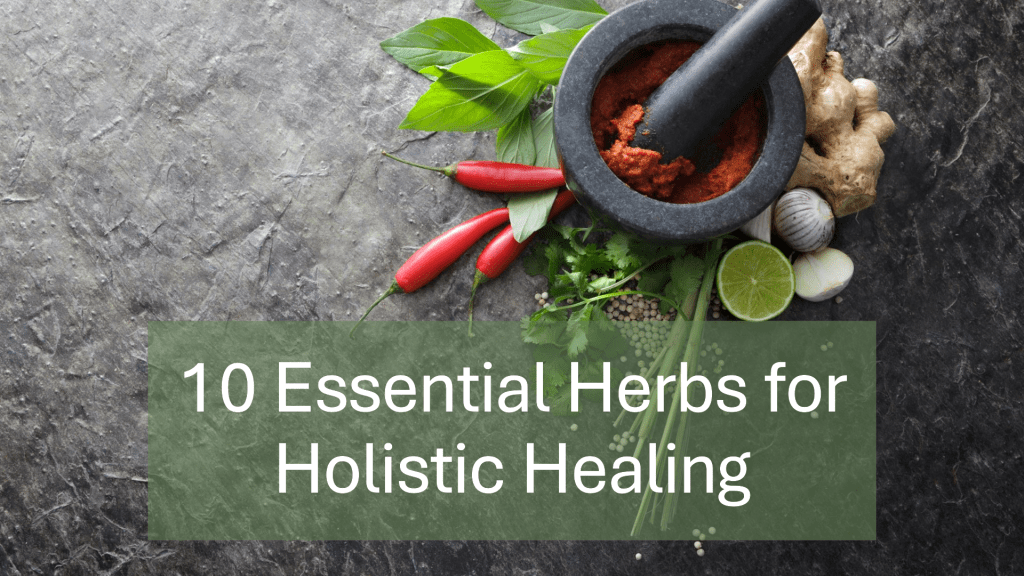
10 Essential Herbs for Holistic Healing and How to Use Them

For centuries, herbs have been used as powerful tools in holistic healing, offering natural remedies for various ailments and promoting overall wellness. Whether it’s calming the mind, boosting the immune system, or reducing inflammation, certain herbs hold incredible potential for enhancing our health. Here are 10 essential herbs for holistic healing and how you can incorporate them into your daily routine.

1. Ashwagandha: The Stress Reliever

Known as an adaptogen, Ashwagandha helps the body manage stress by reducing cortisol levels and balancing the nervous system. It’s commonly used to improve mental clarity and support relaxation.

  • How to Use: Add Ashwagandha powder to smoothies, teas, or take it as a supplement capsule to combat stress and improve focus.

2. Turmeric: The Anti-Inflammatory Hero

Turmeric is rich in curcumin, a compound known for its powerful anti-inflammatory and antioxidant properties. It’s great for reducing inflammation, boosting immunity, and supporting joint health.

  • How to Use: Add turmeric to soups, curries, or make a golden turmeric latte for an anti-inflammatory boost.

3. Chamomile: The Calming Herb

Chamomile is well known for its calming effects, making it an excellent herb for reducing anxiety, aiding digestion, and promoting restful sleep.

  • How to Use: Brew chamomile tea before bed to unwind and improve sleep quality.

4. Holy Basil: The Adaptogenic Wonder

Also known as Tulsi, Holy Basil is revered for its ability to balance the body’s systems and promote physical and emotional well-being. It’s particularly beneficial for reducing stress and enhancing immune function.

  • How to Use: Drink Holy Basil tea in the morning to enhance mental clarity and promote relaxation.

5. Ginger: The Digestive Soother

Ginger has been used for centuries to relieve digestive issues, reduce nausea, and support immune health. It’s a warming herb that can help stimulate circulation and reduce inflammation.

  • How to Use: Add fresh ginger to your tea, smoothies, or stir-fry for digestive support and to boost immunity.

6. Echinacea: The Immune Booster

Echinacea is widely known for its immune-boosting properties, particularly for fighting off colds and flu. It stimulates the immune system and helps the body recover faster from illness.

  • How to Use: Drink Echinacea tea during cold season or take it as a supplement at the onset of symptoms.

7. Lavender: The Relaxation Herb

Lavender is famous for its soothing properties, helping to relieve stress, anxiety, and insomnia. It’s also used to ease headaches and muscle tension.

  • How to Use: Add a few drops of lavender essential oil to your bath, or use it in a diffuser for a calming atmosphere.

8. Peppermint: The Energizer

Peppermint is great for promoting focus and relieving headaches, while also supporting digestion. Its cooling effect makes it perfect for soothing upset stomachs and enhancing alertness.

  • How to Use: Drink peppermint tea to ease indigestion, or inhale peppermint essential oil for a quick energy boost.

9. St. John’s Wort: The Mood Booster

Known for its antidepressant properties, St. John’s Wort is often used to treat mild to moderate depression, improve mood, and reduce anxiety. It’s also used to relieve nerve pain.

  • How to Use: Take St. John’s Wort in capsule form, or brew it as tea to support emotional well-being.

10. Milk Thistle: The Liver Detoxifier

Milk Thistle is prized for its liver-protecting properties, as it helps detoxify and regenerate liver cells. It’s commonly used to support liver function and improve digestion.

  • How to Use: Drink milk thistle tea or take it as a supplement to promote liver detox and improve overall digestion.

Conclusion

Incorporating these powerful herbs into your daily life is a simple, natural way to support your holistic wellness journey. From stress relief and better digestion to immune boosting and inflammation reduction, each of these herbs offers unique benefits to help you feel your best. Try adding one or more of these herbs to your routine and experience the healing power of nature firsthand.


For more insights into holistic wellness practices, check out my book, The Mindful Executive: https://www.amazon.com/dp/B0D75YJCLW.
12 Mindful Practices to Reduce Stress in Under 10 Minutes

In today’s fast-paced world, stress has become a constant companion for many of us. The good news is that you don’t need hours of meditation or an elaborate wellness routine to bring some peace into your life. There are simple, effective practices that can help reduce stress in under 10 minutes, providing immediate relief and grounding. These quick mindfulness techniques are perfect for even the busiest of days. Let’s explore 12 ways to de-stress quickly and effectively.

1. Deep Breathing

One of the quickest ways to calm your mind and body is through deep breathing. By focusing on your breath, you can lower your heart rate, reduce tension, and bring your focus back to the present moment.

  • How to: Inhale deeply through your nose for four counts, hold for four counts, and exhale slowly through your mouth for four counts. Repeat for 2-3 minutes.

2. Body Scan

A body scan is a mindfulness practice that involves paying attention to each part of your body, noticing areas of tension or discomfort. This technique helps you release physical stress and reconnect with your body.

  • How to: Close your eyes, and starting from your feet, slowly move your awareness up through your body, noticing any sensations. Breathe into any areas of tension, and consciously relax each part.

3. Mindful Walking

Walking, especially in nature, is a great way to reduce stress. Mindful walking involves being fully present as you walk, paying attention to each step and the sensations in your body as you move.

  • How to: Take a short walk outside or around your home, focusing on the movement of your feet, the feel of the ground beneath you, and the rhythm of your breath.

4. Gratitude Practice

Shifting your focus to gratitude can instantly lift your mood and reduce stress. This practice allows you to focus on the positive aspects of your life, which helps shift your perspective away from stressors.

  • How to: Write down three things you’re grateful for in a journal or simply reflect on them in your mind for a few minutes.

5. Visualization

Visualization is a powerful tool for reducing stress. By imagining yourself in a peaceful, calming place, you can create a mental retreat that helps soothe your nervous system.

  • How to: Close your eyes and imagine a place where you feel safe and relaxed, such as a beach, forest, or mountain. Picture the details, sounds, and smells of this place, and spend a few moments soaking in the calm.

6. Progressive Muscle Relaxation

This technique involves tensing and then releasing each muscle group in your body, helping you release physical tension and stress.

  • How to: Start by tensing the muscles in your feet for five seconds, then relax them. Work your way up through your body, tensing and relaxing each muscle group until you reach your head.

7. Journaling

Writing down your thoughts and feelings can be an effective way to reduce mental clutter and stress. It helps you process emotions and release any pent-up tension.

  • How to: Spend five minutes writing about whatever is on your mind, without judgment. Let your thoughts flow freely onto the page.

8. Mindful Eating

Eating mindfully can transform even a short snack into a moment of relaxation. By focusing on the flavors, textures, and sensations of your food, you create a mindful moment that brings you back to the present.

  • How to: The next time you eat, take small bites, chew slowly, and savor the flavors and textures. Focus solely on the act of eating without distractions.

9. Breathing with Essential Oils

Essential oils such as lavender, chamomile, or eucalyptus have calming properties that can enhance a breathing practice. Inhaling these oils can help soothe your mind and body even faster.

  • How to: Place a drop of your favorite calming essential oil on your palms, rub them together, and cup your hands over your nose as you inhale deeply.

10. 5-Minute Meditation

You don’t need a long meditation session to benefit from mindfulness. Even five minutes of meditation can reduce stress and bring clarity.

  • How to: Find a quiet space, sit comfortably, and close your eyes. Focus on your breath, allowing thoughts to come and go without judgment. Simply observe, and bring your attention back to your breath if your mind wanders.

11. Affirmations

Positive affirmations can help reduce stress by shifting your mindset from negative to positive. Repeating affirmations allows you to rewire your thought patterns and reduce anxiety.

  • How to: Choose a calming affirmation like “I am at peace” or “I release stress and welcome calm.” Repeat it to yourself for a few minutes, either silently or out loud.

12. Earthing

Connecting with the earth, also known as “earthing,” can help you reduce stress and feel more grounded. Walking barefoot outside allows you to absorb the earth’s natural energy and release built-up tension.

  • How to: Step outside and walk barefoot on grass, dirt, or sand. Focus on the sensations beneath your feet and the connection you feel to the earth.

Conclusion

Stress relief doesn’t need to take up hours of your time. With these quick, mindful practices, you can reduce stress in under 10 minutes, no matter where you are or what your day looks like. Incorporating these techniques into your daily routine will help you stay calm, grounded, and centered, even in the midst of a busy life.


For more tips on reducing stress and improving your well-being, check out my book, The Mindful Executive: https://www.amazon.com/dp/B0D75YJCLW.

Tuning the Body’s Frequencies: How Sound Healing Can Restore Balance

In recent years, there has been a resurgence in the use of ancient healing practices, and one that is gaining particular attention is sound healing. Sound has long been recognized as a tool for relaxation and emotional well-being, but it’s much more than that. Sound healing uses specific frequencies to influence the energy fields in the body, promoting physical, emotional, and mental balance. In a world filled with stress, this natural and holistic approach offers a simple yet powerful way to restore harmony in the body and mind.

The Science Behind Sound Healing

Sound healing isn’t just spiritual or metaphysical—it has scientific backing. Everything in the universe vibrates at a specific frequency, including our bodies. When we experience illness, stress, or emotional imbalances, our body’s frequencies can become misaligned. By using specific sounds and vibrations, sound healing helps to re-tune the body to its optimal frequency, much like tuning a musical instrument.

Different sound frequencies affect different parts of the body. For instance:

  • 432 Hz is known for its calming effects, promoting relaxation and harmony.
  • 528 Hz is often called the “miracle tone” and is believed to repair DNA and promote healing.
  • 963 Hz is associated with spiritual connection and awakening.

Types of Sound Healing

There are various types of sound healing, each offering unique benefits. Let’s explore some of the most popular methods:

  1. Tibetan Singing Bowls
    These metal bowls produce harmonic sounds when struck or circled with a mallet. The vibrations from the bowl are believed to penetrate the body, helping to release tension and stress. Tibetan bowls are often used in meditation or during energy healing sessions to align the body’s chakras.
    • Tip: Use a singing bowl at the beginning or end of your meditation practice to enhance focus and relaxation.
  2. Crystal Singing Bowls
    Made from quartz crystal, these bowls produce a purer, more ethereal sound compared to their Tibetan counterparts. They are often associated with healing on a cellular level, as the quartz amplifies the sound’s vibrational frequency, promoting deeper healing.
    • Tip: Incorporate crystal singing bowls into your yoga or meditation practice to deepen your connection with your body.
  3. Binaural Beats
    Binaural beats are an auditory illusion created by playing slightly different frequencies in each ear. The brain perceives a third tone, known as a binaural beat, which can influence brainwave activity. This method is particularly effective in promoting relaxation, focus, and sleep.
    • Tip: Listen to binaural beats before bed to improve sleep quality or use them to enhance focus while working or studying.
  4. Gongs and Tuning Forks
    Gongs have been used for thousands of years in ceremonies and rituals, producing deep, reverberating sounds that are said to heal the body and mind. Tuning forks, on the other hand, are more targeted, used to tune specific areas of the body by applying vibration to acupuncture points or energy centers.
    • Tip: Try using a tuning fork on acupressure points to relieve tension or blockages in the body’s energy flow.

How Sound Healing Works

The mechanism behind sound healing lies in its ability to resonate with the body’s energy fields. When the body is exposed to harmonious sounds, it entrains or aligns its frequencies to match the healing tones. This process of entrainment helps to regulate brain waves, balance emotions, and improve overall health.

In addition to promoting relaxation, sound healing is believed to:

  • Reduce stress and anxiety
  • Improve concentration and focus
  • Relieve physical pain
  • Enhance creativity and intuition
  • Balance the body’s energy centers (chakras)

How to Incorporate Sound Healing into Your Wellness Routine

Integrating sound healing into your daily routine is easier than you might think. Here are a few practical ways to bring the power of sound into your life:

  1. Morning Sound Bath:
    Start your day with a short sound bath using a Tibetan or crystal singing bowl. This can set a positive tone for the day and align your energy.
  2. Guided Meditation with Binaural Beats:
    Listen to guided meditations that incorporate binaural beats to deepen your mindfulness practice. These frequencies can help you focus better, calm your mind, and reduce stress.
  3. Use Sound for Sleep:
    To enhance your sleep quality, play binaural beats or calming nature sounds (like rain or ocean waves) as you drift off. The right frequencies can help guide your brain into a state of deep relaxation.
  4. Healing with Gongs or Tuning Forks:
    If you have access to these instruments, use them during meditation or yoga practices. Alternatively, there are sound healing therapists who can offer more structured sound healing sessions.

The Future of Sound Healing

Sound healing is not just a trend; it’s a re-discovery of ancient knowledge that is now being supported by modern science. As more people seek out natural ways to heal, we can expect sound healing to become more prominent in wellness spaces. With further research, we might see sound therapy integrated into mainstream medical treatments, offering a complementary approach to conventional medicine.

Conclusion

Sound healing is a powerful tool that can restore balance in a chaotic world. Whether through Tibetan singing bowls, crystal bowls, binaural beats, or gongs, the vibrations from these healing sounds resonate deep within the body, helping to alleviate stress, anxiety, and physical discomfort. By incorporating sound healing into your wellness routine, you can attune your body’s frequencies to promote holistic well-being and harmony.


For more ways to enhance your wellness journey, check out my book, The Mindful Executive: https://www.amazon.com/dp/B0D75YJCLW.
The Power of Mind-Body Connection: How Your Thoughts Influence Your Health

In today’s fast-paced world, the mind-body connection has become an essential topic of discussion among health enthusiasts, scientists, and spiritual leaders alike. The idea that our mental state can influence our physical health isn’t new, but it’s gaining more recognition and credibility as research continues to shed light on the profound impact our thoughts, emotions, and mental habits can have on our overall well-being.

1. Understanding the Mind-Body Connection

The mind-body connection is the concept that our thoughts, feelings, beliefs, and attitudes can positively or negatively affect our biological functioning. In other words, our minds have the power to influence our bodies, and vice versa. This connection is evident in everyday experiences — like how stress can lead to a headache or how a positive mindset can improve recovery from illness.

Research has shown that psychological stress can manifest physically, leading to various health problems, including heart disease, digestive issues, and a weakened immune system. Conversely, practices that promote mental well-being, such as mindfulness, meditation, and positive thinking, can enhance physical health and longevity.

2. The Science Behind the Connection

Several studies have explored how the mind-body connection works. For example, the field of psychoneuroimmunology examines how our mental and emotional states affect our immune system. When we’re stressed, our bodies release cortisol, a hormone that, in high levels, can suppress the immune system and increase the risk of disease.

Moreover, neuroplasticity — the brain’s ability to reorganize itself by forming new neural connections — plays a crucial role in how our thoughts and experiences shape our brain structure and function. Meditation and mindfulness practices have been shown to increase gray matter in the brain, improve emotional regulation, and reduce symptoms of anxiety and depression.

3. Practices to Strengthen the Mind-Body Connection

The good news is that there are several ways to enhance the mind-body connection and improve overall health. Here are some effective practices:

  • Mindfulness Meditation: Regular mindfulness meditation can help you become more aware of your thoughts and how they influence your emotions and physical sensations. This practice can reduce stress, improve focus, and enhance emotional resilience.
  • Breathwork: Controlled breathing exercises can help calm the nervous system, reduce stress, and improve mental clarity. Practices like diaphragmatic breathing, box breathing, or alternate nostril breathing are simple yet powerful tools to connect the mind and body.
  • Yoga: Yoga combines physical postures, breath control, and meditation to create a holistic practice that benefits both the mind and body. It has been shown to reduce stress, improve flexibility, and promote a sense of inner peace.
  • Journaling: Writing down your thoughts and feelings can help you process emotions and gain insight into how your mind influences your body. Journaling can also be a therapeutic practice for managing stress and anxiety.
  • Gratitude Practice: Focusing on gratitude can shift your mindset from negativity to positivity, which can have a profound impact on your physical health. Regularly acknowledging what you’re grateful for can improve your mood, boost your immune system, and even improve sleep quality.

4. Real-Life Examples of Mind-Body Healing

Many individuals have experienced profound healing through mind-body practices. For instance, cancer patients who incorporate mindfulness and meditation into their treatment plan often report reduced stress, less pain, and a better quality of life. Athletes, too, use visualization techniques to enhance their performance, demonstrating the powerful connection between the mind and physical capabilities.

5. Integrating Mind-Body Practices into Your Daily Life

It’s not necessary to overhaul your entire routine to benefit from the mind-body connection. Start small by incorporating one or two practices into your daily life:

  • Morning Mindfulness: Begin your day with a few minutes of mindfulness meditation to set a positive tone for the day.
  • Lunchtime Breathing Exercises: Take a few deep breaths before or after lunch to re-center and reduce stress.
  • Evening Journaling: Reflect on your day and jot down any thoughts or feelings that arise, helping you clear your mind before bed.

Conclusion

The mind-body connection is a powerful tool for enhancing overall health and well-being. By understanding and nurturing this connection, we can better manage stress, improve our physical health, and live more balanced, fulfilling lives. Start integrating these practices into your routine today and experience the transformative effects of a healthy mind-body relationship.

Call to Action: Ready to unlock the power of the mind-body connection? Visit our Holistic Wellness Guide for more tips, insights, and practices to help you achieve holistic health and well-being.

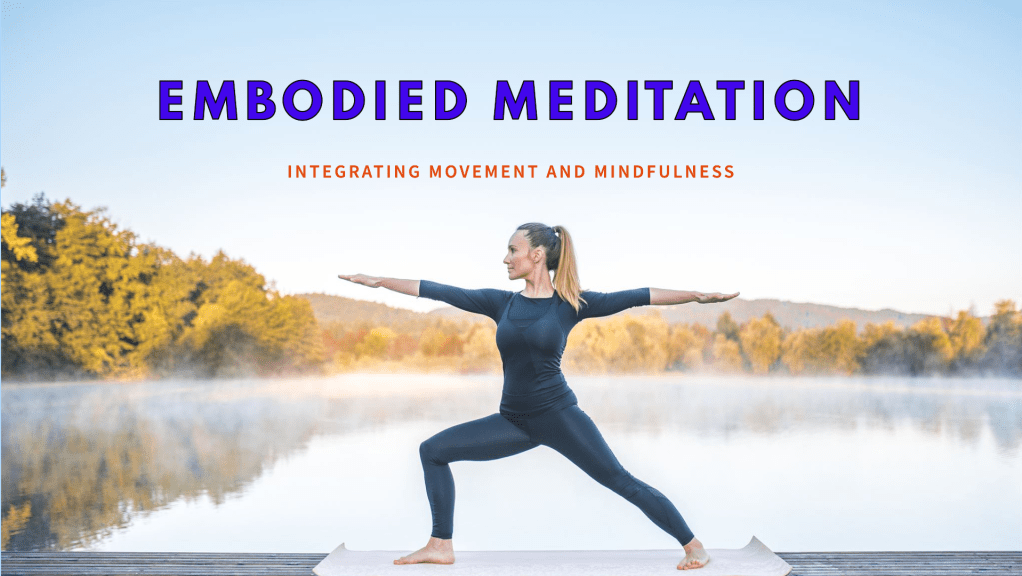
Embodied Meditation: Integrating Movement and Mindfulness for a Deeper Connection to Your Body

In the fast-paced world we live in, finding ways to connect deeply with our bodies and minds has become more essential than ever. Embodied meditation offers a unique approach that bridges the gap between traditional meditation practices and physical movement, allowing us to achieve a profound sense of mindfulness and holistic well-being.

The Concept of Embodied Meditation

Embodied meditation is not just about sitting still and focusing on your breath. It’s about becoming fully present in your body through mindful movement. Whether it’s through yoga, Tai Chi, or simple stretching exercises, embodied meditation encourages you to feel every sensation, notice every tension, and release every stressor held in your body. This practice is rooted in the understanding that our physical body holds emotions, memories, and stress, and by engaging in mindful movement, we can begin to release these stored energies and create a more harmonious state of being.

For example, in yoga, the focus is not only on the physical postures but also on the breath and the flow of energy within the body. Each movement is an opportunity to connect deeper with oneself, to understand the body’s needs, and to cultivate a sense of inner peace. The same principle applies to other forms of embodied meditation, such as Qi Gong, which integrates slow, deliberate movements with breath control and mental focus to promote healing and balance within the body.

Benefits of Embodied Meditation

  1. Enhanced Body Awareness
    • Embodied meditation helps you develop a deeper connection with your body, making you more aware of its signals. This heightened awareness can lead to better posture, reduced pain, and an overall improvement in physical health. As you move, you become more attuned to how your body feels, which can help in identifying areas of tension or discomfort that you may not have noticed otherwise.
  2. Reduction of Stress and Anxiety
    • By focusing on the physical sensations in your body, embodied meditation can help calm the mind and reduce stress. The physical act of moving with intention allows you to release pent-up energy and emotions, which can be particularly effective in managing anxiety and improving mental clarity. For instance, studies have shown that practices like Tai Chi and yoga can significantly reduce levels of cortisol, the stress hormone, in the body.
  3. Improved Emotional Resilience
    • Movement combined with mindfulness helps in processing emotions more effectively. When you engage in embodied meditation, you are not just moving your body; you are also moving through your emotions, allowing them to flow and release naturally. This can lead to greater emotional resilience, as you become better equipped to handle life’s challenges with a calm and centered mindset.
  4. Increased Focus and Mental Clarity
    • Engaging both the mind and body in meditation enhances cognitive function. When you practice embodied meditation, the mind is less likely to wander because it is actively engaged in coordinating movement and breath. This dual focus helps improve concentration, memory, and overall mental sharpness. According to a study published in the journal Frontiers in Psychology, regular practice of mindful movement can lead to significant improvements in attention and cognitive function.
  5. Holistic Health and Well-being
    • Embodied meditation is a holistic practice that benefits not just the mind, but the entire body. By integrating movement into your meditation practice, you are promoting circulation, flexibility, and strength, all of which contribute to overall health and longevity. Moreover, the mindful aspect of this practice ensures that you are not just going through the motions, but truly connecting with your body on a deeper level.

Practical Tips for Embodied Meditation

  1. Start with Simple Movements: Begin with movements you are comfortable with, such as gentle stretching or walking. The key is to focus on the sensations in your body as you move. Notice how your muscles feel, how your breath flows, and how your body responds to each movement.
  2. Incorporate Breath Awareness: Sync your movements with your breath. For example, as you stretch, inhale deeply to expand your body and exhale slowly to release tension. This not only enhances the meditative experience but also helps in regulating your nervous system.
  3. Be Present in Every Moment: It’s easy for the mind to wander, even during movement. If you find yourself lost in thought, gently bring your focus back to your body and the present moment. The more you practice, the easier it will become to stay grounded in your body.
  4. Use Guided Practices: If you’re new to embodied meditation, consider following a guided practice. There are numerous resources available online, such as guided yoga sessions or Tai Chi tutorials, that can help you get started.
  5. Reflect Post-Practice: After your session, take a few minutes to sit quietly and reflect on your experience. Notice any changes in your body, mind, or emotions. Journaling about your practice can also help deepen your awareness and track your progress over time.

Conclusion

Embodied meditation offers a unique path to mindfulness that incorporates the wisdom of the body into the meditative process. By combining movement with mindful awareness, you can deepen your connection to yourself, reduce stress, and enhance your overall well-being. Whether you’re looking to improve your mental clarity, emotional resilience, or physical health, embodied meditation is a powerful practice that can support your holistic journey.

Call to Action

Begin your journey with embodied meditation today and discover the profound benefits of integrating movement with mindfulness. Visit Holistic Wellness Guide for more insights and resources on how to incorporate this practice into your daily life.

#EmbodiedMeditation #Mindfulness #HolisticHealth #MindBodyConnection #StressRelief #Yoga #TaiChi #WellnessJourney #EmotionalResilience #HolisticWellness

Neuroplasticity and Mindfulness: How Meditation Can Reshape Your Brain for the Better

Neuroplasticity is the brain’s remarkable ability to reorganize itself by forming new neural connections throughout life. This concept has gained significant attention in recent years, particularly in relation to mindfulness and meditation practices. These ancient practices are now backed by modern science, showing how regular meditation can enhance neuroplasticity, leading to improved mental health, emotional balance, and cognitive function.

The Science Behind Neuroplasticity Neuroplasticity is the foundation of how our brains adapt to new experiences, learn new skills, and recover from injuries. It is the brain’s ability to rewire itself, and it’s driven by our thoughts, behaviors, and environments. This means that we are not stuck with the brain we have; instead, we can actively shape it to improve our quality of life.

Studies have shown that mindfulness meditation can significantly enhance neuroplasticity. For example, a study published in NeuroImage found that individuals who engaged in an eight-week mindfulness meditation program had increased gray matter density in brain regions associated with memory, learning, and emotional regulation .

How Meditation Enhances Neuroplasticity Meditation practices, particularly mindfulness meditation, engage the brain in ways that promote neuroplastic changes. These changes are not only beneficial for emotional regulation but also for improving focus, memory, and resilience to stress.

  1. Increased Gray Matter: Regular meditation increases the gray matter in the hippocampus, a region of the brain associated with learning and memory. This can lead to enhanced cognitive abilities and better memory retention.
  2. Thicker Prefrontal Cortex: The prefrontal cortex, responsible for higher-order thinking and decision-making, becomes thicker with consistent meditation practice. This means better problem-solving skills, improved attention, and a more balanced emotional state.
  3. Reduced Amygdala Activity: The amygdala, known as the brain’s fear center, becomes less active with meditation. This reduction in activity leads to a decrease in stress and anxiety, allowing for a more calm and composed mind .

Practical Steps to Incorporate Meditation for Brain Health Incorporating mindfulness meditation into your daily routine can be simple yet transformative. Here are some practical steps to get started:

  1. Start Small: Begin with just 5-10 minutes of mindfulness meditation each day. Gradually increase the time as you become more comfortable with the practice.
  2. Consistency is Key: Regularity is more important than duration. Aim to meditate at the same time each day to build a habit.
  3. Focus on Your Breath: Concentrate on your breathing, paying attention to each inhale and exhale. This helps anchor your mind and reduces the likelihood of distraction.
  4. Use Guided Meditations: If you’re new to meditation, guided sessions can be very helpful. Apps like Headspace or Calm offer excellent resources to get you started.
  5. Be Patient: Neuroplasticity takes time. The benefits of meditation will accumulate over weeks and months, so be patient and persistent with your practice .

Conclusion The ability to reshape your brain through mindfulness meditation is a powerful tool for enhancing mental well-being and cognitive function. By committing to a regular meditation practice, you can take control of your neuroplasticity, leading to a healthier, more resilient brain.

Call to Action Start your mindfulness journey today and experience the transformative effects of meditation on your brain. For more tips and guides on holistic wellness, visit Holistic Wellness Guide.

The Key to Lifelong Happiness: Mindfulness and Joy

Achieving lifelong happiness often seems like an elusive goal. However, incorporating mindfulness into your daily routine can be a transformative approach to finding joy and contentment. This guide explores how mindfulness can enhance your overall well-being and lead to a happier, more fulfilled life.

Understanding Mindfulness

1. What is Mindfulness?

  • Definition: Mindfulness is the practice of being fully present and engaged in the moment, aware of your thoughts and feelings without distraction or judgment.
  • Benefits: It helps reduce stress, improve mental clarity, and enhance emotional regulation.

2. The Science Behind Mindfulness

  • Research Findings: Studies show that regular mindfulness practice can lead to structural changes in the brain, enhancing areas responsible for focus, empathy, and emotional resilience.
  • Health Benefits: Reduced cortisol levels, lower blood pressure, and improved immune function.

Practicing Mindfulness

1. Daily Mindfulness Routine

  • Morning Meditation: Start your day with a 10-minute meditation session to set a positive tone.
  • Mindful Eating: Pay attention to the taste, texture, and smell of your food, savoring each bite.
  • Mindful Walking: Take a walk while focusing on the sensation of your feet touching the ground and the rhythm of your breath.

2. Techniques for Mindfulness

  • Breathing Exercises: Practice deep breathing to calm your mind and body.
  • Body Scan Meditation: Focus on each part of your body, from head to toe, to release tension and stress.
  • Gratitude Journaling: Write down three things you’re grateful for each day to cultivate a positive mindset.

Integrating Mindfulness into Your Life

1. Work and Productivity

  • Mindful Breaks: Take short breaks to breathe deeply and reset your mind during work.
  • Focus Techniques: Use mindfulness to improve concentration and productivity by working on one task at a time.

2. Relationships

  • Active Listening: Practice being fully present in conversations, listening without interrupting or judging.
  • Emotional Awareness: Use mindfulness to become more aware of your emotions and respond thoughtfully in interactions.

3. Personal Growth

  • Self-Reflection: Regularly reflect on your thoughts and behaviors to gain insights and foster personal growth.
  • Goal Setting: Use mindfulness to set realistic and meaningful goals, breaking them down into manageable steps.

Conclusion

Incorporating mindfulness into your daily life can significantly enhance your happiness and well-being. By practicing mindfulness, you can enjoy each moment more fully, improve your mental and physical health, and build stronger, more meaningful relationships.

Call to Action: Start your journey to lifelong happiness today by incorporating mindfulness practices into your routine. Visit Holistic Wellness Guide for more tips and insights on living a joyful and mindful life.

#Mindfulness #LifelongHappiness #HolisticWellness #MentalHealth #EmotionalWellbeing #MindfulLiving #DailyJoy #StressRelief #PersonalGrowth #PositiveMindset

Relax and Rejuvenate: The Power of Double Inhale and Extended Exhale

In today’s fast-paced world, finding effective techniques to relax and calm the mind is essential. One such powerful technique is the double inhale followed by an extended exhale. This simple yet profound breathing method can help reduce stress, improve focus, and promote overall well-being. Here’s how you can incorporate this technique into your daily routine.


1. Understanding the Technique

The double inhale followed by an extended exhale involves taking two short inhales through the nose, followed by a slow and extended exhale through the mouth. This breathing pattern activates the parasympathetic nervous system, which helps to relax the body and mind.

Learn more about the benefits of controlled breathing: Healthline


2. How to Practice the Double Inhale and Extended Exhale

Step-by-Step Guide:

  1. Find a Comfortable Position: Sit or lie down in a quiet and comfortable space.
  2. Double Inhale: Take a short, deep breath in through your nose, followed immediately by a second short inhale.
  3. Extended Exhale: Slowly exhale through your mouth, making the exhale longer than the two inhales combined.
  4. Repeat: Continue this pattern for several minutes, focusing on the rhythm of your breath.

Tips:

  • Practice this technique daily, especially during times of stress or anxiety.
  • Use it as a quick relaxation tool before sleep or after a long day.

Explore more breathing techniques: Medical News Today


3. Benefits of the Double Inhale and Extended Exhale

Reduces Stress: This breathing technique helps to lower cortisol levels, reducing stress and promoting a sense of calm.

Improves Focus: By increasing oxygen flow to the brain, it enhances mental clarity and concentration.

Promotes Relaxation: Activating the parasympathetic nervous system helps to relax muscles and lower heart rate.

Learn about the science behind relaxation: WebMD


4. Incorporating the Technique into Your Routine

Morning Routine: Start your day with this breathing exercise to set a calm and focused tone for the day ahead.

Work Breaks: Use this technique during short breaks at work to manage stress and improve productivity.

Pre-Sleep Ritual: Practice this breathing method before bed to promote relaxation and improve sleep quality.

Discover more tips for a balanced life: Holistic Wellness Guide

Call to Action

Incorporate the double inhale and extended exhale technique into your daily routine to experience its powerful benefits. For more tips on maintaining a balanced and healthy lifestyle, visit Holistic Wellness Guide.

#BreathingTechniques #Relaxation #Mindfulness #StressRelief #Wellness #HealthyLiving #MentalHealth #CalmMind