Alright Ashish, let’s dive right into the next one. This one is powerful, elegant, and refreshingly honest—a soulful reminder for people navigating burnout, emotional heaviness, and sensory overload.
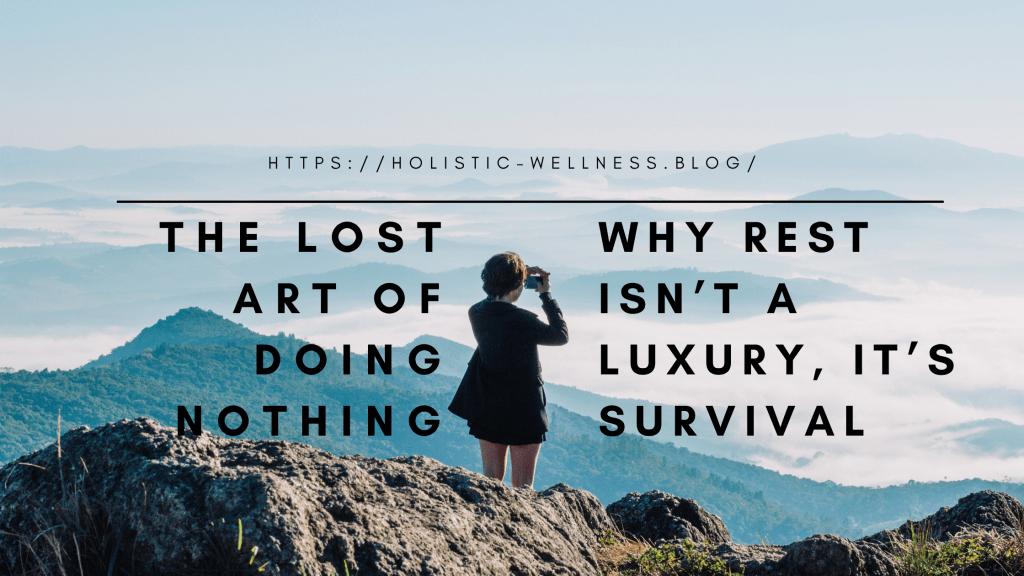
Blog Title: “The Lost Art of Doing Nothing: Why Rest Isn’t a Luxury, It’s Survival”
Somewhere along the way, we equated stillness with laziness and productivity with worth. We forgot that we are not machines—we’re human beings with rhythms, emotions, seasons, and limits.
In the noise of modern life, we are overstimulated but undernourished. Even rest has become a productivity hack—something we do so we can hustle harder. But rest, in its true form, isn’t a reward for burnout. It’s the foundation of resilience.
Doing nothing isn’t indulgent. It’s sacred.
1. The Biological Need for True Rest
Let’s be clear—scrolling isn’t resting. Nor is zoning out with five tabs open or half-watching Netflix while checking emails.
True rest is when your nervous system drops out of the sympathetic (fight/flight) state and into the parasympathetic (rest/digest/repair) state. That’s where healing happens.
When you regularly experience this kind of restorative pause, your body:
Repairs cells
Regulates hormones
Rebalances digestion
Boosts immunity
Processes stored emotional stress
The absence of real rest leads to anxiety, chronic inflammation, decision fatigue, and emotional reactivity.
2. Doing Nothing Is an Active Practice
Doing nothing isn’t easy. It’s a practice. Especially in a world that rewards doing.
Try this:
Sit on your couch without your phone.
Watch the clouds.
Stare at the ceiling.
Let your mind wander.
Let boredom arrive.
Notice the discomfort. Then notice the spaciousness that follows.
Doing nothing is not passive—it’s an act of nervous system repair. It’s where integration happens. When your body and brain catch up with everything you’ve pushed aside.
3. Rest Is Rebellion in a Hyperproductive World
Capitalism doesn’t value your rest. It measures your worth in output. But here’s the truth:
You are not your inbox. You are not your goals. You are not your to-do list.
You are a living being that needs recovery. Choosing to rest—deeply and unapologetically—is a form of rebellion.
It says: 🌿 “I am enough as I am.” 🌿 “My being matters more than my doing.” 🌿 “I don’t have to earn rest—I was born worthy of it.”
4. Practical Ways to Practice ‘Doing Nothing’
🛋 The 20-Minute Melt: Lie down with a pillow under your knees. No phone. No music. Let gravity hold you. Let your breath return.
🌥 Cloud Watching: Lie in the grass or by a window. Watch clouds float. Your nervous system loves this slow motion.
🌊 Sensory Reset: Turn off all noise. Close your eyes. Feel the texture of your clothes. Feel the air on your skin. Let your senses defrost.
📴 Intentional Unplug: Pick one hour this week. No tech. No stimulation. Just presence. Let your brain exhale.
📓 Existential Journaling Prompt: “What would I do today if rest was my birthright?” Answer slowly. You may surprise yourself.
5. The Emotional Healing Hidden in Stillness
We stay busy to avoid pain. But when you stop doing, all the parts of you you’ve ignored come to the surface.
Stillness is when grief visits. Joy too. Memories. Desires. Unmet needs.
Doing nothing gives your heart space to speak. Your intuition space to be heard. Your nervous system a chance to soften.
“Rest is not a break from life. It is life. It is where life restores itself.”
There’s no badge for burning out. No prize for being the most exhausted.
What if you made rest a ritual? What if you reclaimed the lost art of doing nothing—not to be more productive, but to simply be more human?
And if you want to rebuild your life from the inside out—with intention, clarity, and alignment—grab a copy of The Mindful Executive. It’s not a book about doing more. It’s about being better: https://www.amazon.com/dp/B0D75YJCLW
We live in a culture obsessed with doing. Hustle is glorified. Busyness is worn like a badge of honor. But in the endless pursuit of productivity, we’ve forgotten how to just be.
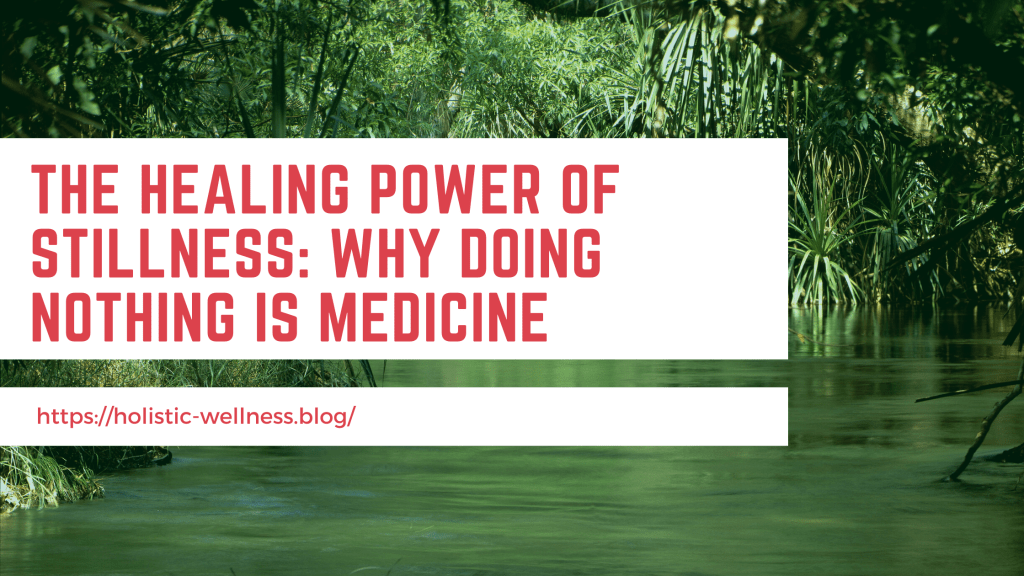
Stillness is not the absence of progress—it’s where healing, clarity, and inner intelligence begin. In fact, stillness is the missing nutrient in most people’s lives. And without it, your nervous system never truly rests.
We recharge our phones more than we recharge our minds. It’s time to change that.
1. What Is Stillness and Why It’s Essential
Stillness isn’t laziness. It’s presence without motion. It’s the deliberate act of creating space between stimulus and response—space that allows your nervous system to reset, your intuition to rise, and your body to heal.
🧠 Neurologically: Stillness shifts brainwaves from beta (problem-solving) to alpha and theta (creative, intuitive, restorative). 🫀 Physiologically: It activates the parasympathetic nervous system, lowering cortisol and inflammation. 💡 Energetically: It clears your emotional “static” and allows clarity to surface.
You don’t need hours of meditation. Even moments of stillness—waiting at a red light, sipping tea with no phone—are enough to shift your state.
2. What Happens to the Body in Stillness
In true stillness (not scrolling, not zoning out), your body enters a state of repair. Here’s what happens behind the scenes:
Most of us live in a low-grade fight-or-flight mode. Stillness is your off-ramp.
3. 5 Ways to Practice Intentional Stillness
🌿 1. The One-Minute Pause Set a timer. Do nothing. No thoughts. No effort. Just breathe and observe. It’s awkward at first, then blissful.
🪞 2. Morning Gaze Practice Start your day by staring out the window for 2–3 minutes in silence. Let your eyes soften. Let the day arrive to you, instead of rushing into it.
🧘 3. Soft Focus Meditation Sit with your eyes half-open, unfocused. Let your mind wander gently, without grabbing any thought. Stay in the in-between.
🕯️ 4. Candle or Fire Watch Stare into a flame. Let your mind become as still as the wick. Fire is a natural nervous system soother.
🛁 5. Bath or Shower Without Distraction No music, no phone. Just water and breath. Let your body melt. Notice what ideas rise when you’re not looking for them.
4. The Inner Healing that Happens in Stillness
Stillness allows your subconscious to integrate. Emotions that were “on hold” come forward. Old mental clutter drifts up and out. It’s not always comfortable—but it’s powerful.
In silence, you meet your real self.
The self beyond your job title, your plans, your worries. The self that knows what you need. You don’t find answers by thinking harder. You find them by listening deeper.
5. Building a Stillness Practice in a Busy World
You don’t need a mountaintop or retreat. You need micro-moments.
✨ Before you pick up your phone in the morning ✨ Before your first bite of lunch ✨ During your evening wind-down ✨ When waiting in line or on hold
Stillness isn’t a luxury. It’s your biological right. Without it, you burn out. With it, you rise restored.
Start with just 3 minutes a day. You’ll begin to crave it.
You are not a machine. You’re a rhythmic, energetic, living being who needs pause, softness, and nothingness to heal. Stillness is the medicine you forgot you needed.
Let silence work on you. Let it whisper what chaos drowns out.
And if you’re ready to embrace a deeper rhythm of life, check out my book The Mindful Executive—a guide to intentional living, inner clarity, and modern-day healing: https://www.amazon.com/dp/B0D75YJCLW
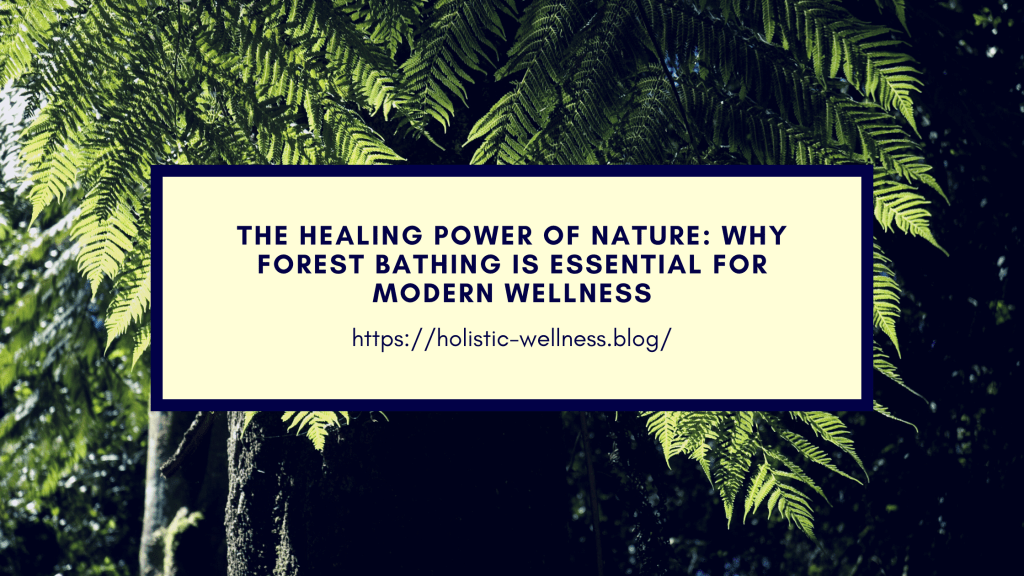
In our concrete jungles and climate-controlled environments, we’ve become increasingly disconnected from the natural world that once nurtured our ancestors. This separation comes at a profound cost to our physical, mental, and spiritual well-being. Enter shinrin-yoku, or “forest bathing”—a Japanese practice that’s revolutionizing how we understand nature’s role in healing and wellness.
What is Forest Bathing?
Forest bathing isn’t about hiking, exercising, or achieving any particular goal. It’s the simple practice of mindfully immersing yourself in a forest environment, engaging all your senses to absorb the natural atmosphere. This meditative approach to nature connection has been practiced in Japan since the 1980s and is now recognized worldwide as a powerful therapeutic intervention.
Unlike traditional outdoor activities focused on physical exertion or destination-reaching, forest bathing emphasizes presence, stillness, and sensory awareness. You might spend hours in a small forest area, sitting quietly, breathing deeply, and allowing nature to work its subtle magic on your nervous system.
The Science Behind Nature’s Healing Power
Research from Japan’s National Institute of Public Health reveals that forest bathing produces measurable physiological benefits. When you spend time in forests, you inhale phytoncides—antimicrobial compounds released by trees and plants. These natural chemicals boost your immune system by increasing the production of natural killer (NK) cells, which help fight infections and even cancer cells.
Studies show that just two hours of forest bathing can lower cortisol levels by up to 16%, reduce blood pressure, and decrease inflammation markers. The practice activates your parasympathetic nervous system, shifting you from stress mode into rest-and-digest mode, where healing naturally occurs.
Dr. Qing Li’s groundbreaking research at Nippon Medical School demonstrates that forest bathing benefits can last for weeks after a single session. Participants showed increased NK cell activity for up to 30 days following forest exposure, suggesting that nature’s healing effects have remarkable staying power.
Mental Health Benefits of Natural Environments
Time in nature serves as a powerful antidote to modern mental health challenges. The Japanese concept of “nature deficit disorder” describes the psychological costs of environmental disconnection—increased anxiety, depression, ADHD symptoms, and difficulty concentrating.
Forest environments naturally reduce rumination, the repetitive negative thinking patterns associated with depression and anxiety. The gentle sounds of rustling leaves, flowing water, and bird songs activate the brain’s default mode network in healing ways, promoting mental restoration and emotional regulation.
Research from Stanford University found that 90-minute nature walks significantly reduced activity in the brain’s subgenual prefrontal cortex, an area associated with depression and anxiety. Participants reported decreased brooding and showed improved mood and cognitive function.
Spiritual and Energetic Healing in Nature
Beyond measurable physiological benefits, many people experience profound spiritual renewal in natural settings. Indigenous cultures worldwide have long understood forests as sacred spaces where healing, wisdom, and connection to something greater naturally occur.
Trees and forests emit specific electromagnetic frequencies that resonate with human brainwaves, potentially explaining why many people feel immediate peace and clarity in forest environments. This bioenergetic connection suggests that our relationship with nature operates on levels beyond current scientific understanding.
Many practitioners report increased intuition, creative insights, and spiritual experiences during forest bathing sessions. The practice seems to quiet the analytical mind while awakening deeper ways of knowing and being.
How to Practice Forest Bathing
Finding Your Forest You don’t need an ancient growth forest to experience benefits. Urban parks, wooded areas, or even spaces with several mature trees can serve as forest bathing locations. The key is finding a place where you feel safely surrounded by green growing things.
Engaging Your Senses Begin by leaving your phone behind or putting it in airplane mode. Walk slowly and without destination, allowing your body to guide you to a spot that feels inviting. Sit or stand comfortably and begin engaging each sense deliberately.
Notice the visual textures of bark, leaves, and light patterns. Listen to the layered sounds of wind, birds, insects, and rustling vegetation. Breathe deeply, savoring the complex scents of earth, plants, and fresh air. If appropriate, touch tree bark, leaves, or other natural textures.
Mindful Presence Rather than thinking about nature, practice being with nature. When your mind wanders to daily concerns, gently redirect attention to immediate sensory experiences. This isn’t meditation in the traditional sense—it’s a practice of receptive awareness and connection.
Tree Meditation Many forest bathers develop relationships with particular trees, sitting with them regularly and observing their seasonal changes. This practice deepens your connection to natural cycles and provides a sense of continuity and grounding.
Bringing Nature Indoors
When forest access is limited, you can still harness nature’s healing power at home. Fill your living space with plants, which improve air quality and provide psychological benefits. Essential oils from forest plants like pine, cedar, and eucalyptus can recreate some forest bathing benefits indoors.
Create a daily practice of connecting with houseplants, tending them mindfully and appreciating their growth and beauty. Even brief moments of plant connection can shift your nervous system toward calm and restoration.
Urban Forest Bathing
City dwellers can adapt forest bathing principles to urban green spaces. Early morning visits to parks, before crowds arrive, can provide surprising levels of natural immersion. Focus on finding pockets of wildness within urban environments—old trees, garden areas, or waterfront spaces.
Even brief nature connections during lunch breaks or commutes can provide meaningful benefits. The key is approaching these moments with the same mindful presence you’d bring to a deep forest experience.
Seasonal Forest Bathing
Each season offers unique healing gifts through forest bathing practice. Spring forests buzz with new life energy, supporting renewal and growth. Summer forests provide lush abundance and full sensory immersion. Autumn forests teach lessons about letting go and natural cycles. Winter forests offer profound stillness and introspection.
Developing a year-round forest bathing practice connects you to natural rhythms that modern life often obscures, supporting your overall health and well-being through all seasons.
The Global Forest Bathing Movement
As research validates ancient wisdom about nature’s healing power, forest bathing programs are appearing in hospitals, schools, and wellness centers worldwide. South Korea has designated “forest healing centers,” while European countries integrate forest therapy into healthcare systems.
This growing movement represents a return to fundamental human needs—connection with the natural world that shaped our evolution and continues to shape our well-being.
Creating Your Forest Bathing Practice
Start with whatever time and space you have available. Even 20 minutes in a local park can provide meaningful benefits. Gradually extend your sessions as you develop comfort with slow, mindful nature connection.
Remember that forest bathing is about quality of attention rather than quantity of experience. A deeply present 30-minute session can be more beneficial than hours of distracted outdoor time.
Your body remembers its connection to the natural world. Forest bathing simply creates space for that ancient relationship to reawaken, bringing healing, peace, and profound well-being into your modern life.
For deeper insights into transforming your relationship with health and wellness through mindful practices, explore “The Path to Wellness: A Journey of Self-Discovery and Healing” – a comprehensive guide to creating lasting change in your well-being journey.
You eat well, get decent sleep, even try to squeeze in a walk or two—but the fatigue never fully lifts. Sound familiar? That low-grade exhaustion you carry might not be about sleep at all. It could be about invisible energy leaks you haven’t spotted yet.
Energy isn’t just physical—your body, mind, and nervous system are constantly managing it. And without realizing it, you’re likely spending vital energy in places that don’t replenish you. Let’s shine a light on the hidden culprits.
1. Decision Fatigue Every choice you make—what to wear, what to eat, how to respond—costs mental energy. If your days begin with 15 micro-decisions, your brain is already drained by noon. Create systems. Wear the same go-to breakfast. Automate the little things. Save energy for what matters.
2. Low-Grade Anxiety You’ve Normalized You may not feel panicked, but your nervous system might still be stuck in “on” mode—checking your phone, expecting a late-night work email, scanning social media. It’s silent energy theft. Try regular nervous system resets: breathwork, cold water on your face, or 10 minutes without any input.
3. Overly Cluttered Spaces A messy room, overflowing inbox, or chaotic desktop doesn’t just look bad—it forces your brain to process more than it should. Visual clutter = cognitive fatigue. Create pockets of calm. Even one clean drawer can be an energy anchor.
4. Poor Light Hygiene Fluorescent office lighting. Blue light before bed. Dim mornings. Your circadian rhythm needs proper lighting cues to function. Start your day with real sunlight. Dim your lights in the evening. Let your biology do its job.
5. Unprocessed Emotions Stuffed-down emotions don’t disappear—they just quietly deplete you. Suppressed anger, sadness, or guilt hangs around in the body like background apps draining your phone battery. Journaling, safe conversations, or even a good cry can reboot your internal state.
6. Negative Self-Talk Your brain believes what you tell it. If your inner voice is constantly whispering, “you’re not doing enough,” “you’re falling behind,” or “what’s the point?”—your body responds by tightening, defending, and burning energy. Replace those phrases with more truthful ones: “I’m adapting,” “I’m learning,” “I’m enough for today.”
7. Multitasking We think it makes us efficient, but it actually fragments attention and burns through mental fuel. Shifting from task to task drains more than just time—it creates cognitive friction. Single-task. Be present. Feel how your brain stops buzzing when you give something your full focus.
8. Low-Quality Relationships Energy vampires are real. Spending time with people who criticize, complain, or emotionally dump without boundaries? That’s a leak. Choose relationships that recharge. Protect your peace like it’s sacred—because it is.
9. Lack of Joy This one stings. If there’s no pleasure, no creative expression, no laughter in your days, you’ll run dry—even if you’re “doing all the right things.” Joy isn’t optional. It’s fuel. Schedule it. Protect it. Prioritize what makes you feel alive.
You don’t need more sleep—you need less drain. Energy isn’t something you magically get—it’s something you protect, manage, and recover.
Take inventory. Which of these 9 leaks feel familiar? Start by sealing just one. You might be surprised how much vitality returns when you stop giving it away.
The ancient wisdom “as above, so below” takes on profound meaning when we explore the intricate relationship between our mental and physical states. The mind-body connection isn’t just a philosophical concept—it’s a scientifically proven reality that can transform how we approach health and healing.
Understanding the Science Behind Mind-Body Medicine
Your thoughts, emotions, and beliefs create measurable changes in your body’s chemistry. When you experience stress, anxiety, or negative emotions, your brain releases cortisol and adrenaline, triggering inflammation and compromising your immune system. Conversely, positive thoughts and emotions flood your system with beneficial hormones like serotonin, dopamine, and oxytocin, promoting healing and vitality.
Research from Harvard Medical School demonstrates that chronic stress can literally rewire your brain, affecting memory, decision-making, and emotional regulation. Meanwhile, practices like meditation and mindfulness create positive neuroplasticity, strengthening neural pathways associated with calm, focus, and resilience.
The Physical Manifestations of Mental States
Your body serves as a mirror for your inner world. Persistent worry often manifests as digestive issues, tension headaches, or insomnia. Suppressed anger may appear as inflammation, autoimmune conditions, or chronic pain. Fear and anxiety frequently show up as respiratory problems, heart palpitations, or muscle tension.
This isn’t to suggest that all physical ailments stem from mental causes, but rather to recognize the powerful influence our psychological state has on our physical well-being. Traditional Chinese Medicine and Ayurveda have understood this connection for millennia, treating the person as a whole rather than isolated symptoms.
Practical Ways to Harness Your Mind-Body Connection
Daily Mindfulness Practice Begin each day with five minutes of conscious breathing. This simple practice activates your parasympathetic nervous system, reducing stress hormones and promoting healing. Focus on deep, slow breaths, allowing your belly to expand with each inhale.
Emotional Awareness and Processing Create space to acknowledge and process your emotions rather than suppressing them. Journaling, meditation, or speaking with a trusted friend can prevent emotional energy from becoming trapped in your physical body.
Positive Visualization Spend time each day visualizing your body in perfect health. See your immune system strong and vibrant, your organs functioning optimally, and your energy flowing freely. Your subconscious mind doesn’t distinguish between vividly imagined experiences and reality, making visualization a powerful healing tool.
Gratitude Practice Cultivate genuine appreciation for your body and its incredible capabilities. Thank your heart for beating, your lungs for breathing, and your immune system for protecting you. This practice shifts your energy from criticism to celebration, promoting healing at the cellular level.
Movement as Medicine Choose physical activities that bring you joy rather than punishment. Whether it’s dancing, walking in nature, or gentle yoga, movement that feels good creates positive associations in your nervous system, enhancing both mental and physical well-being.
The Role of Belief in Healing
Your beliefs about your health significantly impact your healing capacity. The placebo effect demonstrates that believing in recovery can trigger real physiological changes, even without active treatment. Conversely, nocebo effects show how negative expectations can worsen symptoms or create new ones.
Examine your health beliefs honestly. Do you see your body as fragile or resilient? Do you believe in your capacity to heal, or do you feel powerless over your health? Shifting limiting beliefs to empowering ones can dramatically accelerate your healing journey.
Creating a Holistic Healing Environment
Your external environment influences your internal state. Surround yourself with beauty, whether through plants, art, music, or natural light. These elements signal safety to your nervous system, promoting relaxation and healing.
Equally important is your social environment. Supportive relationships boost immune function, while toxic relationships create chronic stress. Prioritize connections that nourish your soul and set boundaries with those that drain your energy.
Integrating Mind-Body Practices into Daily Life
Start small and build consistency. Choose one practice that resonates with you—perhaps morning meditation, evening gratitude, or midday breathing exercises. As this becomes habit, gradually add other elements.
Remember that healing isn’t linear. Your body may need time to release old patterns and integrate new ones. Be patient and compassionate with yourself throughout this process.
The Future of Holistic Health
As conventional medicine increasingly recognizes the mind-body connection, we’re seeing exciting developments in integrative care. Hospitals now offer meditation programs, doctors prescribe nature therapy, and research validates ancient healing practices.
This shift represents a return to treating humans as complete beings rather than collections of symptoms. By embracing the mind-body connection in your own life, you become part of this healing revolution.
Your thoughts are powerful medicine. Use them wisely, and watch as your entire being transforms from the inside out. The journey to optimal health begins not just with what you put in your body, but with what you allow in your mind.
For deeper insights into transforming your relationship with health and wellness through mindful practices, explore “The Path to Wellness: A Journey of Self-Discovery and Healing” – a comprehensive guide to creating lasting change in your well-being journey.
Breathing is something we do automatically, yet most of us do it wrong—shallow, fast, and disconnected from our body. But what if we told you that breathwork is one of the most powerful tools for healing, reducing stress, and boosting mental clarity?
Ancient practices like pranayama (yogic breathing), diaphragmatic breathing, and controlled breath techniques have been used for centuries to regulate emotions, enhance energy levels, and improve overall well-being. Science is now confirming that how you breathe affects your nervous system, brain function, and even immunity.
Let’s explore how breathwork can heal your mind and body—and simple techniques you can try today!
1. The Science Behind Breathwork
Your breath is the bridge between your mind and body—when controlled, it can calm or energize you.
🔬 What Breathwork Does: ✔️ Activates the Parasympathetic Nervous System – Promotes relaxation and reduces stress. ✔️ Lowers Cortisol – Helps with anxiety, depression, and emotional balance. ✔️ Increases Oxygen Flow – Boosts focus, energy, and mental clarity. ✔️ Improves Lung Capacity – Enhances endurance and respiratory health.
Pro Tip: Just one minute of deep breathing lowers heart rate and relaxes the nervous system.
2. 5 Powerful Breathwork Techniques to Try
🧘♂️ 1. Diaphragmatic Breathing (Best for Stress & Anxiety Relief) This technique activates the vagus nerve, signaling deep relaxation.
✔️ How to Practice:
Sit or lie down, place one hand on your belly.
Inhale deeply through your nose, feeling your belly expand.
Exhale slowly through your mouth.
Pro Tip: Practice for 5 minutes daily to calm your nervous system.
🔥 2. The 4-7-8 Breath (Best for Sleep & Relaxation) This breath slows down brain activity and prepares you for rest.
✔️ How to Practice:
Inhale for 4 seconds, hold for 7 seconds, exhale for 8 seconds.
Repeat for 4 rounds.
Pro Tip: Use this before bed to fall asleep faster.
🌊 3. Box Breathing (Best for Focus & Stress Management) Used by Navy SEALs, this method improves concentration and emotional control.
✔️ How to Practice:
Inhale for 4 seconds, hold for 4 seconds, exhale for 4 seconds, hold for 4 seconds.
Repeat for 1-2 minutes.
Pro Tip: Try this before a big presentation or stressful event.
⚡ 4. Breath of Fire (Best for Energy & Mental Clarity) A rapid breathing technique that stimulates the brain and increases alertness.
✔️ How to Practice:
Inhale and exhale quickly through the nose, keeping the pace rapid.
Engage your diaphragm, allowing short, forceful breaths.
Pro Tip: Do this for 30 seconds in the morning for an instant energy boost.
🌬️ 5. Alternate Nostril Breathing (Best for Emotional Balance & Clarity) Balances the left and right brain hemispheres, promoting inner calm and focus.
✔️ How to Practice:
Close your right nostril, inhale through the left.
Close your left nostril, exhale through the right.
Alternate for 5 minutes.
Pro Tip: Use this to reduce anxiety or prepare for meditation.
3. How to Incorporate Breathwork Into Daily Life
✔️ Morning: Start your day with Breath of Fire for energy. ✔️ Before Work: Use Box Breathing to boost focus. ✔️ Midday Reset: Try Diaphragmatic Breathing for stress relief. ✔️ Before Bed: Use 4-7-8 breathing for deep sleep.
Pro Tip: Set a reminder to pause and breathe mindfully throughout the day.
4. The Benefits of Long-Term Breathwork Practice
✔️ Reduced Anxiety & Stress – Helps regulate emotions and calm the nervous system. ✔️ Better Sleep – Lowers cortisol, helping with insomnia. ✔️ Stronger Immune System – Increases oxygenation, promoting cell health. ✔️ Enhanced Focus & Memory – Improves cognitive function. ✔️ Emotional Stability – Helps process and release trapped emotions.
Pro Tip: Breathwork is a free, powerful tool—use it daily for lifelong benefits.
Conclusion
Breathwork is one of the simplest and most effective ways to improve mental, emotional, and physical well-being. By learning how to control your breath, you can control your stress, energy, and overall health.
Start with just one technique today—your mind and body will thank you!
Holding onto stress, negativity, and emotional baggage can feel like carrying a heavy weight. Whether it’s past failures, difficult relationships, or everyday worries, letting go is essential for inner peace and well-being.
But letting go isn’t about ignoring problems—it’s about freeing yourself from emotional burdens that no longer serve you. It’s a skill that, when practiced regularly, can lead to more clarity, joy, and a lighter heart.
Let’s explore the art of letting go, how it benefits you, and practical ways to release stress and negative energy.
1. Understand Why Holding On Causes Stress
Emotions are energy in motion, and when we hold onto negative experiences, they stay stuck in our mind and body.
🔬 The Science Behind Letting Go:
Chronic stress weakens immunity and increases inflammation.
Rumination (overthinking) is linked to anxiety and depression.
Emotional suppression creates tension in the body, leading to physical discomfort.
✔️ Letting go isn’t about forgetting—it’s about making peace with the past.
Pro Tip: The longer you hold onto stress, the more it impacts your health—release it before it becomes a habit.
2. Release Emotional Baggage with Journaling
Writing your emotions onto paper helps you process and release them.
✔️ How to Practice:
Free-write your thoughts without judgment.
Write a letter to yourself or someone you need to forgive, then tear it up.
Keep a worry journal—list your worries, then release them mentally.
Pro Tip: Journaling for just 5 minutes a day can reduce anxiety and improve emotional clarity.
3. Practice Deep Breathing to Release Stress
Your breath controls your nervous system—breathing deeply signals safety and calm.
✔️ How to Practice:
Try the 4-7-8 breathing method: Inhale for 4 sec, hold for 7 sec, exhale for 8 sec.
Take long exhales—they activate the body’s relaxation response.
Pair breathwork with music or essential oils for extra relaxation.
Pro Tip:Exhaling deeply = physically releasing stress from the body.
4. Let Go of Perfectionism & Control
Holding onto the need to control everything leads to frustration and anxiety.
✔️ How to Practice:
Accept that some things are outside your control.
Replace “I have to do this perfectly” with “I will do my best, and that is enough.”
Allow space for mistakes—they’re part of growth.
Pro Tip: Control what you can (your reactions) and let go of what you can’t (external circumstances).
5. Physically Release Negative Energy
Emotions don’t just stay in your mind—they get stored in the body.
✔️ How to Practice:
Shake out tension by moving your body (yoga, stretching, walking).
Try dancing to uplifting music to shift your mood.
Take a cold shower to refresh your energy.
Pro Tip: Even five minutes of movement helps reset your nervous system.
6. Set Healthy Boundaries & Let Go of Toxicity
You don’t have to carry other people’s negativity.
✔️ How to Practice:
Limit time with people who drain your energy.
Say no to things that don’t align with your well-being.
Protect your peace by choosing where you invest your energy.
Pro Tip: Letting go of toxic energy creates space for peace and joy.
7. Use Affirmations to Rewire Your Mindset
Words are powerful tools for shifting thoughts.
✔️ How to Practice:
Repeat: “I let go of what no longer serves me.”
Say: “I am at peace with my past.”
Write: “I release stress and welcome calm.”
Pro Tip: Affirmations work best when spoken with deep emotion and belief.
8. Find Joy in the Present Moment
Letting go is easier when you focus on the now, not the past or future.
✔️ How to Practice:
Practice mindfulness—fully experience small moments (e.g., sipping tea, feeling the breeze).
Engage in hobbies that bring you joy.
Meditate for even two minutes a day to center yourself.
Pro Tip: Joy is in the present moment—don’t let stress take it away.
Conclusion
Letting go doesn’t mean ignoring problems—it means choosing peace over stress, acceptance over control, and joy over resentment. By using simple practices like journaling, breathwork, movement, and affirmations, you can release negative energy and welcome more calm, balance, and happiness into your life.
What’s one thing you’re ready to let go of today? Start now and feel the freedom!
Sound is more than just something we hear—it’s a vibrational force that can influence our physical, emotional, and mental well-being. Ancient cultures have used sound healing for thousands of years, from Tibetan singing bowls to chanting mantras. Today, science is catching up, showing that sound therapy can reduce stress, improve sleep, enhance focus, and even promote cellular healing.
Let’s explore the science behind sound healing, its benefits, and how you can integrate it into your daily life for better health and balance.
1. The Science Behind Sound Healing
Sound isn’t just something we hear—it’s a vibrational frequency that interacts with the body on a deep level.
🔬 How It Works:
Sound frequencies affect brainwave states, shifting us from stress to relaxation.
Vibrations can stimulate the vagus nerve, which regulates mood and inflammation.
Sound therapy can synchronize brainwaves to induce meditative states.
📊 Scientific Evidence:
A 2016 study found that Tibetan singing bowls reduce tension, anxiety, and depression.
Binaural beats have been shown to enhance focus and relaxation by altering brainwave frequencies.
Music therapy is used in hospitals to help manage pain, anxiety, and recovery.
Pro Tip: Low-frequency sounds (e.g., Tibetan bowls, gongs) promote deep relaxation, while high-frequency sounds (e.g., chimes, singing) increase alertness and clarity.
2. The Health Benefits of Sound Healing
✔️ Reduces Stress & Anxiety – Lowers cortisol levels and promotes calmness. ✔️ Improves Sleep – Slows brainwaves to delta state (deep sleep). ✔️ Enhances Focus & Creativity – Binaural beats help with cognitive performance. ✔️ Boosts Emotional Release – Helps process emotions stored in the body. ✔️ Supports Physical Healing – Some studies suggest sound vibrations improve circulation and reduce pain.
Pro Tip: Listen to solfeggio frequencies (e.g., 528 Hz for healing, 432 Hz for relaxation) to enhance benefits.
3. 5 Powerful Sound Healing Techniques to Try
🔔 1. Tibetan Singing Bowls (Best for Deep Relaxation & Energy Healing)
How to Practice:
Strike or play the bowl while sitting comfortably.
Focus on the vibration and let it calm your mind.
Best Time to Use: Before bed or during meditation.
🎵 2. Binaural Beats (Best for Focus & Mental Clarity)
How to Practice:
Listen with headphones to binaural beats (e.g., 8 Hz for deep meditation).
Choose tracks based on your desired brain state (alpha for relaxation, beta for focus).
Best Time to Use: While working or before meditation.
Chant simple mantras like “Om” or “So Hum” while breathing deeply.
Repeat for at least 5-10 minutes to calm the nervous system.
Best Time to Use: Morning routine or during moments of stress.
🌊 4. Nature Sounds (Best for Stress Reduction & Sleep)
How to Practice:
Listen to rain, ocean waves, or birds to naturally relax your mind.
Play nature sounds at night for better sleep.
Best Time to Use: Before sleep or during breaks.
🔔 5. Gong & Sound Bath Therapy (Best for Energy Cleansing & Deep Healing)
How to Practice:
Attend a live sound bath or use recorded gong frequencies.
Close your eyes and let the vibrations cleanse your energy field.
Best Time to Use: After a stressful day or when seeking deep relaxation.
Pro Tip: Experiment with different sound frequencies (e.g., 639 Hz for relationships, 741 Hz for intuition) to see which resonates with you.
4. How to Incorporate Sound Healing Into Your Routine
🎶 Morning: Chant mantras or listen to high-frequency music to start the day. 💻 Work Breaks: Use binaural beats for better focus and concentration. 🌙 Evening: Play Tibetan bowls or solfeggio frequencies for relaxation and better sleep.
Pro Tip: Keep a small singing bowl at your desk for quick resets.
5. Common Sound Healing Myths & Truths
❌ Myth: Sound healing is just a placebo effect. ✔️ Truth: Studies confirm measurable physiological changes, like reduced stress hormones.
❌ Myth: Only trained professionals can use sound therapy. ✔️ Truth: Anyone can practice binaural beats, chanting, or listening to healing frequencies at home.
❌ Myth: You need expensive tools for sound healing. ✔️ Truth: Even listening to free recordings online can bring benefits.
Pro Tip: Try different healing frequencies and track how they affect your mood and energy.
Conclusion
Sound is more than just entertainment—it’s a powerful healing tool that influences brainwaves, emotions, and even physical health. By incorporating sound healing into your routine, you can experience deep relaxation, emotional balance, and enhanced mental clarity. Whether through Tibetan bowls, binaural beats, or chanting, sound therapy is an accessible and effective way to promote holistic wellness.
Breathing is something we do automatically, but did you know that how you breathe can directly impact your stress levels, energy, immunity, and mental clarity? Breathwork, or conscious breathing, is a scientifically-backed practice that enhances physical, emotional, and mental well-being. From boosting oxygen levels to calming the nervous system, breathwork is a powerful, free, and accessible tool that can transform your health.
Let’s dive into the science behind breathwork, its benefits, and simple breathing techniques to incorporate into your daily life.
1. The Science of Breathwork: How It Affects the Body
Breathing is more than just oxygen exchange—it influences every system in the body.
Oxygen & CO2 Balance: Proper breathing ensures an optimal oxygen-carbon dioxide balance, which is key for energy production and brain function.
Nervous System Regulation: Deep breathing activates the parasympathetic nervous system, reducing stress and anxiety.
Detoxification: 70% of the body’s toxins are expelled through breathing! Proper breathwork improves detox and cellular function.
Pro Tip: Even one minute of deep breathing can lower cortisol levels and improve mental clarity.
2. The Benefits of Conscious Breathwork
Breathwork has been studied for its profound impact on physical and emotional health.
✔️ Reduces Stress & Anxiety – Lowers cortisol and soothes the nervous system. ✔️ Enhances Lung Capacity – Strengthens lung function for better endurance. ✔️ Boosts Immunity – Supports cellular oxygenation and detox. ✔️ Improves Focus & Clarity – Increases oxygen to the brain for sharper thinking. ✔️ Aids Sleep & Relaxation – Slows heart rate and promotes deep sleep.
Pro Tip:Morning breathwork boosts energy, while evening breathwork promotes calm.
3. 5 Powerful Breathwork Techniques for Different Needs
💨 1. Box Breathing (Best for Focus & Stress Relief)
How to Practice:
Inhale for 4 seconds, hold for 4 seconds, exhale for 4 seconds, hold for 4 seconds.
Repeat for 5 minutes for instant calm and clarity.
Best Time to Use: Before meetings, during stress, or when feeling overwhelmed.
🌊 2. 4-7-8 Breathing (Best for Relaxation & Sleep)
How to Practice:
Inhale for 4 seconds, hold for 7 seconds, exhale for 8 seconds.
Repeat 4-6 times before bed to relax.
Best Time to Use: Before sleep or during high-stress moments.
🔥 3. Bhastrika (Best for Energy & Mental Clarity)
How to Practice:
Inhale deeply, then forcefully exhale through the nose in quick bursts.
Continue for 30 seconds, rest, and repeat.
Best Time to Use:Morning or mid-afternoon when energy dips.
🌿 4. Alternate Nostril Breathing (Best for Balance & Calmness)
How to Practice:
Close the right nostril, inhale through the left; close the left nostril, exhale through the right.
Repeat for 5 minutes to restore balance.
Best Time to Use:Morning or during emotional stress.
💭 5. Deep Belly Breathing (Best for Anxiety & Digestion)
How to Practice:
Place one hand on your belly, inhale deeply through the nose, feeling the belly expand.
Exhale slowly through the mouth, feeling the belly fall.
Best Time to Use: Anytime you feel stressed or need a reset.
Pro Tip:Experiment with different techniques to see what works best for you.
4. How to Integrate Breathwork Into Your Daily Routine
Breathwork is simple to incorporate into your morning, work, and evening routines.
☀️ Morning: Energize your day with Bhastrika or Box Breathing. 💻 Work Breaks: Use Alternate Nostril or Box Breathing for stress relief. 🌙 Evening: Relax with 4-7-8 or Deep Belly Breathing before sleep.
Pro Tip: Set reminders on your phone to take breathing breaks throughout the day.
5. Breathwork and Emotional Healing
Breathwork isn’t just about physical health—it helps release stored emotions and trauma.
🧘♀️ Conscious Breathing Helps: ✔️ Process suppressed emotions. ✔️ Increase self-awareness and clarity. ✔️ Support emotional resilience during tough times.
Pro Tip: Combine breathwork with journaling or meditation for deeper healing.
Conclusion
Your breath is a powerful, built-in tool for healing, focus, and emotional balance. By practicing breathwork regularly, you can reduce stress, improve sleep, and boost energy—all in just a few minutes a day. Try one technique today, and experience the difference mindful breathing can make!
Stress can creep into our lives in many forms, impacting our well-being, mindset, and productivity. But with mindful, intentional practices, we can release stress and restore balance to our lives. These 12 powerful rituals offer grounding and relaxation, helping you navigate life with a calm, resilient spirit. Incorporate these into your daily or weekly routine to experience a renewed sense of peace and balance.
1. Ground Yourself with a Daily “Nature Walk” Ritual
Walking in nature is a natural stress reliever, grounding your energy and clearing your mind. Connecting with the outdoors helps you feel calm and rejuvenated.
How to Practice: Spend 10-15 minutes walking in a park, garden, or even a quiet street. Focus on your surroundings, breathe deeply, and let nature’s energy recharge you.
2. Practice Journaling for Mental Clarity
Journaling helps release mental clutter, giving your thoughts a place to land outside of your mind. It’s an effective way to process emotions and gain clarity.
How to Practice: Each evening, write down anything weighing on your mind. Don’t worry about structure—just let your thoughts flow freely. End with one positive thought or intention for the next day.
3. Unwind with a Guided Meditation
Guided meditation brings you back to the present moment, releasing tension and calming the mind. It’s especially helpful when your mind feels scattered or overwhelmed.
How to Practice: Use a meditation app or search for a short, calming guided meditation on YouTube. Spend at least 5-10 minutes fully immersed in the experience.
4. Create a Soothing Tea Ritual
Sipping herbal tea is a simple, comforting way to wind down. Herbs like chamomile, lavender, and peppermint are known for their calming effects and can be a gentle way to relieve stress.
How to Practice: Brew a calming herbal tea, sit in a comfortable spot, and savor each sip. Focus on the warmth and flavor, using this time as a mindful break.
5. Try a Tension-Release Breathwork Exercise
Breathwork activates your body’s relaxation response, releasing tension and bringing you back to center. It’s especially useful when you need a quick stress release.
How to Practice: Try the box breathing technique—inhale for 4 counts, hold for 4, exhale for 4, hold for 4, and repeat for 3-5 cycles.
6. Engage in Creative Expression
Creative activities allow you to express and release emotions in a constructive way. Art, music, writing, or any creative outlet can serve as a therapeutic release.
How to Practice: Set aside time each week to engage in a creative activity you enjoy, whether it’s painting, playing music, or crafting. Focus on the process rather than the outcome.
7. Use Aromatherapy for Calming Energy
Essential oils like lavender, eucalyptus, and bergamot can help reduce anxiety and create a peaceful environment. Aromatherapy is a simple, accessible way to improve mood and calm the mind.
How to Practice: Use a diffuser with calming essential oils, or place a few drops on a cloth and inhale deeply. You can also add essential oils to a warm bath for a relaxing experience.
8. Release Tension with Progressive Muscle Relaxation
Progressive muscle relaxation involves tensing and releasing different muscle groups, helping to relieve physical stress. This technique is effective for letting go of built-up tension.
How to Practice: Start from your feet, tensing each muscle group for a few seconds, then releasing. Move up your body until you’ve relaxed each area.
9. Try Visualization for Peace and Balance
Visualization helps you shift your mindset and create a mental escape from stress. Imagining a peaceful place or a positive outcome can reduce anxiety and restore calm.
How to Practice: Close your eyes and imagine a peaceful place, like a beach or forest. Focus on the sights, sounds, and smells, allowing yourself to feel fully immersed and relaxed.
10. Create a Decluttering Ritual
A clean, organized space promotes mental clarity and reduces stress. Decluttering helps you let go of unnecessary items, creating a peaceful environment that reflects balance.
How to Practice: Dedicate 10 minutes each day or week to decluttering a small area, such as your desk or closet. Organize with intention, keeping only what adds value or joy.
11. Embrace a “Digital Detox” Hour
Screen time, especially before bed, can contribute to stress and overstimulation. A digital detox allows your mind to reset, reducing anxiety and promoting relaxation.
How to Practice: Set aside at least one hour each evening to turn off screens. Use this time for non-digital activities like reading, journaling, or meditating.
12. Use Self-Compassion Affirmations
Self-compassion affirmations encourage kindness toward yourself, reducing self-criticism and cultivating inner peace. Affirmations can help you release negative thoughts and embrace self-acceptance.
How to Practice: Choose affirmations like “I am enough,” “I release today’s stress,” or “I am worthy of rest.” Repeat them quietly to yourself before bed, allowing each phrase to resonate.
Conclusion
Incorporating these powerful rituals into your life can provide consistent relief from stress and help restore balance to your mind, body, and spirit. Choose the practices that resonate most with you and turn them into daily or weekly rituals, creating a toolkit for peace and resilience. With each small act, you’re nurturing a foundation of calm, helping you navigate life’s ups and downs with grace.




 Holistic Wellness Guide