Meditation offers numerous mental health benefits, from reducing stress to enhancing emotional well-being. Here’s how incorporating meditation into your daily routine can improve your mental health.
1. Reduces Stress
Example: Practicing mindfulness meditation for 10 minutes a day can significantly reduce stress levels. Focus on your breath and let go of any intrusive thoughts.
Story: John, a high-pressure sales executive, experienced high stress levels. After incorporating daily meditation, he felt calmer and more focused. John now uses meditation as his primary stress management tool.
2. Enhances Emotional Well-Being
Example: Guided meditations that focus on gratitude can improve mood and increase feelings of happiness.
Story: Maria, a teacher, struggled with negative emotions. She started a gratitude meditation practice and noticed a positive shift in her outlook on life. Maria now feels more content and emotionally balanced.
3. Improves Focus and Concentration
Example: Regular practice of concentration meditation can enhance cognitive abilities and attention span.
Story: Alex, a software developer, had difficulty concentrating on tasks. By meditating daily, he improved his focus and productivity. Alex now uses meditation to stay sharp and efficient at work.
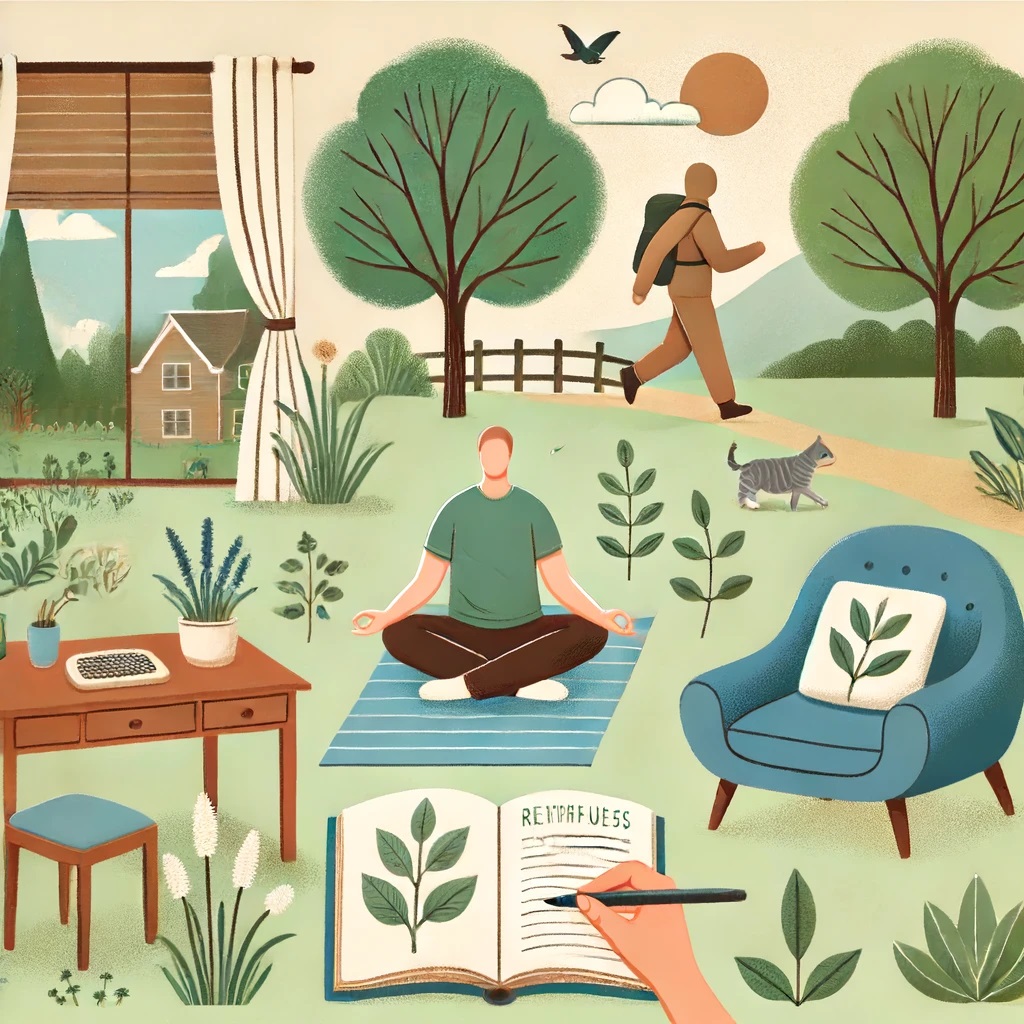
Mindfulness is a powerful tool for reducing stress and improving overall well-being. By practicing mindfulness, you can bring your attention to the present moment and experience greater peace and clarity. Here are some simple mindfulness practices to incorporate into your daily routine.
Mindful Breathing: Mindful breathing involves paying close attention to your breath. It helps calm the mind and reduce stress by bringing your focus to the present moment.
Example: Spend a few minutes each day sitting quietly and focusing on your breath. Inhale deeply through your nose, hold for a moment, and exhale slowly through your mouth. Notice the sensation of your breath as it flows in and out.
Body Scan Meditation: Body scan meditation involves focusing on different parts of your body and noticing any sensations. This practice helps you become more aware of your body and release tension.
Example: Lie down comfortably and close your eyes. Starting from your toes, slowly move your attention up through your body, noticing any sensations without judgment. Finish at the top of your head, feeling a sense of relaxation.
Mindful Walking: Mindful walking is about paying attention to the sensations of walking. It’s a great way to practice mindfulness while getting some exercise.
Example: Take a walk outside and focus on the sensation of your feet touching the ground, the movement of your legs, and the rhythm of your breath. Notice your surroundings and bring your mind back to the present moment whenever it wanders.
Mindful Eating: Mindful eating involves paying attention to the taste, texture, and smell of your food. It helps you appreciate your meals more and can improve digestion.
Example: During meals, take small bites and chew slowly. Notice the flavors and textures of the food. Avoid distractions like TV or smartphones to fully engage in the eating experience.
Gratitude Journaling: Writing down things you are grateful for can shift your focus from stress to positivity. It’s a simple practice that can boost your mood and overall outlook on life.
Example: Each evening, write down three things you are grateful for in a journal. Reflect on these moments and appreciate the positive aspects of your day.
By incorporating these simple mindfulness practices into your routine, you can reduce stress and enhance your overall well-being.
Restful Nights: How Akira Improved His Sleep with Meditation
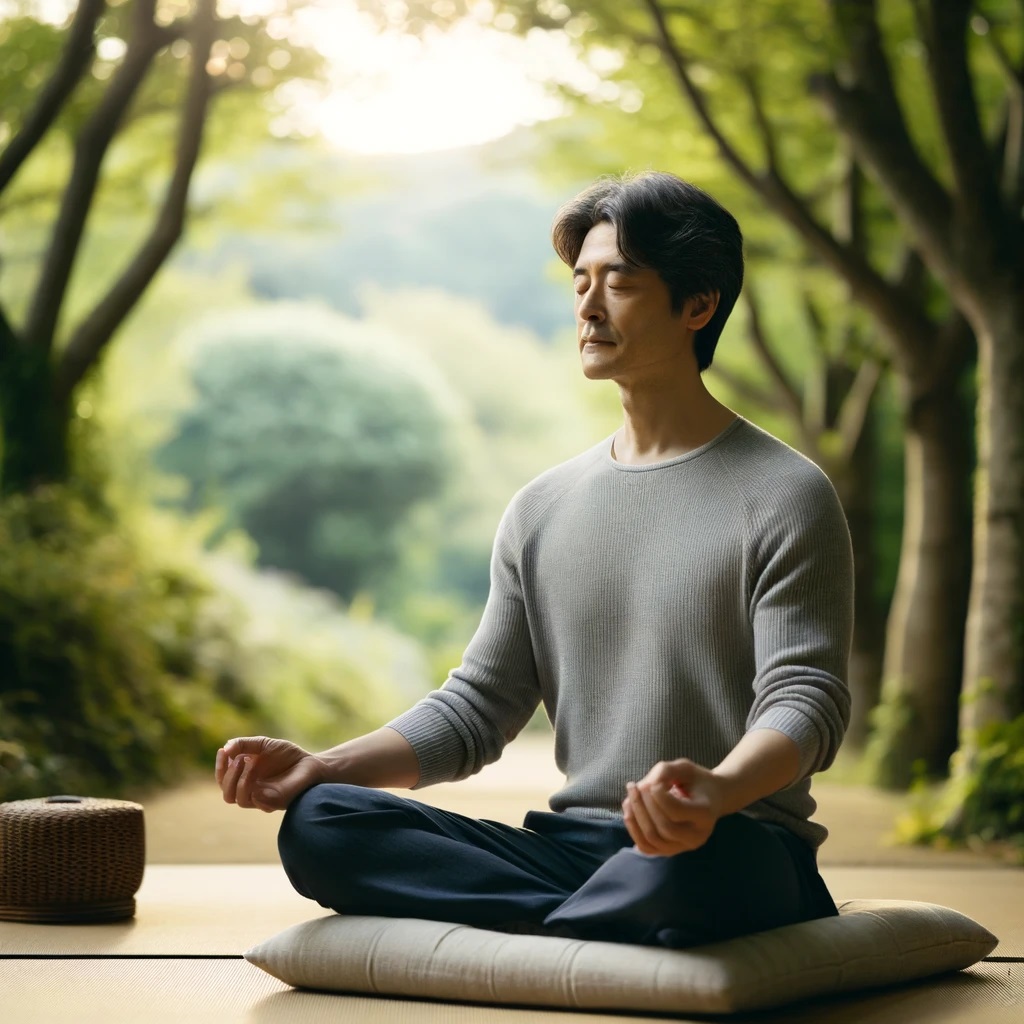
Meet Akira: Akira, a 38-year-old businessman from Tokyo, struggled with insomnia due to stress from work. Seeking a natural solution, he turned to meditation.
Starting Meditation: Akira began with short, guided meditations to help him relax before bedtime.
Example: Each night, Akira listened to a 10-minute guided meditation that focused on deep breathing and relaxation.
Building a Routine: He established a nightly meditation routine, gradually increasing the duration as he became more comfortable.
Example: Over time, Akira extended his meditation sessions to 20 minutes, finding it easier to relax and fall asleep.
Incorporating Mindfulness: Akira practiced mindfulness throughout the day to reduce overall stress and improve his sleep quality.
Example: During breaks at work, Akira practiced mindful breathing exercises to stay calm and focused.
The Result: Within a few months, Akira experienced better sleep quality and reduced stress. Meditation became an essential part of his nightly routine.
Finding Inner Peace: How Sarah Transformed Her Life with Daily Meditation
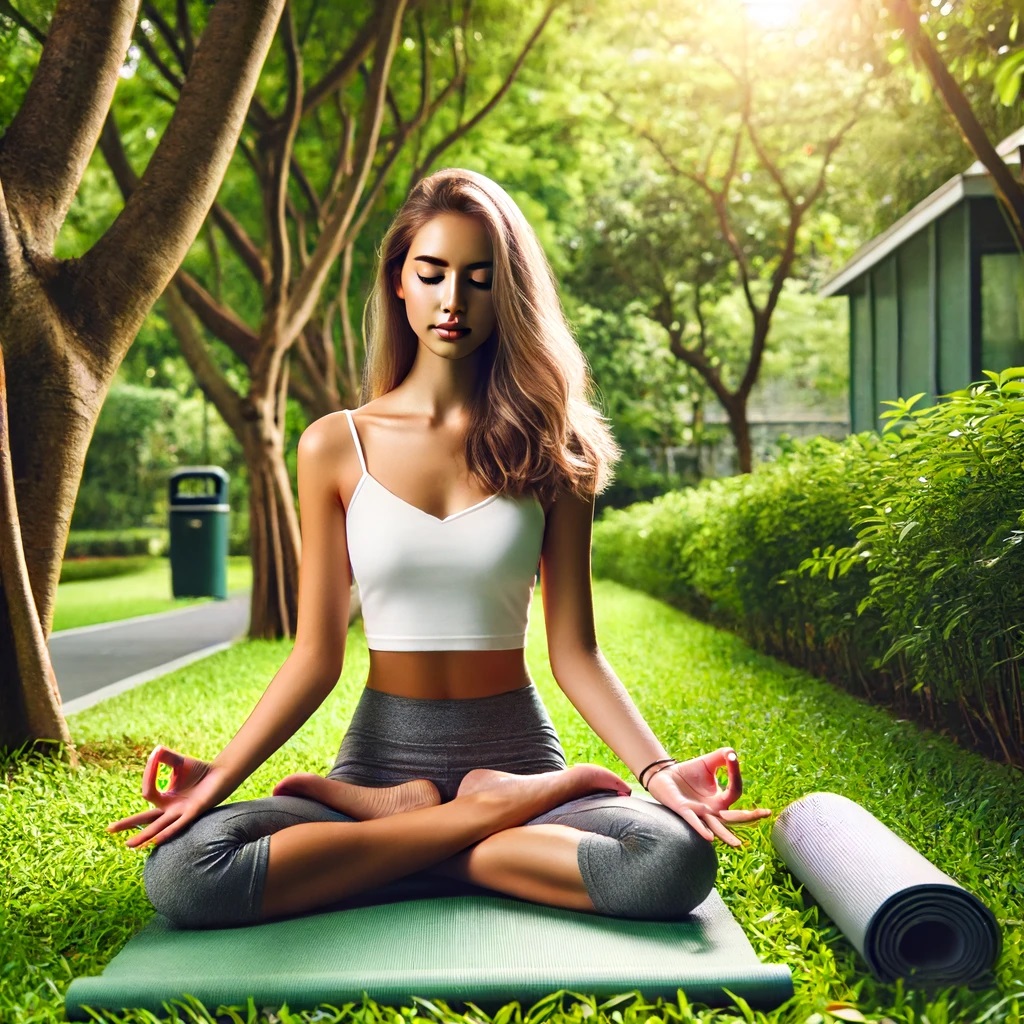
Meet Sarah, a 28-year-old software engineer who struggled with anxiety and stress due to her demanding job. Discover how she transformed her mental health and found inner peace through the practice of daily meditation. In this post, we’ll share Sarah’s inspiring journey and the practical steps she took to incorporate meditation into her routine.
Sarah’s Story: Sarah’s high-pressure job left her feeling overwhelmed and anxious. She had trouble sleeping and constantly felt on edge. Determined to find a solution, she turned to meditation after reading about its benefits for mental health.
Step 1: Starting Small: Sarah began her meditation journey with just 5 minutes a day. She found a quiet space in her home and focused on her breath, gradually increasing the duration as she became more comfortable.
Example: Sarah used a meditation app to guide her through short sessions, helping her stay focused and consistent.
Step 2: Creating a Routine: To make meditation a habit, Sarah incorporated it into her daily routine. She meditated first thing in the morning, setting a positive tone for the day.
Example: Sarah set her alarm 10 minutes earlier and dedicated those few minutes to meditation before starting her day.
Step 3: Exploring Different Techniques: Sarah experimented with various meditation techniques, including guided meditations, body scans, and mindfulness practices, to find what worked best for her.
Example: On stressful days, Sarah preferred guided meditations that helped her relax and clear her mind.
Step 4: Joining a Community: To stay motivated, Sarah joined a local meditation group where she could share her experiences and learn from others.
Example: The group met once a week for group meditations and discussions, providing Sarah with a sense of support and community.
Sarah’s Transformation: After a few months of consistent practice, Sarah noticed significant improvements in her mental health. She felt calmer, more focused, and better equipped to handle stress. Meditation became an essential part of her daily routine, helping her maintain inner peace and balance.
Sarah’s journey demonstrates the profound impact of daily meditation on mental health and overall well-being. At Alchemy International, we believe in the power of mindfulness practices like meditation to promote holistic wellness. Start your meditation journey today and discover the transformative benefits for yourself.
Creative expression through art has been recognized as a powerful tool for healing and personal growth. Engaging in artistic activities can provide emotional, mental, and even physical benefits, making it a valuable practice for overall well-being. Here’s how you can harness the healing power of art and creative expression to enhance your health and wellness.
1. Emotional Healing
Art allows for the expression of emotions that might be difficult to articulate with words. It provides a safe outlet to explore and release feelings.
Example: Drawing, painting, or sculpting can help you process and express emotions such as sadness, anger, or joy. Create a piece of art that reflects your current emotional state to gain insights and find relief.
2. Stress Reduction
Engaging in creative activities can reduce stress by providing a distraction from daily pressures and fostering a state of relaxation.
Example: Spend time coloring in an adult coloring book or creating a mandala. The repetitive nature of these activities can induce a meditative state, reducing stress and promoting calmness.
3. Mental Health Benefits
Art therapy has been shown to improve mental health by enhancing self-awareness, self-esteem, and emotional resilience.
Example: Journaling with a combination of words and images can help you explore your thoughts and feelings, leading to greater self-awareness and emotional healing.
4. Cognitive Benefits
Creating art can enhance cognitive functions such as problem-solving, critical thinking, and memory.
Example: Try engaging in activities like puzzle-making, drawing intricate designs, or creating collages. These tasks stimulate the brain and can improve cognitive abilities.
5. Physical Benefits
Art can also have physical benefits, particularly for those recovering from illness or injury. It can improve motor skills, hand-eye coordination, and overall physical health.
Example: Activities like knitting, sculpting, or pottery can improve fine motor skills and hand strength. These activities also provide a sense of accomplishment and progress.
6. Social Connection
Participating in group art activities can foster a sense of community and connection with others, reducing feelings of isolation.
Example: Join a local art class or community art group. Collaborating with others on creative projects can enhance social bonds and provide emotional support.
7. Self-Expression and Identity
Art allows you to explore and express your identity, helping you understand yourself better and fostering personal growth.
Example: Create a self-portrait or a visual diary that reflects your experiences and identity. This practice can help you connect with your inner self and gain insights into your personal journey.
8. Healing Trauma
Art therapy can be particularly effective for healing trauma, as it provides a non-verbal outlet for processing traumatic experiences.
Example: Work with an art therapist to create pieces that reflect your trauma and healing journey. This process can help you process and release traumatic memories in a safe and supportive environment.
9. Enhancing Creativity
Engaging in artistic activities can boost creativity and inspire new ideas in various areas of life.
Example: Try experimenting with different art forms such as painting, digital art, or mixed media. Allow yourself to explore and take risks with your creativity.
10. Mindfulness and Presence
Creating art encourages mindfulness and being present in the moment, which can reduce anxiety and promote a sense of peace.
Example: Practice mindful drawing or painting by focusing on the sensations of the materials, the colors, and the movements of your hands. This can help you stay grounded and connected to the present moment.
Practical Tips for Incorporating Art into Your Life
Start Small: Begin with simple art activities that you enjoy, such as doodling or coloring. Gradually explore more complex projects as you become more comfortable.
Example: Set aside 10-15 minutes each day to engage in a creative activity.
Create a Dedicated Space: Set up a space in your home where you can create art without interruptions.
Example: Use a corner of a room with a table, art supplies, and good lighting to create your art studio.
Join a Class or Group: Look for local or online art classes and groups that align with your interests.
Example: Enroll in a painting class at a community center or join an online art workshop.
Use Art Supplies You Enjoy: Invest in quality art supplies that inspire you and make the creative process enjoyable.
Example: Buy a set of high-quality colored pencils, paints, or markers to enhance your creative experience.
Be Patient with Yourself: Remember that art is about the process, not the outcome. Allow yourself to create without judgment or pressure.
Example: Focus on enjoying the act of creating rather than striving for perfection.
Yoga is an ancient practice that combines physical postures, breathing exercises, meditation, and a distinct philosophy to promote overall health and well-being. This holistic approach can provide numerous benefits for the mind, body, and spirit. Here’s how incorporating yoga into your daily routine can enhance your health and well-being.
1. Physical Health Benefits
Yoga offers a wide range of physical health benefits, making it an excellent addition to your fitness routine.
Improves Flexibility: Regular yoga practice helps increase flexibility, reducing the risk of injuries and improving overall mobility.
Example: Practicing poses like the forward bend or seated stretches can gradually improve flexibility over time.
Builds Strength: Many yoga poses are weight-bearing, which helps build and tone muscles throughout the body.
Example: Holding poses like plank, warrior, and chair pose can strengthen various muscle groups.
Enhances Balance and Coordination: Yoga poses often involve balancing on one leg or holding a pose for an extended period, which improves balance and coordination.
Example: Tree pose and eagle pose are excellent for developing balance.
Supports Cardiovascular Health: Certain styles of yoga, like Vinyasa or Power Yoga, can provide a cardiovascular workout that enhances heart health.
Example: Flowing through a series of sun salutations increases heart rate and improves cardiovascular endurance.
2. Mental Health Benefits
Yoga is well-known for its positive effects on mental health, helping to reduce stress, anxiety, and depression.
Reduces Stress: Yoga encourages relaxation and helps reduce the production of stress hormones.
Example: Incorporating relaxation poses like child’s pose and corpse pose into your routine can help reduce stress levels.
Improves Mood: The combination of physical activity, breathing exercises, and meditation in yoga promotes the release of endorphins, which can enhance mood.
Example: Practicing a gentle yoga sequence followed by a short meditation session can lift your spirits.
Enhances Focus and Concentration: The mindfulness aspect of yoga helps improve focus and concentration, making it easier to stay present in daily activities.
Example: Breathing exercises, such as alternate nostril breathing, can improve mental clarity and concentration.
Promotes Better Sleep: Regular yoga practice can help regulate sleep patterns and improve the quality of sleep.
Example: Practicing restorative yoga or gentle stretches before bed can promote relaxation and better sleep.
3. Emotional Health Benefits
Yoga helps cultivate a positive mindset and emotional resilience, which are essential for overall well-being.
Boosts Self-Esteem: Achieving and holding challenging poses can enhance self-esteem and confidence.
Example: Mastering poses like crow pose or headstand can boost your sense of accomplishment and self-worth.
Encourages Mindfulness: Yoga teaches you to be present in the moment, which can enhance your appreciation of life and foster a positive outlook.
Example: Mindful breathing exercises during yoga practice help you stay connected to the present moment.
Improves Emotional Regulation: The meditative aspects of yoga can help you manage and process emotions more effectively.
Example: Incorporating meditation and mindfulness practices into your yoga routine can help you stay calm and balanced in stressful situations.
4. Spiritual Health Benefits
Yoga can deepen your spiritual awareness and foster a sense of inner peace and connection.
Promotes Inner Peace: The meditative practices in yoga help you connect with your inner self, fostering a sense of peace and tranquility.
Example: Practicing yoga nidra, a form of guided meditation, can promote deep relaxation and inner peace.
Encourages Personal Growth: Yoga’s philosophy encourages self-reflection and personal growth, helping you develop a deeper understanding of yourself and your purpose.
Example: Keeping a yoga journal to reflect on your practice and personal insights can promote self-awareness and growth.
Fosters a Sense of Connection: Yoga encourages a sense of connection to others and the world around you, promoting compassion and empathy.
Example: Group yoga classes and community events can foster a sense of belonging and connection.
5. Practical Tips for Incorporating Yoga into Your Daily Routine
Start Small: Begin with short, manageable sessions and gradually increase the duration and intensity as you become more comfortable.
Example: Start with a 10-minute morning yoga routine and gradually increase it to 30 minutes.
Create a Dedicated Space: Set up a quiet, clutter-free space in your home where you can practice yoga without distractions.
Example: Use a yoga mat, blocks, and a cushion to create a comfortable practice area.
Follow Online Classes: If you’re new to yoga, consider following online classes or tutorials to guide your practice.
Example: Platforms like YouTube, Yoga with Adriene, and Gaia offer a variety of classes for all levels.
Join a Yoga Community: Joining a local yoga class or community can provide support and motivation.
Example: Participate in group classes or workshops to deepen your practice and connect with like-minded individuals.
Listen to Your Body: Pay attention to your body’s signals and modify poses as needed to avoid injury.
Example: If a pose feels uncomfortable or painful, use props or adjust the pose to suit your body’s needs.
Meditation is a powerful practice that can help reduce stress, improve mental clarity, and enhance overall well-being. For beginners, starting a meditation practice may seem daunting, but with simple techniques and consistent practice, anyone can harness its benefits. Here’s a guide to help you get started with meditation.
Understanding Meditation
Meditation involves focusing the mind and eliminating distractions to achieve a state of mental clarity and emotional calm. It can be practiced in various forms, such as mindfulness meditation, guided meditation, and transcendental meditation.
Benefits of Meditation
Regular meditation can reduce stress, enhance concentration, improve emotional health, increase self-awareness, and promote better sleep. It can also lower blood pressure and improve overall physical health.
Getting Started with Meditation
1. Find a Quiet Space
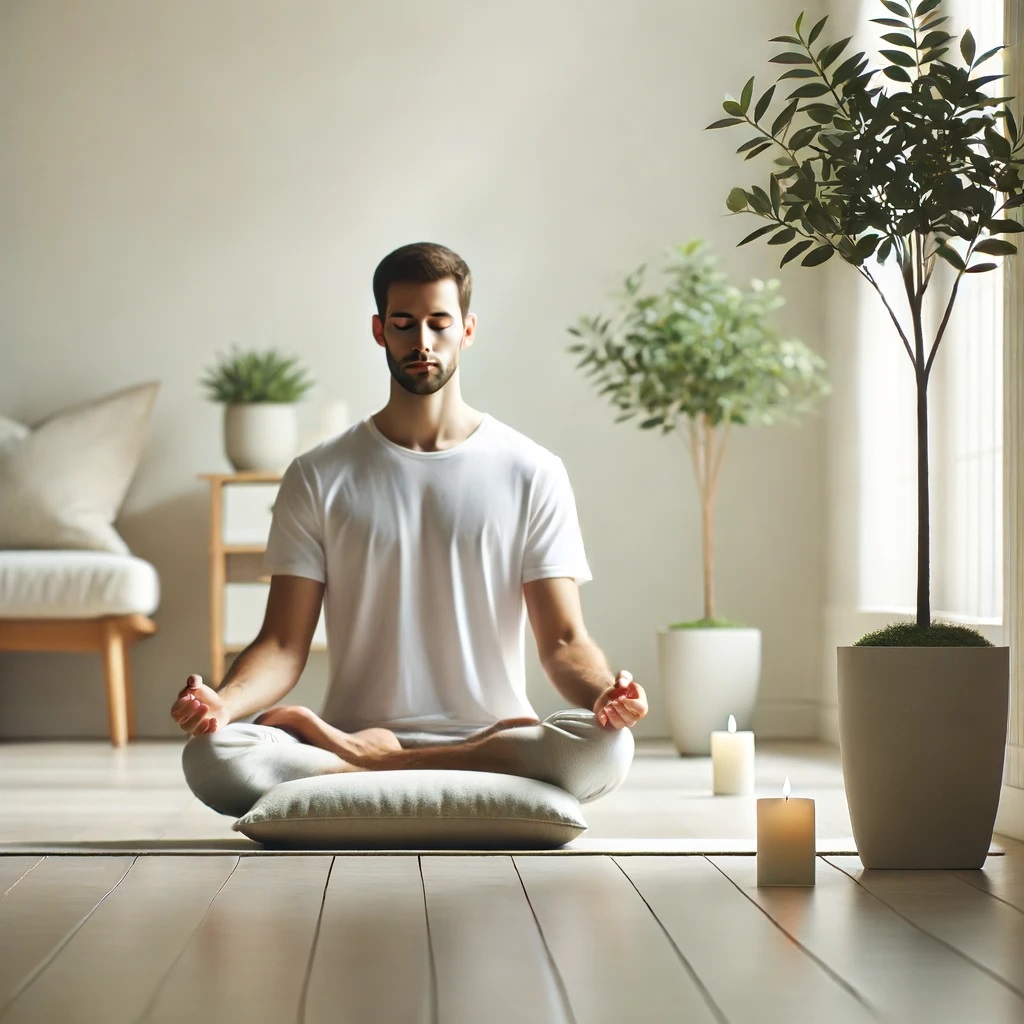
Choose a quiet, comfortable space where you won’t be disturbed. This helps create a conducive environment for meditation.
Example: Set up a corner in your home with a comfortable cushion or chair, dim lighting, and minimal distractions. This can become your dedicated meditation space.
2. Set a Regular Time
Establish a regular meditation routine by setting aside a specific time each day. Consistency is key to developing a successful practice.
Example: Start with 5-10 minutes of meditation each morning or evening. Gradually increase the duration as you become more comfortable with the practice.
3. Focus on Your Breath
One of the simplest and most effective meditation techniques is focusing on your breath. This helps anchor your mind and bring your attention to the present moment.
Example: Sit comfortably, close your eyes, and take slow, deep breaths. Focus on the sensation of the breath entering and leaving your nostrils. If your mind wanders, gently bring it back to your breath.
4. Guided Meditation
Guided meditation involves following along with a recorded meditation session led by an instructor. This can be especially helpful for beginners.
Example: Use meditation apps like Headspace, Calm, or Insight Timer, which offer a variety of guided meditation sessions for different needs and skill levels.
5. Body Scan Meditation
Body scan meditation involves paying attention to different parts of your body, from head to toe, to release tension and promote relaxation.
Example: Lie down or sit comfortably. Close your eyes and slowly bring your attention to each part of your body, starting from your toes and moving up to your head. Notice any sensations or areas of tension and relax them as you go.
6. Loving-Kindness Meditation
Loving-kindness meditation focuses on cultivating compassion and positive feelings toward yourself and others.
Example: Sit comfortably and close your eyes. Begin by silently repeating phrases like “May I be happy, may I be healthy, may I be safe, may I live with ease.” Gradually extend these wishes to loved ones, acquaintances, and even people you have conflicts with.
7. Walking Meditation
Walking meditation combines movement with mindfulness. It’s a great way to meditate if sitting still feels challenging.
Example: Find a quiet place where you can walk slowly. Pay attention to the sensation of each step, the movement of your legs, and the contact of your feet with the ground. Focus on your breathing and stay present with each step.
8. Use a Mantra
A mantra is a word or phrase repeated during meditation to help focus the mind and eliminate distractions.
Example: Choose a simple mantra like “peace,” “calm,” or “om.” Repeat it silently or aloud as you meditate, synchronizing it with your breath.
9. Start Small
As a beginner, it’s important to start with short meditation sessions and gradually increase the duration. This helps build your practice without feeling overwhelmed.
Example: Begin with 3-5 minutes of meditation each day. As you become more comfortable, gradually extend the sessions to 10, 15, or 20 minutes.
10. Be Patient and Compassionate
Meditation is a skill that takes time and practice to develop. Be patient with yourself and approach your practice with compassion, without judgment.
Example: If your mind wanders during meditation, gently bring your focus back to your breath or mantra. Understand that distractions are natural, and each session is an opportunity to practice refocusing.
Minimalism is more than just a trend; it’s a lifestyle choice that can lead to greater happiness, clarity, and freedom. By focusing on what truly matters and eliminating excess, you can create a more meaningful and fulfilling life. Here’s how to embrace minimalism and simplify your life for greater happiness.
Understanding Minimalism
Minimalism is about living with intention, focusing on the essentials, and letting go of the unnecessary. It’s not about deprivation but about creating space for what brings you joy and purpose.
Declutter Your Space
Start by decluttering your physical space. Remove items that no longer serve a purpose or bring you joy. A clutter-free environment can reduce stress and improve mental clarity.
Example: Go room by room and assess each item. Donate, sell, or recycle things you no longer need. Keep only what adds value to your life.
Simplify Your Wardrobe
A minimalist wardrobe, often called a capsule wardrobe, consists of versatile, timeless pieces that you love and wear regularly. This approach can save you time, reduce decision fatigue, and enhance your personal style.
Example: Sort your clothes into categories: keep, donate, and discard. Choose neutral colors and classic styles that can be mixed and matched easily.
Reduce Digital Clutter
Digital clutter can be just as overwhelming as physical clutter. Simplify your digital life by organizing files, deleting unnecessary apps, and unsubscribing from unwanted emails.
Example: Set aside time each week to clean your inbox, organize your desktop, and remove apps you don’t use. Consider using tools to manage your digital files efficiently.
Adopt Mindful Consumption
Minimalism encourages mindful consumption. Before making a purchase, consider whether the item is necessary and if it will add value to your life.
Example: Implement a 30-day rule for non-essential purchases. If you still want the item after 30 days, it’s likely a thoughtful addition. This helps curb impulse buying and promotes intentional spending.
Focus on Quality Over Quantity
Invest in high-quality items that last longer and serve multiple purposes. This approach not only reduces waste but also enhances your overall experience with the products you use.
Example: Choose durable, well-made items over cheap, disposable ones. For instance, invest in a sturdy pair of shoes that will last for years instead of buying several low-quality pairs.
Create a Simplified Schedule
A minimalist approach to your schedule means prioritizing activities that align with your values and bring you joy. Eliminate commitments that cause unnecessary stress or don’t contribute to your well-being.
Example: Review your weekly commitments and identify areas where you can cut back. Focus on activities that enrich your life, such as spending time with loved ones, pursuing hobbies, or practicing self-care.
Practice Mindfulness and Gratitude
Incorporate mindfulness and gratitude into your daily routine to cultivate a sense of contentment and appreciation for what you have.
Example: Start and end your day with a few minutes of mindfulness meditation. Keep a gratitude journal where you write down three things you’re grateful for each day.
Embrace Sustainable Living
Minimalism often aligns with sustainable living practices. Reduce your environmental footprint by choosing eco-friendly products, reducing waste, and conserving resources.
Example: Use reusable bags, bottles, and containers. Support brands that prioritize sustainability and ethical practices. Reduce energy consumption by turning off lights and appliances when not in use.
Build Meaningful Relationships
Focus on building and nurturing meaningful relationships rather than accumulating material possessions. Strong connections with others can significantly enhance your happiness and well-being.
Example: Prioritize quality time with family and friends. Engage in activities that foster deep connections, such as having heartfelt conversations, sharing meals, or working on projects together.
Live with Intention
Living with intention means making conscious choices that align with your values and goals. It involves being present in the moment and appreciating the simplicity of life.
Example: Regularly reflect on your values and goals to ensure your actions align with them. Practice mindfulness to stay grounded and fully engage with your daily experiences.
Regular exercise is not only essential for physical health but also has profound benefits for mental health. Engaging in physical activities can help reduce stress, improve mood, boost self-esteem, and enhance overall well-being. Here’s how regular exercise can positively impact your mental health.
Reducing Stress and Anxiety: Exercise helps lower stress levels and reduce anxiety. Physical activity increases the production of endorphins, which are natural mood lifters.
Example: Incorporate activities like jogging, swimming, or cycling into your routine to help alleviate stress and anxiety.
Improving Mood and Fighting Depression: Regular exercise can improve mood and act as a natural antidepressant. It helps increase the production of serotonin, a neurotransmitter that plays a crucial role in mood regulation.
Example: Join a fitness class or engage in a group sport to boost your mood and combat feelings of depression.
Boosting Self-Esteem and Confidence: Exercise can help improve self-esteem and confidence by enhancing your physical appearance and overall health. Achieving fitness goals can provide a sense of accomplishment.
Example: Set achievable fitness goals, such as running a 5K or mastering a new yoga pose, to build confidence and self-esteem.
Enhancing Cognitive Function: Physical activity improves cognitive function by increasing blood flow to the brain. It can enhance memory, concentration, and overall brain health.
Example: Incorporate exercises that require coordination and focus, such as dance or martial arts, to boost cognitive function.
Promoting Better Sleep: Regular exercise can help improve sleep quality and duration. Physical activity helps regulate your sleep-wake cycle and can alleviate insomnia.
Example: Engage in moderate-intensity exercises like brisk walking or swimming during the day to promote better sleep at night.
Providing Social Support: Participating in group exercises or sports can provide social support and reduce feelings of loneliness and isolation.
Example: Join a local sports team, fitness class, or running club to build social connections and enjoy the mental health benefits of exercise.
Practical Tips for Incorporating Exercise into Your Routine:
Choose Activities You Enjoy:
Find physical activities that you enjoy and are more likely to stick with, such as dancing, hiking, or swimming.
Set Realistic Goals:
Start with small, achievable goals and gradually increase the intensity and duration of your workouts.
Make It a Habit:
Schedule regular exercise sessions into your daily routine to make it a consistent habit.
Stay Motivated:
Keep yourself motivated by tracking your progress, joining exercise groups, or working out with a friend.
By incorporating regular exercise into your routine, you can experience significant improvements in your mental health and overall well-being.
Epsom salt baths are a simple yet powerful way to improve your overall well-being. The magnesium and sulfate in Epsom salts provide numerous health benefits, from relieving muscle pain to reducing stress. Here’s how you can discover the healing power of Epsom salt baths.
Relieving Muscle Pain and Tension: Epsom salts are known for their ability to relax muscles and alleviate pain. The magnesium in Epsom salts helps reduce inflammation and ease muscle cramps.
Example: Add two cups of Epsom salts to your bathwater and soak for at least 20 minutes to relieve muscle soreness after a workout.
Reducing Stress and Promoting Relaxation: Soaking in an Epsom salt bath can help reduce stress and promote relaxation. The warm water combined with the soothing properties of magnesium helps calm the nervous system.
Example: Create a spa-like experience at home by adding a few drops of lavender essential oil to your Epsom salt bath and soaking in the tranquility.
Detoxifying the Body: Epsom salts can help draw out toxins from the body, promoting detoxification. This can help improve skin health and overall wellness.
Example: Take a detox bath by mixing Epsom salts with baking soda and soaking for 20-30 minutes. This can help cleanse your body and leave your skin feeling refreshed.
Improving Skin Health: Epsom salts can help exfoliate the skin, removing dead skin cells and leaving your skin soft and smooth. They also help reduce inflammation and treat conditions like eczema and psoriasis.
Example: Use Epsom salts as a gentle exfoliant by mixing them with a bit of water or oil and massaging onto your skin in the shower.
Promoting Better Sleep: A warm Epsom salt bath before bed can help improve sleep quality. The magnesium helps relax your muscles and mind, making it easier to fall asleep.
Example: Incorporate Epsom salt baths into your nightly routine to help you wind down and prepare for a restful night’s sleep.
Practical Tips for Epsom Salt Baths:
Choose the Right Epsom Salts:
Look for high-quality, pure Epsom salts without added fragrances or chemicals.
Set the Mood:
Create a relaxing environment with dim lighting, candles, and calming music to enhance your bath experience.
Stay Hydrated:
Drink plenty of water before and after your bath to stay hydrated and support the detoxification process.
Regular Routine:
Incorporate Epsom salt baths into your weekly routine for ongoing benefits to your health and well-being.
By incorporating Epsom salt baths into your self-care routine, you can experience their powerful healing benefits and enhance your overall well-being.






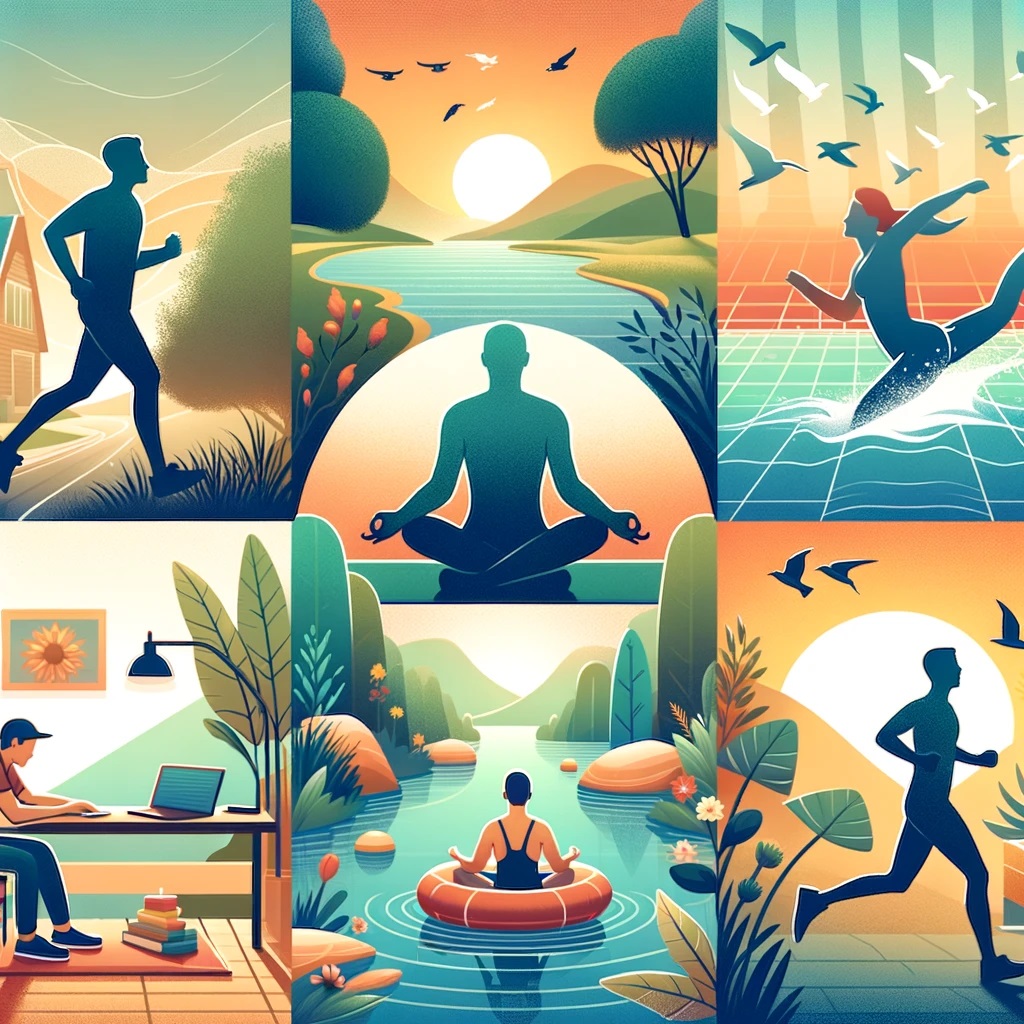

 Holistic Wellness Guide