


The Science of Emotional Resilience: How to Stay Strong in Difficult Times

The Science of Emotional Resilience: How to Strengthen Your Mind and Heart

Introduction

Life is unpredictable—challenges, setbacks, and stress are inevitable. But what separates those who thrive in adversity from those who struggle? The answer lies in emotional resilience—the ability to adapt, recover, and grow from challenges.

Emotional resilience isn’t something you’re just born with—it’s a skill you can build. Backed by psychology and neuroscience, resilience helps you handle stress, navigate emotions, and maintain inner balance. Let’s explore how to cultivate emotional strength for a more peaceful and fulfilling life.


1. What Is Emotional Resilience and Why Does It Matter?

Emotional resilience is the ability to stay strong and balanced in difficult situations.

🔬 The Science Behind Resilience:

  • Neuroplasticity: Your brain can rewire itself to handle stress better.
  • Cortisol Regulation: Resilient people recover faster from stress because their bodies manage cortisol more effectively.
  • Emotional Intelligence: Resilience is linked to higher self-awareness and better emotional regulation.

✔️ Benefits of Emotional Resilience:

  • Reduces stress, anxiety, and emotional burnout.
  • Improves problem-solving skills and adaptability.
  • Strengthens mental and emotional well-being.
  • Pro Tip: Resilience isn’t about avoiding emotions—it’s about processing them in a healthy way.

2. Build Self-Awareness: Understand Your Emotional Triggers

Resilient people are aware of their emotions and know how to navigate them mindfully.

✔️ How to Practice:

  • Pay attention to your emotional triggers—what situations stress you out the most?
  • Journal about your feelings instead of suppressing them.
  • Pause before reacting—observe your emotions without judgment.
  • Pro Tip: When feeling overwhelmed, ask yourself: “What is this emotion teaching me?”

3. Reframe Negative Thoughts: Train Your Brain for Positivity

Resilient people don’t deny problems—they shift perspective and focus on solutions.

✔️ How to Practice:

  • Catch negative thoughts and ask, “Is this thought helping me?”
  • Reframe setbacks as learning experiences (e.g., “This challenge is helping me grow”).
  • Practice self-compassion—speak to yourself like you would a friend.
  • Pro Tip: Try gratitude journaling—shifting focus to what’s going well strengthens resilience.

4. Strengthen Emotional Regulation with Breathwork & Mindfulness

Calming your nervous system helps you respond instead of react.

✔️ How to Practice:

  • Use the 4-7-8 breathing technique when stressed (Inhale 4 sec, hold 7 sec, exhale 8 sec).
  • Meditate for 5-10 minutes daily to improve emotional awareness.
  • Engage in grounding exercises (e.g., feel your feet on the ground, take deep breaths).
  • Pro Tip: Practicing mindfulness daily strengthens emotional resilience over time.

5. Develop a Strong Support System

Resilience doesn’t mean handling everything alone—it’s about knowing when to seek support.

✔️ How to Practice:

  • Surround yourself with positive, uplifting people.
  • Open up to someone you trust instead of bottling up emotions.
  • Set boundaries with people who drain your energy.
  • Pro Tip: Strong relationships boost resilience and happiness. Invest in them!

6. Build Healthy Coping Mechanisms

Instead of unhealthy coping (like overworking or emotional eating), adopt positive stress-management habits.

✔️ How to Practice:

  • Move your body—exercise releases mood-boosting chemicals.
  • Engage in creative activities like journaling, painting, or playing music.
  • Spend time in nature—outdoor time reduces stress hormones.
  • Pro Tip: Resilient people prioritize self-care instead of waiting for burnout.

7. Find Meaning and Purpose

Resilience is easier when you have a strong sense of purpose.

✔️ How to Practice:

  • Identify your core values—what truly matters to you?
  • Set meaningful goals that align with your passions.
  • Engage in activities that give you a sense of fulfillment (volunteering, learning, personal growth).
  • Pro Tip: Purpose fuels resilience, motivation, and inner strength.

Conclusion

Emotional resilience isn’t about avoiding struggles—it’s about handling them with strength and grace. By practicing self-awareness, mindfulness, healthy coping strategies, and positive relationships, you can train your mind to bounce back faster from challenges.

Start small—choose one resilience-building habit today, and see how it transforms your emotional well-being!


For more mindfulness insights, check out my book, The Mindful Executive: https://www.amazon.com/dp/B0D75YJCLW.

12 Holistic Practices for Emotional Balance

In our fast-paced world, emotional balance can often feel elusive. Stress, overwhelming responsibilities, and external challenges can disrupt our inner harmony, leaving us feeling disconnected and drained. However, holistic practices can help restore emotional balance by addressing the mind, body, and spirit as interconnected parts of a whole. This guide explores powerful tools and techniques to cultivate emotional resilience, self-awareness, and peace.


1. Practice Daily Mindfulness

Mindfulness anchors you in the present moment, reducing emotional overwhelm and fostering clarity.

  • How to Practice:
    • Dedicate 5-10 minutes each day to a mindfulness meditation or breathwork session.
    • Use grounding techniques like focusing on your five senses.
  • Pro Tip: Set a daily reminder to pause and take three deep breaths during stressful moments.

2. Journal for Emotional Release

Writing helps you process emotions, identify patterns, and release pent-up feelings.

  • How to Practice:
    • Start a daily journaling habit, writing about your thoughts, feelings, or gratitude.
    • Use prompts like, “What’s weighing on my mind today?” or “What made me happy this week?”
  • Pro Tip: Don’t overthink or judge your writing—let it flow naturally.

3. Cultivate Emotional Awareness

Understanding your emotions is key to managing them effectively. Awareness helps you respond rather than react.

  • How to Practice:
    • Check in with yourself several times a day. Ask, “What am I feeling right now?”
    • Label your emotions without judgment (e.g., “I feel frustrated”).
  • Pro Tip: Use an emotions wheel to explore deeper layers of your feelings.

4. Explore Breathwork for Emotional Reset

Controlled breathing techniques calm your nervous system and help you regain composure during emotional highs and lows.

  • How to Practice:
    • Try box breathing: Inhale for 4 counts, hold for 4, exhale for 4, and hold for 4.
    • Use this technique when feeling anxious, angry, or overwhelmed.
  • Pro Tip: Pair breathwork with calming music or aromatherapy for deeper relaxation.

5. Build a Gratitude Practice

Gratitude shifts your focus from what’s lacking to what’s abundant, fostering positive emotions.

  • How to Practice:
    • Write down three things you’re grateful for each day, no matter how small.
    • Reflect on why these things bring you joy or fulfillment.
  • Pro Tip: Share your gratitude with others to strengthen emotional connections.

6. Incorporate Gentle Movement

Movement helps release tension stored in the body and promotes emotional well-being.

  • How to Practice:
    • Engage in activities like yoga, tai chi, or a mindful walk.
    • Focus on the sensations in your body as you move, bringing awareness to the present moment.
  • Pro Tip: Start with just 10 minutes of movement to ease into the practice.

7. Practice Self-Compassion

Treating yourself with kindness and understanding can help you navigate difficult emotions with grace.

  • How to Practice:
    • When self-critical thoughts arise, ask yourself, “How would I speak to a friend in this situation?”
    • Use affirmations like, “I am worthy of love and kindness.”
  • Pro Tip: Practice a self-compassion break: Pause, acknowledge your struggle, and offer yourself words of encouragement.

8. Set Healthy Emotional Boundaries

Boundaries protect your energy and prevent emotional burnout.

  • How to Practice:
    • Clearly communicate your limits in a respectful way (e.g., “I need some time to recharge”).
    • Learn to say no to commitments that don’t align with your priorities.
  • Pro Tip: Reflect on situations where you feel drained and identify where boundaries might help.

9. Use Visualization for Emotional Resilience

Visualization helps you create a mental image of calm, strength, and balance, which can positively influence your emotions.

  • How to Practice:
    • Imagine a safe, peaceful place whenever you feel stressed, and focus on the sights, sounds, and feelings of that space.
    • Visualize yourself handling challenges with confidence and grace.
  • Pro Tip: Pair visualization with guided meditations for enhanced impact.

10. Engage in Creative Expression

Creativity allows you to channel emotions into a positive outlet, helping you process feelings and find joy.

  • How to Practice:
    • Experiment with painting, writing, music, or crafting to express your emotions.
    • Focus on the process, not the outcome.
  • Pro Tip: Keep a small notebook or sketchpad handy to capture moments of inspiration.

11. Create a Supportive Environment

Your surroundings influence your emotions. A calm, organized, and uplifting space can help you feel balanced.

  • How to Practice:
    • Declutter your space and incorporate calming elements like plants, soft lighting, or soothing scents.
    • Designate a corner for mindfulness practices, like meditation or journaling.
  • Pro Tip: Use calming colors, like blues or greens, to enhance the tranquility of your space.

12. Seek Support When Needed

Emotional balance doesn’t mean handling everything alone. Seeking help is a sign of strength.

  • How to Practice:
    • Reach out to a trusted friend, family member, or therapist to share your feelings.
    • Join a support group for connection and understanding.
  • Pro Tip: Schedule regular check-ins with loved ones to nurture emotional bonds.

Conclusion

Emotional balance is a journey, not a destination. By integrating these holistic practices into your daily life, you can cultivate resilience, self-awareness, and harmony. Remember, small, consistent efforts can lead to profound changes. Start with one or two practices that resonate with you and build from there. Your inner peace is worth the effort.


For more insights on creating balance and mindfulness in your life, check out my book, The Mindful Executive: https://www.amazon.com/dp/B0D75YJCLW.
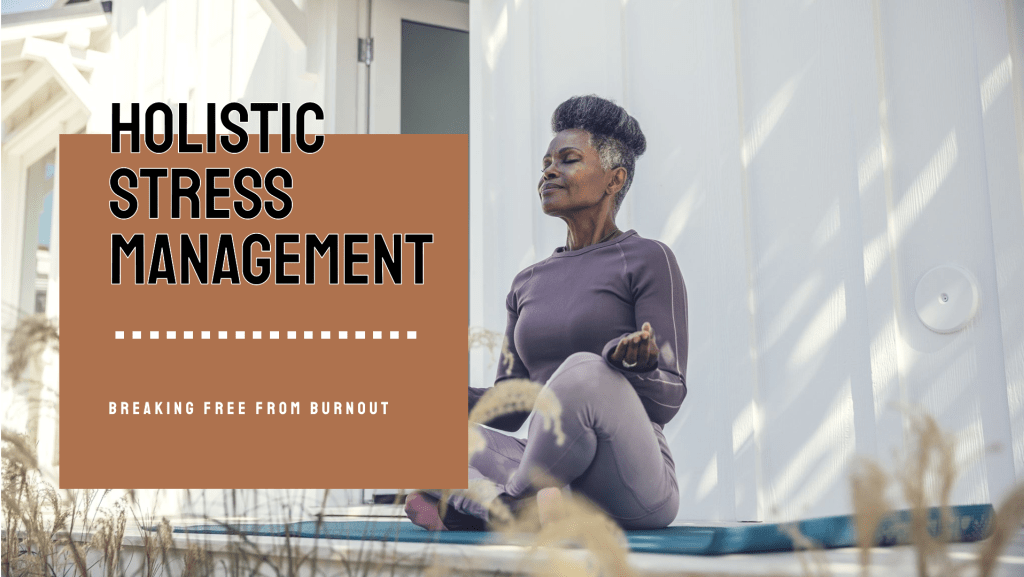
Breaking Free from Burnout: Holistic Strategies for Stress Management

Burnout has become a common challenge in our fast-paced world, affecting physical health, emotional well-being, and productivity. While stress is an inevitable part of life, holistic strategies can help you manage and prevent burnout by addressing its root causes and nurturing your mind, body, and spirit. Let’s explore actionable and empowering ways to break free from burnout and cultivate lasting resilience.


1. Recognize the Signs of Burnout

Burnout often creeps in slowly, making it crucial to recognize the warning signs before it becomes overwhelming.

  • Common Signs:
    • Chronic fatigue and lack of energy
    • Emotional detachment or cynicism
    • Difficulty concentrating or reduced productivity
  • Pro Tip: Keep a journal to track your energy levels and emotions, helping you identify patterns early.

2. Prioritize Sleep for Recovery

Sleep is the foundation of resilience. It helps restore your body and mind, giving you the energy to tackle stressors.

  • How to Practice:
    • Create a calming evening routine, such as reading, stretching, or meditating.
    • Avoid screens at least an hour before bed to improve sleep quality.
  • Pro Tip: Aim for 7-9 hours of sleep each night and maintain a consistent schedule.

3. Practice Mindful Breathing

Mindful breathing is a simple yet powerful tool to calm your nervous system and reduce stress in the moment.

  • How to Practice:
    • Try the 4-7-8 technique: Inhale for 4 counts, hold for 7, and exhale for 8.
    • Use mindful breathing during breaks or before stressful situations.
  • Pro Tip: Pair breathing exercises with aromatherapy for enhanced relaxation.

4. Establish Boundaries to Protect Your Energy

Setting boundaries helps you maintain balance and prevent overcommitment, a common cause of burnout.

  • How to Practice:
    • Politely decline tasks or events that don’t align with your priorities.
    • Create “non-negotiable” time blocks for self-care or rest.
  • Pro Tip: Practice saying no gracefully with phrases like, “I appreciate the opportunity, but I need to focus on other priorities right now.”

5. Engage in Restorative Movement

Gentle, mindful movement like yoga, Tai Chi, or stretching helps release tension and restore balance.

  • How to Practice:
    • Dedicate 10-20 minutes daily to restorative exercises.
    • Focus on movements that feel good and support relaxation.
  • Pro Tip: Try yoga poses like Child’s Pose or Legs-Up-The-Wall for deep relaxation.

6. Fuel Your Body with Nourishing Foods

Nutrition plays a key role in managing stress and maintaining energy levels.

  • How to Practice:
    • Focus on whole, unprocessed foods like leafy greens, nuts, and whole grains.
    • Incorporate stress-reducing nutrients like magnesium (found in almonds) and omega-3s (found in salmon or flaxseeds).
  • Pro Tip: Prepare meals in advance to avoid resorting to unhealthy choices during busy periods.

7. Embrace Gratitude Practices

Gratitude shifts your perspective, helping you focus on positive aspects of life and counteracting stress.

  • How to Practice:
    • Write down three things you’re grateful for each day.
    • Share gratitude with loved ones by expressing appreciation.
  • Pro Tip: Use a gratitude journal to reflect on positive moments before bed.

8. Unplug for Digital Detox

Constant connectivity can contribute to mental exhaustion. Taking intentional breaks from technology helps reduce overwhelm.

  • How to Practice:
    • Set specific times during the day to disconnect from screens.
    • Create tech-free zones, like your bedroom or dining area.
  • Pro Tip: Replace screen time with relaxing activities, such as reading or spending time outdoors.

9. Build a Support Network

Connection with others can provide emotional support and perspective, reducing feelings of isolation.

  • How to Practice:
    • Reach out to friends, family, or a mentor for encouragement.
    • Consider joining a support group or engaging in community activities.
  • Pro Tip: Schedule regular check-ins with loved ones to maintain strong connections.

10. Incorporate Daily Mindfulness

Mindfulness practices help you stay present, reducing the mental clutter that contributes to stress.

  • How to Practice:
    • Start your day with a 5-minute mindfulness meditation or journaling session.
    • Use mindfulness techniques like focusing on your breath during challenging moments.
  • Pro Tip: Try apps like Headspace or Calm to guide your mindfulness practice.

Conclusion

Breaking free from burnout requires a holistic approach that nurtures your entire being. By recognizing the signs early and implementing these strategies, you can create a life that balances productivity with peace and purpose. Start small, make self-care a priority, and remember that preventing burnout is an act of empowerment and self-love.


For more strategies on living mindfully and achieving balance, check out my book, The Mindful Executive: https://www.amazon.com/dp/B0D75YJCLW.

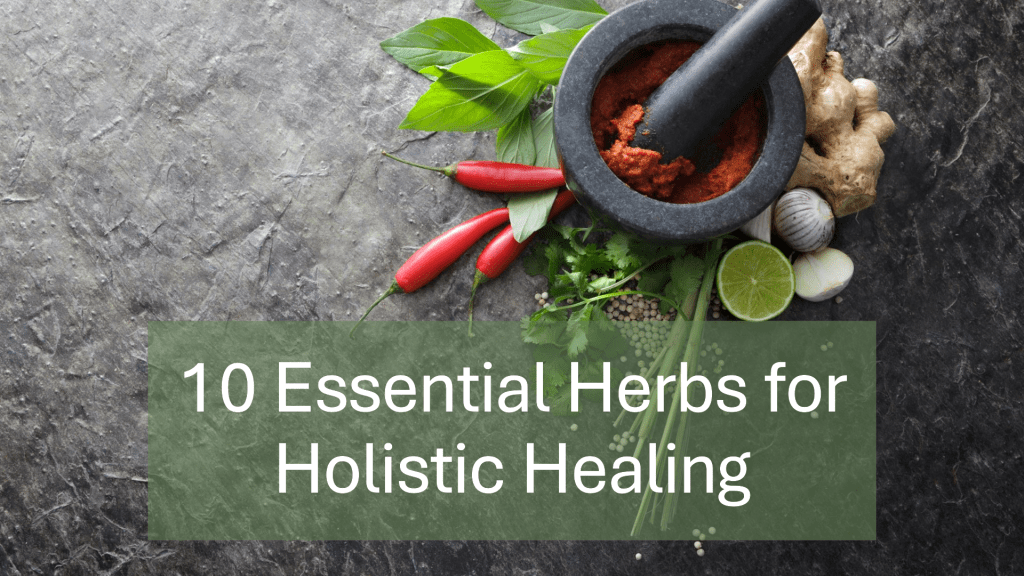
10 Essential Herbs for Holistic Healing and How to Use Them

For centuries, herbs have been used as powerful tools in holistic healing, offering natural remedies for various ailments and promoting overall wellness. Whether it’s calming the mind, boosting the immune system, or reducing inflammation, certain herbs hold incredible potential for enhancing our health. Here are 10 essential herbs for holistic healing and how you can incorporate them into your daily routine.

1. Ashwagandha: The Stress Reliever

Known as an adaptogen, Ashwagandha helps the body manage stress by reducing cortisol levels and balancing the nervous system. It’s commonly used to improve mental clarity and support relaxation.

  • How to Use: Add Ashwagandha powder to smoothies, teas, or take it as a supplement capsule to combat stress and improve focus.

2. Turmeric: The Anti-Inflammatory Hero

Turmeric is rich in curcumin, a compound known for its powerful anti-inflammatory and antioxidant properties. It’s great for reducing inflammation, boosting immunity, and supporting joint health.

  • How to Use: Add turmeric to soups, curries, or make a golden turmeric latte for an anti-inflammatory boost.

3. Chamomile: The Calming Herb

Chamomile is well known for its calming effects, making it an excellent herb for reducing anxiety, aiding digestion, and promoting restful sleep.

  • How to Use: Brew chamomile tea before bed to unwind and improve sleep quality.

4. Holy Basil: The Adaptogenic Wonder

Also known as Tulsi, Holy Basil is revered for its ability to balance the body’s systems and promote physical and emotional well-being. It’s particularly beneficial for reducing stress and enhancing immune function.

  • How to Use: Drink Holy Basil tea in the morning to enhance mental clarity and promote relaxation.

5. Ginger: The Digestive Soother

Ginger has been used for centuries to relieve digestive issues, reduce nausea, and support immune health. It’s a warming herb that can help stimulate circulation and reduce inflammation.

  • How to Use: Add fresh ginger to your tea, smoothies, or stir-fry for digestive support and to boost immunity.

6. Echinacea: The Immune Booster

Echinacea is widely known for its immune-boosting properties, particularly for fighting off colds and flu. It stimulates the immune system and helps the body recover faster from illness.

  • How to Use: Drink Echinacea tea during cold season or take it as a supplement at the onset of symptoms.

7. Lavender: The Relaxation Herb

Lavender is famous for its soothing properties, helping to relieve stress, anxiety, and insomnia. It’s also used to ease headaches and muscle tension.

  • How to Use: Add a few drops of lavender essential oil to your bath, or use it in a diffuser for a calming atmosphere.

8. Peppermint: The Energizer

Peppermint is great for promoting focus and relieving headaches, while also supporting digestion. Its cooling effect makes it perfect for soothing upset stomachs and enhancing alertness.

  • How to Use: Drink peppermint tea to ease indigestion, or inhale peppermint essential oil for a quick energy boost.

9. St. John’s Wort: The Mood Booster

Known for its antidepressant properties, St. John’s Wort is often used to treat mild to moderate depression, improve mood, and reduce anxiety. It’s also used to relieve nerve pain.

  • How to Use: Take St. John’s Wort in capsule form, or brew it as tea to support emotional well-being.

10. Milk Thistle: The Liver Detoxifier

Milk Thistle is prized for its liver-protecting properties, as it helps detoxify and regenerate liver cells. It’s commonly used to support liver function and improve digestion.

  • How to Use: Drink milk thistle tea or take it as a supplement to promote liver detox and improve overall digestion.

Conclusion

Incorporating these powerful herbs into your daily life is a simple, natural way to support your holistic wellness journey. From stress relief and better digestion to immune boosting and inflammation reduction, each of these herbs offers unique benefits to help you feel your best. Try adding one or more of these herbs to your routine and experience the healing power of nature firsthand.


For more insights into holistic wellness practices, check out my book, The Mindful Executive: https://www.amazon.com/dp/B0D75YJCLW.

Energy Drainers: Habits That Kill Your Vitality

Maintaining high energy levels is crucial for productivity and overall well-being. However, certain habits can drain your energy and leave you feeling exhausted. Here are some common energy-draining habits and how to overcome them.

1. Poor Sleep Habits

Lack of quality sleep can severely impact your energy levels. Aim for 7-9 hours of sleep each night and establish a regular sleep routine. Learn more about improving sleep habits.

2. Unhealthy Eating

Consuming too much sugar and processed foods can cause energy crashes. Focus on a balanced diet rich in whole foods, lean proteins, and healthy fats. Explore healthy eating tips.

3. Sedentary Lifestyle

Lack of physical activity can make you feel sluggish. Incorporate regular exercise into your routine to boost your energy and overall health. Discover the benefits of regular exercise.

4. Excessive Screen Time

Spending too much time on screens, especially before bed, can disrupt sleep and drain your energy. Limit screen time and take regular breaks from digital devices. Understand the impact of screen time.

5. Chronic Stress

Persistent stress can deplete your energy reserves. Practice stress management techniques like mindfulness, meditation, and deep breathing exercises. Learn how to manage stress.

6. Dehydration

Not drinking enough water can lead to fatigue and decreased concentration. Aim to drink at least 8 glasses of water daily to stay hydrated. Understand the importance of hydration.

7. Cluttered Environment

A disorganized space can contribute to mental fatigue and stress. Keep your living and work areas tidy to promote a sense of calm and focus. Explore decluttering tips.

8. Negative Thinking

Constantly dwelling on negative thoughts can drain your energy. Practice positive thinking and focus on the good aspects of your life. Learn about positive thinking techniques.

9. Lack of Social Interaction

Isolation and lack of social support can lead to feelings of loneliness and fatigue. Make time for meaningful interactions with friends and family. Understand the importance of social connections.

10. Ignoring Self-Care

Neglecting self-care can lead to burnout. Make time for activities that rejuvenate you, such as hobbies, relaxation, and pampering yourself. Discover self-care tips.

Call to Action

Identify and eliminate these energy-draining habits to boost your vitality and improve your overall well-being. Visit Holistic Wellness Guide for more tips and insights on leading a balanced and fulfilling life.

#EnergyDrainers #HealthyHabits #SelfCare #Mindfulness #PositiveThinking #StressManagement #HealthyLiving #Hydration #WellnessJourney #HolisticHealth

How to Live Longer and Happier: Incorporate These Habits into Your Daily Life

Living a long and happy life is a goal for many. By incorporating specific habits into your daily routine, you can enhance your well-being and longevity. Here are some practical steps to help you achieve a healthier, more joyful life.

1. Maintain a Balanced Diet

Eating a balanced diet rich in fruits, vegetables, whole grains, and lean proteins supports overall health and longevity. Foods high in antioxidants, vitamins, and minerals boost your immune system and prevent chronic diseases. Learn more about healthy eating.

2. Stay Physically Active

Regular physical activity is crucial for maintaining a healthy body and mind. Aim for at least 150 minutes of moderate aerobic exercise or 75 minutes of vigorous exercise each week. Activities like walking, swimming, and cycling are excellent for cardiovascular health. Explore exercise tips.

3. Practice Mindfulness and Meditation

Mindfulness and meditation reduce stress, enhance emotional well-being, and improve focus. Dedicate a few minutes each day to practice deep breathing, meditation, or mindfulness exercises. Discover mindfulness practices.

4. Get Adequate Sleep

Quality sleep is essential for physical and mental health. Aim for 7-9 hours of sleep each night. Establish a regular sleep schedule and create a restful environment to improve sleep quality. Read about sleep hygiene.

5. Stay Hydrated

Drinking enough water is vital for maintaining bodily functions, energy levels, and overall health. Aim to drink at least 8 glasses of water a day. Hydration supports digestion, skin health, and cognitive function. Understand the importance of hydration.

6. Foster Strong Relationships

Healthy relationships contribute to emotional well-being and longevity. Spend time with loved ones, engage in meaningful conversations, and participate in social activities. Strong social connections reduce stress and improve happiness. Learn about the benefits of social connections.

7. Keep Your Mind Active

Engage in activities that challenge your brain, such as reading, puzzles, learning new skills, or playing musical instruments. Mental stimulation keeps your brain healthy and may reduce the risk of cognitive decline. Explore brain-boosting activities.

8. Manage Stress Effectively

Chronic stress can negatively impact your health. Practice stress management techniques such as yoga, meditation, deep breathing, or hobbies you enjoy. Managing stress improves your mood and overall health. Discover stress management techniques.

9. Avoid Harmful Habits

Avoid smoking, excessive alcohol consumption, and other harmful behaviors. These habits can lead to serious health issues and reduce your lifespan. Focus on adopting healthier alternatives and seek support if needed. Read about quitting smoking.

10. Regular Health Check-ups

Regular health check-ups help detect potential health issues early. Schedule routine visits with your healthcare provider for screenings, vaccinations, and overall health assessments. Understand the importance of regular check-ups.

Call to Action

Incorporate these habits into your daily life to enhance your well-being and longevity. Visit Holistic Wellness Guide for more tips and insights on living a long and happy life.

The Role of Holistic Health in Managing Work-Related Stress

Work-related stress is a significant issue that affects employee well-being and organizational productivity. By integrating holistic health practices into the workplace, companies can help employees manage stress more effectively, leading to a healthier and more engaged workforce.

Understanding Work-Related Stress

Work-related stress arises from various factors, including high workloads, tight deadlines, and workplace conflicts. Chronic stress can lead to physical and mental health issues, reducing employee performance and increasing absenteeism.

Benefits of Holistic Health for Stress Management

Physical Health: Regular physical activity, such as yoga, tai chi, and walking, helps reduce stress by releasing endorphins and promoting relaxation. Encouraging employees to participate in physical activities can significantly lower stress levels.

Mental Well-Being: Mindfulness practices, including meditation and deep breathing exercises, improve mental clarity and reduce anxiety. These techniques help employees stay focused and calm, even in high-pressure situations.

Emotional Balance: Providing access to counseling services and stress management workshops supports emotional well-being. Employees who can manage their emotions are better equipped to handle workplace challenges.

Spiritual Health: Encouraging practices that promote spiritual well-being, such as spending time in nature or engaging in purposeful activities, helps employees find meaning and purpose in their work, reducing stress and enhancing job satisfaction.

Implementing Holistic Health Practices for Stress Management

Develop a Wellness Program: Create a comprehensive wellness program that includes physical, mental, emotional, and spiritual health components. Offer activities such as yoga classes, meditation sessions, and stress management workshops.

Encourage Mindfulness: Incorporate mindfulness practices into the daily routine. Provide resources such as guided meditation apps or organize mindfulness training sessions.

Promote Physical Activity: Encourage employees to engage in regular physical activity by providing fitness facilities, organizing walking meetings, or offering fitness classes. Physical activity boosts energy and reduces stress.

Support Emotional Well-Being: Offer resources for emotional support, such as counseling services and emotional intelligence training. A supportive environment fosters emotional balance and resilience.

Create a Positive Work Environment: Foster a work culture that values health and well-being. Encourage open communication, recognize employee achievements, and provide a safe space for employees to express themselves.

Case Study: Successful Stress Management through Holistic Health

A financial services company implemented a holistic wellness program that included weekly yoga classes, daily mindfulness sessions, and access to counseling services. Employees reported lower stress levels, improved mental clarity, and higher job satisfaction. The company observed a significant reduction in absenteeism and an increase in overall productivity.

Challenges and Solutions

Employee Buy-In: Some employees may be skeptical about holistic health practices. Provide education on the benefits and share success stories to build enthusiasm.

Resource Allocation: Implementing a comprehensive wellness program can require significant resources. Start with small initiatives and gradually expand the program as resources allow.

Maintaining Consistency: Consistency is key to reaping the benefits of holistic health. Encourage regular participation through reminders, incentives, and leadership support.

Call to Action

Integrate holistic health practices into your workplace to help employees manage stress effectively and enhance their well-being. Visit Holistic Wellness Guide for more insights and tips on promoting holistic health in the workplace.

10 Ways to Boost Your Immune System Naturally

1. Eat a Balanced Diet

A diet rich in fruits, vegetables, whole grains, and lean proteins provides essential nutrients that support immune function. Vitamins and minerals, such as vitamin C, vitamin D, zinc, and iron, are crucial for maintaining a healthy immune system. Incorporate a variety of colorful produce to ensure you’re getting a broad range of nutrients.

2. Stay Hydrated

Proper hydration is vital for overall health and can help your immune system function optimally. Water helps in the production of lymph, which carries white blood cells and other immune system cells. Aim to drink at least 8 glasses of water a day and increase your intake if you are active or live in a hot climate.

3. Regular Exercise

Engaging in regular physical activity boosts your immune system and helps your body fight off infections. Exercise promotes good circulation, allowing immune cells and substances to move through the body more effectively. Aim for at least 30 minutes of moderate exercise, such as brisk walking or cycling, most days of the week.

4. Get Adequate Sleep

Quality sleep is essential for a healthy immune system. During sleep, your body produces and releases cytokines, which help fight infection and inflammation. Aim for 7-9 hours of sleep per night and establish a regular sleep routine to improve sleep quality.

5. Manage Stress

Chronic stress can weaken your immune system and make you more susceptible to illness. Practice stress-reducing techniques such as mindfulness, meditation, deep breathing exercises, and yoga. Regular relaxation practices can help maintain a robust immune response.

6. Maintain a Healthy Weight

Being overweight or underweight can affect your immune function. A healthy weight supports your body’s ability to fight off infections. Combine a balanced diet with regular physical activity to achieve and maintain a healthy weight.

7. Avoid Smoking and Limit Alcohol

Smoking and excessive alcohol consumption can suppress your immune system and make you more prone to infections. Quitting smoking and moderating alcohol intake can significantly improve your immune health. Seek support if you need help quitting these habits.

8. Incorporate Probiotics

Probiotics are beneficial bacteria that support gut health and enhance immune function. Foods like yogurt, kefir, sauerkraut, and kimchi are rich in probiotics. A healthy gut microbiome plays a critical role in your immune response.

9. Spend Time Outdoors

Exposure to sunlight helps your body produce vitamin D, which is essential for a healthy immune system. Spend time outdoors each day, aiming for at least 10-30 minutes of sunlight exposure, depending on your skin sensitivity and geographical location.

10. Stay Up-to-Date with Vaccinations

Vaccinations are an effective way to prevent certain infections and boost your immune system. Follow your healthcare provider’s recommendations for vaccinations and stay informed about new vaccines that may benefit you.

Call to Action: Start incorporating these natural strategies into your daily routine to boost your immune system and enhance your overall health. Visit Holistic Wellness Guide for more tips on maintaining a robust immune system.

Holistic Approaches to Boosting Your Immune System

A strong immune system is essential for maintaining good health and preventing illness. Holistic approaches to boosting your immune system involve natural and comprehensive methods that support overall well-being. Here’s a guide on how to enhance your immune system holistically.

1. Nutrition: Eating a Balanced Diet

A well-balanced diet rich in vitamins and minerals is crucial for a strong immune system.

  • Tip: Incorporate a variety of fruits, vegetables, whole grains, lean proteins, and healthy fats into your meals.
  • Story: Mike, a fitness enthusiast, revamped his diet to include more immune-boosting foods like citrus fruits, leafy greens, and nuts. He noticed fewer colds and a general improvement in his health.

2. Regular Exercise

Regular physical activity can boost your immune system by promoting overall health.

  • Tip: Aim for at least 30 minutes of moderate exercise most days of the week.
  • Story: Sarah, a busy mother, started incorporating daily walks and yoga sessions into her routine. She found that regular exercise not only boosted her immune system but also improved her mood and energy levels.

3. Adequate Sleep

Quality sleep is vital for a healthy immune system.

  • Tip: Aim for 7-9 hours of sleep per night and establish a consistent sleep schedule.
  • Story: John, a high-stress executive, prioritized his sleep by creating a bedtime routine and sticking to it. He experienced fewer illnesses and felt more rejuvenated.

4. Stress Management

Chronic stress can weaken the immune system. Managing stress is essential for maintaining health.

  • Tip: Practice stress-reducing techniques such as meditation, deep breathing exercises, or hobbies you enjoy.
  • Story: Emily, a college student, used meditation and journaling to manage her stress levels. As a result, she felt less anxious and noticed an improvement in her overall health.

5. Herbal Supplements

Certain herbs and supplements can support immune function.

  • Tip: Consider adding immune-boosting herbs like echinacea, elderberry, and garlic to your diet.
  • Story: Raj, an office worker, started taking elderberry supplements during cold and flu season. He found that they helped reduce the duration and severity of his symptoms.

Conclusion

Boosting your immune system holistically involves a combination of a balanced diet, regular exercise, adequate sleep, stress management, and herbal supplements. By incorporating these practices into your daily routine, you can enhance your immune function and overall well-being.