
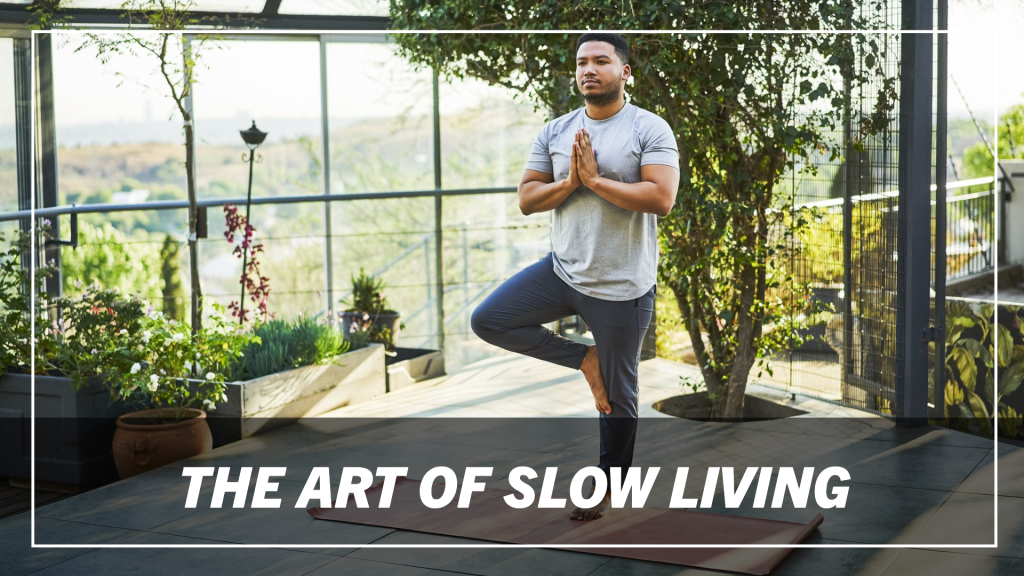
In a world that glorifies busyness, slowing down has become a radical act of self-care. Slow living is about intentionality, mindfulness, and embracing a lifestyle that prioritizes well-being over constant hustle. It’s not about doing less—it’s about doing what truly matters with purpose and presence. Let’s explore how to cultivate a slow living mindset for a more fulfilling and balanced life.
1. Embrace Intentional Mornings
The way you start your morning sets the tone for your entire day. Instead of rushing through tasks, create a slow morning routine.
- How to Practice:
- Wake up 15 minutes earlier to avoid starting the day in a rush.
- Enjoy your morning coffee or tea mindfully, savoring each sip.
- Stretch, journal, or meditate before checking your phone.
- Pro Tip: Try sunlight exposure in the morning to regulate your circadian rhythm and boost mood.
2. Prioritize Meaningful Activities Over Busyness
Being busy isn’t the same as being productive. Slow living encourages you to focus on what truly brings you joy and fulfillment.
- How to Practice:
- List your top priorities for the day and eliminate unnecessary tasks.
- Learn to say no to activities that don’t align with your values.
- Create space for hobbies, deep conversations, and self-reflection.
- Pro Tip: At the end of each day, ask yourself, “Did I spend my time in a way that aligns with my values?”
3. Eat Mindfully and Enjoy the Process
Slow living extends to how we nourish ourselves. Instead of rushing meals, cultivate a mindful eating practice.
- How to Practice:
- Cook at home more often, focusing on fresh, whole foods.
- Eat without distractions—turn off the TV and put away your phone.
- Chew slowly and appreciate the flavors, textures, and aromas of your food.
- Pro Tip: Try a gratitude pause before meals, reflecting on where your food came from.
4. Reduce Digital Overload
Technology is useful, but constant screen time can drain your energy and focus.
- How to Practice:
- Set tech-free zones, like no phones at the dinner table or in the bedroom.
- Take regular breaks from social media and digital notifications.
- Replace scrolling with analog activities like reading or journaling.
- Pro Tip: Use the 20-20-20 rule—every 20 minutes, look 20 feet away for 20 seconds to reduce eye strain.
5. Cultivate Slow, Intentional Evenings
How you end your day influences your sleep quality and emotional well-being.
- How to Practice:
- Create a calming nighttime routine with activities like journaling or gentle stretching.
- Dim the lights an hour before bed to signal to your body that it’s time to rest.
- Reflect on the day’s highlights rather than stressing over unfinished tasks.
- Pro Tip: Keep a gratitude journal by your bedside to end the day on a positive note.
Conclusion
Slow living isn’t about doing nothing—it’s about doing things with presence and purpose. By integrating mindfulness, simplifying your schedule, and creating intentional moments, you can transform your daily life into a more fulfilling and balanced experience. Start small, be consistent, and allow yourself to savor the beauty of slowing down.
For more mindfulness insights, check out my book, The Mindful Executive: https://www.amazon.com/dp/B0D75YJCLW.
 Holistic Wellness Guide