
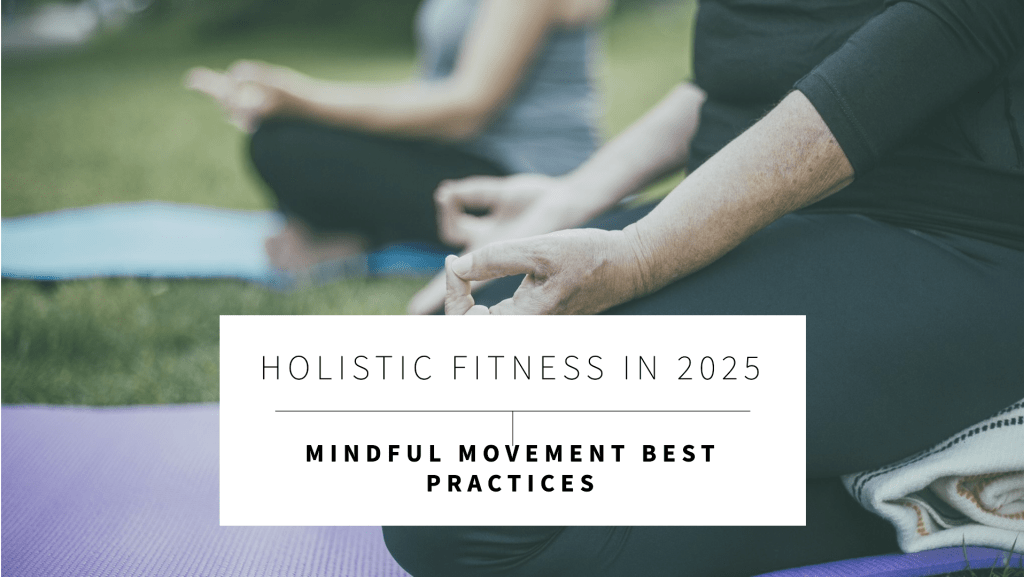
Mindful Movement: The Best Practices for Holistic Fitness in 2025

Fitness isn’t just about physical strength or appearance—it’s about creating harmony between your body, mind, and spirit. Mindful movement practices prioritize connection and presence, helping you achieve holistic wellness. As we move into 2025, integrating mindful fitness into your routine can elevate your health, reduce stress, and bring deeper fulfillment to your workouts. Here are the best mindful movement practices to embrace this year.


1. Yoga for Flexibility and Inner Peace

Yoga is a timeless practice that promotes strength, flexibility, and mindfulness. It combines movement with breath, grounding you in the present moment.

  • How to Practice:
    • Begin with beginner-friendly poses like Child’s Pose, Cat-Cow, or Downward Dog.
    • Focus on your breathing to enhance the connection between body and mind.
  • Pro Tip: Explore different styles like Hatha for relaxation or Vinyasa for a dynamic flow.

2. Tai Chi for Balance and Energy Flow

Known as “meditation in motion,” Tai Chi is a slow, flowing martial art that improves balance, flexibility, and energy circulation.

  • How to Practice:
    • Follow a Tai Chi video or join a local class to learn the foundational moves.
    • Practice outdoors to enhance the connection with nature.
  • Pro Tip: Combine Tai Chi with deep breathing to amplify its calming effects.

3. Dance as Creative Expression

Dance is a joyful way to connect with your body while expressing emotions and creativity. It boosts cardiovascular health and enhances mood.

  • How to Practice:
    • Put on your favorite music and dance freely in your living room.
    • Try dance-based workouts like Zumba or ecstatic dance for guided movement.
  • Pro Tip: Focus on how movement feels rather than how it looks.

4. Walking Meditation for Grounding

Walking meditation combines the benefits of gentle exercise with mindfulness. It’s a perfect way to calm your mind while staying active.

  • How to Practice:
    • Walk at a slow, deliberate pace, focusing on the sensation of your feet touching the ground.
    • Notice the sights, sounds, and smells around you as you walk.
  • Pro Tip: Practice walking meditation in a park or quiet area to deepen the experience.

5. Pilates for Core Strength and Focus

Pilates emphasizes controlled movements, core strength, and alignment, making it a mindful and effective workout.

  • How to Practice:
    • Start with beginner exercises like the Hundred or Roll-Up.
    • Concentrate on maintaining proper form and controlled breathing.
  • Pro Tip: Use resistance bands or a stability ball to enhance your practice.

6. Qi Gong for Vitality and Relaxation

Qi Gong is an ancient Chinese practice that combines gentle movements, breathing techniques, and meditation to cultivate energy and vitality.

  • How to Practice:
    • Follow a guided Qi Gong session to learn simple, flowing movements.
    • Practice daily for 10-15 minutes to feel its calming effects.
  • Pro Tip: Visualize energy flowing through your body during each movement.

7. Swimming for Mind-Body Synchrony

Swimming offers a full-body workout that soothes the mind and strengthens the body. The rhythmic nature of swimming promotes mindfulness.

  • How to Practice:
    • Focus on your breathing and the feeling of water supporting your body.
    • Experiment with different strokes to keep your routine engaging.
  • Pro Tip: Swim in natural bodies of water for a deeper connection with nature.

8. Stretching for Relaxation

Stretching not only improves flexibility but also calms the nervous system and releases tension stored in the body.

  • How to Practice:
    • Dedicate 5-10 minutes to stretching after your workouts or before bed.
    • Hold each stretch for at least 20-30 seconds, breathing deeply.
  • Pro Tip: Focus on areas where you tend to carry tension, like your shoulders or hips.

9. Strength Training with Intention

Strength training can be a mindful practice when approached with focus and purpose. Lifting weights mindfully enhances both physical and mental strength.

  • How to Practice:
    • Pay attention to your form and the sensation of your muscles working.
    • Breathe deeply and exhale during exertion for better focus and control.
  • Pro Tip: Use lighter weights and slower movements to build control.

10. Nature-Based Exercise for Serenity

Exercising in nature combines physical activity with the therapeutic effects of the outdoors, reducing stress and boosting well-being.

  • How to Practice:
    • Go for a hike, practice yoga in a park, or jog along a nature trail.
    • Pause to take in the beauty of your surroundings.
  • Pro Tip: Make it a weekly ritual to exercise outdoors for a mood boost.

Conclusion

Mindful movement transforms fitness into a holistic practice, fostering balance and connection between your body, mind, and spirit. By exploring these practices, you can create a fitness routine that aligns with your values and promotes overall well-being. Start small, experiment with different approaches, and find what resonates with your unique journey toward holistic fitness.


For more inspiration on living mindfully and embracing balance, check out my book, The Mindful Executive: https://www.amazon.com/dp/B0D75YJCLW.

How a Busy Doctor Reversed His Age by 20 Years: A Comprehensive Guide

Introduction

Dr. John Smith, a renowned physician, has astonished the medical community by reversing his age by 20 years through a disciplined workout routine. His transformation showcases the incredible benefits of maintaining a structured fitness regimen, even for those with demanding schedules.

Dr. Smith’s Workout Routine

1. Morning Cardio Sessions

  • Activity: 30-minute high-intensity interval training (HIIT)
  • Benefits: Boosts metabolism, enhances cardiovascular health, and promotes weight loss.
  • Tips: Dr. Smith suggests starting the day with HIIT to kickstart energy levels and burn fat efficiently.

2. Strength Training

  • Activity: 45-minute strength training, focusing on different muscle groups each day.
  • Benefits: Builds muscle mass, improves bone density, and increases overall strength.
  • Tips: Incorporate exercises like squats, deadlifts, and bench presses for comprehensive muscle engagement.

3. Flexibility and Mobility Workouts

  • Activity: 15-minute daily yoga or stretching routine.
  • Benefits: Enhances flexibility, reduces muscle stiffness, and prevents injuries.
  • Tips: Dr. Smith recommends incorporating yoga poses that target multiple muscle groups and improve balance.

4. Evening Walks

  • Activity: 30-minute brisk walk or light jog.
  • Benefits: Promotes mental clarity, aids digestion, and improves sleep quality.
  • Tips: Use evening walks as a time to unwind and reflect on the day.

Nutritional Support

1. Balanced Diet

  • Components: High protein, moderate healthy fats, low refined sugars.
  • Benefits: Supports muscle recovery, boosts energy, and maintains overall health.
  • Tips: Dr. Smith emphasizes the importance of a diet rich in lean meats, vegetables, and whole grains.

2. Hydration

  • Routine: Drinking at least 3 liters of water daily.
  • Benefits: Maintains hydration, aids in detoxification, and improves skin health.
  • Tips: Keep a water bottle handy and set reminders to drink water throughout the day.

3. Supplements

  • Inclusions: Omega-3 fatty acids, vitamin D, and multivitamins.
  • Benefits: Supports overall health, enhances immune function, and fills nutritional gaps.
  • Tips: Consult with a healthcare provider before starting any supplement regimen.

Mental Well-Being

1. Meditation and Mindfulness

  • Activity: 10-minute daily meditation practice.
  • Benefits: Reduces stress, enhances focus, and promotes emotional balance.
  • Tips: Dr. Smith practices mindfulness to stay present and manage the stress of a busy schedule.

2. Quality Sleep

  • Routine: Ensuring 7-8 hours of sleep every night.
  • Benefits: Supports physical recovery, improves cognitive function, and maintains mood balance.
  • Tips: Establish a regular sleep schedule and create a restful sleeping environment.

Call to Action:

Embrace a balanced fitness routine, just like Dr. John Smith, to experience transformative health benefits. Visit Holistic Wellness Guide for more tips and insights on maintaining a healthy lifestyle.

#FitnessJourney #HealthyLiving #AgeReversal #WellnessRoutine #BalancedDiet #MentalHealth #StrengthTraining #Hydration #Mindfulness

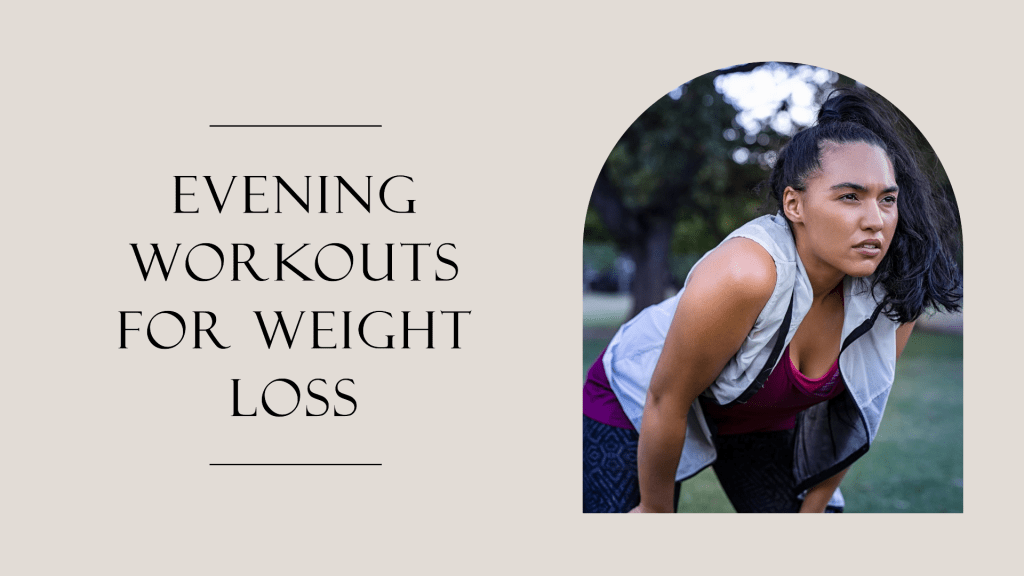
The Ultimate Evening Workouts for Weight Loss and Better Sleep

Finding the right time to exercise can significantly impact your weight loss journey and sleep quality. While morning workouts are popular, evening workouts have unique benefits. Here are six of the best evening workouts that can help you achieve your fitness goals and improve your sleep.


1. Evening Jogging

Jogging in the evening can help you unwind after a long day. It improves cardiovascular health and burns calories effectively. The cooler evening air can also make jogging more comfortable compared to the heat of the day.

Learn more about the benefits of evening jogging: Healthline


2. Yoga for Relaxation

Practicing yoga in the evening can be incredibly beneficial for both your body and mind. Yoga helps reduce stress, improve flexibility, and prepare your body for restful sleep. Poses like the child’s pose and savasana are perfect for winding down.

Explore evening yoga routines: Yoga Journal


3. Strength Training

Evening strength training can boost your metabolism and promote muscle growth. Exercises like weight lifting, resistance band workouts, and bodyweight exercises are effective ways to build strength and burn calories.

Discover effective strength training exercises: Verywell Fit


4. Cycling

Cycling in the evening is a great cardiovascular workout that can help with weight loss. It’s a low-impact exercise that’s easy on the joints and allows you to enjoy the outdoors or use a stationary bike indoors.

Find cycling tips and benefits: Bicycling


5. Swimming

Swimming is an excellent full-body workout that can be done in the evening to promote relaxation and weight loss. It’s a low-impact exercise that can help improve cardiovascular health and build muscle.

Learn more about the benefits of swimming: Swim England


6. Pilates

Pilates is a great way to improve core strength, flexibility, and posture. Evening Pilates sessions can help reduce stress and tension in your body, making it easier to fall asleep.

Explore Pilates routines: Pilates Foundation


Call to Action

Incorporate these evening workouts into your routine to maximize weight loss and enhance your sleep quality. For more tips and wellness guides, visit Holistic Wellness Guide.

#Fitness #EveningWorkouts #WeightLoss #BetterSleep #Yoga #StrengthTraining #Cycling #Swimming #Pilates #HealthyLiving

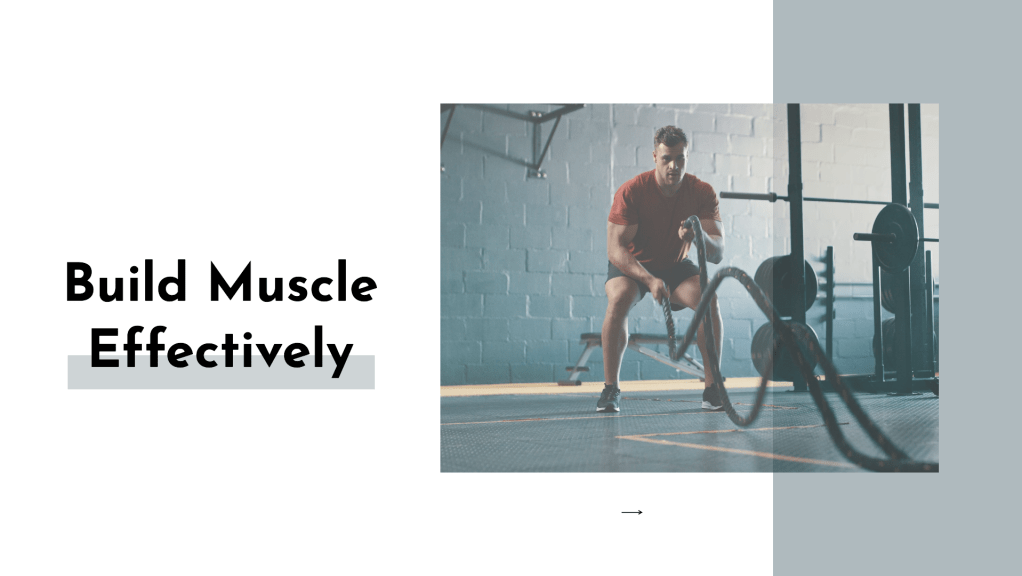
10 Essential Habits to Build Muscle Effectively

Building muscle requires a combination of proper nutrition, effective training, and consistent habits. Here are ten essential habits to help you build muscle effectively, with helpful links for further reading.

1. Consistent Strength Training

Engage in regular strength training exercises at least three times a week. Focus on compound movements like squats, deadlifts, and bench presses that work multiple muscle groups simultaneously. Follow a structured training program to progressively increase the weight and intensity of your workouts. For a comprehensive guide, check out this strength training resource.

2. Prioritize Protein Intake

Protein is crucial for muscle repair and growth. Aim for 1.6 to 2.2 grams of protein per kilogram of body weight daily. Include high-quality protein sources such as lean meats, fish, eggs, dairy products, legumes, and protein supplements in your diet. Learn more about protein intake.

3. Stay Hydrated

Hydration is vital for overall health and muscle function. Drink plenty of water throughout the day, especially before, during, and after workouts. Staying hydrated helps maintain energy levels, improve performance, and aid in recovery. Read about the importance of hydration.

4. Get Adequate Sleep

Quality sleep is essential for muscle recovery and growth. Aim for 7-9 hours of sleep each night to ensure your body has enough time to repair and build muscle tissue. Establish a regular sleep routine and create a sleep-friendly environment. Explore tips for better sleep.

5. Eat Balanced Meals

A balanced diet provides the necessary nutrients for muscle growth. Include a mix of carbohydrates, proteins, and fats in your meals. Carbohydrates fuel your workouts, proteins aid in muscle repair, and fats support hormone production. Find balanced meal ideas.

6. Track Your Progress

Keep a training journal to track your workouts, weights, and repetitions. Monitoring your progress helps you stay motivated and make necessary adjustments to your training program. Regularly review and update your goals based on your progress. Learn how to track your fitness progress.

7. Manage Stress

Chronic stress can hinder muscle growth by increasing cortisol levels, which can break down muscle tissue. Practice stress management techniques such as meditation, deep breathing exercises, and mindfulness to keep stress levels in check. Discover stress management techniques.

8. Incorporate Rest Days

Rest days are crucial for muscle recovery. Avoid overtraining by scheduling rest days into your workout routine. On rest days, focus on light activities such as walking or stretching to promote blood flow and recovery. Read about the importance of rest days.

9. Use Proper Form

Using proper form during exercises minimizes the risk of injury and ensures you are effectively targeting the intended muscle groups. Consider working with a trainer or watching instructional videos to learn the correct techniques. Learn proper form.

10. Stay Consistent

Consistency is key to building muscle. Stick to your training and nutrition plan, and be patient with your progress. Building muscle takes time and dedication, but with consistent effort, you will see results. Explore tips for staying consistent.

Call to Action

Start incorporating these habits into your daily routine to build muscle effectively and achieve your fitness goals. Visit Holistic Wellness Guide for more tips and insights on maintaining a healthy and balanced lifestyle.