
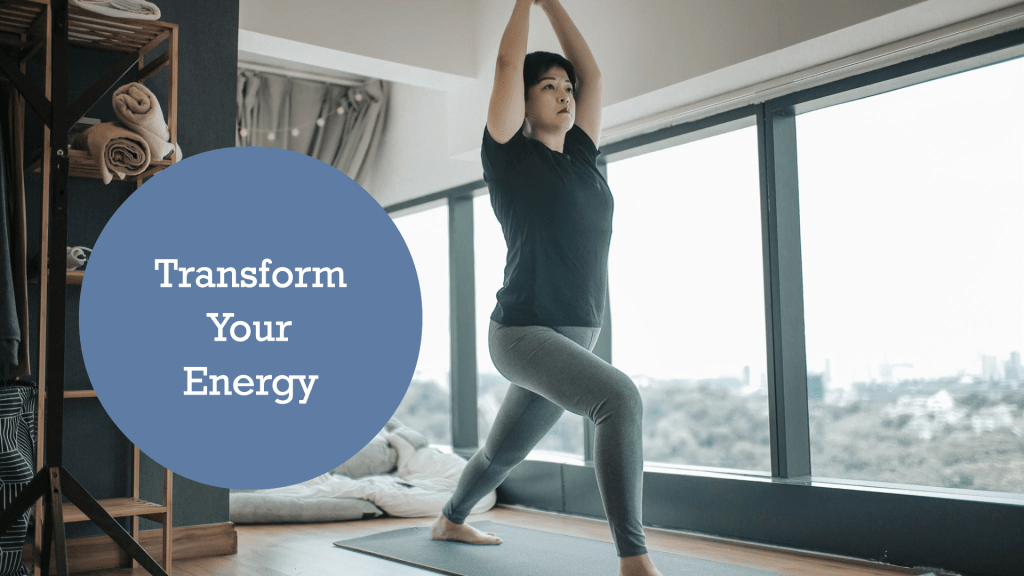
10 Transformative Practices to Release Negative Energy and Renew Your Spirit

Negative energy can creep into our lives in subtle ways, draining our vitality and weighing down our spirit. Holding onto stress, unresolved emotions, or unhelpful habits can create energetic blockages, affecting mental, physical, and emotional well-being. Releasing negative energy is essential to cultivate a refreshed, positive outlook. Here are 10 transformative practices to help you let go of negativity and renew your spirit.


1. Practice Energy Cleansing with Visualization

Visualization is a powerful way to clear negative energy and replenish yourself. By imagining energy moving through you, you can shift your mindset and release emotional burdens.

  • How to Practice: Close your eyes and imagine a bright, white light moving from the top of your head to your toes. Visualize this light washing away any negativity, leaving you with a refreshed, calm energy.

2. Let Go with a Symbolic Release Ritual

Physical symbols can help you process and release negative emotions. A release ritual allows you to let go of what no longer serves you, making space for renewal.

  • How to Practice: Write down anything that’s troubling you, then safely burn or tear the paper as a symbolic release. As you do, focus on letting go of each thought, feeling lighter with every piece that’s released.

3. Use Salt Baths for Energetic Detoxification

Salt has long been used for purification and energy cleansing. Taking a salt bath can draw out negative energy from your body, leaving you feeling relaxed and recharged.

  • How to Practice: Add 1-2 cups of Epsom or Himalayan salt to a warm bath. Soak for 20 minutes, visualizing any negativity dissolving into the water.

4. Practice Reframing Negative Thoughts

Shifting your perspective on negative thoughts helps reduce their impact. Reframing turns challenges into learning opportunities, creating a more positive mindset.

  • How to Practice: When a negative thought arises, consciously reframe it with a positive or neutral perspective. For example, change “I’m always failing” to “I’m learning from each experience.”

5. Use Sound Therapy to Shift Energy

Sound has a unique ability to alter our mood and energy. Using sound, like Tibetan singing bowls or chimes, can help clear negativity and bring a sense of harmony.

  • How to Practice: Spend a few minutes listening to calming sounds or using a singing bowl to create peaceful vibrations. Let the sound move through you, washing away any tension.

6. Practice Grounding with the Earth

Reconnecting with the earth helps neutralize negative energy. Grounding practices, like walking barefoot, allow you to absorb the earth’s natural energy, restoring balance.

  • How to Practice: Spend time outdoors, standing barefoot on grass or soil. Focus on the sensations beneath your feet and visualize any stress draining into the ground.

7. Create a “No Negativity” Zone at Home

Declaring certain areas of your home as negativity-free zones can create a peaceful space to recharge. This space can act as a sanctuary from daily stress.

  • How to Practice: Choose a small area, like a corner or a room, and fill it with objects that bring you peace—like plants, candles, or soothing artwork. Make a commitment to only bring positive thoughts into this space.

8. Cleanse with Essential Oils

Certain essential oils, like sage, frankincense, and lavender, are known for their cleansing properties. Using these oils can uplift your mood and clear negative energy.

  • How to Practice: Diffuse essential oils in your home, or apply a few drops (diluted) to your wrists and inhale deeply. Focus on feeling lighter with each breath.

9. Engage in Energy-Release Exercises

Physical movement can release pent-up energy, leaving you feeling renewed. High-energy exercises help you process stress and create emotional balance.

  • How to Practice: Try a form of movement that allows you to release energy, like dancing, kickboxing, or even shaking out your body. Focus on letting go of tension with each movement.

10. Use Affirmations for Positive Energy

Positive affirmations shift your energy by reinforcing uplifting thoughts. Repeating affirmations regularly can create an internal environment that blocks negativity.

  • How to Practice: Write down a few affirmations that resonate with you, such as “I am free from negativity” or “I welcome peace into my life.” Repeat them in the morning and before bed for a consistent positive mindset.

Conclusion

Releasing negative energy and renewing your spirit requires a combination of awareness, intention, and small actions. By incorporating these practices into your routine, you create a foundation of calm and resilience that allows you to face life’s challenges with positivity. Choose the practices that resonate most with you, and embrace a journey of renewal and self-empowerment.


For more transformative wellness practices, check out my book, The Mindful Executive: https://www.amazon.com/dp/B0D75YJCLW.
10 Holistic Sleep Tips to Rest Your Mind, Body, and Spirit

A good night’s sleep is one of the most important pillars of health, yet so many of us struggle to get the rest we need. Poor sleep not only affects your physical energy but also your mental clarity, mood, and overall well-being. Incorporating holistic practices into your bedtime routine can help improve sleep quality and allow your body, mind, and spirit to rejuvenate. Here are 10 holistic sleep tips to help you rest deeply and wake up feeling refreshed.

1. Create a Calming Bedtime Routine

Establishing a consistent bedtime routine signals to your body that it’s time to wind down. Engaging in relaxing activities like reading, journaling, or taking a warm bath can ease you into a peaceful sleep state.

  • Tip: Start your bedtime routine at least 30 minutes before bed and stick to it every night to condition your body for rest.

2. Use Essential Oils for Relaxation

Aromatherapy can be a powerful tool for promoting relaxation and improving sleep. Essential oils like lavender, chamomile, and cedarwood are known for their calming properties.

  • Tip: Diffuse lavender essential oil in your bedroom or apply a few drops to your pillow to create a soothing environment.

3. Practice Mindful Breathing

Stress and anxiety can interfere with your ability to fall asleep. Practicing mindful breathing before bed can help calm your nervous system and quiet your mind.

  • Tip: Try a simple breathing exercise: Inhale for 4 counts, hold for 4, exhale for 4, and repeat for 5-10 minutes to relax your body.

4. Limit Blue Light Exposure

Blue light from phones, tablets, and computers can disrupt your circadian rhythm and interfere with melatonin production. Limiting blue light exposure before bed is crucial for better sleep.

  • Tip: Turn off electronics at least 30 minutes before bedtime or use blue light-blocking glasses if you need to use devices in the evening.

5. Drink Herbal Teas for Relaxation

Herbal teas like chamomile, valerian root, and passionflower can have a calming effect on the body and promote sleepiness. Sipping a warm cup of herbal tea before bed can be a soothing part of your routine.

  • Tip: Make a cup of chamomile tea 30 minutes before bed to help you relax and unwind.

6. Set a Consistent Sleep Schedule

Going to bed and waking up at the same time every day helps regulate your body’s internal clock, making it easier to fall asleep and wake up naturally.

  • Tip: Choose a bedtime that allows for 7-8 hours of sleep and stick to it, even on weekends.

7. Create a Sleep Sanctuary

Your sleep environment plays a significant role in the quality of your rest. A clean, calm, and cozy space will help your body relax and prepare for sleep.

  • Tip: Use soft lighting, calming colors, and declutter your bedroom to create a peaceful atmosphere.

8. Practice Gratitude Journaling

Ending the day with a gratitude practice can shift your focus from stress to positivity, helping you relax and fall asleep with a calm mind.

  • Tip: Spend a few minutes before bed writing down three things you are grateful for from the day.

9. Try Sound Therapy

Sound therapy, such as listening to calming music, white noise, or binaural beats, can help soothe the mind and body, creating an ideal environment for sleep.

  • Tip: Play soft, calming sounds or a sleep meditation track as you prepare for bed to help ease into relaxation.

10. Limit Caffeine and Heavy Meals in the Evening

What you consume in the hours leading up to bedtime can greatly affect your sleep. Caffeine and heavy meals can disrupt your body’s ability to wind down and interfere with restful sleep.

  • Tip: Avoid caffeine after 2 PM and opt for lighter, easy-to-digest meals in the evening to help your body prepare for rest.

Conclusion

Improving your sleep doesn’t require drastic changes—small, mindful adjustments to your bedtime routine can lead to more restful nights and better overall health. By creating a calming environment, practicing relaxation techniques, and supporting your body with holistic approaches, you can enjoy deeper, more rejuvenating sleep that benefits your mind, body, and spirit.


For more tips on holistic wellness, check out my book, The Mindful Executive: https://www.amazon.com/dp/B0D75YJCLW.

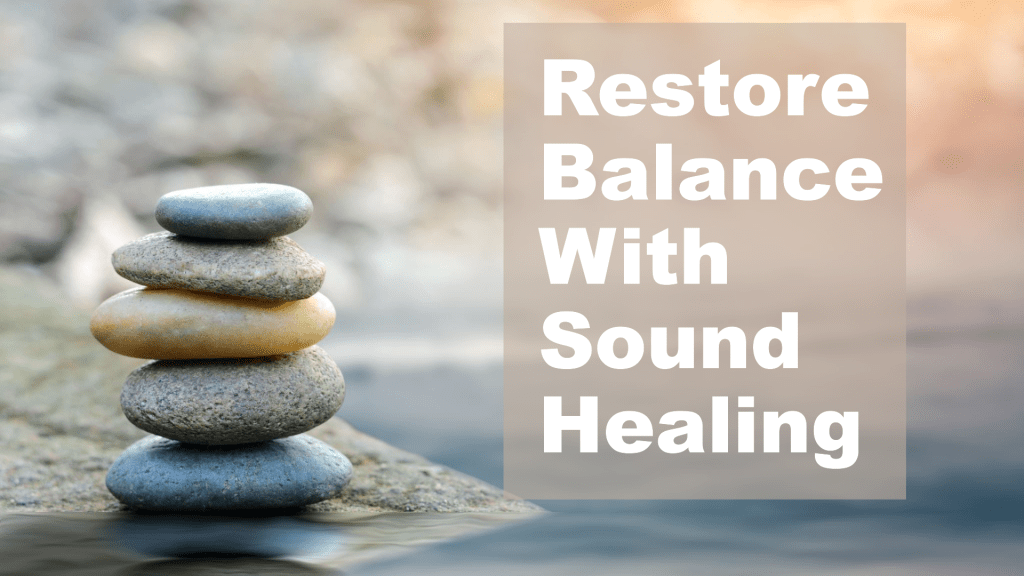
Tuning the Body’s Frequencies: How Sound Healing Can Restore Balance

In recent years, there has been a resurgence in the use of ancient healing practices, and one that is gaining particular attention is sound healing. Sound has long been recognized as a tool for relaxation and emotional well-being, but it’s much more than that. Sound healing uses specific frequencies to influence the energy fields in the body, promoting physical, emotional, and mental balance. In a world filled with stress, this natural and holistic approach offers a simple yet powerful way to restore harmony in the body and mind.

The Science Behind Sound Healing

Sound healing isn’t just spiritual or metaphysical—it has scientific backing. Everything in the universe vibrates at a specific frequency, including our bodies. When we experience illness, stress, or emotional imbalances, our body’s frequencies can become misaligned. By using specific sounds and vibrations, sound healing helps to re-tune the body to its optimal frequency, much like tuning a musical instrument.

Different sound frequencies affect different parts of the body. For instance:

  • 432 Hz is known for its calming effects, promoting relaxation and harmony.
  • 528 Hz is often called the “miracle tone” and is believed to repair DNA and promote healing.
  • 963 Hz is associated with spiritual connection and awakening.

Types of Sound Healing

There are various types of sound healing, each offering unique benefits. Let’s explore some of the most popular methods:

  1. Tibetan Singing Bowls
    These metal bowls produce harmonic sounds when struck or circled with a mallet. The vibrations from the bowl are believed to penetrate the body, helping to release tension and stress. Tibetan bowls are often used in meditation or during energy healing sessions to align the body’s chakras.
    • Tip: Use a singing bowl at the beginning or end of your meditation practice to enhance focus and relaxation.
  2. Crystal Singing Bowls
    Made from quartz crystal, these bowls produce a purer, more ethereal sound compared to their Tibetan counterparts. They are often associated with healing on a cellular level, as the quartz amplifies the sound’s vibrational frequency, promoting deeper healing.
    • Tip: Incorporate crystal singing bowls into your yoga or meditation practice to deepen your connection with your body.
  3. Binaural Beats
    Binaural beats are an auditory illusion created by playing slightly different frequencies in each ear. The brain perceives a third tone, known as a binaural beat, which can influence brainwave activity. This method is particularly effective in promoting relaxation, focus, and sleep.
    • Tip: Listen to binaural beats before bed to improve sleep quality or use them to enhance focus while working or studying.
  4. Gongs and Tuning Forks
    Gongs have been used for thousands of years in ceremonies and rituals, producing deep, reverberating sounds that are said to heal the body and mind. Tuning forks, on the other hand, are more targeted, used to tune specific areas of the body by applying vibration to acupuncture points or energy centers.
    • Tip: Try using a tuning fork on acupressure points to relieve tension or blockages in the body’s energy flow.

How Sound Healing Works

The mechanism behind sound healing lies in its ability to resonate with the body’s energy fields. When the body is exposed to harmonious sounds, it entrains or aligns its frequencies to match the healing tones. This process of entrainment helps to regulate brain waves, balance emotions, and improve overall health.

In addition to promoting relaxation, sound healing is believed to:

  • Reduce stress and anxiety
  • Improve concentration and focus
  • Relieve physical pain
  • Enhance creativity and intuition
  • Balance the body’s energy centers (chakras)

How to Incorporate Sound Healing into Your Wellness Routine

Integrating sound healing into your daily routine is easier than you might think. Here are a few practical ways to bring the power of sound into your life:

  1. Morning Sound Bath:
    Start your day with a short sound bath using a Tibetan or crystal singing bowl. This can set a positive tone for the day and align your energy.
  2. Guided Meditation with Binaural Beats:
    Listen to guided meditations that incorporate binaural beats to deepen your mindfulness practice. These frequencies can help you focus better, calm your mind, and reduce stress.
  3. Use Sound for Sleep:
    To enhance your sleep quality, play binaural beats or calming nature sounds (like rain or ocean waves) as you drift off. The right frequencies can help guide your brain into a state of deep relaxation.
  4. Healing with Gongs or Tuning Forks:
    If you have access to these instruments, use them during meditation or yoga practices. Alternatively, there are sound healing therapists who can offer more structured sound healing sessions.

The Future of Sound Healing

Sound healing is not just a trend; it’s a re-discovery of ancient knowledge that is now being supported by modern science. As more people seek out natural ways to heal, we can expect sound healing to become more prominent in wellness spaces. With further research, we might see sound therapy integrated into mainstream medical treatments, offering a complementary approach to conventional medicine.

Conclusion

Sound healing is a powerful tool that can restore balance in a chaotic world. Whether through Tibetan singing bowls, crystal bowls, binaural beats, or gongs, the vibrations from these healing sounds resonate deep within the body, helping to alleviate stress, anxiety, and physical discomfort. By incorporating sound healing into your wellness routine, you can attune your body’s frequencies to promote holistic well-being and harmony.


For more ways to enhance your wellness journey, check out my book, The Mindful Executive: https://www.amazon.com/dp/B0D75YJCLW.