Achieving clear skin doesn’t have to involve harsh chemicals. These natural remedies can help clear up acne and leave your skin glowing.
1. Tea Tree Oil Spot Treatment
Ingredients: A few drops of tea tree oil, a cotton swab
Instructions: Dip a cotton swab in tea tree oil and apply directly to blemishes. Leave on overnight.
Story: Emma, a college student, struggled with occasional breakouts. She started using tea tree oil as a spot treatment and saw her skin clear up significantly. Emma now relies on this natural remedy for quick and effective acne control.
2. Apple Cider Vinegar Toner
Ingredients: 1 part apple cider vinegar, 2 parts water
Instructions: Mix apple cider vinegar with water and apply to the face with a cotton pad after cleansing.
Story: Mike, a fitness enthusiast, wanted a natural solution for his oily skin. He began using apple cider vinegar as a toner, which helped balance his skin’s pH and reduce oiliness. Mike now enjoys a clearer complexion and fewer breakouts.
Instructions: Mix turmeric and honey, apply to the face, leave for 15-20 minutes, then rinse off with warm water.
Story: Sara, a busy mom, found her skin looking dull and tired. She tried a turmeric and honey mask, which brightened her complexion and reduced inflammation. Sara now uses this mask weekly to maintain her clear, glowing skin.
Holistic skin care focuses on nurturing your skin through natural, wholesome methods that promote overall health and well-being. By using natural remedies and embracing a holistic approach, you can achieve healthy, glowing skin without relying on harsh chemicals or synthetic products. Here’s how to incorporate holistic skin care into your daily routine.
1. Hydration: Drink Plenty of Water
Staying hydrated is essential for maintaining healthy skin. Water helps to flush out toxins, keep skin cells hydrated, and maintain a youthful appearance.
Example: Aim to drink at least 8 glasses of water a day. Herbal teas and water-rich fruits like watermelon and cucumber can also help keep your skin hydrated.
2. Balanced Diet: Nourish Your Skin from Within
What you eat has a direct impact on your skin’s health. A balanced diet rich in vitamins, minerals, and antioxidants can promote clear, radiant skin.
Example: Include plenty of fresh fruits and vegetables, whole grains, lean proteins, and healthy fats in your diet. Foods like berries, leafy greens, nuts, and fatty fish are particularly beneficial for skin health.
3. Regular Cleansing: Keep Your Skin Clean
Cleansing your skin regularly helps remove dirt, oil, and impurities that can clog pores and lead to breakouts.
Example: Use a gentle, natural cleanser twice a day. Ingredients like honey, oatmeal, and aloe vera are effective and soothing for the skin.
4. Exfoliation: Remove Dead Skin Cells
Exfoliating your skin helps to remove dead skin cells and promote cell turnover, resulting in a brighter complexion.
Example: Exfoliate 1-2 times a week using a natural scrub made from ingredients like sugar, coffee grounds, or ground almonds mixed with a bit of coconut oil or honey.
5. Moisturization: Keep Your Skin Hydrated
Moisturizing is crucial for maintaining skin hydration and preventing dryness. Natural oils and butter can provide deep nourishment and hydration.
Example: Use natural moisturizers such as coconut oil, shea butter, or jojoba oil. Apply them after cleansing and exfoliating to lock in moisture.
6. Sun Protection: Shield Your Skin from UV Damage
Protecting your skin from the sun’s harmful UV rays is essential to prevent premature aging and skin damage.
Example: Use a natural sunscreen with ingredients like zinc oxide or titanium dioxide. Wear protective clothing and seek shade during peak sun hours.
7. Natural Face Masks: Pamper Your Skin
Face masks made from natural ingredients can provide targeted treatment for various skin concerns, such as dryness, acne, or dullness.
Example: Try a DIY face mask with ingredients like mashed avocado, yogurt, honey, or turmeric. Apply the mask once a week for a skin-boosting treatment.
Stress can negatively impact your skin, leading to breakouts and other issues. Managing stress is crucial for maintaining healthy skin.
Example: Practice stress-reducing activities such as yoga, meditation, deep breathing exercises, or spending time in nature. These practices can help keep your skin calm and clear.
9. Adequate Sleep: Give Your Skin Time to Repair
Getting enough sleep is essential for skin repair and regeneration. Aim for 7-9 hours of quality sleep each night.
Example: Establish a regular sleep routine and create a restful environment by keeping your bedroom cool, dark, and quiet. Consider using a silk pillowcase to reduce friction and prevent wrinkles.
Many commercial skin care products contain harsh chemicals that can irritate the skin. Opt for natural, non-toxic products instead.
Example: Look for products that are free from parabens, sulfates, synthetic fragrances, and other harmful chemicals. Read labels carefully and choose products with natural ingredients.
DIY Natural Remedies for Skin Care
1. Honey and Lemon Face Mask
Honey is a natural humectant and has antibacterial properties, while lemon brightens and exfoliates the skin.
Aromatherapy, the practice of using essential oils extracted from plants for therapeutic purposes, has been used for centuries to promote health and wellness. These oils can positively affect both the mind and body, offering a natural way to improve overall well-being. Here’s how you can harness the healing power of aromatherapy and essential oils to enhance your health and wellness.
Understanding Aromatherapy
Aromatherapy involves the use of essential oils, which are concentrated extracts from the roots, leaves, seeds, or blossoms of plants. These oils contain the plant’s essence and are believed to have healing properties when inhaled or applied to the skin.
Benefits of Aromatherapy
Aromatherapy can provide numerous benefits, including reducing stress, improving mood, enhancing sleep, and relieving pain. Different essential oils have unique properties that can address specific health concerns.
Popular Essential Oils and Their Benefits
1. Lavender
Lavender oil is widely known for its calming and relaxing properties. It can help reduce anxiety, improve sleep quality, and alleviate headaches.
Benefits: Reduces stress and anxiety, improves sleep, relieves headaches.
Example: Add a few drops of lavender oil to your pillow or use it in a diffuser before bedtime to promote restful sleep.
2. Peppermint
Peppermint oil has a refreshing and invigorating scent. It’s often used to relieve headaches, improve focus, and alleviate digestive issues.
Example: Inhale peppermint oil directly from the bottle or add a few drops to a tissue and breathe deeply to relieve a headache.
3. Eucalyptus
Eucalyptus oil is known for its ability to clear the respiratory system and relieve congestion. It also has anti-inflammatory and pain-relieving properties.
Example: Add a few drops of lemon oil to a diffuser to create an energizing atmosphere in your home or office.
6. Frankincense
Frankincense oil is known for its grounding and calming effects. It’s often used in meditation and yoga practices to promote mental clarity and relaxation.
Example: Add a few drops of ylang ylang oil to your bath or diffuser to create a calming and uplifting atmosphere.
How to Use Essential Oils
1. Diffusion
Using a diffuser is one of the most popular ways to enjoy the benefits of essential oils. Diffusers disperse the oils into the air, allowing you to inhale their therapeutic scents.
Example: Add 5-10 drops of your favorite essential oil to a diffuser filled with water. Turn it on and enjoy the aroma.
2. Inhalation
Direct inhalation involves breathing in the essential oil directly from the bottle or from a tissue with a few drops of the oil.
Example: Place a few drops of essential oil on a tissue and hold it close to your nose. Inhale deeply for several breaths.
3. Topical Application
Essential oils can be applied to the skin, but they should be diluted with a carrier oil to prevent irritation.
Example: Mix a few drops of essential oil with a carrier oil, such as coconut or jojoba oil, and apply it to your wrists, neck, or temples.
4. Bathing
Adding essential oils to your bath can enhance relaxation and provide therapeutic benefits.
Example: Add 5-10 drops of essential oil to your bathwater along with a cup of Epsom salts for a soothing and aromatic experience.
5. Massage
Incorporating essential oils into a massage can enhance relaxation and provide additional health benefits.
Example: Dilute essential oils with a carrier oil and use the mixture for a relaxing massage.
Safety Tips for Using Essential Oils
Always dilute essential oils with a carrier oil before applying them to the skin.
Perform a patch test to check for allergic reactions.
Use essential oils in well-ventilated areas.
Keep essential oils out of reach of children and pets.
Consult with a healthcare professional before using essential oils, especially if you are pregnant, nursing, or have a medical condition.
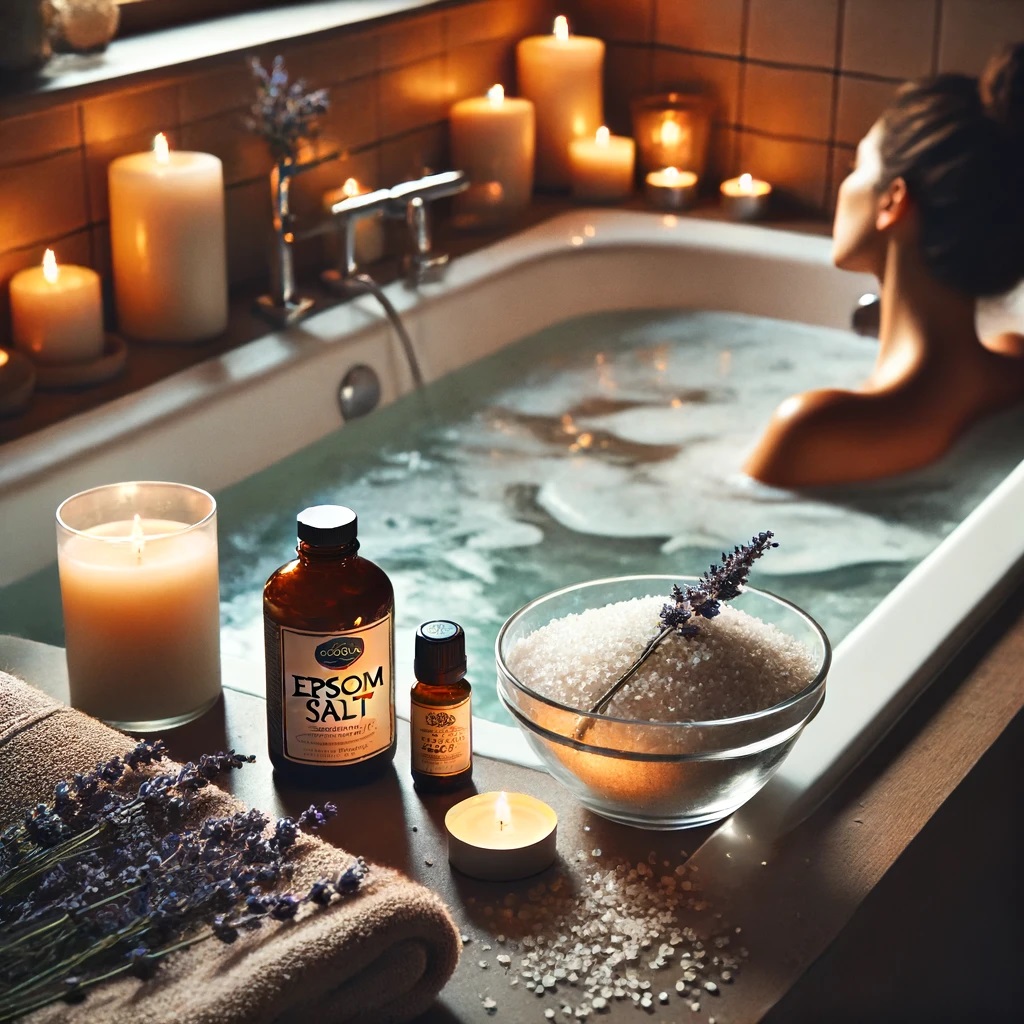
Epsom salt baths are a simple yet powerful way to improve your overall well-being. The magnesium and sulfate in Epsom salts provide numerous health benefits, from relieving muscle pain to reducing stress. Here’s how you can discover the healing power of Epsom salt baths.
Relieving Muscle Pain and Tension: Epsom salts are known for their ability to relax muscles and alleviate pain. The magnesium in Epsom salts helps reduce inflammation and ease muscle cramps.
Example: Add two cups of Epsom salts to your bathwater and soak for at least 20 minutes to relieve muscle soreness after a workout.
Reducing Stress and Promoting Relaxation: Soaking in an Epsom salt bath can help reduce stress and promote relaxation. The warm water combined with the soothing properties of magnesium helps calm the nervous system.
Example: Create a spa-like experience at home by adding a few drops of lavender essential oil to your Epsom salt bath and soaking in the tranquility.
Detoxifying the Body: Epsom salts can help draw out toxins from the body, promoting detoxification. This can help improve skin health and overall wellness.
Example: Take a detox bath by mixing Epsom salts with baking soda and soaking for 20-30 minutes. This can help cleanse your body and leave your skin feeling refreshed.
Improving Skin Health: Epsom salts can help exfoliate the skin, removing dead skin cells and leaving your skin soft and smooth. They also help reduce inflammation and treat conditions like eczema and psoriasis.
Example: Use Epsom salts as a gentle exfoliant by mixing them with a bit of water or oil and massaging onto your skin in the shower.
Promoting Better Sleep: A warm Epsom salt bath before bed can help improve sleep quality. The magnesium helps relax your muscles and mind, making it easier to fall asleep.
Example: Incorporate Epsom salt baths into your nightly routine to help you wind down and prepare for a restful night’s sleep.
Practical Tips for Epsom Salt Baths:
Choose the Right Epsom Salts:
Look for high-quality, pure Epsom salts without added fragrances or chemicals.
Set the Mood:
Create a relaxing environment with dim lighting, candles, and calming music to enhance your bath experience.
Stay Hydrated:
Drink plenty of water before and after your bath to stay hydrated and support the detoxification process.
Regular Routine:
Incorporate Epsom salt baths into your weekly routine for ongoing benefits to your health and well-being.
By incorporating Epsom salt baths into your self-care routine, you can experience their powerful healing benefits and enhance your overall well-being.


 Holistic Wellness Guide