

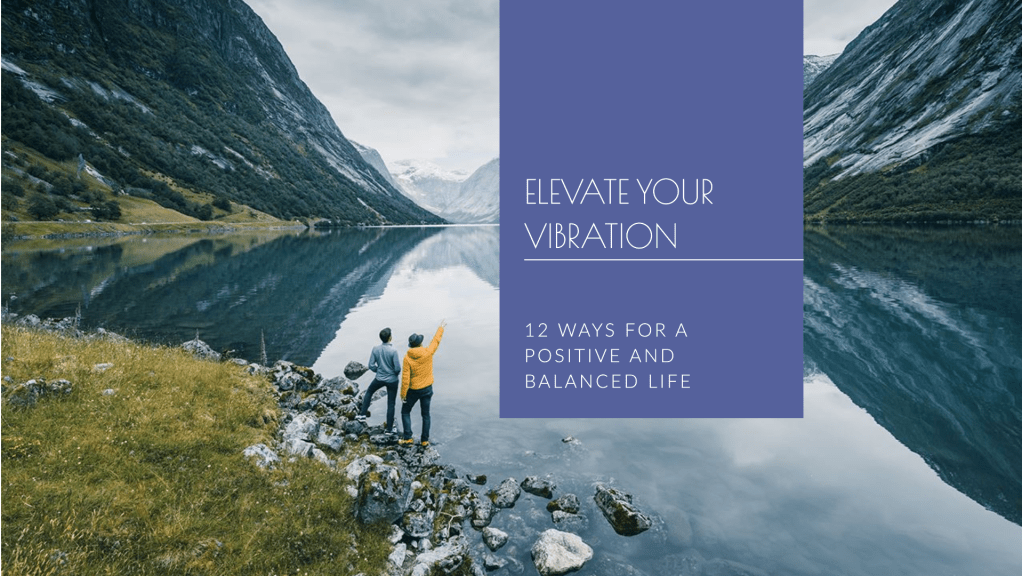
12 Ways to Elevate Your Vibration for a Positive and Balanced Life

Raising your vibration is about aligning your energy with positivity, balance, and inner peace. When you operate at a higher vibrational frequency, you attract positivity, connect more deeply with yourself, and experience an overall sense of well-being. Here are 12 transformative practices to help you elevate your vibration, creating a harmonious, energized life.


1. Practice Daily Gratitude

Gratitude is a powerful way to raise your vibration by shifting focus to the positive aspects of your life. Acknowledging even small blessings can bring joy, which uplifts your entire energy.

  • How to Practice: Each day, write down three things you’re grateful for, focusing on the feeling of gratitude. Reflecting on these moments with appreciation helps create a positive mindset.

2. Nourish Your Body with High-Vibration Foods

The foods we consume have their own energy. Fresh fruits, vegetables, whole grains, and other unprocessed foods carry high vibrational energy, enhancing both your physical and mental well-being.

  • How to Practice: Incorporate more whole foods into your diet, focusing on colorful fruits, leafy greens, and foods rich in antioxidants. Avoid processed foods, which tend to carry lower vibrational energy.

3. Connect with Nature Regularly

Nature’s pure, grounding energy naturally raises your vibration. Time outdoors helps calm the mind, balances energy, and provides a sense of connectedness.

  • How to Practice: Spend at least 10-15 minutes each day in nature. Walk barefoot on grass, sit under a tree, or enjoy the beauty around you to feel grounded and recharged.

4. Practice Forgiveness to Release Negative Energy

Holding onto grudges or resentment lowers your vibration. Practicing forgiveness allows you to release negative energy, freeing up space for love, compassion, and positivity.

  • How to Practice: Reflect on any resentment you may be holding. Visualize releasing it, focusing on the benefits of letting go. This can be a silent practice or one done through journaling.

5. Meditate to Center and Elevate Your Energy

Meditation brings clarity, reduces stress, and raises your energy by aligning your mind with calmness and positivity. It creates a peaceful inner environment conducive to higher vibrations.

  • How to Practice: Dedicate 5-10 minutes daily to meditation. Focus on your breath or use a mantra that resonates with you, like “peace” or “love,” to cultivate calm and elevate your energy.

6. Listen to High-Vibrational Music

Sound has a powerful impact on our mood and energy. High-frequency music, such as 432 Hz or 528 Hz tunes, can calm your mind, clear negativity, and raise your vibrational state.

  • How to Practice: Listen to soothing or uplifting music that resonates with you. Spend time each day listening to calming sounds or songs with positive lyrics.

7. Surround Yourself with Positive Influences

The people and environment around you can affect your vibration. Spending time with those who uplift and inspire you helps maintain a high-energy state, while negative influences can bring you down.

  • How to Practice: Be mindful of the people you spend time with and the media you consume. Choose influences that bring positivity, support, and inspiration into your life.

8. Practice Self-Love and Positive Self-Talk

How you speak to yourself affects your vibrational energy. Embracing self-love and kindness raises your vibration, promoting confidence, resilience, and inner peace.

  • How to Practice: Consciously replace self-critical thoughts with affirmations and positive language. Try affirmations like “I am worthy” or “I radiate love” to reinforce a positive self-image.

9. Engage in Acts of Kindness

Giving and receiving kindness generates positive energy. Acts of kindness—big or small—benefit both the giver and receiver, raising the vibration of everyone involved.

  • How to Practice: Perform small acts of kindness daily, such as helping someone, offering a compliment, or expressing gratitude. Notice how each act lifts your mood and energy.

10. Use Crystals for Energetic Balance

Crystals like amethyst, rose quartz, and clear quartz are known for their high vibrations and balancing effects. Working with crystals can help align your energy with calm and positivity.

  • How to Practice: Keep a crystal nearby or carry it with you. Hold it during meditation or set an intention with it to amplify your energy and keep your vibration high.

11. Declutter Your Space for a Clean Energy Flow

Clutter can create stagnant energy, lowering your vibration. An organized, clean space helps energy flow freely and promotes a calm, positive atmosphere.

  • How to Practice: Set aside time each week to declutter your space, starting with small areas like your desk or bedroom. Clearing physical clutter can help you feel more mentally and emotionally open.

12. Practice Visualization to Manifest Positivity

Visualization allows you to focus on positive outcomes, helping you create a high-vibration mindset. Imagining your goals and dreams helps align your thoughts and energy with what you want to attract.

  • How to Practice: Spend a few minutes each day visualizing positive outcomes. Picture yourself achieving your goals, feeling happy and fulfilled. This practice aligns your vibration with your aspirations.

Conclusion

Elevating your vibration is about cultivating positive energy, releasing negativity, and connecting with practices that nourish your mind, body, and spirit. By adopting even a few of these practices, you can create a balanced, vibrant life that aligns with your highest self. Remember, small actions add up, and as you consistently choose practices that elevate you, your energy will naturally shift to a higher frequency.


For more guidance on living a balanced and high-vibration life, check out my book, The Mindful Executive: https://www.amazon.com/dp/B0D75YJCLW.
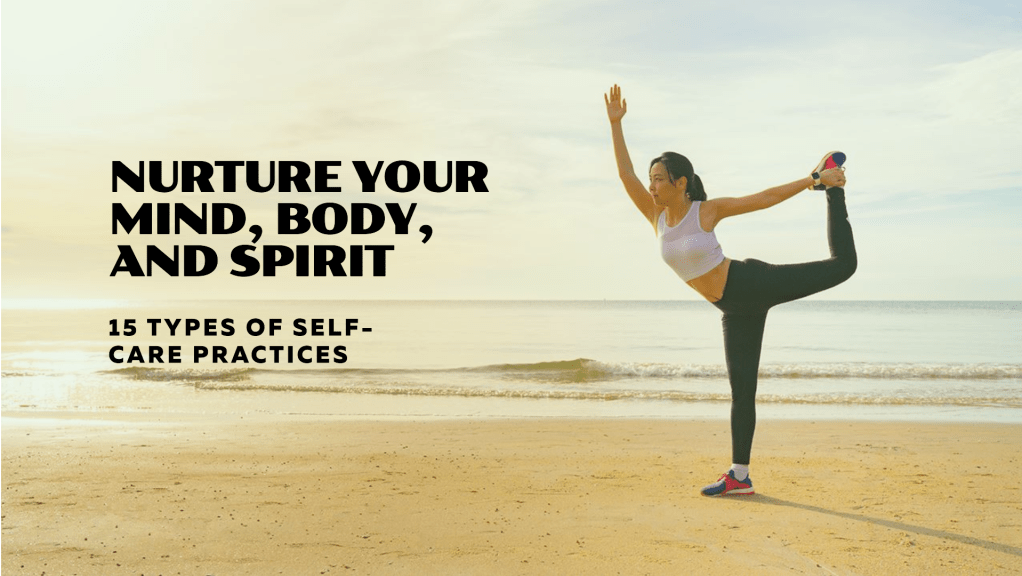
15 Types of Self-Care Practices to Nurture Your Mind, Body, and Spirit

Self-care is about more than treating yourself—it’s a commitment to nurturing your well-being in ways that support your mental, physical, and spiritual health. True self-care is a balanced blend of habits and practices that align with your personal needs and values. Here are 15 diverse types of self-care practices to inspire you, each offering unique benefits to your mind, body, and spirit.


1. Physical Movement for Vitality

Engaging in physical activity boosts energy, improves mood, and supports overall health. Movement is a powerful form of self-care that directly benefits both mind and body.

  • How to Practice: Try gentle activities like yoga, walking, or stretching if you’re looking for relaxation, or energizing exercises like running or dance to uplift your mood.

2. Mindful Meditation for Inner Peace

Meditation is a mental practice that promotes clarity and calmness. It allows you to observe your thoughts and feelings without judgment, fostering a sense of inner peace.

  • How to Practice: Dedicate 5-10 minutes each day to mindfulness meditation, focusing on your breath. Allow thoughts to come and go as you bring your attention back to the present.

3. Digital Detox for Mental Clarity

Constant digital engagement can clutter your mind and create stress. Taking intentional breaks from screens helps you reconnect with the present and clear mental clutter.

  • How to Practice: Set a daily or weekly time to unplug from screens. Use this time to read, connect with loved ones, or spend time outdoors.

4. Journaling for Emotional Expression

Writing down your thoughts and feelings helps you process emotions, gain insights, and release negativity. Journaling provides a safe space to explore your inner self.

  • How to Practice: Spend a few minutes each day or week writing about your thoughts, goals, or feelings. Don’t worry about structure—let your words flow freely.

5. Breathwork for Relaxation

Controlled breathing exercises reduce stress, calm the nervous system, and promote mental clarity. Breathwork is a quick, effective tool for managing emotions.

  • How to Practice: Try deep belly breathing or the 4-7-8 technique (inhale for 4, hold for 7, exhale for 8). Repeat for a few cycles to feel grounded and centered.

6. Creative Expression for Joy

Creative activities like painting, writing, or playing music provide an emotional release and bring joy. Creativity allows you to express yourself in ways words cannot.

  • How to Practice: Dedicate time each week for a creative outlet. Approach it playfully, letting go of perfectionism and focusing on the joy of creating.

7. Time in Nature for Grounding

Nature has a grounding effect that helps you reconnect with yourself and reduces stress. Being outdoors promotes mindfulness and emotional well-being.

  • How to Practice: Spend 10-15 minutes outdoors each day, observing your surroundings. Whether it’s a walk in the park or sitting in your backyard, allow nature to calm your mind.

8. Gratitude Practice for Positive Perspective

Reflecting on gratitude shifts your focus from what you lack to what you have, fostering a positive outlook and resilience.

  • How to Practice: Write down three things you’re grateful for each day. Focus on small details that brought joy or peace, reinforcing a sense of abundance.

9. Massage Therapy for Physical Release

Massage relieves tension in the body and promotes relaxation. It’s a way to release stress and reconnect with your body through touch.

  • How to Practice: Schedule a professional massage when possible, or practice self-massage techniques on areas like the neck and shoulders.

10. Herbal Teas for Calmness

Herbal teas like chamomile, lavender, and peppermint provide natural relaxation. Tea rituals are comforting and can help reduce stress and anxiety.

  • How to Practice: Enjoy a calming tea each evening or during stressful times. Savor the flavor and aroma as a form of mindful self-care.

11. Decluttering for Mental Peace

A clean, organized space promotes mental clarity and reduces stress. Decluttering is a form of self-care that improves your environment and your mindset.

  • How to Practice: Set aside time each week to declutter a specific area, such as your desk or bedroom. Focus on creating a space that feels peaceful and organized.

12. Affirmations for Self-Love

Positive affirmations shift your inner dialogue, boosting self-esteem and resilience. They help you build a supportive, loving relationship with yourself.

  • How to Practice: Choose affirmations that resonate with you, like “I am enough” or “I deserve love.” Repeat them daily to reinforce a positive mindset.

13. Setting Boundaries for Emotional Balance

Setting boundaries protects your energy and helps you manage stress. It’s an essential practice for emotional health and self-respect.

  • How to Practice: Identify areas where you feel overextended and set limits. Communicate your boundaries with kindness and clarity, honoring your needs.

14. Sleep Hygiene for Restoration

Quality sleep is crucial for emotional and physical well-being. Good sleep hygiene helps you recharge, improves mood, and boosts mental clarity.

  • How to Practice: Create a relaxing bedtime routine, avoiding screens and caffeine before bed. Aim for 7-8 hours of rest each night for optimal health.

15. Acts of Kindness for Connection

Kindness towards others promotes positive feelings and a sense of connection. Giving back supports both your mental and emotional well-being.

  • How to Practice: Perform a simple act of kindness daily, like offering a compliment, helping someone, or volunteering. These small acts create positive energy and foster connection.

Conclusion

Self-care encompasses a wide range of practices that nurture your mind, body, and spirit. By incorporating these diverse self-care techniques into your routine, you create a holistic foundation for well-being. Choose practices that resonate with you and adapt them to your needs, creating a self-care routine that truly supports your life.


For more insights on self-care and well-being, check out my book, The Mindful Executive: https://www.amazon.com/dp/B0D75YJCLW.