

Silence Self-Doubt: Build Unshakeable Confidence

Ever felt like you’re not good enough or doubted your abilities? Self-doubt is something everyone experiences at some point, but when left unchecked, it can hold you back from opportunities, happiness, and success.

The good news? Confidence isn’t something you’re born with—it’s something you build. By understanding where self-doubt comes from and using scientific, mindset-shifting techniques, you can transform insecurity into unshakable self-confidence.

Let’s dive into how to silence self-doubt and step into your power.


1. Understand the Root of Self-Doubt

Self-doubt often comes from past experiences, fear of failure, or comparison.

✔️ Where It Comes From:

  • Limiting beliefs from childhood or society (“I’m not good enough”).
  • Fear of judgment from others.
  • Comparing yourself to unrealistic standards.

✔️ How to Overcome It:

  • Question your thoughts—Are they facts or just fears?
  • Reframe doubts as opportunities for growth.
  • Stop seeking external validation—confidence comes from within.
  • Pro Tip: Write down a self-doubt thought, then replace it with an empowering belief.

2. Build Confidence with Action

Confidence doesn’t come from thinking about success—it comes from taking action.

✔️ How to Practice:

  • Take small, daily steps outside your comfort zone.
  • Try new things, even if they feel uncomfortable at first.
  • Celebrate small wins—they add up over time.
  • Pro Tip: Confidence is built through experience, not waiting until you feel ready.

3. Stop Comparing Yourself to Others

Comparison is the thief of confidence—it shifts focus from your own growth to someone else’s highlight reel.

✔️ How to Overcome It:

  • Limit social media if it triggers self-doubt.
  • Focus on your own journey and progress.
  • Replace jealousy with inspiration—learn from others instead of feeling less than.
  • Pro Tip: Turn comparison into curiosity—ask, “What can I learn from them?” instead of “Why am I not like them?”

4. Use Positive Self-Talk & Affirmations

Your internal dialogue shapes how you see yourself.

✔️ How to Practice:

  • Replace self-criticism with self-encouragement.
  • Say affirmations like:
    • “I am capable and strong.”
    • “I trust myself to figure things out.”
    • “I am worthy of success.”
  • Pro Tip: Speak to yourself like you would a friend who needs support.

5. Strengthen Your Mindset with Resilience

Resilient people fail, learn, and keep going—this builds true confidence.

✔️ How to Practice:

  • Reframe failure as learning, not defeat.
  • Detach from perfectionism—progress is better than perfect.
  • Develop a “bounce-back” mentality—see setbacks as stepping stones.
  • Pro Tip: Ask yourself, “What’s the worst that could happen?”—it’s often not as bad as your mind makes it seem.

6. Surround Yourself with Positive Influences

Confidence is contagious—spend time with people who uplift and inspire you.

✔️ How to Practice:

  • Avoid people who constantly criticize or drain you.
  • Seek out mentors, coaches, or friends who believe in you.
  • Join communities that support your goals and growth.
  • Pro Tip: The people you spend time with shape your mindset—choose wisely.

7. Take Care of Your Body & Mind

Physical and mental well-being directly impact confidence levels.

✔️ How to Practice:

  • Exercise regularly—movement boosts confidence.
  • Dress in a way that makes you feel good.
  • Practice self-care and stress management.
  • Pro Tip: Good posture instantly boosts confidence—stand tall, shoulders back!

8. Visualize Success & Believe in Yourself

If you can see it in your mind, you’re more likely to make it real.

✔️ How to Practice:

  • Visualize yourself succeeding in specific situations.
  • Feel the confidence and success in advance.
  • Keep a vision board or list of goals.
  • Pro Tip: Top athletes and CEOs use visualization daily—you can too!

Conclusion

Self-doubt is normal, but it doesn’t have to control you. By shifting your mindset, taking small, bold actions, and surrounding yourself with positivity, you can build unstoppable confidence.

Start now—choose one confidence-boosting habit today and commit to it!


For more personal growth insights, check out my book, The Mindful Executive: https://www.amazon.com/dp/B0D75YJCLW.
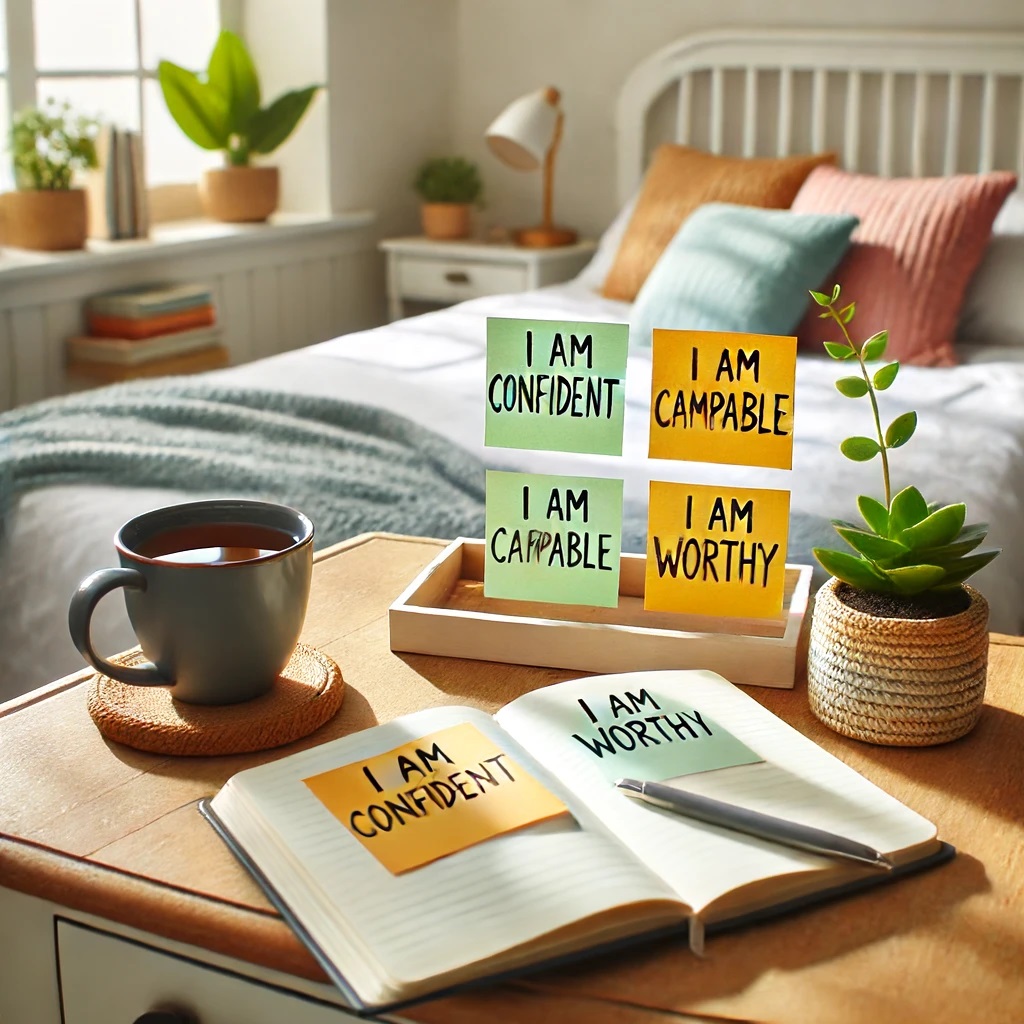

The Power of Positive Affirmations: Boosting Mental Health and Well-Being

Positive affirmations are simple, powerful statements that can help reprogram your subconscious mind, boost your mental health, and enhance your overall well-being. Here’s a comprehensive guide on how to incorporate positive affirmations into your daily routine.

1. Understanding Positive Affirmations

Positive affirmations are statements that reflect a positive, desired state of being. They help to combat negative thoughts and promote a positive mindset.

  • Examples:
    • “I am confident and capable.”
    • “I am worthy of love and respect.”
    • “I attract positivity and good energy into my life.”

2. Benefits of Positive Affirmations

Incorporating positive affirmations into your daily routine can have numerous benefits for your mental health and well-being.

  • Reduces Stress: Positive affirmations help to counteract negative thoughts, reducing overall stress levels.
    • Example: Repeating affirmations like “I am calm and in control” can help manage stress during challenging situations.
  • Boosts Self-Esteem: Regularly affirming positive beliefs about yourself can enhance self-esteem and confidence.
    • Example: Saying “I am proud of who I am” daily can improve your self-image.
  • Promotes Resilience: Positive affirmations can increase resilience by helping you focus on your strengths and capabilities.
    • Example: Affirming “I can handle anything that comes my way” reinforces a resilient mindset.

3. How to Use Positive Affirmations

Integrate positive affirmations into your daily routine to maximize their benefits.

  • Morning Routine: Start your day with a set of affirmations to set a positive tone.
    • Example: While brushing your teeth or getting dressed, repeat affirmations like “Today is going to be a great day” or “I am ready to tackle any challenge.”
  • During Meditation: Incorporate affirmations into your meditation practice to deepen your focus and relaxation.
    • Example: As you meditate, silently repeat affirmations like “I am at peace with myself” or “I am grateful for the present moment.”
  • Before Bed: End your day with affirmations to reinforce positive thoughts as you sleep.
    • Example: As you lie in bed, repeat affirmations like “I am grateful for today” or “I am looking forward to a restful night.”

4. Creating Your Own Affirmations

Personalized affirmations can be more effective because they resonate with your specific goals and challenges.

  • Identify Your Needs: Think about areas in your life where you want to see improvement or change.
    • Example: If you struggle with self-doubt, create affirmations like “I believe in myself and my abilities.”
  • Keep It Positive: Frame your affirmations in a positive light, focusing on what you want to achieve.
    • Example: Instead of saying “I am not stressed,” say “I am calm and relaxed.”
  • Make It Present Tense: Phrase your affirmations as if they are already true.
    • Example: Say “I am successful” rather than “I will be successful.”

5. Consistency is Key

The effectiveness of positive affirmations lies in their consistent practice. Make them a part of your daily routine and believe in their power to create positive change.

Conclusion: Positive affirmations are a simple yet powerful tool for enhancing mental health and overall well-being. By integrating them into your daily routine, you can cultivate a positive mindset, reduce stress, and boost self-esteem. Start practicing positive affirmations today and experience the transformative impact they can have on your life.

Healing Through Art: The Benefits of Creative Expression

Creative expression through art has been recognized as a powerful tool for healing and personal growth. Engaging in artistic activities can provide emotional, mental, and even physical benefits, making it a valuable practice for overall well-being. Here’s how you can harness the healing power of art and creative expression to enhance your health and wellness.

1. Emotional Healing

Art allows for the expression of emotions that might be difficult to articulate with words. It provides a safe outlet to explore and release feelings.

  • Example: Drawing, painting, or sculpting can help you process and express emotions such as sadness, anger, or joy. Create a piece of art that reflects your current emotional state to gain insights and find relief.

2. Stress Reduction

Engaging in creative activities can reduce stress by providing a distraction from daily pressures and fostering a state of relaxation.

  • Example: Spend time coloring in an adult coloring book or creating a mandala. The repetitive nature of these activities can induce a meditative state, reducing stress and promoting calmness.

3. Mental Health Benefits

Art therapy has been shown to improve mental health by enhancing self-awareness, self-esteem, and emotional resilience.

  • Example: Journaling with a combination of words and images can help you explore your thoughts and feelings, leading to greater self-awareness and emotional healing.

4. Cognitive Benefits

Creating art can enhance cognitive functions such as problem-solving, critical thinking, and memory.

  • Example: Try engaging in activities like puzzle-making, drawing intricate designs, or creating collages. These tasks stimulate the brain and can improve cognitive abilities.

5. Physical Benefits

Art can also have physical benefits, particularly for those recovering from illness or injury. It can improve motor skills, hand-eye coordination, and overall physical health.

  • Example: Activities like knitting, sculpting, or pottery can improve fine motor skills and hand strength. These activities also provide a sense of accomplishment and progress.

6. Social Connection

Participating in group art activities can foster a sense of community and connection with others, reducing feelings of isolation.

  • Example: Join a local art class or community art group. Collaborating with others on creative projects can enhance social bonds and provide emotional support.

7. Self-Expression and Identity

Art allows you to explore and express your identity, helping you understand yourself better and fostering personal growth.

  • Example: Create a self-portrait or a visual diary that reflects your experiences and identity. This practice can help you connect with your inner self and gain insights into your personal journey.

8. Healing Trauma

Art therapy can be particularly effective for healing trauma, as it provides a non-verbal outlet for processing traumatic experiences.

  • Example: Work with an art therapist to create pieces that reflect your trauma and healing journey. This process can help you process and release traumatic memories in a safe and supportive environment.

9. Enhancing Creativity

Engaging in artistic activities can boost creativity and inspire new ideas in various areas of life.

  • Example: Try experimenting with different art forms such as painting, digital art, or mixed media. Allow yourself to explore and take risks with your creativity.

10. Mindfulness and Presence

Creating art encourages mindfulness and being present in the moment, which can reduce anxiety and promote a sense of peace.

  • Example: Practice mindful drawing or painting by focusing on the sensations of the materials, the colors, and the movements of your hands. This can help you stay grounded and connected to the present moment.

Practical Tips for Incorporating Art into Your Life

  • Start Small: Begin with simple art activities that you enjoy, such as doodling or coloring. Gradually explore more complex projects as you become more comfortable.
    • Example: Set aside 10-15 minutes each day to engage in a creative activity.
  • Create a Dedicated Space: Set up a space in your home where you can create art without interruptions.
    • Example: Use a corner of a room with a table, art supplies, and good lighting to create your art studio.
  • Join a Class or Group: Look for local or online art classes and groups that align with your interests.
    • Example: Enroll in a painting class at a community center or join an online art workshop.
  • Use Art Supplies You Enjoy: Invest in quality art supplies that inspire you and make the creative process enjoyable.
    • Example: Buy a set of high-quality colored pencils, paints, or markers to enhance your creative experience.
  • Be Patient with Yourself: Remember that art is about the process, not the outcome. Allow yourself to create without judgment or pressure.
    • Example: Focus on enjoying the act of creating rather than striving for perfection.

The Benefits of Regular Exercise for Mental Health

Regular exercise is not only essential for physical health but also has profound benefits for mental health. Engaging in physical activities can help reduce stress, improve mood, boost self-esteem, and enhance overall well-being. Here’s how regular exercise can positively impact your mental health.

Reducing Stress and Anxiety: Exercise helps lower stress levels and reduce anxiety. Physical activity increases the production of endorphins, which are natural mood lifters.

Example: Incorporate activities like jogging, swimming, or cycling into your routine to help alleviate stress and anxiety.

Improving Mood and Fighting Depression: Regular exercise can improve mood and act as a natural antidepressant. It helps increase the production of serotonin, a neurotransmitter that plays a crucial role in mood regulation.

Example: Join a fitness class or engage in a group sport to boost your mood and combat feelings of depression.

Boosting Self-Esteem and Confidence: Exercise can help improve self-esteem and confidence by enhancing your physical appearance and overall health. Achieving fitness goals can provide a sense of accomplishment.

Example: Set achievable fitness goals, such as running a 5K or mastering a new yoga pose, to build confidence and self-esteem.

Enhancing Cognitive Function: Physical activity improves cognitive function by increasing blood flow to the brain. It can enhance memory, concentration, and overall brain health.

Example: Incorporate exercises that require coordination and focus, such as dance or martial arts, to boost cognitive function.

Promoting Better Sleep: Regular exercise can help improve sleep quality and duration. Physical activity helps regulate your sleep-wake cycle and can alleviate insomnia.

Example: Engage in moderate-intensity exercises like brisk walking or swimming during the day to promote better sleep at night.

Providing Social Support: Participating in group exercises or sports can provide social support and reduce feelings of loneliness and isolation.

Example: Join a local sports team, fitness class, or running club to build social connections and enjoy the mental health benefits of exercise.

Practical Tips for Incorporating Exercise into Your Routine:

  1. Choose Activities You Enjoy:
    • Find physical activities that you enjoy and are more likely to stick with, such as dancing, hiking, or swimming.
  2. Set Realistic Goals:
    • Start with small, achievable goals and gradually increase the intensity and duration of your workouts.
  3. Make It a Habit:
    • Schedule regular exercise sessions into your daily routine to make it a consistent habit.
  4. Stay Motivated:
    • Keep yourself motivated by tracking your progress, joining exercise groups, or working out with a friend.

By incorporating regular exercise into your routine, you can experience significant improvements in your mental health and overall well-being.

The Power of Gratitude: How Keeping a Gratitude Journal Can Improve Your Mental Health

The Power of Gratitude: How Keeping a Gratitude Journal Can Improve Your Mental Health

Gratitude is a powerful emotion that can have a profound impact on your mental health and overall well-being. Keeping a gratitude journal is a simple yet effective practice that can help you focus on the positive aspects of your life. In this post, we’ll explore the benefits of gratitude journaling and provide tips on how to start your own gratitude journal.

Benefit 1: Enhances Positivity: Regularly writing down things you are grateful for helps shift your focus from negative to positive thoughts. This practice can boost your overall mood and outlook on life.

How to Practice:

  1. Each day, write down three things you are grateful for.
  2. Reflect on why these things are meaningful to you.

Benefit 2: Reduces Stress and Anxiety: Focusing on gratitude can reduce stress and anxiety levels by promoting a sense of calm and contentment. It helps you appreciate the good things in your life, even during challenging times.

How to Practice:

  1. Take a few minutes each day to write in your gratitude journal, especially during stressful times.
  2. Reflect on positive experiences and how they made you feel.

Benefit 3: Improves Sleep: Practicing gratitude before bed can improve sleep quality by calming your mind and reducing negative thoughts that may interfere with your rest.

How to Practice:

  1. Spend a few minutes each night writing in your gratitude journal before going to bed.
  2. Focus on positive events from the day and things you are looking forward to.

Benefit 4: Boosts Self-Esteem: Gratitude journaling can boost your self-esteem by helping you recognize your accomplishments and strengths. It encourages you to appreciate your unique qualities and contributions.

How to Practice:

  1. Write about personal achievements and positive feedback you have received.
  2. Reflect on your strengths and how they have helped you overcome challenges.

Benefit 5: Encourages Mindfulness: Gratitude journaling promotes mindfulness by encouraging you to be present and fully engaged in the moment. It helps you savor positive experiences and appreciate the simple joys of life.

How to Practice:

  1. Pay attention to the details of your daily experiences.
  2. Write about small moments that brought you joy or made you feel grateful.

Keeping a gratitude journal is a powerful tool for improving your mental health and overall well-being. By focusing on the positive aspects of your life, you can enhance your mood, reduce stress, and cultivate a greater sense of happiness. At Alchemy International, we believe in the power of gratitude and mindfulness to support mental wellness. Start your gratitude journal today and experience the benefits for yourself.