
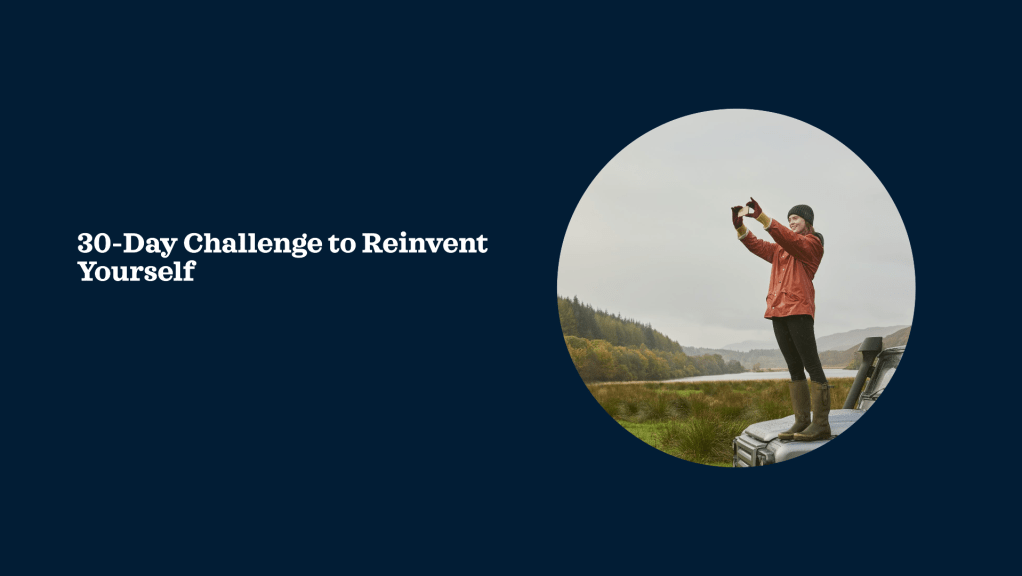
30-Day Challenge to Reinvent Yourself

Embarking on a 30-day challenge can be a transformative experience, helping you build new habits and improve your overall well-being. Here’s a comprehensive guide to reinventing yourself in just one month.

Day 1-3: Set Goals and Plan

Day 1: Reflect on what you want to achieve and set clear, realistic goals. Write them down in a journal. Learn how to set effective goals.

Day 2: Create a detailed plan for your 30-day challenge. Include daily tasks and milestones. Explore planning strategies.

Day 3: Prepare your environment. Organize your space to support your goals and reduce distractions. Discover the benefits of a tidy space.


Day 4-6: Physical Health

Day 4: Start a fitness routine. Include a mix of cardio, strength training, and flexibility exercises. Find workout plans.

Day 5: Focus on nutrition. Plan healthy meals that include lean proteins, whole grains, and plenty of fruits and vegetables. Explore healthy eating tips.

Day 6: Hydrate. Aim to drink at least 8 glasses of water daily to keep your body functioning optimally. Understand the importance of hydration.


Day 7-9: Mental Health

Day 7: Practice mindfulness. Spend a few minutes each day meditating or doing deep breathing exercises. Learn how to meditate.

Day 8: Start a gratitude journal. Write down three things you’re grateful for each day. Explore the benefits of gratitude.

Day 9: Unplug from technology. Spend a day without screens to reset your mind. Discover the benefits of a digital detox.


Day 10-12: Learning and Growth

Day 10: Read a book. Choose a topic that interests you and dedicate time to read each day. Find book recommendations.

Day 11: Take an online course. Expand your knowledge and skills in a new area. Explore online courses.

Day 12: Listen to educational podcasts. Choose topics that inspire and educate you. Discover popular podcasts.


Day 13-15: Social Connections

Day 13: Reach out to a friend or family member. Strengthen your social bonds by reconnecting with loved ones. Understand the importance of social connections.

Day 14: Join a group or club. Find a community with similar interests and get involved. Explore social groups.

Day 15: Practice acts of kindness. Do something nice for someone else, like volunteering or helping a neighbor. Learn about the science of kindness.


Day 16-18: Self-Reflection

Day 16: Reflect on your progress. Review your goals and note any changes or improvements. Explore self-reflection techniques.

Day 17: Write about your experiences. Document your thoughts and feelings in your journal. Discover the benefits of journaling.

Day 18: Practice self-forgiveness. Let go of past mistakes and focus on personal growth. Learn about self-forgiveness.


Day 19-21: Creativity

Day 19: Start a creative project. Try painting, writing, or any other creative activity you enjoy. Explore the benefits of creativity.

Day 20: Engage in a hobby. Spend time doing something you love and find fulfilling. Understand the benefits of hobbies.

Day 21: Visit a museum or gallery. Expose yourself to new ideas and perspectives. Find museums near you.


Day 22-24: Financial Health

Day 22: Review your finances. Create a budget and track your spending. Learn about budgeting.

Day 23: Set financial goals. Plan for savings, investments, and future expenses. Explore financial planning tips.

Day 24: Educate yourself about personal finance. Read articles, watch videos, or take a course. Discover personal finance resources.


Day 25-27: Environment

Day 25: Declutter your space. Organize and clean your home or workspace. Explore decluttering tips.

Day 26: Create a relaxing environment. Add elements like plants, candles, and cozy furniture to enhance your space. Learn about creating a peaceful home.

Day 27: Practice eco-friendly habits. Reduce, reuse, and recycle to minimize your environmental impact. Understand eco-friendly practices.


Day 28-30: Reflection and Moving Forward

Day 28: Reflect on your journey. Review your progress, celebrate achievements, and acknowledge areas for improvement. Discover reflection techniques.

Day 29: Plan for the future. Set new goals and create a plan to maintain your positive habits. Explore goal-setting strategies.

Day 30: Celebrate your success. Reward yourself for completing the challenge and enjoy your newfound sense of accomplishment. Learn about the importance of celebration.

Call to Action

Take on this 30-day challenge to reinvent yourself and create lasting positive changes in your life. Visit Holistic Wellness Guide for more tips and insights on leading a balanced and fulfilling life.

#30DayChallenge #SelfImprovement #HealthyLiving #Mindfulness #PersonalGrowth #WellnessJourney #HolisticHealth #GoalSetting #SelfCare #HealthyHabits


Unstoppable You: Habits to Build Physical and Mental Strength

Developing habits that enhance your physical and mental strength can transform your life. Here are some powerful habits to help you become a stronger person.

1. Regular Exercise

Consistent physical activity is essential for building strength. Incorporate a mix of cardio, strength training, and flexibility exercises into your routine. Learn more about the benefits of regular exercise.

2. Healthy Eating

Fuel your body with nutritious foods that support muscle growth and overall health. Focus on lean proteins, healthy fats, whole grains, and plenty of fruits and vegetables. Explore healthy eating tips.

3. Adequate Sleep

Sleep is crucial for recovery and mental clarity. Aim for 7-9 hours of quality sleep each night to ensure your body and mind are well-rested. Understand the importance of sleep.

4. Mindfulness and Meditation

Practicing mindfulness and meditation helps reduce stress and enhances mental resilience. Spend a few minutes each day in meditation to strengthen your mind. Learn how to meditate.

5. Setting Goals

Setting and achieving goals gives you a sense of purpose and accomplishment. Start with small, attainable goals and gradually work towards larger ones. Discover goal-setting strategies.

6. Continuous Learning

Engage in lifelong learning to keep your mind sharp and adaptable. Read books, take courses, and seek new knowledge regularly. Explore the benefits of lifelong learning.

7. Positive Thinking

Cultivate a positive mindset by challenging negative thoughts and focusing on your strengths. Positive thinking can improve your mood and overall mental health. Explore techniques for positive thinking.

8. Building Resilience

Develop resilience by embracing challenges and viewing failures as opportunities to learn. Building resilience helps you navigate life’s ups and downs with strength and grace. Learn about building resilience.

9. Healthy Relationships

Surround yourself with supportive and positive people. Strong social connections provide emotional support and enhance your well-being. Understand the importance of healthy relationships.

10. Practicing Self-Care

Take time to care for yourself through activities that rejuvenate and energize you. Self-care is essential for maintaining both physical and mental strength. Discover self-care tips.

Call to Action

Incorporate these habits into your daily life to build both physical and mental strength. Visit Holistic Wellness Guide for more tips and insights on leading a balanced and fulfilling life.

#BuildStrength #HealthyHabits #Mindfulness #PositiveThinking #Exercise #SelfCare #MentalHealth #Resilience #HealthyEating #HolisticWellness

10 Ways to Achieve an Inner Sense of Happiness

Finding inner happiness is a journey that involves self-discovery, mindfulness, and positive habits. Here are ten ways to cultivate a deep sense of inner happiness and peace.

1. Practice Mindfulness and Meditation

Mindfulness and meditation help you stay present and reduce stress. Spend a few minutes each day focusing on your breath and clearing your mind. Learn how to meditate.

2. Maintain a Gratitude Journal

Writing down things you’re grateful for can shift your focus from what’s wrong to what’s right in your life. This simple practice can increase feelings of happiness and contentment. Explore the benefits of gratitude.

3. Exercise Regularly

Physical activity releases endorphins, which are natural mood boosters. Aim for at least 30 minutes of exercise most days of the week. Discover the mental health benefits of exercise.

4. Eat a Balanced Diet

A healthy diet rich in fruits, vegetables, lean proteins, and whole grains can improve your mood and energy levels. Learn more about the connection between diet and mental health.

5. Get Adequate Sleep

Quality sleep is essential for emotional regulation and overall well-being. Aim for 7-9 hours of sleep per night. Understand the importance of sleep.

6. Connect with Others

Strong social connections can enhance your sense of belonging and happiness. Spend time with friends and family, or join groups with similar interests. Explore the benefits of social connections.

7. Engage in Hobbies

Pursuing activities you love can bring joy and fulfillment. Whether it’s reading, painting, gardening, or playing music, make time for your passions. Find the benefits of hobbies.

8. Practice Acts of Kindness

Helping others can increase your own happiness. Volunteer, offer a helping hand, or simply be kind to those around you. Learn about the science of kindness.

9. Set and Achieve Goals

Setting and accomplishing goals gives you a sense of purpose and achievement. Start with small, manageable goals and gradually tackle larger ones. Discover goal-setting strategies.

10. Embrace Positive Thinking

Cultivate a positive mindset by challenging negative thoughts and focusing on the good in your life. Positive thinking can improve your mood and resilience. Explore techniques for positive thinking.

Call to Action

Embrace these habits to achieve an inner sense of happiness and peace. Visit Holistic Wellness Guide for more tips and insights on leading a balanced and joyful life.

#InnerHappiness #Mindfulness #Gratitude #HealthyLiving #PositiveThinking #Wellness #SelfCare #MentalHealth #HolisticHealth #JoyfulLife

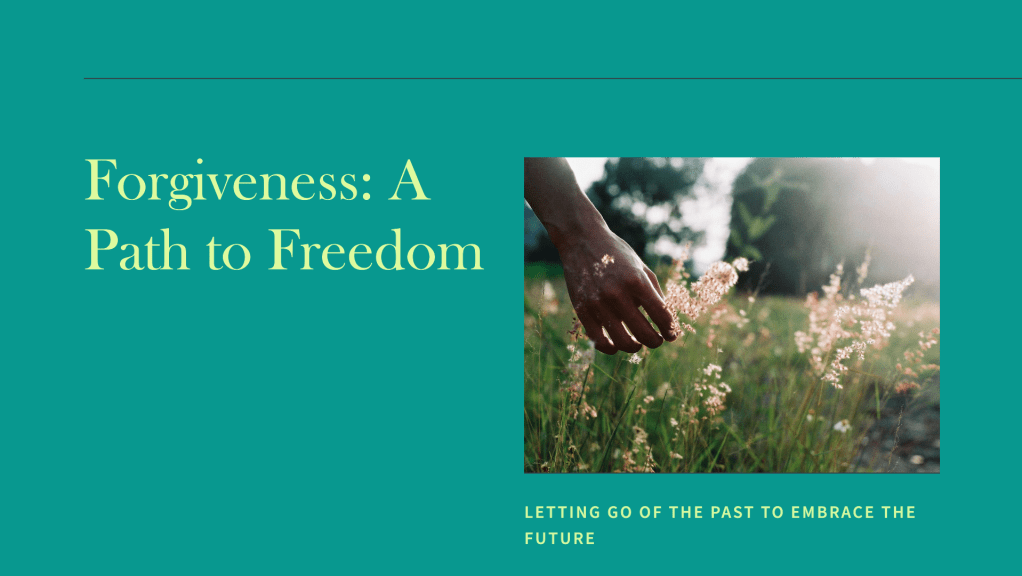
The Power of Forgiveness: Letting Go and Moving Forward

Forgiveness is a powerful tool for healing and personal growth. It allows you to let go of past hurts, find peace, and move forward in life. Here’s a guide on how to embrace forgiveness and let go of negativity.

Understanding Forgiveness

Forgiveness is the conscious decision to release feelings of resentment or vengeance toward someone who has harmed you. It doesn’t mean forgetting or condoning the behavior, but rather freeing yourself from the emotional burden. Learn more about the benefits of forgiveness.

1. Acknowledge Your Feelings

Recognize the pain and hurt caused by the situation. Allow yourself to feel these emotions fully before attempting to let go. Explore ways to process emotions.

2. Reflect on the Impact

Consider how holding onto resentment affects your mental and physical health. Holding grudges can lead to stress, anxiety, and even physical ailments. Understand the impact of holding grudges.

3. Cultivate Empathy

Try to understand the perspective of the person who hurt you. Empathy doesn’t excuse their actions but can help you see the situation differently and facilitate forgiveness. Learn about cultivating empathy.

4. Practice Self-Forgiveness

Forgive yourself for any mistakes or regrets you may have. Self-forgiveness is crucial for personal growth and moving forward without guilt. Discover the steps to self-forgiveness.

5. Let Go of Expectations

Release the expectation of an apology or acknowledgment from the other person. Focus on your healing process rather than waiting for external validation. Find out how to let go of expectations.

6. Engage in Mindfulness and Meditation

Mindfulness and meditation can help you stay present and manage negative emotions. These practices encourage a non-judgmental approach to your thoughts and feelings. Explore mindfulness practices.

7. Seek Professional Help

If forgiveness feels overwhelming, consider seeking help from a therapist. They can provide strategies and support to help you navigate through the process. Find a therapist near you.

Call to Action

Embrace the power of forgiveness to let go of past hurts and move forward in life. Visit Holistic Wellness Guide for more tips and insights on leading a balanced and peaceful life.

#Forgiveness #LettingGo #EmotionalHealing #MentalHealth #Mindfulness #SelfCare #HealingJourney #Empathy #HolisticWellness #PeaceAndHealing

Healing Hearts: Navigating Grief, Sorrow, and Finding Hope

Grieving the loss of a loved one is one of the most challenging experiences one can go through. This guide offers compassionate insights and practical steps to help you navigate through grief and sorrow, ultimately finding hope and healing.

Understanding Grief and Sorrow

Grief is a natural response to loss, encompassing a range of emotions from deep sadness to anger. It’s essential to understand that grief is a personal journey and varies from person to person. Learn more about the stages of grief.

1. Allow Yourself to Grieve

Give yourself permission to feel and express your emotions. Suppressing grief can prolong the healing process. Cry, talk about your feelings, and allow yourself to mourn the loss. Explore the importance of expressing grief.

2. Seek Support

Connect with friends, family, or support groups who understand your pain. Sharing your feelings with others who care can provide comfort and reduce feelings of isolation. Find support groups near you.

3. Practice Self-Care

Taking care of your physical health can positively impact your emotional well-being. Eat nutritious meals, exercise regularly, and ensure you get enough sleep. Learn self-care tips.

4. Create a Memory Ritual

Creating rituals can help honor the memory of your loved one and provide a sense of continuity. Light a candle, plant a tree, or create a memory book to keep their legacy alive. Discover ways to honor a loved one.

5. Embrace Mindfulness and Meditation

Practicing mindfulness and meditation can help manage overwhelming emotions and provide moments of peace. These practices encourage you to stay present and gently process your grief. Explore mindfulness practices.

6. Seek Professional Help

If your grief feels unbearable or prolonged, consider seeking help from a mental health professional. Therapists can offer strategies and support to navigate through this challenging time. Find a therapist near you.

7. Allow Yourself to Heal

Healing from grief takes time, and it’s crucial to be patient with yourself. Accept that it’s okay to feel joy again and to move forward while still cherishing the memories of your loved one.

Call to Action

Navigating grief and sorrow is a deeply personal journey. Embrace these steps to find hope and healing. Visit Holistic Wellness Guide for more resources and support on your path to emotional well-being.

#GriefHealing #EmotionalWellness #MentalHealth #SelfCare #Mindfulness #HealingJourney #SupportGroups #GriefSupport #HolisticWellness #HopeAndHealing

Top Book Recommendations for Holistic Wellness

Reading books on holistic wellness can provide valuable insights and practical tips for leading a balanced and healthy life. Here are some top book recommendations to inspire and guide you on your wellness journey, including “The Mindful Executive” by Ashish Singh.

1. The Mindful Executive: Strategic Leadership in a Chaotic World by Ashish Singh

This book offers practical strategies for integrating mindfulness into leadership practices. It helps leaders navigate the complexities of modern business environments while maintaining balance and well-being. Learn more about “The Mindful Executive”.

2. The Power of Now by Eckhart Tolle

Eckhart Tolle’s classic book focuses on living in the present moment and letting go of past regrets and future anxieties. It provides practical advice on how to achieve a state of mindfulness and inner peace. Get “The Power of Now” on Amazon.

3. You Can Heal Your Life by Louise Hay

This influential book explores the connection between the mind and body and how positive thinking can promote healing and wellness. Louise Hay provides affirmations and practical exercises to help readers overcome limiting beliefs. Get “You Can Heal Your Life” on Amazon.

4. The Four Agreements by Don Miguel Ruiz

Don Miguel Ruiz offers a code of conduct based on ancient Toltec wisdom, providing a powerful framework for personal growth and well-being. The four agreements can help readers achieve personal freedom and a peaceful life. Get “The Four Agreements” on Amazon.

5. The Miracle Morning by Hal Elrod

This book introduces the concept of a morning routine that can transform your life. Hal Elrod outlines six practices to incorporate into your morning to boost productivity, well-being, and happiness. Get “The Miracle Morning” on Amazon.

6. The Untethered Soul by Michael A. Singer

Michael Singer’s book explores the journey beyond self and how to release the habitual thoughts and emotions that limit consciousness. It offers insights on achieving inner peace and freedom. Get “The Untethered Soul” on Amazon.

7. How to Be an Adult in Relationships by David Richo

This book provides a guide to mindful loving and emotional maturity. David Richo offers practical advice on developing healthy relationships based on mindfulness and personal growth. Get “How to Be an Adult in Relationships” on Amazon.

Call to Action

Enhance your holistic wellness journey with these insightful books. Visit Holistic Wellness Guide for more tips and recommendations on leading a balanced and healthy life.

Start Your Day with Positive Affirmations: A Guide to Morning Affirmations

Starting your day with positive affirmations can set the tone for a productive and happy day. Affirmations are powerful tools that help cultivate a positive mindset and boost self-confidence. Here’s a guide on how to incorporate morning affirmations into your daily routine.

What are Affirmations?

Affirmations are positive statements that can help you challenge and overcome negative thoughts. When you repeat them regularly and believe in them, you can start to make positive changes in your life.

Benefits of Morning Affirmations

  1. Boosts Self-Esteem: Affirmations can help increase your self-worth and confidence.
  2. Reduces Stress: Positive affirmations can help you manage stress and reduce anxiety.
  3. Enhances Focus: Starting your day with affirmations helps set a positive tone and keeps you focused on your goals.
  4. Improves Mood: Affirmations can lift your spirits and improve your overall mood.

How to Practice Morning Affirmations

1. Find a Quiet Space

Choose a quiet place where you won’t be disturbed. This could be your bedroom, a cozy corner, or any place where you feel comfortable and relaxed.

2. Use a Mirror

Stand in front of a mirror and look into your eyes as you say your affirmations. This helps reinforce the positive message and makes the practice more personal.

3. Speak with Conviction

Say your affirmations with confidence and belief. The more conviction you have, the more effective the affirmations will be.

4. Be Consistent

Practice your affirmations daily. Consistency is key to making affirmations a powerful habit.

Examples of Morning Affirmations

  1. “I am confident and capable.”
  2. “Today is going to be a great day.”
  3. “I am grateful for all the positive things in my life.”
  4. “I am in control of my thoughts and emotions.”
  5. “I am worthy of love and respect.”

Incorporating Affirmations into Your Routine

1. Write Them Down

Keep a journal of your favorite affirmations. Writing them down can help reinforce the positive messages.

2. Use Technology

Set reminders on your phone or use an affirmation app to prompt you throughout the day.

3. Pair with Other Routines

Incorporate affirmations into your existing morning routine. Say them while brushing your teeth, making breakfast, or during your commute.

Call to Action

Start your day with positive affirmations to boost your confidence and set a positive tone for the day. Visit Holistic Wellness Guide for more tips and insights on practicing affirmations and leading a balanced life.

#MorningAffirmations #PositiveThinking #SelfCare #Mindfulness #MentalHealth #DailyRoutine #PersonalDevelopment #WellBeing #HolisticWellness