
The Power of Rituals: How Creating Daily Wellness Rituals Can Transform Your Life

There was a time when my days felt like a chaotic blur, rushing from one task to the next with little time to breathe, let alone reflect. The idea of creating daily rituals seemed unnecessary, even frivolous. But as burnout loomed, I realized something had to change. And that’s when I discovered the transformative power of rituals.

The Discovery of Rituals: My journey into rituals began with a simple morning routine—something I could control amidst the unpredictability of life. Inspired by the Ayurvedic practice of Abhyanga, or self-massage, I started incorporating this into my mornings. It wasn’t just about the physical act of applying oil to my skin; it was about starting the day with intention, care, and presence. This small ritual became a sacred moment of calm before the day’s chaos.

Creating Your Own Rituals: Rituals don’t have to be elaborate to be effective. They can be as simple as a cup of herbal tea enjoyed in silence or a few minutes of deep breathing before bed. The key is consistency—engaging in these practices regularly helps anchor your day in moments of peace and reflection. For example, a nightly journaling ritual can help you process the day’s events, set intentions, and clear your mind for restful sleep.

The Impact of Rituals: As I incorporated more rituals into my life, I noticed a profound shift. My stress levels dropped, my focus improved, and I found myself more grounded and connected. Whether it was a mid-day mindfulness break or an evening gratitude practice, these rituals provided structure, stability, and a sense of purpose.

Scientific Perspective: Research supports the benefits of rituals, showing that they can reduce anxiety, enhance performance, and improve mental health . Rituals create a sense of control and predictability, which is particularly comforting in times of uncertainty. They also help in establishing healthy habits, reinforcing positive behavior through repetition.

Conclusion: Incorporating daily rituals into your life isn’t just about adding more to your to-do list—it’s about creating space for what truly matters. These small, intentional practices can transform not only your day but your entire approach to life. I invite you to start with just one ritual and see how it changes your world.

DailyRituals #MindfulLiving #WellnessJourney #SelfCare #HolisticHealth #MentalHealth #WellnessRituals #CalmAndCentered #MindBodySoul
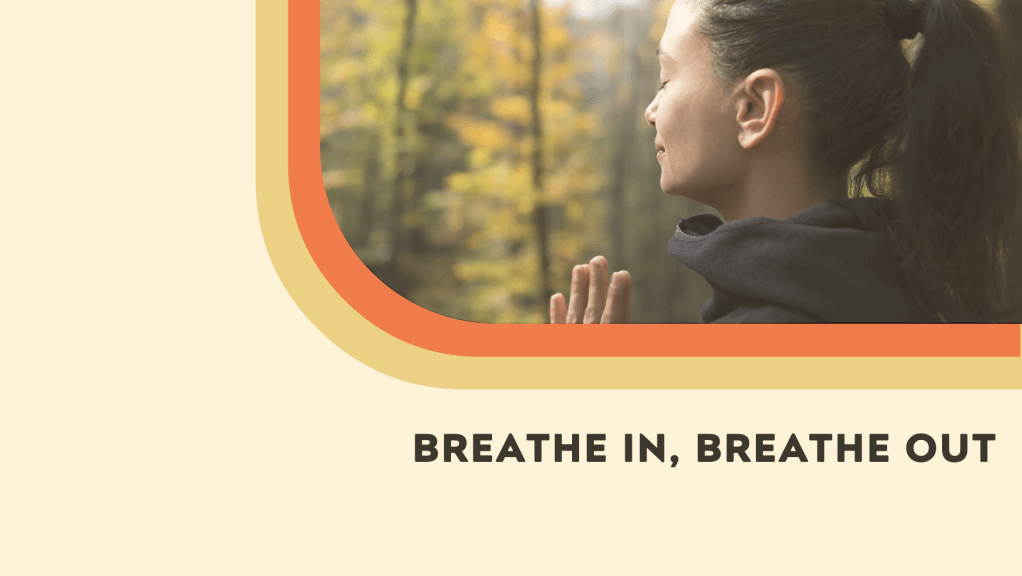

Relax and Rejuvenate: The Power of Double Inhale and Extended Exhale

In today’s fast-paced world, finding effective techniques to relax and calm the mind is essential. One such powerful technique is the double inhale followed by an extended exhale. This simple yet profound breathing method can help reduce stress, improve focus, and promote overall well-being. Here’s how you can incorporate this technique into your daily routine.


1. Understanding the Technique

The double inhale followed by an extended exhale involves taking two short inhales through the nose, followed by a slow and extended exhale through the mouth. This breathing pattern activates the parasympathetic nervous system, which helps to relax the body and mind.

Learn more about the benefits of controlled breathing: Healthline


2. How to Practice the Double Inhale and Extended Exhale

Step-by-Step Guide:

  1. Find a Comfortable Position: Sit or lie down in a quiet and comfortable space.
  2. Double Inhale: Take a short, deep breath in through your nose, followed immediately by a second short inhale.
  3. Extended Exhale: Slowly exhale through your mouth, making the exhale longer than the two inhales combined.
  4. Repeat: Continue this pattern for several minutes, focusing on the rhythm of your breath.

Tips:

  • Practice this technique daily, especially during times of stress or anxiety.
  • Use it as a quick relaxation tool before sleep or after a long day.

Explore more breathing techniques: Medical News Today


3. Benefits of the Double Inhale and Extended Exhale

Reduces Stress: This breathing technique helps to lower cortisol levels, reducing stress and promoting a sense of calm.

Improves Focus: By increasing oxygen flow to the brain, it enhances mental clarity and concentration.

Promotes Relaxation: Activating the parasympathetic nervous system helps to relax muscles and lower heart rate.

Learn about the science behind relaxation: WebMD


4. Incorporating the Technique into Your Routine

Morning Routine: Start your day with this breathing exercise to set a calm and focused tone for the day ahead.

Work Breaks: Use this technique during short breaks at work to manage stress and improve productivity.

Pre-Sleep Ritual: Practice this breathing method before bed to promote relaxation and improve sleep quality.

Discover more tips for a balanced life: Holistic Wellness Guide

Call to Action

Incorporate the double inhale and extended exhale technique into your daily routine to experience its powerful benefits. For more tips on maintaining a balanced and healthy lifestyle, visit Holistic Wellness Guide.

#BreathingTechniques #Relaxation #Mindfulness #StressRelief #Wellness #HealthyLiving #MentalHealth #CalmMind

The Benefits of Regular Stretching: Flexibility, Posture, and Overall Health

Stretching is a crucial component of any fitness routine and overall health maintenance. Regular stretching improves flexibility, posture, and has numerous other health benefits. Here’s a guide to understanding the importance of stretching and incorporating simple routines into your daily life.

1. Improves Flexibility

Flexibility is essential for maintaining a full range of motion in the joints and muscles.

  • Tip: Incorporate dynamic stretching (stretching with movement) before workouts and static stretching (holding a stretch) after workouts.
  • Story: Sarah, a dancer, found that regular stretching routines significantly improved her flexibility, allowing her to perform better and avoid injuries.

2. Enhances Posture

Stretching helps correct muscle imbalances and reduces tension, leading to better posture.

  • Tip: Focus on stretching the chest, shoulders, and lower back to counteract the effects of sitting.
  • Story: John, an office worker, noticed his posture improving after incorporating daily stretches targeting his back and shoulders. He felt less tension and more comfortable during long work hours.

3. Reduces Risk of Injury

Regular stretching keeps the muscles flexible, strong, and healthy, which helps prevent injuries.

  • Tip: Always warm up before stretching to increase blood flow to the muscles and reduce the risk of strains.
  • Story: Emily, a recreational runner, avoided injuries by incorporating stretching into her routine. She felt more prepared for her runs and recovered faster.

4. Decreases Muscle Soreness

Stretching can help reduce muscle soreness after exercise by promoting blood flow and reducing tension.

  • Tip: Stretch the major muscle groups used in your workouts, holding each stretch for at least 30 seconds.
  • Story: Raj, a fitness enthusiast, noticed that stretching after his workouts helped reduce muscle soreness and stiffness, allowing him to stay consistent with his exercise routine.

5. Promotes Relaxation

Stretching can help reduce stress and promote relaxation by relieving muscle tension and increasing blood flow.

  • Tip: Incorporate gentle stretches and deep breathing exercises into your evening routine to unwind.
  • Story: Lisa, a busy mother, found that stretching before bed helped her relax and sleep better. She felt more rejuvenated and ready for the next day.

Simple Stretching Routines

Morning Stretch Routine

  1. Neck Stretch: Tilt your head to one side, bringing your ear toward your shoulder. Hold for 20 seconds on each side.
  2. Shoulder Stretch: Bring one arm across your body and hold it with the opposite arm. Hold for 20 seconds on each side.
  3. Cat-Cow Stretch: On your hands and knees, arch your back (cat) and then dip it (cow). Repeat 10 times.
  4. Hamstring Stretch: Sit on the floor with one leg extended and the other bent. Reach for your toes on the extended leg. Hold for 30 seconds on each side.

Evening Stretch Routine

  1. Child’s Pose: Kneel on the floor and sit back on your heels. Stretch your arms forward and rest your forehead on the ground. Hold for 1 minute.
  2. Seated Forward Bend: Sit with your legs extended and reach forward, trying to touch your toes. Hold for 1 minute.
  3. Quad Stretch: Stand on one leg, hold the ankle of the opposite leg, and pull it toward your glutes. Hold for 30 seconds on each side.
  4. Hip Flexor Stretch: Step one foot forward into a lunge position, keeping the back leg straight. Hold for 30 seconds on each side.

Conclusion

Regular stretching is essential for maintaining flexibility, improving posture, reducing the risk of injury, decreasing muscle soreness, and promoting relaxation. By incorporating simple stretching routines into your daily life, you can enhance your overall health and well-being.

Herbal Teas for Stress Relief: Natural Calm in a Cup

Herbal teas have been used for centuries to soothe the mind and body. Certain herbs are particularly effective at reducing stress and promoting relaxation. Here are some of the best herbal teas for stress relief and how to incorporate them into your daily routine.

1. Chamomile Tea

Chamomile is well-known for its calming properties and is often used to promote relaxation and better sleep.

  • Benefits: Reduces anxiety, improves sleep quality.
  • How to Use: Brew a cup of chamomile tea in the evening to unwind before bed.
  • Story: Emma, a college student, found chamomile tea to be a lifesaver during exam periods. It helped her relax and get a good night’s sleep, even during stressful times.

2. Lavender Tea

Lavender has a soothing aroma that can help reduce stress and anxiety.

  • Benefits: Calms the mind, reduces anxiety.
  • How to Use: Enjoy a cup of lavender tea in the afternoon to break up a stressful day.
  • Story: Mark, a high-pressure executive, started drinking lavender tea in the afternoons. It became his go-to remedy for mid-day stress relief, helping him stay calm and focused.

3. Peppermint Tea

Peppermint is refreshing and has natural muscle-relaxing properties that can ease tension.

  • Benefits: Relieves tension, improves digestion.
  • How to Use: Drink peppermint tea after meals to relax and aid digestion.
  • Story: Lisa, a mother of two, found that peppermint tea was perfect for winding down after dinner. It helped her relax and enjoy her evenings without feeling overwhelmed.

4. Lemon Balm Tea

Lemon balm is known for its calming effects and can help reduce anxiety and promote a sense of calm.

  • Benefits: Reduces anxiety, promotes relaxation.
  • How to Use: Brew a cup of lemon balm tea when you need a moment of peace.
  • Story: Raj, a software developer, added lemon balm tea to his evening routine. It helped him transition from a hectic workday to a relaxing evening at home.

5. Passionflower Tea

Passionflower is used to treat anxiety and improve sleep quality, making it a great option for stress relief.

  • Benefits: Reduces anxiety, improves sleep.
  • How to Use: Drink a cup of passionflower tea before bed to help you unwind.
  • Story: Jane, who had trouble sleeping due to stress, found that passionflower tea was an excellent natural remedy. It helped her relax and fall asleep more easily.

From Stress to Serenity: A Journey Through Aromatherapy

Meet Anjali, a 35-year-old marketing manager from Mumbai, who was overwhelmed by the stresses of her demanding job. Constantly juggling deadlines and responsibilities, Anjali struggled to find peace and relaxation in her daily life. After a recommendation from a friend, she decided to try aromatherapy and discovered its transformative effects.

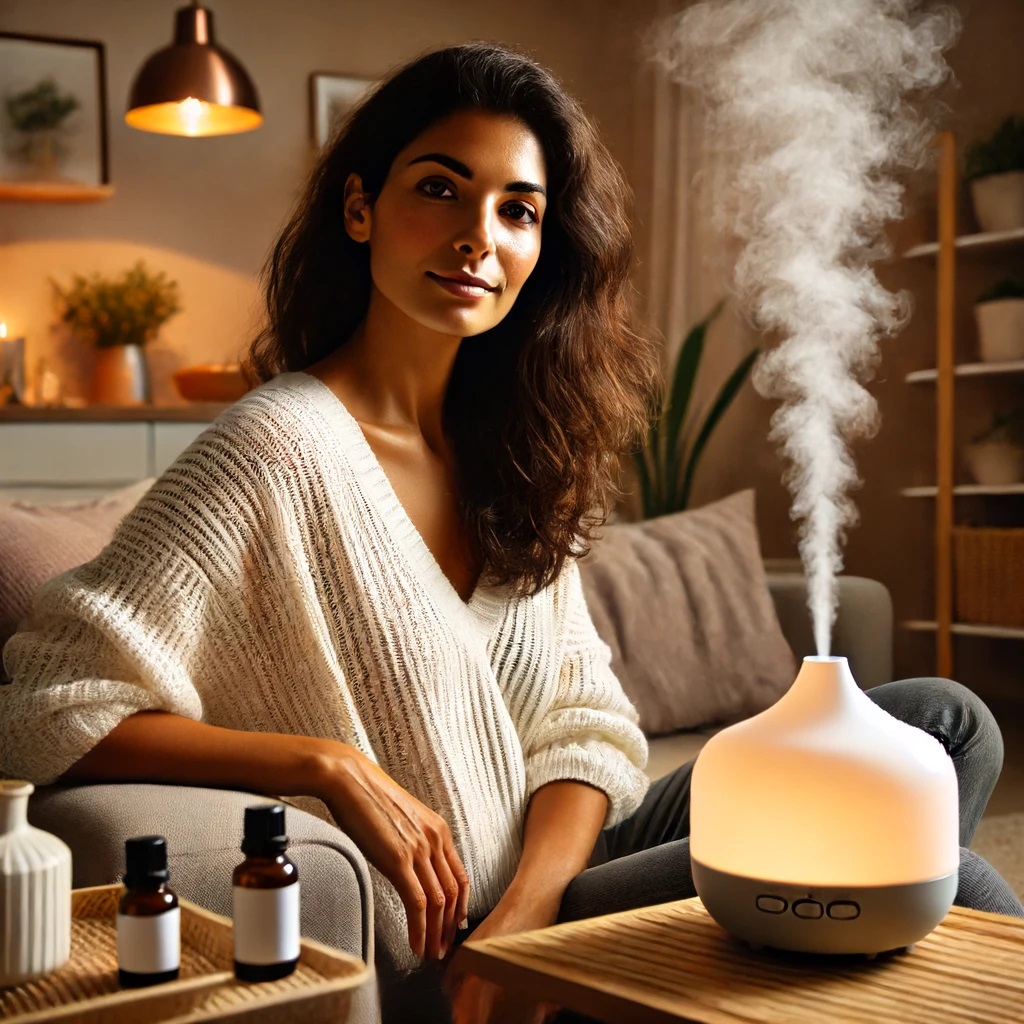
Anjali’s journey with aromatherapy began with simple steps. She started using essential oils to create a calming environment at home. Lavender oil became her go-to for relaxation, while peppermint oil helped her stay alert and focused during work.

Choosing the Right Essential Oils: Different essential oils offer various benefits. Anjali explored oils like lavender for relaxation, eucalyptus for clarity, and chamomile for stress relief. Each oil brought a unique sense of calm and well-being.

Example: Anjali diffused lavender oil in her living room every evening, helping her unwind after a long day. The soothing scent created a peaceful atmosphere, allowing her to de-stress and sleep better.

Incorporating Aromatherapy into Daily Routine: Anjali incorporated essential oils into her daily routine. She added a few drops of eucalyptus oil to her morning shower to invigorate her senses and used chamomile oil in a diffuser at bedtime to promote restful sleep.

Example: During her morning routine, Anjali applied a blend of peppermint and rosemary oils to her temples to boost her concentration and energy levels for the day ahead.

Using Aromatherapy for Stress Relief: To manage work-related stress, Anjali carried a small roller bottle of lavender oil in her bag. Whenever she felt overwhelmed, she applied it to her wrists and took deep breaths to regain her sense of calm.

With these simple yet effective steps, Anjali transformed her life through aromatherapy. The natural scents helped her find serenity amidst the chaos, enhancing her well-being and productivity.

The Top Benefits of Full Body Massage

Rejuvenate and Relax: The Top Benefits of Full Body Massage

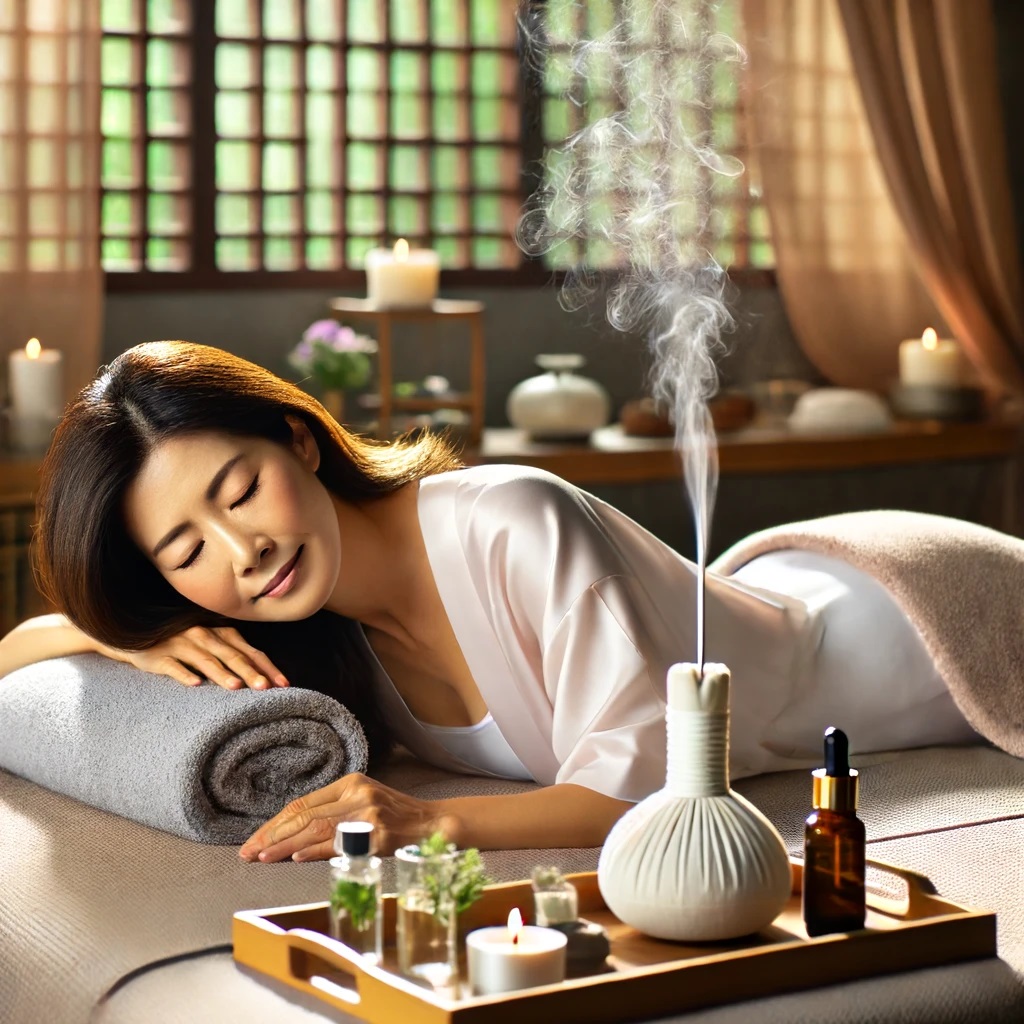
Full body massage is a therapeutic practice that has been used for centuries to promote relaxation and overall well-being. It involves the manipulation of muscles and soft tissues to relieve tension, reduce stress, and improve circulation. In this post, we’ll explore the top benefits of full body massage and how it can enhance your health.

Benefit 1: Reduces Stress and Anxiety: Massage therapy helps lower stress hormones and increase the production of endorphins, the body’s natural mood elevators.

Benefit 2: Relieves Muscle Tension and Pain: A full body massage targets areas of muscle tension and pain, helping to relax tight muscles and alleviate discomfort.

Benefit 3: Improves Circulation: Massage therapy enhances blood flow, which helps deliver oxygen and nutrients to tissues and organs, promoting overall health.

Benefit 4: Boosts Immune Function: Regular massage sessions can boost the immune system by increasing the activity of white blood cells that fight off infections.

Benefit 5: Enhances Flexibility and Range of Motion: Massage helps improve flexibility by stretching and relaxing muscles, tendons, and ligaments.

Benefit 6: Promotes Better Sleep: Massage therapy can improve sleep quality by promoting relaxation and reducing the physical discomfort that may interfere with restful sleep.

How to Get the Most Out of Your Massage:

  • Choose a Qualified Therapist: Ensure your massage therapist is certified and experienced.
  • Communicate Your Needs: Let your therapist know about any specific areas of tension or pain.
  • Stay Hydrated: Drink plenty of water before and after your massage to help flush out toxins.
  • Relax and Breathe: Focus on your breath and allow yourself to fully relax during the session.

Full body massage is a powerful way to support your physical and mental health. At Alchemy International, we believe in the benefits of holistic practices like massage therapy to enhance well-being. Treat yourself to a massage and experience the rejuvenating effects for yourself.

How Joon Improved His Energy Levels with Tai Chi

Energy Boost: How Joon Improved His Energy Levels with Tai Chi

Meet Joon: Joon, a 45-year-old professor from Seoul, often felt fatigued and low on energy. Seeking a gentle exercise routine, he turned to Tai Chi.

Starting with Basic Movements: Joon began learning the basic movements of Tai Chi to improve his balance and energy flow.

Example: Each morning, Joon practiced Tai Chi in his garden, focusing on slow, deliberate movements.

Consistency in Practice: He made Tai Chi a daily habit, practicing for 30 minutes each day to build his energy levels.

Example: Over time, Joon found that regular practice helped him feel more energized and less fatigued.

Combining Tai Chi with Breathing Exercises: Joon incorporated deep breathing exercises into his Tai Chi routine to enhance relaxation and energy flow.

Example: He focused on coordinating his breath with his movements, which helped improve his overall well-being.

The Result: Within a few months, Joon noticed a significant increase in his energy levels and a reduction in fatigue. Tai Chi became an essential part of his daily routine.

The Healing Power of Aromatherapy: Essential Oils for Health and Wellness

Aromatherapy, the practice of using essential oils extracted from plants for therapeutic purposes, has been used for centuries to promote health and wellness. These oils can positively affect both the mind and body, offering a natural way to improve overall well-being. Here’s how you can harness the healing power of aromatherapy and essential oils to enhance your health and wellness.

Understanding Aromatherapy

Aromatherapy involves the use of essential oils, which are concentrated extracts from the roots, leaves, seeds, or blossoms of plants. These oils contain the plant’s essence and are believed to have healing properties when inhaled or applied to the skin.

Benefits of Aromatherapy

Aromatherapy can provide numerous benefits, including reducing stress, improving mood, enhancing sleep, and relieving pain. Different essential oils have unique properties that can address specific health concerns.

Popular Essential Oils and Their Benefits

1. Lavender

Lavender oil is widely known for its calming and relaxing properties. It can help reduce anxiety, improve sleep quality, and alleviate headaches.

  • Benefits: Reduces stress and anxiety, improves sleep, relieves headaches.
  • Example: Add a few drops of lavender oil to your pillow or use it in a diffuser before bedtime to promote restful sleep.

2. Peppermint

Peppermint oil has a refreshing and invigorating scent. It’s often used to relieve headaches, improve focus, and alleviate digestive issues.

  • Benefits: Eases headaches, enhances concentration, relieves digestive discomfort.
  • Example: Inhale peppermint oil directly from the bottle or add a few drops to a tissue and breathe deeply to relieve a headache.

3. Eucalyptus

Eucalyptus oil is known for its ability to clear the respiratory system and relieve congestion. It also has anti-inflammatory and pain-relieving properties.

  • Benefits: Relieves respiratory congestion, reduces inflammation, alleviates pain.
  • Example: Add eucalyptus oil to a bowl of hot water and inhale the steam to relieve nasal congestion and improve breathing.

4. Tea Tree

Tea tree oil has powerful antimicrobial properties and is often used to treat skin conditions, such as acne and fungal infections.

  • Benefits: Fights bacteria and fungi, treats acne, promotes skin health.
  • Example: Dilute tea tree oil with a carrier oil and apply it to acne-prone areas to help clear up breakouts.

5. Lemon

Lemon oil is uplifting and energizing. It’s commonly used to improve mood, boost energy levels, and support the immune system.

  • Benefits: Enhances mood, boosts energy, supports immune health.
  • Example: Add a few drops of lemon oil to a diffuser to create an energizing atmosphere in your home or office.

6. Frankincense

Frankincense oil is known for its grounding and calming effects. It’s often used in meditation and yoga practices to promote mental clarity and relaxation.

  • Benefits: Promotes relaxation, enhances mental clarity, supports emotional balance.
  • Example: Diffuse frankincense oil during meditation or yoga to create a serene and focused environment.

7. Chamomile

Chamomile oil has soothing and calming properties, making it ideal for reducing anxiety and promoting sleep. It’s also beneficial for skin health.

  • Benefits: Reduces anxiety, promotes sleep, supports skin health.
  • Example: Add a few drops of chamomile oil to a warm bath to unwind and relax before bed.

8. Rosemary

Rosemary oil is stimulating and invigorating. It can improve concentration, enhance memory, and promote hair health.

  • Benefits: Boosts concentration, improves memory, promotes hair growth.
  • Example: Use rosemary oil in a diffuser while studying or working to improve focus and mental clarity.

9. Ylang Ylang

Ylang ylang oil has a sweet, floral scent and is known for its mood-enhancing properties. It can reduce stress and promote a sense of well-being.

  • Benefits: Enhances mood, reduces stress, promotes relaxation.
  • Example: Add a few drops of ylang ylang oil to your bath or diffuser to create a calming and uplifting atmosphere.

How to Use Essential Oils

1. Diffusion

Using a diffuser is one of the most popular ways to enjoy the benefits of essential oils. Diffusers disperse the oils into the air, allowing you to inhale their therapeutic scents.

  • Example: Add 5-10 drops of your favorite essential oil to a diffuser filled with water. Turn it on and enjoy the aroma.

2. Inhalation

Direct inhalation involves breathing in the essential oil directly from the bottle or from a tissue with a few drops of the oil.

  • Example: Place a few drops of essential oil on a tissue and hold it close to your nose. Inhale deeply for several breaths.

3. Topical Application

Essential oils can be applied to the skin, but they should be diluted with a carrier oil to prevent irritation.

  • Example: Mix a few drops of essential oil with a carrier oil, such as coconut or jojoba oil, and apply it to your wrists, neck, or temples.

4. Bathing

Adding essential oils to your bath can enhance relaxation and provide therapeutic benefits.

  • Example: Add 5-10 drops of essential oil to your bathwater along with a cup of Epsom salts for a soothing and aromatic experience.

5. Massage

Incorporating essential oils into a massage can enhance relaxation and provide additional health benefits.

  • Example: Dilute essential oils with a carrier oil and use the mixture for a relaxing massage.

Safety Tips for Using Essential Oils

  • Always dilute essential oils with a carrier oil before applying them to the skin.
  • Perform a patch test to check for allergic reactions.
  • Use essential oils in well-ventilated areas.
  • Keep essential oils out of reach of children and pets.
  • Consult with a healthcare professional before using essential oils, especially if you are pregnant, nursing, or have a medical condition.

Herbal Teas for Wellness: Natural Remedies in a Cup

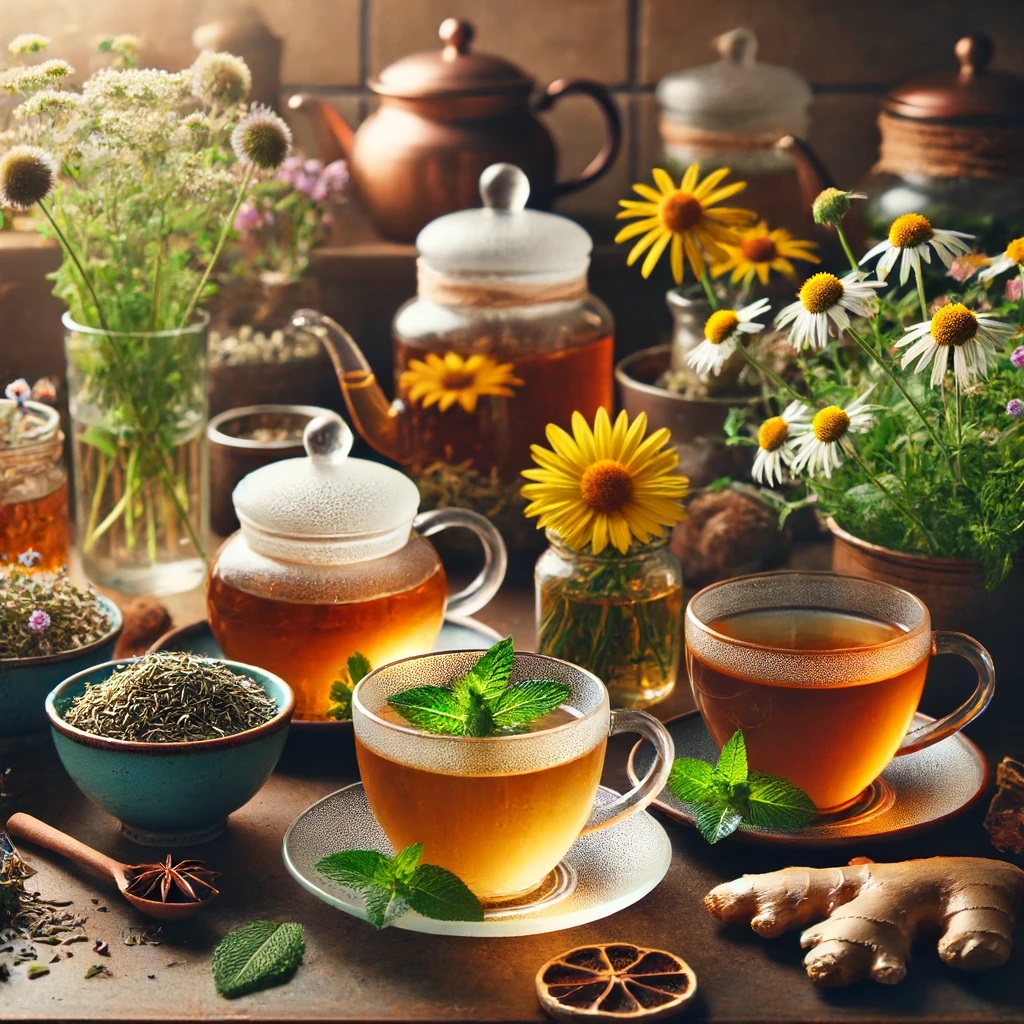
Herbal teas have been cherished for centuries as natural remedies for various ailments and to promote overall wellness. These teas, made from the leaves, flowers, seeds, and roots of different plants, offer unique health benefits. Here are some popular herbal teas and their wellness benefits, along with practical tips for incorporating them into your daily routine.

1. Chamomile Tea

Chamomile tea is renowned for its calming and soothing properties. It’s often used to reduce stress, promote relaxation, and improve sleep quality.

  • Benefits: Reduces anxiety, aids in digestion, and relieves insomnia.
  • Example: Drink a cup of chamomile tea before bedtime to help unwind and improve your sleep quality.

2. Peppermint Tea

Peppermint tea is refreshing and invigorating. It’s commonly used to relieve digestive issues and improve respiratory function.

  • Benefits: Eases indigestion, reduces nausea, and alleviates headaches.
  • Example: Sip on peppermint tea after meals to aid digestion and freshen your breath.

3. Ginger Tea

Ginger tea is a powerful remedy for nausea and digestive discomfort. It’s also known for its anti-inflammatory and immune-boosting properties.

  • Benefits: Relieves nausea, reduces inflammation, and boosts the immune system.
  • Example: Brew ginger tea when you’re feeling nauseous or to support your immune system during cold and flu season.

4. Hibiscus Tea

Hibiscus tea is a vibrant, tangy beverage rich in antioxidants. It’s known for its ability to lower blood pressure and support heart health.

  • Benefits: Lowers blood pressure, supports cardiovascular health, and provides antioxidant protection.
  • Example: Enjoy a refreshing glass of hibiscus tea iced on a hot day to stay hydrated and boost your heart health.

5. Echinacea Tea

Echinacea tea is widely used to boost the immune system and fight off infections. It’s particularly popular during the cold and flu season.

  • Benefits: Boosts the immune system, reduces the duration of colds, and fights infections.
  • Example: Drink echinacea tea at the first sign of a cold to help your body fend off the illness.

6. Rooibos Tea

Rooibos tea, also known as red bush tea, is caffeine-free and packed with antioxidants. It’s known for its anti-inflammatory properties and ability to promote skin health.

  • Benefits: Reduces inflammation, promotes healthy skin, and supports heart health.
  • Example: Include rooibos tea in your daily routine for a caffeine-free antioxidant boost.

7. Lemon Balm Tea

Lemon balm tea has a mild lemony flavor and is known for its calming effects. It’s often used to reduce anxiety and improve cognitive function.

  • Benefits: Reduces anxiety, improves mood, and enhances cognitive function.
  • Example: Drink lemon balm tea during stressful times to calm your nerves and improve focus.

8. Turmeric Tea

Turmeric tea, also known as golden milk, is renowned for its anti-inflammatory and antioxidant properties. It’s often used to support joint health and boost the immune system.

  • Benefits: Reduces inflammation, supports joint health, and boosts the immune system.
  • Example: Enjoy a warm cup of turmeric tea in the evening to benefit from its anti-inflammatory properties.

9. Lavender Tea

Lavender tea is soothing and aromatic. It’s commonly used to promote relaxation and alleviate headaches.

  • Benefits: Promotes relaxation, reduces anxiety, and alleviates headaches.
  • Example: Sip on lavender tea when you need to relax or before bedtime to help you sleep.

10. Dandelion Tea

Dandelion tea is a natural detoxifier and diuretic. It’s often used to support liver health and digestion.

  • Benefits: Supports liver health, aids digestion, and acts as a diuretic.
  • Example: Drink dandelion tea after a heavy meal to support digestion and detoxification.

How to Brew Herbal Teas

Brewing herbal tea is simple and can be done using fresh or dried herbs. Here’s a basic guide:

  1. Measure the Herbs: Use about 1 teaspoon of dried herbs or 1 tablespoon of fresh herbs per cup of water.
  2. Boil the Water: Bring water to a boil, then let it cool slightly before pouring over the herbs.
  3. Steep: Cover and steep the herbs for 5-10 minutes, depending on the desired strength.
  4. Strain: Strain the herbs from the water and enjoy your tea.

Incorporating Herbal Teas into Your Routine

  • Morning Boost: Start your day with an energizing tea like ginger or peppermint.
  • Midday Refresh: Enjoy a cup of hibiscus or lemon balm tea to recharge in the afternoon.
  • Evening Relaxation: Unwind with chamomile or lavender tea before bed.

The Healing Power of Music: How Sound Can Improve Your Well-Being

Music has a profound impact on our emotions, mind, and body. It can evoke powerful feelings, reduce stress, and even promote physical healing. Here’s how you can harness the healing power of music to enhance your well-being.

The Science Behind Music Therapy

Music therapy is a well-established field that uses music to address physical, emotional, cognitive, and social needs. Research has shown that music can influence brain waves, heart rate, and hormone levels, leading to improved mood and reduced stress.

Benefits of Music for Well-Being

1. Stress Reduction

Listening to calming music can significantly reduce stress levels. Slow, soothing music can lower cortisol levels, reduce heart rate, and promote relaxation.

  • Example: Create a playlist of calming music or nature sounds and listen to it during stressful moments or before bed to help unwind.

2. Enhanced Mood

Music can elevate your mood and increase feelings of happiness. Upbeat, lively music can boost energy levels and improve overall emotional well-being.

  • Example: Start your day with an energizing playlist of your favorite upbeat songs to set a positive tone for the day.

3. Improved Sleep

Music can improve sleep quality by promoting relaxation and reducing anxiety. Listening to calming music before bed can help you fall asleep faster and enjoy a more restful sleep.

  • Example: Play soft, instrumental music or lullabies as part of your bedtime routine to enhance sleep quality.

4. Pain Management

Music can be an effective tool for pain management. It can distract from pain, reduce the perception of pain, and promote relaxation.

  • Example: Listen to your favorite music during medical procedures or while recovering from surgery to help manage pain and discomfort.

5. Cognitive Benefits

Music can enhance cognitive performance, including memory, attention, and problem-solving skills. Background music can improve focus and productivity.

  • Example: Play instrumental or classical music while studying or working to enhance concentration and cognitive function.

6. Emotional Expression

Music provides a powerful outlet for emotional expression. It can help process complex emotions and provide comfort during difficult times.

  • Example: Create a playlist that reflects your current emotions and listen to it when you need to process your feelings or find solace.

7. Physical Rehabilitation

Music can support physical rehabilitation by improving coordination, movement, and motivation. Rhythmic music can enhance motor skills and make exercise more enjoyable.

  • Example: Use rhythmic music during physical therapy sessions or workouts to improve movement and stay motivated.

Practical Ways to Incorporate Music into Your Daily Life

1. Create Personalized Playlists

Curate playlists for different moods and activities. Have a calming playlist for relaxation, an upbeat playlist for exercise, and a focus playlist for work or study.

  • Example: Use music streaming services like Spotify or Apple Music to create and organize your playlists based on your preferences and needs.

2. Play a Musical Instrument

Learning to play a musical instrument can provide mental stimulation, improve coordination, and offer a creative outlet.

  • Example: Take lessons for an instrument you’re interested in, such as the piano, guitar, or drums. Practice regularly to enjoy the cognitive and emotional benefits of playing music.

3. Attend Live Music Events

Experiencing live music can enhance your connection to music and provide a sense of community and joy.

  • Example: Attend concerts, music festivals, or local performances to enjoy live music and connect with others who share your interests.

4. Use Music for Meditation and Mindfulness

Incorporate music into your meditation or mindfulness practice to enhance relaxation and focus.

  • Example: Listen to ambient or instrumental music during meditation sessions to create a serene atmosphere and deepen your practice.

5. Explore Different Genres

Expand your musical horizons by exploring different genres and cultural music. This can enrich your listening experience and expose you to new sounds and rhythms.

  • Example: Try listening to classical, jazz, world music, or other genres that you might not be familiar with to discover new favorites and broaden your musical appreciation.

6. Music and Movement

Combine music with movement to enhance physical and emotional well-being. Dancing, yoga, and other forms of exercise can be more enjoyable and effective with music.

  • Example: Create a dance routine to your favorite songs, or use music during yoga practice to enhance the flow and rhythm of your movements.