

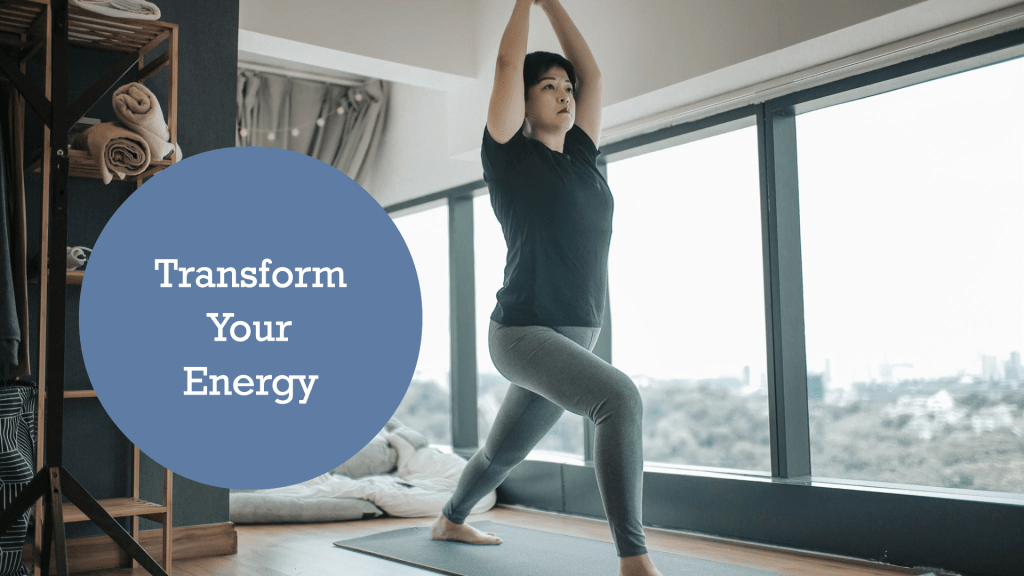
10 Transformative Practices to Release Negative Energy and Renew Your Spirit

Negative energy can creep into our lives in subtle ways, draining our vitality and weighing down our spirit. Holding onto stress, unresolved emotions, or unhelpful habits can create energetic blockages, affecting mental, physical, and emotional well-being. Releasing negative energy is essential to cultivate a refreshed, positive outlook. Here are 10 transformative practices to help you let go of negativity and renew your spirit.


1. Practice Energy Cleansing with Visualization

Visualization is a powerful way to clear negative energy and replenish yourself. By imagining energy moving through you, you can shift your mindset and release emotional burdens.

  • How to Practice: Close your eyes and imagine a bright, white light moving from the top of your head to your toes. Visualize this light washing away any negativity, leaving you with a refreshed, calm energy.

2. Let Go with a Symbolic Release Ritual

Physical symbols can help you process and release negative emotions. A release ritual allows you to let go of what no longer serves you, making space for renewal.

  • How to Practice: Write down anything that’s troubling you, then safely burn or tear the paper as a symbolic release. As you do, focus on letting go of each thought, feeling lighter with every piece that’s released.

3. Use Salt Baths for Energetic Detoxification

Salt has long been used for purification and energy cleansing. Taking a salt bath can draw out negative energy from your body, leaving you feeling relaxed and recharged.

  • How to Practice: Add 1-2 cups of Epsom or Himalayan salt to a warm bath. Soak for 20 minutes, visualizing any negativity dissolving into the water.

4. Practice Reframing Negative Thoughts

Shifting your perspective on negative thoughts helps reduce their impact. Reframing turns challenges into learning opportunities, creating a more positive mindset.

  • How to Practice: When a negative thought arises, consciously reframe it with a positive or neutral perspective. For example, change “I’m always failing” to “I’m learning from each experience.”

5. Use Sound Therapy to Shift Energy

Sound has a unique ability to alter our mood and energy. Using sound, like Tibetan singing bowls or chimes, can help clear negativity and bring a sense of harmony.

  • How to Practice: Spend a few minutes listening to calming sounds or using a singing bowl to create peaceful vibrations. Let the sound move through you, washing away any tension.

6. Practice Grounding with the Earth

Reconnecting with the earth helps neutralize negative energy. Grounding practices, like walking barefoot, allow you to absorb the earth’s natural energy, restoring balance.

  • How to Practice: Spend time outdoors, standing barefoot on grass or soil. Focus on the sensations beneath your feet and visualize any stress draining into the ground.

7. Create a “No Negativity” Zone at Home

Declaring certain areas of your home as negativity-free zones can create a peaceful space to recharge. This space can act as a sanctuary from daily stress.

  • How to Practice: Choose a small area, like a corner or a room, and fill it with objects that bring you peace—like plants, candles, or soothing artwork. Make a commitment to only bring positive thoughts into this space.

8. Cleanse with Essential Oils

Certain essential oils, like sage, frankincense, and lavender, are known for their cleansing properties. Using these oils can uplift your mood and clear negative energy.

  • How to Practice: Diffuse essential oils in your home, or apply a few drops (diluted) to your wrists and inhale deeply. Focus on feeling lighter with each breath.

9. Engage in Energy-Release Exercises

Physical movement can release pent-up energy, leaving you feeling renewed. High-energy exercises help you process stress and create emotional balance.

  • How to Practice: Try a form of movement that allows you to release energy, like dancing, kickboxing, or even shaking out your body. Focus on letting go of tension with each movement.

10. Use Affirmations for Positive Energy

Positive affirmations shift your energy by reinforcing uplifting thoughts. Repeating affirmations regularly can create an internal environment that blocks negativity.

  • How to Practice: Write down a few affirmations that resonate with you, such as “I am free from negativity” or “I welcome peace into my life.” Repeat them in the morning and before bed for a consistent positive mindset.

Conclusion

Releasing negative energy and renewing your spirit requires a combination of awareness, intention, and small actions. By incorporating these practices into your routine, you create a foundation of calm and resilience that allows you to face life’s challenges with positivity. Choose the practices that resonate most with you, and embrace a journey of renewal and self-empowerment.


For more transformative wellness practices, check out my book, The Mindful Executive: https://www.amazon.com/dp/B0D75YJCLW.


15 Types of Self-Care Practices to Nurture Your Mind, Body, and Spirit

Self-care is about more than treating yourself—it’s a commitment to nurturing your well-being in ways that support your mental, physical, and spiritual health. True self-care is a balanced blend of habits and practices that align with your personal needs and values. Here are 15 diverse types of self-care practices to inspire you, each offering unique benefits to your mind, body, and spirit.


1. Physical Movement for Vitality

Engaging in physical activity boosts energy, improves mood, and supports overall health. Movement is a powerful form of self-care that directly benefits both mind and body.

  • How to Practice: Try gentle activities like yoga, walking, or stretching if you’re looking for relaxation, or energizing exercises like running or dance to uplift your mood.

2. Mindful Meditation for Inner Peace

Meditation is a mental practice that promotes clarity and calmness. It allows you to observe your thoughts and feelings without judgment, fostering a sense of inner peace.

  • How to Practice: Dedicate 5-10 minutes each day to mindfulness meditation, focusing on your breath. Allow thoughts to come and go as you bring your attention back to the present.

3. Digital Detox for Mental Clarity

Constant digital engagement can clutter your mind and create stress. Taking intentional breaks from screens helps you reconnect with the present and clear mental clutter.

  • How to Practice: Set a daily or weekly time to unplug from screens. Use this time to read, connect with loved ones, or spend time outdoors.

4. Journaling for Emotional Expression

Writing down your thoughts and feelings helps you process emotions, gain insights, and release negativity. Journaling provides a safe space to explore your inner self.

  • How to Practice: Spend a few minutes each day or week writing about your thoughts, goals, or feelings. Don’t worry about structure—let your words flow freely.

5. Breathwork for Relaxation

Controlled breathing exercises reduce stress, calm the nervous system, and promote mental clarity. Breathwork is a quick, effective tool for managing emotions.

  • How to Practice: Try deep belly breathing or the 4-7-8 technique (inhale for 4, hold for 7, exhale for 8). Repeat for a few cycles to feel grounded and centered.

6. Creative Expression for Joy

Creative activities like painting, writing, or playing music provide an emotional release and bring joy. Creativity allows you to express yourself in ways words cannot.

  • How to Practice: Dedicate time each week for a creative outlet. Approach it playfully, letting go of perfectionism and focusing on the joy of creating.

7. Time in Nature for Grounding

Nature has a grounding effect that helps you reconnect with yourself and reduces stress. Being outdoors promotes mindfulness and emotional well-being.

  • How to Practice: Spend 10-15 minutes outdoors each day, observing your surroundings. Whether it’s a walk in the park or sitting in your backyard, allow nature to calm your mind.

8. Gratitude Practice for Positive Perspective

Reflecting on gratitude shifts your focus from what you lack to what you have, fostering a positive outlook and resilience.

  • How to Practice: Write down three things you’re grateful for each day. Focus on small details that brought joy or peace, reinforcing a sense of abundance.

9. Massage Therapy for Physical Release

Massage relieves tension in the body and promotes relaxation. It’s a way to release stress and reconnect with your body through touch.

  • How to Practice: Schedule a professional massage when possible, or practice self-massage techniques on areas like the neck and shoulders.

10. Herbal Teas for Calmness

Herbal teas like chamomile, lavender, and peppermint provide natural relaxation. Tea rituals are comforting and can help reduce stress and anxiety.

  • How to Practice: Enjoy a calming tea each evening or during stressful times. Savor the flavor and aroma as a form of mindful self-care.

11. Decluttering for Mental Peace

A clean, organized space promotes mental clarity and reduces stress. Decluttering is a form of self-care that improves your environment and your mindset.

  • How to Practice: Set aside time each week to declutter a specific area, such as your desk or bedroom. Focus on creating a space that feels peaceful and organized.

12. Affirmations for Self-Love

Positive affirmations shift your inner dialogue, boosting self-esteem and resilience. They help you build a supportive, loving relationship with yourself.

  • How to Practice: Choose affirmations that resonate with you, like “I am enough” or “I deserve love.” Repeat them daily to reinforce a positive mindset.

13. Setting Boundaries for Emotional Balance

Setting boundaries protects your energy and helps you manage stress. It’s an essential practice for emotional health and self-respect.

  • How to Practice: Identify areas where you feel overextended and set limits. Communicate your boundaries with kindness and clarity, honoring your needs.

14. Sleep Hygiene for Restoration

Quality sleep is crucial for emotional and physical well-being. Good sleep hygiene helps you recharge, improves mood, and boosts mental clarity.

  • How to Practice: Create a relaxing bedtime routine, avoiding screens and caffeine before bed. Aim for 7-8 hours of rest each night for optimal health.

15. Acts of Kindness for Connection

Kindness towards others promotes positive feelings and a sense of connection. Giving back supports both your mental and emotional well-being.

  • How to Practice: Perform a simple act of kindness daily, like offering a compliment, helping someone, or volunteering. These small acts create positive energy and foster connection.

Conclusion

Self-care encompasses a wide range of practices that nurture your mind, body, and spirit. By incorporating these diverse self-care techniques into your routine, you create a holistic foundation for well-being. Choose practices that resonate with you and adapt them to your needs, creating a self-care routine that truly supports your life.


For more insights on self-care and well-being, check out my book, The Mindful Executive: https://www.amazon.com/dp/B0D75YJCLW.

10 Daily Habits to Balance Your Chakras Naturally

Our body contains seven primary energy centers, known as chakras, that influence our physical, mental, and spiritual health. When these chakras are balanced, energy flows freely, promoting overall wellness. However, daily stresses and negative patterns can create blockages, leading to emotional or physical imbalance. By incorporating simple habits into your routine, you can keep your chakras aligned, supporting a harmonious and healthy life. Here are 10 daily habits to naturally balance your chakras and create energetic harmony.


1. Ground Yourself with Root Chakra Practices

The root chakra, located at the base of the spine, represents stability and security. When balanced, it helps you feel grounded and safe. Practicing grounding exercises can strengthen your root chakra and connect you to the earth.

  • Daily Habit: Begin your day with a grounding exercise, like walking barefoot on natural surfaces, or sitting outdoors and focusing on your breath, visualizing roots connecting you to the earth.

2. Incorporate Creative Expression for the Sacral Chakra

The sacral chakra, located just below the navel, governs creativity, pleasure, and emotional health. Keeping it balanced allows you to enjoy life and embrace change. Creativity and emotional openness are key to a healthy sacral chakra.

  • Daily Habit: Engage in a creative activity, such as drawing, dancing, or journaling, allowing your emotions and thoughts to flow freely.

3. Build Self-Confidence with Solar Plexus Chakra Exercises

The solar plexus chakra, located in the upper abdomen, is the seat of personal power, self-confidence, and willpower. A balanced solar plexus chakra helps you feel in control of your life and assertive.

  • Daily Habit: Practice positive affirmations in the morning, such as “I am powerful” or “I am confident.” Visualize a bright yellow light in your solar plexus, radiating warmth and strength.

4. Practice Heart-Opening Exercises for the Heart Chakra

The heart chakra, located in the center of the chest, represents love, compassion, and connection. A balanced heart chakra helps you build healthy relationships with others and foster self-love.

  • Daily Habit: Spend a few minutes each day doing a heart-opening yoga pose, like a gentle backbend or seated chest opener. Focus on breathing deeply and sending love to yourself and others.

5. Use Mindful Communication for the Throat Chakra

The throat chakra governs communication, expression, and truth. When balanced, it allows you to express yourself clearly and confidently. Practicing mindful speech can help keep this chakra in alignment.

  • Daily Habit: Take time each day to practice speaking mindfully and expressing your true thoughts. Avoid gossip or negative talk, and focus on clear, kind communication.

6. Nurture Your Intuition with Third Eye Chakra Meditation

The third eye chakra, located between the eyebrows, is the center of intuition, wisdom, and spiritual insight. A balanced third eye helps you connect with your inner self and trust your intuition.

  • Daily Habit: Spend 5-10 minutes each day meditating with your eyes closed, focusing on the space between your eyebrows. Visualize a deep indigo light expanding and brightening with each breath.

7. Cultivate Spiritual Awareness for the Crown Chakra

The crown chakra, located at the top of the head, represents spiritual connection and enlightenment. A balanced crown chakra helps you feel connected to the universe and your higher self.

  • Daily Habit: End your day with a short gratitude practice or meditation, visualizing a pure white light at the top of your head. Focus on your connection to the universe and express gratitude for the day.

8. Eat Foods that Correspond to Each Chakra

The food you eat can also influence your chakra health. Each chakra has a color associated with it, and eating foods of those colors can help balance the respective chakras.

  • Daily Habit: Incorporate a colorful variety of fruits and vegetables into your diet. For example, eat red foods (like strawberries) for the root chakra, orange foods (like carrots) for the sacral, and so on.

9. Practice Breathwork to Balance Energy

Breathwork is a powerful tool for balancing all the chakras, as it helps energy flow smoothly throughout the body. Regular breathwork helps release blockages and promotes relaxation.

  • Daily Habit: Try alternate nostril breathing or deep belly breathing for 5 minutes each day to calm your mind, balance your energy, and align your chakras.

10. Use Affirmations for Each Chakra

Positive affirmations are an effective way to reset your mindset and reinforce positive energy in each chakra. Repeating specific affirmations helps you connect with and energize each chakra.

  • Daily Habit: Use a different affirmation for each chakra daily. For example: “I am grounded” (Root), “I am creative” (Sacral), “I am strong” (Solar Plexus), “I am loved” (Heart), “I speak my truth” (Throat), “I trust my intuition” (Third Eye), and “I am connected to the divine” (Crown).

Conclusion

Balancing your chakras doesn’t require drastic changes to your routine. Small, daily practices can help align your energy centers, bringing peace, clarity, and vitality into your life. By incorporating these simple habits, you’ll be able to support your holistic wellness journey and create a balanced and harmonious life.


For more insights on holistic practices, check out my book, The Mindful Executive: https://www.amazon.com/dp/B0D75YJCLW.
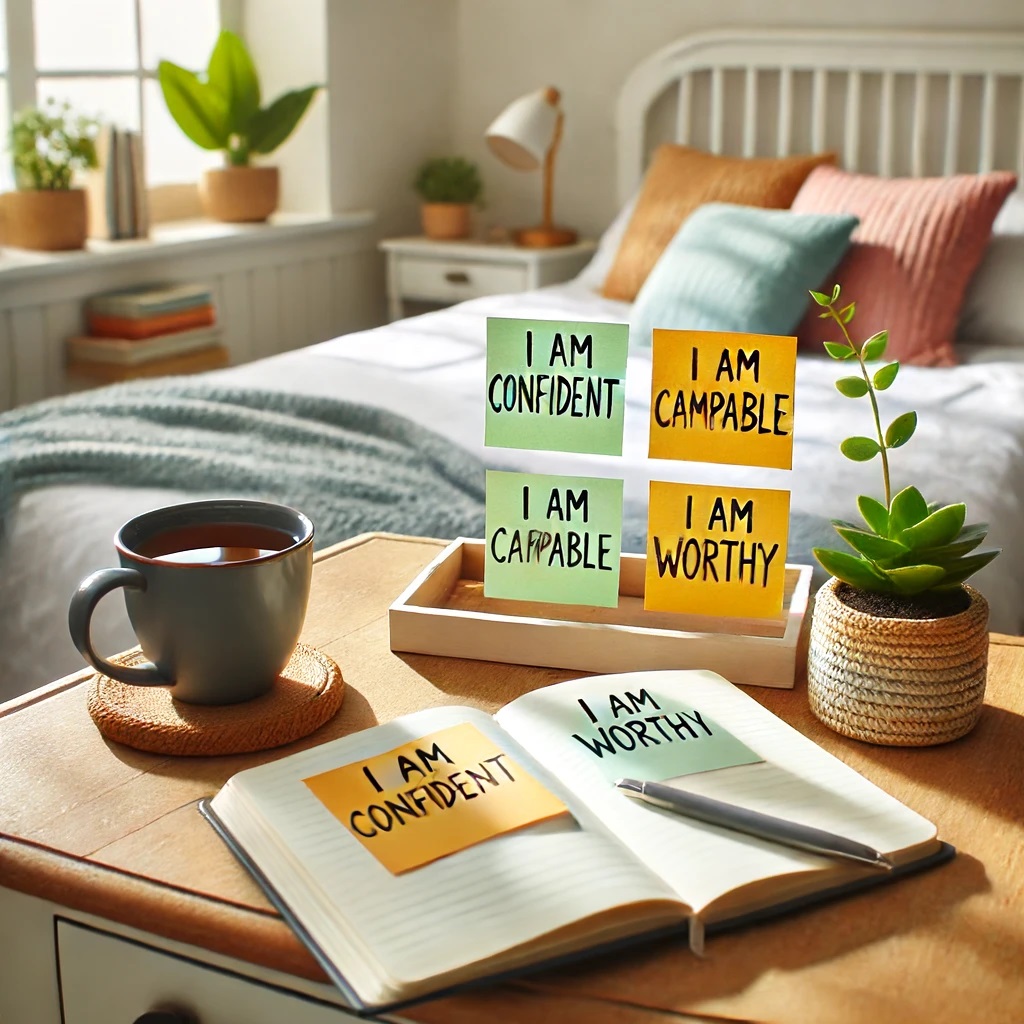
10 Ways to Cultivate Inner Peace in a Busy World

In a world that moves at a relentless pace, finding inner peace can feel like an impossible task. However, by adopting small, intentional practices, you can cultivate calm and balance within, no matter how hectic life gets. Inner peace isn’t about escaping the chaos; it’s about finding a steady center amid it. Here are 10 powerful ways to nurture inner peace and carry that tranquility with you throughout the day.

1. Start Your Day with Mindful Breathing

Before diving into your to-do list, take a few moments to center yourself with mindful breathing. Focused breathing helps you start the day with clarity and calm, setting a peaceful tone for whatever comes next.

  • Tip: Spend 5 minutes each morning breathing deeply and intentionally. Inhale for four counts, hold for four, exhale for four, and repeat. This simple exercise can make a profound difference.

2. Practice Grounding Techniques

Grounding techniques connect you to the present moment, helping to alleviate stress and reduce anxiety. Spending a few minutes each day connecting with the earth can bring immediate feelings of peace and stability.

  • Tip: Try walking barefoot on grass, sand, or soil. Focus on the sensation of the earth beneath your feet and take a few deep breaths to ground yourself.

3. Limit Digital Overload

Constant digital engagement can be mentally draining, leading to restlessness and stress. By limiting screen time, you can create space for calm, real-life moments that bring peace.

  • Tip: Set aside at least an hour each day to unplug from all devices. Use this time to meditate, read, or connect with loved ones without the distraction of screens.

4. Embrace Minimalism in Your Space

A cluttered environment can create a cluttered mind. By embracing minimalism and keeping your space organized, you invite more peace and clarity into your surroundings.

  • Tip: Spend a few minutes each day tidying up. Start with small spaces, like your work desk or bedside table, to create an environment that promotes calm.

5. Prioritize Mindful Eating

Eating mindfully means savoring each bite and being fully present during meals. This practice not only aids digestion but also enhances appreciation for food, creating a calm and satisfying eating experience.

  • Tip: Avoid distractions like TV or your phone while eating. Take time to chew slowly, noticing the flavors and textures, and express gratitude for the nourishment.

6. Incorporate Meditation into Your Routine

Meditation is one of the most powerful tools for cultivating inner peace. Regular meditation helps train the mind to be more present, reducing stress and promoting a sense of calm that lasts throughout the day.

  • Tip: Start with just 5-10 minutes of meditation each day. Focus on your breath or use a guided meditation app to help you develop this peaceful practice.

7. Engage in Nature Therapy

Spending time in nature has a grounding and rejuvenating effect. Whether it’s a quick walk in the park or a weekend hike, being in nature can significantly boost your sense of inner peace.

  • Tip: Aim to spend at least 10-15 minutes outside every day. Observe your surroundings, breathe in the fresh air, and let nature’s beauty calm your mind.

8. Practice Letting Go of Control

Trying to control everything in life can lead to stress and frustration. By letting go and accepting that some things are beyond your control, you free up mental energy and create room for peace.

  • Tip: Reflect on what’s truly within your control each day. Write down any worries and consciously release those beyond your influence.

9. Use Affirmations for Calmness

Positive affirmations can shift your mindset, helping you cultivate a peaceful inner dialogue. Repeating calming affirmations trains the mind to embrace positivity and resilience.

  • Tip: Use affirmations like “I am at peace” or “I trust the process of life.” Repeat them to yourself during moments of stress to create a steadying inner voice.

10. End the Day with Gratitude

Practicing gratitude helps you focus on the positive aspects of life, creating a sense of peace and contentment. Reflecting on the day’s blessings can bring a peaceful closure to your day.

  • Tip: Before bed, jot down three things you’re grateful for. This simple practice can shift your perspective and create a calming end to each day.

Conclusion

Inner peace is within reach, even in the midst of a busy world. By incorporating these small practices into your routine, you create a foundation of calm and balance that can carry you through life’s challenges. Remember, inner peace is not about avoiding life’s chaos but about cultivating a quiet strength that allows you to move through it gracefully.


For more tips on cultivating peace and balance, check out my book, The Mindful Executive: https://www.amazon.com/dp/B0D75YJCLW.

The Power of Positive Affirmations: Boosting Mental Health and Well-Being

Positive affirmations are simple, powerful statements that can help reprogram your subconscious mind, boost your mental health, and enhance your overall well-being. Here’s a comprehensive guide on how to incorporate positive affirmations into your daily routine.

1. Understanding Positive Affirmations

Positive affirmations are statements that reflect a positive, desired state of being. They help to combat negative thoughts and promote a positive mindset.

  • Examples:
    • “I am confident and capable.”
    • “I am worthy of love and respect.”
    • “I attract positivity and good energy into my life.”

2. Benefits of Positive Affirmations

Incorporating positive affirmations into your daily routine can have numerous benefits for your mental health and well-being.

  • Reduces Stress: Positive affirmations help to counteract negative thoughts, reducing overall stress levels.
    • Example: Repeating affirmations like “I am calm and in control” can help manage stress during challenging situations.
  • Boosts Self-Esteem: Regularly affirming positive beliefs about yourself can enhance self-esteem and confidence.
    • Example: Saying “I am proud of who I am” daily can improve your self-image.
  • Promotes Resilience: Positive affirmations can increase resilience by helping you focus on your strengths and capabilities.
    • Example: Affirming “I can handle anything that comes my way” reinforces a resilient mindset.

3. How to Use Positive Affirmations

Integrate positive affirmations into your daily routine to maximize their benefits.

  • Morning Routine: Start your day with a set of affirmations to set a positive tone.
    • Example: While brushing your teeth or getting dressed, repeat affirmations like “Today is going to be a great day” or “I am ready to tackle any challenge.”
  • During Meditation: Incorporate affirmations into your meditation practice to deepen your focus and relaxation.
    • Example: As you meditate, silently repeat affirmations like “I am at peace with myself” or “I am grateful for the present moment.”
  • Before Bed: End your day with affirmations to reinforce positive thoughts as you sleep.
    • Example: As you lie in bed, repeat affirmations like “I am grateful for today” or “I am looking forward to a restful night.”

4. Creating Your Own Affirmations

Personalized affirmations can be more effective because they resonate with your specific goals and challenges.

  • Identify Your Needs: Think about areas in your life where you want to see improvement or change.
    • Example: If you struggle with self-doubt, create affirmations like “I believe in myself and my abilities.”
  • Keep It Positive: Frame your affirmations in a positive light, focusing on what you want to achieve.
    • Example: Instead of saying “I am not stressed,” say “I am calm and relaxed.”
  • Make It Present Tense: Phrase your affirmations as if they are already true.
    • Example: Say “I am successful” rather than “I will be successful.”

5. Consistency is Key

The effectiveness of positive affirmations lies in their consistent practice. Make them a part of your daily routine and believe in their power to create positive change.

Conclusion: Positive affirmations are a simple yet powerful tool for enhancing mental health and overall well-being. By integrating them into your daily routine, you can cultivate a positive mindset, reduce stress, and boost self-esteem. Start practicing positive affirmations today and experience the transformative impact they can have on your life.