

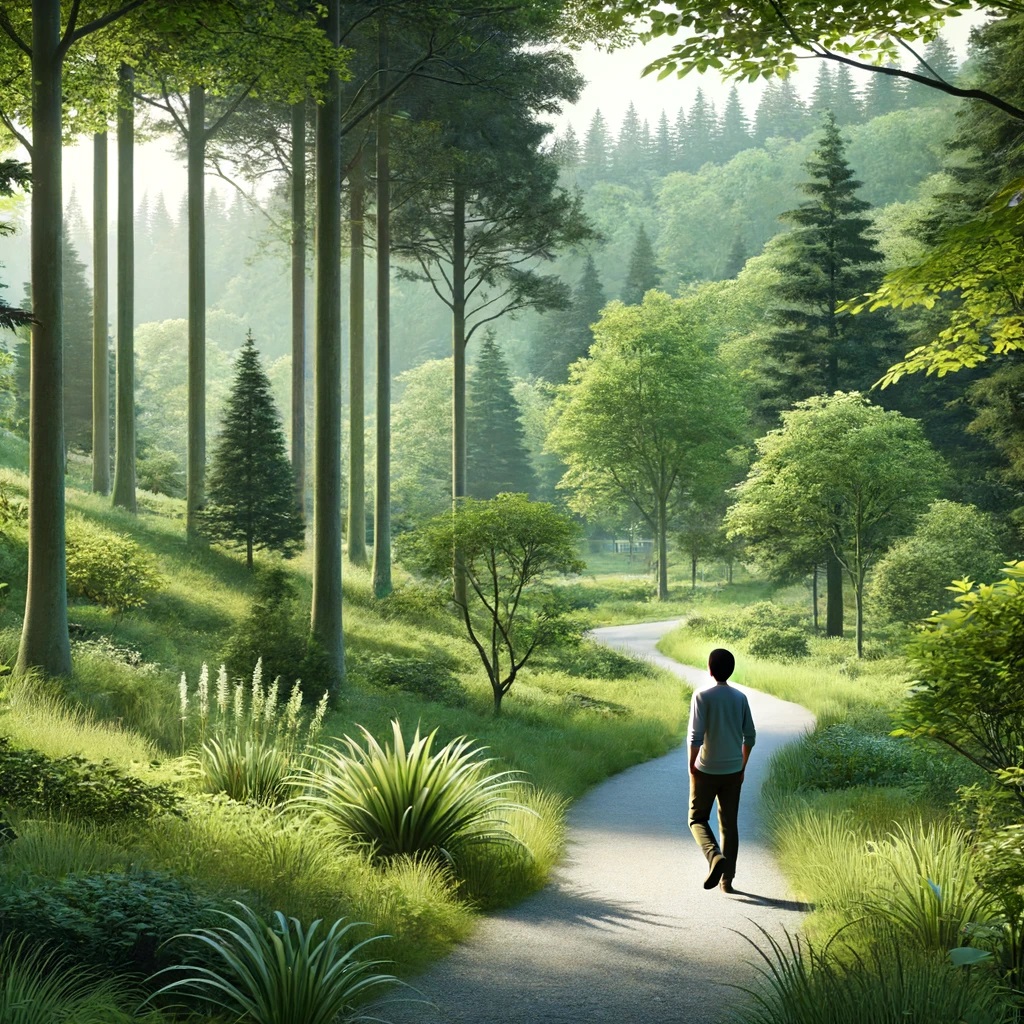
In our modern, fast-paced world, it’s easy to become disconnected from nature. However, spending time outdoors offers numerous benefits for our physical, mental, and emotional well-being. Reconnecting with nature can enhance your quality of life in many ways. Here’s how spending time in nature can benefit you and practical tips to incorporate more outdoor activities into your routine.
Physical Health Benefits
Spending time in nature can have profound effects on your physical health. Activities like walking, hiking, and cycling improve cardiovascular health, strengthen muscles, and enhance flexibility.
- Example: Regularly hiking in a local nature reserve can improve your stamina and cardiovascular fitness while providing beautiful scenery to enjoy.
Mental Health Benefits
Nature has a calming effect on the mind. It can reduce stress, anxiety, and depression, while improving mood and mental clarity. The natural environment helps to lower cortisol levels and promotes relaxation.
- Example: A daily walk in the park can significantly reduce stress levels and improve your mood, providing a break from the hustle and bustle of daily life.
Enhanced Creativity and Focus
Being in nature can boost creativity and improve focus. The natural environment allows your mind to rest and rejuvenate, which can enhance problem-solving skills and creativity.
- Example: If you’re struggling with a work project, take a break and spend some time outdoors. You may find that the fresh air and natural surroundings help you come up with new ideas and solutions.
Improved Sleep
Exposure to natural light helps regulate your circadian rhythm, leading to better sleep. Spending time outdoors, especially in the morning, can improve the quality and duration of your sleep.
- Example: Start your day with a morning walk in the sunlight to help set your internal clock and promote better sleep at night.
Increased Physical Activity
Nature encourages physical activity, which is essential for overall health. Outdoor activities like hiking, swimming, and gardening can help you stay active and fit.
- Example: Join a local hiking group to explore different trails and stay motivated to exercise regularly in a fun and social way.
Connection to Nature and Mindfulness
Spending time in nature fosters a sense of connection to the environment and promotes mindfulness. It encourages you to be present and appreciate the beauty around you.
- Example: Practice mindfulness by sitting quietly in a natural setting, focusing on the sounds, smells, and sights around you. This can help you feel more grounded and connected to the world.
Social Benefits
Outdoor activities can also be social activities. Hiking, picnicking, or playing sports in a park are great ways to connect with friends and family while enjoying nature.
- Example: Organize a weekend picnic with friends in a local park. Bring along games and activities to enjoy together, fostering social connections and a love for the outdoors.
Boosted Immune System
Spending time in nature can boost your immune system. Exposure to diverse natural environments increases the diversity of beneficial microbes in your body, strengthening your immune response.
- Example: Regular visits to different natural settings, such as forests, beaches, and mountains, can expose you to a variety of beneficial microbes and enhance your immune health.
Inspiration and Perspective
Nature can provide inspiration and a sense of perspective. Observing the vastness and beauty of the natural world can help you feel more connected and appreciative of life.
- Example: Spend time in awe-inspiring natural locations, such as mountains or oceans, to gain a greater sense of perspective and inspiration.
Practical Tips to Reconnect with Nature
1. Make Outdoor Time a Priority
Schedule regular time in your week to spend outdoors. Treat it as an important part of your routine.
- Example: Block off time in your calendar for outdoor activities, such as weekend hikes or evening walks.
2. Explore Local Parks and Trails
Take advantage of local parks, nature reserves, and trails. These are often easily accessible and offer a quick escape to nature.
- Example: Research and visit different parks and trails in your area. Try to explore a new one each week to keep things interesting.
3. Practice Outdoor Hobbies
Engage in hobbies that take you outdoors, such as bird watching, photography, or gardening.
- Example: Start a small garden in your backyard or join a community garden to spend more time outdoors and enjoy the therapeutic benefits of gardening.
4. Plan Outdoor Activities with Friends and Family
Incorporate social activities that involve spending time in nature. This makes it more enjoyable and helps you stay committed.
- Example: Plan regular outdoor outings with friends and family, such as camping trips, beach days, or nature walks.
5. Unplug and Be Present
When spending time in nature, unplug from digital devices and be fully present in the moment.
- Example: Leave your phone behind or turn it off when you go for a walk in the park. Focus on the sights, sounds, and smells around you.
6. Bring Nature Indoors
If you can’t get outside, bring nature indoors. Houseplants, natural light, and nature-inspired decor can help create a calming environment.
- Example: Fill your living space with plants and natural elements, like wooden furniture and stone accents, to create a peaceful, nature-inspired atmosphere.
 Holistic Wellness Guide