

Unlock the Benefits of Intermittent Fasting for Weight Loss

Intermittent fasting has become a popular method for weight loss and improving overall health. By alternating periods of eating and fasting, this approach helps to optimize bodily functions and promotes a range of health benefits. Here are ten compelling benefits of intermittent fasting that can help you achieve your weight loss goals.


1. Promotes Weight Loss

Intermittent fasting helps reduce calorie intake by limiting the time window for eating. This naturally leads to weight loss as you consume fewer calories throughout the day.

Learn more about weight loss through intermittent fasting: Healthline


2. Improves Metabolic Health

Fasting can enhance various metabolic markers such as insulin sensitivity, which helps in better blood sugar management. This is crucial for preventing metabolic diseases like type 2 diabetes.

Read about the metabolic benefits: WebMD


3. Supports Cellular Repair

During fasting, the body initiates cellular repair processes, such as removing damaged cells and regenerating new ones. This can contribute to overall health and longevity.

Discover more about cellular repair: Medical News Today


4. Enhances Brain Function

Intermittent fasting can boost brain function by promoting the production of brain-derived neurotrophic factor (BDNF), a protein that supports brain health.

Learn about the impact on brain function: Healthline


5. Reduces Inflammation

Chronic inflammation is linked to many diseases. Intermittent fasting helps reduce inflammation and lowers the risk of developing chronic conditions.

Read more about inflammation reduction: Verywell Health


6. Increases Longevity

Studies suggest that intermittent fasting can extend lifespan by promoting healthy aging processes and reducing the risk of age-related diseases.

Explore the connection between fasting and longevity: WebMD


7. Improves Heart Health

Intermittent fasting can improve heart health by lowering cholesterol levels, reducing blood pressure, and decreasing triglycerides.

Discover the heart health benefits: Healthline


8. Enhances Hormone Function

Fasting can improve hormone balance, particularly by increasing the release of norepinephrine, a hormone that boosts metabolism and promotes fat burning.

Learn about hormonal benefits: Medical News Today


9. Promotes Gut Health

By giving your digestive system a break, intermittent fasting can improve gut health and promote a balanced microbiome.

Read about gut health benefits: Verywell Health


10. Simplifies Meal Planning

With fewer meals to plan and prepare, intermittent fasting can simplify your daily routine and reduce the time spent on food preparation.

Learn more about the simplicity of fasting: Healthline

Call to Action

Incorporate intermittent fasting into your lifestyle to reap these incredible health benefits. For more tips and meal plans, visit Holistic Wellness Guide.

#IntermittentFasting #WeightLoss #HealthyLiving #Wellness #DietTips #Nutrition #MetabolicHealth #Longevity #GutHealth
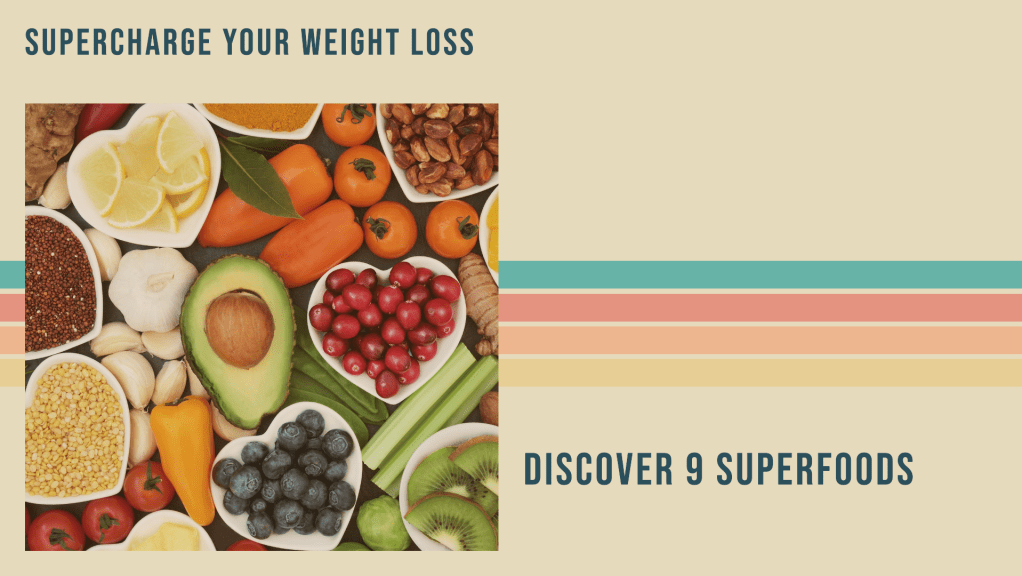
9 Superfoods to Supercharge Your Weight Loss Journey

Incorporating the right superfoods into your diet can make a significant difference in your weight loss efforts. These nutrient-dense foods not only help you shed pounds but also provide numerous health benefits. Here are nine superfoods that can naturally aid in weight loss.


1. Kale

Kale is a leafy green packed with vitamins A, K, and C, as well as fiber and antioxidants. Its low calorie content makes it an ideal food for weight loss.

Learn more about kale’s benefits: Healthline


2. Quinoa

Quinoa is a complete protein, meaning it contains all nine essential amino acids. It’s also high in fiber, which helps keep you full longer.

Explore quinoa’s health benefits: Medical News Today


3. Berries

Berries, such as blueberries, strawberries, and raspberries, are low in calories but high in fiber and antioxidants. They can help curb your sweet cravings while providing essential nutrients.

Read about the benefits of berries: Healthline


4. Avocados

Avocados are rich in healthy fats, particularly monounsaturated fats, which can help reduce belly fat. They also contain fiber and various essential vitamins.

Discover more about avocados: WebMD


5. Nuts

Nuts, such as almonds and walnuts, are high in healthy fats, protein, and fiber. They make for a satisfying snack that can help control hunger.

Learn about the benefits of nuts: Harvard T.H. Chan School of Public Health


6. Chia Seeds

Chia seeds are rich in omega-3 fatty acids, fiber, and protein. They expand in your stomach, helping you feel full and satisfied.

Explore chia seeds’ health benefits: Healthline


7. Green Tea

Green tea contains catechins, antioxidants that boost metabolism and increase fat burning. Drinking green tea can enhance your weight loss efforts.

Read about green tea’s benefits: WebMD


8. Greek Yogurt

Greek yogurt is high in protein and probiotics, which support digestion and keep you full longer. It’s a great addition to a balanced diet.

Learn about Greek yogurt: Medical News Today


9. Sweet Potatoes

Sweet potatoes are high in fiber, vitamins, and minerals. Their low glycemic index helps regulate blood sugar levels, making them a great food for weight loss.

Discover the benefits of sweet potatoes: Healthline

Call to Action

Incorporate these superfoods into your daily meals to support your weight loss journey and enhance your overall health. For more tips on healthy living, visit Holistic Wellness Guide.

#WeightLoss #Superfoods #HealthyEating #Nutrition #Wellness #HealthyLiving #DietTips #Fitness #HealthyLifestyle

9 Foods That Naturally Boost Hair Growth

Achieving healthy and luscious hair often starts from within. Incorporating the right foods into your diet can significantly impact your hair health. Here are nine foods that can naturally help in hair growth.


1. Spinach

Rich in iron, vitamins A and C, and protein, spinach is a powerhouse for hair health. Iron deficiency is a common cause of hair loss, and spinach provides a good amount of this essential mineral.

Learn more about spinach and hair health: Healthline


2. Sweet Potatoes

Sweet potatoes are loaded with beta-carotene, which the body converts into vitamin A. This vitamin promotes the production of sebum, which helps keep hair healthy.

Explore the benefits of sweet potatoes: WebMD


3. Eggs

Eggs are a great source of protein and biotin, both of which are essential for hair growth. Biotin, in particular, is known to improve hair’s keratin infrastructure.

Read about eggs and hair growth: Medical News Today


4. Berries

Berries are packed with beneficial compounds and vitamins that promote hair growth. They contain vitamin C, which has strong antioxidant properties that protect hair follicles from damage.

Discover more about the benefits of berries: Healthline


5. Avocados

Avocados are high in healthy fats and vitamin E, which can promote hair growth. Vitamin E helps improve blood circulation and supports the follicles.

Learn about avocados and hair health: Medical News Today


6. Nuts

Nuts like almonds and walnuts are rich in vitamin E, zinc, and fatty acids, which can enhance hair health. They also provide a good amount of B vitamins, which are crucial for hair growth.

Read more about nuts and hair growth: Healthline


7. Seeds

Seeds such as flaxseeds and chia seeds provide omega-3 fatty acids, which are essential for hair growth. They also contain antioxidants and other nutrients that support hair health.

Explore the benefits of seeds: Medical News Today


8. Fish

Fatty fish like salmon and mackerel are rich in omega-3 fatty acids, which can boost hair growth. These fish are also excellent sources of protein, selenium, and vitamin D3.

Discover more about the benefits of fish: WebMD


9. Legumes

Legumes like beans and lentils are packed with protein, iron, zinc, and biotin, all of which are essential for hair growth. They are a great plant-based source of these nutrients.

Learn about legumes and hair health: Healthline

Call to Action

Incorporate these foods into your daily diet to naturally boost hair growth and maintain healthy locks. For more tips on maintaining a balanced and nutritious diet, visit Holistic Wellness Guide.

#HairGrowth #HealthyHair #NaturalHairCare #Nutrition #Wellness #HealthyEating #HairCareTips

Supercharge Your Kids’ Diet with Moringa, Beets, and Lemon

Incorporating superfoods into your children’s diet can significantly enhance their overall health and development. Moringa, beets, and lemon are three powerhouse ingredients that can provide a wealth of nutrients and benefits. Here’s a detailed guide on meal plans featuring these superfoods to help your kids thrive.


1. Moringa: The Miracle Tree

Moringa is packed with essential nutrients like vitamins A, C, and E, calcium, and iron. It’s known for its anti-inflammatory properties and can boost the immune system.

Moringa Smoothie Recipe

  • 1 cup of almond milk
  • 1 banana
  • 1 tablespoon of moringa powder
  • 1 handful of spinach
  • 1 tablespoon of honey Blend all ingredients until smooth. Serve chilled.

Benefits:

  • Boosts energy levels
  • Enhances immune function
  • Supports healthy skin and hair

Learn more about the benefits of moringa


2. Beets: Nature’s Multivitamin

Beets are rich in essential nutrients like fiber, folate, and vitamin C. They can improve blood flow, reduce blood pressure, and increase stamina.

Beet Salad Recipe

  • 2 medium beets, boiled and sliced
  • 1 cup of mixed greens
  • 1/4 cup of feta cheese
  • 1/4 cup of walnuts
  • 2 tablespoons of olive oil
  • 1 tablespoon of balsamic vinegar Mix all ingredients in a bowl and toss with olive oil and balsamic vinegar.

Benefits:

  • Enhances athletic performance
  • Supports detoxification
  • Improves digestive health

Discover more about the nutritional value of beets


3. Lemon: A Citrus Powerhouse

Lemon is high in vitamin C, antioxidants, and has alkalizing properties. It aids in digestion, boosts the immune system, and enhances skin health.

Lemon-Infused Water Recipe

  • 1 lemon, sliced
  • 1 liter of water
  • A few mint leaves (optional) Add lemon slices and mint leaves to water. Let it sit for 1 hour before drinking.

Benefits:

  • Aids in digestion
  • Enhances hydration
  • Promotes clear skin

Explore the health benefits of lemons


Meal Plan for Kids

Day 1

  • Breakfast: Moringa Smoothie
  • Lunch: Beet Salad with Grilled Chicken
  • Dinner: Baked Salmon with Lemon and Herbs
  • Snacks: Carrot sticks with hummus, Lemon-infused water

Day 2

  • Breakfast: Greek Yogurt with Honey and Moringa Powder
  • Lunch: Whole Wheat Wrap with Beetroot and Avocado
  • Dinner: Lemon Chicken with Quinoa
  • Snacks: Apple slices with almond butter, Lemon-infused water

Day 3

  • Breakfast: Oatmeal with Fresh Berries and Moringa
  • Lunch: Beetroot Hummus with Pita Bread
  • Dinner: Lemon-Garlic Shrimp with Brown Rice
  • Snacks: Celery sticks with peanut butter, Lemon-infused water

Starting your day with the right habits can significantly boost your weight loss efforts. Here are some morning practices that can help you shed those extra pounds quickly and effectively.


1. Wake Up Early

Waking up early allows you to start your day on a positive note, giving you more time to engage in healthy habits. A well-structured morning routine can set the tone for a productive day. Learn more about the benefits of waking up early.

2. Hydrate First Thing

Drinking water right after waking up kickstarts your metabolism and helps flush out toxins. Aim to drink a glass of warm water with lemon to boost hydration and digestion. Discover the importance of hydration.

3. Engage in Morning Exercise

Physical activity in the morning boosts your metabolism and keeps you energized throughout the day. Activities like jogging, yoga, or a simple workout can significantly aid weight loss. Explore morning exercise routines.

4. Eat a Healthy Breakfast

A nutritious breakfast fuels your body and prevents overeating later in the day. Include protein, healthy fats, and fiber-rich foods in your morning meal. Find healthy breakfast ideas.

5. Practice Mindfulness and Meditation

Starting your day with mindfulness or meditation reduces stress and emotional eating. These practices help you stay focused and calm, supporting your weight loss journey. Learn about mindfulness techniques.

6. Plan Your Meals

Planning your meals in the morning can help you make healthier food choices throughout the day. Prepare a balanced meal plan to avoid impulsive eating. Get meal planning tips.

7. Avoid Sugar and Processed Foods

Starting your day with sugary or processed foods can lead to energy crashes and increased cravings. Opt for whole foods that provide sustained energy and keep you full longer. Understand the impact of sugar.

8. Take a Morning Walk

A brisk walk in the morning not only burns calories but also enhances your mood and boosts overall health. Walking in natural surroundings can be particularly beneficial. Read about the benefits of walking.

9. Stay Consistent

Consistency is key to any weight loss journey. Establish a routine and stick to it every day. Over time, these small changes will lead to significant results. Discover tips for building consistent habits.

10. Keep a Journal

Tracking your progress can provide motivation and help you stay accountable. Write down your goals, daily activities, and progress to stay focused on your weight loss journey. Learn about the benefits of journaling.

Call to Action

Incorporate these morning habits into your routine to accelerate your weight loss efforts and achieve a healthier lifestyle. Visit Holistic Wellness Guide for more tips and insights on leading a balanced and fulfilling life.

#MorningRoutine #WeightLoss #HealthyHabits #Mindfulness #Hydration #Exercise #Nutrition #WellnessJourney #HealthyLiving #SelfImprovement

15 Natural Remedies to Boost Your Immune System

A strong immune system is essential for protecting your body against illness and infection. While there are plenty of over-the-counter remedies, natural solutions can be just as effective—without the harsh chemicals. By incorporating immune-boosting foods, herbs, and lifestyle habits into your routine, you can strengthen your immune defenses and keep your body in top shape. Here are 15 natural remedies to boost your immune system.

1. Eat More Garlic

Garlic is a powerful immune booster thanks to its high content of allicin, a compound that helps the body fight off infections and viruses. Its natural antibacterial and antiviral properties make it a staple in immune-boosting diets.

  • Tip: Add raw or lightly cooked garlic to your meals for an extra immune boost.

2. Drink Ginger Tea

Ginger has anti-inflammatory and antioxidant properties, making it a great remedy for boosting the immune system. It also helps soothe the throat and can ease cold symptoms.

  • Tip: Brew a cup of ginger tea with fresh ginger root and honey for a warm, immune-boosting drink.

3. Take Vitamin C

Vitamin C is one of the most well-known immune-boosting nutrients. It increases the production of white blood cells, which are essential for fighting infections.

  • Tip: Include vitamin C-rich foods like oranges, strawberries, bell peppers, and spinach in your diet.

4. Use Echinacea

Echinacea is a powerful herb that can help reduce the severity and duration of colds. It’s known for stimulating the immune system and increasing the body’s resistance to infection.

  • Tip: Take Echinacea supplements or drink Echinacea tea during cold season to boost your immune defenses.

5. Incorporate Probiotics

Probiotics are beneficial bacteria that support gut health, and since much of the immune system resides in the gut, probiotics play a key role in boosting immunity.

  • Tip: Include probiotic-rich foods like yogurt, kefir, and fermented vegetables in your diet to support a healthy gut.

6. Stay Hydrated

Hydration is essential for immune function. Water helps carry oxygen to your cells and flush toxins from the body, supporting overall immune health.

  • Tip: Drink at least 8 glasses of water a day to stay hydrated and support your immune system.

7. Get Plenty of Sleep

Lack of sleep can weaken your immune system and make you more susceptible to illness. Your body needs rest to repair and regenerate immune cells.

  • Tip: Aim for 7-8 hours of sleep each night to keep your immune system strong.

8. Eat Zinc-Rich Foods

Zinc is essential for immune function, helping the body to fight off pathogens and heal faster. Zinc also plays a role in the production of white blood cells.

  • Tip: Add zinc-rich foods like pumpkin seeds, chickpeas, and almonds to your meals for an immune boost.

9. Drink Green Tea

Green tea is rich in antioxidants and catechins, which help boost immune function and protect the body against illness.

  • Tip: Drink a cup of green tea daily to benefit from its immune-boosting properties.

10. Exercise Regularly

Regular physical activity helps boost immune function by promoting good circulation, which allows immune cells to move through the body more effectively.

  • Tip: Aim for at least 30 minutes of moderate exercise, such as walking or yoga, most days of the week.

11. Try Elderberry

Elderberry has long been used to treat colds and flu, and research shows that it can reduce the duration of symptoms. Its high levels of antioxidants help support the immune system.

  • Tip: Take elderberry syrup or supplements at the onset of cold symptoms for a natural boost.

12. Use Turmeric

Turmeric contains curcumin, a compound with strong anti-inflammatory and antioxidant effects. It helps support immune function and reduce inflammation in the body.

  • Tip: Add turmeric to your meals or make a turmeric latte to enjoy its immune-boosting benefits.

13. Reduce Stress

Chronic stress can weaken the immune system by increasing inflammation and suppressing immune function. Finding ways to manage stress is essential for maintaining a strong immune system.

  • Tip: Practice stress-reducing activities like meditation, deep breathing, or yoga to support your immune health.

14. Get Sunlight for Vitamin D

Vitamin D is crucial for immune function, helping the body fight off infections. Getting regular sunlight exposure can boost your body’s production of vitamin D.

  • Tip: Spend 10-15 minutes outside in the sun each day to maintain healthy vitamin D levels.

15. Eat Leafy Greens

Leafy greens like spinach and kale are rich in vitamins, minerals, and antioxidants that help support immune health. These greens also promote gut health, which is linked to overall immunity.

  • Tip: Incorporate leafy greens into your meals daily, whether in salads, smoothies, or side dishes.

Conclusion

Supporting your immune system naturally doesn’t have to be complicated. By incorporating these 15 remedies into your daily routine, you can strengthen your body’s defenses and stay healthy year-round. From immune-boosting herbs and foods to lifestyle practices that promote overall well-being, these natural remedies offer a holistic approach to keeping your immune system strong.


For more holistic wellness tips, check out my book, The Mindful Executive: https://www.amazon.com/dp/B0D75YJCLW.

How to Live Longer and Happier: Incorporate These Habits into Your Daily Life

Living a long and happy life is a goal for many. By incorporating specific habits into your daily routine, you can enhance your well-being and longevity. Here are some practical steps to help you achieve a healthier, more joyful life.

1. Maintain a Balanced Diet

Eating a balanced diet rich in fruits, vegetables, whole grains, and lean proteins supports overall health and longevity. Foods high in antioxidants, vitamins, and minerals boost your immune system and prevent chronic diseases. Learn more about healthy eating.

2. Stay Physically Active

Regular physical activity is crucial for maintaining a healthy body and mind. Aim for at least 150 minutes of moderate aerobic exercise or 75 minutes of vigorous exercise each week. Activities like walking, swimming, and cycling are excellent for cardiovascular health. Explore exercise tips.

3. Practice Mindfulness and Meditation

Mindfulness and meditation reduce stress, enhance emotional well-being, and improve focus. Dedicate a few minutes each day to practice deep breathing, meditation, or mindfulness exercises. Discover mindfulness practices.

4. Get Adequate Sleep

Quality sleep is essential for physical and mental health. Aim for 7-9 hours of sleep each night. Establish a regular sleep schedule and create a restful environment to improve sleep quality. Read about sleep hygiene.

5. Stay Hydrated

Drinking enough water is vital for maintaining bodily functions, energy levels, and overall health. Aim to drink at least 8 glasses of water a day. Hydration supports digestion, skin health, and cognitive function. Understand the importance of hydration.

6. Foster Strong Relationships

Healthy relationships contribute to emotional well-being and longevity. Spend time with loved ones, engage in meaningful conversations, and participate in social activities. Strong social connections reduce stress and improve happiness. Learn about the benefits of social connections.

7. Keep Your Mind Active

Engage in activities that challenge your brain, such as reading, puzzles, learning new skills, or playing musical instruments. Mental stimulation keeps your brain healthy and may reduce the risk of cognitive decline. Explore brain-boosting activities.

8. Manage Stress Effectively

Chronic stress can negatively impact your health. Practice stress management techniques such as yoga, meditation, deep breathing, or hobbies you enjoy. Managing stress improves your mood and overall health. Discover stress management techniques.

9. Avoid Harmful Habits

Avoid smoking, excessive alcohol consumption, and other harmful behaviors. These habits can lead to serious health issues and reduce your lifespan. Focus on adopting healthier alternatives and seek support if needed. Read about quitting smoking.

10. Regular Health Check-ups

Regular health check-ups help detect potential health issues early. Schedule routine visits with your healthcare provider for screenings, vaccinations, and overall health assessments. Understand the importance of regular check-ups.

Call to Action

Incorporate these habits into your daily life to enhance your well-being and longevity. Visit Holistic Wellness Guide for more tips and insights on living a long and happy life.

High-Protein Vegetarian Meal Plans for Muscle Building

Building muscle on a vegetarian or vegan diet is entirely achievable with the right meal plan. Here’s a comprehensive guide to high-protein meal plans designed to support muscle growth for both vegetarians and vegans.

High-Protein Vegetarian Meal Plan for a Week

Day 1:

  • Breakfast: Greek yogurt with honey, almonds, and chia seeds
  • Snack: Cottage cheese with sliced peaches
  • Lunch: Lentil soup with a side of quinoa salad
  • Snack: Hummus with carrot sticks
  • Dinner: Chickpea and spinach curry with brown rice

Day 2:

  • Breakfast: Smoothie with Greek yogurt, banana, spinach, and protein powder
  • Snack: Edamame
  • Lunch: Tofu stir-fry with mixed vegetables and soba noodles
  • Snack: Greek yogurt with berries
  • Dinner: Black bean and corn tacos with avocado

Day 3:

  • Breakfast: Oatmeal with almond butter, flax seeds, and blueberries
  • Snack: String cheese
  • Lunch: Quinoa salad with chickpeas, cucumber, and feta
  • Snack: Protein bar
  • Dinner: Paneer tikka with whole-grain naan and cucumber raita

Day 4:

  • Breakfast: Cottage cheese with pineapple and granola
  • Snack: Roasted chickpeas
  • Lunch: Spinach and ricotta stuffed portobello mushrooms
  • Snack: Mixed nuts
  • Dinner: Lentil and vegetable stew with whole-grain bread

Day 5:

  • Breakfast: Avocado toast with poached eggs
  • Snack: Greek yogurt with honey and walnuts
  • Lunch: Chickpea and quinoa salad with lemon-tahini dressing
  • Snack: Edamame
  • Dinner: Vegetarian chili with kidney beans and corn

Day 6:

  • Breakfast: Protein smoothie bowl with soy milk, banana, and flax seeds
  • Snack: Cottage cheese with sliced apples
  • Lunch: Tofu and vegetable stir-fry with quinoa
  • Snack: Protein bar
  • Dinner: Eggplant parmesan with a side of mixed greens

Day 7:

  • Breakfast: Greek yogurt parfait with granola and berries
  • Snack: Almonds and raisins
  • Lunch: Spinach and chickpea curry with brown rice
  • Snack: String cheese
  • Dinner: Black bean burgers with sweet potato fries

VeganProtein, #MuscleBuilding, #HealthyEating, #Nutrition, #FitnessGoals, #VeganDiet, #MealPrep, #DietPlan, #BuildMuscle, #HealthyLifestyle

10 Ways to Boost Your Immune System Naturally

1. Eat a Balanced Diet

A diet rich in fruits, vegetables, whole grains, and lean proteins provides essential nutrients that support immune function. Vitamins and minerals, such as vitamin C, vitamin D, zinc, and iron, are crucial for maintaining a healthy immune system. Incorporate a variety of colorful produce to ensure you’re getting a broad range of nutrients.

2. Stay Hydrated

Proper hydration is vital for overall health and can help your immune system function optimally. Water helps in the production of lymph, which carries white blood cells and other immune system cells. Aim to drink at least 8 glasses of water a day and increase your intake if you are active or live in a hot climate.

3. Regular Exercise

Engaging in regular physical activity boosts your immune system and helps your body fight off infections. Exercise promotes good circulation, allowing immune cells and substances to move through the body more effectively. Aim for at least 30 minutes of moderate exercise, such as brisk walking or cycling, most days of the week.

4. Get Adequate Sleep

Quality sleep is essential for a healthy immune system. During sleep, your body produces and releases cytokines, which help fight infection and inflammation. Aim for 7-9 hours of sleep per night and establish a regular sleep routine to improve sleep quality.

5. Manage Stress

Chronic stress can weaken your immune system and make you more susceptible to illness. Practice stress-reducing techniques such as mindfulness, meditation, deep breathing exercises, and yoga. Regular relaxation practices can help maintain a robust immune response.

6. Maintain a Healthy Weight

Being overweight or underweight can affect your immune function. A healthy weight supports your body’s ability to fight off infections. Combine a balanced diet with regular physical activity to achieve and maintain a healthy weight.

7. Avoid Smoking and Limit Alcohol

Smoking and excessive alcohol consumption can suppress your immune system and make you more prone to infections. Quitting smoking and moderating alcohol intake can significantly improve your immune health. Seek support if you need help quitting these habits.

8. Incorporate Probiotics

Probiotics are beneficial bacteria that support gut health and enhance immune function. Foods like yogurt, kefir, sauerkraut, and kimchi are rich in probiotics. A healthy gut microbiome plays a critical role in your immune response.

9. Spend Time Outdoors

Exposure to sunlight helps your body produce vitamin D, which is essential for a healthy immune system. Spend time outdoors each day, aiming for at least 10-30 minutes of sunlight exposure, depending on your skin sensitivity and geographical location.

10. Stay Up-to-Date with Vaccinations

Vaccinations are an effective way to prevent certain infections and boost your immune system. Follow your healthcare provider’s recommendations for vaccinations and stay informed about new vaccines that may benefit you.

Call to Action: Start incorporating these natural strategies into your daily routine to boost your immune system and enhance your overall health. Visit Holistic Wellness Guide for more tips on maintaining a robust immune system.

The Role of Hydration in Maintaining Workplace Productivity

The Role of Hydration in Maintaining Workplace Productivity

Staying hydrated is essential for maintaining workplace productivity and overall well-being. Proper hydration affects various aspects of physical and mental health, making it a critical factor in achieving professional success.

1. Enhances Cognitive Performance

Hydration is crucial for brain function. Even mild dehydration can impair cognitive abilities, affecting concentration, memory, and decision-making.

  • Tip: Keep a water bottle at your desk and take regular sips throughout the day to maintain hydration.

2. Boosts Physical Performance

Adequate hydration is necessary for physical stamina and endurance. It helps prevent fatigue and maintains energy levels, which are essential for staying productive.

  • Tip: Drink water before, during, and after physical activities, such as walking or exercising, to stay energized.

3. Improves Mood and Reduces Stress

Hydration has a direct impact on mood regulation and stress levels. Staying hydrated can help reduce feelings of anxiety and improve overall mood.

  • Tip: Set reminders to drink water regularly, especially during busy or stressful periods.

4. Supports Digestive Health

Water is vital for digestion and nutrient absorption. Proper hydration ensures that the digestive system functions smoothly, preventing issues like constipation and bloating.

  • Tip: Start your day with a glass of water to kickstart your digestive system.

5. Promotes Skin Health

Hydration is essential for maintaining healthy skin. Proper hydration helps keep the skin moisturized, reducing the appearance of dryness and wrinkles.

  • Tip: In addition to drinking water, consume water-rich foods like fruits and vegetables to stay hydrated.

Call to Action

Maintaining proper hydration is a simple yet effective way to boost workplace productivity and overall health. Make it a habit to drink water regularly throughout the day and encourage your colleagues to do the same. Stay hydrated, stay productive, and achieve your professional goals with ease.