
The Healing Power of Nature: Why Forest Bathing is Essential for Modern Wellness

In our concrete jungles and climate-controlled environments, we’ve become increasingly disconnected from the natural world that once nurtured our ancestors. This separation comes at a profound cost to our physical, mental, and spiritual well-being. Enter shinrin-yoku, or “forest bathing”—a Japanese practice that’s revolutionizing how we understand nature’s role in healing and wellness.

What is Forest Bathing?

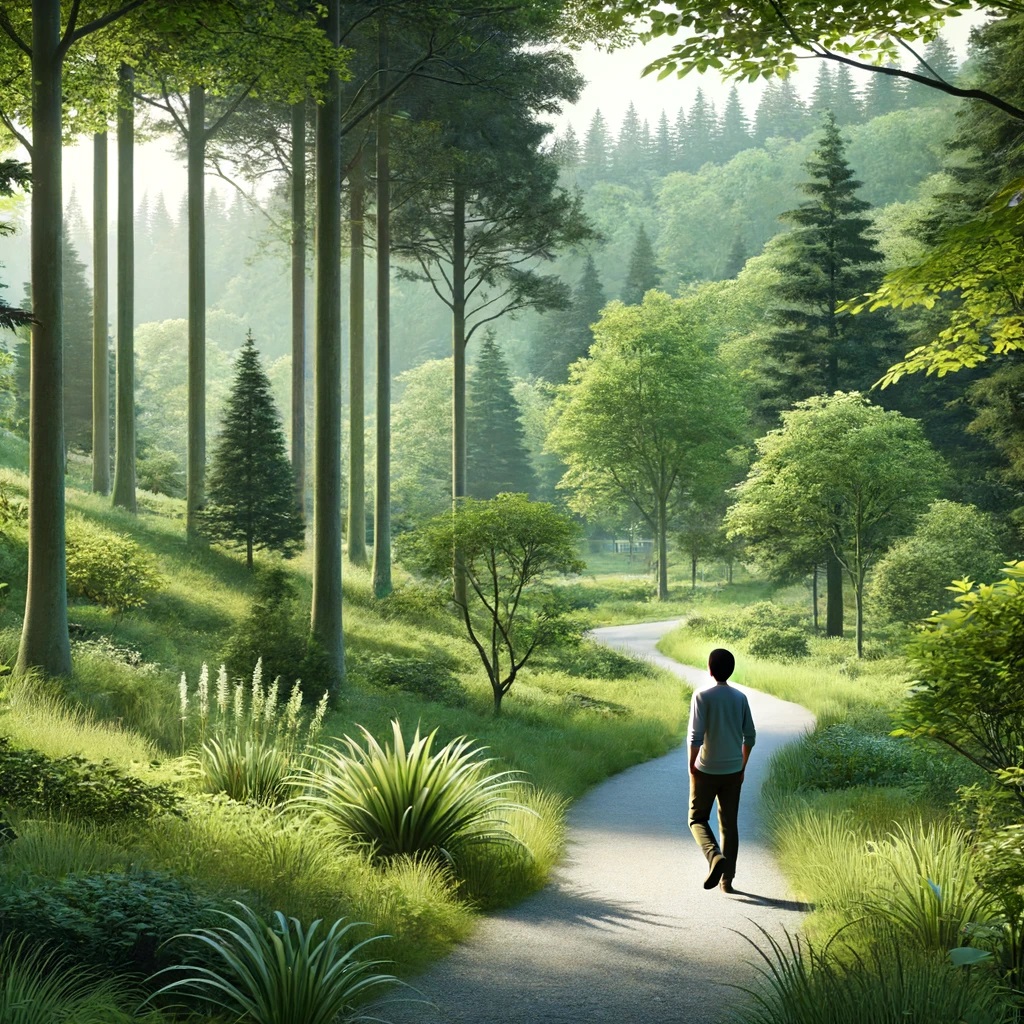
Forest bathing isn’t about hiking, exercising, or achieving any particular goal. It’s the simple practice of mindfully immersing yourself in a forest environment, engaging all your senses to absorb the natural atmosphere. This meditative approach to nature connection has been practiced in Japan since the 1980s and is now recognized worldwide as a powerful therapeutic intervention.

Unlike traditional outdoor activities focused on physical exertion or destination-reaching, forest bathing emphasizes presence, stillness, and sensory awareness. You might spend hours in a small forest area, sitting quietly, breathing deeply, and allowing nature to work its subtle magic on your nervous system.

The Science Behind Nature’s Healing Power

Research from Japan’s National Institute of Public Health reveals that forest bathing produces measurable physiological benefits. When you spend time in forests, you inhale phytoncides—antimicrobial compounds released by trees and plants. These natural chemicals boost your immune system by increasing the production of natural killer (NK) cells, which help fight infections and even cancer cells.

Studies show that just two hours of forest bathing can lower cortisol levels by up to 16%, reduce blood pressure, and decrease inflammation markers. The practice activates your parasympathetic nervous system, shifting you from stress mode into rest-and-digest mode, where healing naturally occurs.

Dr. Qing Li’s groundbreaking research at Nippon Medical School demonstrates that forest bathing benefits can last for weeks after a single session. Participants showed increased NK cell activity for up to 30 days following forest exposure, suggesting that nature’s healing effects have remarkable staying power.

Mental Health Benefits of Natural Environments

Time in nature serves as a powerful antidote to modern mental health challenges. The Japanese concept of “nature deficit disorder” describes the psychological costs of environmental disconnection—increased anxiety, depression, ADHD symptoms, and difficulty concentrating.

Forest environments naturally reduce rumination, the repetitive negative thinking patterns associated with depression and anxiety. The gentle sounds of rustling leaves, flowing water, and bird songs activate the brain’s default mode network in healing ways, promoting mental restoration and emotional regulation.

Research from Stanford University found that 90-minute nature walks significantly reduced activity in the brain’s subgenual prefrontal cortex, an area associated with depression and anxiety. Participants reported decreased brooding and showed improved mood and cognitive function.

Spiritual and Energetic Healing in Nature

Beyond measurable physiological benefits, many people experience profound spiritual renewal in natural settings. Indigenous cultures worldwide have long understood forests as sacred spaces where healing, wisdom, and connection to something greater naturally occur.

Trees and forests emit specific electromagnetic frequencies that resonate with human brainwaves, potentially explaining why many people feel immediate peace and clarity in forest environments. This bioenergetic connection suggests that our relationship with nature operates on levels beyond current scientific understanding.

Many practitioners report increased intuition, creative insights, and spiritual experiences during forest bathing sessions. The practice seems to quiet the analytical mind while awakening deeper ways of knowing and being.

How to Practice Forest Bathing

Finding Your Forest You don’t need an ancient growth forest to experience benefits. Urban parks, wooded areas, or even spaces with several mature trees can serve as forest bathing locations. The key is finding a place where you feel safely surrounded by green growing things.

Engaging Your Senses Begin by leaving your phone behind or putting it in airplane mode. Walk slowly and without destination, allowing your body to guide you to a spot that feels inviting. Sit or stand comfortably and begin engaging each sense deliberately.

Notice the visual textures of bark, leaves, and light patterns. Listen to the layered sounds of wind, birds, insects, and rustling vegetation. Breathe deeply, savoring the complex scents of earth, plants, and fresh air. If appropriate, touch tree bark, leaves, or other natural textures.

Mindful Presence Rather than thinking about nature, practice being with nature. When your mind wanders to daily concerns, gently redirect attention to immediate sensory experiences. This isn’t meditation in the traditional sense—it’s a practice of receptive awareness and connection.

Tree Meditation Many forest bathers develop relationships with particular trees, sitting with them regularly and observing their seasonal changes. This practice deepens your connection to natural cycles and provides a sense of continuity and grounding.

Bringing Nature Indoors

When forest access is limited, you can still harness nature’s healing power at home. Fill your living space with plants, which improve air quality and provide psychological benefits. Essential oils from forest plants like pine, cedar, and eucalyptus can recreate some forest bathing benefits indoors.

Create a daily practice of connecting with houseplants, tending them mindfully and appreciating their growth and beauty. Even brief moments of plant connection can shift your nervous system toward calm and restoration.

Urban Forest Bathing

City dwellers can adapt forest bathing principles to urban green spaces. Early morning visits to parks, before crowds arrive, can provide surprising levels of natural immersion. Focus on finding pockets of wildness within urban environments—old trees, garden areas, or waterfront spaces.

Even brief nature connections during lunch breaks or commutes can provide meaningful benefits. The key is approaching these moments with the same mindful presence you’d bring to a deep forest experience.

Seasonal Forest Bathing

Each season offers unique healing gifts through forest bathing practice. Spring forests buzz with new life energy, supporting renewal and growth. Summer forests provide lush abundance and full sensory immersion. Autumn forests teach lessons about letting go and natural cycles. Winter forests offer profound stillness and introspection.

Developing a year-round forest bathing practice connects you to natural rhythms that modern life often obscures, supporting your overall health and well-being through all seasons.

The Global Forest Bathing Movement

As research validates ancient wisdom about nature’s healing power, forest bathing programs are appearing in hospitals, schools, and wellness centers worldwide. South Korea has designated “forest healing centers,” while European countries integrate forest therapy into healthcare systems.

This growing movement represents a return to fundamental human needs—connection with the natural world that shaped our evolution and continues to shape our well-being.

Creating Your Forest Bathing Practice

Start with whatever time and space you have available. Even 20 minutes in a local park can provide meaningful benefits. Gradually extend your sessions as you develop comfort with slow, mindful nature connection.

Remember that forest bathing is about quality of attention rather than quantity of experience. A deeply present 30-minute session can be more beneficial than hours of distracted outdoor time.

Your body remembers its connection to the natural world. Forest bathing simply creates space for that ancient relationship to reawaken, bringing healing, peace, and profound well-being into your modern life.


For deeper insights into transforming your relationship with health and wellness through mindful practices, explore “The Path to Wellness: A Journey of Self-Discovery and Healing” – a comprehensive guide to creating lasting change in your well-being journey.
15-Minute Mindfulness Practices for Daily Calm

Mindfulness isn’t just for long meditations or yoga retreats—it can be seamlessly woven into your daily life, even if you only have 15 minutes to spare. These quick mindfulness practices can help you reduce stress, enhance focus, and reconnect with the present moment. Whether you’re at work, home, or on the go, these simple techniques are your guide to finding calm and clarity in any situation.


1. Morning Breath Awareness

Start your day with 5-10 minutes of mindful breathing to center yourself and set a positive tone.

  • How to Practice:
    • Sit comfortably, close your eyes, and focus on your breath. Count to 4 as you inhale, hold for 4, and exhale for 6.
    • Visualize each inhale bringing in calm energy and each exhale releasing tension.
  • Pro Tip: Pair this practice with a short mantra like, “I breathe in calm, I breathe out stress.”

2. Mindful Walking

Transform your daily walk into a meditative experience that grounds you in the present.

  • How to Practice:
    • Walk slowly and focus on each step, feeling the ground beneath your feet.
    • Notice the sights, sounds, and smells around you without judgment.
  • Pro Tip: Leave your phone behind or put it on silent to fully immerse yourself.

3. Gratitude Pause

Taking a moment to reflect on gratitude can instantly uplift your mood and shift your perspective.

  • How to Practice:
    • Pause for 5 minutes and write down three things you’re grateful for.
    • Reflect on why these moments or things are meaningful to you.
  • Pro Tip: Keep a small gratitude journal handy for quick entries.

4. Sensory Check-In

Engaging your senses helps anchor you to the present moment and reduce mental clutter.

  • How to Practice:
    • Take 2 minutes to notice five things you can see, four you can feel, three you can hear, two you can smell, and one you can taste.
  • Pro Tip: Use this practice during stressful moments to ground yourself quickly.

5. Tea or Coffee Ritual

Turn your morning or afternoon drink into a mindful ritual of relaxation and focus.

  • How to Practice:
    • Hold your cup, feel its warmth, and take in the aroma.
    • Sip slowly, savoring the taste and texture, while focusing on the present.
  • Pro Tip: Avoid distractions like checking your phone during this ritual.

6. Mindful Stretching

Release tension and reconnect with your body through gentle, intentional stretches.

  • How to Practice:
    • Spend 5-10 minutes stretching, focusing on areas where you feel tightness.
    • Breathe deeply into each stretch, feeling your body relax with every exhale.
  • Pro Tip: Try neck rolls, shoulder shrugs, or seated twists for a quick reset.

7. 5-Minute Body Scan

A body scan meditation helps you release physical tension and calm your mind.

  • How to Practice:
    • Sit or lie down comfortably. Close your eyes and slowly bring your attention to each part of your body, from your toes to your head.
    • Notice sensations without judgment and breathe into areas of tightness.
  • Pro Tip: Use a guided body scan meditation app for extra support.

8. Mindful Listening

Deep listening can be a mindfulness practice that strengthens connections and reduces stress.

  • How to Practice:
    • During a conversation, give your full attention to the speaker without interrupting or formulating a response.
    • Notice their tone, body language, and words, and respond thoughtfully.
  • Pro Tip: Use this practice in casual conversations to build presence and empathy.

9. Creative Break

Engaging in a creative activity mindfully can spark joy and reduce stress.

  • How to Practice:
    • Spend 10-15 minutes drawing, coloring, writing, or playing music without focusing on the outcome.
    • Let go of judgment and enjoy the process of creating.
  • Pro Tip: Keep a small notebook or coloring book for quick creative sessions.

10. Mindful Eating

Transform your meals into a moment of mindfulness by savoring every bite.

  • How to Practice:
    • Eat slowly, focusing on the taste, texture, and aroma of your food.
    • Put down your utensils between bites and chew thoroughly.
  • Pro Tip: Begin with one mindful meal a day to build the habit.

11. Nature Connection

Spending time in nature, even briefly, can rejuvenate your mind and body.

  • How to Practice:
    • Step outside for 10-15 minutes and notice the natural elements around you—the rustling of leaves, the warmth of the sun, or the chirping of birds.
  • Pro Tip: If you can’t get outside, sit by a window with a view of nature.

12. Evening Gratitude Reflection

End your day on a positive note with a gratitude reflection.

  • How to Practice:
    • Before bed, write or think about three things you appreciated during the day.
    • Reflect on how these moments made you feel.
  • Pro Tip: Combine this with a calming activity, like sipping herbal tea or stretching.

Conclusion

Mindfulness doesn’t require hours of practice—it’s about being present, even for a few minutes, throughout your day. By incorporating these quick rituals into your routine, you can reduce stress, improve focus, and find moments of peace. Start small, stay consistent, and experience the transformative power of mindfulness in your daily life.


For more tips on living mindfully and achieving balance, check out my book, The Mindful Executive: https://www.amazon.com/dp/B0D75YJCLW.

Boost Well-Being Through Daily Mindful Rituals

Rituals have been a cornerstone of human culture for centuries, offering a sense of stability, intention, and meaning. Unlike habits, which are often automatic, rituals are imbued with purpose and mindfulness. By incorporating meaningful rituals into your daily life, you can create a sense of control, boost your emotional well-being, and cultivate a mindset geared toward growth and positivity. Let’s explore how to harness the transformative power of daily rituals for a more intentional and fulfilling life.


1. Morning Intention-Setting Ritual

Start your day with purpose by setting clear intentions. This ritual helps you focus on what matters most.

  • How to Practice:
    • Upon waking, take a few moments to reflect on how you want to feel and what you want to achieve during the day.
    • Write down one or two key intentions (e.g., “Stay present” or “Approach challenges with patience”).
  • Pro Tip: Pair this with a morning mantra, such as, “I am calm, capable, and focused.”

2. Ritual of Gratitude

Gratitude rituals shift your mindset from scarcity to abundance, fostering positivity and contentment.

  • How to Practice:
    • Spend 5 minutes each morning or evening writing down three things you’re grateful for.
    • Focus on small, specific moments, like a kind gesture or a beautiful sunrise.
  • Pro Tip: Create a gratitude jar where you write your notes on slips of paper and review them at the end of the year.

3. Mindful Movement Practice

Incorporating intentional movement into your day enhances physical health while grounding your mind.

  • How to Practice:
    • Dedicate 10-20 minutes to yoga, tai chi, or stretching with a focus on mindful breathing.
    • Use this time to check in with your body and release tension.
  • Pro Tip: Choose a time of day when you need an energy boost or mental reset.

4. Nourishment Rituals for Meals

Transform your meals into a mindful practice that nourishes your body and spirit.

  • How to Practice:
    • Begin each meal by taking a moment to appreciate the food, its flavors, and the effort it took to prepare it.
    • Eat slowly, savoring each bite and noticing how your body responds.
  • Pro Tip: Avoid distractions like screens or multitasking while eating.

5. Midday Reset Ritual

A midday pause helps break the cycle of stress and restores focus.

  • How to Practice:
    • Set an alarm for a midday break where you spend 5-10 minutes meditating, journaling, or stepping outside.
    • Reflect on your morning and realign your intentions for the rest of the day.
  • Pro Tip: Incorporate aromatherapy with energizing scents like citrus or peppermint during this ritual.

6. Evening Reflection Ritual

Reflection at the end of the day provides closure and insight, allowing you to let go of stress and prepare for restful sleep.

  • How to Practice:
    • Spend 10 minutes reviewing your day by journaling or simply reflecting on key moments.
    • Ask yourself questions like, “What went well today?” and “What can I learn from today’s challenges?”
  • Pro Tip: End the ritual with a positive affirmation, such as, “I am proud of my efforts today.”

7. Nature Connection Ritual

Connecting with nature helps you feel grounded, reduces stress, and enhances your sense of well-being.

  • How to Practice:
    • Spend 10-15 minutes outdoors, whether it’s a walk in the park, tending to a garden, or simply sitting under a tree.
    • Observe your surroundings with curiosity and appreciation.
  • Pro Tip: Try incorporating this ritual in the morning or evening for a peaceful start or end to your day.

8. Digital Detox Ritual

Detaching from technology is essential for mental clarity and emotional balance.

  • How to Practice:
    • Set a designated time each day to unplug from screens—start with 30 minutes and gradually increase.
    • Use this time for activities like reading, meditating, or creative hobbies.
  • Pro Tip: Create a tech-free zone in your home, such as your bedroom or dining area.

9. Affirmation Ritual

Positive affirmations help reframe negative thought patterns and boost confidence.

  • How to Practice:
    • Write or repeat affirmations each morning, focusing on areas where you seek growth or strength.
    • Examples include, “I am resilient,” “I am deserving of love,” or “I have the power to create change.”
  • Pro Tip: Pair affirmations with a mirror to enhance their impact.

10. Weekly Visioning Ritual

A weekly ritual for envisioning your goals keeps you aligned with your aspirations and motivated to take action.

  • How to Practice:
    • Dedicate 20-30 minutes at the start of each week to review your goals and set actionable steps.
    • Visualize what success looks and feels like for the week ahead.
  • Pro Tip: Combine this ritual with a calming activity, like lighting a candle or sipping tea.

Conclusion

Rituals infuse your daily routine with intention, creating meaningful moments that enhance your mindset and well-being. By incorporating even a few of these practices into your life, you can foster greater focus, resilience, and joy. Start small, build consistency, and watch how these rituals transform not just your days, but your entire outlook on life.


For more insights on cultivating mindfulness and intentional living, check out my book, The Mindful Executive: https://www.amazon.com/dp/B0D75YJCLW.

The Benefits of Spending Time in Nature: Reconnect with the Outdoors

In our modern, fast-paced world, it’s easy to become disconnected from nature. However, spending time outdoors offers numerous benefits for our physical, mental, and emotional well-being. Reconnecting with nature can enhance your quality of life in many ways. Here’s how spending time in nature can benefit you and practical tips to incorporate more outdoor activities into your routine.

Physical Health Benefits

Spending time in nature can have profound effects on your physical health. Activities like walking, hiking, and cycling improve cardiovascular health, strengthen muscles, and enhance flexibility.

  • Example: Regularly hiking in a local nature reserve can improve your stamina and cardiovascular fitness while providing beautiful scenery to enjoy.

Mental Health Benefits

Nature has a calming effect on the mind. It can reduce stress, anxiety, and depression, while improving mood and mental clarity. The natural environment helps to lower cortisol levels and promotes relaxation.

  • Example: A daily walk in the park can significantly reduce stress levels and improve your mood, providing a break from the hustle and bustle of daily life.

Enhanced Creativity and Focus

Being in nature can boost creativity and improve focus. The natural environment allows your mind to rest and rejuvenate, which can enhance problem-solving skills and creativity.

  • Example: If you’re struggling with a work project, take a break and spend some time outdoors. You may find that the fresh air and natural surroundings help you come up with new ideas and solutions.

Improved Sleep

Exposure to natural light helps regulate your circadian rhythm, leading to better sleep. Spending time outdoors, especially in the morning, can improve the quality and duration of your sleep.

  • Example: Start your day with a morning walk in the sunlight to help set your internal clock and promote better sleep at night.

Increased Physical Activity

Nature encourages physical activity, which is essential for overall health. Outdoor activities like hiking, swimming, and gardening can help you stay active and fit.

  • Example: Join a local hiking group to explore different trails and stay motivated to exercise regularly in a fun and social way.

Connection to Nature and Mindfulness

Spending time in nature fosters a sense of connection to the environment and promotes mindfulness. It encourages you to be present and appreciate the beauty around you.

  • Example: Practice mindfulness by sitting quietly in a natural setting, focusing on the sounds, smells, and sights around you. This can help you feel more grounded and connected to the world.

Social Benefits

Outdoor activities can also be social activities. Hiking, picnicking, or playing sports in a park are great ways to connect with friends and family while enjoying nature.

  • Example: Organize a weekend picnic with friends in a local park. Bring along games and activities to enjoy together, fostering social connections and a love for the outdoors.

Boosted Immune System

Spending time in nature can boost your immune system. Exposure to diverse natural environments increases the diversity of beneficial microbes in your body, strengthening your immune response.

  • Example: Regular visits to different natural settings, such as forests, beaches, and mountains, can expose you to a variety of beneficial microbes and enhance your immune health.

Inspiration and Perspective

Nature can provide inspiration and a sense of perspective. Observing the vastness and beauty of the natural world can help you feel more connected and appreciative of life.

  • Example: Spend time in awe-inspiring natural locations, such as mountains or oceans, to gain a greater sense of perspective and inspiration.

Practical Tips to Reconnect with Nature

1. Make Outdoor Time a Priority

Schedule regular time in your week to spend outdoors. Treat it as an important part of your routine.

  • Example: Block off time in your calendar for outdoor activities, such as weekend hikes or evening walks.

2. Explore Local Parks and Trails

Take advantage of local parks, nature reserves, and trails. These are often easily accessible and offer a quick escape to nature.

  • Example: Research and visit different parks and trails in your area. Try to explore a new one each week to keep things interesting.

3. Practice Outdoor Hobbies

Engage in hobbies that take you outdoors, such as bird watching, photography, or gardening.

  • Example: Start a small garden in your backyard or join a community garden to spend more time outdoors and enjoy the therapeutic benefits of gardening.

4. Plan Outdoor Activities with Friends and Family

Incorporate social activities that involve spending time in nature. This makes it more enjoyable and helps you stay committed.

  • Example: Plan regular outdoor outings with friends and family, such as camping trips, beach days, or nature walks.

5. Unplug and Be Present

When spending time in nature, unplug from digital devices and be fully present in the moment.

  • Example: Leave your phone behind or turn it off when you go for a walk in the park. Focus on the sights, sounds, and smells around you.

6. Bring Nature Indoors

If you can’t get outside, bring nature indoors. Houseplants, natural light, and nature-inspired decor can help create a calming environment.

  • Example: Fill your living space with plants and natural elements, like wooden furniture and stone accents, to create a peaceful, nature-inspired atmosphere.