
The Healing Power of Nature: Why Forest Bathing is Essential for Modern Wellness

In our concrete jungles and climate-controlled environments, we’ve become increasingly disconnected from the natural world that once nurtured our ancestors. This separation comes at a profound cost to our physical, mental, and spiritual well-being. Enter shinrin-yoku, or “forest bathing”—a Japanese practice that’s revolutionizing how we understand nature’s role in healing and wellness.

What is Forest Bathing?

Forest bathing isn’t about hiking, exercising, or achieving any particular goal. It’s the simple practice of mindfully immersing yourself in a forest environment, engaging all your senses to absorb the natural atmosphere. This meditative approach to nature connection has been practiced in Japan since the 1980s and is now recognized worldwide as a powerful therapeutic intervention.

Unlike traditional outdoor activities focused on physical exertion or destination-reaching, forest bathing emphasizes presence, stillness, and sensory awareness. You might spend hours in a small forest area, sitting quietly, breathing deeply, and allowing nature to work its subtle magic on your nervous system.

The Science Behind Nature’s Healing Power

Research from Japan’s National Institute of Public Health reveals that forest bathing produces measurable physiological benefits. When you spend time in forests, you inhale phytoncides—antimicrobial compounds released by trees and plants. These natural chemicals boost your immune system by increasing the production of natural killer (NK) cells, which help fight infections and even cancer cells.

Studies show that just two hours of forest bathing can lower cortisol levels by up to 16%, reduce blood pressure, and decrease inflammation markers. The practice activates your parasympathetic nervous system, shifting you from stress mode into rest-and-digest mode, where healing naturally occurs.

Dr. Qing Li’s groundbreaking research at Nippon Medical School demonstrates that forest bathing benefits can last for weeks after a single session. Participants showed increased NK cell activity for up to 30 days following forest exposure, suggesting that nature’s healing effects have remarkable staying power.

Mental Health Benefits of Natural Environments

Time in nature serves as a powerful antidote to modern mental health challenges. The Japanese concept of “nature deficit disorder” describes the psychological costs of environmental disconnection—increased anxiety, depression, ADHD symptoms, and difficulty concentrating.

Forest environments naturally reduce rumination, the repetitive negative thinking patterns associated with depression and anxiety. The gentle sounds of rustling leaves, flowing water, and bird songs activate the brain’s default mode network in healing ways, promoting mental restoration and emotional regulation.

Research from Stanford University found that 90-minute nature walks significantly reduced activity in the brain’s subgenual prefrontal cortex, an area associated with depression and anxiety. Participants reported decreased brooding and showed improved mood and cognitive function.

Spiritual and Energetic Healing in Nature

Beyond measurable physiological benefits, many people experience profound spiritual renewal in natural settings. Indigenous cultures worldwide have long understood forests as sacred spaces where healing, wisdom, and connection to something greater naturally occur.

Trees and forests emit specific electromagnetic frequencies that resonate with human brainwaves, potentially explaining why many people feel immediate peace and clarity in forest environments. This bioenergetic connection suggests that our relationship with nature operates on levels beyond current scientific understanding.

Many practitioners report increased intuition, creative insights, and spiritual experiences during forest bathing sessions. The practice seems to quiet the analytical mind while awakening deeper ways of knowing and being.

How to Practice Forest Bathing

Finding Your Forest You don’t need an ancient growth forest to experience benefits. Urban parks, wooded areas, or even spaces with several mature trees can serve as forest bathing locations. The key is finding a place where you feel safely surrounded by green growing things.

Engaging Your Senses Begin by leaving your phone behind or putting it in airplane mode. Walk slowly and without destination, allowing your body to guide you to a spot that feels inviting. Sit or stand comfortably and begin engaging each sense deliberately.

Notice the visual textures of bark, leaves, and light patterns. Listen to the layered sounds of wind, birds, insects, and rustling vegetation. Breathe deeply, savoring the complex scents of earth, plants, and fresh air. If appropriate, touch tree bark, leaves, or other natural textures.

Mindful Presence Rather than thinking about nature, practice being with nature. When your mind wanders to daily concerns, gently redirect attention to immediate sensory experiences. This isn’t meditation in the traditional sense—it’s a practice of receptive awareness and connection.

Tree Meditation Many forest bathers develop relationships with particular trees, sitting with them regularly and observing their seasonal changes. This practice deepens your connection to natural cycles and provides a sense of continuity and grounding.

Bringing Nature Indoors

When forest access is limited, you can still harness nature’s healing power at home. Fill your living space with plants, which improve air quality and provide psychological benefits. Essential oils from forest plants like pine, cedar, and eucalyptus can recreate some forest bathing benefits indoors.

Create a daily practice of connecting with houseplants, tending them mindfully and appreciating their growth and beauty. Even brief moments of plant connection can shift your nervous system toward calm and restoration.

Urban Forest Bathing

City dwellers can adapt forest bathing principles to urban green spaces. Early morning visits to parks, before crowds arrive, can provide surprising levels of natural immersion. Focus on finding pockets of wildness within urban environments—old trees, garden areas, or waterfront spaces.

Even brief nature connections during lunch breaks or commutes can provide meaningful benefits. The key is approaching these moments with the same mindful presence you’d bring to a deep forest experience.

Seasonal Forest Bathing

Each season offers unique healing gifts through forest bathing practice. Spring forests buzz with new life energy, supporting renewal and growth. Summer forests provide lush abundance and full sensory immersion. Autumn forests teach lessons about letting go and natural cycles. Winter forests offer profound stillness and introspection.

Developing a year-round forest bathing practice connects you to natural rhythms that modern life often obscures, supporting your overall health and well-being through all seasons.

The Global Forest Bathing Movement

As research validates ancient wisdom about nature’s healing power, forest bathing programs are appearing in hospitals, schools, and wellness centers worldwide. South Korea has designated “forest healing centers,” while European countries integrate forest therapy into healthcare systems.

This growing movement represents a return to fundamental human needs—connection with the natural world that shaped our evolution and continues to shape our well-being.

Creating Your Forest Bathing Practice

Start with whatever time and space you have available. Even 20 minutes in a local park can provide meaningful benefits. Gradually extend your sessions as you develop comfort with slow, mindful nature connection.

Remember that forest bathing is about quality of attention rather than quantity of experience. A deeply present 30-minute session can be more beneficial than hours of distracted outdoor time.

Your body remembers its connection to the natural world. Forest bathing simply creates space for that ancient relationship to reawaken, bringing healing, peace, and profound well-being into your modern life.


For deeper insights into transforming your relationship with health and wellness through mindful practices, explore “The Path to Wellness: A Journey of Self-Discovery and Healing” – a comprehensive guide to creating lasting change in your well-being journey.

The Mind-Body Connection: How Your Thoughts Directly Impact Your Physical Health

The ancient wisdom “as above, so below” takes on profound meaning when we explore the intricate relationship between our mental and physical states. The mind-body connection isn’t just a philosophical concept—it’s a scientifically proven reality that can transform how we approach health and healing.

Understanding the Science Behind Mind-Body Medicine

Your thoughts, emotions, and beliefs create measurable changes in your body’s chemistry. When you experience stress, anxiety, or negative emotions, your brain releases cortisol and adrenaline, triggering inflammation and compromising your immune system. Conversely, positive thoughts and emotions flood your system with beneficial hormones like serotonin, dopamine, and oxytocin, promoting healing and vitality.

Research from Harvard Medical School demonstrates that chronic stress can literally rewire your brain, affecting memory, decision-making, and emotional regulation. Meanwhile, practices like meditation and mindfulness create positive neuroplasticity, strengthening neural pathways associated with calm, focus, and resilience.

The Physical Manifestations of Mental States

Your body serves as a mirror for your inner world. Persistent worry often manifests as digestive issues, tension headaches, or insomnia. Suppressed anger may appear as inflammation, autoimmune conditions, or chronic pain. Fear and anxiety frequently show up as respiratory problems, heart palpitations, or muscle tension.

This isn’t to suggest that all physical ailments stem from mental causes, but rather to recognize the powerful influence our psychological state has on our physical well-being. Traditional Chinese Medicine and Ayurveda have understood this connection for millennia, treating the person as a whole rather than isolated symptoms.

Practical Ways to Harness Your Mind-Body Connection

Daily Mindfulness Practice Begin each day with five minutes of conscious breathing. This simple practice activates your parasympathetic nervous system, reducing stress hormones and promoting healing. Focus on deep, slow breaths, allowing your belly to expand with each inhale.

Emotional Awareness and Processing Create space to acknowledge and process your emotions rather than suppressing them. Journaling, meditation, or speaking with a trusted friend can prevent emotional energy from becoming trapped in your physical body.

Positive Visualization Spend time each day visualizing your body in perfect health. See your immune system strong and vibrant, your organs functioning optimally, and your energy flowing freely. Your subconscious mind doesn’t distinguish between vividly imagined experiences and reality, making visualization a powerful healing tool.

Gratitude Practice Cultivate genuine appreciation for your body and its incredible capabilities. Thank your heart for beating, your lungs for breathing, and your immune system for protecting you. This practice shifts your energy from criticism to celebration, promoting healing at the cellular level.

Movement as Medicine Choose physical activities that bring you joy rather than punishment. Whether it’s dancing, walking in nature, or gentle yoga, movement that feels good creates positive associations in your nervous system, enhancing both mental and physical well-being.

The Role of Belief in Healing

Your beliefs about your health significantly impact your healing capacity. The placebo effect demonstrates that believing in recovery can trigger real physiological changes, even without active treatment. Conversely, nocebo effects show how negative expectations can worsen symptoms or create new ones.

Examine your health beliefs honestly. Do you see your body as fragile or resilient? Do you believe in your capacity to heal, or do you feel powerless over your health? Shifting limiting beliefs to empowering ones can dramatically accelerate your healing journey.

Creating a Holistic Healing Environment

Your external environment influences your internal state. Surround yourself with beauty, whether through plants, art, music, or natural light. These elements signal safety to your nervous system, promoting relaxation and healing.

Equally important is your social environment. Supportive relationships boost immune function, while toxic relationships create chronic stress. Prioritize connections that nourish your soul and set boundaries with those that drain your energy.

Integrating Mind-Body Practices into Daily Life

Start small and build consistency. Choose one practice that resonates with you—perhaps morning meditation, evening gratitude, or midday breathing exercises. As this becomes habit, gradually add other elements.

Remember that healing isn’t linear. Your body may need time to release old patterns and integrate new ones. Be patient and compassionate with yourself throughout this process.

The Future of Holistic Health

As conventional medicine increasingly recognizes the mind-body connection, we’re seeing exciting developments in integrative care. Hospitals now offer meditation programs, doctors prescribe nature therapy, and research validates ancient healing practices.

This shift represents a return to treating humans as complete beings rather than collections of symptoms. By embracing the mind-body connection in your own life, you become part of this healing revolution.

Your thoughts are powerful medicine. Use them wisely, and watch as your entire being transforms from the inside out. The journey to optimal health begins not just with what you put in your body, but with what you allow in your mind.


For deeper insights into transforming your relationship with health and wellness through mindful practices, explore “The Path to Wellness: A Journey of Self-Discovery and Healing” – a comprehensive guide to creating lasting change in your well-being journey.

15 Self-Care Rituals to Reconnect with Your Mind, Body, and Spirit

In the hustle and bustle of daily life, it’s easy to lose touch with ourselves, leading to stress, fatigue, and a sense of imbalance. True self-care goes beyond quick fixes; it’s about nurturing your mind, body, and spirit in meaningful ways that promote lasting well-being. These 15 holistic self-care rituals can help you reconnect with yourself, providing comfort, clarity, and a deep sense of peace.


1. Start the Day with Gratitude

Practicing gratitude can shift your mindset and set a positive tone for the day. It’s a simple yet powerful way to center yourself and find appreciation in life’s small moments.

  • How to Practice: Take a few minutes each morning to list three things you’re grateful for, either in a journal or silently to yourself.

2. Incorporate Breathwork for Calmness

Conscious breathing exercises help release stress and calm the nervous system, grounding you in the present moment. Breathwork can be a gentle way to reconnect with your body.

  • How to Practice: Spend 5 minutes each day focusing on deep, slow breaths. Try inhaling for a count of four, holding, and then exhaling for a count of four.

3. Create a Soothing Morning Ritual

A slow, intentional morning routine can set a peaceful tone for your day. Incorporating rituals like stretching, drinking warm lemon water, or practicing mindfulness can provide a gentle start.

  • How to Practice: Dedicate 15 minutes to a mindful activity each morning, whether it’s stretching, journaling, or enjoying a quiet cup of tea.

4. Practice Digital Detox

Constant digital engagement can be mentally exhausting. Taking intentional breaks from screens can refresh your mind and help you reconnect with yourself and the world around you.

  • How to Practice: Set aside time each day, even just 15 minutes, to turn off all devices and be fully present. Use this time to reflect, meditate, or simply be still.

5. Ground Yourself in Nature

Spending time in nature can be incredibly healing, providing a sense of grounding and connection. It’s a great way to recharge and find peace away from daily stresses.

  • How to Practice: Aim to spend a few minutes outdoors each day, whether it’s a walk in the park or sitting in your backyard. Focus on your surroundings and take in the sights, sounds, and scents of nature.

6. Use Essential Oils for Emotional Balance

Aromatherapy is a powerful tool for self-care. Essential oils like lavender, chamomile, and eucalyptus can help reduce stress and promote relaxation.

  • How to Practice: Diffuse your favorite calming essential oil, or apply it to your wrists and inhale deeply to help center your mind.

7. Take Time for Mindful Eating

Mindful eating encourages you to savor each bite, allowing you to fully appreciate your food. This practice can bring a sense of calm and help you reconnect with your body’s needs.

  • How to Practice: Eat your meals without distractions. Focus on each bite, noting the flavors, textures, and sensations as you eat.

8. Journal for Self-Reflection

Journaling is a powerful way to process emotions, clarify thoughts, and reconnect with yourself. It allows you to express your innermost feelings and thoughts.

  • How to Practice: Spend 5-10 minutes each day writing about whatever is on your mind. Let your thoughts flow freely without judgment.

9. Engage in Movement That You Love

Physical activity doesn’t have to be intense to be beneficial. Gentle movement like yoga, walking, or dancing can uplift your spirit, boost your mood, and reconnect you with your body.

  • How to Practice: Find a form of movement you enjoy, and make time for it each day. Focus on how your body feels during the activity.

10. Practice a Relaxing Evening Routine

Creating a calming evening routine helps signal to your body that it’s time to wind down. Activities like reading, stretching, or taking a warm bath can prepare you for restful sleep.

  • How to Practice: Set aside 30 minutes before bed to relax. Turn off electronics, light a candle, or enjoy a warm beverage.

11. Practice Visualization

Visualization is a powerful technique for cultivating positive emotions and setting intentions. Visualizing a peaceful scene or a positive outcome can shift your mindset and reduce stress.

  • How to Practice: Spend a few minutes each day visualizing a place or scenario that brings you peace. Imagine the sights, sounds, and feelings associated with it.

12. Take a Salt Bath for Cleansing

Salt baths are not only relaxing but also help detoxify the body, soothing muscles and releasing tension. Adding Epsom salt or Himalayan salt can enhance the healing benefits.

  • How to Practice: Run a warm bath with 1-2 cups of Epsom salt. Soak for at least 20 minutes, focusing on releasing any tension.

13. Connect with Loved Ones

Building connections with family or friends is an essential part of self-care. Sharing moments of joy, love, and laughter can lift your spirit and enhance your emotional well-being.

  • How to Practice: Dedicate time each week to connect with loved ones, whether it’s through a call, a meal, or simply spending quality time together.

14. Create a Personal Sanctuary

Having a designated space for relaxation or meditation helps reinforce a sense of calm. This can be a corner of your room with items that bring you peace, such as candles, crystals, or favorite books.

  • How to Practice: Set up a small area in your home with things that make you feel grounded. Spend time here daily, even if it’s just a few minutes.

15. End the Day with Gratitude

Ending your day with gratitude fosters a positive mindset, helping you focus on what you have rather than what’s lacking. This practice can be deeply calming and uplifting.

  • How to Practice: Reflect on the day’s positive moments and write down three things you’re grateful for before bed.

Conclusion

Self-care is about creating routines that nurture and restore your inner balance. These rituals don’t require a lot of time or resources but can bring immense peace and joy when practiced regularly. By making self-care a daily habit, you’ll reconnect with yourself and create a foundation of well-being for both your mind and body.


For more insights on holistic self-care and wellness, check out my book, The Mindful Executive: https://www.amazon.com/dp/B0D75YJCLW.

15 Types of Healing Crystals and How to Use Them for Holistic Health

Healing crystals have been used for centuries across cultures to promote well-being, balance, and energetic healing. Each crystal has unique properties and vibrational energies that can support physical, emotional, and spiritual health. Whether you’re new to crystal healing or looking to expand your practice, this guide explores 15 powerful healing crystals, their benefits, and practical ways to incorporate them into your daily life.


1. Amethyst: The Calming Stone

Amethyst is a purple stone known for its calming and purifying qualities. It’s often used for reducing stress, enhancing spiritual growth, and aiding restful sleep. Amethyst can help clear the mind of negativity and supports emotional balance.

  • How to Use: Place amethyst under your pillow for better sleep or keep it nearby during meditation to deepen your connection with inner peace.

2. Rose Quartz: The Stone of Love

Known as the stone of universal love, rose quartz promotes compassion, forgiveness, and emotional healing. It’s a powerful tool for healing relationships, fostering self-love, and encouraging positive energy in your environment.

  • How to Use: Place rose quartz in your bedroom or wear it as jewelry to attract love and harmony into your life.

3. Citrine: The Manifestation Crystal

Citrine is a vibrant yellow stone associated with abundance, confidence, and creativity. Often referred to as the “merchant’s stone,” it’s used to attract prosperity, inspire optimism, and encourage positive transformation.

  • How to Use: Keep citrine in your workspace to boost motivation and creativity, or place it in your wallet to attract financial abundance.

4. Clear Quartz: The Master Healer

Clear quartz is known as a master healer due to its powerful energy amplification abilities. It’s a versatile stone that can be programmed with intentions and is used to clear, align, and energize all chakras.

  • How to Use: Meditate with clear quartz while focusing on your goals or place it near other crystals to enhance their energy.

5. Black Tourmaline: The Protection Stone

Black tourmaline is revered for its grounding and protective properties. It creates a shield against negative energy, making it ideal for those who feel emotionally drained or surrounded by negativity.

  • How to Use: Place black tourmaline near your front door to guard your space, or carry it with you to create a protective energy field.

6. Labradorite: The Stone of Transformation

Labradorite is a mystical stone known for its transformative energy, supporting inner growth and intuition. It’s especially useful during times of change, helping you stay grounded while embracing new possibilities.

  • How to Use: Meditate with labradorite to enhance your intuition or keep it nearby during times of transition for spiritual guidance.

7. Selenite: The Purification Crystal

Selenite is a powerful cleanser and purifier that clears stagnant energy and raises vibrations. Known for its calming effects, it’s also great for connecting with higher realms.

  • How to Use: Place selenite in your home to cleanse your space or use a selenite wand to “scan” your body and release blockages.

8. Carnelian: The Stone of Vitality

Carnelian is an energizing stone that boosts motivation, creativity, and confidence. Known for its fiery energy, it’s ideal for those seeking a renewed sense of enthusiasm.

  • How to Use: Wear carnelian jewelry to keep your energy levels high or place it in your workspace to stimulate creativity.

9. Jade: The Stone of Harmony

Jade has been cherished for centuries as a symbol of tranquility, protection, and good luck. It supports emotional stability, promotes wisdom, and is often used to attract prosperity.

  • How to Use: Carry jade in your pocket to foster calm and balance or keep it in your home to invite peace and prosperity.

10. Smoky Quartz: The Grounding Crystal

Smoky quartz is a grounding stone that connects you to the earth, helping to relieve anxiety and neutralize negative energies. It’s particularly useful during challenging times or for grounding after energy work.

  • How to Use: Meditate with smoky quartz to center yourself, or place it near electronic devices to absorb EMFs.

11. Aventurine: The Stone of Opportunity

Green aventurine is known for attracting luck, new opportunities, and positive outcomes. It’s also a great stone for those seeking to heal heartache and invite abundance into their lives.

  • How to Use: Keep aventurine in your wallet or wear it as jewelry to attract new opportunities and emotional healing.

12. Hematite: The Strength Stone

Hematite is a protective stone that strengthens mental clarity, focus, and courage. Known for its grounding properties, it’s helpful for those who need to stay anchored.

  • How to Use: Hold hematite during meditation or keep it on your desk to stay focused and energized.

13. Moonstone: The Intuition Crystal

Moonstone is associated with intuition, balance, and emotional harmony. It helps connect with your inner self, especially beneficial during times of emotional turmoil.

  • How to Use: Wear moonstone as jewelry or keep it nearby during meditation to enhance intuition and emotional awareness.

14. Turquoise: The Healing Stone

Turquoise is revered for its healing and balancing properties, promoting self-realization and inner calm. It’s also a symbol of protection and is often used to foster communication and personal truth.

  • How to Use: Wear turquoise to enhance clear communication or place it near your throat chakra for self-expression.

15. Fluorite: The Focus Crystal

Fluorite is known for its ability to enhance mental clarity, focus, and concentration. It’s especially helpful for those looking to boost their cognitive abilities and detoxify their environment.

  • How to Use: Place fluorite on your desk to support focus and clarity, or meditate with it to align your thoughts.

Conclusion

Crystals offer a gentle yet powerful way to support holistic health. Each stone carries a unique vibration, providing a wide range of healing benefits for the body, mind, and spirit. Whether you’re looking to attract love, ground yourself, or enhance mental clarity, there’s a crystal that can support your journey. Try incorporating these crystals into your daily life and experience the subtle yet transformative power they bring.


For further insights into holistic wellness practices, check out my book, The Mindful Executive: https://www.amazon.com/dp/B0D75YJCLW.

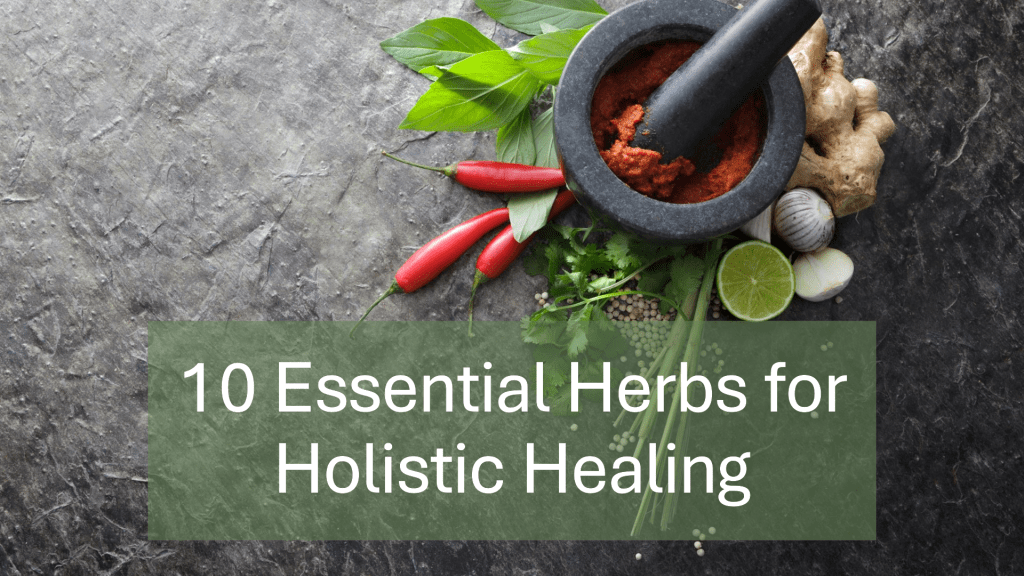
10 Essential Herbs for Holistic Healing and How to Use Them

For centuries, herbs have been used as powerful tools in holistic healing, offering natural remedies for various ailments and promoting overall wellness. Whether it’s calming the mind, boosting the immune system, or reducing inflammation, certain herbs hold incredible potential for enhancing our health. Here are 10 essential herbs for holistic healing and how you can incorporate them into your daily routine.

1. Ashwagandha: The Stress Reliever

Known as an adaptogen, Ashwagandha helps the body manage stress by reducing cortisol levels and balancing the nervous system. It’s commonly used to improve mental clarity and support relaxation.

  • How to Use: Add Ashwagandha powder to smoothies, teas, or take it as a supplement capsule to combat stress and improve focus.

2. Turmeric: The Anti-Inflammatory Hero

Turmeric is rich in curcumin, a compound known for its powerful anti-inflammatory and antioxidant properties. It’s great for reducing inflammation, boosting immunity, and supporting joint health.

  • How to Use: Add turmeric to soups, curries, or make a golden turmeric latte for an anti-inflammatory boost.

3. Chamomile: The Calming Herb

Chamomile is well known for its calming effects, making it an excellent herb for reducing anxiety, aiding digestion, and promoting restful sleep.

  • How to Use: Brew chamomile tea before bed to unwind and improve sleep quality.

4. Holy Basil: The Adaptogenic Wonder

Also known as Tulsi, Holy Basil is revered for its ability to balance the body’s systems and promote physical and emotional well-being. It’s particularly beneficial for reducing stress and enhancing immune function.

  • How to Use: Drink Holy Basil tea in the morning to enhance mental clarity and promote relaxation.

5. Ginger: The Digestive Soother

Ginger has been used for centuries to relieve digestive issues, reduce nausea, and support immune health. It’s a warming herb that can help stimulate circulation and reduce inflammation.

  • How to Use: Add fresh ginger to your tea, smoothies, or stir-fry for digestive support and to boost immunity.

6. Echinacea: The Immune Booster

Echinacea is widely known for its immune-boosting properties, particularly for fighting off colds and flu. It stimulates the immune system and helps the body recover faster from illness.

  • How to Use: Drink Echinacea tea during cold season or take it as a supplement at the onset of symptoms.

7. Lavender: The Relaxation Herb

Lavender is famous for its soothing properties, helping to relieve stress, anxiety, and insomnia. It’s also used to ease headaches and muscle tension.

  • How to Use: Add a few drops of lavender essential oil to your bath, or use it in a diffuser for a calming atmosphere.

8. Peppermint: The Energizer

Peppermint is great for promoting focus and relieving headaches, while also supporting digestion. Its cooling effect makes it perfect for soothing upset stomachs and enhancing alertness.

  • How to Use: Drink peppermint tea to ease indigestion, or inhale peppermint essential oil for a quick energy boost.

9. St. John’s Wort: The Mood Booster

Known for its antidepressant properties, St. John’s Wort is often used to treat mild to moderate depression, improve mood, and reduce anxiety. It’s also used to relieve nerve pain.

  • How to Use: Take St. John’s Wort in capsule form, or brew it as tea to support emotional well-being.

10. Milk Thistle: The Liver Detoxifier

Milk Thistle is prized for its liver-protecting properties, as it helps detoxify and regenerate liver cells. It’s commonly used to support liver function and improve digestion.

  • How to Use: Drink milk thistle tea or take it as a supplement to promote liver detox and improve overall digestion.

Conclusion

Incorporating these powerful herbs into your daily life is a simple, natural way to support your holistic wellness journey. From stress relief and better digestion to immune boosting and inflammation reduction, each of these herbs offers unique benefits to help you feel your best. Try adding one or more of these herbs to your routine and experience the healing power of nature firsthand.


For more insights into holistic wellness practices, check out my book, The Mindful Executive: https://www.amazon.com/dp/B0D75YJCLW.

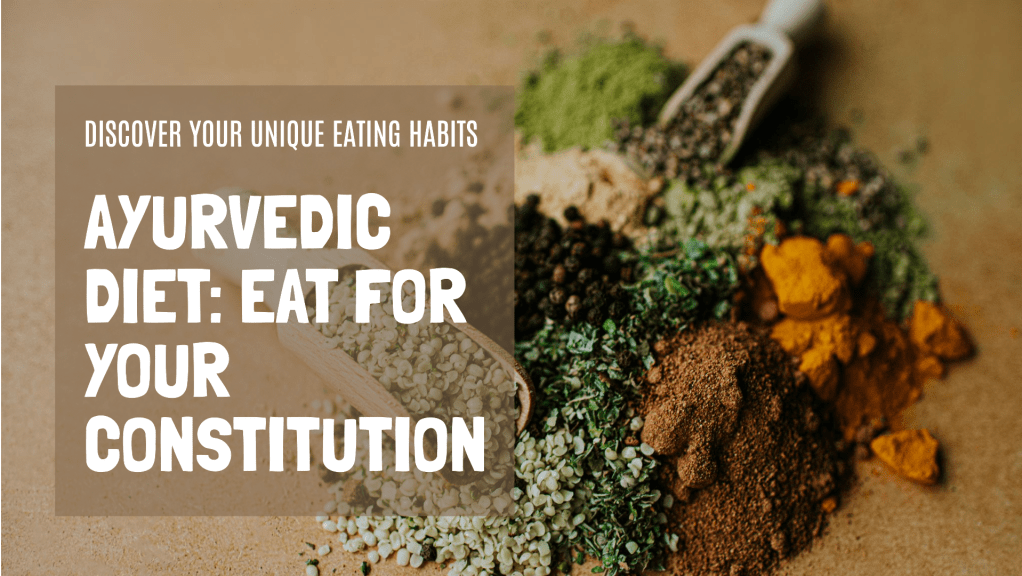
The Ayurvedic Approach to Diet: Tailoring Your Eating Habits to Your Unique Constitution

Ayurveda, the ancient Indian system of medicine, offers a holistic approach to health that emphasizes balance and harmony. One of the key components of Ayurvedic practice is the concept of tailoring your diet to your unique constitution, known as your dosha. According to Ayurveda, each person has a specific dosha (Vata, Pitta, or Kapha) that influences their physical, mental, and emotional characteristics. Understanding your dosha can help you make dietary choices that promote optimal health and well-being.

Understanding the Doshas

  • Vata: Associated with air and space, Vata governs movement, including circulation, breathing, and the nervous system. Individuals with a Vata constitution tend to be energetic, creative, and quick-thinking but may struggle with anxiety, dry skin, and digestive issues.
  • Pitta: Linked to fire and water, Pitta controls metabolism, digestion, and body temperature. Those with a Pitta constitution are often strong-willed, focused, and intense but may experience inflammation, heartburn, and irritability.
  • Kapha: Representing earth and water, Kapha is responsible for structure, stability, and lubrication in the body. Kapha individuals are typically calm, nurturing, and grounded but may struggle with weight gain, congestion, and lethargy.

Tailoring Your Diet to Your Dosha

  1. Vata Diet: Warm, Nourishing Foods
    • Recommendations: Vata types benefit from warm, cooked foods that are easy to digest. Incorporate soups, stews, root vegetables, and grains like rice and oats. Use warming spices like ginger, cinnamon, and turmeric to stimulate digestion.
    • Avoid: Cold, raw foods, and carbonated drinks can aggravate Vata, leading to digestive discomfort and anxiety.
  2. Pitta Diet: Cooling, Soothing Foods
    • Recommendations: Pitta types should focus on cooling, hydrating foods such as fresh fruits, leafy greens, and whole grains like barley and quinoa. Dairy products like milk and ghee can also be beneficial. Include cooling herbs like cilantro, mint, and fennel in your meals.
    • Avoid: Spicy, acidic, and fried foods can increase Pitta, leading to inflammation and irritability.
  3. Kapha Diet: Light, Energizing Foods
    • Recommendations: Kapha individuals thrive on light, stimulating foods that are low in fat and easy to digest. Opt for fresh vegetables, legumes, and grains like millet and buckwheat. Incorporate warming spices like black pepper, cumin, and turmeric to boost metabolism.
    • Avoid: Heavy, oily, and sugary foods can exacerbate Kapha, leading to weight gain and sluggishness.

Practical Tips for Incorporating Ayurveda into Your Diet

  • Eat Seasonally: Adjust your diet according to the seasons to maintain balance. For example, eat lighter, cooling foods in the summer and warm, nourishing foods in the winter.
  • Mindful Eating: Practice mindfulness during meals by eating slowly, chewing thoroughly, and focusing on the flavors and textures of your food.
  • Listen to Your Body: Pay attention to how your body responds to different foods and adjust your diet accordingly.

Case Study: A Pitta’s Journey to Balance

Meet Priya, a 32-year-old marketing executive with a Pitta constitution. Priya struggled with frequent heartburn, irritability, and skin rashes. After learning about Ayurveda, she began incorporating cooling foods like cucumbers, melons, and coconut water into her diet. She also reduced her intake of spicy and fried foods. Within a few weeks, Priya noticed a significant improvement in her symptoms. Her heartburn subsided, her skin cleared up, and she felt more emotionally balanced.

Call to Action: Discover your dosha and start tailoring your diet to achieve balance and well-being. Embrace the wisdom of Ayurveda and take the first step towards a healthier, more harmonious life.

Proven Methods: How to Release Happiness Hormones Naturally

Happiness hormones, also known as “feel-good” hormones, play a crucial role in regulating our mood, stress levels, and overall well-being. By incorporating certain habits and activities into your daily life, you can naturally boost the production of these hormones and enhance your emotional health. Here are some effective ways to release happiness hormones naturally:

1. Exercise Regularly Physical activity is one of the most effective ways to boost endorphins, which are the body’s natural painkillers and mood elevators. Whether it’s a brisk walk, a run, or a yoga session, regular exercise can significantly improve your mood and reduce feelings of stress and anxiety.

2. Spend Time in Nature Connecting with nature has been shown to increase serotonin levels, a hormone that contributes to feelings of happiness and well-being. Activities like hiking, gardening, or simply spending time in a park can help you feel more relaxed and content.

3. Eat a Healthy, Balanced Diet Certain foods can naturally boost the production of happiness hormones. Omega-3 fatty acids found in fish, nuts, and seeds help increase dopamine levels, which are associated with feelings of pleasure and motivation. Dark chocolate is also known to boost endorphins, making it a delightful treat that enhances mood.

4. Practice Mindfulness and Meditation Mindfulness and meditation practices can help increase dopamine and serotonin levels, promoting feelings of peace and contentment. Regular meditation helps reduce stress, improves focus, and enhances overall emotional well-being.

5. Socialize and Connect with Loved Ones Spending time with friends and family, engaging in meaningful conversations, and participating in group activities can boost oxytocin levels. Oxytocin, often called the “love hormone,” is released during social bonding and contributes to feelings of trust, empathy, and connection.

6. Get Enough Sleep Quality sleep is essential for maintaining balanced hormone levels. Lack of sleep can lead to decreased serotonin levels, making it harder to feel happy and energized. Aim for 7-9 hours of sleep each night to support your mental and emotional health.

7. Practice Gratitude Cultivating a habit of gratitude can increase dopamine production. By focusing on the positive aspects of your life and expressing appreciation for what you have, you can boost your mood and overall happiness.

8. Laugh More Laughter is a powerful way to release endorphins. Whether you’re watching a funny movie, spending time with humorous friends, or simply finding joy in everyday moments, laughter can instantly lift your spirits.

9. Listen to Music Listening to your favorite music can increase dopamine levels and improve your mood. Music has a unique ability to evoke emotions, and upbeat or calming tunes can help you feel more positive and relaxed.

10. Practice Acts of Kindness Doing something kind for others, whether it’s volunteering, helping a friend, or simply offering a smile, can increase oxytocin levels. Acts of kindness not only benefit the recipient but also enhance your own sense of happiness and fulfillment.

By incorporating these habits into your daily routine, you can naturally boost your happiness hormones and enjoy a more positive and fulfilling life.

10 Ways to Boost Your Immune System Naturally

1. Eat a Balanced Diet

A diet rich in fruits, vegetables, whole grains, and lean proteins provides essential nutrients that support immune function. Vitamins and minerals, such as vitamin C, vitamin D, zinc, and iron, are crucial for maintaining a healthy immune system. Incorporate a variety of colorful produce to ensure you’re getting a broad range of nutrients.

2. Stay Hydrated

Proper hydration is vital for overall health and can help your immune system function optimally. Water helps in the production of lymph, which carries white blood cells and other immune system cells. Aim to drink at least 8 glasses of water a day and increase your intake if you are active or live in a hot climate.

3. Regular Exercise

Engaging in regular physical activity boosts your immune system and helps your body fight off infections. Exercise promotes good circulation, allowing immune cells and substances to move through the body more effectively. Aim for at least 30 minutes of moderate exercise, such as brisk walking or cycling, most days of the week.

4. Get Adequate Sleep

Quality sleep is essential for a healthy immune system. During sleep, your body produces and releases cytokines, which help fight infection and inflammation. Aim for 7-9 hours of sleep per night and establish a regular sleep routine to improve sleep quality.

5. Manage Stress

Chronic stress can weaken your immune system and make you more susceptible to illness. Practice stress-reducing techniques such as mindfulness, meditation, deep breathing exercises, and yoga. Regular relaxation practices can help maintain a robust immune response.

6. Maintain a Healthy Weight

Being overweight or underweight can affect your immune function. A healthy weight supports your body’s ability to fight off infections. Combine a balanced diet with regular physical activity to achieve and maintain a healthy weight.

7. Avoid Smoking and Limit Alcohol

Smoking and excessive alcohol consumption can suppress your immune system and make you more prone to infections. Quitting smoking and moderating alcohol intake can significantly improve your immune health. Seek support if you need help quitting these habits.

8. Incorporate Probiotics

Probiotics are beneficial bacteria that support gut health and enhance immune function. Foods like yogurt, kefir, sauerkraut, and kimchi are rich in probiotics. A healthy gut microbiome plays a critical role in your immune response.

9. Spend Time Outdoors

Exposure to sunlight helps your body produce vitamin D, which is essential for a healthy immune system. Spend time outdoors each day, aiming for at least 10-30 minutes of sunlight exposure, depending on your skin sensitivity and geographical location.

10. Stay Up-to-Date with Vaccinations

Vaccinations are an effective way to prevent certain infections and boost your immune system. Follow your healthcare provider’s recommendations for vaccinations and stay informed about new vaccines that may benefit you.

Call to Action: Start incorporating these natural strategies into your daily routine to boost your immune system and enhance your overall health. Visit Holistic Wellness Guide for more tips on maintaining a robust immune system.