

Boost Your Immunity Naturally: Top Foods and Supplements

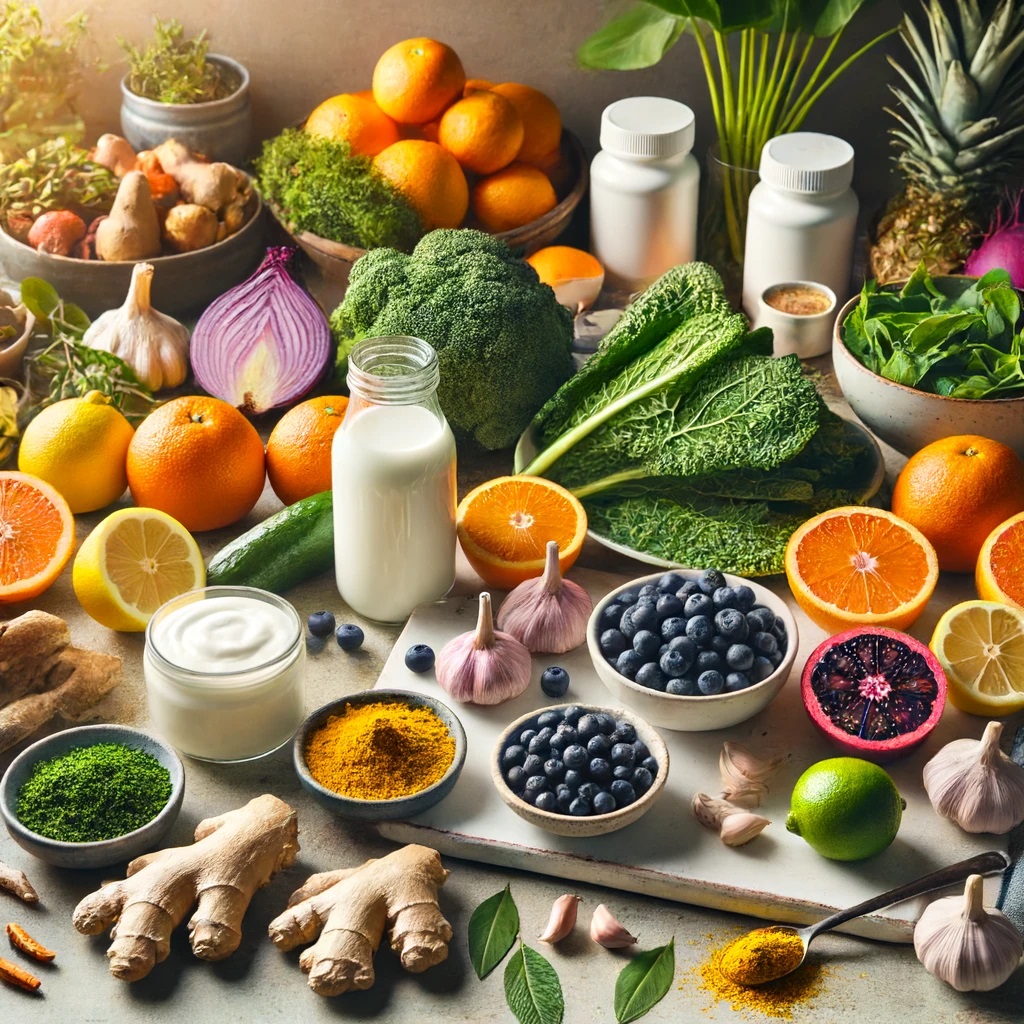
Supporting your immune system with the right foods and natural supplements can help keep you healthy and resilient. Here’s a guide to some of the best foods and supplements to enhance your immunity naturally.

Citrus Fruits for Vitamin C: Citrus fruits like oranges, grapefruits, lemons, and limes are packed with vitamin C, which is essential for immune function. Vitamin C increases the production of white blood cells, key to fighting infections.

Example: Start your day with a glass of fresh orange juice or add lemon slices to your water throughout the day for an extra boost.

Leafy Greens for Antioxidants: Leafy greens such as spinach, kale, and Swiss chard are rich in antioxidants and essential nutrients that support the immune system. These greens are also high in vitamins A and C.

Example: Incorporate a green smoothie into your breakfast or enjoy a fresh spinach salad for lunch to pack in the nutrients.

Ginger for Anti-Inflammatory Benefits: Ginger is a powerful anti-inflammatory and antioxidant root that can help reduce inflammation and boost immune health. It is also known for its ability to soothe a sore throat and fight infections.

Example: Add fresh ginger to your tea or include it in your cooking for a flavorful and health-boosting addition.

Garlic for Immune Support: Garlic contains compounds that enhance the immune system. It has been used for centuries for its medicinal properties and is known to boost the function of the immune system.

Example: Add minced garlic to your meals or consume a raw garlic clove daily for its potent benefits.

Turmeric for Curcumin: Turmeric is a spice that contains curcumin, a compound with powerful anti-inflammatory and antioxidant effects. Curcumin can help modulate the immune system and has been shown to have antiviral properties.

Example: Enjoy a warm cup of turmeric tea or add turmeric to your soups and stews for an immune-boosting effect.

Probiotics for Gut Health: Probiotics found in yogurt, kefir, and fermented foods like sauerkraut and kimchi can enhance gut health, which is closely linked to the immune system. A healthy gut flora supports overall immunity.

Example: Include a serving of yogurt in your breakfast or snack on fermented vegetables to support gut and immune health.

Herbal Supplements for Extra Support: Herbal supplements such as echinacea, elderberry, and astragalus can provide additional immune support. These herbs have been traditionally used to prevent and treat colds and flu.

Example: Take an echinacea supplement during flu season or sip on elderberry syrup to enhance your immune defenses.

By incorporating these immune-boosting foods and supplements into your diet, you can naturally enhance your body’s ability to fight off infections and stay healthy.

Holistic Approaches to Boosting Your Immune System

A strong immune system is essential for maintaining good health and preventing illness. While there are many ways to support immune function, holistic approaches focus on nurturing the body, mind, and spirit. Here are some effective holistic strategies to boost your immune system and promote overall well-being.

1. Nutrition: Fuel Your Body with Nutrient-Dense Foods

A balanced diet rich in vitamins, minerals, and antioxidants is crucial for immune health. Focus on whole, unprocessed foods that provide essential nutrients.

  • Example: Incorporate a variety of colorful fruits and vegetables, lean proteins, whole grains, nuts, and seeds into your diet. Foods high in vitamin C (like oranges, strawberries, and bell peppers) and zinc (like nuts, seeds, and legumes) are particularly beneficial for immune support.

2. Hydration: Drink Plenty of Water

Staying hydrated is vital for maintaining bodily functions and supporting the immune system. Water helps transport nutrients to cells and remove toxins from the body.

  • Example: Aim to drink at least 8 glasses of water a day. Herbal teas and natural fruit-infused water can also help keep you hydrated.

3. Sleep: Prioritize Restful Sleep

Quality sleep is essential for a healthy immune system. During sleep, the body repairs and regenerates, which is critical for immune function.

  • Example: Establish a regular sleep schedule by going to bed and waking up at the same time each day. Create a relaxing bedtime routine, such as reading or taking a warm bath, to signal to your body that it’s time to wind down.

4. Stress Management: Practice Mindfulness and Relaxation Techniques

Chronic stress can weaken the immune system. Practicing mindfulness and relaxation techniques can help manage stress levels and enhance immune function.

  • Example: Incorporate practices like meditation, deep breathing exercises, yoga, or tai chi into your daily routine. Apps like Headspace and Calm offer guided sessions to help you get started.

5. Exercise: Stay Active with Regular Physical Activity

Regular physical activity can boost the immune system by promoting good circulation and reducing stress. It also helps maintain a healthy weight, which is important for immune health.

  • Example: Aim for at least 30 minutes of moderate exercise most days of the week. Activities like walking, jogging, cycling, or dancing can be both enjoyable and beneficial.

6. Herbal Remedies: Support Your Immune System with Natural Herbs

Certain herbs have immune-boosting properties and can be incorporated into your daily routine to support overall health.

  • Example: Herbs like echinacea, elderberry, and astragalus are known for their immune-supportive effects. You can take these herbs in the form of teas, tinctures, or supplements after consulting with a healthcare provider.

7. Probiotics: Maintain Gut Health

A healthy gut microbiome is crucial for a strong immune system. Probiotics, which are beneficial bacteria, can help maintain gut health and support immune function.

  • Example: Include fermented foods like yogurt, kefir, sauerkraut, kimchi, and kombucha in your diet. You can also take a high-quality probiotic supplement.

8. Essential Oils: Utilize Aromatherapy for Immune Support

Aromatherapy with essential oils can enhance immune function and promote relaxation.

  • Example: Essential oils like eucalyptus, tea tree, and lavender have antimicrobial and stress-relieving properties. Use a diffuser to disperse the oils in your home, or add a few drops to a warm bath.

9. Social Connections: Foster Healthy Relationships

Strong social connections can positively impact your immune system. Engaging with friends and family can reduce stress and promote overall well-being.

  • Example: Schedule regular phone calls, video chats, or in-person meetings with loved ones. Participating in community activities or joining clubs can also help build a supportive social network.

10. Sunlight and Vitamin D: Get Natural Sun Exposure

Vitamin D, often called the “sunshine vitamin,” is vital for immune health. Sunlight exposure helps the body produce vitamin D.

  • Example: Spend time outdoors in natural sunlight for about 15-30 minutes a few times a week. If you live in an area with limited sun exposure, consider taking a vitamin D supplement after consulting with your healthcare provider.