Restful Nights: Emily’s Journey to Better Sleep with Natural Remedies
Meet Emily, a 29-year-old graphic designer who struggled with insomnia and restless nights. Frustrated with over-the-counter sleep aids, she turned to natural remedies and found lasting relief. In this post, we’ll share Emily’s journey to better sleep and the natural solutions she discovered.
Emily’s sleepless nights affected her daily life and productivity. Determined to find a natural solution, she researched and tried various remedies to improve her sleep.
Step 1: Establishing a Sleep Routine: Emily created a consistent bedtime routine to signal her body that it was time to wind down.
Example: Every night, Emily turned off electronics an hour before bed, dimmed the lights, and read a book to relax.
Step 2: Using Herbal Teas: She incorporated calming herbal teas like chamomile and valerian root into her nightly routine to promote relaxation.
Example: Emily enjoyed a cup of chamomile tea 30 minutes before bed to help her unwind.
Step 3: Aromatherapy: Emily used essential oils like lavender and bergamot in a diffuser to create a calming sleep environment.
Example: She diffused lavender oil in her bedroom to help relax her mind and body before sleep.
Step 4: Practicing Relaxation Techniques: To calm her mind, Emily practiced relaxation techniques such as deep breathing and progressive muscle relaxation.
Example: Emily spent 10 minutes each night practicing deep breathing exercises to reduce anxiety and prepare for sleep.
With these natural remedies, Emily experienced significant improvements in her sleep quality. She fell asleep faster, stayed asleep longer, and woke up feeling refreshed. The natural solutions transformed her nights and improved her overall well-being.
Emily’s journey demonstrates the effectiveness of natural remedies for improving sleep quality. At Alchemy International, we believe in the power of holistic solutions to support restful sleep. Try incorporating these natural remedies into your nightly routine and experience the benefits of better sleep.
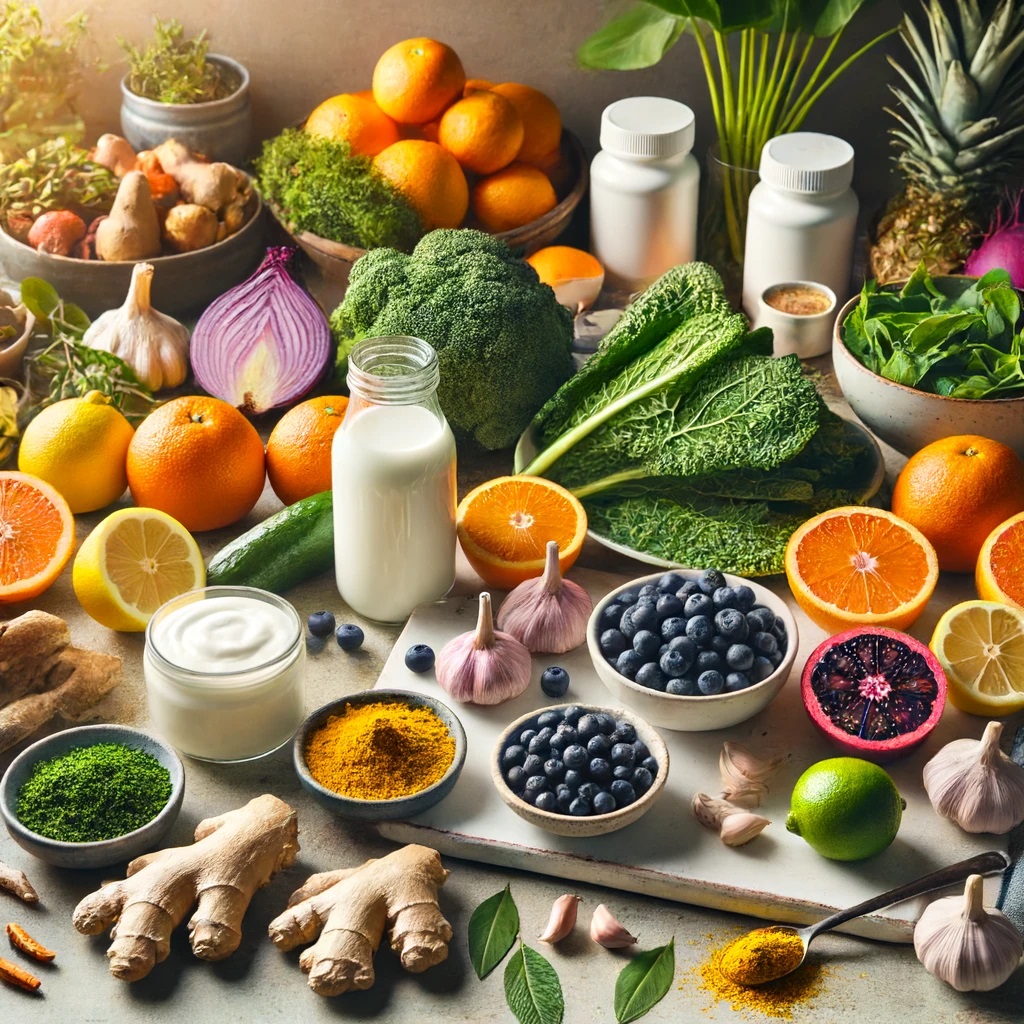
Supporting your immune system with the right foods and natural supplements can help keep you healthy and resilient. Here’s a guide to some of the best foods and supplements to enhance your immunity naturally.
Citrus Fruits for Vitamin C: Citrus fruits like oranges, grapefruits, lemons, and limes are packed with vitamin C, which is essential for immune function. Vitamin C increases the production of white blood cells, key to fighting infections.
Example: Start your day with a glass of fresh orange juice or add lemon slices to your water throughout the day for an extra boost.
Leafy Greens for Antioxidants: Leafy greens such as spinach, kale, and Swiss chard are rich in antioxidants and essential nutrients that support the immune system. These greens are also high in vitamins A and C.
Example: Incorporate a green smoothie into your breakfast or enjoy a fresh spinach salad for lunch to pack in the nutrients.
Ginger for Anti-Inflammatory Benefits: Ginger is a powerful anti-inflammatory and antioxidant root that can help reduce inflammation and boost immune health. It is also known for its ability to soothe a sore throat and fight infections.
Example: Add fresh ginger to your tea or include it in your cooking for a flavorful and health-boosting addition.
Garlic for Immune Support: Garlic contains compounds that enhance the immune system. It has been used for centuries for its medicinal properties and is known to boost the function of the immune system.
Example: Add minced garlic to your meals or consume a raw garlic clove daily for its potent benefits.
Turmeric for Curcumin: Turmeric is a spice that contains curcumin, a compound with powerful anti-inflammatory and antioxidant effects. Curcumin can help modulate the immune system and has been shown to have antiviral properties.
Example: Enjoy a warm cup of turmeric tea or add turmeric to your soups and stews for an immune-boosting effect.
Probiotics for Gut Health: Probiotics found in yogurt, kefir, and fermented foods like sauerkraut and kimchi can enhance gut health, which is closely linked to the immune system. A healthy gut flora supports overall immunity.
Example: Include a serving of yogurt in your breakfast or snack on fermented vegetables to support gut and immune health.
Herbal Supplements for Extra Support: Herbal supplements such as echinacea, elderberry, and astragalus can provide additional immune support. These herbs have been traditionally used to prevent and treat colds and flu.
Example: Take an echinacea supplement during flu season or sip on elderberry syrup to enhance your immune defenses.
By incorporating these immune-boosting foods and supplements into your diet, you can naturally enhance your body’s ability to fight off infections and stay healthy.
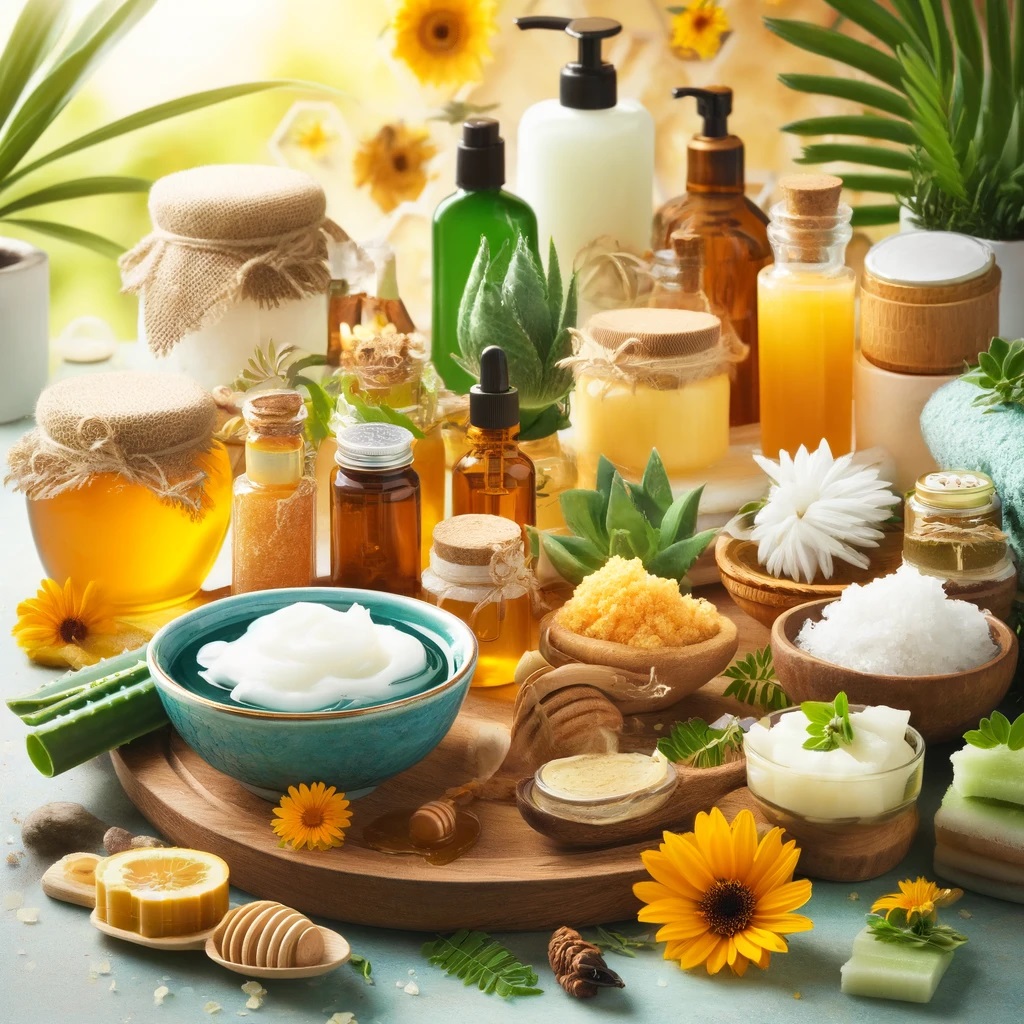
Holistic skin care focuses on nurturing your skin through natural, wholesome methods that promote overall health and well-being. By using natural remedies and embracing a holistic approach, you can achieve healthy, glowing skin without relying on harsh chemicals or synthetic products. Here’s how to incorporate holistic skin care into your daily routine.
1. Hydration: Drink Plenty of Water
Staying hydrated is essential for maintaining healthy skin. Water helps to flush out toxins, keep skin cells hydrated, and maintain a youthful appearance.
Example: Aim to drink at least 8 glasses of water a day. Herbal teas and water-rich fruits like watermelon and cucumber can also help keep your skin hydrated.
2. Balanced Diet: Nourish Your Skin from Within
What you eat has a direct impact on your skin’s health. A balanced diet rich in vitamins, minerals, and antioxidants can promote clear, radiant skin.
Example: Include plenty of fresh fruits and vegetables, whole grains, lean proteins, and healthy fats in your diet. Foods like berries, leafy greens, nuts, and fatty fish are particularly beneficial for skin health.
3. Regular Cleansing: Keep Your Skin Clean
Cleansing your skin regularly helps remove dirt, oil, and impurities that can clog pores and lead to breakouts.
Example: Use a gentle, natural cleanser twice a day. Ingredients like honey, oatmeal, and aloe vera are effective and soothing for the skin.
4. Exfoliation: Remove Dead Skin Cells
Exfoliating your skin helps to remove dead skin cells and promote cell turnover, resulting in a brighter complexion.
Example: Exfoliate 1-2 times a week using a natural scrub made from ingredients like sugar, coffee grounds, or ground almonds mixed with a bit of coconut oil or honey.
5. Moisturization: Keep Your Skin Hydrated
Moisturizing is crucial for maintaining skin hydration and preventing dryness. Natural oils and butter can provide deep nourishment and hydration.
Example: Use natural moisturizers such as coconut oil, shea butter, or jojoba oil. Apply them after cleansing and exfoliating to lock in moisture.
6. Sun Protection: Shield Your Skin from UV Damage
Protecting your skin from the sun’s harmful UV rays is essential to prevent premature aging and skin damage.
Example: Use a natural sunscreen with ingredients like zinc oxide or titanium dioxide. Wear protective clothing and seek shade during peak sun hours.
7. Natural Face Masks: Pamper Your Skin
Face masks made from natural ingredients can provide targeted treatment for various skin concerns, such as dryness, acne, or dullness.
Example: Try a DIY face mask with ingredients like mashed avocado, yogurt, honey, or turmeric. Apply the mask once a week for a skin-boosting treatment.
Stress can negatively impact your skin, leading to breakouts and other issues. Managing stress is crucial for maintaining healthy skin.
Example: Practice stress-reducing activities such as yoga, meditation, deep breathing exercises, or spending time in nature. These practices can help keep your skin calm and clear.
9. Adequate Sleep: Give Your Skin Time to Repair
Getting enough sleep is essential for skin repair and regeneration. Aim for 7-9 hours of quality sleep each night.
Example: Establish a regular sleep routine and create a restful environment by keeping your bedroom cool, dark, and quiet. Consider using a silk pillowcase to reduce friction and prevent wrinkles.
Many commercial skin care products contain harsh chemicals that can irritate the skin. Opt for natural, non-toxic products instead.
Example: Look for products that are free from parabens, sulfates, synthetic fragrances, and other harmful chemicals. Read labels carefully and choose products with natural ingredients.
DIY Natural Remedies for Skin Care
1. Honey and Lemon Face Mask
Honey is a natural humectant and has antibacterial properties, while lemon brightens and exfoliates the skin.
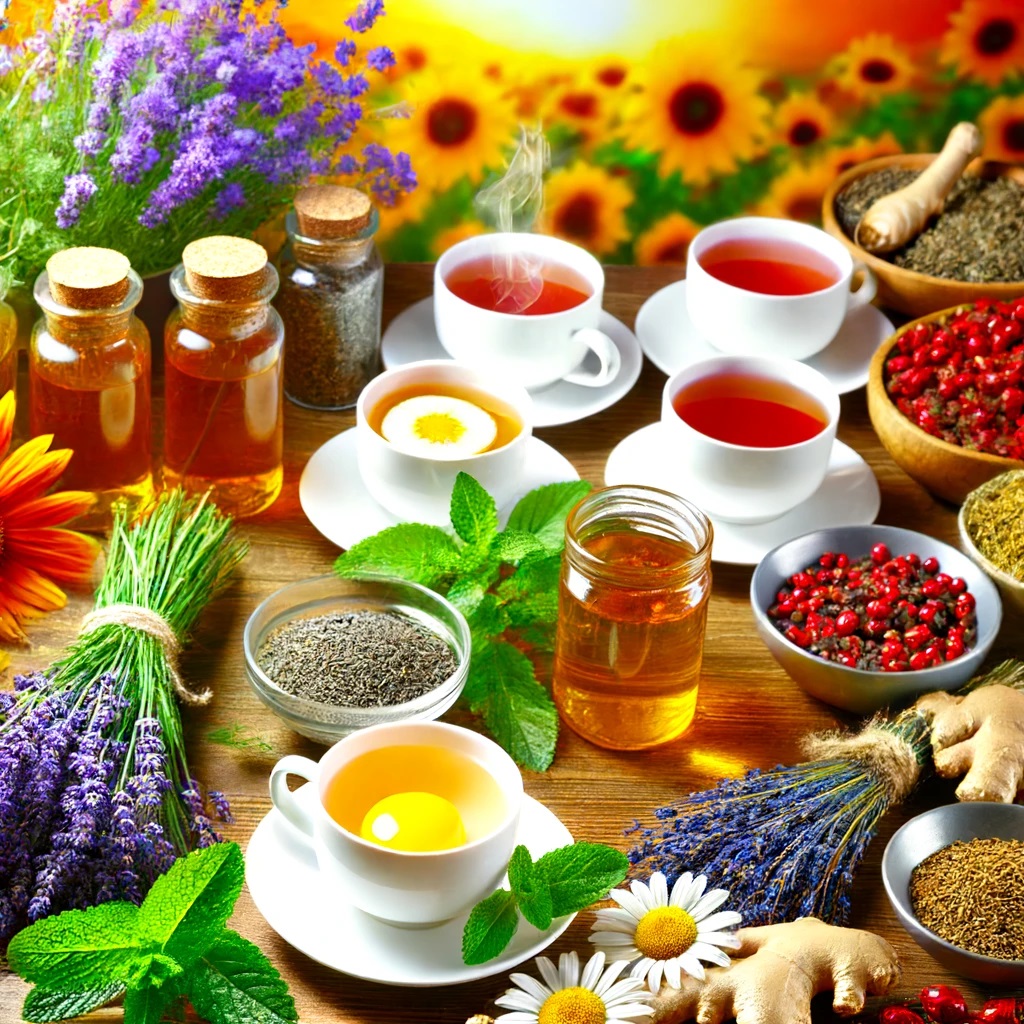
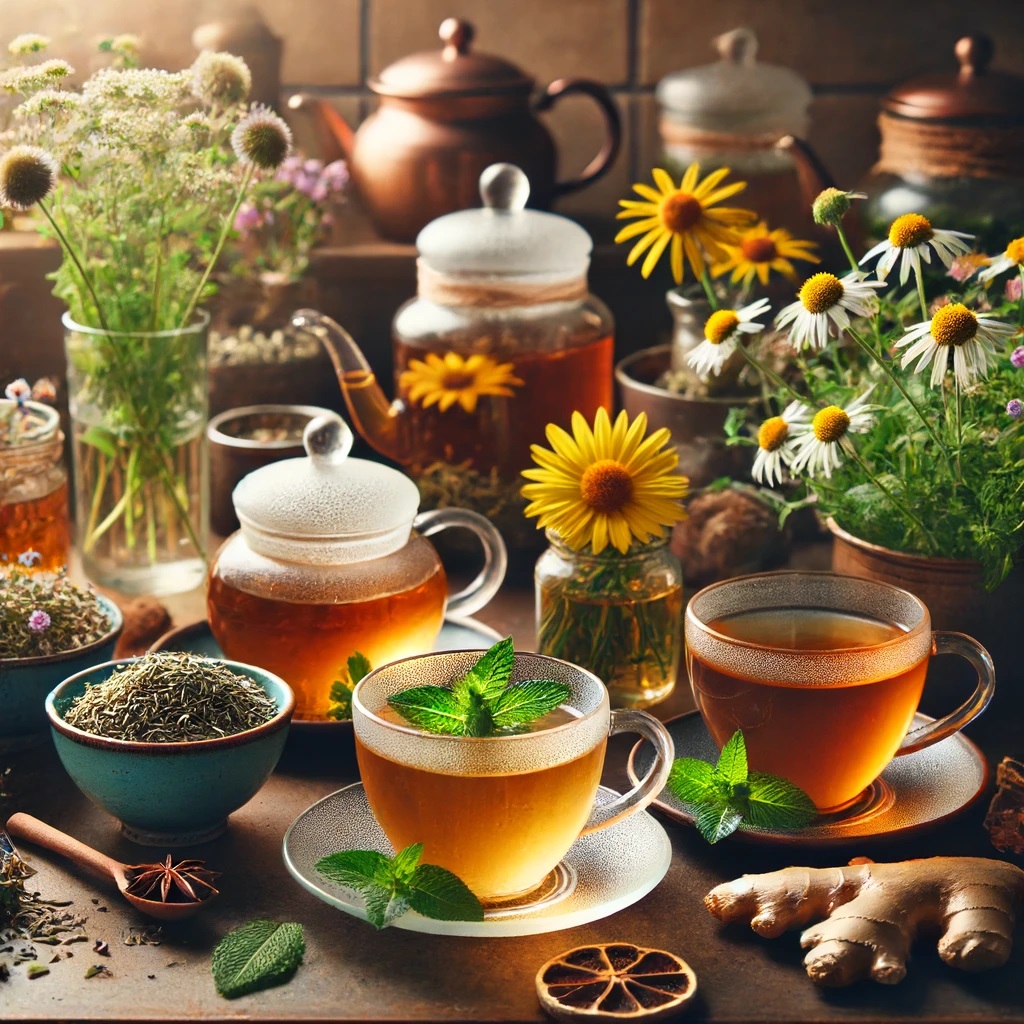
Herbal teas have been cherished for centuries as natural remedies for various ailments and to promote overall wellness. These teas, made from the leaves, flowers, seeds, and roots of different plants, offer unique health benefits. Here are some popular herbal teas and their wellness benefits, along with practical tips for incorporating them into your daily routine.
1. Chamomile Tea
Chamomile tea is renowned for its calming and soothing properties. It’s often used to reduce stress, promote relaxation, and improve sleep quality.
Benefits: Reduces anxiety, aids in digestion, and relieves insomnia.
Example: Drink a cup of chamomile tea before bedtime to help unwind and improve your sleep quality.
2. Peppermint Tea
Peppermint tea is refreshing and invigorating. It’s commonly used to relieve digestive issues and improve respiratory function.
Benefits: Eases indigestion, reduces nausea, and alleviates headaches.
Example: Sip on peppermint tea after meals to aid digestion and freshen your breath.
3. Ginger Tea
Ginger tea is a powerful remedy for nausea and digestive discomfort. It’s also known for its anti-inflammatory and immune-boosting properties.
Benefits: Relieves nausea, reduces inflammation, and boosts the immune system.
Example: Brew ginger tea when you’re feeling nauseous or to support your immune system during cold and flu season.
4. Hibiscus Tea
Hibiscus tea is a vibrant, tangy beverage rich in antioxidants. It’s known for its ability to lower blood pressure and support heart health.
Example: Enjoy a refreshing glass of hibiscus tea iced on a hot day to stay hydrated and boost your heart health.
5. Echinacea Tea
Echinacea tea is widely used to boost the immune system and fight off infections. It’s particularly popular during the cold and flu season.
Benefits: Boosts the immune system, reduces the duration of colds, and fights infections.
Example: Drink echinacea tea at the first sign of a cold to help your body fend off the illness.
6. Rooibos Tea
Rooibos tea, also known as red bush tea, is caffeine-free and packed with antioxidants. It’s known for its anti-inflammatory properties and ability to promote skin health.
Benefits: Reduces inflammation, promotes healthy skin, and supports heart health.
Example: Include rooibos tea in your daily routine for a caffeine-free antioxidant boost.
7. Lemon Balm Tea
Lemon balm tea has a mild lemony flavor and is known for its calming effects. It’s often used to reduce anxiety and improve cognitive function.
Benefits: Reduces anxiety, improves mood, and enhances cognitive function.
Example: Drink lemon balm tea during stressful times to calm your nerves and improve focus.
8. Turmeric Tea
Turmeric tea, also known as golden milk, is renowned for its anti-inflammatory and antioxidant properties. It’s often used to support joint health and boost the immune system.
Benefits: Reduces inflammation, supports joint health, and boosts the immune system.
Example: Enjoy a warm cup of turmeric tea in the evening to benefit from its anti-inflammatory properties.
9. Lavender Tea
Lavender tea is soothing and aromatic. It’s commonly used to promote relaxation and alleviate headaches.
Benefits: Promotes relaxation, reduces anxiety, and alleviates headaches.
Example: Sip on lavender tea when you need to relax or before bedtime to help you sleep.
10. Dandelion Tea
Dandelion tea is a natural detoxifier and diuretic. It’s often used to support liver health and digestion.
Benefits: Supports liver health, aids digestion, and acts as a diuretic.
Example: Drink dandelion tea after a heavy meal to support digestion and detoxification.
How to Brew Herbal Teas
Brewing herbal tea is simple and can be done using fresh or dried herbs. Here’s a basic guide:
Measure the Herbs: Use about 1 teaspoon of dried herbs or 1 tablespoon of fresh herbs per cup of water.
Boil the Water: Bring water to a boil, then let it cool slightly before pouring over the herbs.
Steep: Cover and steep the herbs for 5-10 minutes, depending on the desired strength.
Strain: Strain the herbs from the water and enjoy your tea.
Incorporating Herbal Teas into Your Routine
Morning Boost: Start your day with an energizing tea like ginger or peppermint.
Midday Refresh: Enjoy a cup of hibiscus or lemon balm tea to recharge in the afternoon.
Evening Relaxation: Unwind with chamomile or lavender tea before bed.
Explore various wellness practices and traditions from different cultures around the world. This blog post highlights unique wellness rituals, natural remedies, and healthy habits from diverse cultures, offering readers a global perspective on health and well-being.
Japanese Forest Bathing (Shinrin-yoku)
Shinrin-yoku, or forest bathing, is a Japanese practice that involves immersing oneself in nature to improve mental and physical health. This practice encourages individuals to spend time in forests, taking in the sights, sounds, and smells of nature to promote relaxation and reduce stress.
In Japan, people often visit designated forest therapy trails to practice Shinrin-yoku. Studies have shown that spending time in forests can lower cortisol levels, reduce blood pressure, and enhance immune function. To incorporate forest bathing into your life, find a local park or nature reserve and spend time walking mindfully, focusing on the natural environment around you.
Indian Ayurvedic Practices
Ayurveda is a traditional Indian system of medicine that focuses on balance and harmony in the body through diet, herbal remedies, and lifestyle practices. Ayurvedic practices such as oil pulling, drinking herbal teas, and following dosha-balancing diets are integral to maintaining health.
For example, oil pulling involves swishing sesame or coconut oil in the mouth for 10-20 minutes to improve oral health. Herbal teas made from ingredients like turmeric, ginger, and tulsi are used to support digestion and immunity. Simple Ayurvedic routines, like waking up early, practicing yoga, and eating according to your dosha (body type), can help promote overall well-being.
Scandinavian Hygge
Hygge is a Danish and Norwegian concept that emphasizes coziness, comfort, and contentment through simple pleasures. Creating a hygge-inspired environment can improve mental health by fostering a sense of warmth and relaxation.
To cultivate hygge, focus on creating a cozy atmosphere at home. Light candles, wrap yourself in a warm blanket, and enjoy a hot beverage like tea or cocoa. Spend quality time with loved ones, engage in activities like reading or crafting, and appreciate the small moments of joy in everyday life.
Traditional Chinese Medicine (TCM)
TCM includes practices like acupuncture, herbal medicine, and Tai Chi to promote health and balance in the body. The principles of TCM focus on the flow of Qi (energy) and the balance of Yin and Yang.
Acupuncture involves inserting thin needles into specific points on the body to stimulate energy flow and relieve pain. Tai Chi, a form of gentle martial arts, combines slow movements with deep breathing to improve balance, flexibility, and mental clarity. Incorporate TCM herbs like ginseng, goji berries, and astragalus into your diet to support overall health.
Mediterranean Diet
The Mediterranean diet, inspired by the traditional eating habits of Mediterranean countries, is known for its health benefits, including heart health and longevity. This diet emphasizes fresh vegetables, fruits, whole grains, olive oil, and lean proteins like fish and poultry.
To adopt the Mediterranean diet, incorporate more plant-based foods into your meals, use olive oil as your primary fat source, and include fish in your diet at least twice a week. Enjoy meals with family and friends, savoring the flavors and fostering a sense of community.
African Herbal Remedies
Many African cultures use herbal remedies for healing and wellness, relying on the medicinal properties of native plants. Herbs like moringa, baobab, and rooibos are widely used for their health benefits.
Moringa leaves are rich in vitamins and minerals and can be added to smoothies or salads. Baobab fruit is high in vitamin C and can be used in baking or mixed into drinks. Rooibos tea, made from the leaves of a South African shrub, is known for its antioxidant properties and can be enjoyed hot or cold.
South American Mate Rituals
Mate is a traditional South American drink made from the leaves of the yerba mate plant, known for its stimulating and health-boosting properties. In countries like Argentina and Uruguay, drinking mate is a social ritual that brings people together.
To prepare mate, fill a gourd with yerba mate leaves, add hot water, and sip through a metal straw called a bombilla. Mate is rich in antioxidants and nutrients, providing an energy boost without the jitters of coffee. Incorporate mate into your daily routine to experience its unique benefits.
Epsom salt baths are a simple yet powerful way to improve your overall well-being. The magnesium and sulfate in Epsom salts provide numerous health benefits, from relieving muscle pain to reducing stress. Here’s how you can discover the healing power of Epsom salt baths.
Relieving Muscle Pain and Tension: Epsom salts are known for their ability to relax muscles and alleviate pain. The magnesium in Epsom salts helps reduce inflammation and ease muscle cramps.
Example: Add two cups of Epsom salts to your bathwater and soak for at least 20 minutes to relieve muscle soreness after a workout.
Reducing Stress and Promoting Relaxation: Soaking in an Epsom salt bath can help reduce stress and promote relaxation. The warm water combined with the soothing properties of magnesium helps calm the nervous system.
Example: Create a spa-like experience at home by adding a few drops of lavender essential oil to your Epsom salt bath and soaking in the tranquility.
Detoxifying the Body: Epsom salts can help draw out toxins from the body, promoting detoxification. This can help improve skin health and overall wellness.
Example: Take a detox bath by mixing Epsom salts with baking soda and soaking for 20-30 minutes. This can help cleanse your body and leave your skin feeling refreshed.
Improving Skin Health: Epsom salts can help exfoliate the skin, removing dead skin cells and leaving your skin soft and smooth. They also help reduce inflammation and treat conditions like eczema and psoriasis.
Example: Use Epsom salts as a gentle exfoliant by mixing them with a bit of water or oil and massaging onto your skin in the shower.
Promoting Better Sleep: A warm Epsom salt bath before bed can help improve sleep quality. The magnesium helps relax your muscles and mind, making it easier to fall asleep.
Example: Incorporate Epsom salt baths into your nightly routine to help you wind down and prepare for a restful night’s sleep.
Practical Tips for Epsom Salt Baths:
Choose the Right Epsom Salts:
Look for high-quality, pure Epsom salts without added fragrances or chemicals.
Set the Mood:
Create a relaxing environment with dim lighting, candles, and calming music to enhance your bath experience.
Stay Hydrated:
Drink plenty of water before and after your bath to stay hydrated and support the detoxification process.
Regular Routine:
Incorporate Epsom salt baths into your weekly routine for ongoing benefits to your health and well-being.
By incorporating Epsom salt baths into your self-care routine, you can experience their powerful healing benefits and enhance your overall well-being.
Herbal teas are not only delicious but also offer a variety of health benefits. By choosing the right herbal tea, you can enhance your mood and well-being naturally. Here’s how you can match your tea to your mood and enjoy its benefits.
Relaxation with Chamomile: Chamomile tea is well-known for its calming properties. It helps reduce stress and anxiety, making it a perfect choice for unwinding after a long day.
Example: Brew a cup of chamomile tea in the evening to help relax your mind and body, preparing you for a restful night’s sleep.
Boosting Energy with Peppermint: Peppermint tea is invigorating and can boost your energy levels naturally. Its refreshing flavor and aroma make it a great pick-me-up during the day.
Example: Start your morning with a cup of peppermint tea to awaken your senses and get ready for a productive day.
Aiding Digestion with Ginger: Ginger tea is excellent for digestion and can help soothe an upset stomach. Its warm and spicy flavor is perfect for after meals.
Example: Enjoy a cup of ginger tea after lunch to aid digestion and prevent bloating.
Supporting Immunity with Echinacea: Echinacea tea is known for its immune-boosting properties. It can help prevent colds and flu, especially during the winter months.
Example: Drink a cup of echinacea tea daily during flu season to strengthen your immune system.
Promoting Detox with Dandelion: Dandelion tea is a great detoxifier. It helps cleanse the liver and promotes healthy digestion.
Example: Incorporate dandelion tea into your routine as a gentle detox to support liver health and overall well-being.
By choosing the right herbal tea for your mood, you can enjoy a delicious beverage while also reaping the natural benefits of these wonderful herbs.
A Cup of Health: Mei’s Transformation with Herbal Teas
Meet Mei: Mei, a 30-year-old teacher from Beijing, struggled with frequent colds and low energy levels. After learning about the benefits of herbal teas, she decided to incorporate them into her daily routine.
Discovering Herbal Teas: Mei started with chamomile tea to help her relax and improve her sleep quality.
Example: Each night before bed, Mei enjoyed a warm cup of chamomile tea, which helped her unwind and sleep better.
Exploring Different Teas: Mei experimented with different herbal teas like peppermint for digestion and ginger for its anti-inflammatory properties.
Example: After meals, Mei drank peppermint tea to aid digestion and ginger tea in the morning to boost her immune system.
Creating a Routine: Mei made herbal tea a part of her daily routine, replacing her usual coffee with various herbal blends.
Example: Instead of reaching for coffee, Mei started her day with a refreshing cup of lemon and ginger tea.
The Result: Within a few months, Mei noticed she had more energy, fewer colds, and overall better health. The simple change of incorporating herbal teas made a significant difference.
Holistic wellness focuses on the whole person, considering physical, mental, emotional, and spiritual aspects. It promotes a balanced lifestyle that nurtures all facets of health.
Key Components of Holistic Wellness
Physical Health: Regular exercise, a balanced diet, and adequate sleep are essential. Activities like yoga and tai chi improve physical fitness and mental relaxation.
Mental and Emotional Health: Managing stress through mindfulness, meditation, and positive thinking enhances mental clarity and emotional stability.
Spiritual Health: Finding purpose and meaning through spiritual practices or spending time in nature fosters inner peace and fulfillment.
Natural Remedies for Common Ailments
Echinacea for Colds and Flu: Known for its immune-boosting properties, echinacea can reduce the duration and severity of colds and flu.
Usage: Take supplements or drink echinacea tea at the first sign of symptoms.
Ginger for Digestive Issues: Ginger is effective for soothing nausea, indigestion, and bloating.
Usage: Incorporate fresh ginger into meals or drink ginger tea after eating.
Turmeric for Inflammation: Turmeric’s anti-inflammatory properties can help manage conditions like arthritis.
Usage: Add turmeric to your diet or take it as a supplement.
Benefits of Holistic Wellness
Improved Physical Health: Addressing the root causes leads to better overall health.
Enhanced Mental and Emotional Stability: Mindfulness and meditation reduce stress and improve mental clarity.
Greater Life Satisfaction: Balancing all aspects of well-being leads to a more fulfilling life.
Implementing Holistic Wellness in Daily Life
Set Realistic Goals: Start with small, achievable goals in each area of health.
Create a Balanced Routine: Include physical activities, mental exercises, and spiritual practices in your daily schedule.
Seek Professional Guidance: Consult with holistic health professionals for personalized advice.
Call to Action
Embrace holistic wellness today for a balanced and fulfilling life. Visit Holistic Wellness Guide for more tips on integrating these practices into your daily routine.
Sip Your Way to Health: The Benefits of Herbal Teas and 5 Teas to Try
Herbal teas are a delicious and natural way to support your health and well-being. They are packed with beneficial compounds that can help with various health concerns, from digestion to relaxation. In this post, we’ll explore the benefits of herbal teas and introduce five teas that you should try for better health.
Tea 1: Chamomile Tea: Chamomile tea is well-known for its calming properties and can help with relaxation and sleep.
Benefits:
Reduces stress and anxiety.
Promotes better sleep.
Soothes digestive issues.
Tea 2: Peppermint Tea: Peppermint tea is refreshing and has several health benefits, particularly for digestion.
Benefits:
Relieves digestive discomfort.
Reduces headaches.
Enhances focus and concentration.
Tea 3: Ginger Tea: Ginger tea is a powerful anti-inflammatory and antioxidant, making it great for overall health.
Benefits:
Reduces inflammation.
Soothes nausea.
Supports immune function.
Tea 4: Hibiscus Tea: Hibiscus tea is rich in antioxidants and has been shown to have several heart health benefits.
Benefits:
Lowers blood pressure.
Supports heart health.
Boosts liver health.
Tea 5: Rooibos Tea: Rooibos tea is packed with antioxidants and is naturally caffeine-free, making it a great choice for any time of day.
Benefits:
Supports healthy skin.
Promotes heart health.
Aids in digestion.
Herbal teas are a simple and enjoyable way to support your health naturally. At Alchemy International, we value the benefits of natural remedies like herbal teas to enhance well-being. Try incorporating these teas into your daily routine and experience the positive effects on your health.







 Holistic Wellness Guide