

Natural Remedies and Preventive Measures for Common Cold and Flu

The common cold and flu are viral infections that can disrupt daily life. While there is no cure for these illnesses, natural remedies and preventive measures can help reduce symptoms and support recovery. Here are some effective strategies using herbs and natural ingredients.

1. Boost Your Immune System

Strengthening your immune system can help prevent colds and flu.

  • Tip: Incorporate immune-boosting foods like citrus fruits, garlic, ginger, and turmeric into your diet.
  • Story: Raj, a health-conscious individual, included garlic and ginger in his meals regularly. He noticed a significant reduction in the number of colds he caught each year.

2. Stay Hydrated

Proper hydration is essential for maintaining overall health and supporting the immune system.

  • Tip: Drink plenty of water, herbal teas, and broths throughout the day.
  • Story: Emily, a nurse, made sure to stay hydrated, especially during flu season. She found that drinking herbal teas helped soothe her throat and keep her hydrated.

3. Use Herbal Remedies

Certain herbs can help alleviate symptoms and support recovery.

  • Echinacea: Known for its immune-boosting properties, echinacea can help reduce the severity and duration of colds.
    • How to Use: Take echinacea supplements or drink echinacea tea at the first sign of a cold.
  • Elderberry: Elderberry has antiviral properties that can help fight off colds and flu.
    • How to Use: Take elderberry syrup or capsules to support immune function.
  • Ginger: Ginger can help reduce inflammation and soothe sore throats.
    • How to Use: Drink ginger tea or add fresh ginger to your meals.

4. Rest and Relax

Rest is crucial for recovery from illness.

  • Tip: Ensure you get plenty of rest and sleep to allow your body to heal.
  • Story: John, a busy executive, made it a point to rest whenever he felt a cold coming on. He found that taking time to rest helped him recover faster.

5. Use Steam Inhalation

Steam inhalation can help relieve congestion and soothe irritated airways.

  • Tip: Add a few drops of eucalyptus or peppermint oil to a bowl of hot water and inhale the steam.
  • Story: Lisa, a yoga instructor, used steam inhalation to clear her sinuses during a cold. She found it helped her breathe easier and relieved congestion.

6. Practice Good Hygiene

Good hygiene practices can help prevent the spread of colds and flu.

  • Tip: Wash your hands regularly with soap and water, avoid touching your face, and cover your mouth when coughing or sneezing.
  • Story: Alex, a school teacher, emphasized good hygiene practices in his classroom. He noticed a decrease in the spread of colds among his students.

Conclusion

Incorporating these natural remedies and preventive measures can help you manage and reduce the symptoms of common cold and flu. By boosting your immune system, staying hydrated, using herbal remedies, resting, and practicing good hygiene, you can support your body’s natural defenses and promote faster recovery.


Holistic Approaches to Boosting Your Immune System

A strong immune system is essential for maintaining good health and preventing illness. Holistic approaches to boosting your immune system involve natural and comprehensive methods that support overall well-being. Here’s a guide on how to enhance your immune system holistically.

1. Nutrition: Eating a Balanced Diet

A well-balanced diet rich in vitamins and minerals is crucial for a strong immune system.

  • Tip: Incorporate a variety of fruits, vegetables, whole grains, lean proteins, and healthy fats into your meals.
  • Story: Mike, a fitness enthusiast, revamped his diet to include more immune-boosting foods like citrus fruits, leafy greens, and nuts. He noticed fewer colds and a general improvement in his health.

2. Regular Exercise

Regular physical activity can boost your immune system by promoting overall health.

  • Tip: Aim for at least 30 minutes of moderate exercise most days of the week.
  • Story: Sarah, a busy mother, started incorporating daily walks and yoga sessions into her routine. She found that regular exercise not only boosted her immune system but also improved her mood and energy levels.

3. Adequate Sleep

Quality sleep is vital for a healthy immune system.

  • Tip: Aim for 7-9 hours of sleep per night and establish a consistent sleep schedule.
  • Story: John, a high-stress executive, prioritized his sleep by creating a bedtime routine and sticking to it. He experienced fewer illnesses and felt more rejuvenated.

4. Stress Management

Chronic stress can weaken the immune system. Managing stress is essential for maintaining health.

  • Tip: Practice stress-reducing techniques such as meditation, deep breathing exercises, or hobbies you enjoy.
  • Story: Emily, a college student, used meditation and journaling to manage her stress levels. As a result, she felt less anxious and noticed an improvement in her overall health.

5. Herbal Supplements

Certain herbs and supplements can support immune function.

  • Tip: Consider adding immune-boosting herbs like echinacea, elderberry, and garlic to your diet.
  • Story: Raj, an office worker, started taking elderberry supplements during cold and flu season. He found that they helped reduce the duration and severity of his symptoms.

Conclusion

Boosting your immune system holistically involves a combination of a balanced diet, regular exercise, adequate sleep, stress management, and herbal supplements. By incorporating these practices into your daily routine, you can enhance your immune function and overall well-being.

Natural Remedies for Better Sleep

Getting quality sleep is essential for overall health and well-being. Natural remedies can help improve sleep patterns without the side effects of medication. Here’s a comprehensive guide on natural ways to enhance your sleep.

1. Herbal Teas

Certain herbal teas can promote relaxation and improve sleep quality.

  • Chamomile Tea: Known for its calming properties, chamomile tea can help you unwind before bed.
    • How to Use: Brew a cup of chamomile tea 30 minutes before bedtime.
  • Lavender Tea: Lavender has a soothing effect that can help reduce anxiety and promote better sleep.
    • How to Use: Drink a cup of lavender tea in the evening to prepare for a restful night.

2. Essential Oils

Aromatherapy with essential oils can create a relaxing environment conducive to sleep.

  • Lavender Oil: Known for its calming effects, lavender oil can help improve sleep quality.
    • How to Use: Add a few drops of lavender oil to a diffuser or spray it on your pillow.
  • Frankincense Oil: This oil has a grounding effect that can help you relax and sleep better.
    • How to Use: Diffuse frankincense oil in your bedroom or add a few drops to your bath.

3. Sleep-Inducing Foods

Certain foods can naturally enhance sleep quality by promoting relaxation and regulating sleep hormones.

  • Almonds: Rich in magnesium, almonds can help improve sleep quality.
    • How to Use: Eat a handful of almonds as an evening snack.
  • Kiwi: Kiwi fruit contains serotonin, which can help regulate your sleep cycle.
    • How to Use: Eat a couple of kiwis an hour before bedtime.

4. Bedtime Routine

Establishing a consistent bedtime routine can signal your body that it’s time to wind down and prepare for sleep.

  • Routine Example: Start by dimming the lights an hour before bed. Follow with a warm bath, and then spend 10-15 minutes doing a relaxing activity, such as reading or gentle stretching. End with a few minutes of deep breathing or meditation.

5. Creating a Sleep-Friendly Environment

Making your bedroom conducive to sleep can significantly improve your sleep quality.

  • Tips:
    • Keep your bedroom cool and dark.
    • Use blackout curtains to block out any external light.
    • Invest in a comfortable mattress and pillows.
    • Remove electronic devices from your bedroom to avoid blue light exposure.

Conclusion

Incorporating these natural remedies into your nightly routine can help you achieve better, more restful sleep. From herbal teas and essential oils to sleep-inducing foods and a consistent bedtime routine, these strategies can enhance your overall sleep quality and contribute to your well-being.

The Healing Power of Nature: Embracing Outdoor Activities for Wellness

Spending time in nature has numerous benefits for both mental and physical health. Embracing outdoor activities can improve your mood, reduce stress, and enhance overall well-being. Here’s a comprehensive guide on how to integrate nature into your wellness routine.

1. Hiking

Hiking is an excellent way to explore nature while getting a good workout. The physical activity combined with the beauty of natural landscapes can provide a sense of peace and accomplishment.

  • Benefits: Improves cardiovascular health, strengthens muscles, reduces stress, and enhances mental clarity.
  • How to Start: Find local trails or nature parks. Start with easy hikes and gradually increase the difficulty as your fitness improves.

2. Gardening

Gardening offers a therapeutic way to connect with nature. It can be a relaxing and rewarding activity that allows you to nurture plants and enjoy the beauty of your surroundings.

  • Benefits: Reduces stress, improves mood, enhances physical activity, and provides a sense of accomplishment.
  • How to Start: Begin with a small garden or even a few potted plants. Choose plants that are suitable for your climate and enjoy the process of caring for them.

3. Outdoor Yoga

Practicing yoga outdoors allows you to combine the benefits of yoga with the healing power of nature. The fresh air and natural surroundings can enhance your practice and provide a deeper sense of relaxation.

  • Benefits: Increases flexibility, improves mental focus, reduces stress, and enhances overall well-being.
  • How to Start: Find a quiet outdoor space, such as a park or your backyard. Bring a yoga mat and start with simple poses. Focus on your breath and the natural sounds around you.

4. Forest Bathing

Forest bathing, or Shinrin-yoku, is a Japanese practice that involves immersing oneself in nature to improve health and well-being. It’s about being mindful and present in the natural environment.

  • Benefits: Reduces stress, improves mood, boosts the immune system, and enhances overall well-being.
  • How to Start: Visit a forest or a park with plenty of trees. Walk slowly, breathe deeply, and take in the sights, sounds, and smells of the forest. Focus on being present in the moment.

5. Bird Watching

Bird watching is a relaxing activity that allows you to connect with nature and observe wildlife. It can be a meditative practice that provides a sense of calm and joy.

  • Benefits: Reduces stress, improves mental focus, enhances mood, and provides a sense of connection with nature.
  • How to Start: Get a pair of binoculars and a bird guidebook. Visit local parks or nature reserves and spend time quietly observing birds. Take notes and enjoy the peacefulness of the activity.

Conclusion

Integrating outdoor activities into your wellness routine can have profound benefits for your mental and physical health. Whether it’s hiking, gardening, practicing yoga, forest bathing, or bird watching, spending time in nature can enhance your overall well-being and provide a sense of peace and connection.

Holistic Skincare Routine for Sensitive Skin

Sensitive skin requires gentle care and soothing ingredients to prevent irritation. A holistic skincare routine can help calm and protect sensitive skin. Here’s a comprehensive guide for nurturing sensitive skin with natural remedies, diet tips, and daily practices.

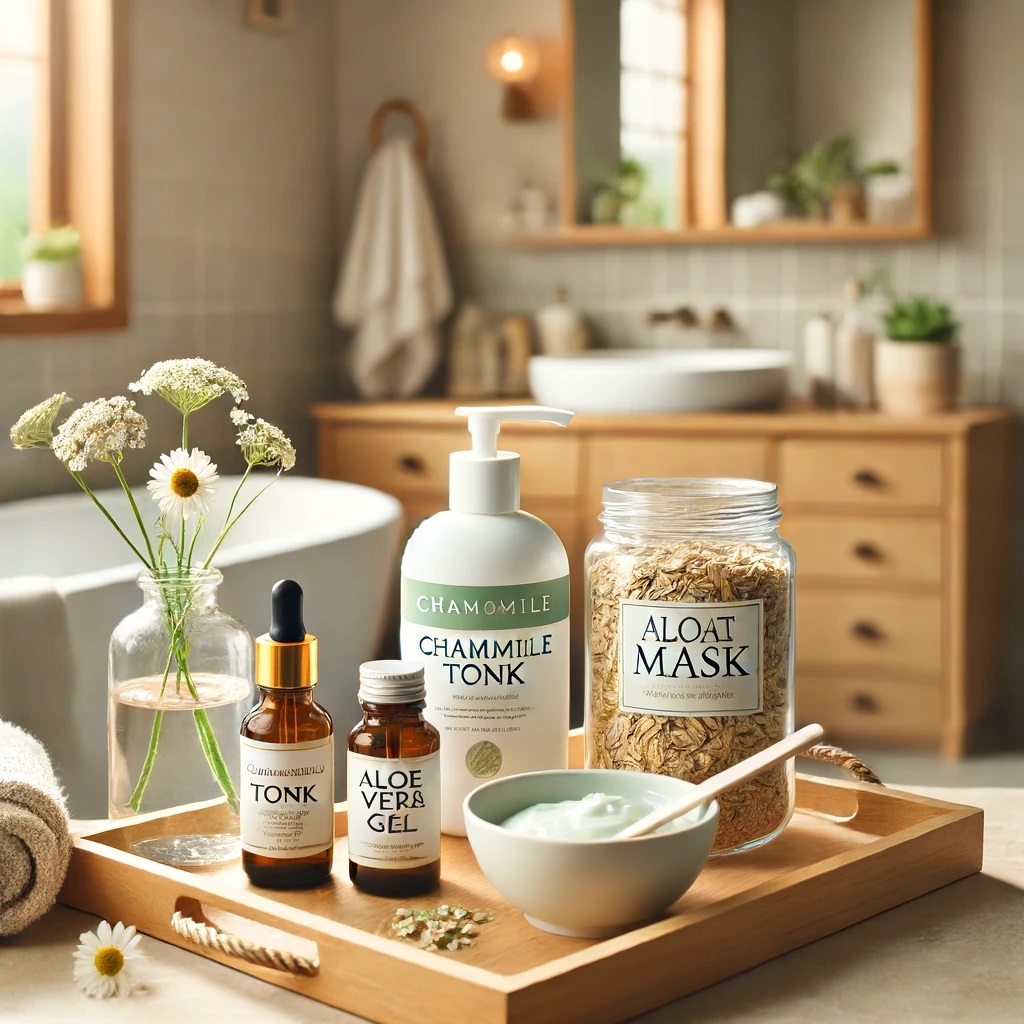
1. Soothing Chamomile and Oat Mask

  • Ingredients: 2 tablespoons finely ground oats, 1 tablespoon chamomile tea (cooled)
  • Instructions: Mix oats and chamomile tea to form a paste. Apply to the face and leave for 15-20 minutes before rinsing off with warm water.
  • Story: Mei, an artist, often experienced redness and irritation. She found relief in a chamomile and oat mask, which calmed her skin and reduced inflammation. Mei now uses this mask weekly to maintain her skin’s comfort and appearance.

2. Anti-Inflammatory Diet for Sensitive Skin

  • Breakfast: Smoothie with almond milk, banana, spinach, and turmeric
  • Lunch: Quinoa salad with roasted vegetables, chickpeas, and a turmeric dressing
  • Snack: Fresh cucumber slices with hummus
  • Dinner: Baked salmon with sweet potatoes and steamed broccoli
  • Story: Anika, a kindergarten teacher, realized her sensitive skin was exacerbated by certain foods. By switching to an anti-inflammatory diet, she saw a noticeable reduction in redness and sensitivity. Anika now enjoys a diet that supports her skin’s health.

3. Daily Practices for Sensitive Skin

  • Morning Routine: Cleanse with a gentle, fragrance-free cleanser, apply a soothing toner, use a hypoallergenic moisturizer, and finish with a mineral-based sunscreen.
  • Evening Routine: Remove makeup with a gentle cleansing oil, cleanse with a gentle, fragrance-free cleanser, apply a soothing toner, use a calming serum, and finish with a rich night cream.
  • Story: Sofia, a healthcare worker, had difficulty managing her sensitive skin amidst a busy schedule. By adopting a skincare routine with gentle and soothing products, she managed to keep her skin calm and comfortable. Sofia now enjoys a routine that fits her lifestyle and keeps her skin healthy.

Holistic Skincare Routine for Combination Skin

Combination skin, with its mix of oily and dry areas, requires a balanced approach. A holistic skincare routine can help manage both types and maintain overall skin health. Here’s a comprehensive guide for caring for combination skin with natural remedies, diet tips, and daily practices.

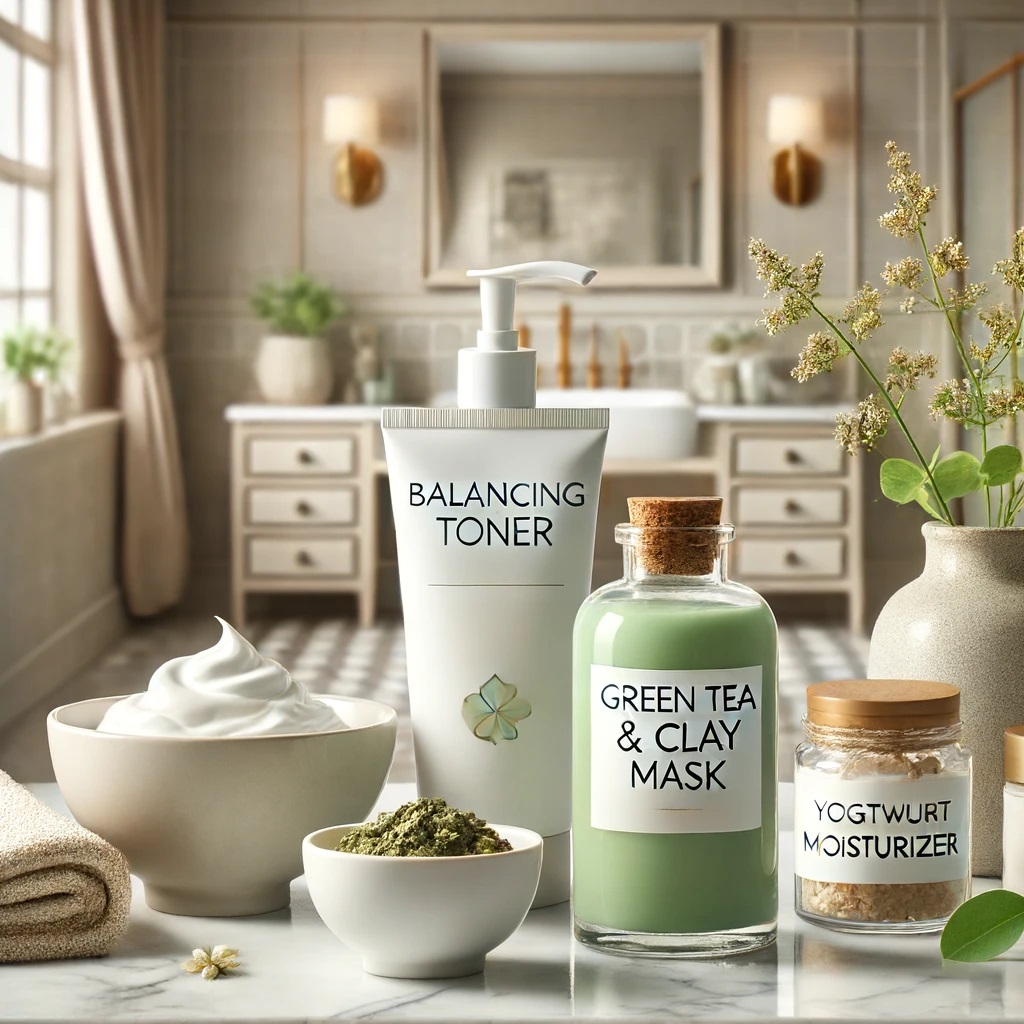
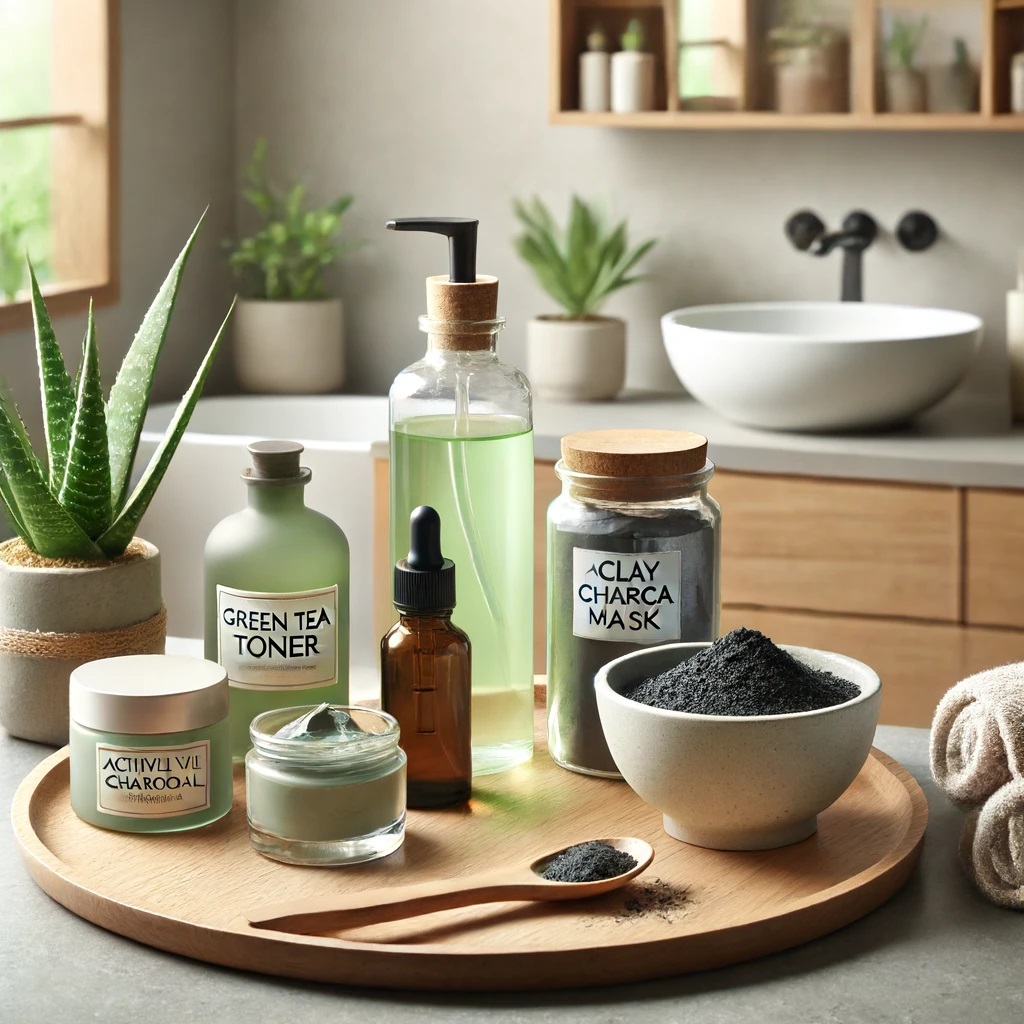
1. Balancing Green Tea and Clay Mask

  • Ingredients: 1 tablespoon green tea (cooled), 1 tablespoon clay (bentonite or kaolin)
  • Instructions: Mix green tea and clay to form a paste. Apply to the face, focusing on the T-zone. Leave for 15-20 minutes before rinsing off with warm water.
  • Akira, a graphic designer, struggled with an oily T-zone and dry cheeks. He discovered that a green tea and clay mask helped balance his skin. Akira now uses this mask weekly, which has significantly improved the overall balance of his skin.

2. Balanced Diet for Combination Skin

  • Breakfast: Greek yogurt with honey, mixed berries, and a sprinkle of granola
  • Lunch: Grilled chicken wrap with avocado, lettuce, and tomato
  • Snack: Fresh fruit slices (apple, pear) with a handful of nuts
  • Dinner: Brown rice with steamed vegetables and lean protein (fish or tofu)
  • Maria, a student, found that her diet affected her combination skin. By incorporating a balanced diet rich in both hydrating and oil-controlling foods, she noticed a more even complexion. Maria now follows this balanced diet to maintain her skin health.

3. Daily Practices for Combination Skin

  • Morning Routine: Cleanse with a gentle foaming cleanser, apply a balancing toner, use a lightweight moisturizer, and finish with a natural sunscreen.
  • Evening Routine: Remove makeup with micellar water, cleanse with a gentle foaming cleanser, apply a balancing toner, use a light serum, and finish with a night cream focused on hydration.
  • John, a project manager, had difficulty managing his combination skin. By adopting a skincare routine that targeted both oily and dry areas, he managed to achieve a more balanced complexion. John now enjoys a consistent routine that keeps his skin looking its best.

Holistic Skincare Routine for Oily Skin

Dry skin requires gentle care and extra hydration. A holistic skincare routine can help maintain moisture and improve skin texture. Here’s a comprehensive guide for nurturing dry skin with natural remedies, diet tips, and daily practices.

1. Hydrating Honey and Avocado Mask

  • Ingredients: 1/2 ripe avocado, 1 tablespoon honey
  • Instructions: Mash the avocado and mix with honey. Apply to the face and leave for 20 minutes before rinsing off with warm water.
  • Meera, a librarian, dealt with flaky, dry skin. She discovered the hydrating benefits of a honey and avocado mask, which provided deep moisture and improved her skin’s texture. Meera now includes this mask in her weekly skincare routine.

2. Nourishing Diet for Dry Skin

  • Breakfast: Smoothie with almond milk, banana, spinach, and chia seeds
  • Lunch: Quinoa salad with roasted vegetables and tahini dressing
  • Snack: Handful of nuts and dried fruits
  • Dinner: Lentil soup with sweet potatoes and a side of steamed greens
  • Alex, a school teacher, noticed that staying hydrated and eating nourishing foods helped her dry skin. By incorporating more hydrating foods into her diet, she saw a visible improvement in her skin’s suppleness. Alex now follows a diet rich in moisture-boosting ingredients.

3. Daily Practices for Caring for Dry Skin

  • Morning Routine: Cleanse with a gentle, hydrating cleanser, apply a rich moisturizer, and use a natural sunscreen.
  • Evening Routine: Remove makeup with a gentle cleansing oil, cleanse with a hydrating cleanser, apply a nourishing face oil, and finish with a thick night cream.
  • Emily, a freelance writer, struggled with dry patches and irritation. By following a consistent skincare routine with hydrating products, she managed to keep her skin soft and smooth. Emily now feels more confident in her complexion.

Natural Remedies for Hair Health

Healthy hair starts with natural, nourishing treatments that promote growth and shine.

1. Coconut Oil Hair Mask

  • Ingredients: 2 tablespoons coconut oil
  • Instructions: Warm the coconut oil and apply it to your hair from roots to tips. Leave for 30 minutes before washing out.
  • Maya, an environmentalist, preferred natural products for her hair care routine. She tried a coconut oil hair mask and was amazed at the results. Her hair became shinier and softer. Maya now swears by this mask, using it once a week for healthy, lustrous hair.

2. Aloe Vera and Lemon Scalp Treatment

  • Ingredients: 2 tablespoons aloe vera gel, 1 teaspoon lemon juice
  • Instructions: Mix aloe vera gel with lemon juice and massage into the scalp. Leave for 20 minutes before rinsing.
  • Rahul, a fitness trainer, faced issues with dandruff and an itchy scalp. He started using an aloe vera and lemon scalp treatment. The natural remedy soothed his scalp and significantly reduced dandruff, allowing him to feel more confident at work and in social settings.

3. Egg Yolk and Olive Oil Conditioner

  • Ingredients: 1 egg yolk, 2 tablespoons olive oil
  • Instructions: Whisk together egg yolk and olive oil. Apply to hair and leave for 30 minutes before washing out.
  • Nina, a university professor, was concerned about her thinning hair. She found a recipe for an egg yolk and olive oil conditioner. After a few weeks of use, she noticed her hair felt thicker and stronger. Nina now enjoys her rejuvenated hair and recommends this natural conditioner to her colleagues.

Natural Remedies for Better Sleep: Tips and Tricks

A good night’s sleep is essential for overall health and well-being. If you’re struggling with sleep issues, natural remedies can help you relax and improve your sleep quality. Here are some tips and tricks for better sleep using natural remedies.

Herbal Teas for Relaxation: Herbal teas like chamomile, valerian root, and lavender are known for their calming effects. These teas can help you unwind and prepare for a restful night’s sleep.

Example: Enjoy a warm cup of chamomile tea about 30 minutes before bedtime to help relax your mind and body.

Aromatherapy with Essential Oils: Aromatherapy using essential oils such as lavender, bergamot, and cedarwood can promote relaxation and improve sleep quality. You can use these oils in a diffuser or apply them to your pillow.

Example: Diffuse lavender oil in your bedroom or add a few drops to your pillow before going to bed for a calming effect.

Magnesium Supplements for Relaxation: Magnesium is a mineral that plays a crucial role in muscle relaxation and sleep. Taking a magnesium supplement can help you relax and improve sleep quality.

Example: Take a magnesium supplement an hour before bedtime to help your muscles relax and prepare for sleep.

Mindfulness Meditation for Calmness: Practicing mindfulness meditation before bed can help calm your mind and reduce anxiety, making it easier to fall asleep.

Example: Spend 10-15 minutes meditating before bed, focusing on your breath and letting go of any stressful thoughts.

Creating a Sleep-Friendly Environment: Your bedroom environment plays a significant role in your sleep quality. Make sure your room is cool, dark, and quiet. Use blackout curtains and consider white noise machines to block out any disruptive sounds.

Example: Invest in a comfortable mattress and pillows, and keep your bedroom cool and dark to create an optimal sleep environment.

Establishing a Bedtime Routine: A consistent bedtime routine signals to your body that it’s time to wind down and prepare for sleep. This routine can include activities like reading, taking a warm bath, or practicing gentle yoga.

Example: Create a bedtime routine that includes reading a book and taking a warm bath to help signal to your body that it’s time to sleep.

By incorporating these natural remedies and tips into your routine, you can improve your sleep quality and enjoy more restful nights.

From Stress to Serenity: A Journey Through Aromatherapy

Meet Anjali, a 35-year-old marketing manager from Mumbai, who was overwhelmed by the stresses of her demanding job. Constantly juggling deadlines and responsibilities, Anjali struggled to find peace and relaxation in her daily life. After a recommendation from a friend, she decided to try aromatherapy and discovered its transformative effects.

Anjali’s journey with aromatherapy began with simple steps. She started using essential oils to create a calming environment at home. Lavender oil became her go-to for relaxation, while peppermint oil helped her stay alert and focused during work.

Choosing the Right Essential Oils: Different essential oils offer various benefits. Anjali explored oils like lavender for relaxation, eucalyptus for clarity, and chamomile for stress relief. Each oil brought a unique sense of calm and well-being.

Example: Anjali diffused lavender oil in her living room every evening, helping her unwind after a long day. The soothing scent created a peaceful atmosphere, allowing her to de-stress and sleep better.

Incorporating Aromatherapy into Daily Routine: Anjali incorporated essential oils into her daily routine. She added a few drops of eucalyptus oil to her morning shower to invigorate her senses and used chamomile oil in a diffuser at bedtime to promote restful sleep.

Example: During her morning routine, Anjali applied a blend of peppermint and rosemary oils to her temples to boost her concentration and energy levels for the day ahead.

Using Aromatherapy for Stress Relief: To manage work-related stress, Anjali carried a small roller bottle of lavender oil in her bag. Whenever she felt overwhelmed, she applied it to her wrists and took deep breaths to regain her sense of calm.

With these simple yet effective steps, Anjali transformed her life through aromatherapy. The natural scents helped her find serenity amidst the chaos, enhancing her well-being and productivity.