

Herbal Healers: 12 Underrated Plants That Boost Your Mind, Mood & Immunity

Herbal Healers: 12 Underrated Plants That Boost Your Mind, Mood & Immunity

In our search for wellness, we often overlook nature’s original pharmacy — herbs. These plants have been used for thousands of years, and yet many powerful healers remain tucked away in dusty kitchen cabinets or unfamiliar apothecaries. But as we move toward more natural, holistic living, it’s time to rediscover their quiet magic.

You don’t need an entire herbalist’s garden — just the right allies for your mind, mood, and immune system. Below are 12 underrated (but incredibly potent) herbs that belong in your wellness toolkit.


🌿 1. Holy Basil (Tulsi)

Tulsi isn’t just sacred in Indian tradition — it’s also an adaptogen, helping your body regulate stress.
Benefits: Calms the nervous system, supports adrenal health, enhances focus.
Try it in: Tulsi tea or capsules.


🌼 2. Lemon Balm

This citrus-scented herb is known for its calming and mood-lifting properties.
Benefits: Reduces anxiety, improves sleep, aids digestion.
Try it in: Tea or essential oil for diffusing.


🌸 3. Passionflower

A gorgeous vine that helps the overthinking mind take a break.
Benefits: Eases insomnia, reduces restlessness and racing thoughts.
Try it in: Tincture before bed.


🌰 4. Ashwagandha

One of Ayurveda’s most popular adaptogens, but still underused in everyday routines.
Benefits: Stabilizes mood, reduces cortisol, supports energy.
Try it in: Capsules or as a powder in warm milk (Moon milk).


🍵 5. Schisandra Berry

Used in Traditional Chinese Medicine for thousands of years, it’s a five-flavor fruit for full-body harmony.
Benefits: Improves focus, liver detox, endurance.
Try it in: Herbal blends or tinctures.


🍄 6. Reishi Mushroom

Technically a fungus, but a powerhouse for immune and spiritual health.
Benefits: Strengthens immunity, improves sleep, supports emotional resilience.
Try it in: Reishi powder or tea.


🧡 7. Rhodiola Rosea

The mental clarity herb you didn’t know you needed.
Benefits: Enhances focus, reduces brain fog, boosts mood.
Try it in: Capsules or tincture form.


💚 8. Gotu Kola

Known as the “herb of longevity” in Ayurveda and Chinese Medicine.
Benefits: Enhances memory, supports circulation, reduces anxiety.
Try it in: Tea or capsules.


🌾 9. Nettle Leaf

So much more than a spring tonic — it’s a nutritional powerhouse.
Benefits: Strengthens immunity, reduces inflammation, provides iron and minerals.
Try it in: Soups, teas, or dried powder.


🍃 10. Peppermint

Common, yes — but incredibly effective when used correctly.
Benefits: Boosts energy, relieves tension headaches, aids digestion.
Try it in: Fresh tea or diluted essential oil for temples.


🌺 11. Blue Vervain

A nervous system tonic that calms the mind-body loop.
Benefits: Relieves nervous exhaustion, improves sleep, clears mental tension.
Try it in: Tea or tincture.


🍇 12. Elderberry

You’ve seen it in immune syrups, but there’s more to it.
Benefits: High in antioxidants, supports immune response, fights colds.
Try it in: Elderberry syrup or lozenges.


🌱 How to Start Using These Herbal Allies

  1. Start Slow – Introduce 1–2 herbs at a time.
  2. Know Your Body – Some herbs are warming, others cooling. Tune in.
  3. Work With the Seasons – Reishi in winter, Tulsi in stressful phases, Lemon Balm in summer.
  4. Go Organic – Always choose high-quality, pesticide-free herbs.
  5. Listen – Your body will tell you what’s working.

🌿 Final Thoughts: Nature Knows

Herbs don’t shout. They don’t promise overnight results. But they restore balance quietly, day by day.
They speak the language of rhythm, rest, and realignment — and your body understands it.

So, next time you feel overwhelmed, tired, foggy, or unwell — look to the earth. It’s been whispering healing all along.


For more rituals, insights, and plant-powered wisdom — check out my book:
👉 The Mindful Executive

12 Essential Herbs for Women’s Holistic Health

For centuries, herbs have been used to support women’s health, addressing everything from hormonal balance to mental clarity and physical vitality. Today, these natural remedies are still powerful allies in a holistic approach to well-being. Incorporating herbs into your routine can help you maintain balance, enhance resilience, and promote overall wellness. Here are 12 essential herbs for women’s holistic health, each offering unique benefits and gentle support.


1. Ashwagandha: The Adaptogen for Stress Relief

Known as a powerful adaptogen, Ashwagandha helps the body adapt to stress, reduces anxiety, and supports mental clarity. It also aids hormonal balance, making it ideal for women’s overall well-being.

  • How to Use: Take Ashwagandha as a capsule, tincture, or add powdered Ashwagandha to smoothies for daily stress support.

2. Red Raspberry Leaf: The Uterine Tonic

Often referred to as “the woman’s herb,” red raspberry leaf supports menstrual and reproductive health by strengthening the uterine muscles. It’s also rich in vitamins and minerals, providing gentle nourishment.

  • How to Use: Brew red raspberry leaf tea daily, especially beneficial during menstrual cycles or pregnancy.

3. Maca Root: The Energy and Libido Booster

Maca root is known for boosting energy, improving libido, and supporting hormonal balance. Its adaptogenic properties help with endurance and stamina, both physically and mentally.

  • How to Use: Add powdered maca to smoothies, energy balls, or oatmeal for a natural energy boost.

4. Vitex (Chasteberry): The Hormone Balancer

Vitex is well-known for balancing hormones, particularly during the menstrual cycle or menopause. It helps regulate estrogen and progesterone, making it helpful for managing PMS and other hormonal imbalances.

  • How to Use: Take Vitex as a tincture or capsule under the guidance of a health practitioner, especially if addressing specific hormonal issues.

5. Stinging Nettle: The Nutrient-Rich Detoxifier

Stinging nettle is rich in iron, calcium, and vitamins, which are essential for women’s health. It supports energy levels, particularly beneficial for women with low iron, and acts as a gentle detoxifier.

  • How to Use: Drink nettle tea regularly, or incorporate it as a dried herb in soups and stews.

6. Shatavari: The Reproductive Supporter

Shatavari, a root commonly used in Ayurvedic medicine, is known for its ability to support female reproductive health, especially during menopause and lactation. It promotes hormonal balance and aids emotional wellness.

  • How to Use: Take Shatavari powder in a glass of warm milk or water, or use it as a capsule supplement.

7. Dong Quai: The Blood and Circulation Enhancer

Known as the “female ginseng,” Dong Quai supports blood circulation and is often used to balance hormones, especially during menopause. It also helps alleviate menstrual cramps and other PMS symptoms.

  • How to Use: Take Dong Quai in capsule or tincture form, particularly during PMS or menopause for targeted support.

8. Lemon Balm: The Calming Herb

Lemon balm is a gentle herb that reduces anxiety, supports digestion, and promotes restful sleep. It’s particularly helpful for easing tension, making it ideal for women dealing with stress or irritability.

  • How to Use: Enjoy lemon balm as a tea or add a few drops of tincture to water for a calming effect.

9. Black Cohosh: The Menopause Supporter

Black cohosh is renowned for alleviating menopause symptoms, particularly hot flashes and night sweats. It also supports bone health, making it a valuable herb during menopause.

  • How to Use: Take black cohosh in capsule or tincture form for targeted menopause support, under the guidance of a health practitioner.

10. Evening Primrose Oil: The Skin and Hormone Supporter

Evening primrose oil is rich in gamma-linolenic acid, which supports hormonal balance, skin health, and reduces PMS symptoms. It’s particularly useful for women experiencing hormonal acne or irregular cycles.

  • How to Use: Take evening primrose oil as a capsule, or use it topically on the skin to reduce inflammation.

11. Peppermint: The Digestive Aid

Peppermint aids in digestion, relieves bloating, and reduces menstrual cramps. Its cooling properties make it especially useful for women who experience digestive discomfort or need a gentle energy boost.

  • How to Use: Drink peppermint tea after meals for digestive support or apply diluted peppermint oil to the abdomen to relieve cramps.

12. Turmeric: The Anti-Inflammatory Powerhouse

Turmeric, rich in curcumin, is an anti-inflammatory herb that supports overall health, particularly joint, skin, and hormonal health. It helps reduce inflammation, balances hormones, and supports liver detoxification.

  • How to Use: Add turmeric powder to curries, golden milk, or smoothies to reap its anti-inflammatory benefits.

Conclusion

These 12 herbs provide a powerful, natural way to support women’s health, helping to address everything from stress and digestion to hormonal balance and skin health. By incorporating these herbs into your routine, you can nurture your mind, body, and spirit, creating a holistic approach to well-being. Start by choosing one or two herbs that resonate with your needs, and gradually incorporate others to build a balanced herbal wellness routine.


For more holistic wellness insights, check out my book, The Mindful Executive: https://www.amazon.com/dp/B0D75YJCLW.

10 Signs Your Energy is Out of Balance—and How to Fix It

Feeling off, drained, or out of sync? Our bodies, minds, and spirits thrive on balanced energy, but everyday stressors, emotional challenges, and lifestyle choices can throw that balance off. Recognizing the signs of energy imbalance allows you to address and restore harmony within. Here are 10 common indicators of energy imbalance and practical ways to bring yourself back into alignment.


1. Chronic Fatigue and Low Energy

Persistent fatigue, even after rest, can be a sign that your energy is misaligned. Emotional, mental, or physical blocks may be draining your energy reserves.

  • How to Fix It: Prioritize restorative activities like gentle exercise, breathwork, or nature walks. Grounding exercises, like walking barefoot or deep breathing, can help reconnect you to stable energy.

2. Frequent Mood Swings

Feeling emotionally turbulent or irritable may indicate an imbalance in your emotional energy. This can happen when you’re suppressing emotions or not expressing your needs.

  • How to Fix It: Practice emotional release exercises like journaling or talking to a trusted friend. Incorporating heart-opening yoga poses, such as camel or bridge pose, can help balance emotional energy.

3. Poor Sleep Quality

If you’re having trouble falling asleep, staying asleep, or waking up feeling unrefreshed, it may indicate an imbalance in your mental or physical energy.

  • How to Fix It: Develop a consistent bedtime routine and avoid screens before bed. Try a 4-7-8 breathing exercise to calm your mind and promote restful sleep.

4. Difficulty Concentrating

A scattered mind or trouble focusing may suggest an imbalance in your mental energy, often stemming from stress or overstimulation.

  • How to Fix It: Take regular breaks from digital devices and practice mindfulness techniques. Meditating for even five minutes can help you center and sharpen your focus.

5. Frequent Illness or Weakened Immune System

Regular colds or other illnesses might indicate that your body’s energy is depleted or blocked, affecting your immune defenses.

  • How to Fix It: Nourish your body with immune-boosting foods, like citrus fruits, ginger, and greens. Gentle movement and adequate rest can help restore physical vitality.

6. Digestive Issues

Bloating, indigestion, or other digestive discomforts may signal that your energy flow is disrupted, particularly in the solar plexus area, which is associated with personal power and confidence.

  • How to Fix It: Practice deep breathing exercises, especially belly breathing, to relax the digestive organs. Try mindful eating by slowing down and savoring each bite.

7. Persistent Self-Doubt

Constantly second-guessing yourself or feeling unworthy can indicate an imbalance in your personal power and self-esteem, often associated with the solar plexus chakra.

  • How to Fix It: Practice affirmations that reinforce your self-worth, such as “I am capable” or “I trust myself.” Physical activities like yoga can also boost your confidence and personal power.

8. Tension in the Neck, Shoulders, or Back

Physical tension, especially in the neck, shoulders, and back, often reflects stress, suppressed emotions, or a lack of support in life.

  • How to Fix It: Stretching, yoga, and bodywork therapies like massage can release physical tension. Focus on deep, mindful breaths during stretches to further relieve stress.

9. Feeling Disconnected or “Empty”

A sense of emptiness or disconnection from life’s purpose can indicate an imbalance in spiritual energy. This often occurs when we’re not nurturing our sense of purpose or spiritual connection.

  • How to Fix It: Engage in activities that nourish your spirit, like meditation, volunteering, or spending time in nature. Reflecting on what brings you joy and meaning can also rekindle your inner spark.

10. Overthinking or Constant Worry

Excessive worry or overthinking can indicate a blocked or imbalanced third eye chakra, which is associated with intuition and clarity of mind.

  • How to Fix It: Practice meditation or visualization techniques that calm the mind and focus on the present. Visualization exercises, like imagining a peaceful place, can help ease mental strain.

Conclusion

Recognizing these signs of energy imbalance empowers you to make simple yet effective adjustments to restore harmony within. By understanding the specific areas where your energy may be blocked or out of alignment, you can take proactive steps to renew and reenergize. Small practices, such as grounding exercises, mindfulness, and self-care rituals, can help you restore your natural flow and thrive in mind, body, and spirit.


For more insights on maintaining balanced energy, check out my book, The Mindful Executive: https://www.amazon.com/dp/B0D75YJCLW.

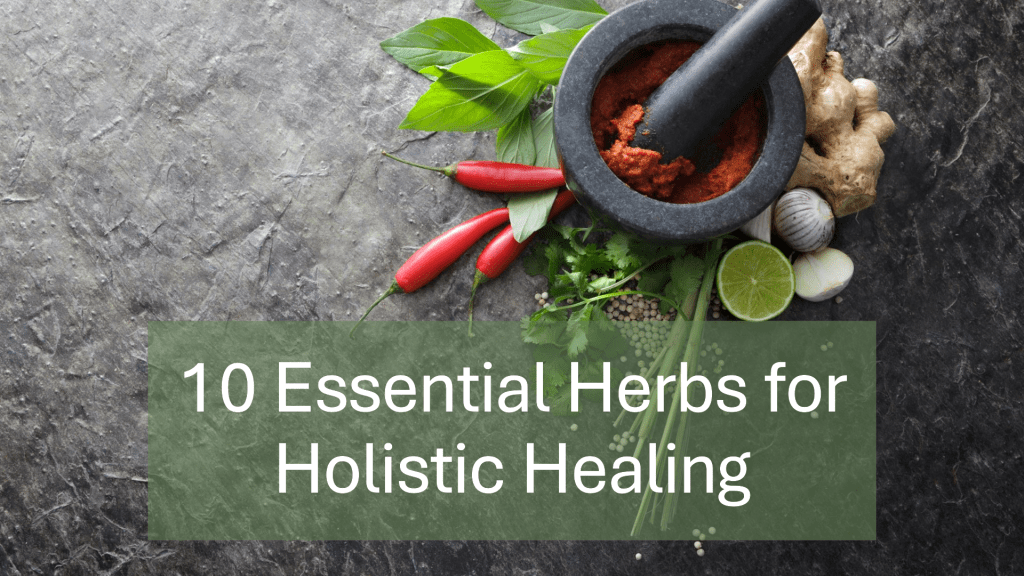
10 Essential Herbs for Holistic Healing and How to Use Them

For centuries, herbs have been used as powerful tools in holistic healing, offering natural remedies for various ailments and promoting overall wellness. Whether it’s calming the mind, boosting the immune system, or reducing inflammation, certain herbs hold incredible potential for enhancing our health. Here are 10 essential herbs for holistic healing and how you can incorporate them into your daily routine.

1. Ashwagandha: The Stress Reliever

Known as an adaptogen, Ashwagandha helps the body manage stress by reducing cortisol levels and balancing the nervous system. It’s commonly used to improve mental clarity and support relaxation.

  • How to Use: Add Ashwagandha powder to smoothies, teas, or take it as a supplement capsule to combat stress and improve focus.

2. Turmeric: The Anti-Inflammatory Hero

Turmeric is rich in curcumin, a compound known for its powerful anti-inflammatory and antioxidant properties. It’s great for reducing inflammation, boosting immunity, and supporting joint health.

  • How to Use: Add turmeric to soups, curries, or make a golden turmeric latte for an anti-inflammatory boost.

3. Chamomile: The Calming Herb

Chamomile is well known for its calming effects, making it an excellent herb for reducing anxiety, aiding digestion, and promoting restful sleep.

  • How to Use: Brew chamomile tea before bed to unwind and improve sleep quality.

4. Holy Basil: The Adaptogenic Wonder

Also known as Tulsi, Holy Basil is revered for its ability to balance the body’s systems and promote physical and emotional well-being. It’s particularly beneficial for reducing stress and enhancing immune function.

  • How to Use: Drink Holy Basil tea in the morning to enhance mental clarity and promote relaxation.

5. Ginger: The Digestive Soother

Ginger has been used for centuries to relieve digestive issues, reduce nausea, and support immune health. It’s a warming herb that can help stimulate circulation and reduce inflammation.

  • How to Use: Add fresh ginger to your tea, smoothies, or stir-fry for digestive support and to boost immunity.

6. Echinacea: The Immune Booster

Echinacea is widely known for its immune-boosting properties, particularly for fighting off colds and flu. It stimulates the immune system and helps the body recover faster from illness.

  • How to Use: Drink Echinacea tea during cold season or take it as a supplement at the onset of symptoms.

7. Lavender: The Relaxation Herb

Lavender is famous for its soothing properties, helping to relieve stress, anxiety, and insomnia. It’s also used to ease headaches and muscle tension.

  • How to Use: Add a few drops of lavender essential oil to your bath, or use it in a diffuser for a calming atmosphere.

8. Peppermint: The Energizer

Peppermint is great for promoting focus and relieving headaches, while also supporting digestion. Its cooling effect makes it perfect for soothing upset stomachs and enhancing alertness.

  • How to Use: Drink peppermint tea to ease indigestion, or inhale peppermint essential oil for a quick energy boost.

9. St. John’s Wort: The Mood Booster

Known for its antidepressant properties, St. John’s Wort is often used to treat mild to moderate depression, improve mood, and reduce anxiety. It’s also used to relieve nerve pain.

  • How to Use: Take St. John’s Wort in capsule form, or brew it as tea to support emotional well-being.

10. Milk Thistle: The Liver Detoxifier

Milk Thistle is prized for its liver-protecting properties, as it helps detoxify and regenerate liver cells. It’s commonly used to support liver function and improve digestion.

  • How to Use: Drink milk thistle tea or take it as a supplement to promote liver detox and improve overall digestion.

Conclusion

Incorporating these powerful herbs into your daily life is a simple, natural way to support your holistic wellness journey. From stress relief and better digestion to immune boosting and inflammation reduction, each of these herbs offers unique benefits to help you feel your best. Try adding one or more of these herbs to your routine and experience the healing power of nature firsthand.


For more insights into holistic wellness practices, check out my book, The Mindful Executive: https://www.amazon.com/dp/B0D75YJCLW.

How Forest Bathing Can Transform Your Mental Health: A Personal Journey into Nature’s Healing Power

I used to be someone who scoffed at the idea of nature therapy. The thought of walking aimlessly through a forest in search of “healing” seemed, well, a bit too whimsical for my taste. But life has a way of humbling you, and after a particularly stressful year, I found myself desperate for a change.

The First Encounter with Forest Bathing: My introduction to Shinrin-yoku, or Forest Bathing, came unexpectedly during a conversation with a friend. She spoke of it as a form of meditation that involves immersing oneself in a forest environment, not just to walk or hike, but to truly connect with nature. Curious, I decided to give it a try. I remember my first attempt vividly—it was awkward at first, feeling self-conscious about just standing among the trees, breathing deeply. But as I began to focus on the rustle of leaves, the scent of pine, and the dappled sunlight filtering through the branches, I felt something shift within me.

The Journey into the Forest: The first few minutes of my forest experience were tinged with doubt. But gradually, the sounds of distant birds and the whispering wind became a soothing symphony. I found a quiet spot beneath a large oak tree, closed my eyes, and just listened. It wasn’t long before the noise of my thoughts began to quiet, replaced by a sense of calm I hadn’t felt in years.

The Healing Effects: By the time I left the forest, I felt lighter, as if the weight of my stress had been left among the roots and leaves. Over the following weeks, I made forest visits a weekly ritual. Each time, I noticed a deeper sense of peace, improved sleep, and a marked decrease in anxiety. The forest, it seemed, was a therapist of sorts, offering solace in its silence and wisdom in its ancient presence.

Scientific Backing: Forest Bathing isn’t just a whimsical idea—it’s backed by science. Research has shown that spending time in nature can lower cortisol levels, reduce blood pressure, and even boost immune function. Studies published by the National Institutes of Health have highlighted how Shinrin-yoku can significantly improve mood and reduce stress, making it a powerful tool for mental health .

How to Start Your Own Practice: If you’re interested in trying Forest Bathing yourself, you don’t need to live near a national park. Even local parks or wooded areas can provide the natural environment needed for this practice. The key is to engage all your senses: feel the texture of the bark, listen to the birds, smell the fresh earth, and allow yourself to be fully present. If you’re in an urban area, creating a small nature sanctuary at home with plants, natural light, and nature sounds can also be effective.

Conclusion: Forest Bathing has become a cornerstone of my self-care routine, a way to reconnect with myself and the world around me. It’s more than just a walk in the woods—it’s a profound practice of mindfulness and healing. I encourage you to step into the forest and experience its quiet magic for yourself.

10 Effective Drinks to Lower Blood Sugar Levels

Managing blood sugar levels is crucial for overall health, especially for those with diabetes or pre-diabetes. Incorporating certain drinks into your daily routine can help lower blood sugar levels quickly and effectively. Here are ten healthy drinks and juices that can help manage your blood sugar levels.


1. Green Smoothies

Green smoothies made with leafy greens like spinach, kale, and cucumber are rich in fiber and antioxidants, which help regulate blood sugar levels.

Learn more: Healthline


2. Lemon Water

Lemon water is a refreshing drink that helps control blood sugar levels due to its high vitamin C content and antioxidants.

Discover the benefits: WebMD


3. Herbal Teas

Herbal teas, such as chamomile and hibiscus, have been shown to improve insulin sensitivity and lower blood sugar levels.

Explore more: Mayo Clinic


4. Apple Cider Vinegar Drink

Mixing apple cider vinegar with water and a bit of honey can help lower blood sugar levels and improve insulin sensitivity.

Learn how to make it: Medical News Today


5. Cinnamon Tea

Cinnamon is known for its ability to lower blood sugar levels. A cup of cinnamon tea can be a delicious way to incorporate this spice into your diet.

Read about the benefits: Healthline


6. Bitter Melon Juice

Bitter melon is a traditional remedy for lowering blood sugar levels. Its juice is particularly effective for managing diabetes.

Discover more: Diabetes.co.uk


7. Turmeric Milk

Turmeric has anti-inflammatory properties that help manage blood sugar levels. A warm cup of turmeric milk can be both soothing and beneficial.

Learn how to prepare it: Everyday Health


8. Aloe Vera Juice

Aloe vera juice is not only refreshing but also helps lower blood sugar levels due to its natural compounds.

Explore its benefits: Medical News Today


9. Fenugreek Water

Soaking fenugreek seeds in water overnight and drinking the water in the morning can help lower blood sugar levels.

Read more: WebMD


Call to Action: Incorporate these drinks into your daily routine to help manage your blood sugar levels naturally. For more tips on healthy living, visit Holistic Wellness Guide.

#HealthyLiving #BloodSugarControl #DiabetesManagement #NaturalRemedies #HealthyDrinks #Nutrition #Wellness

Boost Your Health with Cinnamon, Lemon, and Ginger Juice

Cinnamon, lemon, and ginger juice is a powerful combination that offers numerous health benefits. This refreshing and nutritious drink is easy to make and can be a great addition to your daily routine. Here’s why you should consider incorporating this juice into your diet and how to prepare it.


1. Health Benefits of Cinnamon, Lemon, and Ginger Juice

Cinnamon is known for its anti-inflammatory and antioxidant properties. It helps regulate blood sugar levels, which can aid in weight management. Additionally, cinnamon has been shown to improve digestion and boost metabolic rate.

Lemon is rich in vitamin C, which is essential for a healthy immune system. Lemons also have detoxifying properties and can help improve skin health. The citric acid in lemons aids in digestion and helps prevent kidney stones.

Ginger is widely recognized for its ability to soothe the digestive system and reduce nausea. It also has anti-inflammatory properties and can help alleviate pain and improve circulation. Ginger is also known to boost the immune system and combat respiratory issues.

Learn more about the benefits of these ingredients: Healthline


2. How to Make Cinnamon, Lemon, and Ginger Juice

Ingredients:

  • 1 cup of water
  • 1 teaspoon of ground cinnamon
  • 1 tablespoon of freshly squeezed lemon juice
  • 1 teaspoon of grated ginger
  • Honey to taste (optional)

Instructions:

  1. Boil the water and add the ground cinnamon and grated ginger.
  2. Let it simmer for about 10 minutes.
  3. Remove from heat and strain the mixture into a glass.
  4. Add the freshly squeezed lemon juice and honey (if using).
  5. Stir well and enjoy your refreshing drink.

Find more healthy recipes: WebMD


3. Incorporating Cinnamon, Lemon, and Ginger Juice into Your Routine

Drinking this juice in the morning can help kickstart your metabolism and provide a refreshing start to your day. You can also enjoy it as a mid-afternoon pick-me-up or before bedtime to aid digestion.

Tips for Incorporation:

  • Morning Boost: Drink a glass first thing in the morning on an empty stomach.
  • Afternoon Refreshment: Enjoy a glass in the afternoon to stay energized.
  • Pre-Bedtime Ritual: Have a warm version of this drink before bed to aid digestion and promote restful sleep.

Discover more wellness tips: Medical News Today

Call to Action

Start incorporating cinnamon, lemon, and ginger juice into your daily routine to reap its numerous health benefits. Visit Holistic Wellness Guide for more healthy living tips and recipes.

#HealthDrink #CinnamonLemonGinger #NaturalRemedies #HealthyLiving #Wellness #DetoxDrink #ImmuneBoost #HealthyRecipes

15 Natural Remedies to Boost Your Immune System

A strong immune system is essential for protecting your body against illness and infection. While there are plenty of over-the-counter remedies, natural solutions can be just as effective—without the harsh chemicals. By incorporating immune-boosting foods, herbs, and lifestyle habits into your routine, you can strengthen your immune defenses and keep your body in top shape. Here are 15 natural remedies to boost your immune system.

1. Eat More Garlic

Garlic is a powerful immune booster thanks to its high content of allicin, a compound that helps the body fight off infections and viruses. Its natural antibacterial and antiviral properties make it a staple in immune-boosting diets.

  • Tip: Add raw or lightly cooked garlic to your meals for an extra immune boost.

2. Drink Ginger Tea

Ginger has anti-inflammatory and antioxidant properties, making it a great remedy for boosting the immune system. It also helps soothe the throat and can ease cold symptoms.

  • Tip: Brew a cup of ginger tea with fresh ginger root and honey for a warm, immune-boosting drink.

3. Take Vitamin C

Vitamin C is one of the most well-known immune-boosting nutrients. It increases the production of white blood cells, which are essential for fighting infections.

  • Tip: Include vitamin C-rich foods like oranges, strawberries, bell peppers, and spinach in your diet.

4. Use Echinacea

Echinacea is a powerful herb that can help reduce the severity and duration of colds. It’s known for stimulating the immune system and increasing the body’s resistance to infection.

  • Tip: Take Echinacea supplements or drink Echinacea tea during cold season to boost your immune defenses.

5. Incorporate Probiotics

Probiotics are beneficial bacteria that support gut health, and since much of the immune system resides in the gut, probiotics play a key role in boosting immunity.

  • Tip: Include probiotic-rich foods like yogurt, kefir, and fermented vegetables in your diet to support a healthy gut.

6. Stay Hydrated

Hydration is essential for immune function. Water helps carry oxygen to your cells and flush toxins from the body, supporting overall immune health.

  • Tip: Drink at least 8 glasses of water a day to stay hydrated and support your immune system.

7. Get Plenty of Sleep

Lack of sleep can weaken your immune system and make you more susceptible to illness. Your body needs rest to repair and regenerate immune cells.

  • Tip: Aim for 7-8 hours of sleep each night to keep your immune system strong.

8. Eat Zinc-Rich Foods

Zinc is essential for immune function, helping the body to fight off pathogens and heal faster. Zinc also plays a role in the production of white blood cells.

  • Tip: Add zinc-rich foods like pumpkin seeds, chickpeas, and almonds to your meals for an immune boost.

9. Drink Green Tea

Green tea is rich in antioxidants and catechins, which help boost immune function and protect the body against illness.

  • Tip: Drink a cup of green tea daily to benefit from its immune-boosting properties.

10. Exercise Regularly

Regular physical activity helps boost immune function by promoting good circulation, which allows immune cells to move through the body more effectively.

  • Tip: Aim for at least 30 minutes of moderate exercise, such as walking or yoga, most days of the week.

11. Try Elderberry

Elderberry has long been used to treat colds and flu, and research shows that it can reduce the duration of symptoms. Its high levels of antioxidants help support the immune system.

  • Tip: Take elderberry syrup or supplements at the onset of cold symptoms for a natural boost.

12. Use Turmeric

Turmeric contains curcumin, a compound with strong anti-inflammatory and antioxidant effects. It helps support immune function and reduce inflammation in the body.

  • Tip: Add turmeric to your meals or make a turmeric latte to enjoy its immune-boosting benefits.

13. Reduce Stress

Chronic stress can weaken the immune system by increasing inflammation and suppressing immune function. Finding ways to manage stress is essential for maintaining a strong immune system.

  • Tip: Practice stress-reducing activities like meditation, deep breathing, or yoga to support your immune health.

14. Get Sunlight for Vitamin D

Vitamin D is crucial for immune function, helping the body fight off infections. Getting regular sunlight exposure can boost your body’s production of vitamin D.

  • Tip: Spend 10-15 minutes outside in the sun each day to maintain healthy vitamin D levels.

15. Eat Leafy Greens

Leafy greens like spinach and kale are rich in vitamins, minerals, and antioxidants that help support immune health. These greens also promote gut health, which is linked to overall immunity.

  • Tip: Incorporate leafy greens into your meals daily, whether in salads, smoothies, or side dishes.

Conclusion

Supporting your immune system naturally doesn’t have to be complicated. By incorporating these 15 remedies into your daily routine, you can strengthen your body’s defenses and stay healthy year-round. From immune-boosting herbs and foods to lifestyle practices that promote overall well-being, these natural remedies offer a holistic approach to keeping your immune system strong.


For more holistic wellness tips, check out my book, The Mindful Executive: https://www.amazon.com/dp/B0D75YJCLW.

10 Holistic Practices for a Healthier, Balanced Life

1. Daily Meditation

Meditation is a powerful tool for reducing stress and enhancing mental clarity. Just 10-15 minutes of meditation each morning can set a positive tone for the day, helping you to stay focused and calm. Find a quiet space, close your eyes, and focus on your breath or a calming mantra. Consistent practice can significantly improve your overall mental well-being.

2. Regular Exercise

Incorporating regular physical activity into your routine is essential for maintaining good health. Activities such as yoga, walking, or tai chi not only improve physical fitness but also enhance mental relaxation. Aim for at least 30 minutes of moderate exercise most days of the week to boost your energy levels, improve cardiovascular health, and reduce stress.

3. Balanced Diet

Eating a balanced diet rich in fruits, vegetables, whole grains, and lean proteins can have profound effects on your health. Nutrient-dense foods provide the energy and nutrients needed to support bodily functions, improve mood, and maintain a healthy weight. Avoid processed foods and sugars, and aim to eat a variety of colors on your plate for maximum nutritional benefits.

4. Adequate Sleep

Getting enough sleep is crucial for overall health and well-being. Aim for 7-9 hours of quality sleep each night to allow your body to repair and rejuvenate. Create a calming bedtime routine, such as reading or taking a warm bath, to signal to your body that it’s time to wind down. Avoid screens and heavy meals before bedtime to improve sleep quality.

5. Mindful Eating

Practicing mindful eating involves paying attention to the taste, texture, and aroma of your food, as well as your body’s hunger and fullness cues. This practice can help you enjoy your meals more and prevent overeating. Slow down, savor each bite, and avoid distractions like TV or smartphones while eating. Mindful eating can improve digestion and foster a healthier relationship with food.

6. Hydration

Staying hydrated is essential for maintaining energy levels, supporting digestion, and keeping your skin healthy. Aim to drink at least 8 glasses of water a day, more if you are active or live in a hot climate. Carry a reusable water bottle with you as a reminder to drink regularly, and incorporate water-rich foods like cucumbers and oranges into your diet.

7. Stress Management

Finding effective ways to manage stress is key to maintaining overall wellness. Techniques such as deep breathing exercises, progressive muscle relaxation, and spending time in nature can help reduce stress levels. Identify your stress triggers and develop a toolkit of stress-relief practices to use when needed. Consistent stress management can improve both mental and physical health.

8. Social Connections

Maintaining strong social connections is vital for emotional well-being. Spend time with family and friends, join community groups, or volunteer to foster a sense of belonging and support. Positive social interactions can boost your mood, reduce feelings of loneliness, and even improve your immune system. Make an effort to connect with others regularly.

9. Regular Health Check-ups

Regular health check-ups are essential for early detection and prevention of potential health issues. Schedule annual visits with your healthcare provider, and stay up-to-date with recommended screenings and vaccinations. Proactive health management can help you stay informed about your health status and make necessary adjustments to your lifestyle.

10. Personal Development

Engaging in continuous personal development can lead to greater life satisfaction and self-fulfillment. Set aside time for activities that promote growth, such as reading, learning new skills, or pursuing hobbies. Personal development enhances self-awareness, boosts confidence, and can help you achieve your personal and professional goals.

Call to Action: Integrate these holistic practices into your daily routine to achieve a healthier, more balanced life. Visit Holistic Wellness Guide for more tips and insights on maintaining your well-being.

Natural and Holistic Methods for Managing Chronic Pain

Chronic pain can significantly impact quality of life, but natural and holistic methods can offer effective relief without the side effects of conventional medications. Here’s a guide to managing chronic pain through diet, exercise, and alternative therapies.

1. Anti-Inflammatory Diet

Diet plays a crucial role in managing chronic pain, especially when inflammation is a key factor. An anti-inflammatory diet can help reduce pain and improve overall health.

  • Foods to Include:
    • Fruits and Vegetables: Rich in antioxidants and vitamins, they help reduce inflammation. Examples include berries, leafy greens, and cruciferous vegetables.
    • Healthy Fats: Omega-3 fatty acids found in fish, flaxseeds, and walnuts have anti-inflammatory properties.
    • Whole Grains: Brown rice, quinoa, and whole oats can help maintain steady blood sugar levels, reducing pain flare-ups.
    • Spices and Herbs: Turmeric, ginger, and garlic are known for their anti-inflammatory effects.
  • Tip: Incorporate a variety of these foods into your daily meals for the best results.
  • Story: Sarah, who suffers from arthritis, started following an anti-inflammatory diet. She noticed a significant reduction in joint pain and improved mobility after a few months.

2. Regular Exercise

Exercise is essential for managing chronic pain. It helps to strengthen muscles, improve flexibility, and increase endorphins, which are natural pain relievers.

  • Low-Impact Exercises:
    • Yoga: Enhances flexibility, reduces stress, and improves pain tolerance.
    • Swimming: Provides a full-body workout without putting stress on the joints.
    • Walking: Improves cardiovascular health and overall fitness with minimal impact on the body.
  • Tip: Start with gentle exercises and gradually increase intensity as your body adapts.
  • Story: John, who has chronic back pain, began a gentle yoga routine. Over time, he experienced less pain and greater ease of movement.

3. Alternative Therapies

Several alternative therapies can complement conventional treatments for chronic pain, offering additional relief.

  • Acupuncture: Involves inserting thin needles into specific points on the body to balance energy flow and reduce pain.
    • Tip: Seek a certified acupuncturist for safe and effective treatment.
    • Story: Emily, dealing with chronic migraines, found acupuncture sessions helped reduce the frequency and intensity of her headaches.
  • Massage Therapy: Helps to relieve muscle tension, improve circulation, and promote relaxation.
    • Tip: Regular sessions with a professional massage therapist can provide ongoing relief.
    • Story: Raj, suffering from fibromyalgia, found that regular massages significantly alleviated his muscle pain and stiffness.
  • Chiropractic Care: Focuses on aligning the spine and musculoskeletal system to relieve pain and improve function.
    • Tip: Consult a licensed chiropractor to ensure safe and effective treatment.
    • Story: Lisa, who had chronic neck pain, experienced relief after a series of chiropractic adjustments.

4. Mind-Body Techniques

Mind-body techniques can help manage pain by reducing stress and promoting relaxation.

  • Meditation: Practices like mindfulness meditation can reduce pain perception and improve mental health.
    • Tip: Set aside a few minutes each day to practice meditation or deep breathing exercises.
    • Story: Alex, a chronic pain sufferer, found that daily meditation helped him manage his pain better and improve his overall well-being.
  • Biofeedback: Uses electronic monitoring to help patients gain awareness and control over physiological functions related to pain.
    • Tip: Work with a biofeedback therapist to learn how to use this technique effectively.
    • Story: Maria, dealing with chronic tension headaches, benefited from biofeedback therapy, which helped her reduce headache frequency.

Conclusion: Managing chronic pain requires a multifaceted approach that includes diet, exercise, and alternative therapies. By incorporating these natural and holistic methods into your routine, you can achieve better pain management and improve your overall quality of life.