

The Healing Power of Nature: Why Forest Bathing is Essential for Modern Wellness

In our concrete jungles and climate-controlled environments, we’ve become increasingly disconnected from the natural world that once nurtured our ancestors. This separation comes at a profound cost to our physical, mental, and spiritual well-being. Enter shinrin-yoku, or “forest bathing”—a Japanese practice that’s revolutionizing how we understand nature’s role in healing and wellness.

What is Forest Bathing?

Forest bathing isn’t about hiking, exercising, or achieving any particular goal. It’s the simple practice of mindfully immersing yourself in a forest environment, engaging all your senses to absorb the natural atmosphere. This meditative approach to nature connection has been practiced in Japan since the 1980s and is now recognized worldwide as a powerful therapeutic intervention.

Unlike traditional outdoor activities focused on physical exertion or destination-reaching, forest bathing emphasizes presence, stillness, and sensory awareness. You might spend hours in a small forest area, sitting quietly, breathing deeply, and allowing nature to work its subtle magic on your nervous system.

The Science Behind Nature’s Healing Power

Research from Japan’s National Institute of Public Health reveals that forest bathing produces measurable physiological benefits. When you spend time in forests, you inhale phytoncides—antimicrobial compounds released by trees and plants. These natural chemicals boost your immune system by increasing the production of natural killer (NK) cells, which help fight infections and even cancer cells.

Studies show that just two hours of forest bathing can lower cortisol levels by up to 16%, reduce blood pressure, and decrease inflammation markers. The practice activates your parasympathetic nervous system, shifting you from stress mode into rest-and-digest mode, where healing naturally occurs.

Dr. Qing Li’s groundbreaking research at Nippon Medical School demonstrates that forest bathing benefits can last for weeks after a single session. Participants showed increased NK cell activity for up to 30 days following forest exposure, suggesting that nature’s healing effects have remarkable staying power.

Mental Health Benefits of Natural Environments

Time in nature serves as a powerful antidote to modern mental health challenges. The Japanese concept of “nature deficit disorder” describes the psychological costs of environmental disconnection—increased anxiety, depression, ADHD symptoms, and difficulty concentrating.

Forest environments naturally reduce rumination, the repetitive negative thinking patterns associated with depression and anxiety. The gentle sounds of rustling leaves, flowing water, and bird songs activate the brain’s default mode network in healing ways, promoting mental restoration and emotional regulation.

Research from Stanford University found that 90-minute nature walks significantly reduced activity in the brain’s subgenual prefrontal cortex, an area associated with depression and anxiety. Participants reported decreased brooding and showed improved mood and cognitive function.

Spiritual and Energetic Healing in Nature

Beyond measurable physiological benefits, many people experience profound spiritual renewal in natural settings. Indigenous cultures worldwide have long understood forests as sacred spaces where healing, wisdom, and connection to something greater naturally occur.

Trees and forests emit specific electromagnetic frequencies that resonate with human brainwaves, potentially explaining why many people feel immediate peace and clarity in forest environments. This bioenergetic connection suggests that our relationship with nature operates on levels beyond current scientific understanding.

Many practitioners report increased intuition, creative insights, and spiritual experiences during forest bathing sessions. The practice seems to quiet the analytical mind while awakening deeper ways of knowing and being.

How to Practice Forest Bathing

Finding Your Forest You don’t need an ancient growth forest to experience benefits. Urban parks, wooded areas, or even spaces with several mature trees can serve as forest bathing locations. The key is finding a place where you feel safely surrounded by green growing things.

Engaging Your Senses Begin by leaving your phone behind or putting it in airplane mode. Walk slowly and without destination, allowing your body to guide you to a spot that feels inviting. Sit or stand comfortably and begin engaging each sense deliberately.

Notice the visual textures of bark, leaves, and light patterns. Listen to the layered sounds of wind, birds, insects, and rustling vegetation. Breathe deeply, savoring the complex scents of earth, plants, and fresh air. If appropriate, touch tree bark, leaves, or other natural textures.

Mindful Presence Rather than thinking about nature, practice being with nature. When your mind wanders to daily concerns, gently redirect attention to immediate sensory experiences. This isn’t meditation in the traditional sense—it’s a practice of receptive awareness and connection.

Tree Meditation Many forest bathers develop relationships with particular trees, sitting with them regularly and observing their seasonal changes. This practice deepens your connection to natural cycles and provides a sense of continuity and grounding.

Bringing Nature Indoors

When forest access is limited, you can still harness nature’s healing power at home. Fill your living space with plants, which improve air quality and provide psychological benefits. Essential oils from forest plants like pine, cedar, and eucalyptus can recreate some forest bathing benefits indoors.

Create a daily practice of connecting with houseplants, tending them mindfully and appreciating their growth and beauty. Even brief moments of plant connection can shift your nervous system toward calm and restoration.

Urban Forest Bathing

City dwellers can adapt forest bathing principles to urban green spaces. Early morning visits to parks, before crowds arrive, can provide surprising levels of natural immersion. Focus on finding pockets of wildness within urban environments—old trees, garden areas, or waterfront spaces.

Even brief nature connections during lunch breaks or commutes can provide meaningful benefits. The key is approaching these moments with the same mindful presence you’d bring to a deep forest experience.

Seasonal Forest Bathing

Each season offers unique healing gifts through forest bathing practice. Spring forests buzz with new life energy, supporting renewal and growth. Summer forests provide lush abundance and full sensory immersion. Autumn forests teach lessons about letting go and natural cycles. Winter forests offer profound stillness and introspection.

Developing a year-round forest bathing practice connects you to natural rhythms that modern life often obscures, supporting your overall health and well-being through all seasons.

The Global Forest Bathing Movement

As research validates ancient wisdom about nature’s healing power, forest bathing programs are appearing in hospitals, schools, and wellness centers worldwide. South Korea has designated “forest healing centers,” while European countries integrate forest therapy into healthcare systems.

This growing movement represents a return to fundamental human needs—connection with the natural world that shaped our evolution and continues to shape our well-being.

Creating Your Forest Bathing Practice

Start with whatever time and space you have available. Even 20 minutes in a local park can provide meaningful benefits. Gradually extend your sessions as you develop comfort with slow, mindful nature connection.

Remember that forest bathing is about quality of attention rather than quantity of experience. A deeply present 30-minute session can be more beneficial than hours of distracted outdoor time.

Your body remembers its connection to the natural world. Forest bathing simply creates space for that ancient relationship to reawaken, bringing healing, peace, and profound well-being into your modern life.


For deeper insights into transforming your relationship with health and wellness through mindful practices, explore “The Path to Wellness: A Journey of Self-Discovery and Healing” – a comprehensive guide to creating lasting change in your well-being journey.

Unlock Ayurveda’s Secrets: Daily Rituals for Vitality

Ayurveda, the ancient system of healing from India, has been practiced for over 5,000 years—yet its wisdom remains incredibly relevant today. Rooted in the belief that mind, body, and spirit must be in harmony, Ayurveda provides timeless insights for modern wellness. Whether you’re seeking better digestion, more energy, or a calmer mind, Ayurveda offers natural solutions tailored to your unique constitution. Let’s explore how to incorporate Ayurvedic principles into your daily life for optimal well-being.


1. Understanding the Three Doshas: Vata, Pitta, Kapha

Ayurveda teaches that each person has a unique balance of three energies, or doshas. Knowing your dosha helps you make lifestyle and dietary choices that align with your natural constitution.

  • Vata (Air & Space): Creative, energetic, but prone to anxiety and dryness. Needs warmth and grounding.
  • Pitta (Fire & Water): Passionate, driven, but susceptible to overheating and irritability. Needs cooling and balance.
  • Kapha (Earth & Water): Nurturing, stable, but prone to sluggishness and weight gain. Needs stimulation and movement.
  • Pro Tip: Take a quick dosha quiz online to discover your primary dosha and lifestyle adjustments.

2. Start Your Day with a Morning Ritual (Dinacharya)

Ayurveda emphasizes daily routines (dinacharya) to promote balance and vitality.

  • How to Practice:
    • Wake up before sunrise (or with the sun) to sync with nature’s rhythms.
    • Scrape your tongue with a tongue scraper to remove toxins.
    • Drink warm lemon water to aid digestion.
    • Oil pulling (swishing sesame or coconut oil) for oral health and detox.
  • Pro Tip: Dry brushing before a shower boosts circulation and lymphatic drainage.

3. Eat According to Your Dosha and the Seasons

Ayurveda teaches that food is medicine, but what you eat depends on your body type and the season.

  • Vata (Fall/Winter): Warm, cooked foods like soups, stews, and herbal teas. Avoid raw and cold foods.
  • Pitta (Summer): Cooling foods like cucumbers, leafy greens, and coconut water. Avoid spicy and fried foods.
  • Kapha (Spring): Light, spicy, and warm foods like ginger tea, quinoa, and greens. Avoid heavy dairy and fried foods.
  • Pro Tip: Eat your largest meal at lunchtime when digestion is strongest.

4. Balance Your Energy with Ayurvedic Herbs

Herbs play a huge role in Ayurveda, supporting immunity, digestion, and mental clarity.

  • Ashwagandha: Adaptogen for stress and energy balance.
  • Triphala: A powerful detoxifying blend that supports digestion.
  • Brahmi: Improves focus and calms the mind.
  • Turmeric: Anti-inflammatory, supports immune function.
  • Pro Tip: Sip golden milk (turmeric latte) at night for relaxation and anti-inflammatory benefits.

5. Align Your Movement with Your Dosha

Exercise should support your body’s natural rhythms.

  • Vata: Gentle movement like yoga, walking, tai chi to ground energy.
  • Pitta: Moderate activity like swimming, hiking, cycling—avoid overheating.
  • Kapha: More intense movement like HIIT, running, or dance to boost circulation.
  • Pro Tip: Avoid excessive workouts at night, as they disturb sleep.

6. Cultivate Mindfulness and Emotional Balance

Ayurveda sees mental health as just as important as physical health.

  • How to Practice:
    • Meditation: Helps balance all three doshas.
    • Pranayama (breathwork): Cooling breath for Pitta, warming breath for Kapha, balancing breath for Vata.
    • Journaling: Writing down thoughts can reduce stress and anxiety.
  • Pro Tip: Try Abhyanga (self-massage with warm oil) before bed to calm the nervous system.

7. Detox Naturally with Ayurvedic Cleansing

Ayurveda believes in gentle daily detoxing rather than extreme cleanses.

  • How to Practice:
    • Drink warm water with lemon in the morning.
    • Eat light, seasonal foods to support digestion.
    • Incorporate herbs like Triphala for digestive cleansing.
  • Pro Tip: Fasting once a week (skipping dinner or having only liquids) can reset digestion.

Conclusion

Ayurveda isn’t about strict rules—it’s about living in harmony with nature and your body’s unique constitution. By making small changes like adjusting your diet, adopting mindful routines, and practicing self-care, you can restore balance and vitality in your life. Start with one or two practices and experience the transformative power of Ayurveda!


For more insights on holistic well-being, check out my book, The Mindful Executive: https://www.amazon.com/dp/B0D75YJCLW.

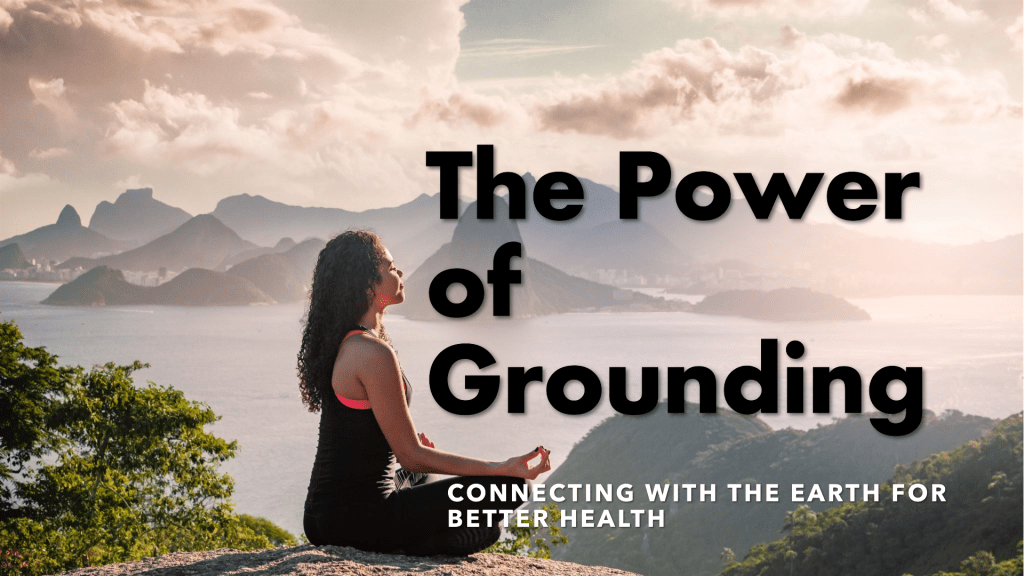
Unlocking the Power of Grounding for Wellness

Modern life keeps us disconnected from the very thing that sustains us—the Earth. Grounding, also known as earthing, is the practice of physically connecting with the Earth’s surface to absorb its natural energy. Science suggests that grounding has profound effects on our nervous system, inflammation levels, and overall well-being. Let’s explore the benefits of grounding, how it works, and simple ways to integrate it into your daily life.


1. What is Grounding and How Does It Work?

Grounding is the practice of making direct physical contact with the Earth, allowing the body to absorb negatively charged electrons from the ground. This process helps balance electrical energy in the body, reducing stress and inflammation.

  • Scientific Basis:
    • Studies show that grounding can reduce cortisol levels, promoting relaxation.
    • It neutralizes free radicals, reducing oxidative stress that contributes to aging and chronic diseases.
    • Grounding improves heart rate variability, a key indicator of overall health and stress resilience.
  • Pro Tip: Walking barefoot on grass, sand, or soil for just 10-20 minutes daily can help restore your body’s natural balance.

2. The Health Benefits of Grounding

Scientific research supports grounding as a powerful natural healing tool. Here’s what it can do for your body:

✔️ Reduces Stress and Anxiety: Grounding calms the nervous system, lowering cortisol and promoting relaxation.
✔️ Decreases Inflammation: Studies suggest that grounding reduces chronic inflammation, which is linked to heart disease, arthritis, and autoimmune conditions.
✔️ Improves Sleep Quality: Connecting with the Earth’s energy helps regulate circadian rhythms, leading to deeper, more restorative sleep.
✔️ Enhances Circulation: Grounding improves blood flow, reducing the risk of blood clots and cardiovascular disease.
✔️ Boosts Energy Levels: By reducing electromagnetic stress, grounding helps combat fatigue and improves overall vitality.

  • Pro Tip: If you can’t go outside, use a grounding mat or sheet indoors for similar effects.

3. Simple Ways to Incorporate Grounding into Your Routine

You don’t need a forest retreat to practice grounding—small daily habits can make a big difference.

✔️ Walk Barefoot Outdoors – Spend 10-30 minutes barefoot on grass, dirt, or sand.
✔️ Sit or Lie on the Earth – Bring a blanket and relax in nature for deeper grounding.
✔️ Garden with Your Hands – Dig into the soil to connect directly with the Earth’s energy.
✔️ Swim in Natural Water – Lakes, rivers, and oceans all enhance grounding benefits.
✔️ Use Grounding Mats – If you can’t get outside, grounding mats and sheets help replicate the effects indoors.

  • Pro Tip: Combine grounding with meditation, deep breathing, or sun exposure for amplified benefits.

4. Grounding and the Mind-Body Connection

Grounding isn’t just about physical health—it also promotes emotional and mental well-being.

  • Mindfulness Enhancement: Walking barefoot naturally brings your awareness to the present moment, helping to relieve anxiety.
  • Emotional Healing: Grounding is linked to reduced PTSD symptoms, showing promise for emotional trauma recovery.
  • Better Focus & Productivity: Studies show grounding improves brainwave activity, helping you stay clear-headed.
  • Pro Tip: Practice grounding first thing in the morning for a fresh, energized start to your day.

5. Addressing Common Grounding Myths

Some people question whether grounding is scientifically valid. Let’s clear up the confusion:

Myth: Grounding is just a placebo effect.
✔️ Truth: Research shows measurable physiological changes, including lower inflammation markers and cortisol levels.

Myth: You need hours of grounding to see benefits.
✔️ Truth: As little as 10-15 minutes daily can improve sleep and reduce stress.

Myth: Grounding only works if you’re completely unplugged.
✔️ Truth: While tech-free grounding is ideal, even small outdoor breaks make a difference.

  • Pro Tip: Try grounding at different times of day to see when it benefits you the most.

Conclusion

Grounding is a simple yet powerful practice that reconnects us to nature and enhances overall wellness. Whether you’re walking barefoot, meditating outdoors, or using a grounding mat, incorporating grounding into your life can lead to better sleep, reduced stress, and improved vitality. Give it a try—you might just feel the difference!


For more natural wellness tips, check out my book, The Mindful Executive: https://www.amazon.com/dp/B0D75YJCLW.

10 Types of Breathwork Techniques and Their Benefits for Wellness

Breathwork is a powerful, natural tool for enhancing physical, mental, and emotional well-being. By practicing intentional breathing, you can reduce stress, increase energy, and improve focus. Breathwork techniques vary widely, from energizing and invigorating methods to calming and grounding exercises. Here are 10 different types of breathwork techniques, each offering unique benefits to support your holistic wellness journey.


1. Box Breathing: The Stress Reliever

Box breathing, also known as four-square breathing, is a technique that promotes calmness by balancing oxygen and carbon dioxide levels in the blood. It’s commonly used by athletes and military personnel to manage stress and improve focus.

  • How to Practice: Inhale for 4 counts, hold for 4 counts, exhale for 4 counts, and hold again for 4 counts. Repeat for several cycles.

2. Alternate Nostril Breathing: The Energy Balancer

Also known as Nadi Shodhana, alternate nostril breathing balances the energy channels in the body, promoting mental clarity and reducing anxiety. It’s especially helpful for enhancing focus and calming the mind.

  • How to Practice: Using your thumb, close your right nostril and inhale through the left nostril. Then close your left nostril, open the right, and exhale. Inhale through the right, close it, and exhale through the left. Repeat for 5-10 cycles.

3. Diaphragmatic Breathing: The Deep Relaxer

Diaphragmatic or belly breathing involves breathing deeply into the diaphragm rather than shallowly into the chest. This technique activates the parasympathetic nervous system, promoting relaxation and reducing stress.

  • How to Practice: Place one hand on your chest and one on your abdomen. Inhale deeply, expanding your belly rather than your chest. Exhale slowly. Practice for 5-10 minutes to feel deeply relaxed.

4. 4-7-8 Breathing: The Sleep Promoter

Developed by Dr. Andrew Weil, the 4-7-8 technique is often recommended for relaxation and improving sleep quality. It slows down your heart rate, making it ideal for winding down at night.

  • How to Practice: Inhale for 4 counts, hold for 7 counts, and exhale for 8 counts. Repeat 4-5 times before bed for a restful night’s sleep.

5. Kapalabhati: The Energizer

Kapalabhati, or “Skull Shining Breath,” is a powerful, energizing technique often used in yoga. It involves short, forceful exhales, which stimulate the respiratory system and energize the body.

  • How to Practice: Sit comfortably and take a deep inhale. Begin a series of rapid, forceful exhales through the nose while pulling in your abdomen, allowing natural inhales between each exhale. Practice for 1-2 minutes to boost energy.

6. Ujjayi Breath: The Oceanic Calm

Ujjayi, also known as “Ocean Breath,” creates a soothing sound that mimics ocean waves. This technique is common in yoga practice for its calming effects and its ability to center the mind during challenging poses.

  • How to Practice: Inhale deeply through the nose, slightly constricting the back of your throat as you exhale, producing a gentle ocean-like sound. Repeat throughout your yoga session or anytime you need to calm your mind.

7. Lion’s Breath: The Tension Releaser

Lion’s Breath is an expressive technique that involves opening your mouth wide and exhaling forcefully, which helps release physical and emotional tension.

  • How to Practice: Take a deep breath in through your nose, then open your mouth wide, stick out your tongue, and exhale with a loud “ha” sound. Repeat 3-5 times for a refreshing tension release.

8. Bhramari: The Humming Bee Breath

Bhramari, or Humming Bee Breath, produces a calming, buzzing sound during exhalation. This vibration helps soothe the nervous system and is effective for relieving anxiety.

  • How to Practice: Inhale deeply, then close your mouth and create a gentle humming sound as you exhale. Feel the vibration in your head and body. Practice for 5-10 minutes to experience tranquility.

9. Shitali: The Cooling Breath

Shitali, or Cooling Breath, is a technique that cools down the body and mind, making it ideal for use in warm weather or during heated situations.

  • How to Practice: Roll your tongue into a “U” shape, inhale deeply through it, then close your mouth and exhale through your nose. Repeat for several breaths to cool down and feel refreshed.

10. Wim Hof Method: The Immune Booster

Developed by Wim Hof, this technique combines controlled hyperventilation with cold exposure and has been shown to strengthen the immune system. It’s known for boosting resilience, energy, and focus.

  • How to Practice: Inhale fully through the nose or mouth, then exhale naturally. Repeat for 30 breaths, then hold your breath for as long as possible after the last exhale. Breathe in deeply, hold for 15 seconds, then release. Repeat 2-3 cycles.

Conclusion

Breathwork can transform your well-being, providing a direct pathway to relaxation, energy, and balance. Incorporating even one or two of these techniques into your daily routine can make a significant difference. Experiment with these practices to discover which ones resonate with you and bring more calm, energy, and clarity into your life.


For further exploration of mindfulness practices, check out my book, The Mindful Executive: https://www.amazon.com/dp/B0D75YJCLW.

The Quantum Connection: How Quantum Physics Aligns with Holistic Wellness

In the world of wellness, we often hear about the importance of balance, energy, and harmony within the body and mind. But what if these principles had roots far deeper than ancient practices—reaching into the very fabric of reality itself? Quantum physics, a field that explores the smallest particles of the universe, might just hold the key to understanding how holistic wellness works on a subatomic level. This fascinating interplay between quantum mechanics and holistic health opens up new possibilities for healing, transformation, and personal empowerment.

The Quantum Universe: A Brief Overview

Quantum physics delves into how matter and energy behave on a microscopic scale. The famous double-slit experiment, for example, demonstrated that particles like electrons can exist in multiple states (as both particles and waves) until observed. This discovery challenges traditional Newtonian physics, suggesting that reality is not as fixed as we once thought. In many ways, quantum physics aligns with the idea that our thoughts, energy, and intentions can influence our health and well-being—key tenets of holistic wellness practices.

Quantum Entanglement and the Mind-Body Connection

One of the most intriguing aspects of quantum physics is quantum entanglement—when two particles become so deeply connected that their states mirror each other, no matter the distance. This concept can be mirrored in holistic practices that emphasize the mind-body connection. Just as entangled particles affect one another across great distances, our thoughts, emotions, and physical states are interconnected, influencing our overall wellness. Practices like mindfulness, meditation, and energy healing tap into this connection, aligning the mind and body to promote balance and healing.

The Power of Energy Healing in a Quantum World

Energy healing techniques, such as Reiki or acupuncture, have long been used in holistic wellness. At their core, these practices are based on the idea that the body contains a vital life force (or energy) that can be manipulated to achieve better health. This concept isn’t too far removed from the idea of quantum fields. In quantum physics, energy fields exist all around us, influencing matter and reality at a fundamental level. By working with the body’s energy fields, we may be engaging with the same invisible forces that quantum physics is just beginning to explore.

How Consciousness Shapes Reality: The Observer Effect

Another quantum phenomenon is the observer effect, which suggests that simply observing a particle changes its state. In holistic wellness, this concept aligns with the belief that consciousness shapes reality. The way we perceive and interact with our environment—our thoughts, beliefs, and emotions—can influence our physical and mental health. For instance, a positive mindset and visualizations can shift our emotional and physical state, creating a reality where healing is possible.

Practical Applications: Integrating Quantum Principles into Holistic Wellness

So, how can we apply these quantum principles to our daily lives in a way that supports holistic health and wellness? Here are some actionable tips:

  • Practice Mindful Observation: Just as the observer effect changes quantum particles, mindful observation of your thoughts, emotions, and bodily sensations can create shifts in your well-being. Pay close attention to how your thoughts influence your emotions and how that, in turn, affects your physical state.
  • Energy Alignment Through Meditation: Meditative practices are known to align energy within the body. When combined with visualization techniques, meditation taps into the quantum field of possibilities, opening pathways for healing and balance.
  • Sound Therapy and Frequency Healing: Quantum physics tells us that everything vibrates at a specific frequency. Sound healing, whether through Tibetan singing bowls or binaural beats, works to restore your body’s natural frequencies, promoting both mental and physical wellness.
  • Reiki and Quantum Touch: Energy healing modalities like Reiki operate on the assumption that a healer can influence the body’s energy field. These practices parallel the quantum idea that energy transfer can occur over long distances, much like entangled particles influencing one another.

The Future of Wellness: Bridging Science and Holistic Practices

As quantum physics continues to reveal the mysteries of the universe, its principles offer exciting possibilities for expanding our understanding of holistic health. The bridge between science and wellness is becoming clearer, and soon we may find even more ways to harness the power of quantum phenomena to enhance physical, emotional, and mental well-being.

By aligning our thoughts, energy, and practices with these cutting-edge scientific discoveries, we open ourselves to new pathways of healing and transformation. As we deepen our connection to both the seen and unseen forces of the universe, the potential for optimal health becomes boundless.

Conclusion

Quantum physics and holistic wellness are not as disparate as they might first seem. In fact, the principles of quantum mechanics may provide the scientific foundation for much of what holistic practitioners have known for centuries—that our thoughts, energy, and environment shape our reality. By integrating quantum principles into your wellness journey, you can tap into the hidden forces of the universe to achieve balance, healing, and well-being.


Explore the mind-body connection further in my book, The Mindful Executive: https://www.amazon.com/dp/B0D75YJCLW.

Harnessing the Power of Herbs: Natural Remedies for Common Ailments

Herbs have been used for centuries to treat various ailments and promote overall health. By incorporating natural remedies into your daily routine, you can take advantage of the healing properties of herbs to address common health issues. Here are some effective herbal remedies for common ailments, along with practical tips on how to use them.

1. Chamomile for Anxiety and Insomnia

Chamomile is known for its calming and soothing properties. It can help reduce anxiety and promote better sleep.

  • How to Use: Brew a cup of chamomile tea by steeping dried chamomile flowers in hot water for 5-10 minutes. Drink it before bedtime to relax and improve sleep quality.

2. Ginger for Nausea and Digestive Issues

Ginger is a powerful herb for treating nausea, motion sickness, and various digestive problems.

  • How to Use: Slice fresh ginger and steep it in hot water to make ginger tea. You can also chew on a small piece of raw ginger or take ginger supplements to alleviate nausea and improve digestion.

3. Peppermint for Headaches and Indigestion

Peppermint is effective in relieving headaches, migraines, and digestive issues such as bloating and indigestion.

  • How to Use: Drink peppermint tea made from fresh or dried peppermint leaves. You can also apply diluted peppermint oil to your temples to ease headache pain or inhale the aroma for a calming effect.

4. Echinacea for Immune Support

Echinacea is commonly used to boost the immune system and reduce the duration of colds and flu.

  • How to Use: Take echinacea supplements or drink echinacea tea during the onset of cold symptoms. For tea, steep dried echinacea leaves and flowers in hot water for 10-15 minutes.

5. Turmeric for Inflammation and Joint Pain

Turmeric contains curcumin, a compound with strong anti-inflammatory and antioxidant properties. It is beneficial for reducing inflammation and joint pain.

  • How to Use: Add turmeric powder to your cooking, make turmeric tea by boiling water with turmeric and a pinch of black pepper, or take curcumin supplements for more concentrated effects.

6. Lavender for Stress and Skin Irritations

Lavender is known for its relaxing aroma and can be used to relieve stress, anxiety, and skin irritations.

  • How to Use: Use lavender essential oil in a diffuser to create a calming atmosphere or add a few drops to a warm bath. For skin irritations, dilute lavender oil with a carrier oil and apply it to the affected area.

7. Garlic for Cardiovascular Health

Garlic is renowned for its cardiovascular benefits, including lowering blood pressure and cholesterol levels.

  • How to Use: Incorporate raw or cooked garlic into your meals. For a more potent effect, take garlic supplements after consulting with a healthcare provider.

8. Aloe Vera for Skin Conditions and Digestive Health

Aloe vera is commonly used for treating skin conditions like burns, cuts, and eczema. It also supports digestive health.

  • How to Use: Apply fresh aloe vera gel directly to the skin for burns and irritations. For digestive benefits, drink aloe vera juice or take aloe supplements.

9. Holy Basil (Tulsi) for Respiratory Health

Holy basil, also known as Tulsi, is effective in treating respiratory issues such as colds, coughs, and asthma.

  • How to Use: Brew Tulsi tea by steeping fresh or dried leaves in hot water. Drink it regularly to support respiratory health and boost immunity.

10. Rosemary for Cognitive Function

Rosemary is known to improve memory and cognitive function. It also has antioxidant and anti-inflammatory properties.

  • How to Use: Use fresh or dried rosemary in cooking, or brew rosemary tea. Inhaling rosemary essential oil can also help enhance focus and memory.

John’s Journey: Healing with Acupuncture

Healing Naturally: John’s Journey with Acupuncture

Meet John, a 45-year-old architect who suffered from chronic back pain for years. Frustrated with conventional treatments, John turned to acupuncture and found remarkable relief. In this post, we’ll share John’s journey and how acupuncture transformed his health.

John’s Story: John’s back pain affected his daily life and work. After trying various medications and therapies without success, he decided to explore acupuncture.

Step 1: Research and Consultation: John researched local acupuncturists and chose one with good reviews. He scheduled a consultation to discuss his pain and treatment options.

Example: John’s acupuncturist explained how acupuncture could help by promoting blood flow and reducing inflammation.

Step 2: Initial Treatments: John started with weekly acupuncture sessions. He noticed gradual improvements in his pain levels and overall well-being.

Example: After a few sessions, John experienced less pain and improved mobility.

Step 3: Complementary Therapies: To enhance the benefits, John’s acupuncturist recommended complementary therapies like herbal medicine and gentle stretching exercises.

Example: John incorporated these suggestions, which further improved his results.

Step 4: Long-Term Maintenance: John continued acupuncture treatments on a bi-weekly basis for maintenance. He also made lifestyle changes to support his health.

Example: John practiced yoga and maintained a healthy diet to complement his acupuncture treatments.

John’s Transformation: John’s chronic pain significantly reduced, and he regained his quality of life. Acupuncture provided a natural and effective solution that conventional treatments couldn’t offer.

John’s story highlights the potential of acupuncture for chronic pain management. At Alchemy International, we support natural and holistic therapies like acupuncture to enhance well-being. Consider acupuncture as part of your health journey and experience its healing benefits.

How Amara Found Balance with Ayurveda

Holistic Healing: How Amara Found Balance with Ayurveda

Meet Amara: Amara, a 37-year-old accountant from New Delhi, struggled with stress and fatigue. She turned to Ayurveda for a holistic approach to improve her health.

Understanding Doshas: Amara learned about her dosha (body type) and how to balance it through diet and lifestyle changes.

Example: Amara discovered she was a Vata type and incorporated grounding foods like sweet potatoes and warm soups into her diet.

Practicing Daily Routines: She adopted Ayurvedic daily routines, including oil pulling and dry brushing, to support her health.

Example: Each morning, Amara practiced oil pulling with coconut oil to detoxify and improve oral health.

Using Herbal Remedies: Amara incorporated Ayurvedic herbs like ashwagandha and turmeric to boost her energy and reduce stress.

Example: She drank turmeric milk at night to help her relax and ashwagandha tea in the morning for sustained energy.

The Result: With Ayurveda, Amara felt more balanced, energized, and less stressed. The holistic approach significantly improved her well-being.