

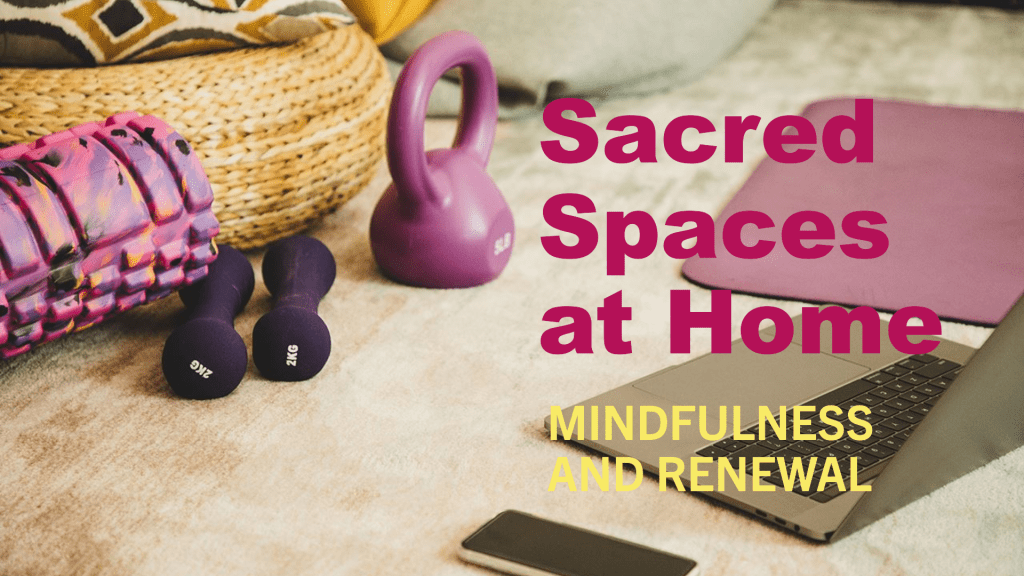
Creating Sacred Spaces at Home for Mindfulness and Renewal

Your home is more than just a place to live—it can be a sanctuary that nurtures your mind, body, and spirit. Creating a sacred space within your home helps you reconnect with yourself, find peace, and recharge from life’s demands. Whether it’s a meditation corner, a cozy reading nook, or an entire room dedicated to self-care, a sacred space is a powerful tool for mindfulness and renewal. Let’s explore how to design a sacred space that reflects your needs and supports your holistic well-being.


1. Choose the Right Location

The foundation of a sacred space is its location. This area should feel private, quiet, and inviting.

  • How to Practice:
    • Identify a space that feels peaceful, like a corner of your bedroom, a window seat, or a spare room.
    • Ensure the area is free from distractions and clutter.
  • Pro Tip: If space is limited, consider a portable sacred space using a tray or small basket with essential items.

2. Declutter to Create Mental Clarity

A clutter-free environment promotes focus and calm. Removing unnecessary items from your sacred space allows you to breathe and feel grounded.

  • How to Practice:
    • Remove items that don’t serve a purpose in your sacred space.
    • Keep only meaningful or functional objects that align with your intention.
  • Pro Tip: Incorporate storage solutions like baskets or shelves to keep the space organized.

3. Incorporate Natural Elements

Nature has a grounding effect that promotes relaxation and harmony. Adding natural elements enhances the energy of your sacred space.

  • How to Practice:
    • Include plants, fresh flowers, crystals, or natural materials like wood and stone.
    • Position your space near a window to let in natural light and fresh air.
  • Pro Tip: Choose low-maintenance plants like succulents or snake plants for ease of care.

4. Use Calming Colors

Colors have a profound impact on mood and energy. Opt for soothing tones that encourage relaxation and mindfulness.

  • How to Practice:
    • Choose soft hues like blues, greens, and neutrals to create a calming atmosphere.
    • Incorporate color through cushions, rugs, or wall art.
  • Pro Tip: Avoid overly bright or bold colors that may feel overstimulating.

5. Add Comfortable Seating

Comfort is essential in a sacred space, allowing you to relax and focus without distractions.

  • How to Practice:
    • Use a soft chair, floor cushion, or yoga mat for seating.
    • Add blankets or throws for extra warmth and coziness.
  • Pro Tip: Test different seating options to find what feels best for your body.

6. Personalize with Meaningful Items

Your sacred space should reflect your personality and intentions. Adding meaningful objects makes the space uniquely yours.

  • How to Practice:
    • Include items like photos, journals, or keepsakes that inspire positive emotions.
    • Use symbols of your spiritual or wellness practices, like candles, incense, or a singing bowl.
  • Pro Tip: Rotate objects periodically to keep the space feeling fresh and inspiring.

7. Enhance with Scent and Sound

Engaging your senses can elevate your sacred space, making it more immersive and calming.

  • How to Practice:
    • Use essential oils, candles, or incense to create a soothing aroma.
    • Add a small speaker for meditation music, nature sounds, or affirmations.
  • Pro Tip: Experiment with scents like lavender, sandalwood, or eucalyptus for relaxation.

8. Create a Ritual for Your Space

Establishing a ritual helps you connect with your sacred space and create a sense of intention.

  • How to Practice:
    • Begin each session by lighting a candle, taking a deep breath, or saying a mantra.
    • Use the space for activities like journaling, meditation, or yoga.
  • Pro Tip: Dedicate specific times each day to visit your sacred space, creating a consistent routine.

9. Make It Dynamic and Flexible

Your sacred space should grow with you, adapting to your changing needs and intentions.

  • How to Practice:
    • Reassess the space regularly to ensure it still aligns with your goals.
    • Add or remove items based on your evolving practices or preferences.
  • Pro Tip: Treat your sacred space as a living area that reflects your current state of mind.

10. Protect the Energy of Your Space

Maintaining positive energy in your sacred space ensures it remains a source of peace and renewal.

  • How to Practice:
    • Avoid bringing stress or negativity into the space.
    • Regularly cleanse the area with sage, palo santo, or sound healing.
  • Pro Tip: Set boundaries with others to keep your space private and respected.

Conclusion

A sacred space is more than just a physical area—it’s a sanctuary for your soul. By designing a space that reflects your intentions, you create a powerful tool for mindfulness, relaxation, and renewal. Whether large or small, your sacred space can become a haven of peace in your daily life. Start crafting your sanctuary today, and experience the profound benefits of having a dedicated place for self-care and reflection.


For more tips on mindfulness and intentional living, check out my book, The Mindful Executive: https://www.amazon.com/dp/B0D75YJCLW.

The Holistic Blueprint: Designing Your Environment for Total Wellness

In our fast-paced world, wellness often takes a back seat to the hustle of daily life. However, the environment we live and work in can have a profound impact on our well-being. The Holistic Blueprint is about designing your surroundings—whether it’s your home, office, or personal space—to promote physical, emotional, and mental wellness. By incorporating holistic elements into your environment, you create a sanctuary that fosters balance, peace, and optimal health.

What is the Holistic Blueprint?

The Holistic Blueprint is the intentional design of your environment using wellness-centered principles. This approach takes into account the importance of natural elements, energy flow, and sensory experiences. The goal is to create a space that not only feels good but actively supports your health, reducing stress and promoting mindfulness.

Key Elements of a Holistic Space

  1. Nature-Inspired Design
    Bringing the outdoors in is a cornerstone of holistic wellness. Plants, natural light, and earthy materials like wood, stone, and water can create a calming and rejuvenating atmosphere. Studies have shown that exposure to nature improves mood and reduces anxiety.
    • Tip: Add indoor plants, like snake plants or peace lilies, which purify the air while also promoting a sense of calm.
  2. Crystals and Energy Flow
    Crystals have long been used in holistic practices to balance energy. Whether you believe in their metaphysical properties or simply appreciate their beauty, placing crystals in your space can enhance the energy flow. Choose stones like amethyst for calming energy or citrine for positive vibes.
    • Tip: Place amethyst near your bed for better sleep, or rose quartz in your living room to invite love and compassion.
  3. Essential Oils and Aromatherapy
    Our sense of smell is closely tied to our emotions, and aromatherapy can be an effective tool for creating a relaxing environment. Diffuse essential oils like lavender for stress relief or eucalyptus for respiratory health.
    • Tip: Use a diffuser or create DIY room sprays using essential oils to customize the scent of your home.
  4. Sound Therapy for Balance
    Sound has a direct impact on our well-being. Tibetan singing bowls, wind chimes, or even calming playlists can bring a sense of peace and grounding to your space. Sound healing is a growing trend in wellness, believed to balance the body’s energy fields.
    • Tip: Use a sound bowl during meditation or simply play soothing music in the background to enhance relaxation.
  5. Decluttering and Feng Shui
    Feng Shui is the ancient Chinese practice of arranging your space to harmonize with natural energy flow. At its core, it’s about creating balance and reducing clutter, which can cause mental fog and stress. The placement of furniture, plants, and even the use of mirrors can influence the energy in your home.
    • Tip: Apply Feng Shui principles by keeping pathways clear, using mirrors to reflect light, and ensuring the bedroom promotes rest by placing the bed in a command position.
  6. Color Therapy
    Colors have a psychological effect on our mood. Warm colors like reds and oranges can energize a space, while cool colors like blues and greens have a calming effect. Color therapy is used to create environments that evoke specific feelings—calm, focus, creativity, or energy.
    • Tip: Choose calming colors like soft blues or greens for bedrooms and meditation spaces, and use vibrant hues in areas where you want to feel energized, like a workout space or home office.

How to Start Designing Your Holistic Space

Designing a holistic space doesn’t require a complete home makeover. Start by identifying the areas of your environment that feel stressful or disorganized and work from there. Here’s a step-by-step guide to get you started:

  1. Identify Your Goals: Are you looking to create a calming environment? Increase productivity? Foster creativity? Knowing your goal will help you choose the right elements.
  2. Add Natural Elements: Begin with simple additions like plants, natural materials, and diffused lighting to bring in a sense of nature.
  3. Clear the Clutter: A clean, organized space is crucial for mental clarity. Remove any items that no longer serve you and reorganize for better energy flow.
  4. Incorporate Wellness Tools: Introduce elements like crystals, essential oils, or sound healing tools that align with your wellness goals.
  5. Focus on the Senses: Create a multi-sensory environment by considering how your space looks, smells, and sounds. The goal is to engage all the senses in a way that promotes relaxation and well-being.

Conclusion

By designing your environment with holistic wellness in mind, you create a space that nurtures and supports your health, both physically and emotionally. Whether you’re bringing in plants, diffusing essential oils, or rearranging your furniture for better energy flow, every change contributes to a more balanced, serene lifestyle. Your environment should be a reflection of your wellness journey, offering peace and restoration in every corner.


For more insights on how to integrate wellness into your daily life, check out my book, The Mindful Executive: https://www.amazon.com/dp/B0D75YJCLW.