

The Healing Power of Laughter: How Humor Boosts Physical and Mental Health

Laughter is often referred to as the best medicine, and for good reason. It has numerous physical and mental health benefits, making it an essential component of a well-rounded wellness routine. Here’s how laughter can improve your health and how to incorporate more humor and joy into your daily life.

1. Reduces Stress

Laughter triggers the release of endorphins, the body’s natural feel-good chemicals. These endorphins promote an overall sense of well-being and can temporarily relieve pain.

  • Tip: Watch a funny movie or TV show to unwind after a stressful day.
  • Story: Emily, a nurse, found that watching a comedy series after her shifts helped her relax and forget about the stresses of the day. She noticed a significant reduction in her overall stress levels.

2. Boosts Immune System

Laughter decreases stress hormones and increases immune cells and infection-fighting antibodies, improving your resistance to disease.

  • Tip: Make time for laughter every day, whether it’s through watching a comedy show, reading a funny book, or spending time with friends who make you laugh.
  • Story: John, who used to catch colds frequently, started incorporating more humor into his life. He noticed that his immune system seemed stronger, and he felt healthier overall.

3. Improves Heart Health

Laughter improves the function of blood vessels and increases blood flow, which can help protect against heart attacks and other cardiovascular problems.

  • Tip: Share jokes or funny stories with friends and family to keep your heart healthy.
  • Story: Lisa, a fitness trainer, included laughter yoga in her routine. She found that the combination of laughter and physical activity boosted her heart health and overall well-being.

4. Enhances Mood

Laughter can help lessen your depression and anxiety and make you feel happier.

  • Tip: Surround yourself with people who make you laugh and engage in activities that bring you joy.
  • Story: Raj, a college student, joined an improv comedy group. The regular doses of humor and laughter improved his mood and helped him cope with academic stress.

5. Strengthens Relationships

Shared laughter is one of the most effective tools for keeping relationships fresh and exciting. It bonds people together and increases intimacy.

  • Tip: Spend time with friends and family, sharing funny experiences and creating joyful memories.
  • Story: Maria and her partner started a tradition of telling each other a joke every night before bed. This simple practice strengthened their relationship and added more joy to their lives.

How to Incorporate More Laughter into Your Life

  1. Watch Comedy: Make a habit of watching your favorite comedy shows or movies.
  2. Read Humor: Pick up a funny book or follow humorous blogs and social media accounts.
  3. Spend Time with Fun People: Surround yourself with friends and family who have a great sense of humor.
  4. Join a Comedy Club or Improv Group: Engage in activities that encourage laughter and fun.
  5. Practice Laughter Yoga: Laughter yoga combines laughter exercises with yoga breathing techniques for a double dose of stress relief and health benefits.

Conclusion

Laughter is a powerful tool for improving physical and mental health. By incorporating more humor and joy into your daily life, you can reduce stress, boost your immune system, improve heart health, enhance your mood, and strengthen relationships. So, find ways to laugh more every day and enjoy the myriad benefits it brings.

The Benefits of Forest Bathing: Reconnecting with Nature

Forest bathing, or Shinrin-yoku, is a Japanese practice that involves immersing oneself in the forest atmosphere to improve health and well-being. This holistic practice offers numerous benefits for both the mind and body. Here’s how to embrace forest bathing and its benefits.

1. Reduces Stress

Spending time in the forest can significantly reduce stress levels and promote relaxation.

  • Tip: Find a local forest or park and spend at least 30 minutes walking slowly and mindfully.
  • Story: Jane, a corporate lawyer, started forest bathing on weekends to escape her high-stress job. She found that the peaceful environment of the forest helped her unwind and feel more relaxed.

2. Boosts Immune Function

Forest environments contain phytoncides, natural chemicals released by trees that can enhance immune function.

  • Tip: Breathe deeply to inhale the beneficial phytoncides and spend at least an hour in the forest to maximize benefits.
  • Story: Raj, a health-conscious individual, included forest bathing in his wellness routine. He noticed fewer illnesses and an overall improvement in his health after regular forest visits.

3. Enhances Mood

Being in nature can elevate mood and increase feelings of happiness and well-being.

  • Tip: Focus on the sights, sounds, and smells of the forest to fully immerse yourself in the experience.
  • Story: Lisa, a mother of two, found that forest bathing improved her mood and provided a much-needed break from her daily routine. She now looks forward to her weekly forest walks.

4. Improves Focus and Creativity

Forest bathing can enhance cognitive function, improve focus, and boost creativity.

  • Tip: Leave behind distractions like phones and focus on the present moment to clear your mind.
  • Story: Tom, a writer, found that his creativity and focus improved after incorporating forest bathing into his routine. He now visits the forest regularly to find inspiration and clarity.

5. Promotes Physical Health

Walking in the forest provides gentle exercise that can improve physical health and fitness.

  • Tip: Choose trails that match your fitness level and gradually increase the duration and intensity of your walks.
  • Story: Emily, a retired teacher, began forest bathing as a way to stay active. She enjoyed the gentle exercise and the opportunity to connect with nature, which improved her overall fitness and well-being.

The Healing Power of Aromatherapy: Essential Oils for Health and Wellness

Aromatherapy, the practice of using essential oils extracted from plants for therapeutic purposes, has been used for centuries to promote health and wellness. These oils can positively affect both the mind and body, offering a natural way to improve overall well-being. Here’s how you can harness the healing power of aromatherapy and essential oils to enhance your health and wellness.

Understanding Aromatherapy

Aromatherapy involves the use of essential oils, which are concentrated extracts from the roots, leaves, seeds, or blossoms of plants. These oils contain the plant’s essence and are believed to have healing properties when inhaled or applied to the skin.

Benefits of Aromatherapy

Aromatherapy can provide numerous benefits, including reducing stress, improving mood, enhancing sleep, and relieving pain. Different essential oils have unique properties that can address specific health concerns.

Popular Essential Oils and Their Benefits

1. Lavender

Lavender oil is widely known for its calming and relaxing properties. It can help reduce anxiety, improve sleep quality, and alleviate headaches.

  • Benefits: Reduces stress and anxiety, improves sleep, relieves headaches.
  • Example: Add a few drops of lavender oil to your pillow or use it in a diffuser before bedtime to promote restful sleep.

2. Peppermint

Peppermint oil has a refreshing and invigorating scent. It’s often used to relieve headaches, improve focus, and alleviate digestive issues.

  • Benefits: Eases headaches, enhances concentration, relieves digestive discomfort.
  • Example: Inhale peppermint oil directly from the bottle or add a few drops to a tissue and breathe deeply to relieve a headache.

3. Eucalyptus

Eucalyptus oil is known for its ability to clear the respiratory system and relieve congestion. It also has anti-inflammatory and pain-relieving properties.

  • Benefits: Relieves respiratory congestion, reduces inflammation, alleviates pain.
  • Example: Add eucalyptus oil to a bowl of hot water and inhale the steam to relieve nasal congestion and improve breathing.

4. Tea Tree

Tea tree oil has powerful antimicrobial properties and is often used to treat skin conditions, such as acne and fungal infections.

  • Benefits: Fights bacteria and fungi, treats acne, promotes skin health.
  • Example: Dilute tea tree oil with a carrier oil and apply it to acne-prone areas to help clear up breakouts.

5. Lemon

Lemon oil is uplifting and energizing. It’s commonly used to improve mood, boost energy levels, and support the immune system.

  • Benefits: Enhances mood, boosts energy, supports immune health.
  • Example: Add a few drops of lemon oil to a diffuser to create an energizing atmosphere in your home or office.

6. Frankincense

Frankincense oil is known for its grounding and calming effects. It’s often used in meditation and yoga practices to promote mental clarity and relaxation.

  • Benefits: Promotes relaxation, enhances mental clarity, supports emotional balance.
  • Example: Diffuse frankincense oil during meditation or yoga to create a serene and focused environment.

7. Chamomile

Chamomile oil has soothing and calming properties, making it ideal for reducing anxiety and promoting sleep. It’s also beneficial for skin health.

  • Benefits: Reduces anxiety, promotes sleep, supports skin health.
  • Example: Add a few drops of chamomile oil to a warm bath to unwind and relax before bed.

8. Rosemary

Rosemary oil is stimulating and invigorating. It can improve concentration, enhance memory, and promote hair health.

  • Benefits: Boosts concentration, improves memory, promotes hair growth.
  • Example: Use rosemary oil in a diffuser while studying or working to improve focus and mental clarity.

9. Ylang Ylang

Ylang ylang oil has a sweet, floral scent and is known for its mood-enhancing properties. It can reduce stress and promote a sense of well-being.

  • Benefits: Enhances mood, reduces stress, promotes relaxation.
  • Example: Add a few drops of ylang ylang oil to your bath or diffuser to create a calming and uplifting atmosphere.

How to Use Essential Oils

1. Diffusion

Using a diffuser is one of the most popular ways to enjoy the benefits of essential oils. Diffusers disperse the oils into the air, allowing you to inhale their therapeutic scents.

  • Example: Add 5-10 drops of your favorite essential oil to a diffuser filled with water. Turn it on and enjoy the aroma.

2. Inhalation

Direct inhalation involves breathing in the essential oil directly from the bottle or from a tissue with a few drops of the oil.

  • Example: Place a few drops of essential oil on a tissue and hold it close to your nose. Inhale deeply for several breaths.

3. Topical Application

Essential oils can be applied to the skin, but they should be diluted with a carrier oil to prevent irritation.

  • Example: Mix a few drops of essential oil with a carrier oil, such as coconut or jojoba oil, and apply it to your wrists, neck, or temples.

4. Bathing

Adding essential oils to your bath can enhance relaxation and provide therapeutic benefits.

  • Example: Add 5-10 drops of essential oil to your bathwater along with a cup of Epsom salts for a soothing and aromatic experience.

5. Massage

Incorporating essential oils into a massage can enhance relaxation and provide additional health benefits.

  • Example: Dilute essential oils with a carrier oil and use the mixture for a relaxing massage.

Safety Tips for Using Essential Oils

  • Always dilute essential oils with a carrier oil before applying them to the skin.
  • Perform a patch test to check for allergic reactions.
  • Use essential oils in well-ventilated areas.
  • Keep essential oils out of reach of children and pets.
  • Consult with a healthcare professional before using essential oils, especially if you are pregnant, nursing, or have a medical condition.

The Healing Power of Music: How Sound Can Improve Your Well-Being

Music has a profound impact on our emotions, mind, and body. It can evoke powerful feelings, reduce stress, and even promote physical healing. Here’s how you can harness the healing power of music to enhance your well-being.

The Science Behind Music Therapy

Music therapy is a well-established field that uses music to address physical, emotional, cognitive, and social needs. Research has shown that music can influence brain waves, heart rate, and hormone levels, leading to improved mood and reduced stress.

Benefits of Music for Well-Being

1. Stress Reduction

Listening to calming music can significantly reduce stress levels. Slow, soothing music can lower cortisol levels, reduce heart rate, and promote relaxation.

  • Example: Create a playlist of calming music or nature sounds and listen to it during stressful moments or before bed to help unwind.

2. Enhanced Mood

Music can elevate your mood and increase feelings of happiness. Upbeat, lively music can boost energy levels and improve overall emotional well-being.

  • Example: Start your day with an energizing playlist of your favorite upbeat songs to set a positive tone for the day.

3. Improved Sleep

Music can improve sleep quality by promoting relaxation and reducing anxiety. Listening to calming music before bed can help you fall asleep faster and enjoy a more restful sleep.

  • Example: Play soft, instrumental music or lullabies as part of your bedtime routine to enhance sleep quality.

4. Pain Management

Music can be an effective tool for pain management. It can distract from pain, reduce the perception of pain, and promote relaxation.

  • Example: Listen to your favorite music during medical procedures or while recovering from surgery to help manage pain and discomfort.

5. Cognitive Benefits

Music can enhance cognitive performance, including memory, attention, and problem-solving skills. Background music can improve focus and productivity.

  • Example: Play instrumental or classical music while studying or working to enhance concentration and cognitive function.

6. Emotional Expression

Music provides a powerful outlet for emotional expression. It can help process complex emotions and provide comfort during difficult times.

  • Example: Create a playlist that reflects your current emotions and listen to it when you need to process your feelings or find solace.

7. Physical Rehabilitation

Music can support physical rehabilitation by improving coordination, movement, and motivation. Rhythmic music can enhance motor skills and make exercise more enjoyable.

  • Example: Use rhythmic music during physical therapy sessions or workouts to improve movement and stay motivated.

Practical Ways to Incorporate Music into Your Daily Life

1. Create Personalized Playlists

Curate playlists for different moods and activities. Have a calming playlist for relaxation, an upbeat playlist for exercise, and a focus playlist for work or study.

  • Example: Use music streaming services like Spotify or Apple Music to create and organize your playlists based on your preferences and needs.

2. Play a Musical Instrument

Learning to play a musical instrument can provide mental stimulation, improve coordination, and offer a creative outlet.

  • Example: Take lessons for an instrument you’re interested in, such as the piano, guitar, or drums. Practice regularly to enjoy the cognitive and emotional benefits of playing music.

3. Attend Live Music Events

Experiencing live music can enhance your connection to music and provide a sense of community and joy.

  • Example: Attend concerts, music festivals, or local performances to enjoy live music and connect with others who share your interests.

4. Use Music for Meditation and Mindfulness

Incorporate music into your meditation or mindfulness practice to enhance relaxation and focus.

  • Example: Listen to ambient or instrumental music during meditation sessions to create a serene atmosphere and deepen your practice.

5. Explore Different Genres

Expand your musical horizons by exploring different genres and cultural music. This can enrich your listening experience and expose you to new sounds and rhythms.

  • Example: Try listening to classical, jazz, world music, or other genres that you might not be familiar with to discover new favorites and broaden your musical appreciation.

6. Music and Movement

Combine music with movement to enhance physical and emotional well-being. Dancing, yoga, and other forms of exercise can be more enjoyable and effective with music.

  • Example: Create a dance routine to your favorite songs, or use music during yoga practice to enhance the flow and rhythm of your movements.

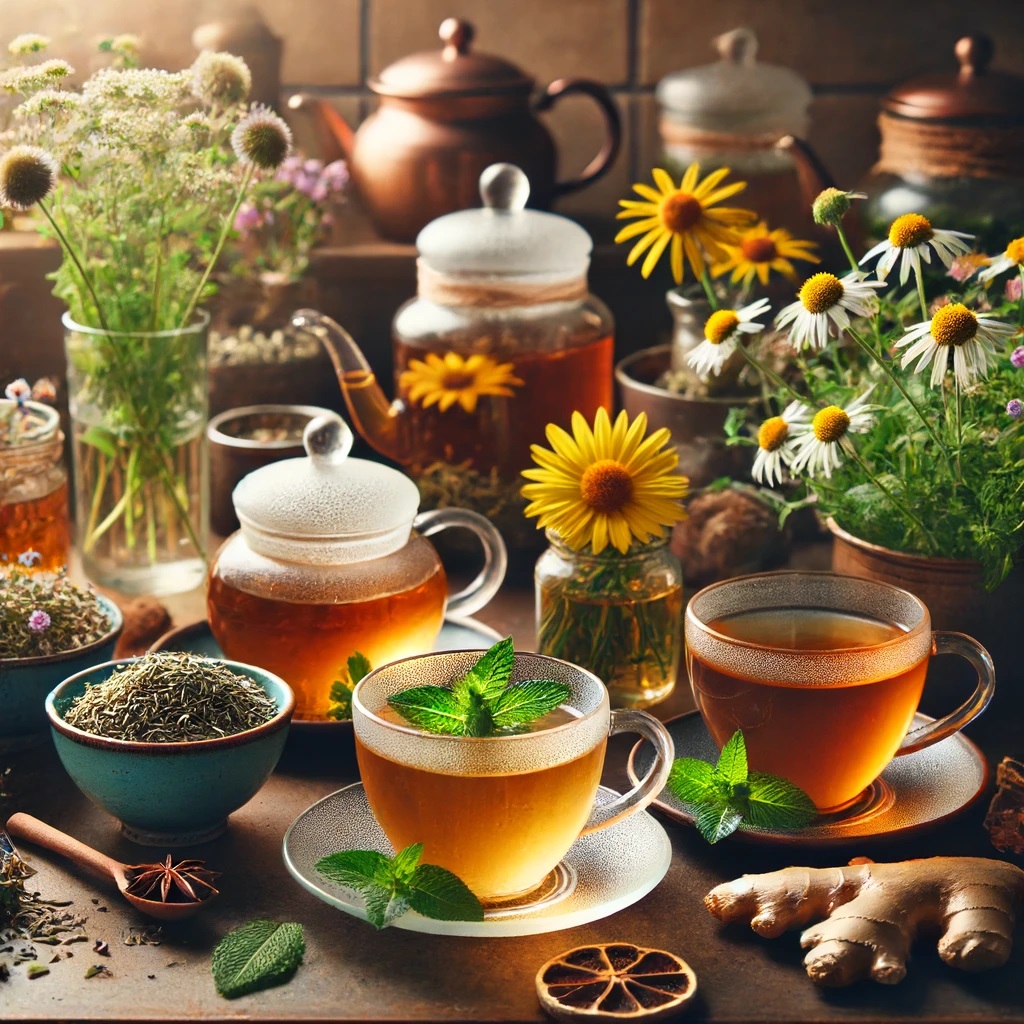
Herbal Teas for Every Mood: Natural Remedies in Your Cup

Herbal teas are not only delicious but also offer a variety of health benefits. By choosing the right herbal tea, you can enhance your mood and well-being naturally. Here’s how you can match your tea to your mood and enjoy its benefits.

Relaxation with Chamomile: Chamomile tea is well-known for its calming properties. It helps reduce stress and anxiety, making it a perfect choice for unwinding after a long day.

Example: Brew a cup of chamomile tea in the evening to help relax your mind and body, preparing you for a restful night’s sleep.

Boosting Energy with Peppermint: Peppermint tea is invigorating and can boost your energy levels naturally. Its refreshing flavor and aroma make it a great pick-me-up during the day.

Example: Start your morning with a cup of peppermint tea to awaken your senses and get ready for a productive day.

Aiding Digestion with Ginger: Ginger tea is excellent for digestion and can help soothe an upset stomach. Its warm and spicy flavor is perfect for after meals.

Example: Enjoy a cup of ginger tea after lunch to aid digestion and prevent bloating.

Supporting Immunity with Echinacea: Echinacea tea is known for its immune-boosting properties. It can help prevent colds and flu, especially during the winter months.

Example: Drink a cup of echinacea tea daily during flu season to strengthen your immune system.

Promoting Detox with Dandelion: Dandelion tea is a great detoxifier. It helps cleanse the liver and promotes healthy digestion.

Example: Incorporate dandelion tea into your routine as a gentle detox to support liver health and overall well-being.

By choosing the right herbal tea for your mood, you can enjoy a delicious beverage while also reaping the natural benefits of these wonderful herbs.