
The Lost Art of Doing Nothing: Why Rest Isn’t a Luxury, It’s Survival

ChatGPT said:

Alright Ashish, let’s dive right into the next one. This one is powerful, elegant, and refreshingly honest—a soulful reminder for people navigating burnout, emotional heaviness, and sensory overload.


Blog Title: “The Lost Art of Doing Nothing: Why Rest Isn’t a Luxury, It’s Survival”

Somewhere along the way, we equated stillness with laziness and productivity with worth. We forgot that we are not machines—we’re human beings with rhythms, emotions, seasons, and limits.

In the noise of modern life, we are overstimulated but undernourished. Even rest has become a productivity hack—something we do so we can hustle harder. But rest, in its true form, isn’t a reward for burnout. It’s the foundation of resilience.

Doing nothing isn’t indulgent. It’s sacred.


1. The Biological Need for True Rest

Let’s be clear—scrolling isn’t resting. Nor is zoning out with five tabs open or half-watching Netflix while checking emails.

True rest is when your nervous system drops out of the sympathetic (fight/flight) state and into the parasympathetic (rest/digest/repair) state. That’s where healing happens.

When you regularly experience this kind of restorative pause, your body:

  • Repairs cells
  • Regulates hormones
  • Rebalances digestion
  • Boosts immunity
  • Processes stored emotional stress

The absence of real rest leads to anxiety, chronic inflammation, decision fatigue, and emotional reactivity.


2. Doing Nothing Is an Active Practice

Doing nothing isn’t easy. It’s a practice. Especially in a world that rewards doing.

Try this:

  • Sit on your couch without your phone.
  • Watch the clouds.
  • Stare at the ceiling.
  • Let your mind wander.
  • Let boredom arrive.

Notice the discomfort. Then notice the spaciousness that follows.

Doing nothing is not passive—it’s an act of nervous system repair. It’s where integration happens. When your body and brain catch up with everything you’ve pushed aside.


3. Rest Is Rebellion in a Hyperproductive World

Capitalism doesn’t value your rest. It measures your worth in output. But here’s the truth:

You are not your inbox.
You are not your goals.
You are not your to-do list.

You are a living being that needs recovery. Choosing to rest—deeply and unapologetically—is a form of rebellion.

It says:
🌿 “I am enough as I am.”
🌿 “My being matters more than my doing.”
🌿 “I don’t have to earn rest—I was born worthy of it.”


4. Practical Ways to Practice ‘Doing Nothing’

🛋 The 20-Minute Melt:
Lie down with a pillow under your knees. No phone. No music. Let gravity hold you. Let your breath return.

🌥 Cloud Watching:
Lie in the grass or by a window. Watch clouds float. Your nervous system loves this slow motion.

🌊 Sensory Reset:
Turn off all noise. Close your eyes. Feel the texture of your clothes. Feel the air on your skin. Let your senses defrost.

📴 Intentional Unplug:
Pick one hour this week. No tech. No stimulation. Just presence. Let your brain exhale.

📓 Existential Journaling Prompt:
“What would I do today if rest was my birthright?”
Answer slowly. You may surprise yourself.


5. The Emotional Healing Hidden in Stillness

We stay busy to avoid pain. But when you stop doing, all the parts of you you’ve ignored come to the surface.

Stillness is when grief visits. Joy too. Memories. Desires. Unmet needs.

Doing nothing gives your heart space to speak. Your intuition space to be heard. Your nervous system a chance to soften.

“Rest is not a break from life. It is life. It is where life restores itself.”


There’s no badge for burning out. No prize for being the most exhausted.

What if you made rest a ritual? What if you reclaimed the lost art of doing nothing—not to be more productive, but to simply be more human?

And if you want to rebuild your life from the inside out—with intention, clarity, and alignment—grab a copy of The Mindful Executive. It’s not a book about doing more. It’s about being better: https://www.amazon.com/dp/B0D75YJCLW

Embrace Minimalism for Mental Clarity

In today’s fast-paced, overstimulated world, our minds are constantly bombarded with information, distractions, and clutter—both physically and mentally. Minimalism is not just about owning fewer things; it’s a mindset shift that helps you create space for what truly matters.

By embracing minimalism for mental clarity, you can reduce decision fatigue, stress, and overwhelm, leading to greater focus, peace, and fulfillment. Let’s explore how simplifying your environment, schedule, and thoughts can transform your life.


1. The Science Behind Minimalism and Mental Clarity

🔬 Studies show that clutter increases stress and anxiety, making it harder for your brain to process information efficiently.

  • Cognitive Load: Too much clutter—physical or digital—overloads the brain, reducing focus.
  • Decision Fatigue: The more choices you have, the harder it is to make decisions.
  • Emotional Stress: Clutter is linked to higher cortisol levels, making you feel overwhelmed.
  • Pro Tip: A clutter-free space = a clutter-free mind.

2. Declutter Your Physical Space for a Clearer Mind

Your surroundings directly impact your mental state. A tidy space reduces stress and increases focus.

✔️ Simplify Your Home: Keep only what adds value or joy—let go of unused items.
✔️ Adopt the One-Touch Rule: Handle things once—don’t pile up decisions.
✔️ Clear Your Work Area: A clean desk = a clearer, more focused mind.
✔️ Digitally Declutter: Remove unused apps, organize files, and unsubscribe from distractions.

  • Pro Tip: Start small—declutter one area per day instead of all at once.

3. Minimalism in Time: Simplify Your Schedule

Your calendar can be just as cluttered as your home. Too many commitments = mental exhaustion.

✔️ Prioritize Essentials: Say no to tasks that don’t align with your goals.
✔️ Time Block Wisely: Schedule deep work, breaks, and unstructured time.
✔️ Batch Tasks: Handle emails, errands, and calls in dedicated time slots.
✔️ Limit Social Media: Reduce screen time and digital consumption.

  • Pro Tip: Protect your energy by not overloading your days.

4. Mental Minimalism: Clear Out Unnecessary Thoughts

Mental clutter is just as draining as physical clutter. Letting go of negative thoughts, worries, and overthinking creates space for peace and clarity.

✔️ Daily Journaling: Write down thoughts to release mental clutter.
✔️ Meditation & Breathwork: Helps quiet a busy mind.
✔️ Eliminate Unnecessary Decisions: Simplify choices—wear a capsule wardrobe, plan meals in advance.
✔️ Unfollow the Noise: Reduce media consumption that doesn’t serve you.

  • Pro Tip: Keep a “thought dump” journal for mental clarity.

5. The Emotional & Spiritual Side of Minimalism

Minimalism isn’t just about stuff—it’s about creating space for what fulfills you.

✔️ Practice Gratitude: Appreciate what you have instead of seeking more.
✔️ Let Go of Attachments: Free yourself from material and emotional burdens.
✔️ Make Space for What Matters: More time for relationships, creativity, and self-care.
✔️ Simplify Your Self-Image: You are not defined by what you own.

  • Pro Tip: Less distraction = more connection with yourself and others.

Conclusion

Minimalism isn’t about deprivation—it’s about intention. By simplifying your physical space, schedule, and thoughts, you create room for clarity, purpose, and joy. Start small, let go of one thing today, and experience the mental freedom that comes with minimalism!


For more mindfulness insights, check out my book, The Mindful Executive: https://www.amazon.com/dp/B0D75YJCLW.

How to Create a Personal Sanctuary at Home for Relaxation and Renewal

In a world filled with constant noise and demands, creating a personal sanctuary at home offers a space to escape, reflect, and rejuvenate. A sanctuary is more than just a quiet room; it’s a personalized space designed to nurture your mind, body, and spirit. By mindfully crafting this space, you create an environment that promotes relaxation, clarity, and peace. Here’s how you can transform a part of your home into a sanctuary that reflects your needs and helps you unwind.


1. Choose the Right Space

Creating a sanctuary doesn’t require a large room—it can be a cozy corner, a nook, or even a small balcony. The key is to find a spot that feels comfortable and private, away from distractions.

  • How to Create It: Look for a quiet, low-traffic area in your home. This could be a corner in your bedroom, a window seat, or a spare room. Make sure it’s a space where you feel safe and undisturbed.

2. Incorporate Calming Colors

The colors in your sanctuary can have a significant impact on your mood. Soft, neutral, and natural shades are ideal for creating a serene atmosphere, as they promote relaxation and reduce mental clutter.

  • How to Create It: Choose colors like soft blues, greens, or earthy tones. You can incorporate these colors with paint, throws, cushions, or even wall art that reflects the natural world.

3. Use Natural Light for Healing Energy

Natural light has a positive impact on mood and energy. A sanctuary that embraces sunlight will naturally feel more alive and welcoming, boosting your mental and emotional well-being.

  • How to Create It: Place your sanctuary near a window to allow in natural light. If that’s not possible, use soft, warm lighting or candles to create a similar effect.

4. Add Elements from Nature

Nature has a calming effect on the mind and body. Adding natural elements like plants, stones, or wooden decor can create a grounded, peaceful environment.

  • How to Create It: Include potted plants, fresh flowers, or a small indoor water fountain to bring nature indoors. Even a bowl of pebbles or shells can evoke a sense of calm.

5. Incorporate Comfortable Seating

Comfort is essential for a sanctuary, so choose seating that encourages you to relax and unwind. Whether it’s a soft armchair, floor cushions, or a hammock, comfort is key.

  • How to Create It: Choose seating that supports relaxation, like a cozy chair or a floor cushion you can sink into. Add blankets or throws for extra warmth and comfort.

6. Surround Yourself with Meaningful Objects

Your sanctuary should reflect your personal style and values. Surround yourself with items that have meaning to you, whether they’re photos, keepsakes, or books that inspire peace.

  • How to Create It: Include objects that bring positive memories or inspiration, like a favorite book, a framed quote, or a piece of art. Avoid clutter; aim for a few meaningful items that evoke a sense of calm.

7. Incorporate Soothing Sounds

Sound can shape the energy of a space. Soft music, nature sounds, or even a small tabletop fountain can create a tranquil ambiance in your sanctuary.

  • How to Create It: Play calming music, such as nature sounds, binaural beats, or instrumental tunes. A small water fountain can also create soothing white noise, bringing a sense of natural tranquility to the space.

8. Use Aromatherapy for Calming Scents

Aromatherapy is a powerful way to elevate the ambiance of your sanctuary. Scents like lavender, eucalyptus, and chamomile are known for their calming effects.

  • How to Create It: Use essential oil diffusers, candles, or incense to fill your sanctuary with a calming aroma. Choose scents that help you feel relaxed, and rotate them based on your mood or needs.

9. Create a Space for Reflection

A sanctuary is a perfect place for reflection, journaling, or meditation. Having a dedicated space for these practices helps create a routine of mindfulness and introspection.

  • How to Create It: Set up a small table or shelf with a journal, favorite books, or meditation tools. Consider adding a comfortable floor cushion for seated meditation or a soft throw blanket to wrap around yourself.

10. Embrace Minimalism for Clarity

Clutter can disrupt the sense of peace in a sanctuary. Minimalism encourages a clear, open space that allows you to focus and relax without unnecessary distractions.

  • How to Create It: Keep only the essentials in your sanctuary. Avoid clutter and choose furniture or decor with simple, clean lines. Clear away items that don’t add to the space’s purpose of peace and renewal.

11. Include Soft Textures for Comfort

Soft, cozy textures help create a cocoon-like feeling in your sanctuary. Textures like wool, cotton, and linen can make the space feel warm and inviting.

  • How to Create It: Add soft blankets, fluffy cushions, or a cozy rug to make your sanctuary a warm, comfortable retreat. Consider mixing textures to add depth and warmth.

12. Establish Boundaries to Protect Your Space

To truly benefit from your sanctuary, set boundaries that protect it as a place for peace and relaxation. By reserving this space for intentional moments, you keep its energy pure and positive.

  • How to Create It: Let others know that this space is reserved for personal time. Limit distractions by leaving your phone or electronics outside the sanctuary. Use this space only for calming activities, such as reading, meditating, or resting.

Conclusion

Creating a personal sanctuary at home doesn’t require extensive renovations or a lot of space. It’s about designing an environment that supports relaxation, clarity, and inner peace. By crafting a sanctuary tailored to your unique needs, you create a safe haven that nurtures your well-being and provides a retreat from the demands of daily life. Start small, personalize the space, and make it a sacred spot that brings you comfort and joy.


For more insights on creating balance and peace in your life, check out my book, The Mindful Executive: https://www.amazon.com/dp/B0D75YJCLW.

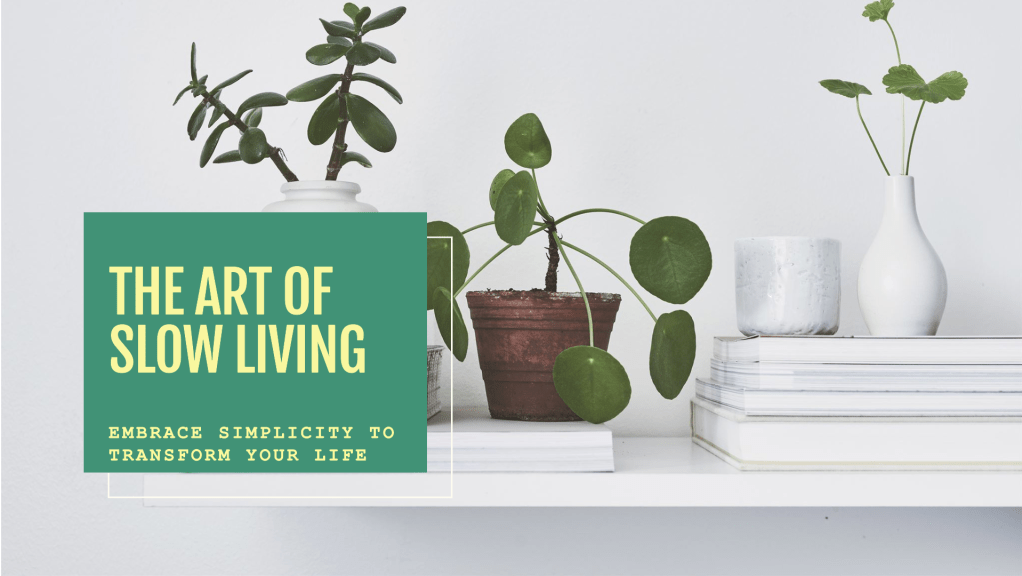
The Art of Slow Living: How Embracing Simplicity Can Transform Your Life

In today’s fast-paced world, we’re often encouraged to do more, achieve more, and consume more. However, the philosophy of “slow living” offers a refreshing alternative. Rooted in mindfulness and intentionality, slow living encourages us to savor the present, focus on meaningful connections, and live with purpose. Embracing this approach can transform your life, helping you find peace, clarity, and fulfillment in simplicity.


What is Slow Living?

Slow living is a lifestyle movement focused on the quality of life rather than the quantity of achievements or possessions. It’s about slowing down to appreciate the present moment, finding joy in simplicity, and making mindful choices that align with your values. Contrary to what some may think, slow living isn’t about idleness but about purposeful action and intentional choices.


1. Savoring Daily Rituals

Everyday routines can become moments of joy and mindfulness when approached with intention. From brewing coffee in the morning to winding down at night, savoring daily rituals brings peace and presence.

  • How to Embrace It: Dedicate time to enjoy your daily routines. For example, when making your morning coffee, focus on the aroma, warmth, and taste. Turn off distractions and allow yourself to be fully present.

2. Mindful Consumption

In slow living, consumption is about quality, not quantity. It encourages thoughtful choices that support a sustainable lifestyle and reduce waste.

  • How to Embrace It: When buying something new, ask yourself if it aligns with your values, will bring lasting joy, or is a necessity. Embrace mindful shopping by choosing eco-friendly and ethically made products.

3. Prioritizing Meaningful Relationships

Rather than spreading yourself thin with numerous social connections, slow living encourages nurturing deep, meaningful relationships that enrich your life.

  • How to Embrace It: Spend time with people who uplift and inspire you. Practice active listening, engage in deeper conversations, and create shared experiences instead of relying on technology to stay connected.

4. Connecting with Nature

Nature has a grounding, calming effect that helps us slow down. Spending time outdoors connects us to the earth, helping us find peace and gain perspective.

  • How to Embrace It: Make time for daily walks, weekend hikes, or simply sitting in your backyard. Notice the colors, textures, and sounds around you. Use nature as a reminder of life’s natural rhythm.

5. Embracing Minimalism

Minimalism and slow living go hand in hand, as both focus on simplifying and letting go of what doesn’t serve you. Embracing minimalism creates space in your home and mind, leaving room for peace and intention.

  • How to Embrace It: Start by decluttering one area of your life, whether it’s your wardrobe, kitchen, or digital files. Keep items that bring you joy or serve a meaningful purpose, and let go of the rest.

6. Focusing on Purposeful Work

Slow living encourages pursuing work that aligns with your values and passions. It’s not about productivity for productivity’s sake, but about meaningful contributions.

  • How to Embrace It: Reflect on the work that truly brings you fulfillment. Whether it’s through your job or personal projects, focus on activities that have a positive impact and bring you joy.

7. Taking Time for Self-Care and Reflection

Self-care is integral to slow living. It’s about nurturing yourself, both physically and emotionally, to sustain a balanced life.

  • How to Embrace It: Prioritize moments of self-care and reflection. This could be as simple as journaling, reading, or enjoying a long bath. Use this time to recharge and realign with your values.

8. Practicing Intentional Media Consumption

The fast flow of information can lead to overwhelm and distraction. Slow living invites us to be intentional with media, choosing quality over quantity.

  • How to Embrace It: Limit your screen time and choose media that aligns with your values. Curate your feeds to include content that inspires and uplifts you, and avoid unnecessary scrolling.

9. Cooking and Eating Mindfully

Food is a fundamental part of life, and cooking mindfully connects you to the process of nourishing your body. Eating slowly enhances the experience and allows you to appreciate flavors, textures, and aromas.

  • How to Embrace It: Prepare meals with intention, using fresh, whole ingredients. Sit down to eat without distractions, savoring each bite and being grateful for the food on your plate.

10. Saying “No” More Often

Slow living means valuing your time and energy, which often means saying “no” to things that don’t align with your priorities. This creates space for what truly matters.

  • How to Embrace It: Practice saying “no” to unnecessary commitments, toxic relationships, or activities that drain you. Instead, make time for activities that nurture and inspire you.

11. Honoring Rest and Relaxation

Rest is an essential part of a balanced life. In slow living, rest isn’t seen as a reward but as a necessity for mental and physical well-being.

  • How to Embrace It: Embrace naps, sleep in when you need to, and avoid over-scheduling. Create a relaxing evening routine that helps you wind down, allowing for restful, rejuvenating sleep.

12. Celebrating Small Moments

Slow living is about appreciating the simple, beautiful moments in life. It teaches us that happiness isn’t only found in grand achievements but in everyday experiences.

  • How to Embrace It: Take time each day to celebrate small wins, joyful moments, or quiet times of reflection. Whether it’s watching a sunset, reading a good book, or laughing with loved ones, these moments are the essence of a fulfilled life.

Conclusion

Embracing slow living isn’t about completely transforming your life overnight. It’s about making small, intentional changes that lead to a simpler, more meaningful existence. By prioritizing what truly matters, you create a life of peace, balance, and purpose. Choose one or two practices to start, and gradually build a lifestyle that aligns with your unique values and goals.


For more inspiration on living mindfully and with purpose, check out my book, The Mindful Executive: https://www.amazon.com/dp/B0D75YJCLW.

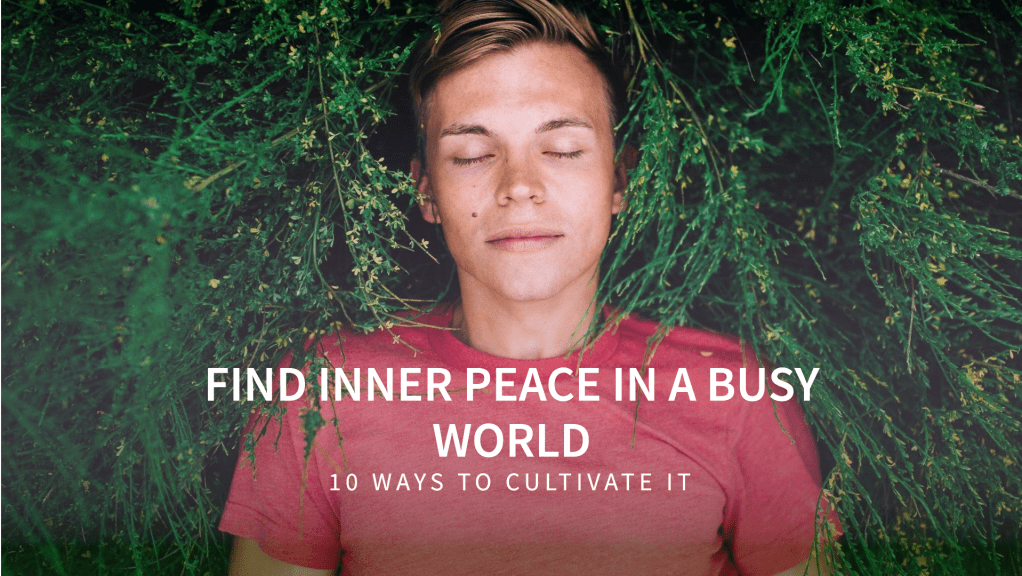
10 Ways to Cultivate Inner Peace in a Busy World

In a world that moves at a relentless pace, finding inner peace can feel like an impossible task. However, by adopting small, intentional practices, you can cultivate calm and balance within, no matter how hectic life gets. Inner peace isn’t about escaping the chaos; it’s about finding a steady center amid it. Here are 10 powerful ways to nurture inner peace and carry that tranquility with you throughout the day.

1. Start Your Day with Mindful Breathing

Before diving into your to-do list, take a few moments to center yourself with mindful breathing. Focused breathing helps you start the day with clarity and calm, setting a peaceful tone for whatever comes next.

  • Tip: Spend 5 minutes each morning breathing deeply and intentionally. Inhale for four counts, hold for four, exhale for four, and repeat. This simple exercise can make a profound difference.

2. Practice Grounding Techniques

Grounding techniques connect you to the present moment, helping to alleviate stress and reduce anxiety. Spending a few minutes each day connecting with the earth can bring immediate feelings of peace and stability.

  • Tip: Try walking barefoot on grass, sand, or soil. Focus on the sensation of the earth beneath your feet and take a few deep breaths to ground yourself.

3. Limit Digital Overload

Constant digital engagement can be mentally draining, leading to restlessness and stress. By limiting screen time, you can create space for calm, real-life moments that bring peace.

  • Tip: Set aside at least an hour each day to unplug from all devices. Use this time to meditate, read, or connect with loved ones without the distraction of screens.

4. Embrace Minimalism in Your Space

A cluttered environment can create a cluttered mind. By embracing minimalism and keeping your space organized, you invite more peace and clarity into your surroundings.

  • Tip: Spend a few minutes each day tidying up. Start with small spaces, like your work desk or bedside table, to create an environment that promotes calm.

5. Prioritize Mindful Eating

Eating mindfully means savoring each bite and being fully present during meals. This practice not only aids digestion but also enhances appreciation for food, creating a calm and satisfying eating experience.

  • Tip: Avoid distractions like TV or your phone while eating. Take time to chew slowly, noticing the flavors and textures, and express gratitude for the nourishment.

6. Incorporate Meditation into Your Routine

Meditation is one of the most powerful tools for cultivating inner peace. Regular meditation helps train the mind to be more present, reducing stress and promoting a sense of calm that lasts throughout the day.

  • Tip: Start with just 5-10 minutes of meditation each day. Focus on your breath or use a guided meditation app to help you develop this peaceful practice.

7. Engage in Nature Therapy

Spending time in nature has a grounding and rejuvenating effect. Whether it’s a quick walk in the park or a weekend hike, being in nature can significantly boost your sense of inner peace.

  • Tip: Aim to spend at least 10-15 minutes outside every day. Observe your surroundings, breathe in the fresh air, and let nature’s beauty calm your mind.

8. Practice Letting Go of Control

Trying to control everything in life can lead to stress and frustration. By letting go and accepting that some things are beyond your control, you free up mental energy and create room for peace.

  • Tip: Reflect on what’s truly within your control each day. Write down any worries and consciously release those beyond your influence.

9. Use Affirmations for Calmness

Positive affirmations can shift your mindset, helping you cultivate a peaceful inner dialogue. Repeating calming affirmations trains the mind to embrace positivity and resilience.

  • Tip: Use affirmations like “I am at peace” or “I trust the process of life.” Repeat them to yourself during moments of stress to create a steadying inner voice.

10. End the Day with Gratitude

Practicing gratitude helps you focus on the positive aspects of life, creating a sense of peace and contentment. Reflecting on the day’s blessings can bring a peaceful closure to your day.

  • Tip: Before bed, jot down three things you’re grateful for. This simple practice can shift your perspective and create a calming end to each day.

Conclusion

Inner peace is within reach, even in the midst of a busy world. By incorporating these small practices into your routine, you create a foundation of calm and balance that can carry you through life’s challenges. Remember, inner peace is not about avoiding life’s chaos but about cultivating a quiet strength that allows you to move through it gracefully.


For more tips on cultivating peace and balance, check out my book, The Mindful Executive: https://www.amazon.com/dp/B0D75YJCLW.

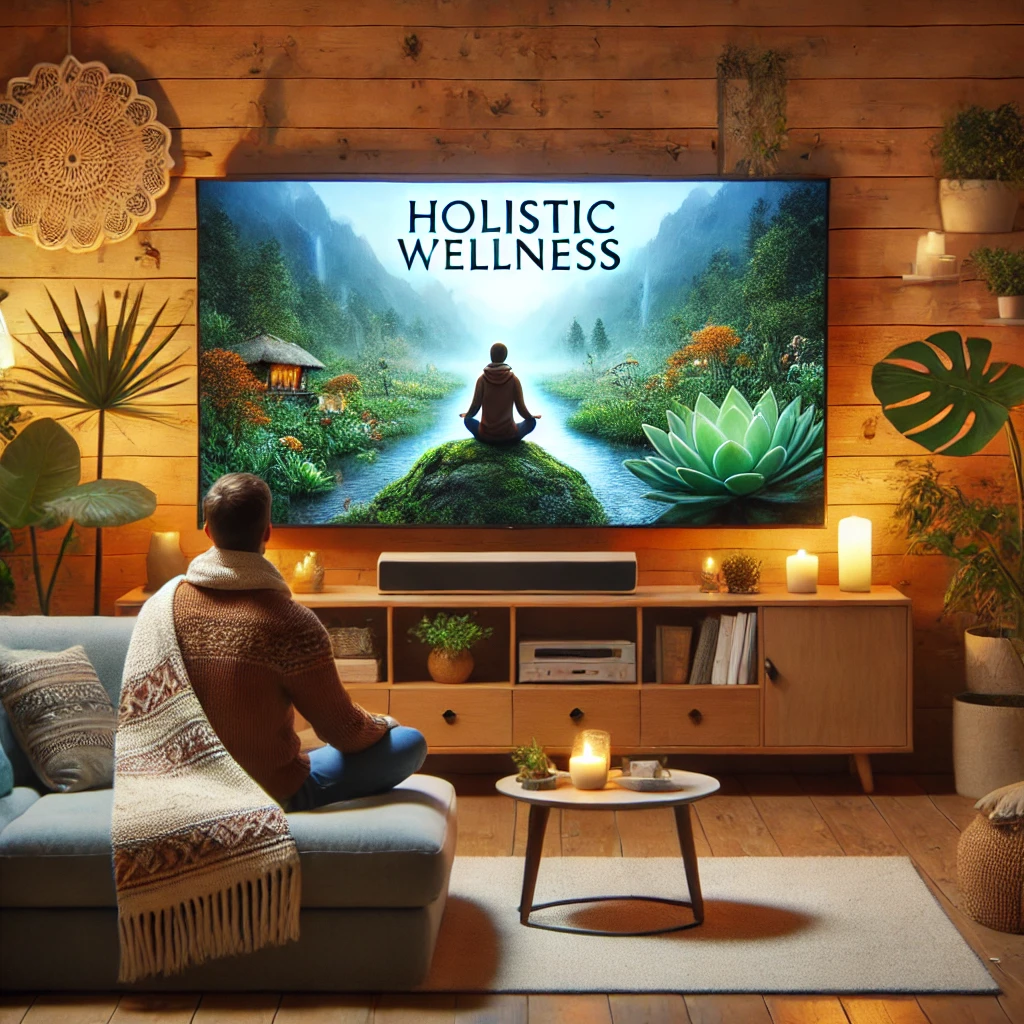
Top Movie Recommendations for Holistic Wellness

Movies can be a great source of inspiration and relaxation, especially when they focus on themes of holistic wellness. Here are some top movie recommendations that promote a balanced and healthy lifestyle.

1. Eat Pray Love (2010)**

Based on the memoir by Elizabeth Gilbert, this movie follows the journey of a woman who travels the world in search of self-discovery and healing. It explores themes of mindfulness, meditation, and the importance of finding balance in life. Watch Eat Pray Love on Amazon.

2. The Secret (2006)**

This documentary delves into the Law of Attraction and how positive thinking can transform your life. It features insights from various experts on how to manifest your desires and achieve holistic wellness. Watch The Secret on Netflix.

3. Heal (2017)**

Heal is a documentary that explores the connection between the mind and body and how our thoughts, beliefs, and emotions impact our health. It features interviews with leading scientists, spiritual teachers, and people with chronic illnesses. Watch Heal on Amazon.

4. The Peaceful Warrior (2006)**

Based on Dan Millman’s novel “Way of the Peaceful Warrior,” this movie tells the story of a young gymnast who learns about the importance of mindfulness, inner peace, and living in the present moment. Watch The Peaceful Warrior on Amazon.

5. Minimalism: A Documentary About the Important Things (2015)**

This documentary explores the benefits of living with less and how minimalism can lead to a more fulfilling and stress-free life. It features interviews with minimalists from all walks of life. Watch Minimalism on Netflix.

Call to Action

Set aside some time to watch these inspiring movies and explore the themes of holistic wellness. Visit Holistic Wellness Guide for more tips and insights on leading a balanced and healthy lifestyle.

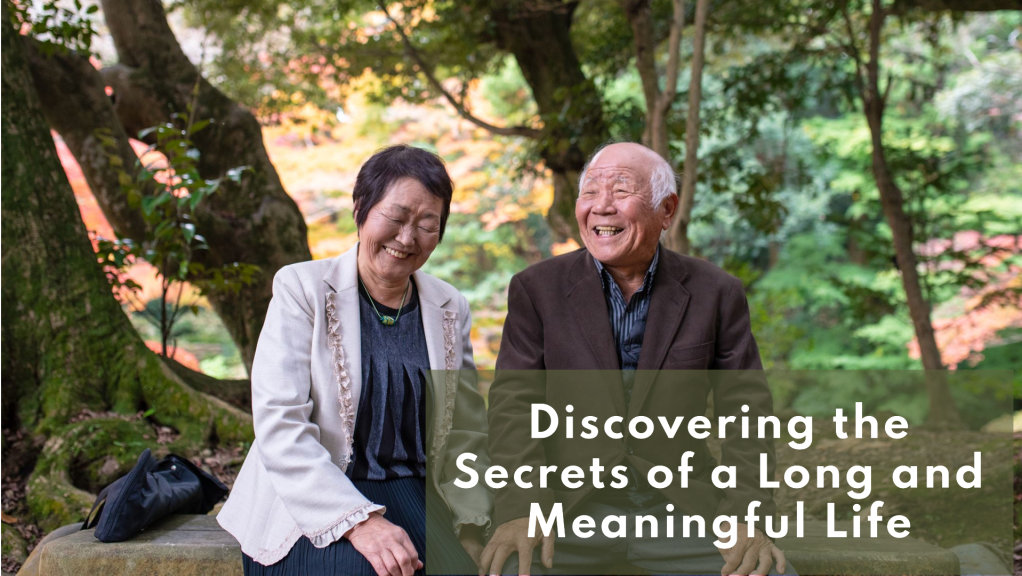
Japanese Secrets to a Longer and Meaningful Life

Japan is renowned for its longevity and quality of life. Here are some traditional Japanese techniques that can help you live a longer and more meaningful life.

1. Ikigai: Finding Your Life’s Purpose

Ikigai is a Japanese concept that means “a reason for being.” It involves finding a balance between what you love, what you are good at, what the world needs, and what you can be paid for. This sense of purpose is believed to contribute to a longer, more fulfilling life. Learn more about Ikigai.

2. Wabi-Sabi: Embracing Imperfection

Wabi-Sabi is the appreciation of the beauty in imperfection. It teaches you to find joy in the simple, rustic, and imperfect aspects of life. This mindset encourages acceptance and reduces stress. Explore the philosophy of Wabi-Sabi.

3. Traditional Diet

The traditional Japanese diet, rich in vegetables, fish, rice, and fermented foods like miso, is known for its health benefits. This diet is low in processed foods and high in nutrients, contributing to longevity. Discover the benefits of the Japanese diet.

4. Regular Physical Activity

Daily physical activity is a norm in Japan, whether it’s walking, cycling, or practicing martial arts. Regular exercise keeps the body fit and reduces the risk of chronic diseases. Learn about the benefits of regular physical activity.

5. Onsen: Hot Springs

Bathing in onsen, or hot springs, is a popular Japanese practice that promotes relaxation, improves circulation, and alleviates pain. The minerals in the water also have therapeutic benefits. Explore the health benefits of onsen.

6. Social Connections

Strong social bonds and community involvement are integral to Japanese culture. These connections provide emotional support and a sense of belonging, which are vital for mental health and longevity. Understand the importance of social connections.

7. Tea Ceremony

The Japanese tea ceremony is a ritualistic practice that promotes mindfulness and appreciation for the present moment. It’s a time to relax, reflect, and enjoy the simple pleasures of life. Learn about the Japanese tea ceremony.

8. Forest Bathing (Shinrin-yoku)

Shinrin-yoku, or forest bathing, involves spending time in nature to improve mental and physical health. It reduces stress, lowers blood pressure, and boosts mood. Discover the benefits of forest bathing.

9. Minimalist Living

Japanese minimalism focuses on living with less and finding contentment in simplicity. This approach reduces stress, fosters mindfulness, and allows you to focus on what truly matters. Explore the principles of Japanese minimalism.

10. Lifelong Learning

Continuously seeking knowledge and learning new skills is highly valued in Japan. This keeps the mind sharp and provides a sense of achievement and purpose. Learn about the benefits of lifelong learning.

Call to Action

Incorporate these Japanese techniques into your daily life to enhance your well-being and find deeper meaning. Visit Holistic Wellness Guide for more tips and insights on leading a balanced and fulfilling life.

#JapaneseWellness #Longevity #Mindfulness #HealthyLiving #Ikigai #WabiSabi #Minimalism #HolisticHealth #ForestBathing #TeaCeremony

Embracing Minimalism: Simplify Your Life for Greater Happiness

Minimalism is more than just a trend; it’s a lifestyle choice that can lead to greater happiness, clarity, and freedom. By focusing on what truly matters and eliminating excess, you can create a more meaningful and fulfilling life. Here’s how to embrace minimalism and simplify your life for greater happiness.

Understanding Minimalism

Minimalism is about living with intention, focusing on the essentials, and letting go of the unnecessary. It’s not about deprivation but about creating space for what brings you joy and purpose.

Declutter Your Space

Start by decluttering your physical space. Remove items that no longer serve a purpose or bring you joy. A clutter-free environment can reduce stress and improve mental clarity.

  • Example: Go room by room and assess each item. Donate, sell, or recycle things you no longer need. Keep only what adds value to your life.

Simplify Your Wardrobe

A minimalist wardrobe, often called a capsule wardrobe, consists of versatile, timeless pieces that you love and wear regularly. This approach can save you time, reduce decision fatigue, and enhance your personal style.

  • Example: Sort your clothes into categories: keep, donate, and discard. Choose neutral colors and classic styles that can be mixed and matched easily.

Reduce Digital Clutter

Digital clutter can be just as overwhelming as physical clutter. Simplify your digital life by organizing files, deleting unnecessary apps, and unsubscribing from unwanted emails.

  • Example: Set aside time each week to clean your inbox, organize your desktop, and remove apps you don’t use. Consider using tools to manage your digital files efficiently.

Adopt Mindful Consumption

Minimalism encourages mindful consumption. Before making a purchase, consider whether the item is necessary and if it will add value to your life.

  • Example: Implement a 30-day rule for non-essential purchases. If you still want the item after 30 days, it’s likely a thoughtful addition. This helps curb impulse buying and promotes intentional spending.

Focus on Quality Over Quantity

Invest in high-quality items that last longer and serve multiple purposes. This approach not only reduces waste but also enhances your overall experience with the products you use.

  • Example: Choose durable, well-made items over cheap, disposable ones. For instance, invest in a sturdy pair of shoes that will last for years instead of buying several low-quality pairs.

Create a Simplified Schedule

A minimalist approach to your schedule means prioritizing activities that align with your values and bring you joy. Eliminate commitments that cause unnecessary stress or don’t contribute to your well-being.

  • Example: Review your weekly commitments and identify areas where you can cut back. Focus on activities that enrich your life, such as spending time with loved ones, pursuing hobbies, or practicing self-care.

Practice Mindfulness and Gratitude

Incorporate mindfulness and gratitude into your daily routine to cultivate a sense of contentment and appreciation for what you have.

  • Example: Start and end your day with a few minutes of mindfulness meditation. Keep a gratitude journal where you write down three things you’re grateful for each day.

Embrace Sustainable Living

Minimalism often aligns with sustainable living practices. Reduce your environmental footprint by choosing eco-friendly products, reducing waste, and conserving resources.

  • Example: Use reusable bags, bottles, and containers. Support brands that prioritize sustainability and ethical practices. Reduce energy consumption by turning off lights and appliances when not in use.

Build Meaningful Relationships

Focus on building and nurturing meaningful relationships rather than accumulating material possessions. Strong connections with others can significantly enhance your happiness and well-being.

  • Example: Prioritize quality time with family and friends. Engage in activities that foster deep connections, such as having heartfelt conversations, sharing meals, or working on projects together.

Live with Intention

Living with intention means making conscious choices that align with your values and goals. It involves being present in the moment and appreciating the simplicity of life.

  • Example: Regularly reflect on your values and goals to ensure your actions align with them. Practice mindfulness to stay grounded and fully engage with your daily experiences.