
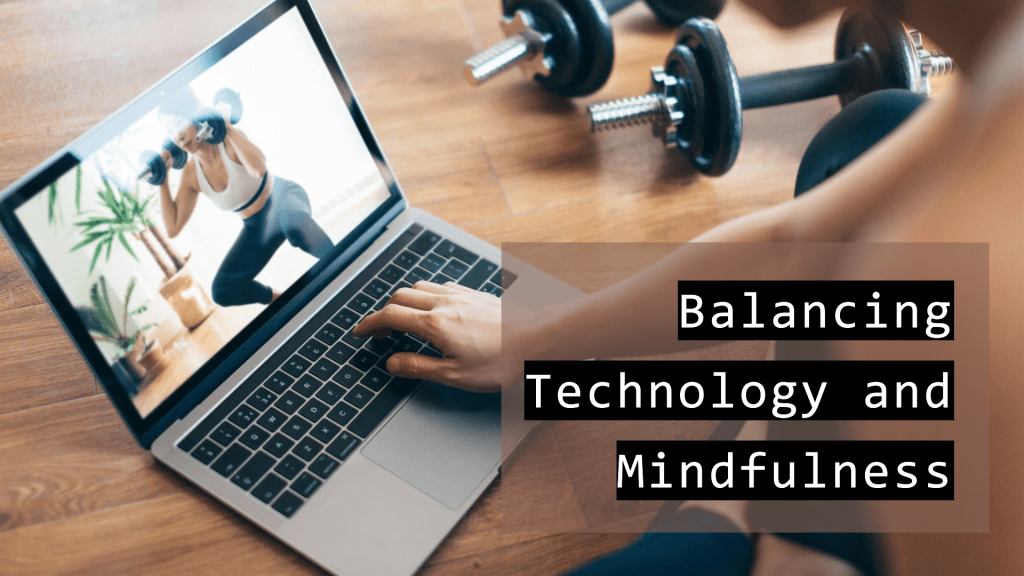
Holistic Wellness for the Digital Age: Balancing Technology and Mindfulness

In today’s world, technology surrounds us—phones, laptops, and smart devices are integral parts of our daily lives. While these tools offer convenience and connectivity, they can also contribute to stress, anxiety, and burnout. But what if there was a way to merge our digital existence with wellness? Holistic wellness for the digital age focuses on finding balance between using technology and maintaining mindfulness, helping us thrive in both realms without compromising well-being.

The Digital Dilemma: How Technology Impacts Wellness

Technology has brought many benefits, but it has also introduced new challenges. Prolonged screen time, social media overload, and the constant pressure to be available 24/7 can take a toll on our mental and physical health. Research has shown that excessive technology use can contribute to sleep problems, anxiety, and even depression.

Yet, technology doesn’t have to be the enemy. When used mindfully, it can actually enhance our well-being. The key is to find a balance between engaging with the digital world and nurturing our mental, emotional, and physical health.

The Intersection of Technology and Holistic Wellness

Holistic wellness takes a mind-body-spirit approach to health, focusing on balance and harmony. When applied to the digital age, it means integrating technology in ways that support rather than hinder our well-being. Here’s how:

  1. Mindful Use of Technology Practicing mindfulness with technology involves being present and intentional about how we use our devices. This could mean setting boundaries around screen time or being selective about what content we engage with.
    • Tip: Try scheduling “digital detox” periods during the day, where you completely unplug and focus on being present in the moment. Start small, like a 30-minute detox before bed.
  2. Digital Tools for Wellness While excessive tech use can be harmful, there are countless digital tools designed specifically to enhance well-being. Meditation apps, fitness trackers, and mental health platforms can help you stay grounded and connected to your health.
    • Tip: Incorporate wellness apps like Headspace for meditation, Sleep Cycle for better sleep, or Fitbit to track physical activity and ensure you’re staying active.
  3. Digital Boundaries for Mental Health Constant connectivity can lead to burnout and overwhelm. Setting digital boundaries is crucial for maintaining balance in the digital age. This could include limiting notifications, scheduling breaks from screens, or creating a tech-free zone in your home.
    • Tip: Use apps like Forest that encourage you to stay focused and off your phone by rewarding you with a growing tree for every period of focus.

How to Balance Technology with Mindfulness

Finding balance in the digital age means being intentional about how we use technology while prioritizing mindfulness and holistic wellness practices. Here are some actionable steps you can take:

  1. Create a Morning Ritual Without Technology Start your day with mindfulness instead of reaching for your phone. This can include a short meditation, journaling, or simply sitting quietly with a cup of tea. By starting the day in a calm and intentional way, you set the tone for more mindful interactions with technology.
  2. Use Technology as a Tool for Wellness, Not a Distraction Choose technology that supports your wellness journey. Meditation apps, fitness trackers, and nutrition planners can all be valuable tools in staying on top of your health goals. However, make sure these tools enhance your life rather than distract from it.
  3. Practice Digital Minimalism Digital minimalism is the practice of curating your digital life by removing unnecessary apps, notifications, and distractions. Focus on the essentials and get rid of what doesn’t serve your well-being.
  4. Take Regular Breaks Regular breaks from screens are essential for maintaining your mental and physical health. Every 60 minutes, step away from your device for a few minutes. Use this time to stretch, walk, or practice deep breathing.
  5. Implement a Digital Detox Routine Consider scheduling regular digital detoxes—periods where you disconnect from technology entirely. This could be a few hours each week or a whole weekend every month, allowing you to recharge and reconnect with yourself.
  6. Use Blue Light Blockers for Screen Time The blue light emitted from screens can disrupt your sleep and strain your eyes. Use blue light filter apps, wear blue light blocking glasses, or adjust the settings on your devices to reduce eye strain and improve your sleep cycle.

The Future of Wellness in a Digital World

As technology continues to evolve, so too does our relationship with it. More wellness-focused innovations are emerging, like virtual reality meditation spaces and AI-driven health tools, offering new ways to enhance our well-being. The future of wellness in the digital age lies in our ability to balance technological advancements with mindfulness and holistic health practices.

By embracing a mindful approach to technology, we can harness its benefits while minimizing the negative effects. The digital age doesn’t have to be a barrier to wellness—when approached with intention, it can be a powerful tool for cultivating balance, health, and harmony.

Conclusion

Holistic wellness in the digital age is about striking the right balance between our technological world and our inner well-being. By practicing mindfulness with technology, setting boundaries, and using digital tools to support our health, we can create a harmonious relationship with the devices that dominate our lives. In doing so, we open the door to a healthier, more balanced way of living—one that embraces the best of both worlds.


For more insights into balancing modern life with mindful practices, check out my book, The Mindful Executive: https://www.amazon.com/dp/B0D75YJCLW.
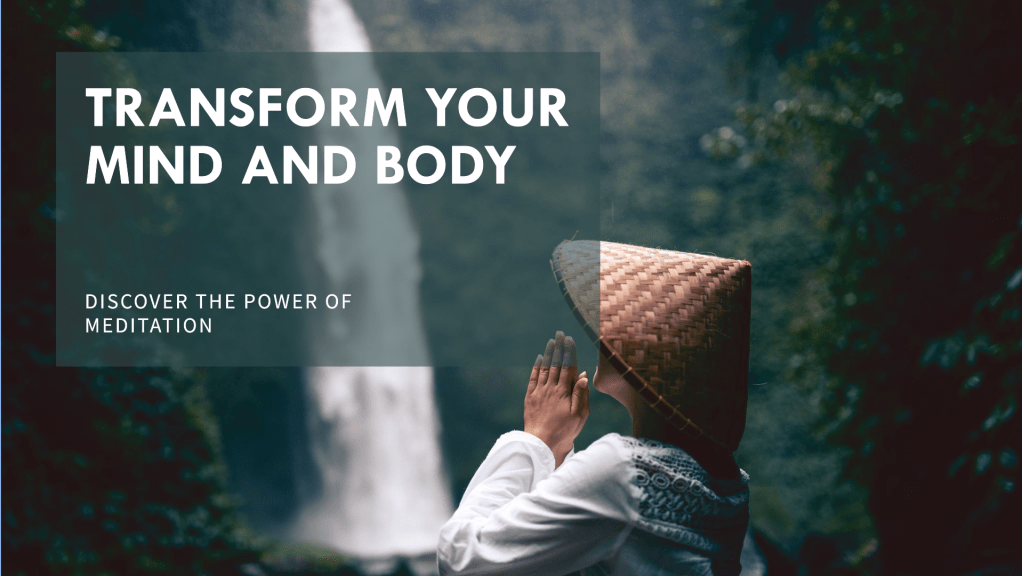

The Mindful Path: Transforming Your Mind and Body through Meditation

Meditation is a powerful tool for enhancing both mental and physical well-being. Whether you’re looking to reduce stress, improve focus, or simply cultivate a greater sense of inner peace, the practice of meditation offers numerous benefits. Here, we explore how regular meditation can positively impact your mind and body, providing a holistic approach to health.

1. Reduces Stress and Anxiety

Meditation is widely recognized for its ability to reduce stress and anxiety. By focusing on the breath and being present in the moment, meditation helps calm the mind, lower cortisol levels, and decrease overall stress. Over time, regular practice can lead to a more relaxed state of being, helping you manage life’s challenges with greater ease.

2. Enhances Emotional Health

Meditation encourages mindfulness, which allows you to become more aware of your thoughts and emotions without judgment. This increased awareness can lead to better emotional regulation and a more positive outlook on life. Studies have shown that mindfulness meditation can reduce symptoms of depression and increase overall well-being.

3. Improves Concentration and Attention

One of the key benefits of meditation is its ability to enhance concentration and attention. By training the mind to focus on a single point of reference, such as the breath, you can improve your ability to concentrate on tasks and reduce distractions. This heightened focus can lead to greater productivity and efficiency in daily life.

4. Promotes Better Sleep

Meditation can also improve the quality of your sleep. By practicing mindfulness or deep relaxation techniques before bed, you can quiet the mind, release tension, and prepare your body for restful sleep. Over time, regular meditation can help alleviate insomnia and other sleep disorders, leading to more restorative nights.

5. Boosts Physical Health

The benefits of meditation extend beyond the mind. Regular practice has been linked to a variety of physical health benefits, including lower blood pressure, improved heart health, and a stronger immune system. By reducing stress and promoting relaxation, meditation supports the body’s natural healing processes.

6. Encourages Self-Awareness

Meditation fosters a deeper connection with yourself. As you practice, you become more aware of your thoughts, feelings, and behaviors. This increased self-awareness can help you make healthier choices, break negative patterns, and cultivate a greater sense of self-compassion.

7. Supports Mind-Body Connection

Meditation strengthens the connection between the mind and body. By tuning into your bodily sensations and practicing mindfulness, you can develop a greater sense of harmony and balance. This mind-body connection is essential for overall well-being and can lead to a more holistic approach to health.

Conclusion

Incorporating meditation into your daily routine can have profound effects on both your mind and body. Whether you’re seeking stress relief, emotional balance, or improved physical health, meditation offers a path to greater well-being. Start with just a few minutes each day and gradually increase your practice as you become more comfortable. Over time, you’ll likely find that meditation becomes an integral part of your life, providing you with the tools you need to navigate life’s challenges with grace and ease.

Dream Big and Reach Your Goals: The Power of Holistic Wellness

Dreaming big is essential for achieving significant goals in life. Combining the principles of holistic wellness with goal-setting can enhance your journey toward success. This blog explores how to dream big and reach your goals through holistic wellness practices, featuring a real-life case study for inspiration.

Understanding Holistic Wellness

Holistic wellness considers the whole person—mind, body, and spirit—integrating various aspects of well-being to achieve a balanced and fulfilling life. It involves practices such as mindfulness, proper nutrition, physical activity, emotional well-being, and a positive mindset.

The Importance of Dreaming Big

Dreaming big involves setting ambitious goals that challenge and inspire you. It pushes you beyond your comfort zone and encourages growth and innovation.

Benefits of Dreaming Big:

  • Increased Motivation: Ambitious goals provide a sense of purpose and drive.
  • Personal Growth: Challenging goals foster continuous learning and development.
  • Enhanced Creativity: Thinking big encourages innovative ideas and solutions.
  • Long-Term Fulfillment: Achieving significant goals leads to lasting satisfaction and success.

How to Dream Big and Achieve Your Goals

1. Set Clear, Ambitious Goals

Define your big dreams clearly. Write them down and make sure they are specific, measurable, achievable, relevant, and time-bound (SMART).

2. Visualize Success

Spend time each day visualizing your goals. Imagine the details and emotions associated with achieving them. Visualization strengthens your belief and keeps you focused.

3. Develop a Holistic Wellness Routine

Incorporate holistic wellness practices into your daily life to support your journey:

  • Mindfulness: Practice meditation and mindfulness to reduce stress and enhance focus.
  • Nutrition: Maintain a balanced diet rich in nutrients to fuel your body and mind.
  • Exercise: Engage in regular physical activity to boost energy and resilience.
  • Emotional Health: Foster positive relationships and seek emotional support when needed.
  • Positive Thinking: Use affirmations and positive self-talk to maintain a positive mindset.

4. Create a Vision Board

A vision board is a visual representation of your goals. Include images, quotes, and symbols that resonate with your dreams. Place your vision board somewhere visible to keep your goals top of mind.

5. Take Consistent Action

Break down your big goals into smaller, actionable steps. Take consistent action towards these steps, and celebrate small victories along the way.

6. Stay Persistent and Adaptable

Stay committed to your goals, even when faced with challenges. Be adaptable and willing to adjust your plans as needed.

Case Study: Oprah Winfrey’s Journey

Oprah Winfrey is a prime example of dreaming big and achieving success through holistic wellness. From a challenging childhood, she dreamed of making a significant impact. Oprah combined her big dreams with holistic wellness practices, including mindfulness, positive thinking, and continuous learning.

Her commitment to holistic wellness helped her build resilience and maintain focus. Today, Oprah is a globally recognized media mogul, philanthropist, and advocate for well-being, demonstrating the power of dreaming big and integrating holistic wellness into one’s life.

Call to Action

Dream big and reach your goals by incorporating holistic wellness practices into your daily routine. Visit Holistic Wellness Guide for more tips and insights on achieving your dreams and leading a balanced life.

#DreamBig #GoalSetting #HolisticWellness #Motivation #Mindfulness #Success #PersonalDevelopment #WellBeing #PositiveThinking #HealthyLifestyle

Start Your Day with Positive Affirmations: A Guide to Morning Affirmations

Starting your day with positive affirmations can set the tone for a productive and happy day. Affirmations are powerful tools that help cultivate a positive mindset and boost self-confidence. Here’s a guide on how to incorporate morning affirmations into your daily routine.

What are Affirmations?

Affirmations are positive statements that can help you challenge and overcome negative thoughts. When you repeat them regularly and believe in them, you can start to make positive changes in your life.

Benefits of Morning Affirmations

  1. Boosts Self-Esteem: Affirmations can help increase your self-worth and confidence.
  2. Reduces Stress: Positive affirmations can help you manage stress and reduce anxiety.
  3. Enhances Focus: Starting your day with affirmations helps set a positive tone and keeps you focused on your goals.
  4. Improves Mood: Affirmations can lift your spirits and improve your overall mood.

How to Practice Morning Affirmations

1. Find a Quiet Space

Choose a quiet place where you won’t be disturbed. This could be your bedroom, a cozy corner, or any place where you feel comfortable and relaxed.

2. Use a Mirror

Stand in front of a mirror and look into your eyes as you say your affirmations. This helps reinforce the positive message and makes the practice more personal.

3. Speak with Conviction

Say your affirmations with confidence and belief. The more conviction you have, the more effective the affirmations will be.

4. Be Consistent

Practice your affirmations daily. Consistency is key to making affirmations a powerful habit.

Examples of Morning Affirmations

  1. “I am confident and capable.”
  2. “Today is going to be a great day.”
  3. “I am grateful for all the positive things in my life.”
  4. “I am in control of my thoughts and emotions.”
  5. “I am worthy of love and respect.”

Incorporating Affirmations into Your Routine

1. Write Them Down

Keep a journal of your favorite affirmations. Writing them down can help reinforce the positive messages.

2. Use Technology

Set reminders on your phone or use an affirmation app to prompt you throughout the day.

3. Pair with Other Routines

Incorporate affirmations into your existing morning routine. Say them while brushing your teeth, making breakfast, or during your commute.

Call to Action

Start your day with positive affirmations to boost your confidence and set a positive tone for the day. Visit Holistic Wellness Guide for more tips and insights on practicing affirmations and leading a balanced life.

#MorningAffirmations #PositiveThinking #SelfCare #Mindfulness #MentalHealth #DailyRoutine #PersonalDevelopment #WellBeing #HolisticWellness

How to Live Longer and Happier: Incorporate These Habits into Your Daily Life

Living a long and happy life is a goal for many. By incorporating specific habits into your daily routine, you can enhance your well-being and longevity. Here are some practical steps to help you achieve a healthier, more joyful life.

1. Maintain a Balanced Diet

Eating a balanced diet rich in fruits, vegetables, whole grains, and lean proteins supports overall health and longevity. Foods high in antioxidants, vitamins, and minerals boost your immune system and prevent chronic diseases. Learn more about healthy eating.

2. Stay Physically Active

Regular physical activity is crucial for maintaining a healthy body and mind. Aim for at least 150 minutes of moderate aerobic exercise or 75 minutes of vigorous exercise each week. Activities like walking, swimming, and cycling are excellent for cardiovascular health. Explore exercise tips.

3. Practice Mindfulness and Meditation

Mindfulness and meditation reduce stress, enhance emotional well-being, and improve focus. Dedicate a few minutes each day to practice deep breathing, meditation, or mindfulness exercises. Discover mindfulness practices.

4. Get Adequate Sleep

Quality sleep is essential for physical and mental health. Aim for 7-9 hours of sleep each night. Establish a regular sleep schedule and create a restful environment to improve sleep quality. Read about sleep hygiene.

5. Stay Hydrated

Drinking enough water is vital for maintaining bodily functions, energy levels, and overall health. Aim to drink at least 8 glasses of water a day. Hydration supports digestion, skin health, and cognitive function. Understand the importance of hydration.

6. Foster Strong Relationships

Healthy relationships contribute to emotional well-being and longevity. Spend time with loved ones, engage in meaningful conversations, and participate in social activities. Strong social connections reduce stress and improve happiness. Learn about the benefits of social connections.

7. Keep Your Mind Active

Engage in activities that challenge your brain, such as reading, puzzles, learning new skills, or playing musical instruments. Mental stimulation keeps your brain healthy and may reduce the risk of cognitive decline. Explore brain-boosting activities.

8. Manage Stress Effectively

Chronic stress can negatively impact your health. Practice stress management techniques such as yoga, meditation, deep breathing, or hobbies you enjoy. Managing stress improves your mood and overall health. Discover stress management techniques.

9. Avoid Harmful Habits

Avoid smoking, excessive alcohol consumption, and other harmful behaviors. These habits can lead to serious health issues and reduce your lifespan. Focus on adopting healthier alternatives and seek support if needed. Read about quitting smoking.

10. Regular Health Check-ups

Regular health check-ups help detect potential health issues early. Schedule routine visits with your healthcare provider for screenings, vaccinations, and overall health assessments. Understand the importance of regular check-ups.

Call to Action

Incorporate these habits into your daily life to enhance your well-being and longevity. Visit Holistic Wellness Guide for more tips and insights on living a long and happy life.

Start Your Meditation Journey: A Comprehensive Guide

Meditation is a powerful practice that can help reduce stress, enhance focus, and improve overall well-being. Here’s a detailed guide to help you start your meditation journey.

Understanding Meditation

Meditation is a practice where an individual uses techniques such as mindfulness or focusing the mind on a particular object, thought, or activity to train attention and awareness, and achieve a mentally clear and emotionally calm state.

Benefits of Meditation

  1. Reduces Stress: Meditation helps manage stress by lowering the levels of cortisol, the stress hormone, in the body.
  2. Enhances Focus: Regular meditation improves concentration and attention span.
  3. Improves Emotional Health: Meditation can lead to improved self-image and a more positive outlook on life.
  4. Promotes Sleep: Practicing meditation can help control the runaway thoughts that can interfere with sleep.

Getting Started with Meditation

1. Create a Comfortable Space

Find a quiet place where you won’t be disturbed. Set up a comfortable cushion or chair, and consider adding calming elements like candles, plants, or soft lighting.

2. Choose a Time

Select a time of day that works best for you. Many people find that meditating first thing in the morning or before bed helps to create a routine.

3. Start with Short Sessions

Begin with just a few minutes each day and gradually increase the duration as you become more comfortable with the practice.

4. Focus on Your Breath

One of the simplest ways to start meditating is to focus on your breath. Close your eyes and take slow, deep breaths, paying attention to the sensation of the air entering and leaving your body.

5. Use Guided Meditations

Guided meditations can be particularly helpful for beginners. There are many apps and online resources that offer free guided meditation sessions.

Meditation Techniques

1. Mindfulness Meditation

This technique involves being fully present in the moment. Focus on your breath, bodily sensations, and thoughts, acknowledging them without judgment.

2. Loving-Kindness Meditation

Also known as Metta meditation, this practice involves directing positive energy and thoughts towards yourself and others. Start by wishing yourself well and then extend those wishes to loved ones, acquaintances, and even those with whom you have conflicts.

3. Body Scan Meditation

In this practice, you systematically focus on different parts of your body, starting from your toes and working your way up to your head. This helps promote relaxation and awareness of bodily sensations.

4. Mantra Meditation

This involves repeating a word or phrase (mantra) to help focus the mind. The mantra can be spoken aloud or silently in your mind.

Overcoming Common Challenges

1. Wandering Mind

It’s normal for your mind to wander during meditation. When it happens, gently bring your focus back to your breath or chosen point of focus.

2. Physical Discomfort

Find a comfortable position that you can maintain for the duration of your meditation. Use cushions or props to support your body.

3. Consistency

Building a meditation habit takes time. Be patient with yourself and try to practice regularly, even if it’s just for a few minutes each day.

Call to Action

Start your meditation journey today to experience the numerous benefits for your mind and body. Visit Holistic Wellness Guide for more tips and insights on practicing meditation.

#MeditationJourney, #Mindfulness, #StressReduction, #EmotionalHealth, #Focus, #WellBeing, #MeditationTechniques, #HealthyLiving, #MentalClarity, #HolisticWellness

The Role of Holistic Health in Managing Work-Related Stress

Work-related stress is a significant issue that affects employee well-being and organizational productivity. By integrating holistic health practices into the workplace, companies can help employees manage stress more effectively, leading to a healthier and more engaged workforce.

Understanding Work-Related Stress

Work-related stress arises from various factors, including high workloads, tight deadlines, and workplace conflicts. Chronic stress can lead to physical and mental health issues, reducing employee performance and increasing absenteeism.

Benefits of Holistic Health for Stress Management

Physical Health: Regular physical activity, such as yoga, tai chi, and walking, helps reduce stress by releasing endorphins and promoting relaxation. Encouraging employees to participate in physical activities can significantly lower stress levels.

Mental Well-Being: Mindfulness practices, including meditation and deep breathing exercises, improve mental clarity and reduce anxiety. These techniques help employees stay focused and calm, even in high-pressure situations.

Emotional Balance: Providing access to counseling services and stress management workshops supports emotional well-being. Employees who can manage their emotions are better equipped to handle workplace challenges.

Spiritual Health: Encouraging practices that promote spiritual well-being, such as spending time in nature or engaging in purposeful activities, helps employees find meaning and purpose in their work, reducing stress and enhancing job satisfaction.

Implementing Holistic Health Practices for Stress Management

Develop a Wellness Program: Create a comprehensive wellness program that includes physical, mental, emotional, and spiritual health components. Offer activities such as yoga classes, meditation sessions, and stress management workshops.

Encourage Mindfulness: Incorporate mindfulness practices into the daily routine. Provide resources such as guided meditation apps or organize mindfulness training sessions.

Promote Physical Activity: Encourage employees to engage in regular physical activity by providing fitness facilities, organizing walking meetings, or offering fitness classes. Physical activity boosts energy and reduces stress.

Support Emotional Well-Being: Offer resources for emotional support, such as counseling services and emotional intelligence training. A supportive environment fosters emotional balance and resilience.

Create a Positive Work Environment: Foster a work culture that values health and well-being. Encourage open communication, recognize employee achievements, and provide a safe space for employees to express themselves.

Case Study: Successful Stress Management through Holistic Health

A financial services company implemented a holistic wellness program that included weekly yoga classes, daily mindfulness sessions, and access to counseling services. Employees reported lower stress levels, improved mental clarity, and higher job satisfaction. The company observed a significant reduction in absenteeism and an increase in overall productivity.

Challenges and Solutions

Employee Buy-In: Some employees may be skeptical about holistic health practices. Provide education on the benefits and share success stories to build enthusiasm.

Resource Allocation: Implementing a comprehensive wellness program can require significant resources. Start with small initiatives and gradually expand the program as resources allow.

Maintaining Consistency: Consistency is key to reaping the benefits of holistic health. Encourage regular participation through reminders, incentives, and leadership support.

Call to Action

Integrate holistic health practices into your workplace to help employees manage stress effectively and enhance their well-being. Visit Holistic Wellness Guide for more insights and tips on promoting holistic health in the workplace.

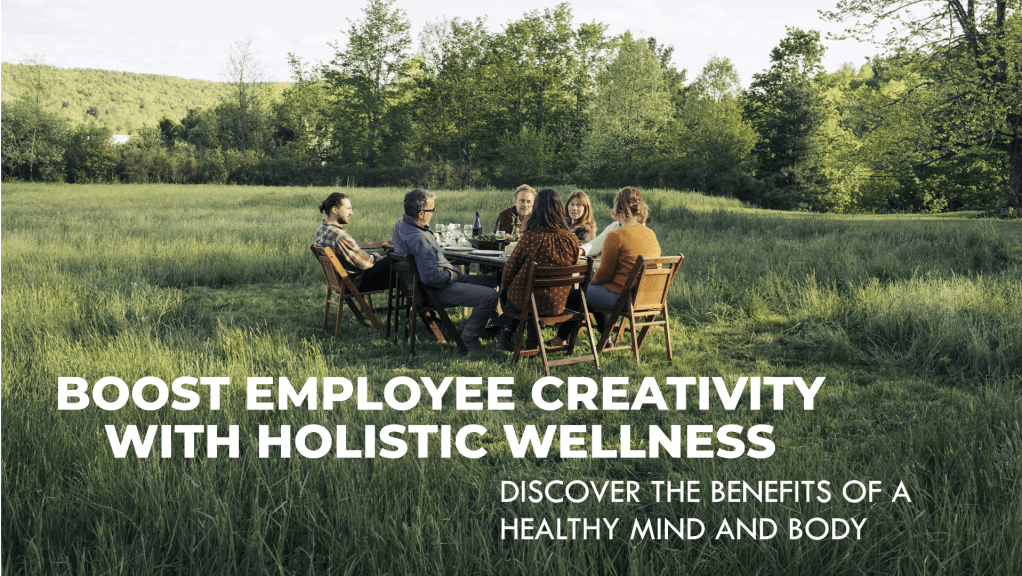
How Holistic Wellness Enhances Employee Creativity and Innovation

In today’s fast-paced business world, fostering creativity and innovation is essential for maintaining a competitive edge. Integrating holistic wellness practices into the workplace can significantly enhance employees’ creative and innovative capacities, leading to groundbreaking ideas and solutions.

Understanding Holistic Wellness and Creativity

Holistic wellness involves a comprehensive approach to health, addressing physical, mental, emotional, and spiritual well-being. When employees are healthy and balanced in these areas, they are more likely to think creatively and innovate effectively.

Benefits of Holistic Wellness for Creativity and Innovation

Enhanced Mental Clarity: Holistic practices like meditation and mindfulness improve mental clarity and focus. Employees with clear minds can think more creatively and develop innovative solutions to problems.

Reduced Stress: High stress levels can stifle creativity. Practices such as yoga, deep breathing exercises, and regular physical activity reduce stress, allowing employees to think more freely and creatively.

Increased Energy Levels: A balanced diet, adequate sleep, and regular exercise boost energy levels. Energized employees are more likely to engage in creative thinking and innovation.

Emotional Balance: Emotional well-being is crucial for creativity. When employees feel emotionally balanced, they are more open to new ideas and can think more divergently.

Spiritual Fulfillment: Practices that promote spiritual health, such as spending time in nature or engaging in purposeful activities, enhance employees’ sense of fulfillment and purpose. This can lead to more innovative thinking and a greater willingness to take creative risks.

Implementing Holistic Wellness to Foster Creativity

Create a Wellness Program: Develop a comprehensive wellness program that includes physical, mental, emotional, and spiritual health components. Offer activities such as yoga classes, meditation sessions, and nutrition workshops.

Encourage Mindfulness Practices: Incorporate mindfulness practices into the daily routine. This could include short meditation breaks, mindfulness workshops, or providing access to mindfulness apps.

Promote Physical Activity: Encourage regular physical activity by providing fitness facilities, organizing walking meetings, or offering fitness classes. Physical activity boosts energy and mental clarity.

Support Emotional Well-Being: Provide resources for emotional support, such as counseling services, stress management workshops, and emotional intelligence training. A supportive environment fosters emotional balance and creativity.

Foster a Positive Work Environment: Create a work culture that values creativity and innovation. Encourage open communication, celebrate creative ideas, and provide a safe space for employees to express themselves.

Provide Time for Reflection: Allow employees time for reflection and relaxation. This can be achieved through quiet spaces, flexible work schedules, or designated “innovation time” where employees can work on creative projects.

Case Study: Holistic Wellness Boosting Creativity

A leading design firm implemented a holistic wellness program that included daily meditation sessions, weekly yoga classes, and regular mindfulness workshops. The program also offered access to nutritionists and mental health counselors. As a result, the firm saw a significant increase in creative output and innovation. Employees reported feeling more energized, less stressed, and more open to new ideas. The company’s innovative solutions and designs received industry recognition and awards.

Challenges and Solutions

Employee Buy-In: Some employees may be skeptical about holistic wellness practices. Provide education on the benefits and share success stories to build enthusiasm.

Resource Allocation: Implementing a comprehensive wellness program can require significant resources. Start with small initiatives and gradually expand the program as resources allow.

Maintaining Consistency: Consistency is key to reaping the benefits of holistic wellness. Encourage regular participation through reminders, incentives, and leadership support.

Call to Action

Integrate holistic wellness practices into your workplace to enhance employee creativity and innovation. Visit Holistic Wellness Guide for more insights and tips on fostering a creative and healthy work environment.

Integrating Holistic Wellness Practices into Remote Work for Enhanced Productivity

In today’s competitive business environment, companies are continuously seeking innovative ways to enhance employee productivity and engagement. Integrating holistic wellness practices into remote work environments can significantly enhance productivity, reduce stress, and improve overall employee satisfaction.

The Concept of Holistic Wellness in Remote Work

Holistic wellness encompasses a comprehensive approach to health, addressing physical, mental, emotional, and spiritual well-being. For remote workers, integrating these practices can create a balanced and supportive work environment.

Benefits of Holistic Wellness Practices in Remote Work

Enhanced Focus and Concentration: Incorporating mindfulness practices, such as meditation and deep breathing exercises, helps remote workers maintain focus and improve concentration. Starting the day with a few minutes of mindfulness can set a positive tone and enhance productivity.

Improved Mental Health: Remote work can sometimes lead to feelings of isolation and burnout. Encouraging regular mental health check-ins, virtual support groups, and access to counseling services can provide essential emotional support.

Physical Well-Being: Promote physical activity through virtual fitness classes, stretching exercises, and encouraging regular breaks to move and stretch. This can help prevent the physical strain associated with prolonged sitting and improve overall health.

Better Work-Life Balance: Encourage employees to establish clear boundaries between work and personal life. Flexible work hours, scheduled breaks, and promoting the importance of taking time off can help maintain a healthy work-life balance.

Increased Employee Engagement: Wellness programs that include team-building activities, virtual social events, and wellness challenges can foster a sense of community and improve employee engagement. Engaged employees are more likely to be productive and committed to their work.

Implementing Holistic Wellness Practices in Remote Work

Define Wellness Goals: Start by identifying the wellness needs and goals of your remote workforce. Conduct surveys or virtual focus groups to gather input and tailor your wellness program accordingly.

Create a Wellness Calendar: Develop a monthly wellness calendar that includes virtual fitness classes, meditation sessions, and mental health workshops. Share this calendar with employees and encourage participation.

Provide Resources: Offer access to online wellness resources, such as fitness apps, guided meditation, and mental health support services. Ensure that these resources are easily accessible to all employees.

Encourage Regular Breaks: Promote the importance of taking regular breaks throughout the day. Encourage employees to step away from their desks, stretch, and recharge to maintain productivity.

Foster Social Connections: Organize virtual team-building activities, social events, and wellness challenges to foster a sense of community. These activities can help alleviate feelings of isolation and improve team dynamics.

Case Study: Successful Integration of Wellness Practices in Remote Work

A global marketing firm recently implemented a comprehensive wellness program for their remote workforce. The program included daily virtual yoga classes, weekly mindfulness sessions, and monthly mental health workshops. Employees reported increased focus, reduced stress, and improved overall well-being. The company saw a noticeable boost in productivity and employee satisfaction.

Challenges and Solutions

Maintaining Engagement: Keeping remote employees engaged in wellness activities can be challenging. Use regular reminders, incentives, and positive reinforcement to encourage participation.

Accessibility: Ensure that wellness resources are accessible to all employees, regardless of their location. Provide options that accommodate different time zones and preferences.

Balancing Workload: Help employees balance their workload with wellness activities by promoting flexible work hours and respecting personal time.

Call to Action

Integrate holistic wellness practices into your remote work strategy to enhance productivity, improve employee well-being, and create a supportive work environment. Visit Holistic Wellness Guide for more tips and insights on promoting wellness in the workplace.

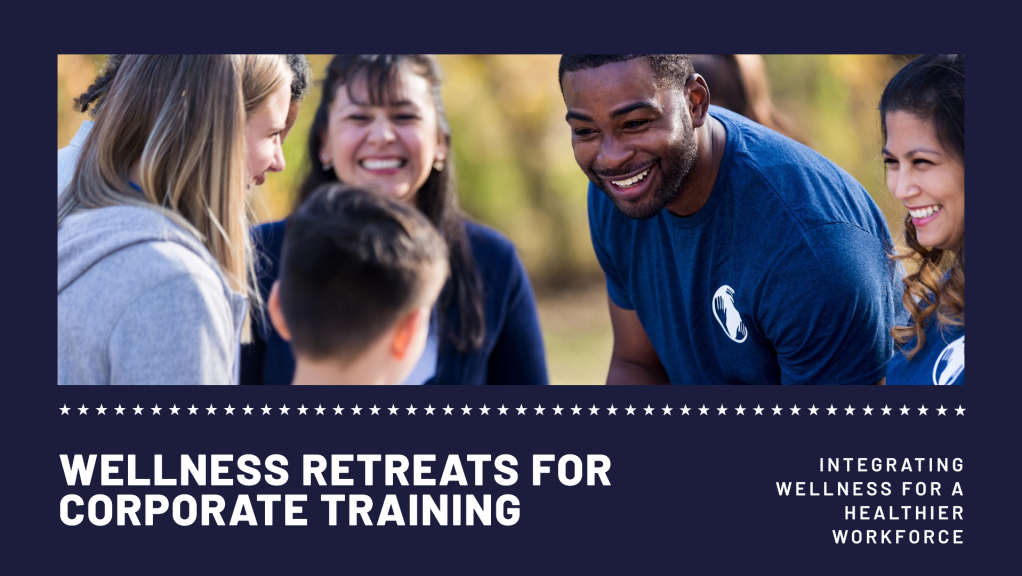
The Power of Integrating Wellness Retreats into Corporate Training Programs

In today’s competitive business environment, companies are continuously seeking innovative ways to enhance employee productivity and engagement. One emerging trend is the integration of wellness retreats into corporate training programs. These retreats offer a holistic approach to professional development, combining skill-building sessions with activities that promote physical, mental, and emotional well-being.

The Concept of Wellness Retreats

Wellness retreats are designed to provide a comprehensive experience that rejuvenates and educates participants. These retreats typically include a variety of activities such as yoga, meditation, nutrition workshops, and team-building exercises. By integrating wellness practices into corporate training, companies can create a more balanced and enriching experience for their employees.

Benefits of Wellness Retreats in Corporate Training

  1. Enhanced Learning and Retention
    • Wellness retreats create an immersive learning environment free from daily distractions. The combination of physical activity and mental relaxation techniques helps improve focus and retention of new information. Employees return to work with a refreshed mindset and a deeper understanding of the training content.
  2. Improved Employee Well-Being
    • Incorporating wellness activities such as yoga and meditation helps reduce stress and promote mental clarity. These practices not only enhance physical health but also improve emotional resilience. Employees who feel better are more likely to be productive and engaged in their work.
  3. Stronger Team Dynamics
    • Wellness retreats often include team-building exercises that foster better communication and collaboration among employees. Shared experiences outside the usual work environment help build trust and camaraderie, leading to a more cohesive team.
  4. Increased Creativity and Innovation
    • A change of scenery and the inclusion of creative activities can stimulate innovative thinking. Employees are encouraged to think outside the box and come up with novel solutions to business challenges. This creative boost can be particularly beneficial for companies looking to stay ahead in their industry.
  5. Attraction and Retention of Talent
    • Offering unique professional development opportunities such as wellness retreats can make a company more attractive to top talent. Employees appreciate organizations that invest in their well-being and growth. This can lead to higher retention rates and a more motivated workforce.

Implementing Wellness Retreats in Corporate Training

  1. Define Objectives
    • Clearly outline the goals of the retreat. Whether it’s skill development, team building, or stress reduction, having clear objectives will help design a program that meets your company’s needs.
  2. Choose the Right Location
    • Select a location that provides a peaceful and inspiring environment. Natural settings such as mountains, beaches, or countryside retreats can enhance the wellness experience.
  3. Incorporate a Variety of Activities
    • Balance work-related training sessions with wellness activities. This could include yoga, meditation, nature walks, and nutrition workshops. Ensure there is time for relaxation and reflection.
  4. Engage Professional Facilitators
    • Hire experienced trainers and wellness professionals to lead the sessions. Their expertise will ensure that the activities are effective and engaging.
  5. Gather Feedback
    • After the retreat, gather feedback from participants to assess the effectiveness of the program. Use this feedback to make improvements for future retreats.

Case Study: A Successful Wellness Retreat

A leading tech company recently implemented a wellness retreat as part of their leadership development program. The retreat took place at a serene mountain resort and included a mix of leadership training, mindfulness workshops, and outdoor activities. The participants reported increased focus, reduced stress, and a stronger sense of team cohesion. The company observed a noticeable improvement in employee morale and productivity following the retreat.

Challenges and Solutions

  1. Cost Considerations
    • Wellness retreats can be expensive. To manage costs, consider local destinations or shorter retreats. Partnering with wellness providers can also offer cost-effective solutions.
  2. Scheduling Conflicts
    • Finding a time that works for all participants can be challenging. Plan well in advance and consider scheduling retreats during off-peak seasons to minimize disruptions.
  3. Employee Buy-In
    • Some employees may be skeptical about the benefits of wellness retreats. Communicate the goals and benefits clearly, and consider offering testimonials from past participants to build enthusiasm.

Call to Action

Integrate wellness retreats into your corporate training programs to enhance employee well-being, boost productivity, and foster a positive workplace culture. Visit Holistic Wellness Guide for more insights and tips on creating a balanced and enriching work environment.