
Biohacking with Nature: Ancient Wisdom Meets Modern Wellness Technology

In a world where the line between technology and health is becoming increasingly blurred, there’s an exciting movement that’s taking wellness to new heights: biohacking. While this might conjure up images of futuristic gadgets and extreme diets, biohacking is also deeply rooted in ancient wisdom. By blending the time-tested practices of holistic health—like herbal remedies, meditation, and energy healing—with cutting-edge wellness technology, you can optimize your body and mind for peak performance. This integration of ancient and modern practices offers a unique path to ultimate well-being.

What Is Biohacking?

At its core, biohacking is the practice of making small, strategic changes to your body and lifestyle to enhance your overall health and well-being. These hacks range from dietary adjustments and sleep optimization to more advanced practices like wearable tech and cold therapy. The beauty of biohacking lies in its flexibility—you can mix and match what works for you, creating a personalized wellness routine.

But what makes it truly powerful is its overlap with holistic wellness, where the aim is not just physical optimization, but balance and harmony within the body.

Ancient Biohacks: The Wisdom of Holistic Practices

Before there were wearable devices or supplements designed to boost cognitive function, ancient cultures had their own ways of optimizing health and longevity. These time-tested practices are now being recognized for their biohacking potential:

  • Ayurveda: This ancient Indian system of medicine emphasizes balance through diet, exercise, and mindfulness. Ayurveda also utilizes adaptogenic herbs, like Ashwagandha, to manage stress—a natural biohack for modern lives.
  • Traditional Chinese Medicine (TCM): Practices like acupuncture, herbal medicine, and Qigong (a form of meditative movement) aim to balance the body’s energy (Qi). These methods work with the body’s natural healing processes, an early form of biohacking.
  • Indigenous Healing: Many indigenous cultures have long practiced natural medicine and healing, from using medicinal plants to incorporating rituals that align the mind, body, and spirit.

These ancient practices laid the foundation for modern biohacking by showing us how to tap into the body’s innate ability to heal and regenerate.

Modern Biohacking: The Tech-Savvy Approach to Wellness

In the digital age, biohacking has evolved into a sophisticated science that leverages technology to track and optimize various aspects of health. Some of the most popular modern biohacks include:

  • Wearable Technology: Devices like the Oura Ring or Fitbit help track your sleep, activity, and even heart rate variability (HRV), giving you real-time insights into your body’s needs. This data allows for personalized adjustments to sleep, fitness, and stress management.
  • Cold Therapy: Popularized by biohackers like Wim Hof, cold exposure (via ice baths or cryotherapy) activates the body’s natural defenses, boosting immunity and improving mental clarity.
  • Nootropics and Supplements: Biohackers often use brain-enhancing supplements, or nootropics, to boost focus, creativity, and mental stamina. These range from natural herbs like Rhodiola to more advanced stacks designed to optimize brain chemistry.

By combining these modern techniques with ancient practices, we create a biohacking system that is both holistic and highly personalized.

Bridging the Gap: How to Combine Ancient and Modern Biohacks

The key to unlocking your body’s full potential is to merge the wisdom of the past with the innovations of today. Here’s how you can integrate both:

  1. Start with the Basics: Mindfulness and Meditation Ancient practices like mindfulness and meditation are essential for grounding your biohacking efforts. By calming the mind and centering the body, you set the foundation for better health. Modern meditation apps like Headspace or Calm can enhance this practice with guided sessions tailored to your needs.
  2. Incorporate Adaptogens and Herbal Remedies Ancient herbal remedies, like those used in Ayurveda and TCM, can be combined with modern supplements to optimize your body’s stress response. Try using ashwagandha or holy basil as part of your daily routine to reduce cortisol levels and enhance mental clarity.
  3. Leverage Technology for Personalized Data Wearable devices allow you to monitor the effects of ancient practices on your health. Use a fitness tracker to see how meditation impacts your heart rate variability, or track your sleep cycles after taking adaptogens. This data-driven approach allows you to fine-tune your biohacking plan.
  4. Try Cold Exposure and Breathwork Cold therapy may sound modern, but it has roots in ancient practices. Indigenous cultures and Tibetan monks have used cold exposure and breathwork for centuries. Start small with cold showers and work your way up to ice baths, combining this practice with modern breathing techniques like those from the Wim Hof Method.
  5. Dietary Optimization with a Holistic Twist Combine intermittent fasting—a modern biohacking practice—with the principles of ancient diets like Ayurveda or TCM. Focus on balancing meals with seasonal foods and including medicinal herbs to enhance digestion and energy levels.

The Future of Biohacking: A Holistic Approach

As wellness continues to evolve, the future of biohacking is heading toward a more holistic approach. By incorporating ancient wisdom into modern wellness practices, we create a more sustainable and balanced way of optimizing health. This integration honors the body’s natural rhythms while leveraging technology to make wellness more accessible and personalized.

Conclusion

Biohacking isn’t just about high-tech gadgets and extreme diets—it’s about harnessing the best of both worlds: ancient wisdom and modern science. By blending practices like Ayurveda, TCM, and Indigenous healing with today’s technological advancements, we can create a powerful synergy that enhances our health, longevity, and overall well-being.

For more insights into the fusion of wellness and leadership, check out my book, The Mindful Executive: https://www.amazon.com/dp/B0D75YJCLW.

The Power of Mind-Body Connection: How Your Thoughts Influence Your Health

In today’s fast-paced world, the mind-body connection has become an essential topic of discussion among health enthusiasts, scientists, and spiritual leaders alike. The idea that our mental state can influence our physical health isn’t new, but it’s gaining more recognition and credibility as research continues to shed light on the profound impact our thoughts, emotions, and mental habits can have on our overall well-being.

1. Understanding the Mind-Body Connection

The mind-body connection is the concept that our thoughts, feelings, beliefs, and attitudes can positively or negatively affect our biological functioning. In other words, our minds have the power to influence our bodies, and vice versa. This connection is evident in everyday experiences — like how stress can lead to a headache or how a positive mindset can improve recovery from illness.

Research has shown that psychological stress can manifest physically, leading to various health problems, including heart disease, digestive issues, and a weakened immune system. Conversely, practices that promote mental well-being, such as mindfulness, meditation, and positive thinking, can enhance physical health and longevity.

2. The Science Behind the Connection

Several studies have explored how the mind-body connection works. For example, the field of psychoneuroimmunology examines how our mental and emotional states affect our immune system. When we’re stressed, our bodies release cortisol, a hormone that, in high levels, can suppress the immune system and increase the risk of disease.

Moreover, neuroplasticity — the brain’s ability to reorganize itself by forming new neural connections — plays a crucial role in how our thoughts and experiences shape our brain structure and function. Meditation and mindfulness practices have been shown to increase gray matter in the brain, improve emotional regulation, and reduce symptoms of anxiety and depression.

3. Practices to Strengthen the Mind-Body Connection

The good news is that there are several ways to enhance the mind-body connection and improve overall health. Here are some effective practices:

  • Mindfulness Meditation: Regular mindfulness meditation can help you become more aware of your thoughts and how they influence your emotions and physical sensations. This practice can reduce stress, improve focus, and enhance emotional resilience.
  • Breathwork: Controlled breathing exercises can help calm the nervous system, reduce stress, and improve mental clarity. Practices like diaphragmatic breathing, box breathing, or alternate nostril breathing are simple yet powerful tools to connect the mind and body.
  • Yoga: Yoga combines physical postures, breath control, and meditation to create a holistic practice that benefits both the mind and body. It has been shown to reduce stress, improve flexibility, and promote a sense of inner peace.
  • Journaling: Writing down your thoughts and feelings can help you process emotions and gain insight into how your mind influences your body. Journaling can also be a therapeutic practice for managing stress and anxiety.
  • Gratitude Practice: Focusing on gratitude can shift your mindset from negativity to positivity, which can have a profound impact on your physical health. Regularly acknowledging what you’re grateful for can improve your mood, boost your immune system, and even improve sleep quality.

4. Real-Life Examples of Mind-Body Healing

Many individuals have experienced profound healing through mind-body practices. For instance, cancer patients who incorporate mindfulness and meditation into their treatment plan often report reduced stress, less pain, and a better quality of life. Athletes, too, use visualization techniques to enhance their performance, demonstrating the powerful connection between the mind and physical capabilities.

5. Integrating Mind-Body Practices into Your Daily Life

It’s not necessary to overhaul your entire routine to benefit from the mind-body connection. Start small by incorporating one or two practices into your daily life:

  • Morning Mindfulness: Begin your day with a few minutes of mindfulness meditation to set a positive tone for the day.
  • Lunchtime Breathing Exercises: Take a few deep breaths before or after lunch to re-center and reduce stress.
  • Evening Journaling: Reflect on your day and jot down any thoughts or feelings that arise, helping you clear your mind before bed.

Conclusion

The mind-body connection is a powerful tool for enhancing overall health and well-being. By understanding and nurturing this connection, we can better manage stress, improve our physical health, and live more balanced, fulfilling lives. Start integrating these practices into your routine today and experience the transformative effects of a healthy mind-body relationship.

Call to Action: Ready to unlock the power of the mind-body connection? Visit our Holistic Wellness Guide for more tips, insights, and practices to help you achieve holistic health and well-being.

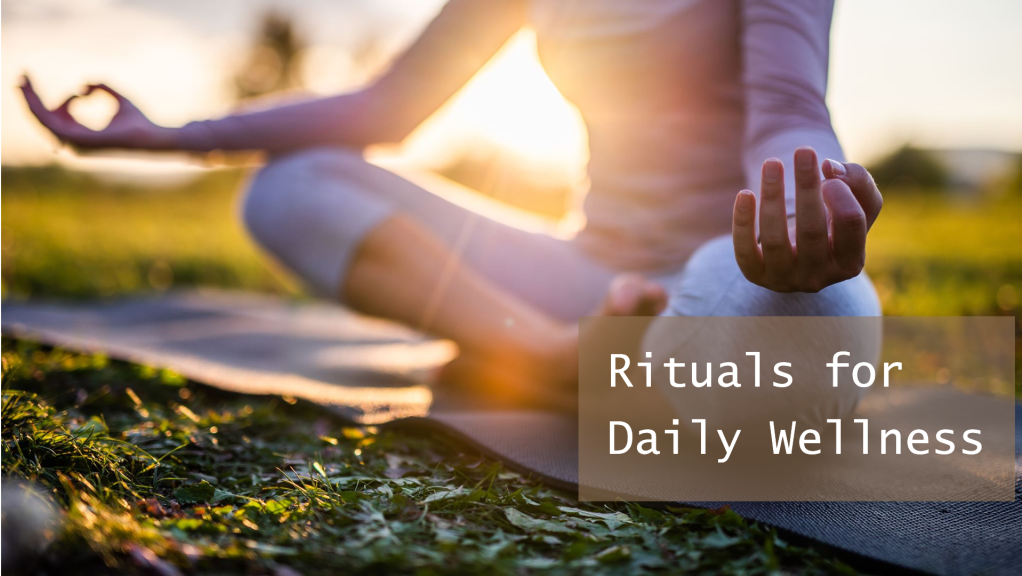
Harnessing the Power of Rituals for Daily Wellness

Rituals have been an integral part of human culture for centuries, providing structure, comfort, and meaning to our lives. In today’s fast-paced world, incorporating intentional rituals into your daily routine can significantly enhance your overall well-being. Whether it’s a morning ritual to set the tone for your day, a mindfulness practice to reduce stress, or an evening routine to wind down, the power of rituals lies in their ability to bring consistency, mindfulness, and balance to your life.

1. The Science Behind Rituals

Rituals are more than just repetitive actions; they have a profound impact on our psychological well-being. Studies have shown that rituals can reduce anxiety, increase confidence, and even improve performance. The act of performing a ritual, whether simple or complex, gives a sense of control and predictability in an otherwise chaotic world.

2. Morning Rituals: Starting the Day with Intention

How you start your day can set the tone for the rest of it. A well-crafted morning ritual can help you feel grounded, focused, and ready to tackle the day’s challenges. Consider incorporating activities such as:

  • Mindful Meditation: Spend 5-10 minutes focusing on your breath and setting an intention for the day.
  • Gratitude Journaling: Write down three things you’re grateful for each morning to cultivate a positive mindset.
  • Nourishing Breakfast: Prepare a healthy, balanced meal to fuel your body and mind.

3. Midday Rituals: Re-centering and Recharging

In the middle of a busy day, it’s easy to feel overwhelmed. Incorporating a midday ritual can help you re-center and recharge:

  • Breathwork: Take a few minutes to practice deep breathing exercises to calm your mind and body.
  • Stretching: A short stretching routine can relieve physical tension and increase your energy levels.
  • Mindful Eating: If possible, enjoy a lunch break away from your desk, focusing on the flavors and textures of your food.

4. Evening Rituals: Winding Down for Restful Sleep

Evening rituals are essential for signaling to your body that it’s time to wind down. Establishing a consistent evening routine can improve your sleep quality and overall health:

  • Digital Detox: Avoid screens at least an hour before bed to reduce blue light exposure and help your mind relax.
  • Relaxing Bath: A warm bath with Epsom salts or essential oils can soothe your muscles and prepare you for sleep.
  • Reflective Journaling: Write down your thoughts, worries, or achievements of the day to clear your mind before bed.

5. Weekly and Monthly Rituals: Long-Term Well-Being

In addition to daily rituals, consider establishing weekly or monthly rituals to maintain long-term well-being:

  • Weekly Reflection: Take time each week to reflect on your goals, progress, and challenges. Adjust your plans as necessary to stay on track.
  • Monthly Self-Care Day: Dedicate one day each month to indulge in activities that rejuvenate your body and mind, such as a spa day, hiking, or a creative hobby.

Conclusion

Rituals offer more than just routine; they provide an anchor in our lives, helping us navigate through the ups and downs with grace and intention. By integrating rituals into your daily life, you can cultivate a greater sense of balance, mindfulness, and overall well-being. Start small, be consistent, and watch how these simple practices transform your life.

Call to Action: Ready to harness the power of rituals for your daily wellness? Start today by integrating one small ritual into your routine, and feel the difference it makes in your life. Visit our Holistic Wellness Guide for more tips and inspiration on living a balanced and healthy life.

How Forest Bathing Can Transform Your Mental Health: A Personal Journey into Nature’s Healing Power

I used to be someone who scoffed at the idea of nature therapy. The thought of walking aimlessly through a forest in search of “healing” seemed, well, a bit too whimsical for my taste. But life has a way of humbling you, and after a particularly stressful year, I found myself desperate for a change.

The First Encounter with Forest Bathing: My introduction to Shinrin-yoku, or Forest Bathing, came unexpectedly during a conversation with a friend. She spoke of it as a form of meditation that involves immersing oneself in a forest environment, not just to walk or hike, but to truly connect with nature. Curious, I decided to give it a try. I remember my first attempt vividly—it was awkward at first, feeling self-conscious about just standing among the trees, breathing deeply. But as I began to focus on the rustle of leaves, the scent of pine, and the dappled sunlight filtering through the branches, I felt something shift within me.

The Journey into the Forest: The first few minutes of my forest experience were tinged with doubt. But gradually, the sounds of distant birds and the whispering wind became a soothing symphony. I found a quiet spot beneath a large oak tree, closed my eyes, and just listened. It wasn’t long before the noise of my thoughts began to quiet, replaced by a sense of calm I hadn’t felt in years.

The Healing Effects: By the time I left the forest, I felt lighter, as if the weight of my stress had been left among the roots and leaves. Over the following weeks, I made forest visits a weekly ritual. Each time, I noticed a deeper sense of peace, improved sleep, and a marked decrease in anxiety. The forest, it seemed, was a therapist of sorts, offering solace in its silence and wisdom in its ancient presence.

Scientific Backing: Forest Bathing isn’t just a whimsical idea—it’s backed by science. Research has shown that spending time in nature can lower cortisol levels, reduce blood pressure, and even boost immune function. Studies published by the National Institutes of Health have highlighted how Shinrin-yoku can significantly improve mood and reduce stress, making it a powerful tool for mental health .

How to Start Your Own Practice: If you’re interested in trying Forest Bathing yourself, you don’t need to live near a national park. Even local parks or wooded areas can provide the natural environment needed for this practice. The key is to engage all your senses: feel the texture of the bark, listen to the birds, smell the fresh earth, and allow yourself to be fully present. If you’re in an urban area, creating a small nature sanctuary at home with plants, natural light, and nature sounds can also be effective.

Conclusion: Forest Bathing has become a cornerstone of my self-care routine, a way to reconnect with myself and the world around me. It’s more than just a walk in the woods—it’s a profound practice of mindfulness and healing. I encourage you to step into the forest and experience its quiet magic for yourself.

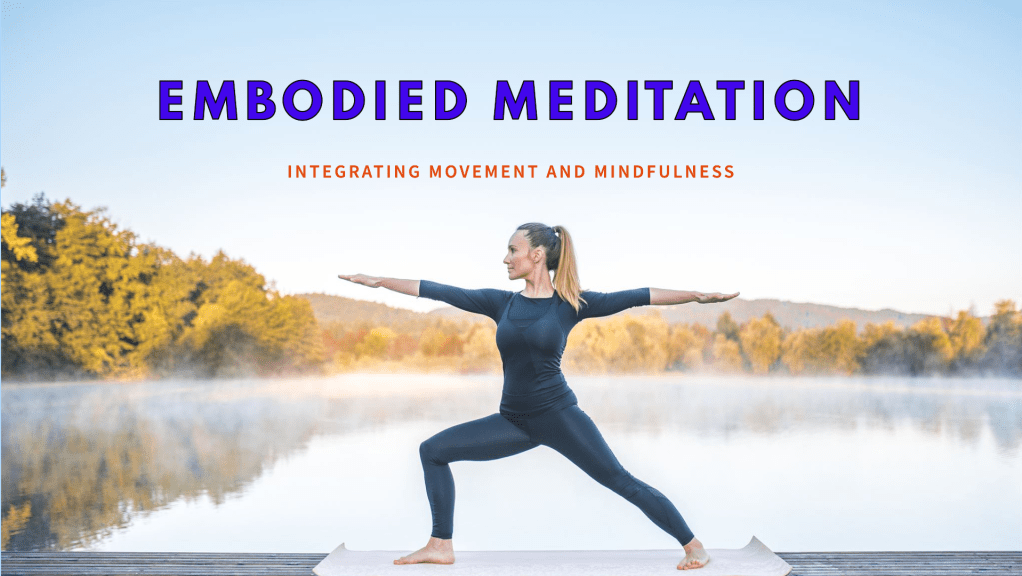
Embodied Meditation: Integrating Movement and Mindfulness for a Deeper Connection to Your Body

In the fast-paced world we live in, finding ways to connect deeply with our bodies and minds has become more essential than ever. Embodied meditation offers a unique approach that bridges the gap between traditional meditation practices and physical movement, allowing us to achieve a profound sense of mindfulness and holistic well-being.

The Concept of Embodied Meditation

Embodied meditation is not just about sitting still and focusing on your breath. It’s about becoming fully present in your body through mindful movement. Whether it’s through yoga, Tai Chi, or simple stretching exercises, embodied meditation encourages you to feel every sensation, notice every tension, and release every stressor held in your body. This practice is rooted in the understanding that our physical body holds emotions, memories, and stress, and by engaging in mindful movement, we can begin to release these stored energies and create a more harmonious state of being.

For example, in yoga, the focus is not only on the physical postures but also on the breath and the flow of energy within the body. Each movement is an opportunity to connect deeper with oneself, to understand the body’s needs, and to cultivate a sense of inner peace. The same principle applies to other forms of embodied meditation, such as Qi Gong, which integrates slow, deliberate movements with breath control and mental focus to promote healing and balance within the body.

Benefits of Embodied Meditation

  1. Enhanced Body Awareness
    • Embodied meditation helps you develop a deeper connection with your body, making you more aware of its signals. This heightened awareness can lead to better posture, reduced pain, and an overall improvement in physical health. As you move, you become more attuned to how your body feels, which can help in identifying areas of tension or discomfort that you may not have noticed otherwise.
  2. Reduction of Stress and Anxiety
    • By focusing on the physical sensations in your body, embodied meditation can help calm the mind and reduce stress. The physical act of moving with intention allows you to release pent-up energy and emotions, which can be particularly effective in managing anxiety and improving mental clarity. For instance, studies have shown that practices like Tai Chi and yoga can significantly reduce levels of cortisol, the stress hormone, in the body.
  3. Improved Emotional Resilience
    • Movement combined with mindfulness helps in processing emotions more effectively. When you engage in embodied meditation, you are not just moving your body; you are also moving through your emotions, allowing them to flow and release naturally. This can lead to greater emotional resilience, as you become better equipped to handle life’s challenges with a calm and centered mindset.
  4. Increased Focus and Mental Clarity
    • Engaging both the mind and body in meditation enhances cognitive function. When you practice embodied meditation, the mind is less likely to wander because it is actively engaged in coordinating movement and breath. This dual focus helps improve concentration, memory, and overall mental sharpness. According to a study published in the journal Frontiers in Psychology, regular practice of mindful movement can lead to significant improvements in attention and cognitive function.
  5. Holistic Health and Well-being
    • Embodied meditation is a holistic practice that benefits not just the mind, but the entire body. By integrating movement into your meditation practice, you are promoting circulation, flexibility, and strength, all of which contribute to overall health and longevity. Moreover, the mindful aspect of this practice ensures that you are not just going through the motions, but truly connecting with your body on a deeper level.

Practical Tips for Embodied Meditation

  1. Start with Simple Movements: Begin with movements you are comfortable with, such as gentle stretching or walking. The key is to focus on the sensations in your body as you move. Notice how your muscles feel, how your breath flows, and how your body responds to each movement.
  2. Incorporate Breath Awareness: Sync your movements with your breath. For example, as you stretch, inhale deeply to expand your body and exhale slowly to release tension. This not only enhances the meditative experience but also helps in regulating your nervous system.
  3. Be Present in Every Moment: It’s easy for the mind to wander, even during movement. If you find yourself lost in thought, gently bring your focus back to your body and the present moment. The more you practice, the easier it will become to stay grounded in your body.
  4. Use Guided Practices: If you’re new to embodied meditation, consider following a guided practice. There are numerous resources available online, such as guided yoga sessions or Tai Chi tutorials, that can help you get started.
  5. Reflect Post-Practice: After your session, take a few minutes to sit quietly and reflect on your experience. Notice any changes in your body, mind, or emotions. Journaling about your practice can also help deepen your awareness and track your progress over time.

Conclusion

Embodied meditation offers a unique path to mindfulness that incorporates the wisdom of the body into the meditative process. By combining movement with mindful awareness, you can deepen your connection to yourself, reduce stress, and enhance your overall well-being. Whether you’re looking to improve your mental clarity, emotional resilience, or physical health, embodied meditation is a powerful practice that can support your holistic journey.

Call to Action

Begin your journey with embodied meditation today and discover the profound benefits of integrating movement with mindfulness. Visit Holistic Wellness Guide for more insights and resources on how to incorporate this practice into your daily life.

#EmbodiedMeditation #Mindfulness #HolisticHealth #MindBodyConnection #StressRelief #Yoga #TaiChi #WellnessJourney #EmotionalResilience #HolisticWellness

Neuroplasticity and Mindfulness: How Meditation Can Reshape Your Brain for the Better

Neuroplasticity is the brain’s remarkable ability to reorganize itself by forming new neural connections throughout life. This concept has gained significant attention in recent years, particularly in relation to mindfulness and meditation practices. These ancient practices are now backed by modern science, showing how regular meditation can enhance neuroplasticity, leading to improved mental health, emotional balance, and cognitive function.

The Science Behind Neuroplasticity Neuroplasticity is the foundation of how our brains adapt to new experiences, learn new skills, and recover from injuries. It is the brain’s ability to rewire itself, and it’s driven by our thoughts, behaviors, and environments. This means that we are not stuck with the brain we have; instead, we can actively shape it to improve our quality of life.

Studies have shown that mindfulness meditation can significantly enhance neuroplasticity. For example, a study published in NeuroImage found that individuals who engaged in an eight-week mindfulness meditation program had increased gray matter density in brain regions associated with memory, learning, and emotional regulation .

How Meditation Enhances Neuroplasticity Meditation practices, particularly mindfulness meditation, engage the brain in ways that promote neuroplastic changes. These changes are not only beneficial for emotional regulation but also for improving focus, memory, and resilience to stress.

  1. Increased Gray Matter: Regular meditation increases the gray matter in the hippocampus, a region of the brain associated with learning and memory. This can lead to enhanced cognitive abilities and better memory retention.
  2. Thicker Prefrontal Cortex: The prefrontal cortex, responsible for higher-order thinking and decision-making, becomes thicker with consistent meditation practice. This means better problem-solving skills, improved attention, and a more balanced emotional state.
  3. Reduced Amygdala Activity: The amygdala, known as the brain’s fear center, becomes less active with meditation. This reduction in activity leads to a decrease in stress and anxiety, allowing for a more calm and composed mind .

Practical Steps to Incorporate Meditation for Brain Health Incorporating mindfulness meditation into your daily routine can be simple yet transformative. Here are some practical steps to get started:

  1. Start Small: Begin with just 5-10 minutes of mindfulness meditation each day. Gradually increase the time as you become more comfortable with the practice.
  2. Consistency is Key: Regularity is more important than duration. Aim to meditate at the same time each day to build a habit.
  3. Focus on Your Breath: Concentrate on your breathing, paying attention to each inhale and exhale. This helps anchor your mind and reduces the likelihood of distraction.
  4. Use Guided Meditations: If you’re new to meditation, guided sessions can be very helpful. Apps like Headspace or Calm offer excellent resources to get you started.
  5. Be Patient: Neuroplasticity takes time. The benefits of meditation will accumulate over weeks and months, so be patient and persistent with your practice .

Conclusion The ability to reshape your brain through mindfulness meditation is a powerful tool for enhancing mental well-being and cognitive function. By committing to a regular meditation practice, you can take control of your neuroplasticity, leading to a healthier, more resilient brain.

Call to Action Start your mindfulness journey today and experience the transformative effects of meditation on your brain. For more tips and guides on holistic wellness, visit Holistic Wellness Guide.

The Power of Mind-Body Connection: Unlocking Your Full Potential

The concept of the mind-body connection emphasizes the powerful relationship between our mental and physical states. Understanding and nurturing this connection can significantly improve your overall well-being, productivity, and emotional resilience.

1. Understanding the Mind-Body Connection

The mind-body connection is the theory that our thoughts, feelings, and mental health directly impact our physical health. Stress, for instance, can lead to physical symptoms such as headaches, muscle tension, and a weakened immune system. Conversely, maintaining a healthy physical state through exercise, nutrition, and sleep can enhance mental clarity and emotional stability.

2. Techniques to Strengthen the Mind-Body Connection

  • Mindfulness Meditation: Practicing mindfulness can reduce stress, improve focus, and foster a sense of calm. Incorporating regular meditation into your routine helps align your mental and physical states, leading to a more harmonious existence.
  • Breathing Exercises: Deep breathing techniques, like diaphragmatic breathing, can calm the nervous system and reduce stress hormones, promoting a state of relaxation and mental clarity.
  • Physical Exercise: Regular exercise not only strengthens the body but also boosts mood and cognitive function by increasing the release of endorphins, the brain’s natural mood lifters.

3. Benefits of a Strong Mind-Body Connection

  • Improved Mental Health: Strengthening the mind-body connection can alleviate symptoms of anxiety and depression, leading to a more positive outlook on life.
  • Enhanced Physical Health: A positive mental state can improve immune function, lower blood pressure, and increase overall vitality.
  • Increased Emotional Resilience: By fostering a strong mind-body connection, you become better equipped to handle life’s challenges with grace and poise.

4. Practical Tips for Daily Mind-Body Practice

  • Start Your Day with Meditation: Begin your morning with a 10-minute mindfulness meditation to set a positive tone for the day.
  • Incorporate Movement into Your Routine: Engage in daily physical activities, such as yoga, walking, or strength training, to keep both your mind and body in peak condition.
  • Practice Gratitude: Before bed, take a few minutes to reflect on what you’re grateful for. This practice can enhance your emotional well-being and strengthen your mind-body connection.

Call to Action:

Start integrating mind-body practices into your daily routine to unlock your full potential. Visit Holistic Wellness Guide for more tips on enhancing your mental and physical well-being.

The Key to Lifelong Happiness: Mindfulness and Joy

Achieving lifelong happiness often seems like an elusive goal. However, incorporating mindfulness into your daily routine can be a transformative approach to finding joy and contentment. This guide explores how mindfulness can enhance your overall well-being and lead to a happier, more fulfilled life.

Understanding Mindfulness

1. What is Mindfulness?

  • Definition: Mindfulness is the practice of being fully present and engaged in the moment, aware of your thoughts and feelings without distraction or judgment.
  • Benefits: It helps reduce stress, improve mental clarity, and enhance emotional regulation.

2. The Science Behind Mindfulness

  • Research Findings: Studies show that regular mindfulness practice can lead to structural changes in the brain, enhancing areas responsible for focus, empathy, and emotional resilience.
  • Health Benefits: Reduced cortisol levels, lower blood pressure, and improved immune function.

Practicing Mindfulness

1. Daily Mindfulness Routine

  • Morning Meditation: Start your day with a 10-minute meditation session to set a positive tone.
  • Mindful Eating: Pay attention to the taste, texture, and smell of your food, savoring each bite.
  • Mindful Walking: Take a walk while focusing on the sensation of your feet touching the ground and the rhythm of your breath.

2. Techniques for Mindfulness

  • Breathing Exercises: Practice deep breathing to calm your mind and body.
  • Body Scan Meditation: Focus on each part of your body, from head to toe, to release tension and stress.
  • Gratitude Journaling: Write down three things you’re grateful for each day to cultivate a positive mindset.

Integrating Mindfulness into Your Life

1. Work and Productivity

  • Mindful Breaks: Take short breaks to breathe deeply and reset your mind during work.
  • Focus Techniques: Use mindfulness to improve concentration and productivity by working on one task at a time.

2. Relationships

  • Active Listening: Practice being fully present in conversations, listening without interrupting or judging.
  • Emotional Awareness: Use mindfulness to become more aware of your emotions and respond thoughtfully in interactions.

3. Personal Growth

  • Self-Reflection: Regularly reflect on your thoughts and behaviors to gain insights and foster personal growth.
  • Goal Setting: Use mindfulness to set realistic and meaningful goals, breaking them down into manageable steps.

Conclusion

Incorporating mindfulness into your daily life can significantly enhance your happiness and well-being. By practicing mindfulness, you can enjoy each moment more fully, improve your mental and physical health, and build stronger, more meaningful relationships.

Call to Action: Start your journey to lifelong happiness today by incorporating mindfulness practices into your routine. Visit Holistic Wellness Guide for more tips and insights on living a joyful and mindful life.

#Mindfulness #LifelongHappiness #HolisticWellness #MentalHealth #EmotionalWellbeing #MindfulLiving #DailyJoy #StressRelief #PersonalGrowth #PositiveMindset

How a Busy Doctor Reversed His Age by 20 Years: A Comprehensive Guide

Introduction

Dr. John Smith, a renowned physician, has astonished the medical community by reversing his age by 20 years through a disciplined workout routine. His transformation showcases the incredible benefits of maintaining a structured fitness regimen, even for those with demanding schedules.

Dr. Smith’s Workout Routine

1. Morning Cardio Sessions

  • Activity: 30-minute high-intensity interval training (HIIT)
  • Benefits: Boosts metabolism, enhances cardiovascular health, and promotes weight loss.
  • Tips: Dr. Smith suggests starting the day with HIIT to kickstart energy levels and burn fat efficiently.

2. Strength Training

  • Activity: 45-minute strength training, focusing on different muscle groups each day.
  • Benefits: Builds muscle mass, improves bone density, and increases overall strength.
  • Tips: Incorporate exercises like squats, deadlifts, and bench presses for comprehensive muscle engagement.

3. Flexibility and Mobility Workouts

  • Activity: 15-minute daily yoga or stretching routine.
  • Benefits: Enhances flexibility, reduces muscle stiffness, and prevents injuries.
  • Tips: Dr. Smith recommends incorporating yoga poses that target multiple muscle groups and improve balance.

4. Evening Walks

  • Activity: 30-minute brisk walk or light jog.
  • Benefits: Promotes mental clarity, aids digestion, and improves sleep quality.
  • Tips: Use evening walks as a time to unwind and reflect on the day.

Nutritional Support

1. Balanced Diet

  • Components: High protein, moderate healthy fats, low refined sugars.
  • Benefits: Supports muscle recovery, boosts energy, and maintains overall health.
  • Tips: Dr. Smith emphasizes the importance of a diet rich in lean meats, vegetables, and whole grains.

2. Hydration

  • Routine: Drinking at least 3 liters of water daily.
  • Benefits: Maintains hydration, aids in detoxification, and improves skin health.
  • Tips: Keep a water bottle handy and set reminders to drink water throughout the day.

3. Supplements

  • Inclusions: Omega-3 fatty acids, vitamin D, and multivitamins.
  • Benefits: Supports overall health, enhances immune function, and fills nutritional gaps.
  • Tips: Consult with a healthcare provider before starting any supplement regimen.

Mental Well-Being

1. Meditation and Mindfulness

  • Activity: 10-minute daily meditation practice.
  • Benefits: Reduces stress, enhances focus, and promotes emotional balance.
  • Tips: Dr. Smith practices mindfulness to stay present and manage the stress of a busy schedule.

2. Quality Sleep

  • Routine: Ensuring 7-8 hours of sleep every night.
  • Benefits: Supports physical recovery, improves cognitive function, and maintains mood balance.
  • Tips: Establish a regular sleep schedule and create a restful sleeping environment.

Call to Action:

Embrace a balanced fitness routine, just like Dr. John Smith, to experience transformative health benefits. Visit Holistic Wellness Guide for more tips and insights on maintaining a healthy lifestyle.

#FitnessJourney #HealthyLiving #AgeReversal #WellnessRoutine #BalancedDiet #MentalHealth #StrengthTraining #Hydration #Mindfulness

Relax and Rejuvenate: The Power of Double Inhale and Extended Exhale

In today’s fast-paced world, finding effective techniques to relax and calm the mind is essential. One such powerful technique is the double inhale followed by an extended exhale. This simple yet profound breathing method can help reduce stress, improve focus, and promote overall well-being. Here’s how you can incorporate this technique into your daily routine.


1. Understanding the Technique

The double inhale followed by an extended exhale involves taking two short inhales through the nose, followed by a slow and extended exhale through the mouth. This breathing pattern activates the parasympathetic nervous system, which helps to relax the body and mind.

Learn more about the benefits of controlled breathing: Healthline


2. How to Practice the Double Inhale and Extended Exhale

Step-by-Step Guide:

  1. Find a Comfortable Position: Sit or lie down in a quiet and comfortable space.
  2. Double Inhale: Take a short, deep breath in through your nose, followed immediately by a second short inhale.
  3. Extended Exhale: Slowly exhale through your mouth, making the exhale longer than the two inhales combined.
  4. Repeat: Continue this pattern for several minutes, focusing on the rhythm of your breath.

Tips:

  • Practice this technique daily, especially during times of stress or anxiety.
  • Use it as a quick relaxation tool before sleep or after a long day.

Explore more breathing techniques: Medical News Today


3. Benefits of the Double Inhale and Extended Exhale

Reduces Stress: This breathing technique helps to lower cortisol levels, reducing stress and promoting a sense of calm.

Improves Focus: By increasing oxygen flow to the brain, it enhances mental clarity and concentration.

Promotes Relaxation: Activating the parasympathetic nervous system helps to relax muscles and lower heart rate.

Learn about the science behind relaxation: WebMD


4. Incorporating the Technique into Your Routine

Morning Routine: Start your day with this breathing exercise to set a calm and focused tone for the day ahead.

Work Breaks: Use this technique during short breaks at work to manage stress and improve productivity.

Pre-Sleep Ritual: Practice this breathing method before bed to promote relaxation and improve sleep quality.

Discover more tips for a balanced life: Holistic Wellness Guide

Call to Action

Incorporate the double inhale and extended exhale technique into your daily routine to experience its powerful benefits. For more tips on maintaining a balanced and healthy lifestyle, visit Holistic Wellness Guide.

#BreathingTechniques #Relaxation #Mindfulness #StressRelief #Wellness #HealthyLiving #MentalHealth #CalmMind