

The Art of Slow Living: How Embracing Simplicity Can Transform Your Life

In today’s fast-paced world, we’re often encouraged to do more, achieve more, and consume more. However, the philosophy of “slow living” offers a refreshing alternative. Rooted in mindfulness and intentionality, slow living encourages us to savor the present, focus on meaningful connections, and live with purpose. Embracing this approach can transform your life, helping you find peace, clarity, and fulfillment in simplicity.


What is Slow Living?

Slow living is a lifestyle movement focused on the quality of life rather than the quantity of achievements or possessions. It’s about slowing down to appreciate the present moment, finding joy in simplicity, and making mindful choices that align with your values. Contrary to what some may think, slow living isn’t about idleness but about purposeful action and intentional choices.


1. Savoring Daily Rituals

Everyday routines can become moments of joy and mindfulness when approached with intention. From brewing coffee in the morning to winding down at night, savoring daily rituals brings peace and presence.

  • How to Embrace It: Dedicate time to enjoy your daily routines. For example, when making your morning coffee, focus on the aroma, warmth, and taste. Turn off distractions and allow yourself to be fully present.

2. Mindful Consumption

In slow living, consumption is about quality, not quantity. It encourages thoughtful choices that support a sustainable lifestyle and reduce waste.

  • How to Embrace It: When buying something new, ask yourself if it aligns with your values, will bring lasting joy, or is a necessity. Embrace mindful shopping by choosing eco-friendly and ethically made products.

3. Prioritizing Meaningful Relationships

Rather than spreading yourself thin with numerous social connections, slow living encourages nurturing deep, meaningful relationships that enrich your life.

  • How to Embrace It: Spend time with people who uplift and inspire you. Practice active listening, engage in deeper conversations, and create shared experiences instead of relying on technology to stay connected.

4. Connecting with Nature

Nature has a grounding, calming effect that helps us slow down. Spending time outdoors connects us to the earth, helping us find peace and gain perspective.

  • How to Embrace It: Make time for daily walks, weekend hikes, or simply sitting in your backyard. Notice the colors, textures, and sounds around you. Use nature as a reminder of life’s natural rhythm.

5. Embracing Minimalism

Minimalism and slow living go hand in hand, as both focus on simplifying and letting go of what doesn’t serve you. Embracing minimalism creates space in your home and mind, leaving room for peace and intention.

  • How to Embrace It: Start by decluttering one area of your life, whether it’s your wardrobe, kitchen, or digital files. Keep items that bring you joy or serve a meaningful purpose, and let go of the rest.

6. Focusing on Purposeful Work

Slow living encourages pursuing work that aligns with your values and passions. It’s not about productivity for productivity’s sake, but about meaningful contributions.

  • How to Embrace It: Reflect on the work that truly brings you fulfillment. Whether it’s through your job or personal projects, focus on activities that have a positive impact and bring you joy.

7. Taking Time for Self-Care and Reflection

Self-care is integral to slow living. It’s about nurturing yourself, both physically and emotionally, to sustain a balanced life.

  • How to Embrace It: Prioritize moments of self-care and reflection. This could be as simple as journaling, reading, or enjoying a long bath. Use this time to recharge and realign with your values.

8. Practicing Intentional Media Consumption

The fast flow of information can lead to overwhelm and distraction. Slow living invites us to be intentional with media, choosing quality over quantity.

  • How to Embrace It: Limit your screen time and choose media that aligns with your values. Curate your feeds to include content that inspires and uplifts you, and avoid unnecessary scrolling.

9. Cooking and Eating Mindfully

Food is a fundamental part of life, and cooking mindfully connects you to the process of nourishing your body. Eating slowly enhances the experience and allows you to appreciate flavors, textures, and aromas.

  • How to Embrace It: Prepare meals with intention, using fresh, whole ingredients. Sit down to eat without distractions, savoring each bite and being grateful for the food on your plate.

10. Saying “No” More Often

Slow living means valuing your time and energy, which often means saying “no” to things that don’t align with your priorities. This creates space for what truly matters.

  • How to Embrace It: Practice saying “no” to unnecessary commitments, toxic relationships, or activities that drain you. Instead, make time for activities that nurture and inspire you.

11. Honoring Rest and Relaxation

Rest is an essential part of a balanced life. In slow living, rest isn’t seen as a reward but as a necessity for mental and physical well-being.

  • How to Embrace It: Embrace naps, sleep in when you need to, and avoid over-scheduling. Create a relaxing evening routine that helps you wind down, allowing for restful, rejuvenating sleep.

12. Celebrating Small Moments

Slow living is about appreciating the simple, beautiful moments in life. It teaches us that happiness isn’t only found in grand achievements but in everyday experiences.

  • How to Embrace It: Take time each day to celebrate small wins, joyful moments, or quiet times of reflection. Whether it’s watching a sunset, reading a good book, or laughing with loved ones, these moments are the essence of a fulfilled life.

Conclusion

Embracing slow living isn’t about completely transforming your life overnight. It’s about making small, intentional changes that lead to a simpler, more meaningful existence. By prioritizing what truly matters, you create a life of peace, balance, and purpose. Choose one or two practices to start, and gradually build a lifestyle that aligns with your unique values and goals.


For more inspiration on living mindfully and with purpose, check out my book, The Mindful Executive: https://www.amazon.com/dp/B0D75YJCLW.

Embracing Minimalism: Simplify Your Life for Greater Happiness

Minimalism is more than just a trend; it’s a lifestyle choice that can lead to greater happiness, clarity, and freedom. By focusing on what truly matters and eliminating excess, you can create a more meaningful and fulfilling life. Here’s how to embrace minimalism and simplify your life for greater happiness.

Understanding Minimalism

Minimalism is about living with intention, focusing on the essentials, and letting go of the unnecessary. It’s not about deprivation but about creating space for what brings you joy and purpose.

Declutter Your Space

Start by decluttering your physical space. Remove items that no longer serve a purpose or bring you joy. A clutter-free environment can reduce stress and improve mental clarity.

  • Example: Go room by room and assess each item. Donate, sell, or recycle things you no longer need. Keep only what adds value to your life.

Simplify Your Wardrobe

A minimalist wardrobe, often called a capsule wardrobe, consists of versatile, timeless pieces that you love and wear regularly. This approach can save you time, reduce decision fatigue, and enhance your personal style.

  • Example: Sort your clothes into categories: keep, donate, and discard. Choose neutral colors and classic styles that can be mixed and matched easily.

Reduce Digital Clutter

Digital clutter can be just as overwhelming as physical clutter. Simplify your digital life by organizing files, deleting unnecessary apps, and unsubscribing from unwanted emails.

  • Example: Set aside time each week to clean your inbox, organize your desktop, and remove apps you don’t use. Consider using tools to manage your digital files efficiently.

Adopt Mindful Consumption

Minimalism encourages mindful consumption. Before making a purchase, consider whether the item is necessary and if it will add value to your life.

  • Example: Implement a 30-day rule for non-essential purchases. If you still want the item after 30 days, it’s likely a thoughtful addition. This helps curb impulse buying and promotes intentional spending.

Focus on Quality Over Quantity

Invest in high-quality items that last longer and serve multiple purposes. This approach not only reduces waste but also enhances your overall experience with the products you use.

  • Example: Choose durable, well-made items over cheap, disposable ones. For instance, invest in a sturdy pair of shoes that will last for years instead of buying several low-quality pairs.

Create a Simplified Schedule

A minimalist approach to your schedule means prioritizing activities that align with your values and bring you joy. Eliminate commitments that cause unnecessary stress or don’t contribute to your well-being.

  • Example: Review your weekly commitments and identify areas where you can cut back. Focus on activities that enrich your life, such as spending time with loved ones, pursuing hobbies, or practicing self-care.

Practice Mindfulness and Gratitude

Incorporate mindfulness and gratitude into your daily routine to cultivate a sense of contentment and appreciation for what you have.

  • Example: Start and end your day with a few minutes of mindfulness meditation. Keep a gratitude journal where you write down three things you’re grateful for each day.

Embrace Sustainable Living

Minimalism often aligns with sustainable living practices. Reduce your environmental footprint by choosing eco-friendly products, reducing waste, and conserving resources.

  • Example: Use reusable bags, bottles, and containers. Support brands that prioritize sustainability and ethical practices. Reduce energy consumption by turning off lights and appliances when not in use.

Build Meaningful Relationships

Focus on building and nurturing meaningful relationships rather than accumulating material possessions. Strong connections with others can significantly enhance your happiness and well-being.

  • Example: Prioritize quality time with family and friends. Engage in activities that foster deep connections, such as having heartfelt conversations, sharing meals, or working on projects together.

Live with Intention

Living with intention means making conscious choices that align with your values and goals. It involves being present in the moment and appreciating the simplicity of life.

  • Example: Regularly reflect on your values and goals to ensure your actions align with them. Practice mindfulness to stay grounded and fully engage with your daily experiences.

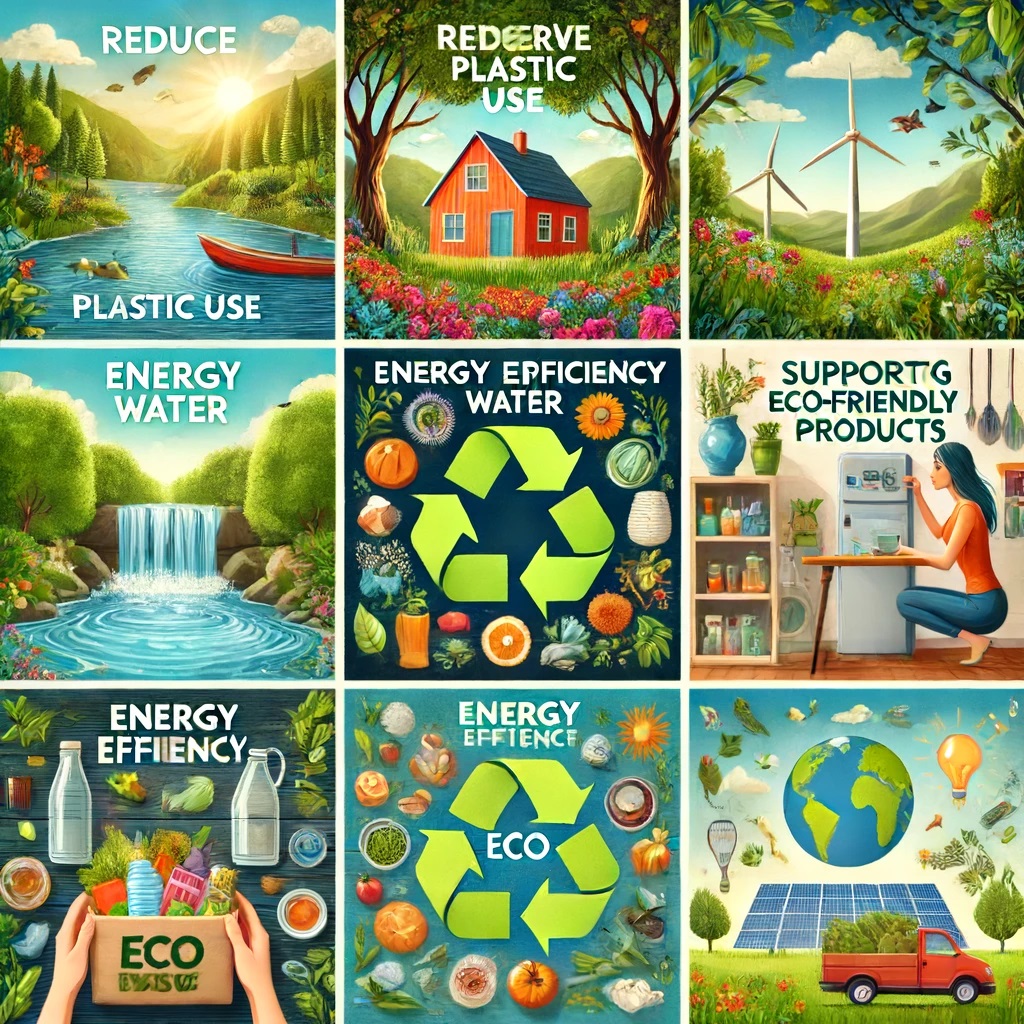
Eco-Friendly Living: Simple Steps to a Sustainable Lifestyle

Adopting an eco-friendly lifestyle is essential for preserving our planet and ensuring a sustainable future. By making small, conscious changes in our daily habits, we can significantly reduce our environmental footprint. Here are some practical steps to help you live more sustainably and contribute to a healthier planet.

Reduce, Reuse, Recycle

One of the most effective ways to live sustainably is by following the three R’s: reduce, reuse, and recycle. Start by minimizing your waste production. For example, choose products with minimal packaging, buy in bulk to reduce plastic use, and avoid single-use items. Reuse items whenever possible; for instance, repurpose glass jars for storage or use cloth bags for shopping. Finally, recycle properly by sorting your waste according to local recycling guidelines.

Energy Efficiency

Reducing energy consumption is crucial for lowering your carbon footprint. Simple changes can make a big difference. Switch to energy-efficient appliances, use LED light bulbs, and unplug devices when not in use. Additionally, consider installing a programmable thermostat to optimize heating and cooling in your home. For example, set your thermostat to lower temperatures at night or when you’re away from home.

Water Conservation

Conserving water is vital for sustainability. Take shorter showers, fix leaks promptly, and install water-saving fixtures like low-flow showerheads and faucets. Collect rainwater for gardening and use a broom instead of a hose to clean driveways and sidewalks. For instance, turn off the tap while brushing your teeth or washing dishes to save water.

Sustainable Transportation

Opt for eco-friendly transportation methods to reduce your carbon emissions. Walk, bike, carpool, or use public transportation whenever possible. If you drive, maintain your vehicle regularly to ensure it runs efficiently and consider switching to a hybrid or electric car. For example, plan your errands to minimize driving or join a carpool group for your daily commute.

Support Sustainable Brands

Choose products from companies that prioritize sustainability. Look for certifications such as Fair Trade, organic, or cruelty-free. Support local businesses and farmers’ markets to reduce transportation emissions and promote the local economy. For instance, buy eco-friendly cleaning products or clothing made from sustainable materials like organic cotton or recycled fabrics.

Reduce Plastic Use

Plastic pollution is a significant environmental issue. Reduce your plastic consumption by using reusable bags, bottles, and containers. Avoid products with excessive plastic packaging and choose alternatives like glass, metal, or biodegradable materials. For example, bring your reusable coffee cup to your favorite café or use beeswax wraps instead of plastic wrap.

Mindful Eating

Adopting a sustainable diet can have a positive impact on the environment. Reduce meat consumption and incorporate more plant-based foods into your diet. Choose organic and locally-sourced produce to minimize your carbon footprint. For instance, participate in Meatless Mondays or start a small vegetable garden at home.

Eco-Friendly Home

Create a sustainable home environment by using eco-friendly materials and practices. Insulate your home to reduce energy use, choose non-toxic paints and cleaning products, and incorporate natural light and ventilation. For example, use bamboo flooring or furniture made from reclaimed wood to reduce your environmental impact.

Waste Reduction

Minimize waste by composting food scraps and yard waste. Composting not only reduces landfill waste but also creates nutrient-rich soil for gardening. For instance, start a compost bin in your backyard or participate in a community composting program.

Educate and Advocate

Spread awareness about the importance of sustainability. Educate yourself and others about environmental issues and advocate for eco-friendly practices in your community. Join local environmental groups, participate in clean-up events, or support policies that promote sustainability. For example, organize a neighborhood recycling drive or advocate for bike lanes in your city.