

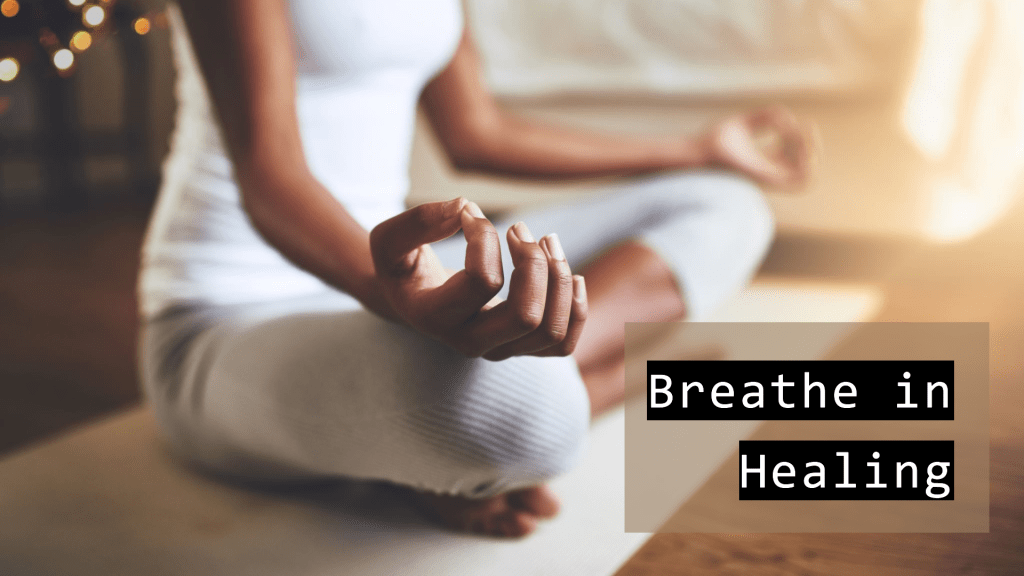
Unlock the Power of Breathwork for Healing

Breathing is something we do automatically, yet most of us do it wrong—shallow, fast, and disconnected from our body. But what if we told you that breathwork is one of the most powerful tools for healing, reducing stress, and boosting mental clarity?

Ancient practices like pranayama (yogic breathing), diaphragmatic breathing, and controlled breath techniques have been used for centuries to regulate emotions, enhance energy levels, and improve overall well-being. Science is now confirming that how you breathe affects your nervous system, brain function, and even immunity.

Let’s explore how breathwork can heal your mind and body—and simple techniques you can try today!


1. The Science Behind Breathwork

Your breath is the bridge between your mind and body—when controlled, it can calm or energize you.

🔬 What Breathwork Does:
✔️ Activates the Parasympathetic Nervous System – Promotes relaxation and reduces stress.
✔️ Lowers Cortisol – Helps with anxiety, depression, and emotional balance.
✔️ Increases Oxygen Flow – Boosts focus, energy, and mental clarity.
✔️ Improves Lung Capacity – Enhances endurance and respiratory health.

  • Pro Tip: Just one minute of deep breathing lowers heart rate and relaxes the nervous system.

2. 5 Powerful Breathwork Techniques to Try

🧘‍♂️ 1. Diaphragmatic Breathing (Best for Stress & Anxiety Relief)
This technique activates the vagus nerve, signaling deep relaxation.

✔️ How to Practice:

  • Sit or lie down, place one hand on your belly.
  • Inhale deeply through your nose, feeling your belly expand.
  • Exhale slowly through your mouth.
  • Pro Tip: Practice for 5 minutes daily to calm your nervous system.

🔥 2. The 4-7-8 Breath (Best for Sleep & Relaxation)
This breath slows down brain activity and prepares you for rest.

✔️ How to Practice:

  • Inhale for 4 seconds, hold for 7 seconds, exhale for 8 seconds.
  • Repeat for 4 rounds.
  • Pro Tip: Use this before bed to fall asleep faster.

🌊 3. Box Breathing (Best for Focus & Stress Management)
Used by Navy SEALs, this method improves concentration and emotional control.

✔️ How to Practice:

  • Inhale for 4 seconds, hold for 4 seconds, exhale for 4 seconds, hold for 4 seconds.
  • Repeat for 1-2 minutes.
  • Pro Tip: Try this before a big presentation or stressful event.

4. Breath of Fire (Best for Energy & Mental Clarity)
A rapid breathing technique that stimulates the brain and increases alertness.

✔️ How to Practice:

  • Inhale and exhale quickly through the nose, keeping the pace rapid.
  • Engage your diaphragm, allowing short, forceful breaths.
  • Pro Tip: Do this for 30 seconds in the morning for an instant energy boost.

🌬️ 5. Alternate Nostril Breathing (Best for Emotional Balance & Clarity)
Balances the left and right brain hemispheres, promoting inner calm and focus.

✔️ How to Practice:

  • Close your right nostril, inhale through the left.
  • Close your left nostril, exhale through the right.
  • Alternate for 5 minutes.
  • Pro Tip: Use this to reduce anxiety or prepare for meditation.

3. How to Incorporate Breathwork Into Daily Life

✔️ Morning: Start your day with Breath of Fire for energy.
✔️ Before Work: Use Box Breathing to boost focus.
✔️ Midday Reset: Try Diaphragmatic Breathing for stress relief.
✔️ Before Bed: Use 4-7-8 breathing for deep sleep.

  • Pro Tip: Set a reminder to pause and breathe mindfully throughout the day.

4. The Benefits of Long-Term Breathwork Practice

✔️ Reduced Anxiety & Stress – Helps regulate emotions and calm the nervous system.
✔️ Better Sleep – Lowers cortisol, helping with insomnia.
✔️ Stronger Immune System – Increases oxygenation, promoting cell health.
✔️ Enhanced Focus & Memory – Improves cognitive function.
✔️ Emotional Stability – Helps process and release trapped emotions.

  • Pro Tip: Breathwork is a free, powerful tool—use it daily for lifelong benefits.

Conclusion

Breathwork is one of the simplest and most effective ways to improve mental, emotional, and physical well-being. By learning how to control your breath, you can control your stress, energy, and overall health.

Start with just one technique today—your mind and body will thank you!


For more holistic wellness insights, check out my book, The Mindful Executive: https://www.amazon.com/dp/B0D75YJCLW.

Transform Your Health with Breathwork Techniques

Breathing is something we do automatically, but did you know that how you breathe can directly impact your stress levels, energy, immunity, and mental clarity? Breathwork, or conscious breathing, is a scientifically-backed practice that enhances physical, emotional, and mental well-being. From boosting oxygen levels to calming the nervous system, breathwork is a powerful, free, and accessible tool that can transform your health.

Let’s dive into the science behind breathwork, its benefits, and simple breathing techniques to incorporate into your daily life.


1. The Science of Breathwork: How It Affects the Body

Breathing is more than just oxygen exchange—it influences every system in the body.

  • Oxygen & CO2 Balance: Proper breathing ensures an optimal oxygen-carbon dioxide balance, which is key for energy production and brain function.
  • Nervous System Regulation: Deep breathing activates the parasympathetic nervous system, reducing stress and anxiety.
  • Detoxification: 70% of the body’s toxins are expelled through breathing! Proper breathwork improves detox and cellular function.
  • Heart Rate & Blood Pressure: Slow breathing reduces heart rate variability, stabilizing blood pressure and promoting cardiovascular health.
  • Pro Tip: Even one minute of deep breathing can lower cortisol levels and improve mental clarity.

2. The Benefits of Conscious Breathwork

Breathwork has been studied for its profound impact on physical and emotional health.

✔️ Reduces Stress & Anxiety – Lowers cortisol and soothes the nervous system.
✔️ Enhances Lung Capacity – Strengthens lung function for better endurance.
✔️ Boosts Immunity – Supports cellular oxygenation and detox.
✔️ Improves Focus & Clarity – Increases oxygen to the brain for sharper thinking.
✔️ Aids Sleep & Relaxation – Slows heart rate and promotes deep sleep.

  • Pro Tip: Morning breathwork boosts energy, while evening breathwork promotes calm.

3. 5 Powerful Breathwork Techniques for Different Needs

💨 1. Box Breathing (Best for Focus & Stress Relief)

  • How to Practice:
    • Inhale for 4 seconds, hold for 4 seconds, exhale for 4 seconds, hold for 4 seconds.
    • Repeat for 5 minutes for instant calm and clarity.
  • Best Time to Use: Before meetings, during stress, or when feeling overwhelmed.

🌊 2. 4-7-8 Breathing (Best for Relaxation & Sleep)

  • How to Practice:
    • Inhale for 4 seconds, hold for 7 seconds, exhale for 8 seconds.
    • Repeat 4-6 times before bed to relax.
  • Best Time to Use: Before sleep or during high-stress moments.

🔥 3. Bhastrika (Best for Energy & Mental Clarity)

  • How to Practice:
    • Inhale deeply, then forcefully exhale through the nose in quick bursts.
    • Continue for 30 seconds, rest, and repeat.
  • Best Time to Use: Morning or mid-afternoon when energy dips.

🌿 4. Alternate Nostril Breathing (Best for Balance & Calmness)

  • How to Practice:
    • Close the right nostril, inhale through the left; close the left nostril, exhale through the right.
    • Repeat for 5 minutes to restore balance.
  • Best Time to Use: Morning or during emotional stress.

💭 5. Deep Belly Breathing (Best for Anxiety & Digestion)

  • How to Practice:
    • Place one hand on your belly, inhale deeply through the nose, feeling the belly expand.
    • Exhale slowly through the mouth, feeling the belly fall.
  • Best Time to Use: Anytime you feel stressed or need a reset.
  • Pro Tip: Experiment with different techniques to see what works best for you.

4. How to Integrate Breathwork Into Your Daily Routine

Breathwork is simple to incorporate into your morning, work, and evening routines.

☀️ Morning: Energize your day with Bhastrika or Box Breathing.
💻 Work Breaks: Use Alternate Nostril or Box Breathing for stress relief.
🌙 Evening: Relax with 4-7-8 or Deep Belly Breathing before sleep.

  • Pro Tip: Set reminders on your phone to take breathing breaks throughout the day.

5. Breathwork and Emotional Healing

Breathwork isn’t just about physical health—it helps release stored emotions and trauma.

🧘‍♀️ Conscious Breathing Helps:
✔️ Process suppressed emotions.
✔️ Increase self-awareness and clarity.
✔️ Support emotional resilience during tough times.

  • Pro Tip: Combine breathwork with journaling or meditation for deeper healing.

Conclusion

Your breath is a powerful, built-in tool for healing, focus, and emotional balance. By practicing breathwork regularly, you can reduce stress, improve sleep, and boost energy—all in just a few minutes a day. Try one technique today, and experience the difference mindful breathing can make!


For more mindfulness insights, check out my book, The Mindful Executive: https://www.amazon.com/dp/B0D75YJCLW.
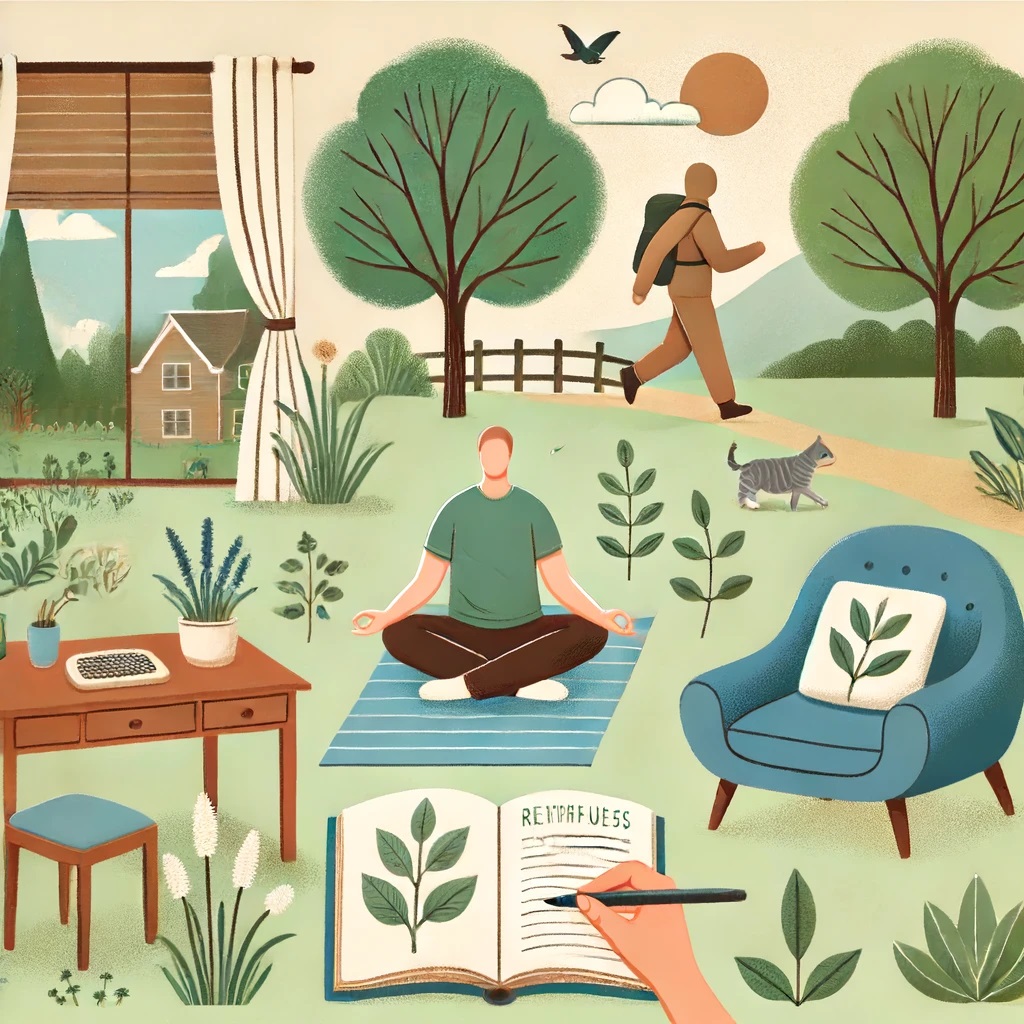
10 Holistic Sleep Tips to Rest Your Mind, Body, and Spirit

A good night’s sleep is one of the most important pillars of health, yet so many of us struggle to get the rest we need. Poor sleep not only affects your physical energy but also your mental clarity, mood, and overall well-being. Incorporating holistic practices into your bedtime routine can help improve sleep quality and allow your body, mind, and spirit to rejuvenate. Here are 10 holistic sleep tips to help you rest deeply and wake up feeling refreshed.

1. Create a Calming Bedtime Routine

Establishing a consistent bedtime routine signals to your body that it’s time to wind down. Engaging in relaxing activities like reading, journaling, or taking a warm bath can ease you into a peaceful sleep state.

  • Tip: Start your bedtime routine at least 30 minutes before bed and stick to it every night to condition your body for rest.

2. Use Essential Oils for Relaxation

Aromatherapy can be a powerful tool for promoting relaxation and improving sleep. Essential oils like lavender, chamomile, and cedarwood are known for their calming properties.

  • Tip: Diffuse lavender essential oil in your bedroom or apply a few drops to your pillow to create a soothing environment.

3. Practice Mindful Breathing

Stress and anxiety can interfere with your ability to fall asleep. Practicing mindful breathing before bed can help calm your nervous system and quiet your mind.

  • Tip: Try a simple breathing exercise: Inhale for 4 counts, hold for 4, exhale for 4, and repeat for 5-10 minutes to relax your body.

4. Limit Blue Light Exposure

Blue light from phones, tablets, and computers can disrupt your circadian rhythm and interfere with melatonin production. Limiting blue light exposure before bed is crucial for better sleep.

  • Tip: Turn off electronics at least 30 minutes before bedtime or use blue light-blocking glasses if you need to use devices in the evening.

5. Drink Herbal Teas for Relaxation

Herbal teas like chamomile, valerian root, and passionflower can have a calming effect on the body and promote sleepiness. Sipping a warm cup of herbal tea before bed can be a soothing part of your routine.

  • Tip: Make a cup of chamomile tea 30 minutes before bed to help you relax and unwind.

6. Set a Consistent Sleep Schedule

Going to bed and waking up at the same time every day helps regulate your body’s internal clock, making it easier to fall asleep and wake up naturally.

  • Tip: Choose a bedtime that allows for 7-8 hours of sleep and stick to it, even on weekends.

7. Create a Sleep Sanctuary

Your sleep environment plays a significant role in the quality of your rest. A clean, calm, and cozy space will help your body relax and prepare for sleep.

  • Tip: Use soft lighting, calming colors, and declutter your bedroom to create a peaceful atmosphere.

8. Practice Gratitude Journaling

Ending the day with a gratitude practice can shift your focus from stress to positivity, helping you relax and fall asleep with a calm mind.

  • Tip: Spend a few minutes before bed writing down three things you are grateful for from the day.

9. Try Sound Therapy

Sound therapy, such as listening to calming music, white noise, or binaural beats, can help soothe the mind and body, creating an ideal environment for sleep.

  • Tip: Play soft, calming sounds or a sleep meditation track as you prepare for bed to help ease into relaxation.

10. Limit Caffeine and Heavy Meals in the Evening

What you consume in the hours leading up to bedtime can greatly affect your sleep. Caffeine and heavy meals can disrupt your body’s ability to wind down and interfere with restful sleep.

  • Tip: Avoid caffeine after 2 PM and opt for lighter, easy-to-digest meals in the evening to help your body prepare for rest.

Conclusion

Improving your sleep doesn’t require drastic changes—small, mindful adjustments to your bedtime routine can lead to more restful nights and better overall health. By creating a calming environment, practicing relaxation techniques, and supporting your body with holistic approaches, you can enjoy deeper, more rejuvenating sleep that benefits your mind, body, and spirit.


For more tips on holistic wellness, check out my book, The Mindful Executive: https://www.amazon.com/dp/B0D75YJCLW.

The Power of Mindfulness: Simple Practices to Reduce Stres

Mindfulness is a powerful tool for reducing stress and improving overall well-being. By practicing mindfulness, you can bring your attention to the present moment and experience greater peace and clarity. Here are some simple mindfulness practices to incorporate into your daily routine.

Mindful Breathing: Mindful breathing involves paying close attention to your breath. It helps calm the mind and reduce stress by bringing your focus to the present moment.

Example: Spend a few minutes each day sitting quietly and focusing on your breath. Inhale deeply through your nose, hold for a moment, and exhale slowly through your mouth. Notice the sensation of your breath as it flows in and out.

Body Scan Meditation: Body scan meditation involves focusing on different parts of your body and noticing any sensations. This practice helps you become more aware of your body and release tension.

Example: Lie down comfortably and close your eyes. Starting from your toes, slowly move your attention up through your body, noticing any sensations without judgment. Finish at the top of your head, feeling a sense of relaxation.

Mindful Walking: Mindful walking is about paying attention to the sensations of walking. It’s a great way to practice mindfulness while getting some exercise.

Example: Take a walk outside and focus on the sensation of your feet touching the ground, the movement of your legs, and the rhythm of your breath. Notice your surroundings and bring your mind back to the present moment whenever it wanders.

Mindful Eating: Mindful eating involves paying attention to the taste, texture, and smell of your food. It helps you appreciate your meals more and can improve digestion.

Example: During meals, take small bites and chew slowly. Notice the flavors and textures of the food. Avoid distractions like TV or smartphones to fully engage in the eating experience.

Gratitude Journaling: Writing down things you are grateful for can shift your focus from stress to positivity. It’s a simple practice that can boost your mood and overall outlook on life.

Example: Each evening, write down three things you are grateful for in a journal. Reflect on these moments and appreciate the positive aspects of your day.

By incorporating these simple mindfulness practices into your routine, you can reduce stress and enhance your overall well-being.

How Leila Improved Her Mental Clarity with Mindfulness

Clear Mind: How Leila Improved Her Mental Clarity with Mindfulness

Meet Leila: Leila, a 35-year-old marketing manager from Cairo, struggled with mental fog and difficulty focusing at work. She turned to mindfulness practices to improve her mental clarity.

Practicing Mindful Breathing: Leila started with mindful breathing exercises to center her mind and improve focus.

Example: Each morning, Leila spent 10 minutes focusing on her breath, which helped clear her mind for the day ahead.

Incorporating Mindfulness into Daily Tasks: She practiced mindfulness during everyday activities like eating and walking to stay present and reduce mental clutter.

Example: During lunch breaks, Leila ate mindfully, savoring each bite and paying full attention to the experience.

Using Guided Meditations: Leila used guided meditation apps to help her practice mindfulness and improve her concentration.

Example: Before bed, Leila listened to a 15-minute guided meditation, which helped her relax and clear her mind.

The Result: With consistent mindfulness practice, Leila experienced improved mental clarity, better focus, and reduced stress. Mindfulness became a key part of her daily routine.