
Reset and Renew: A 30-Day Holistic Lifestyle Challenge for the New Year

The new year is the perfect time for a fresh start, and a holistic lifestyle challenge can help you reset, renew, and embrace wellness on every level—mind, body, and spirit. This 30-day guide is designed to inspire positive habits, improve your health, and bring balance to your life. Whether you’re new to holistic practices or looking to deepen your journey, this challenge offers actionable steps for a transformative start to the year.


Week 1: Detox and Declutter

Focus on creating a clean slate in your physical and mental space.

Day 1-3: Declutter Your Space

  • Clear one area of your home each day, starting with high-traffic zones like your kitchen, bedroom, or workspace. A clutter-free environment promotes mental clarity.
  • Pro Tip: Donate or recycle items that no longer serve you.

Day 4-5: Digital Detox

  • Spend two days decluttering your digital life—organize your inbox, delete unused apps, and unfollow accounts that drain your energy.
  • Pro Tip: Set screen time limits to reduce digital distractions.

Day 6-7: Nourish Your Body

  • Start incorporating fresh, whole foods into your diet. Add one green smoothie or a nutrient-packed salad to your meals.
  • Pro Tip: Keep a food journal to track how you feel after each meal.

Week 2: Mindful Practices

Introduce mindfulness into your daily routine to enhance mental clarity and emotional balance.

Day 8-10: Start a Morning Meditation Practice

  • Dedicate 5-10 minutes each morning to mindfulness meditation. Focus on your breath and set a positive intention for the day.
  • Pro Tip: Use a meditation app like Calm or Insight Timer to get started.

Day 11-12: Gratitude Journaling

  • Write down three things you’re grateful for each day. This practice helps shift your focus to positivity and abundance.
  • Pro Tip: Reflect on small moments of joy, such as a kind word or a peaceful walk.

Day 13-14: Mindful Movement

  • Try yoga, tai chi, or a gentle stretch routine to connect your body and mind.
  • Pro Tip: Join an online class or follow a free session on YouTube.

Week 3: Self-Care and Connection

Prioritize your well-being while deepening your connections with others.

Day 15-16: Schedule Self-Care Rituals

  • Dedicate time to activities that rejuvenate you, like a warm bath, reading, or a DIY spa day.
  • Pro Tip: Set boundaries to ensure uninterrupted self-care time.

Day 17-19: Deepen Personal Connections

  • Spend quality time with loved ones. Plan a meaningful activity or simply have a heartfelt conversation.
  • Pro Tip: Practice active listening to foster stronger relationships.

Day 20-21: Explore Creativity

  • Engage in a creative activity like painting, writing, or cooking a new recipe. Creativity is a powerful way to express emotions and recharge.
  • Pro Tip: Allow yourself to play and explore without judgment.

Week 4: Empower and Sustain

Focus on creating sustainable habits to carry your holistic lifestyle forward.

Day 22-24: Vision Board for the Future

  • Create a vision board reflecting your goals and aspirations. Use images, affirmations, and colors that inspire you.
  • Pro Tip: Keep your vision board in a visible spot to stay motivated.

Day 25-27: Establish an Evening Routine

  • Develop a relaxing evening routine to wind down and prepare for restful sleep. This could include journaling, meditation, or aromatherapy.
  • Pro Tip: Dim the lights and avoid screens an hour before bed.

Day 28-30: Reflect and Plan Ahead

  • Reflect on what you’ve learned during the challenge and plan how to sustain these habits.
  • Pro Tip: Write down your intentions for the year, focusing on what brings you joy and balance.

Conclusion

This 30-day holistic lifestyle challenge is your guide to starting the year with purpose and intention. By focusing on detoxing, mindfulness, self-care, and sustainable habits, you’ll create a strong foundation for a healthier, more balanced life. Remember, each small step contributes to lasting transformation. Take the challenge, embrace the journey, and make this year your most vibrant yet.
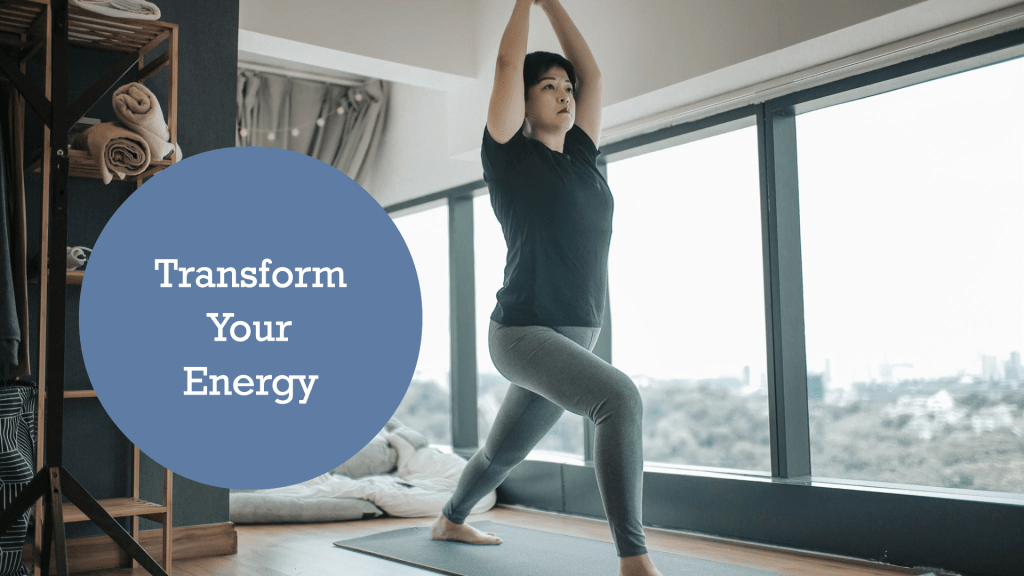
10 Transformative Practices to Release Negative Energy and Renew Your Spirit

Negative energy can creep into our lives in subtle ways, draining our vitality and weighing down our spirit. Holding onto stress, unresolved emotions, or unhelpful habits can create energetic blockages, affecting mental, physical, and emotional well-being. Releasing negative energy is essential to cultivate a refreshed, positive outlook. Here are 10 transformative practices to help you let go of negativity and renew your spirit.


1. Practice Energy Cleansing with Visualization

Visualization is a powerful way to clear negative energy and replenish yourself. By imagining energy moving through you, you can shift your mindset and release emotional burdens.

  • How to Practice: Close your eyes and imagine a bright, white light moving from the top of your head to your toes. Visualize this light washing away any negativity, leaving you with a refreshed, calm energy.

2. Let Go with a Symbolic Release Ritual

Physical symbols can help you process and release negative emotions. A release ritual allows you to let go of what no longer serves you, making space for renewal.

  • How to Practice: Write down anything that’s troubling you, then safely burn or tear the paper as a symbolic release. As you do, focus on letting go of each thought, feeling lighter with every piece that’s released.

3. Use Salt Baths for Energetic Detoxification

Salt has long been used for purification and energy cleansing. Taking a salt bath can draw out negative energy from your body, leaving you feeling relaxed and recharged.

  • How to Practice: Add 1-2 cups of Epsom or Himalayan salt to a warm bath. Soak for 20 minutes, visualizing any negativity dissolving into the water.

4. Practice Reframing Negative Thoughts

Shifting your perspective on negative thoughts helps reduce their impact. Reframing turns challenges into learning opportunities, creating a more positive mindset.

  • How to Practice: When a negative thought arises, consciously reframe it with a positive or neutral perspective. For example, change “I’m always failing” to “I’m learning from each experience.”

5. Use Sound Therapy to Shift Energy

Sound has a unique ability to alter our mood and energy. Using sound, like Tibetan singing bowls or chimes, can help clear negativity and bring a sense of harmony.

  • How to Practice: Spend a few minutes listening to calming sounds or using a singing bowl to create peaceful vibrations. Let the sound move through you, washing away any tension.

6. Practice Grounding with the Earth

Reconnecting with the earth helps neutralize negative energy. Grounding practices, like walking barefoot, allow you to absorb the earth’s natural energy, restoring balance.

  • How to Practice: Spend time outdoors, standing barefoot on grass or soil. Focus on the sensations beneath your feet and visualize any stress draining into the ground.

7. Create a “No Negativity” Zone at Home

Declaring certain areas of your home as negativity-free zones can create a peaceful space to recharge. This space can act as a sanctuary from daily stress.

  • How to Practice: Choose a small area, like a corner or a room, and fill it with objects that bring you peace—like plants, candles, or soothing artwork. Make a commitment to only bring positive thoughts into this space.

8. Cleanse with Essential Oils

Certain essential oils, like sage, frankincense, and lavender, are known for their cleansing properties. Using these oils can uplift your mood and clear negative energy.

  • How to Practice: Diffuse essential oils in your home, or apply a few drops (diluted) to your wrists and inhale deeply. Focus on feeling lighter with each breath.

9. Engage in Energy-Release Exercises

Physical movement can release pent-up energy, leaving you feeling renewed. High-energy exercises help you process stress and create emotional balance.

  • How to Practice: Try a form of movement that allows you to release energy, like dancing, kickboxing, or even shaking out your body. Focus on letting go of tension with each movement.

10. Use Affirmations for Positive Energy

Positive affirmations shift your energy by reinforcing uplifting thoughts. Repeating affirmations regularly can create an internal environment that blocks negativity.

  • How to Practice: Write down a few affirmations that resonate with you, such as “I am free from negativity” or “I welcome peace into my life.” Repeat them in the morning and before bed for a consistent positive mindset.

Conclusion

Releasing negative energy and renewing your spirit requires a combination of awareness, intention, and small actions. By incorporating these practices into your routine, you create a foundation of calm and resilience that allows you to face life’s challenges with positivity. Choose the practices that resonate most with you, and embrace a journey of renewal and self-empowerment.


For more transformative wellness practices, check out my book, The Mindful Executive: https://www.amazon.com/dp/B0D75YJCLW.

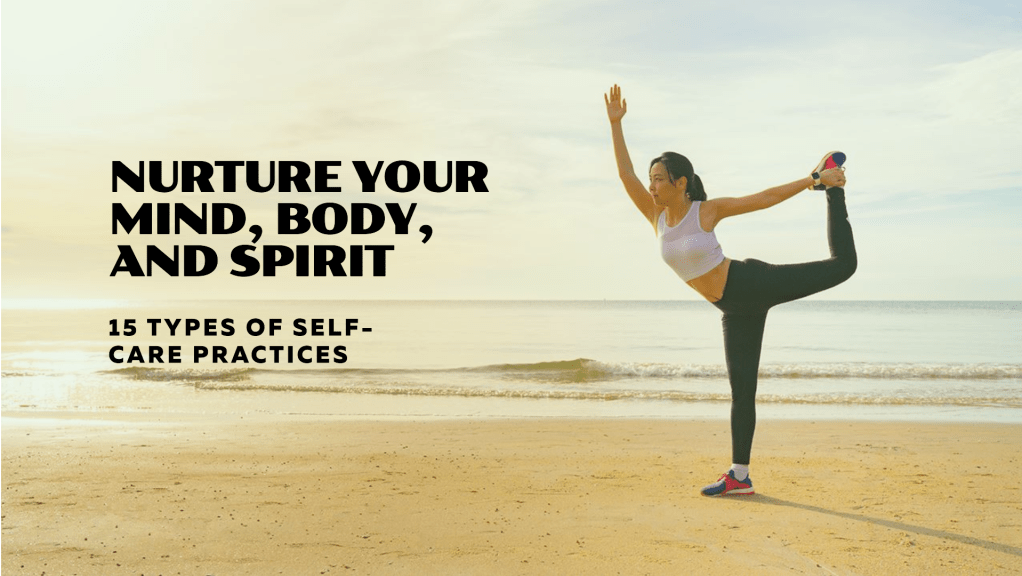
15 Types of Self-Care Practices to Nurture Your Mind, Body, and Spirit

Self-care is about more than treating yourself—it’s a commitment to nurturing your well-being in ways that support your mental, physical, and spiritual health. True self-care is a balanced blend of habits and practices that align with your personal needs and values. Here are 15 diverse types of self-care practices to inspire you, each offering unique benefits to your mind, body, and spirit.


1. Physical Movement for Vitality

Engaging in physical activity boosts energy, improves mood, and supports overall health. Movement is a powerful form of self-care that directly benefits both mind and body.

  • How to Practice: Try gentle activities like yoga, walking, or stretching if you’re looking for relaxation, or energizing exercises like running or dance to uplift your mood.

2. Mindful Meditation for Inner Peace

Meditation is a mental practice that promotes clarity and calmness. It allows you to observe your thoughts and feelings without judgment, fostering a sense of inner peace.

  • How to Practice: Dedicate 5-10 minutes each day to mindfulness meditation, focusing on your breath. Allow thoughts to come and go as you bring your attention back to the present.

3. Digital Detox for Mental Clarity

Constant digital engagement can clutter your mind and create stress. Taking intentional breaks from screens helps you reconnect with the present and clear mental clutter.

  • How to Practice: Set a daily or weekly time to unplug from screens. Use this time to read, connect with loved ones, or spend time outdoors.

4. Journaling for Emotional Expression

Writing down your thoughts and feelings helps you process emotions, gain insights, and release negativity. Journaling provides a safe space to explore your inner self.

  • How to Practice: Spend a few minutes each day or week writing about your thoughts, goals, or feelings. Don’t worry about structure—let your words flow freely.

5. Breathwork for Relaxation

Controlled breathing exercises reduce stress, calm the nervous system, and promote mental clarity. Breathwork is a quick, effective tool for managing emotions.

  • How to Practice: Try deep belly breathing or the 4-7-8 technique (inhale for 4, hold for 7, exhale for 8). Repeat for a few cycles to feel grounded and centered.

6. Creative Expression for Joy

Creative activities like painting, writing, or playing music provide an emotional release and bring joy. Creativity allows you to express yourself in ways words cannot.

  • How to Practice: Dedicate time each week for a creative outlet. Approach it playfully, letting go of perfectionism and focusing on the joy of creating.

7. Time in Nature for Grounding

Nature has a grounding effect that helps you reconnect with yourself and reduces stress. Being outdoors promotes mindfulness and emotional well-being.

  • How to Practice: Spend 10-15 minutes outdoors each day, observing your surroundings. Whether it’s a walk in the park or sitting in your backyard, allow nature to calm your mind.

8. Gratitude Practice for Positive Perspective

Reflecting on gratitude shifts your focus from what you lack to what you have, fostering a positive outlook and resilience.

  • How to Practice: Write down three things you’re grateful for each day. Focus on small details that brought joy or peace, reinforcing a sense of abundance.

9. Massage Therapy for Physical Release

Massage relieves tension in the body and promotes relaxation. It’s a way to release stress and reconnect with your body through touch.

  • How to Practice: Schedule a professional massage when possible, or practice self-massage techniques on areas like the neck and shoulders.

10. Herbal Teas for Calmness

Herbal teas like chamomile, lavender, and peppermint provide natural relaxation. Tea rituals are comforting and can help reduce stress and anxiety.

  • How to Practice: Enjoy a calming tea each evening or during stressful times. Savor the flavor and aroma as a form of mindful self-care.

11. Decluttering for Mental Peace

A clean, organized space promotes mental clarity and reduces stress. Decluttering is a form of self-care that improves your environment and your mindset.

  • How to Practice: Set aside time each week to declutter a specific area, such as your desk or bedroom. Focus on creating a space that feels peaceful and organized.

12. Affirmations for Self-Love

Positive affirmations shift your inner dialogue, boosting self-esteem and resilience. They help you build a supportive, loving relationship with yourself.

  • How to Practice: Choose affirmations that resonate with you, like “I am enough” or “I deserve love.” Repeat them daily to reinforce a positive mindset.

13. Setting Boundaries for Emotional Balance

Setting boundaries protects your energy and helps you manage stress. It’s an essential practice for emotional health and self-respect.

  • How to Practice: Identify areas where you feel overextended and set limits. Communicate your boundaries with kindness and clarity, honoring your needs.

14. Sleep Hygiene for Restoration

Quality sleep is crucial for emotional and physical well-being. Good sleep hygiene helps you recharge, improves mood, and boosts mental clarity.

  • How to Practice: Create a relaxing bedtime routine, avoiding screens and caffeine before bed. Aim for 7-8 hours of rest each night for optimal health.

15. Acts of Kindness for Connection

Kindness towards others promotes positive feelings and a sense of connection. Giving back supports both your mental and emotional well-being.

  • How to Practice: Perform a simple act of kindness daily, like offering a compliment, helping someone, or volunteering. These small acts create positive energy and foster connection.

Conclusion

Self-care encompasses a wide range of practices that nurture your mind, body, and spirit. By incorporating these diverse self-care techniques into your routine, you create a holistic foundation for well-being. Choose practices that resonate with you and adapt them to your needs, creating a self-care routine that truly supports your life.


For more insights on self-care and well-being, check out my book, The Mindful Executive: https://www.amazon.com/dp/B0D75YJCLW.

10 Signs Your Energy is Out of Balance—and How to Fix It

Feeling off, drained, or out of sync? Our bodies, minds, and spirits thrive on balanced energy, but everyday stressors, emotional challenges, and lifestyle choices can throw that balance off. Recognizing the signs of energy imbalance allows you to address and restore harmony within. Here are 10 common indicators of energy imbalance and practical ways to bring yourself back into alignment.


1. Chronic Fatigue and Low Energy

Persistent fatigue, even after rest, can be a sign that your energy is misaligned. Emotional, mental, or physical blocks may be draining your energy reserves.

  • How to Fix It: Prioritize restorative activities like gentle exercise, breathwork, or nature walks. Grounding exercises, like walking barefoot or deep breathing, can help reconnect you to stable energy.

2. Frequent Mood Swings

Feeling emotionally turbulent or irritable may indicate an imbalance in your emotional energy. This can happen when you’re suppressing emotions or not expressing your needs.

  • How to Fix It: Practice emotional release exercises like journaling or talking to a trusted friend. Incorporating heart-opening yoga poses, such as camel or bridge pose, can help balance emotional energy.

3. Poor Sleep Quality

If you’re having trouble falling asleep, staying asleep, or waking up feeling unrefreshed, it may indicate an imbalance in your mental or physical energy.

  • How to Fix It: Develop a consistent bedtime routine and avoid screens before bed. Try a 4-7-8 breathing exercise to calm your mind and promote restful sleep.

4. Difficulty Concentrating

A scattered mind or trouble focusing may suggest an imbalance in your mental energy, often stemming from stress or overstimulation.

  • How to Fix It: Take regular breaks from digital devices and practice mindfulness techniques. Meditating for even five minutes can help you center and sharpen your focus.

5. Frequent Illness or Weakened Immune System

Regular colds or other illnesses might indicate that your body’s energy is depleted or blocked, affecting your immune defenses.

  • How to Fix It: Nourish your body with immune-boosting foods, like citrus fruits, ginger, and greens. Gentle movement and adequate rest can help restore physical vitality.

6. Digestive Issues

Bloating, indigestion, or other digestive discomforts may signal that your energy flow is disrupted, particularly in the solar plexus area, which is associated with personal power and confidence.

  • How to Fix It: Practice deep breathing exercises, especially belly breathing, to relax the digestive organs. Try mindful eating by slowing down and savoring each bite.

7. Persistent Self-Doubt

Constantly second-guessing yourself or feeling unworthy can indicate an imbalance in your personal power and self-esteem, often associated with the solar plexus chakra.

  • How to Fix It: Practice affirmations that reinforce your self-worth, such as “I am capable” or “I trust myself.” Physical activities like yoga can also boost your confidence and personal power.

8. Tension in the Neck, Shoulders, or Back

Physical tension, especially in the neck, shoulders, and back, often reflects stress, suppressed emotions, or a lack of support in life.

  • How to Fix It: Stretching, yoga, and bodywork therapies like massage can release physical tension. Focus on deep, mindful breaths during stretches to further relieve stress.

9. Feeling Disconnected or “Empty”

A sense of emptiness or disconnection from life’s purpose can indicate an imbalance in spiritual energy. This often occurs when we’re not nurturing our sense of purpose or spiritual connection.

  • How to Fix It: Engage in activities that nourish your spirit, like meditation, volunteering, or spending time in nature. Reflecting on what brings you joy and meaning can also rekindle your inner spark.

10. Overthinking or Constant Worry

Excessive worry or overthinking can indicate a blocked or imbalanced third eye chakra, which is associated with intuition and clarity of mind.

  • How to Fix It: Practice meditation or visualization techniques that calm the mind and focus on the present. Visualization exercises, like imagining a peaceful place, can help ease mental strain.

Conclusion

Recognizing these signs of energy imbalance empowers you to make simple yet effective adjustments to restore harmony within. By understanding the specific areas where your energy may be blocked or out of alignment, you can take proactive steps to renew and reenergize. Small practices, such as grounding exercises, mindfulness, and self-care rituals, can help you restore your natural flow and thrive in mind, body, and spirit.


For more insights on maintaining balanced energy, check out my book, The Mindful Executive: https://www.amazon.com/dp/B0D75YJCLW.

15 Self-Care Rituals to Reconnect with Your Mind, Body, and Spirit

In the hustle and bustle of daily life, it’s easy to lose touch with ourselves, leading to stress, fatigue, and a sense of imbalance. True self-care goes beyond quick fixes; it’s about nurturing your mind, body, and spirit in meaningful ways that promote lasting well-being. These 15 holistic self-care rituals can help you reconnect with yourself, providing comfort, clarity, and a deep sense of peace.


1. Start the Day with Gratitude

Practicing gratitude can shift your mindset and set a positive tone for the day. It’s a simple yet powerful way to center yourself and find appreciation in life’s small moments.

  • How to Practice: Take a few minutes each morning to list three things you’re grateful for, either in a journal or silently to yourself.

2. Incorporate Breathwork for Calmness

Conscious breathing exercises help release stress and calm the nervous system, grounding you in the present moment. Breathwork can be a gentle way to reconnect with your body.

  • How to Practice: Spend 5 minutes each day focusing on deep, slow breaths. Try inhaling for a count of four, holding, and then exhaling for a count of four.

3. Create a Soothing Morning Ritual

A slow, intentional morning routine can set a peaceful tone for your day. Incorporating rituals like stretching, drinking warm lemon water, or practicing mindfulness can provide a gentle start.

  • How to Practice: Dedicate 15 minutes to a mindful activity each morning, whether it’s stretching, journaling, or enjoying a quiet cup of tea.

4. Practice Digital Detox

Constant digital engagement can be mentally exhausting. Taking intentional breaks from screens can refresh your mind and help you reconnect with yourself and the world around you.

  • How to Practice: Set aside time each day, even just 15 minutes, to turn off all devices and be fully present. Use this time to reflect, meditate, or simply be still.

5. Ground Yourself in Nature

Spending time in nature can be incredibly healing, providing a sense of grounding and connection. It’s a great way to recharge and find peace away from daily stresses.

  • How to Practice: Aim to spend a few minutes outdoors each day, whether it’s a walk in the park or sitting in your backyard. Focus on your surroundings and take in the sights, sounds, and scents of nature.

6. Use Essential Oils for Emotional Balance

Aromatherapy is a powerful tool for self-care. Essential oils like lavender, chamomile, and eucalyptus can help reduce stress and promote relaxation.

  • How to Practice: Diffuse your favorite calming essential oil, or apply it to your wrists and inhale deeply to help center your mind.

7. Take Time for Mindful Eating

Mindful eating encourages you to savor each bite, allowing you to fully appreciate your food. This practice can bring a sense of calm and help you reconnect with your body’s needs.

  • How to Practice: Eat your meals without distractions. Focus on each bite, noting the flavors, textures, and sensations as you eat.

8. Journal for Self-Reflection

Journaling is a powerful way to process emotions, clarify thoughts, and reconnect with yourself. It allows you to express your innermost feelings and thoughts.

  • How to Practice: Spend 5-10 minutes each day writing about whatever is on your mind. Let your thoughts flow freely without judgment.

9. Engage in Movement That You Love

Physical activity doesn’t have to be intense to be beneficial. Gentle movement like yoga, walking, or dancing can uplift your spirit, boost your mood, and reconnect you with your body.

  • How to Practice: Find a form of movement you enjoy, and make time for it each day. Focus on how your body feels during the activity.

10. Practice a Relaxing Evening Routine

Creating a calming evening routine helps signal to your body that it’s time to wind down. Activities like reading, stretching, or taking a warm bath can prepare you for restful sleep.

  • How to Practice: Set aside 30 minutes before bed to relax. Turn off electronics, light a candle, or enjoy a warm beverage.

11. Practice Visualization

Visualization is a powerful technique for cultivating positive emotions and setting intentions. Visualizing a peaceful scene or a positive outcome can shift your mindset and reduce stress.

  • How to Practice: Spend a few minutes each day visualizing a place or scenario that brings you peace. Imagine the sights, sounds, and feelings associated with it.

12. Take a Salt Bath for Cleansing

Salt baths are not only relaxing but also help detoxify the body, soothing muscles and releasing tension. Adding Epsom salt or Himalayan salt can enhance the healing benefits.

  • How to Practice: Run a warm bath with 1-2 cups of Epsom salt. Soak for at least 20 minutes, focusing on releasing any tension.

13. Connect with Loved Ones

Building connections with family or friends is an essential part of self-care. Sharing moments of joy, love, and laughter can lift your spirit and enhance your emotional well-being.

  • How to Practice: Dedicate time each week to connect with loved ones, whether it’s through a call, a meal, or simply spending quality time together.

14. Create a Personal Sanctuary

Having a designated space for relaxation or meditation helps reinforce a sense of calm. This can be a corner of your room with items that bring you peace, such as candles, crystals, or favorite books.

  • How to Practice: Set up a small area in your home with things that make you feel grounded. Spend time here daily, even if it’s just a few minutes.

15. End the Day with Gratitude

Ending your day with gratitude fosters a positive mindset, helping you focus on what you have rather than what’s lacking. This practice can be deeply calming and uplifting.

  • How to Practice: Reflect on the day’s positive moments and write down three things you’re grateful for before bed.

Conclusion

Self-care is about creating routines that nurture and restore your inner balance. These rituals don’t require a lot of time or resources but can bring immense peace and joy when practiced regularly. By making self-care a daily habit, you’ll reconnect with yourself and create a foundation of well-being for both your mind and body.


For more insights on holistic self-care and wellness, check out my book, The Mindful Executive: https://www.amazon.com/dp/B0D75YJCLW.

10 Daily Habits to Balance Your Chakras Naturally

Our body contains seven primary energy centers, known as chakras, that influence our physical, mental, and spiritual health. When these chakras are balanced, energy flows freely, promoting overall wellness. However, daily stresses and negative patterns can create blockages, leading to emotional or physical imbalance. By incorporating simple habits into your routine, you can keep your chakras aligned, supporting a harmonious and healthy life. Here are 10 daily habits to naturally balance your chakras and create energetic harmony.


1. Ground Yourself with Root Chakra Practices

The root chakra, located at the base of the spine, represents stability and security. When balanced, it helps you feel grounded and safe. Practicing grounding exercises can strengthen your root chakra and connect you to the earth.

  • Daily Habit: Begin your day with a grounding exercise, like walking barefoot on natural surfaces, or sitting outdoors and focusing on your breath, visualizing roots connecting you to the earth.

2. Incorporate Creative Expression for the Sacral Chakra

The sacral chakra, located just below the navel, governs creativity, pleasure, and emotional health. Keeping it balanced allows you to enjoy life and embrace change. Creativity and emotional openness are key to a healthy sacral chakra.

  • Daily Habit: Engage in a creative activity, such as drawing, dancing, or journaling, allowing your emotions and thoughts to flow freely.

3. Build Self-Confidence with Solar Plexus Chakra Exercises

The solar plexus chakra, located in the upper abdomen, is the seat of personal power, self-confidence, and willpower. A balanced solar plexus chakra helps you feel in control of your life and assertive.

  • Daily Habit: Practice positive affirmations in the morning, such as “I am powerful” or “I am confident.” Visualize a bright yellow light in your solar plexus, radiating warmth and strength.

4. Practice Heart-Opening Exercises for the Heart Chakra

The heart chakra, located in the center of the chest, represents love, compassion, and connection. A balanced heart chakra helps you build healthy relationships with others and foster self-love.

  • Daily Habit: Spend a few minutes each day doing a heart-opening yoga pose, like a gentle backbend or seated chest opener. Focus on breathing deeply and sending love to yourself and others.

5. Use Mindful Communication for the Throat Chakra

The throat chakra governs communication, expression, and truth. When balanced, it allows you to express yourself clearly and confidently. Practicing mindful speech can help keep this chakra in alignment.

  • Daily Habit: Take time each day to practice speaking mindfully and expressing your true thoughts. Avoid gossip or negative talk, and focus on clear, kind communication.

6. Nurture Your Intuition with Third Eye Chakra Meditation

The third eye chakra, located between the eyebrows, is the center of intuition, wisdom, and spiritual insight. A balanced third eye helps you connect with your inner self and trust your intuition.

  • Daily Habit: Spend 5-10 minutes each day meditating with your eyes closed, focusing on the space between your eyebrows. Visualize a deep indigo light expanding and brightening with each breath.

7. Cultivate Spiritual Awareness for the Crown Chakra

The crown chakra, located at the top of the head, represents spiritual connection and enlightenment. A balanced crown chakra helps you feel connected to the universe and your higher self.

  • Daily Habit: End your day with a short gratitude practice or meditation, visualizing a pure white light at the top of your head. Focus on your connection to the universe and express gratitude for the day.

8. Eat Foods that Correspond to Each Chakra

The food you eat can also influence your chakra health. Each chakra has a color associated with it, and eating foods of those colors can help balance the respective chakras.

  • Daily Habit: Incorporate a colorful variety of fruits and vegetables into your diet. For example, eat red foods (like strawberries) for the root chakra, orange foods (like carrots) for the sacral, and so on.

9. Practice Breathwork to Balance Energy

Breathwork is a powerful tool for balancing all the chakras, as it helps energy flow smoothly throughout the body. Regular breathwork helps release blockages and promotes relaxation.

  • Daily Habit: Try alternate nostril breathing or deep belly breathing for 5 minutes each day to calm your mind, balance your energy, and align your chakras.

10. Use Affirmations for Each Chakra

Positive affirmations are an effective way to reset your mindset and reinforce positive energy in each chakra. Repeating specific affirmations helps you connect with and energize each chakra.

  • Daily Habit: Use a different affirmation for each chakra daily. For example: “I am grounded” (Root), “I am creative” (Sacral), “I am strong” (Solar Plexus), “I am loved” (Heart), “I speak my truth” (Throat), “I trust my intuition” (Third Eye), and “I am connected to the divine” (Crown).

Conclusion

Balancing your chakras doesn’t require drastic changes to your routine. Small, daily practices can help align your energy centers, bringing peace, clarity, and vitality into your life. By incorporating these simple habits, you’ll be able to support your holistic wellness journey and create a balanced and harmonious life.


For more insights on holistic practices, check out my book, The Mindful Executive: https://www.amazon.com/dp/B0D75YJCLW.

15 Types of Healing Crystals and How to Use Them for Holistic Health

Healing crystals have been used for centuries across cultures to promote well-being, balance, and energetic healing. Each crystal has unique properties and vibrational energies that can support physical, emotional, and spiritual health. Whether you’re new to crystal healing or looking to expand your practice, this guide explores 15 powerful healing crystals, their benefits, and practical ways to incorporate them into your daily life.


1. Amethyst: The Calming Stone

Amethyst is a purple stone known for its calming and purifying qualities. It’s often used for reducing stress, enhancing spiritual growth, and aiding restful sleep. Amethyst can help clear the mind of negativity and supports emotional balance.

  • How to Use: Place amethyst under your pillow for better sleep or keep it nearby during meditation to deepen your connection with inner peace.

2. Rose Quartz: The Stone of Love

Known as the stone of universal love, rose quartz promotes compassion, forgiveness, and emotional healing. It’s a powerful tool for healing relationships, fostering self-love, and encouraging positive energy in your environment.

  • How to Use: Place rose quartz in your bedroom or wear it as jewelry to attract love and harmony into your life.

3. Citrine: The Manifestation Crystal

Citrine is a vibrant yellow stone associated with abundance, confidence, and creativity. Often referred to as the “merchant’s stone,” it’s used to attract prosperity, inspire optimism, and encourage positive transformation.

  • How to Use: Keep citrine in your workspace to boost motivation and creativity, or place it in your wallet to attract financial abundance.

4. Clear Quartz: The Master Healer

Clear quartz is known as a master healer due to its powerful energy amplification abilities. It’s a versatile stone that can be programmed with intentions and is used to clear, align, and energize all chakras.

  • How to Use: Meditate with clear quartz while focusing on your goals or place it near other crystals to enhance their energy.

5. Black Tourmaline: The Protection Stone

Black tourmaline is revered for its grounding and protective properties. It creates a shield against negative energy, making it ideal for those who feel emotionally drained or surrounded by negativity.

  • How to Use: Place black tourmaline near your front door to guard your space, or carry it with you to create a protective energy field.

6. Labradorite: The Stone of Transformation

Labradorite is a mystical stone known for its transformative energy, supporting inner growth and intuition. It’s especially useful during times of change, helping you stay grounded while embracing new possibilities.

  • How to Use: Meditate with labradorite to enhance your intuition or keep it nearby during times of transition for spiritual guidance.

7. Selenite: The Purification Crystal

Selenite is a powerful cleanser and purifier that clears stagnant energy and raises vibrations. Known for its calming effects, it’s also great for connecting with higher realms.

  • How to Use: Place selenite in your home to cleanse your space or use a selenite wand to “scan” your body and release blockages.

8. Carnelian: The Stone of Vitality

Carnelian is an energizing stone that boosts motivation, creativity, and confidence. Known for its fiery energy, it’s ideal for those seeking a renewed sense of enthusiasm.

  • How to Use: Wear carnelian jewelry to keep your energy levels high or place it in your workspace to stimulate creativity.

9. Jade: The Stone of Harmony

Jade has been cherished for centuries as a symbol of tranquility, protection, and good luck. It supports emotional stability, promotes wisdom, and is often used to attract prosperity.

  • How to Use: Carry jade in your pocket to foster calm and balance or keep it in your home to invite peace and prosperity.

10. Smoky Quartz: The Grounding Crystal

Smoky quartz is a grounding stone that connects you to the earth, helping to relieve anxiety and neutralize negative energies. It’s particularly useful during challenging times or for grounding after energy work.

  • How to Use: Meditate with smoky quartz to center yourself, or place it near electronic devices to absorb EMFs.

11. Aventurine: The Stone of Opportunity

Green aventurine is known for attracting luck, new opportunities, and positive outcomes. It’s also a great stone for those seeking to heal heartache and invite abundance into their lives.

  • How to Use: Keep aventurine in your wallet or wear it as jewelry to attract new opportunities and emotional healing.

12. Hematite: The Strength Stone

Hematite is a protective stone that strengthens mental clarity, focus, and courage. Known for its grounding properties, it’s helpful for those who need to stay anchored.

  • How to Use: Hold hematite during meditation or keep it on your desk to stay focused and energized.

13. Moonstone: The Intuition Crystal

Moonstone is associated with intuition, balance, and emotional harmony. It helps connect with your inner self, especially beneficial during times of emotional turmoil.

  • How to Use: Wear moonstone as jewelry or keep it nearby during meditation to enhance intuition and emotional awareness.

14. Turquoise: The Healing Stone

Turquoise is revered for its healing and balancing properties, promoting self-realization and inner calm. It’s also a symbol of protection and is often used to foster communication and personal truth.

  • How to Use: Wear turquoise to enhance clear communication or place it near your throat chakra for self-expression.

15. Fluorite: The Focus Crystal

Fluorite is known for its ability to enhance mental clarity, focus, and concentration. It’s especially helpful for those looking to boost their cognitive abilities and detoxify their environment.

  • How to Use: Place fluorite on your desk to support focus and clarity, or meditate with it to align your thoughts.

Conclusion

Crystals offer a gentle yet powerful way to support holistic health. Each stone carries a unique vibration, providing a wide range of healing benefits for the body, mind, and spirit. Whether you’re looking to attract love, ground yourself, or enhance mental clarity, there’s a crystal that can support your journey. Try incorporating these crystals into your daily life and experience the subtle yet transformative power they bring.


For further insights into holistic wellness practices, check out my book, The Mindful Executive: https://www.amazon.com/dp/B0D75YJCLW.

10 Holistic Practices for a Healthier, Balanced Life

1. Daily Meditation

Meditation is a powerful tool for reducing stress and enhancing mental clarity. Just 10-15 minutes of meditation each morning can set a positive tone for the day, helping you to stay focused and calm. Find a quiet space, close your eyes, and focus on your breath or a calming mantra. Consistent practice can significantly improve your overall mental well-being.

2. Regular Exercise

Incorporating regular physical activity into your routine is essential for maintaining good health. Activities such as yoga, walking, or tai chi not only improve physical fitness but also enhance mental relaxation. Aim for at least 30 minutes of moderate exercise most days of the week to boost your energy levels, improve cardiovascular health, and reduce stress.

3. Balanced Diet

Eating a balanced diet rich in fruits, vegetables, whole grains, and lean proteins can have profound effects on your health. Nutrient-dense foods provide the energy and nutrients needed to support bodily functions, improve mood, and maintain a healthy weight. Avoid processed foods and sugars, and aim to eat a variety of colors on your plate for maximum nutritional benefits.

4. Adequate Sleep

Getting enough sleep is crucial for overall health and well-being. Aim for 7-9 hours of quality sleep each night to allow your body to repair and rejuvenate. Create a calming bedtime routine, such as reading or taking a warm bath, to signal to your body that it’s time to wind down. Avoid screens and heavy meals before bedtime to improve sleep quality.

5. Mindful Eating

Practicing mindful eating involves paying attention to the taste, texture, and aroma of your food, as well as your body’s hunger and fullness cues. This practice can help you enjoy your meals more and prevent overeating. Slow down, savor each bite, and avoid distractions like TV or smartphones while eating. Mindful eating can improve digestion and foster a healthier relationship with food.

6. Hydration

Staying hydrated is essential for maintaining energy levels, supporting digestion, and keeping your skin healthy. Aim to drink at least 8 glasses of water a day, more if you are active or live in a hot climate. Carry a reusable water bottle with you as a reminder to drink regularly, and incorporate water-rich foods like cucumbers and oranges into your diet.

7. Stress Management

Finding effective ways to manage stress is key to maintaining overall wellness. Techniques such as deep breathing exercises, progressive muscle relaxation, and spending time in nature can help reduce stress levels. Identify your stress triggers and develop a toolkit of stress-relief practices to use when needed. Consistent stress management can improve both mental and physical health.

8. Social Connections

Maintaining strong social connections is vital for emotional well-being. Spend time with family and friends, join community groups, or volunteer to foster a sense of belonging and support. Positive social interactions can boost your mood, reduce feelings of loneliness, and even improve your immune system. Make an effort to connect with others regularly.

9. Regular Health Check-ups

Regular health check-ups are essential for early detection and prevention of potential health issues. Schedule annual visits with your healthcare provider, and stay up-to-date with recommended screenings and vaccinations. Proactive health management can help you stay informed about your health status and make necessary adjustments to your lifestyle.

10. Personal Development

Engaging in continuous personal development can lead to greater life satisfaction and self-fulfillment. Set aside time for activities that promote growth, such as reading, learning new skills, or pursuing hobbies. Personal development enhances self-awareness, boosts confidence, and can help you achieve your personal and professional goals.

Call to Action: Integrate these holistic practices into your daily routine to achieve a healthier, more balanced life. Visit Holistic Wellness Guide for more tips and insights on maintaining your well-being.

Embracing Holistic Wellness: Integrating Natural Remedies for Better Health

Understanding Holistic Wellness

Holistic wellness focuses on the whole person, considering physical, mental, emotional, and spiritual aspects. It promotes a balanced lifestyle that nurtures all facets of health.

Key Components of Holistic Wellness

  1. Physical Health: Regular exercise, a balanced diet, and adequate sleep are essential. Activities like yoga and tai chi improve physical fitness and mental relaxation.
  2. Mental and Emotional Health: Managing stress through mindfulness, meditation, and positive thinking enhances mental clarity and emotional stability.
  3. Spiritual Health: Finding purpose and meaning through spiritual practices or spending time in nature fosters inner peace and fulfillment.

Natural Remedies for Common Ailments

  1. Echinacea for Colds and Flu: Known for its immune-boosting properties, echinacea can reduce the duration and severity of colds and flu.
    • Usage: Take supplements or drink echinacea tea at the first sign of symptoms.
  2. Ginger for Digestive Issues: Ginger is effective for soothing nausea, indigestion, and bloating.
    • Usage: Incorporate fresh ginger into meals or drink ginger tea after eating.
  3. Turmeric for Inflammation: Turmeric’s anti-inflammatory properties can help manage conditions like arthritis.
    • Usage: Add turmeric to your diet or take it as a supplement.

Benefits of Holistic Wellness

  1. Improved Physical Health: Addressing the root causes leads to better overall health.
  2. Enhanced Mental and Emotional Stability: Mindfulness and meditation reduce stress and improve mental clarity.
  3. Greater Life Satisfaction: Balancing all aspects of well-being leads to a more fulfilling life.

Implementing Holistic Wellness in Daily Life

  1. Set Realistic Goals: Start with small, achievable goals in each area of health.
  2. Create a Balanced Routine: Include physical activities, mental exercises, and spiritual practices in your daily schedule.
  3. Seek Professional Guidance: Consult with holistic health professionals for personalized advice.

Call to Action

Embrace holistic wellness today for a balanced and fulfilling life. Visit Holistic Wellness Guide for more tips on integrating these practices into your daily routine.