

The Silent Burnout: Why High-Functioning Exhaustion Is the New Epidemic

You get up. You perform. You smile. You hit deadlines. You respond to messages, deliver results, and look like you’ve got it all together.

But deep inside, you’re running on fumes.

This is high-functioning burnout—the kind that doesn’t look like collapse, but feels like emotional erosion. You’re not in bed all day, but you’re also not really living. Your spark is dimmed. Your laugh feels forced. And your peace? MIA.

The world praises your “resilience” while you quietly fall apart.


1. What Is High-Functioning Burnout?

It’s burnout without the breakdown. You’re still functioning—often exceptionally so—but it comes at a silent cost:

  • You’re constantly fatigued, even after rest.
  • You feel emotionally numb, but hide it well.
  • You keep performing, but feel disconnected from joy, purpose, or fulfillment.
  • You rely on caffeine, screens, or stress to keep going.

On the outside? You look fine. On the inside? You’re on the edge of collapse.

This is the burnout no one sees—because you’ve trained yourself to hide it so well.


2. Why It’s Hard to Detect—Even for You

High-functioning people are masters of compartmentalization. You push pain aside. You tell yourself it’s temporary. You confuse activity with wellness. But being busy isn’t the same as being okay.

You don’t stop because:

  • You fear what you’ll feel if you slow down.
  • You’re addicted to achievement.
  • You don’t want to disappoint anyone.
  • You’re used to being “the strong one.”

But suppression isn’t healing. And burnout doesn’t go away because you ignore it.


3. The Body Keeps Score

Your body always tells the truth. You may suppress your emotions mentally, but physically, they leak out.

💥 Symptoms of silent burnout:

  • Muscle tension, jaw clenching, or random body aches
  • Brain fog or memory lapses
  • Digestive issues and poor sleep
  • Anxiety that hits without warning
  • Emotional detachment, irritability, or tearfulness without cause

Your body is speaking. The question is: are you listening?


4. The Myth of Being “Fine”

Saying “I’m fine” is the armor. But deep down, you know:

  • You don’t remember the last time you truly relaxed
  • You’ve forgotten what joy without productivity feels like
  • You’re surviving, not thriving

You’re not weak for feeling this way. You’re human. And you’re allowed to need rest, support, and softness—even if the world only claps when you’re strong.


5. Breaking the Cycle: From Burnout to Reconnection

🔥 Start by Naming It
Burnout loses power when it’s acknowledged. Say it: “I am not okay, and that’s okay.” Let that honesty open the door to healing.

🌿 Redefine Success
Success isn’t pushing through. It’s honoring your energy. It’s waking up with peace, not pressure.

🧘 Create Micro-Pauses
Take 5-minute breaks to breathe, stretch, close your eyes. These tiny resets signal safety to your nervous system.

❤️ Reconnect with Joy
Do one thing a day that has no purpose except delight. Read poetry. Sit in the sun. Sing terribly. Be alive without a metric.

👥 Ask for Support
You don’t need a crisis to deserve care. Talk to someone. Therapist, friend, coach—someone who sees you, not just your performance.


You Deserve to Be Whole—Not Just Functional

Burnout doesn’t always scream. Sometimes it whispers, “this isn’t sustainable.” Don’t wait until your body forces you to stop.

Choose restoration before rupture. Choose softness before shutdown. You don’t have to prove anything to be worthy of rest.

This is your sign to pause.

And if you’re navigating this quiet exhaustion and want a deeper roadmap to healing, check out The Mindful Executive—a powerful guide to realignment, self-respect, and soulful success: https://www.amazon.com/dp/B0D75YJCLW

How to Find Joy in Everyday Moments

How to Cultivate More Joy in Everyday Life

In the rush of daily life, we often forget to pause and enjoy the present moment. Joy isn’t just about big milestones—it’s found in small, everyday moments when we slow down, appreciate, and engage with life fully and intentionally.

Joy is also a skill—it’s something we can cultivate daily through mindset shifts, mindfulness, and simple habits. Science even shows that joyful people live longer, have stronger immune systems, and experience lower stress levels.

Let’s explore how to cultivate more joy in your everyday life—starting now!


1. Practice Gratitude Daily

Gratitude shifts your mindset from what’s missing to what’s already abundant in your life.

✔️ How to Practice:

  • Write down three things you’re grateful for each morning.
  • Express appreciation to someone—even for small things.
  • Notice simple pleasures (a warm drink, a sunset, a deep breath).
  • Pro Tip: Studies show that gratitude rewires your brain for more happiness over time.

2. Savor Small Moments

Joy isn’t just in big achievements—it’s in everyday experiences.

✔️ How to Practice:

  • Eat your meals slowly, fully tasting each bite.
  • Step outside and feel the sunlight or breeze on your skin.
  • Take a moment to truly listen during conversations.
  • Pro Tip: Ask yourself, “How can I make this moment more enjoyable?”

3. Move Your Body with Joy

Exercise isn’t just for fitness—it boosts endorphins, energy, and mood.

✔️ How to Practice:

  • Choose movement you actually enjoy (dancing, yoga, walking in nature).
  • Play uplifting music while moving.
  • Avoid making exercise a chore—focus on how it feels.
  • Pro Tip: Even five minutes of movement can shift your mood instantly.

4. Spend Time with People Who Uplift You

Joy is contagious—the people around you impact your emotional well-being.

✔️ How to Practice:

  • Prioritize time with positive, supportive people.
  • Limit interactions with energy-draining individuals.
  • Call a friend just to share something good.
  • Pro Tip: Laugh as often as possible—laughter reduces stress and boosts happiness!

5. Declutter Mental & Physical Space

A clutter-free space = a clutter-free mind.

✔️ How to Practice:

  • Let go of things that don’t bring joy (Marie Kondo style!).
  • Reduce mental clutter by avoiding negative news & social media overload.
  • Keep a simple, peaceful environment.
  • Pro Tip: A tidy space reduces anxiety and improves focus.

6. Do Something Creative Every Day

Creativity fuels joy and self-expression.

✔️ How to Practice:

  • Try a new hobby (painting, writing, cooking, photography).
  • Take 5 minutes a day for creative play—no pressure, just fun.
  • Create something without judging the outcome.
  • Pro Tip: Even coloring or doodling can reduce stress and boost happiness.

7. Spend Time in Nature

Nature naturally lowers stress hormones and increases feel-good emotions.

✔️ How to Practice:

  • Walk barefoot on grass (grounding).
  • Watch the sky change at sunrise or sunset.
  • Sit quietly near water, trees, or a garden.
  • Pro Tip: Even indoor plants improve mood and well-being.

8. Set Joyful Intentions

Joy is intentional—it doesn’t just happen by accident.

✔️ How to Practice:

  • Start each day with the question: “What will bring me joy today?”
  • Plan activities you genuinely look forward to.
  • Shift your focus to what’s going right instead of dwelling on what’s wrong.
  • Pro Tip: Joy isn’t about circumstances—it’s about how you choose to experience life.

Conclusion

Joy isn’t a luxury—it’s a daily practice. By shifting your focus, engaging in activities that bring you happiness, and making small, joyful choices every day, you can infuse your life with more meaning, laughter, and fulfillment.

Start now—choose one joy-boosting habit today and see how it transforms your life!


For more mindfulness insights, check out my book, The Mindful Executive: https://www.amazon.com/dp/B0D75YJCLW.

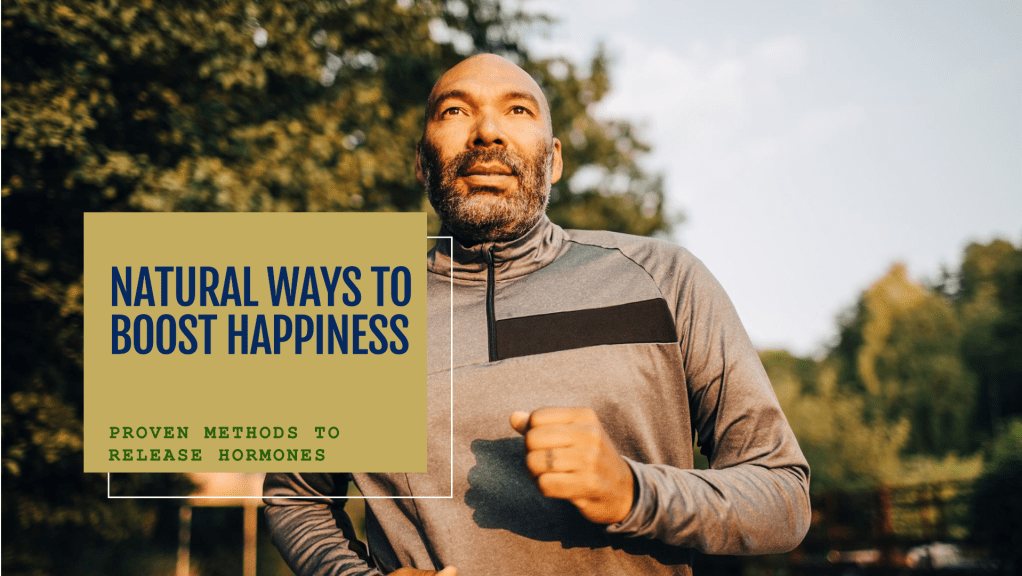
Proven Methods: How to Release Happiness Hormones Naturally

Happiness hormones, also known as “feel-good” hormones, play a crucial role in regulating our mood, stress levels, and overall well-being. By incorporating certain habits and activities into your daily life, you can naturally boost the production of these hormones and enhance your emotional health. Here are some effective ways to release happiness hormones naturally:

1. Exercise Regularly Physical activity is one of the most effective ways to boost endorphins, which are the body’s natural painkillers and mood elevators. Whether it’s a brisk walk, a run, or a yoga session, regular exercise can significantly improve your mood and reduce feelings of stress and anxiety.

2. Spend Time in Nature Connecting with nature has been shown to increase serotonin levels, a hormone that contributes to feelings of happiness and well-being. Activities like hiking, gardening, or simply spending time in a park can help you feel more relaxed and content.

3. Eat a Healthy, Balanced Diet Certain foods can naturally boost the production of happiness hormones. Omega-3 fatty acids found in fish, nuts, and seeds help increase dopamine levels, which are associated with feelings of pleasure and motivation. Dark chocolate is also known to boost endorphins, making it a delightful treat that enhances mood.

4. Practice Mindfulness and Meditation Mindfulness and meditation practices can help increase dopamine and serotonin levels, promoting feelings of peace and contentment. Regular meditation helps reduce stress, improves focus, and enhances overall emotional well-being.

5. Socialize and Connect with Loved Ones Spending time with friends and family, engaging in meaningful conversations, and participating in group activities can boost oxytocin levels. Oxytocin, often called the “love hormone,” is released during social bonding and contributes to feelings of trust, empathy, and connection.

6. Get Enough Sleep Quality sleep is essential for maintaining balanced hormone levels. Lack of sleep can lead to decreased serotonin levels, making it harder to feel happy and energized. Aim for 7-9 hours of sleep each night to support your mental and emotional health.

7. Practice Gratitude Cultivating a habit of gratitude can increase dopamine production. By focusing on the positive aspects of your life and expressing appreciation for what you have, you can boost your mood and overall happiness.

8. Laugh More Laughter is a powerful way to release endorphins. Whether you’re watching a funny movie, spending time with humorous friends, or simply finding joy in everyday moments, laughter can instantly lift your spirits.

9. Listen to Music Listening to your favorite music can increase dopamine levels and improve your mood. Music has a unique ability to evoke emotions, and upbeat or calming tunes can help you feel more positive and relaxed.

10. Practice Acts of Kindness Doing something kind for others, whether it’s volunteering, helping a friend, or simply offering a smile, can increase oxytocin levels. Acts of kindness not only benefit the recipient but also enhance your own sense of happiness and fulfillment.

By incorporating these habits into your daily routine, you can naturally boost your happiness hormones and enjoy a more positive and fulfilling life.