

The Benefits of Regular Exercise for Mental Health

Regular exercise is not only essential for physical health but also has profound benefits for mental health. Engaging in physical activities can help reduce stress, improve mood, boost self-esteem, and enhance overall well-being. Here’s how regular exercise can positively impact your mental health.

Reducing Stress and Anxiety: Exercise helps lower stress levels and reduce anxiety. Physical activity increases the production of endorphins, which are natural mood lifters.

Example: Incorporate activities like jogging, swimming, or cycling into your routine to help alleviate stress and anxiety.

Improving Mood and Fighting Depression: Regular exercise can improve mood and act as a natural antidepressant. It helps increase the production of serotonin, a neurotransmitter that plays a crucial role in mood regulation.

Example: Join a fitness class or engage in a group sport to boost your mood and combat feelings of depression.

Boosting Self-Esteem and Confidence: Exercise can help improve self-esteem and confidence by enhancing your physical appearance and overall health. Achieving fitness goals can provide a sense of accomplishment.

Example: Set achievable fitness goals, such as running a 5K or mastering a new yoga pose, to build confidence and self-esteem.

Enhancing Cognitive Function: Physical activity improves cognitive function by increasing blood flow to the brain. It can enhance memory, concentration, and overall brain health.

Example: Incorporate exercises that require coordination and focus, such as dance or martial arts, to boost cognitive function.

Promoting Better Sleep: Regular exercise can help improve sleep quality and duration. Physical activity helps regulate your sleep-wake cycle and can alleviate insomnia.

Example: Engage in moderate-intensity exercises like brisk walking or swimming during the day to promote better sleep at night.

Providing Social Support: Participating in group exercises or sports can provide social support and reduce feelings of loneliness and isolation.

Example: Join a local sports team, fitness class, or running club to build social connections and enjoy the mental health benefits of exercise.

Practical Tips for Incorporating Exercise into Your Routine:

  1. Choose Activities You Enjoy:
    • Find physical activities that you enjoy and are more likely to stick with, such as dancing, hiking, or swimming.
  2. Set Realistic Goals:
    • Start with small, achievable goals and gradually increase the intensity and duration of your workouts.
  3. Make It a Habit:
    • Schedule regular exercise sessions into your daily routine to make it a consistent habit.
  4. Stay Motivated:
    • Keep yourself motivated by tracking your progress, joining exercise groups, or working out with a friend.

By incorporating regular exercise into your routine, you can experience significant improvements in your mental health and overall well-being.

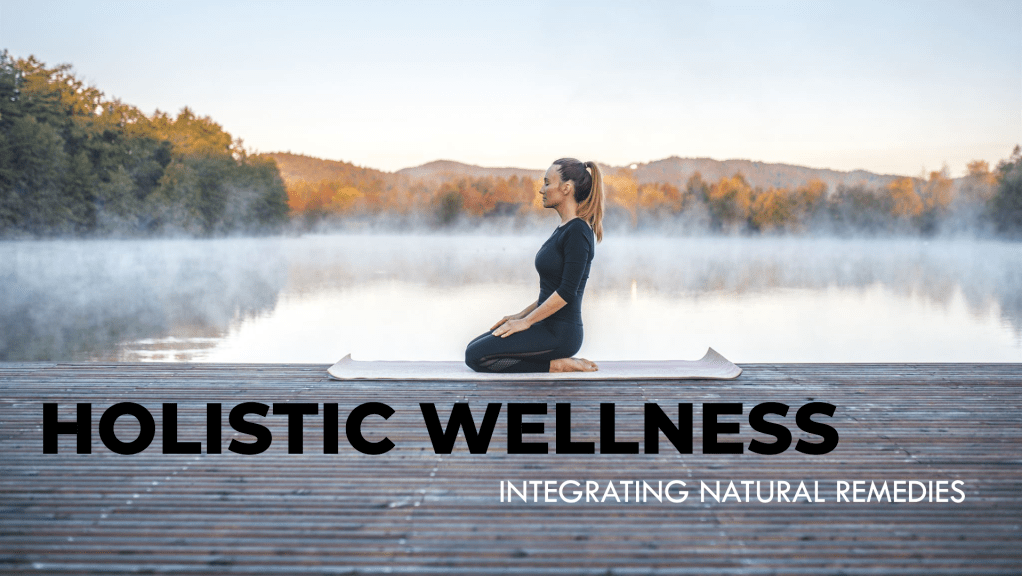
Embracing Holistic Wellness: Integrating Natural Remedies for Better Health

Understanding Holistic Wellness

Holistic wellness focuses on the whole person, considering physical, mental, emotional, and spiritual aspects. It promotes a balanced lifestyle that nurtures all facets of health.

Key Components of Holistic Wellness

  1. Physical Health: Regular exercise, a balanced diet, and adequate sleep are essential. Activities like yoga and tai chi improve physical fitness and mental relaxation.
  2. Mental and Emotional Health: Managing stress through mindfulness, meditation, and positive thinking enhances mental clarity and emotional stability.
  3. Spiritual Health: Finding purpose and meaning through spiritual practices or spending time in nature fosters inner peace and fulfillment.

Natural Remedies for Common Ailments

  1. Echinacea for Colds and Flu: Known for its immune-boosting properties, echinacea can reduce the duration and severity of colds and flu.
    • Usage: Take supplements or drink echinacea tea at the first sign of symptoms.
  2. Ginger for Digestive Issues: Ginger is effective for soothing nausea, indigestion, and bloating.
    • Usage: Incorporate fresh ginger into meals or drink ginger tea after eating.
  3. Turmeric for Inflammation: Turmeric’s anti-inflammatory properties can help manage conditions like arthritis.
    • Usage: Add turmeric to your diet or take it as a supplement.

Benefits of Holistic Wellness

  1. Improved Physical Health: Addressing the root causes leads to better overall health.
  2. Enhanced Mental and Emotional Stability: Mindfulness and meditation reduce stress and improve mental clarity.
  3. Greater Life Satisfaction: Balancing all aspects of well-being leads to a more fulfilling life.

Implementing Holistic Wellness in Daily Life

  1. Set Realistic Goals: Start with small, achievable goals in each area of health.
  2. Create a Balanced Routine: Include physical activities, mental exercises, and spiritual practices in your daily schedule.
  3. Seek Professional Guidance: Consult with holistic health professionals for personalized advice.

Call to Action

Embrace holistic wellness today for a balanced and fulfilling life. Visit Holistic Wellness Guide for more tips on integrating these practices into your daily routine.

How Yoga Helped David Overcome Anxiety

Finding Balance: How Yoga Helped David Overcome Anxiety

Meet David, a 40-year-old lawyer who struggled with anxiety and stress due to his demanding job. Discover how he found balance and inner peace through the practice of yoga. In this post, we’ll share David’s journey and how yoga transformed his mental health.

David’s high-stress job led to frequent anxiety attacks and difficulty sleeping. Determined to find a solution, he decided to try yoga.

Step 1: Starting with Beginner Classes: David began with beginner yoga classes to learn the basics and build his confidence.

Example: David attended a local yoga studio twice a week, focusing on gentle poses and breathing exercises.

Step 2: Incorporating Yoga into Daily Routine: To manage his anxiety, David started practicing yoga at home every morning, even if only for a few minutes.

Example: David followed online yoga videos and practiced for 15 minutes each morning to start his day with calm and focus.

Step 3: Exploring Different Yoga Styles: David tried various yoga styles, including Hatha, Vinyasa, and Yin Yoga, to find what worked best for him.

Example: On weekends, David attended different classes to explore new styles and deepen his practice.

Step 4: Combining Yoga with Meditation: To enhance the benefits, David combined his yoga practice with meditation, focusing on mindfulness and relaxation.

Example: After each yoga session, David spent 10 minutes meditating, focusing on his breath and letting go of stress.

David’s Transformation: Within a few months, David noticed a significant reduction in his anxiety levels. He felt more relaxed, focused, and better equipped to handle stress. Yoga became an essential part of his daily routine, improving both his mental and physical health.

David’s journey highlights the transformative power of yoga for managing anxiety and stress. At Alchemy International, we believe in the benefits of holistic practices like yoga to promote mental well-being. Start your yoga journey today and experience the positive impact it can have on your life.

The Top 5 Benefits of Regular Exercise for Mental Health

Mind and Body: The Top 5 Benefits of Regular Exercise for Mental Health

Regular exercise is not only crucial for physical health but also plays a significant role in mental well-being. Engaging in physical activities can help alleviate symptoms of depression, anxiety, and stress. In this post, we’ll explore the top five benefits of regular exercise for mental health and how it can enhance your overall quality of life.

Benefit 1: Reduces Symptoms of Depression: Exercise increases the production of endorphins, which are natural mood lifters. It can help reduce symptoms of depression and improve overall mood.

Benefit 2: Alleviates Anxiety: Regular physical activity helps reduce anxiety by promoting relaxation and reducing stress hormones. It provides a healthy outlet for tension and worry.

Benefit 3: Enhances Cognitive Function: Exercise improves brain function by increasing blood flow and promoting the growth of new brain cells. It can enhance memory, focus, and overall cognitive abilities.

Benefit 4: Improves Sleep Quality: Physical activity can help regulate sleep patterns and improve the quality of your sleep. It promotes relaxation and reduces the likelihood of insomnia.

Benefit 5: Boosts Self-Esteem: Engaging in regular exercise can boost self-esteem and confidence. It helps you feel better about your body and abilities, which can translate into a more positive self-image.

Regular exercise is a powerful tool for improving mental health and overall well-being. At Alchemy International, we believe in the holistic benefits of physical activity to support a healthy mind and body. Incorporate regular exercise into your routine and experience the mental health benefits for yourself.

The Power of Gratitude: How Keeping a Gratitude Journal Can Improve Your Mental Health

The Power of Gratitude: How Keeping a Gratitude Journal Can Improve Your Mental Health

Gratitude is a powerful emotion that can have a profound impact on your mental health and overall well-being. Keeping a gratitude journal is a simple yet effective practice that can help you focus on the positive aspects of your life. In this post, we’ll explore the benefits of gratitude journaling and provide tips on how to start your own gratitude journal.

Benefit 1: Enhances Positivity: Regularly writing down things you are grateful for helps shift your focus from negative to positive thoughts. This practice can boost your overall mood and outlook on life.

How to Practice:

  1. Each day, write down three things you are grateful for.
  2. Reflect on why these things are meaningful to you.

Benefit 2: Reduces Stress and Anxiety: Focusing on gratitude can reduce stress and anxiety levels by promoting a sense of calm and contentment. It helps you appreciate the good things in your life, even during challenging times.

How to Practice:

  1. Take a few minutes each day to write in your gratitude journal, especially during stressful times.
  2. Reflect on positive experiences and how they made you feel.

Benefit 3: Improves Sleep: Practicing gratitude before bed can improve sleep quality by calming your mind and reducing negative thoughts that may interfere with your rest.

How to Practice:

  1. Spend a few minutes each night writing in your gratitude journal before going to bed.
  2. Focus on positive events from the day and things you are looking forward to.

Benefit 4: Boosts Self-Esteem: Gratitude journaling can boost your self-esteem by helping you recognize your accomplishments and strengths. It encourages you to appreciate your unique qualities and contributions.

How to Practice:

  1. Write about personal achievements and positive feedback you have received.
  2. Reflect on your strengths and how they have helped you overcome challenges.

Benefit 5: Encourages Mindfulness: Gratitude journaling promotes mindfulness by encouraging you to be present and fully engaged in the moment. It helps you savor positive experiences and appreciate the simple joys of life.

How to Practice:

  1. Pay attention to the details of your daily experiences.
  2. Write about small moments that brought you joy or made you feel grateful.

Keeping a gratitude journal is a powerful tool for improving your mental health and overall well-being. By focusing on the positive aspects of your life, you can enhance your mood, reduce stress, and cultivate a greater sense of happiness. At Alchemy International, we believe in the power of gratitude and mindfulness to support mental wellness. Start your gratitude journal today and experience the benefits for yourself.