The Power of Mindfulness: Simple Practices to Reduce Stres

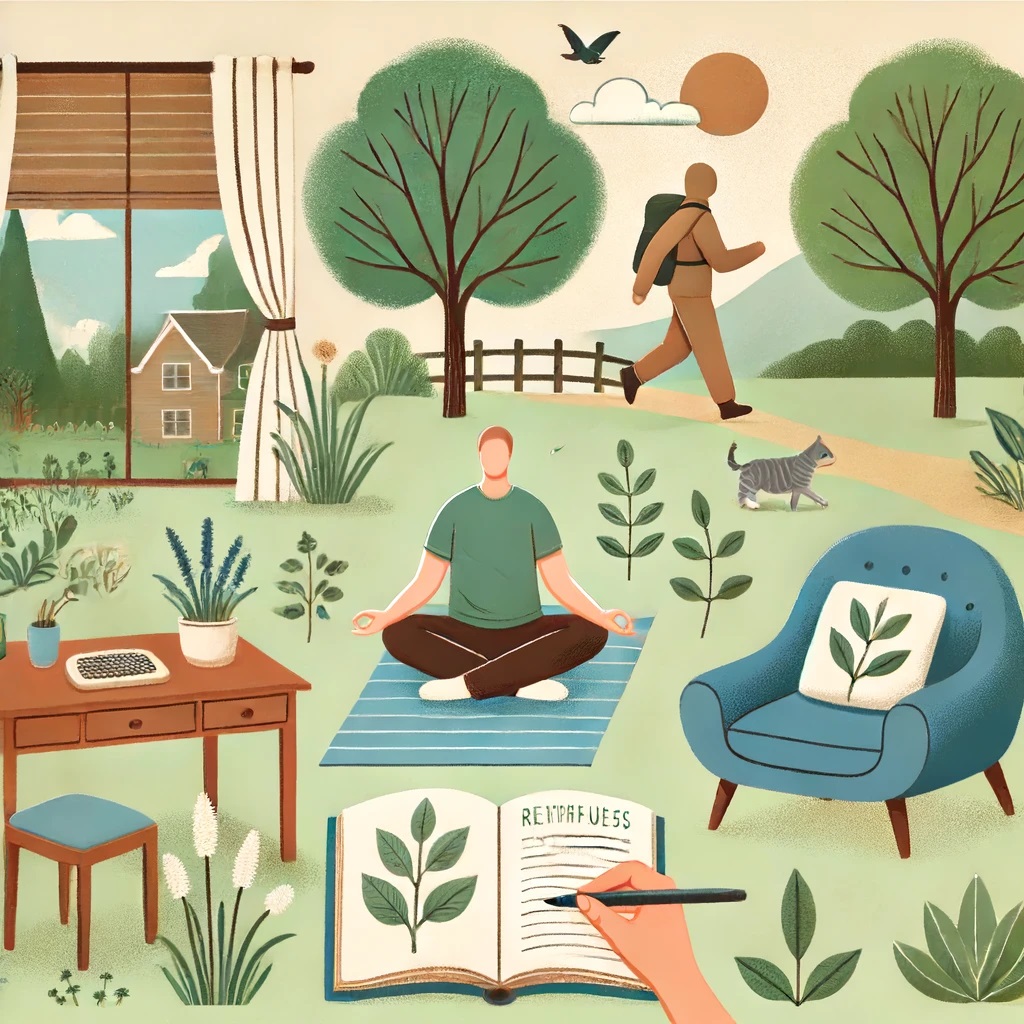
Mindfulness is a powerful tool for reducing stress and improving overall well-being. By practicing mindfulness, you can bring your attention to the present moment and experience greater peace and clarity. Here are some simple mindfulness practices to incorporate into your daily routine.

Mindful Breathing: Mindful breathing involves paying close attention to your breath. It helps calm the mind and reduce stress by bringing your focus to the present moment.

Example: Spend a few minutes each day sitting quietly and focusing on your breath. Inhale deeply through your nose, hold for a moment, and exhale slowly through your mouth. Notice the sensation of your breath as it flows in and out.

Body Scan Meditation: Body scan meditation involves focusing on different parts of your body and noticing any sensations. This practice helps you become more aware of your body and release tension.

Example: Lie down comfortably and close your eyes. Starting from your toes, slowly move your attention up through your body, noticing any sensations without judgment. Finish at the top of your head, feeling a sense of relaxation.

Mindful Walking: Mindful walking is about paying attention to the sensations of walking. It’s a great way to practice mindfulness while getting some exercise.

Example: Take a walk outside and focus on the sensation of your feet touching the ground, the movement of your legs, and the rhythm of your breath. Notice your surroundings and bring your mind back to the present moment whenever it wanders.

Mindful Eating: Mindful eating involves paying attention to the taste, texture, and smell of your food. It helps you appreciate your meals more and can improve digestion.

Example: During meals, take small bites and chew slowly. Notice the flavors and textures of the food. Avoid distractions like TV or smartphones to fully engage in the eating experience.

Gratitude Journaling: Writing down things you are grateful for can shift your focus from stress to positivity. It’s a simple practice that can boost your mood and overall outlook on life.

Example: Each evening, write down three things you are grateful for in a journal. Reflect on these moments and appreciate the positive aspects of your day.

By incorporating these simple mindfulness practices into your routine, you can reduce stress and enhance your overall well-being.


How Sarah Found Peace Through Daily Meditation

Finding Inner Peace: How Sarah Transformed Her Life with Daily Meditation

Meet Sarah, a 28-year-old software engineer who struggled with anxiety and stress due to her demanding job. Discover how she transformed her mental health and found inner peace through the practice of daily meditation. In this post, we’ll share Sarah’s inspiring journey and the practical steps she took to incorporate meditation into her routine.

Sarah’s Story: Sarah’s high-pressure job left her feeling overwhelmed and anxious. She had trouble sleeping and constantly felt on edge. Determined to find a solution, she turned to meditation after reading about its benefits for mental health.

Step 1: Starting Small: Sarah began her meditation journey with just 5 minutes a day. She found a quiet space in her home and focused on her breath, gradually increasing the duration as she became more comfortable.

Example: Sarah used a meditation app to guide her through short sessions, helping her stay focused and consistent.

Step 2: Creating a Routine: To make meditation a habit, Sarah incorporated it into her daily routine. She meditated first thing in the morning, setting a positive tone for the day.

Example: Sarah set her alarm 10 minutes earlier and dedicated those few minutes to meditation before starting her day.

Step 3: Exploring Different Techniques: Sarah experimented with various meditation techniques, including guided meditations, body scans, and mindfulness practices, to find what worked best for her.

Example: On stressful days, Sarah preferred guided meditations that helped her relax and clear her mind.

Step 4: Joining a Community: To stay motivated, Sarah joined a local meditation group where she could share her experiences and learn from others.

Example: The group met once a week for group meditations and discussions, providing Sarah with a sense of support and community.

Sarah’s Transformation: After a few months of consistent practice, Sarah noticed significant improvements in her mental health. She felt calmer, more focused, and better equipped to handle stress. Meditation became an essential part of her daily routine, helping her maintain inner peace and balance.

Sarah’s journey demonstrates the profound impact of daily meditation on mental health and overall well-being. At Alchemy International, we believe in the power of mindfulness practices like meditation to promote holistic wellness. Start your meditation journey today and discover the transformative benefits for yourself.

The Benefits of Daily Walking: Simple Steps to Better Health

Walking is one of the simplest and most accessible forms of exercise, yet it offers numerous health benefits for both body and mind. Whether you’re looking to improve your physical health, boost your mental well-being, or simply enjoy some time outdoors, incorporating daily walks into your routine can make a significant difference.

Physical Health Benefits: Walking regularly can have a profound impact on your physical health. It helps improve cardiovascular fitness, strengthens bones and muscles, and aids in weight management. Research has shown that walking can lower the risk of chronic diseases such as heart disease, type 2 diabetes, and certain cancers. Additionally, walking enhances circulation, boosts immune function, and promotes better sleep.

Mental Health Benefits: In addition to its physical benefits, walking also has a positive effect on mental health. Engaging in regular walks can reduce stress, anxiety, and depression by releasing endorphins and promoting relaxation. It provides an opportunity to clear your mind, enjoy the present moment, and practice mindfulness. Walking in nature, in particular, has been shown to enhance mood and overall mental well-being.

Improving Creativity and Focus: Walking is not only good for your body and mind but also for your creativity and focus. Studies have found that walking can stimulate creative thinking and problem-solving. When you take a walk, your brain receives increased blood flow and oxygen, which can enhance cognitive function. Consider taking short walking breaks during work or study sessions to boost productivity and generate new ideas.

Social Benefits: Walking can be a social activity that strengthens relationships and builds a sense of community. Walking with friends, family, or joining walking groups provides an opportunity to connect with others, have meaningful conversations, and enjoy shared experiences. It can also be a great way to meet new people and expand your social network.

Incorporating Walking into Daily Routine: Making walking a regular part of your daily routine doesn’t have to be difficult. Start by setting specific times for your walks, such as a morning walk to kickstart your day, a lunchtime stroll to break up your workday, or an evening walk to unwind. Use walking as a mode of transportation whenever possible, such as walking to work, running errands on foot, or taking the stairs instead of the elevator.

Setting Goals and Tracking Progress: Setting walking goals and tracking your progress can help you stay motivated and accountable. Use apps or fitness trackers to monitor your steps and set daily or weekly goals. Celebrate milestones and reward yourself for achieving your targets. Gradually increase the duration and intensity of your walks as your fitness improves.

Exploring Nature and Local Areas: Walking is a great way to explore nature and discover new places in your local area. Take advantage of parks, nature trails, and scenic neighborhoods. Spending time outdoors and connecting with nature has additional benefits for your overall well-being, including reducing stress and improving mood.

Mindful Walking Practices: Enhance the benefits of walking by incorporating mindful practices. Focus on your breath, observe your surroundings, and stay present in the moment. Practice gratitude as you walk, appreciating the sights, sounds, and sensations around you. Mindful walking can improve mental clarity, reduce stress, and enhance your overall walking experience.

Personal Stories and Testimonials: Many individuals have experienced the transformative power of daily walking. For example, Jane, a busy professional, found that incorporating a 30-minute walk into her morning routine significantly reduced her stress levels and improved her productivity at work. Similarly, John, who struggled with weight management, started walking every evening and lost over 20 pounds in six months while also feeling more energetic and positive.

Healing Through Art: The Benefits of Creative Expression

Creative expression through art has been recognized as a powerful tool for healing and personal growth. Engaging in artistic activities can provide emotional, mental, and even physical benefits, making it a valuable practice for overall well-being. Here’s how you can harness the healing power of art and creative expression to enhance your health and wellness.

1. Emotional Healing

Art allows for the expression of emotions that might be difficult to articulate with words. It provides a safe outlet to explore and release feelings.

  • Example: Drawing, painting, or sculpting can help you process and express emotions such as sadness, anger, or joy. Create a piece of art that reflects your current emotional state to gain insights and find relief.

2. Stress Reduction

Engaging in creative activities can reduce stress by providing a distraction from daily pressures and fostering a state of relaxation.

  • Example: Spend time coloring in an adult coloring book or creating a mandala. The repetitive nature of these activities can induce a meditative state, reducing stress and promoting calmness.

3. Mental Health Benefits

Art therapy has been shown to improve mental health by enhancing self-awareness, self-esteem, and emotional resilience.

  • Example: Journaling with a combination of words and images can help you explore your thoughts and feelings, leading to greater self-awareness and emotional healing.

4. Cognitive Benefits

Creating art can enhance cognitive functions such as problem-solving, critical thinking, and memory.

  • Example: Try engaging in activities like puzzle-making, drawing intricate designs, or creating collages. These tasks stimulate the brain and can improve cognitive abilities.

5. Physical Benefits

Art can also have physical benefits, particularly for those recovering from illness or injury. It can improve motor skills, hand-eye coordination, and overall physical health.

  • Example: Activities like knitting, sculpting, or pottery can improve fine motor skills and hand strength. These activities also provide a sense of accomplishment and progress.

6. Social Connection

Participating in group art activities can foster a sense of community and connection with others, reducing feelings of isolation.

  • Example: Join a local art class or community art group. Collaborating with others on creative projects can enhance social bonds and provide emotional support.

7. Self-Expression and Identity

Art allows you to explore and express your identity, helping you understand yourself better and fostering personal growth.

  • Example: Create a self-portrait or a visual diary that reflects your experiences and identity. This practice can help you connect with your inner self and gain insights into your personal journey.

8. Healing Trauma

Art therapy can be particularly effective for healing trauma, as it provides a non-verbal outlet for processing traumatic experiences.

  • Example: Work with an art therapist to create pieces that reflect your trauma and healing journey. This process can help you process and release traumatic memories in a safe and supportive environment.

9. Enhancing Creativity

Engaging in artistic activities can boost creativity and inspire new ideas in various areas of life.

  • Example: Try experimenting with different art forms such as painting, digital art, or mixed media. Allow yourself to explore and take risks with your creativity.

10. Mindfulness and Presence

Creating art encourages mindfulness and being present in the moment, which can reduce anxiety and promote a sense of peace.

  • Example: Practice mindful drawing or painting by focusing on the sensations of the materials, the colors, and the movements of your hands. This can help you stay grounded and connected to the present moment.

Practical Tips for Incorporating Art into Your Life

  • Start Small: Begin with simple art activities that you enjoy, such as doodling or coloring. Gradually explore more complex projects as you become more comfortable.
    • Example: Set aside 10-15 minutes each day to engage in a creative activity.
  • Create a Dedicated Space: Set up a space in your home where you can create art without interruptions.
    • Example: Use a corner of a room with a table, art supplies, and good lighting to create your art studio.
  • Join a Class or Group: Look for local or online art classes and groups that align with your interests.
    • Example: Enroll in a painting class at a community center or join an online art workshop.
  • Use Art Supplies You Enjoy: Invest in quality art supplies that inspire you and make the creative process enjoyable.
    • Example: Buy a set of high-quality colored pencils, paints, or markers to enhance your creative experience.
  • Be Patient with Yourself: Remember that art is about the process, not the outcome. Allow yourself to create without judgment or pressure.
    • Example: Focus on enjoying the act of creating rather than striving for perfection.

The Benefits of Yoga: A Holistic Approach to Health and Well-Being

Yoga is an ancient practice that combines physical postures, breathing exercises, meditation, and a distinct philosophy to promote overall health and well-being. This holistic approach can provide numerous benefits for the mind, body, and spirit. Here’s how incorporating yoga into your daily routine can enhance your health and well-being.

1. Physical Health Benefits

Yoga offers a wide range of physical health benefits, making it an excellent addition to your fitness routine.

  • Improves Flexibility: Regular yoga practice helps increase flexibility, reducing the risk of injuries and improving overall mobility.
    • Example: Practicing poses like the forward bend or seated stretches can gradually improve flexibility over time.
  • Builds Strength: Many yoga poses are weight-bearing, which helps build and tone muscles throughout the body.
    • Example: Holding poses like plank, warrior, and chair pose can strengthen various muscle groups.
  • Enhances Balance and Coordination: Yoga poses often involve balancing on one leg or holding a pose for an extended period, which improves balance and coordination.
    • Example: Tree pose and eagle pose are excellent for developing balance.
  • Supports Cardiovascular Health: Certain styles of yoga, like Vinyasa or Power Yoga, can provide a cardiovascular workout that enhances heart health.
    • Example: Flowing through a series of sun salutations increases heart rate and improves cardiovascular endurance.

2. Mental Health Benefits

Yoga is well-known for its positive effects on mental health, helping to reduce stress, anxiety, and depression.

  • Reduces Stress: Yoga encourages relaxation and helps reduce the production of stress hormones.
    • Example: Incorporating relaxation poses like child’s pose and corpse pose into your routine can help reduce stress levels.
  • Improves Mood: The combination of physical activity, breathing exercises, and meditation in yoga promotes the release of endorphins, which can enhance mood.
    • Example: Practicing a gentle yoga sequence followed by a short meditation session can lift your spirits.
  • Enhances Focus and Concentration: The mindfulness aspect of yoga helps improve focus and concentration, making it easier to stay present in daily activities.
    • Example: Breathing exercises, such as alternate nostril breathing, can improve mental clarity and concentration.
  • Promotes Better Sleep: Regular yoga practice can help regulate sleep patterns and improve the quality of sleep.
    • Example: Practicing restorative yoga or gentle stretches before bed can promote relaxation and better sleep.

3. Emotional Health Benefits

Yoga helps cultivate a positive mindset and emotional resilience, which are essential for overall well-being.

  • Boosts Self-Esteem: Achieving and holding challenging poses can enhance self-esteem and confidence.
    • Example: Mastering poses like crow pose or headstand can boost your sense of accomplishment and self-worth.
  • Encourages Mindfulness: Yoga teaches you to be present in the moment, which can enhance your appreciation of life and foster a positive outlook.
    • Example: Mindful breathing exercises during yoga practice help you stay connected to the present moment.
  • Improves Emotional Regulation: The meditative aspects of yoga can help you manage and process emotions more effectively.
    • Example: Incorporating meditation and mindfulness practices into your yoga routine can help you stay calm and balanced in stressful situations.

4. Spiritual Health Benefits

Yoga can deepen your spiritual awareness and foster a sense of inner peace and connection.

  • Promotes Inner Peace: The meditative practices in yoga help you connect with your inner self, fostering a sense of peace and tranquility.
    • Example: Practicing yoga nidra, a form of guided meditation, can promote deep relaxation and inner peace.
  • Encourages Personal Growth: Yoga’s philosophy encourages self-reflection and personal growth, helping you develop a deeper understanding of yourself and your purpose.
    • Example: Keeping a yoga journal to reflect on your practice and personal insights can promote self-awareness and growth.
  • Fosters a Sense of Connection: Yoga encourages a sense of connection to others and the world around you, promoting compassion and empathy.
    • Example: Group yoga classes and community events can foster a sense of belonging and connection.

5. Practical Tips for Incorporating Yoga into Your Daily Routine

  • Start Small: Begin with short, manageable sessions and gradually increase the duration and intensity as you become more comfortable.
    • Example: Start with a 10-minute morning yoga routine and gradually increase it to 30 minutes.
  • Create a Dedicated Space: Set up a quiet, clutter-free space in your home where you can practice yoga without distractions.
    • Example: Use a yoga mat, blocks, and a cushion to create a comfortable practice area.
  • Follow Online Classes: If you’re new to yoga, consider following online classes or tutorials to guide your practice.
    • Example: Platforms like YouTube, Yoga with Adriene, and Gaia offer a variety of classes for all levels.
  • Join a Yoga Community: Joining a local yoga class or community can provide support and motivation.
    • Example: Participate in group classes or workshops to deepen your practice and connect with like-minded individuals.
  • Listen to Your Body: Pay attention to your body’s signals and modify poses as needed to avoid injury.
    • Example: If a pose feels uncomfortable or painful, use props or adjust the pose to suit your body’s needs.

The Benefits of Spending Time in Nature: Reconnect with the Outdoors

In our modern, fast-paced world, it’s easy to become disconnected from nature. However, spending time outdoors offers numerous benefits for our physical, mental, and emotional well-being. Reconnecting with nature can enhance your quality of life in many ways. Here’s how spending time in nature can benefit you and practical tips to incorporate more outdoor activities into your routine.

Physical Health Benefits

Spending time in nature can have profound effects on your physical health. Activities like walking, hiking, and cycling improve cardiovascular health, strengthen muscles, and enhance flexibility.

  • Example: Regularly hiking in a local nature reserve can improve your stamina and cardiovascular fitness while providing beautiful scenery to enjoy.

Mental Health Benefits

Nature has a calming effect on the mind. It can reduce stress, anxiety, and depression, while improving mood and mental clarity. The natural environment helps to lower cortisol levels and promotes relaxation.

  • Example: A daily walk in the park can significantly reduce stress levels and improve your mood, providing a break from the hustle and bustle of daily life.

Enhanced Creativity and Focus

Being in nature can boost creativity and improve focus. The natural environment allows your mind to rest and rejuvenate, which can enhance problem-solving skills and creativity.

  • Example: If you’re struggling with a work project, take a break and spend some time outdoors. You may find that the fresh air and natural surroundings help you come up with new ideas and solutions.

Improved Sleep

Exposure to natural light helps regulate your circadian rhythm, leading to better sleep. Spending time outdoors, especially in the morning, can improve the quality and duration of your sleep.

  • Example: Start your day with a morning walk in the sunlight to help set your internal clock and promote better sleep at night.

Increased Physical Activity

Nature encourages physical activity, which is essential for overall health. Outdoor activities like hiking, swimming, and gardening can help you stay active and fit.

  • Example: Join a local hiking group to explore different trails and stay motivated to exercise regularly in a fun and social way.

Connection to Nature and Mindfulness

Spending time in nature fosters a sense of connection to the environment and promotes mindfulness. It encourages you to be present and appreciate the beauty around you.

  • Example: Practice mindfulness by sitting quietly in a natural setting, focusing on the sounds, smells, and sights around you. This can help you feel more grounded and connected to the world.

Social Benefits

Outdoor activities can also be social activities. Hiking, picnicking, or playing sports in a park are great ways to connect with friends and family while enjoying nature.

  • Example: Organize a weekend picnic with friends in a local park. Bring along games and activities to enjoy together, fostering social connections and a love for the outdoors.

Boosted Immune System

Spending time in nature can boost your immune system. Exposure to diverse natural environments increases the diversity of beneficial microbes in your body, strengthening your immune response.

  • Example: Regular visits to different natural settings, such as forests, beaches, and mountains, can expose you to a variety of beneficial microbes and enhance your immune health.

Inspiration and Perspective

Nature can provide inspiration and a sense of perspective. Observing the vastness and beauty of the natural world can help you feel more connected and appreciative of life.

  • Example: Spend time in awe-inspiring natural locations, such as mountains or oceans, to gain a greater sense of perspective and inspiration.

Practical Tips to Reconnect with Nature

1. Make Outdoor Time a Priority

Schedule regular time in your week to spend outdoors. Treat it as an important part of your routine.

  • Example: Block off time in your calendar for outdoor activities, such as weekend hikes or evening walks.

2. Explore Local Parks and Trails

Take advantage of local parks, nature reserves, and trails. These are often easily accessible and offer a quick escape to nature.

  • Example: Research and visit different parks and trails in your area. Try to explore a new one each week to keep things interesting.

3. Practice Outdoor Hobbies

Engage in hobbies that take you outdoors, such as bird watching, photography, or gardening.

  • Example: Start a small garden in your backyard or join a community garden to spend more time outdoors and enjoy the therapeutic benefits of gardening.

4. Plan Outdoor Activities with Friends and Family

Incorporate social activities that involve spending time in nature. This makes it more enjoyable and helps you stay committed.

  • Example: Plan regular outdoor outings with friends and family, such as camping trips, beach days, or nature walks.

5. Unplug and Be Present

When spending time in nature, unplug from digital devices and be fully present in the moment.

  • Example: Leave your phone behind or turn it off when you go for a walk in the park. Focus on the sights, sounds, and smells around you.

6. Bring Nature Indoors

If you can’t get outside, bring nature indoors. Houseplants, natural light, and nature-inspired decor can help create a calming environment.

  • Example: Fill your living space with plants and natural elements, like wooden furniture and stone accents, to create a peaceful, nature-inspired atmosphere.

Harnessing the Power of Meditation: Techniques for Beginners

Meditation is a powerful practice that can help reduce stress, improve mental clarity, and enhance overall well-being. For beginners, starting a meditation practice may seem daunting, but with simple techniques and consistent practice, anyone can harness its benefits. Here’s a guide to help you get started with meditation.

Understanding Meditation

Meditation involves focusing the mind and eliminating distractions to achieve a state of mental clarity and emotional calm. It can be practiced in various forms, such as mindfulness meditation, guided meditation, and transcendental meditation.

Benefits of Meditation

Regular meditation can reduce stress, enhance concentration, improve emotional health, increase self-awareness, and promote better sleep. It can also lower blood pressure and improve overall physical health.

Getting Started with Meditation

1. Find a Quiet Space

Choose a quiet, comfortable space where you won’t be disturbed. This helps create a conducive environment for meditation.

  • Example: Set up a corner in your home with a comfortable cushion or chair, dim lighting, and minimal distractions. This can become your dedicated meditation space.

2. Set a Regular Time

Establish a regular meditation routine by setting aside a specific time each day. Consistency is key to developing a successful practice.

  • Example: Start with 5-10 minutes of meditation each morning or evening. Gradually increase the duration as you become more comfortable with the practice.

3. Focus on Your Breath

One of the simplest and most effective meditation techniques is focusing on your breath. This helps anchor your mind and bring your attention to the present moment.

  • Example: Sit comfortably, close your eyes, and take slow, deep breaths. Focus on the sensation of the breath entering and leaving your nostrils. If your mind wanders, gently bring it back to your breath.

4. Guided Meditation

Guided meditation involves following along with a recorded meditation session led by an instructor. This can be especially helpful for beginners.

  • Example: Use meditation apps like Headspace, Calm, or Insight Timer, which offer a variety of guided meditation sessions for different needs and skill levels.

5. Body Scan Meditation

Body scan meditation involves paying attention to different parts of your body, from head to toe, to release tension and promote relaxation.

  • Example: Lie down or sit comfortably. Close your eyes and slowly bring your attention to each part of your body, starting from your toes and moving up to your head. Notice any sensations or areas of tension and relax them as you go.

6. Loving-Kindness Meditation

Loving-kindness meditation focuses on cultivating compassion and positive feelings toward yourself and others.

  • Example: Sit comfortably and close your eyes. Begin by silently repeating phrases like “May I be happy, may I be healthy, may I be safe, may I live with ease.” Gradually extend these wishes to loved ones, acquaintances, and even people you have conflicts with.

7. Walking Meditation

Walking meditation combines movement with mindfulness. It’s a great way to meditate if sitting still feels challenging.

  • Example: Find a quiet place where you can walk slowly. Pay attention to the sensation of each step, the movement of your legs, and the contact of your feet with the ground. Focus on your breathing and stay present with each step.

8. Use a Mantra

A mantra is a word or phrase repeated during meditation to help focus the mind and eliminate distractions.

  • Example: Choose a simple mantra like “peace,” “calm,” or “om.” Repeat it silently or aloud as you meditate, synchronizing it with your breath.

9. Start Small

As a beginner, it’s important to start with short meditation sessions and gradually increase the duration. This helps build your practice without feeling overwhelmed.

  • Example: Begin with 3-5 minutes of meditation each day. As you become more comfortable, gradually extend the sessions to 10, 15, or 20 minutes.

10. Be Patient and Compassionate

Meditation is a skill that takes time and practice to develop. Be patient with yourself and approach your practice with compassion, without judgment.

  • Example: If your mind wanders during meditation, gently bring your focus back to your breath or mantra. Understand that distractions are natural, and each session is an opportunity to practice refocusing.

The Benefits of Journaling: A Path to Self-Discovery and Mental Clarity

Journaling is a powerful tool for self-discovery, mental clarity, and emotional well-being. By regularly putting your thoughts and feelings on paper, you can gain insights into your inner world, manage stress, and enhance your overall quality of life. Here are the benefits of journaling and practical tips to get started.

1. Self-Discovery and Personal Growth

Journaling allows you to explore your thoughts, emotions, and experiences, helping you understand yourself better. This self-awareness can lead to personal growth and a deeper understanding of your values, goals, and aspirations.

  • Example: By journaling about your daily experiences and reflecting on your reactions, you can identify patterns in your behavior and thoughts, which can lead to meaningful personal insights.

2. Stress Reduction and Emotional Release

Writing about your feelings can help you process and release pent-up emotions. Journaling provides a safe space to express yourself, reducing stress and emotional tension.

  • Example: When you’re feeling overwhelmed, take a few minutes to write about what’s bothering you. This can help you clarify your thoughts and feel more at ease.

3. Enhanced Mental Clarity

Journaling can improve your cognitive functioning by organizing your thoughts and making sense of complex issues. It can help you gain perspective and find solutions to problems.

  • Example: If you’re facing a difficult decision, writing down the pros and cons can help you see the situation more clearly and make a more informed choice.

4. Improved Emotional Intelligence

Regular journaling can enhance your emotional intelligence by helping you recognize and understand your emotions. This increased awareness can improve your relationships and communication skills.

  • Example: Reflect on your interactions with others and how they made you feel. Over time, this practice can help you become more empathetic and emotionally aware.

5. Goal Setting and Achievement

Journaling is an effective tool for setting and tracking goals. By writing down your objectives and monitoring your progress, you can stay motivated and focused on achieving your aspirations.

  • Example: Start a goal journal where you list your short-term and long-term goals. Regularly update your progress and celebrate your achievements, no matter how small.

6. Boosted Creativity

Writing regularly can stimulate your creative thinking and problem-solving skills. Journaling encourages you to explore new ideas and perspectives, which can enhance your creativity in other areas of your life.

  • Example: Use your journal for brainstorming sessions, jotting down any creative ideas or solutions that come to mind. This practice can help you think outside the box and develop innovative approaches to challenges.

7. Better Health

Research has shown that journaling can have positive effects on physical health by reducing stress and improving immune function. It can also contribute to better sleep and overall well-being.

  • Example: Incorporate journaling into your bedtime routine to unwind and reflect on your day. This can help you relax and improve the quality of your sleep.

8. Strengthened Memory and Comprehension

Writing about your experiences and learning can improve your memory and comprehension. Journaling helps reinforce information and makes it easier to recall later.

  • Example: After reading a book or attending a seminar, write a summary of what you’ve learned and how you can apply it to your life. This practice can deepen your understanding and retention of the material.

9. Increased Gratitude and Positivity

Gratitude journaling can shift your focus from negative to positive aspects of your life. By regularly noting things you’re thankful for, you can cultivate a more positive mindset.

  • Example: Start a gratitude journal where you write down three things you’re grateful for each day. This simple practice can boost your mood and overall happiness.

10. Building a Legacy

Journaling creates a personal record of your thoughts, experiences, and growth over time. This can be a valuable legacy for your future self and for loved ones who may read your journals one day.

  • Example: Keep a journal of significant life events, personal milestones, and reflections. Over time, this collection can become a cherished record of your life’s journey.

Digital Detox: How to Unplug and Reconnect with Life

In today’s fast-paced world, we are constantly surrounded by digital devices that demand our attention. While technology offers numerous benefits, it can also lead to stress, anxiety, and a sense of disconnection from the real world. A digital detox can help you unplug, reduce screen time, and reconnect with life. Here are some practical steps to help you embark on a successful digital detox.

Understanding the Need for a Digital Detox

Excessive screen time can have negative effects on both mental and physical health. It can lead to eye strain, poor posture, sleep disturbances, and increased stress levels. A digital detox allows you to take a break from technology, helping you regain balance and improve overall well-being.

Set Clear Goals and Boundaries

Start by setting clear goals for your digital detox. Determine what you want to achieve, whether it’s reducing screen time, improving sleep quality, or spending more time with loved ones. Establish specific boundaries, such as no screens during meals, no phone use after a certain hour, or designated screen-free days.

Create a Tech-Free Zone

Designate certain areas of your home as tech-free zones. For example, make your bedroom a sanctuary for rest and relaxation by removing all electronic devices. This can help improve sleep quality and create a peaceful environment. Similarly, create tech-free spaces in your living room or dining area to encourage face-to-face interactions.

Schedule Regular Digital Breaks

Incorporate regular digital breaks into your daily routine. Use techniques like the Pomodoro Technique, where you work for 25 minutes and then take a 5-minute break without any screens. During these breaks, engage in activities that relax and refresh you, such as stretching, deep breathing, or taking a short walk.

Engage in Offline Activities

Rediscover the joy of offline activities that don’t involve screens. Read a book, practice a hobby, exercise, or spend time outdoors. Engage in activities that stimulate your mind and body without the use of technology. For instance, take up gardening, painting, or cooking, and enjoy the satisfaction of creating something tangible.

Reconnect with Nature

Spending time in nature is a powerful way to disconnect from digital devices and reconnect with the world around you. Go for hikes, visit parks, or simply take a walk in your neighborhood. Nature has a calming effect that can reduce stress and improve mental clarity.

Practice Mindfulness and Meditation

Mindfulness and meditation can help you stay present and reduce the urge to constantly check your devices. Set aside time each day for mindfulness practices, such as meditation, deep breathing, or yoga. These practices can help you become more aware of your digital habits and make conscious choices about your screen time.

Limit Social Media Use

Social media can be a major source of distraction and stress. Limit your social media use by setting specific times for checking your accounts and avoiding mindless scrolling. Consider using apps that track and limit your social media usage. You can also declutter your feed by unfollowing accounts that don’t add value to your life.

Communicate Your Intentions

Inform your friends, family, and colleagues about your digital detox plans. This helps set expectations and reduces the likelihood of interruptions. Let them know how they can reach you in case of emergencies. By communicating your intentions, you also gain their support and understanding.

Reflect and Adjust

At the end of your digital detox, take time to reflect on your experience. Assess how the detox has impacted your well-being and identify any changes in your habits. Use this reflection to adjust your digital usage going forward. Consider making digital detoxes a regular practice, such as once a month or during vacations, to maintain a healthy balance.

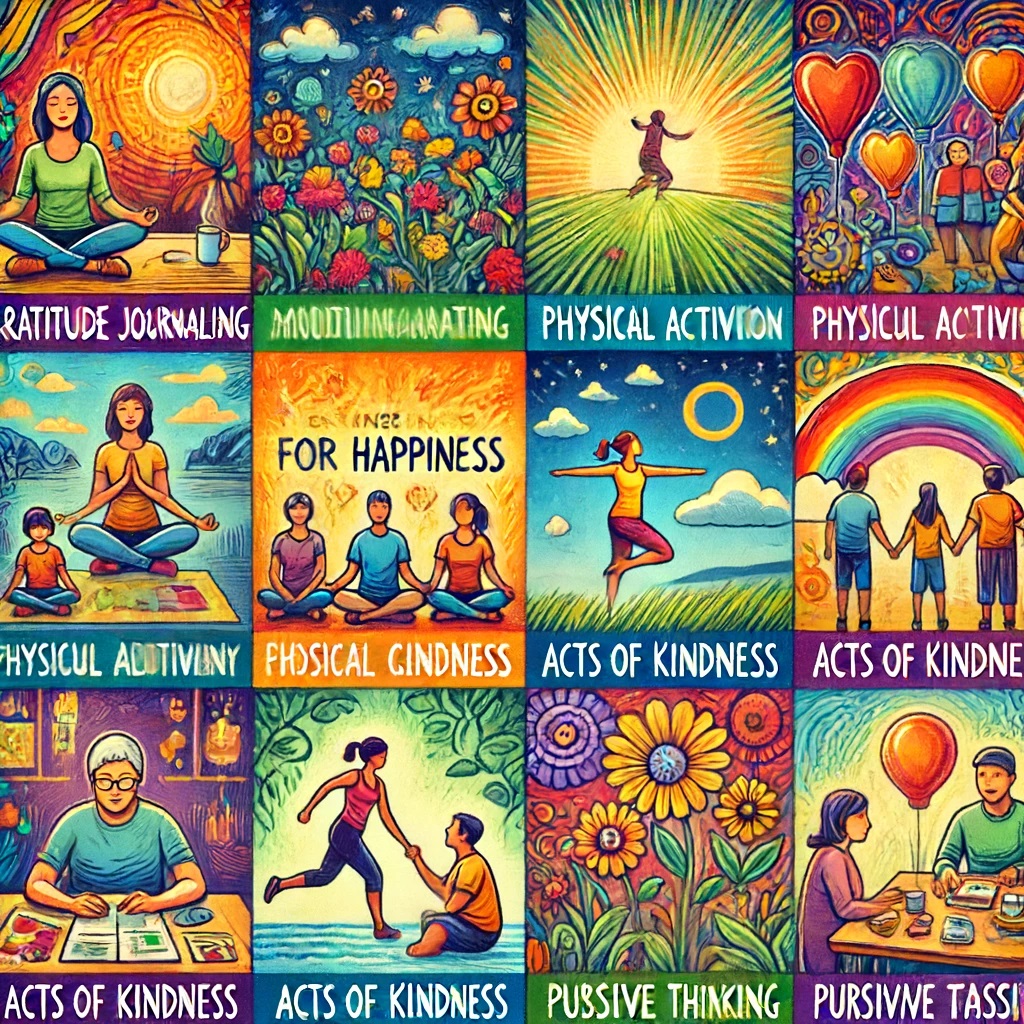
The Science of Happiness: Proven Strategies for a Joyful Life

Happiness is a universal pursuit, yet achieving it can sometimes feel elusive. However, scientific research has uncovered several proven strategies that can help enhance joy and overall well-being. In this blog post, we’ll explore these strategies and provide practical tips to incorporate them into your daily life for a more fulfilling and joyful existence.

Gratitude Practice

Gratitude is a powerful emotion that can significantly boost happiness. Studies have shown that regularly expressing gratitude can improve mood, increase resilience, and strengthen relationships. To incorporate gratitude into your daily routine, start a gratitude journal. Each day, write down three things you are grateful for. This simple practice can shift your focus from what you lack to what you have, fostering a sense of appreciation and contentment.

Positive Relationships

Strong social connections are crucial for happiness. Building and maintaining positive relationships with family, friends, and colleagues can provide emotional support, increase feelings of belonging, and enhance overall life satisfaction. Make time to nurture your relationships by scheduling regular catch-ups, engaging in meaningful conversations, and showing appreciation for the people in your life. For example, organize a weekly family dinner or a monthly outing with friends to strengthen your bonds.

Mindfulness and Meditation

Mindfulness and meditation practices can help reduce stress, increase self-awareness, and promote emotional well-being. Research has shown that regular mindfulness meditation can enhance focus, improve mood, and reduce symptoms of anxiety and depression. To start, find a quiet place, sit comfortably, and focus on your breath. When your mind wanders, gently bring it back to your breath. Apps like Headspace and Calm offer guided meditations that can help you develop a consistent practice.

Acts of Kindness

Performing acts of kindness can boost happiness by fostering a sense of connection and purpose. Small gestures, such as helping a neighbor, volunteering, or simply offering a kind word, can make a big difference in someone else’s life and your own. Challenge yourself to perform one act of kindness each day. For instance, pay for someone’s coffee, help a colleague with a task, or write a thank-you note to express your appreciation.

Physical Activity

Regular physical activity is not only beneficial for your physical health but also for your mental well-being. Exercise releases endorphins, which are natural mood lifters. Aim for at least 30 minutes of moderate exercise most days of the week. Choose activities you enjoy, such as walking, dancing, swimming, or playing a sport. For example, start your day with a morning jog, join a local dance class, or take evening walks in your neighborhood.

Pursuing Meaningful Goals

Setting and pursuing meaningful goals can provide a sense of purpose and direction in life. When your goals align with your values and passions, achieving them can bring a deep sense of fulfillment. Break your goals into manageable steps and celebrate your progress along the way. For instance, if your goal is to learn a new skill, such as playing an instrument or speaking a new language, set aside dedicated time each week to practice and track your improvement.

Cultivating Optimism

Optimism is the ability to focus on the positive aspects of life and expect good things to happen. Cultivating optimism can enhance resilience, improve health, and increase happiness. Practice reframing negative thoughts into positive ones. For example, instead of thinking, “I can’t do this,” shift your mindset to, “This is challenging, but I can learn and grow from it.” Surround yourself with positive influences and inspirational content to reinforce an optimistic outlook.

Engaging in Hobbies and Interests

Participating in activities you enjoy can bring joy and satisfaction to your life. Hobbies and interests provide opportunities for creativity, relaxation, and social interaction. Make time for activities that excite and engage you, whether it’s painting, gardening, reading, or playing a musical instrument. For example, join a book club, take up a new hobby, or dedicate a weekend afternoon to a creative project.

Sleep and Relaxation

Adequate sleep and relaxation are essential for maintaining mental and physical health. Lack of sleep can negatively impact mood, cognitive function, and overall well-being. Aim for 7-9 hours of sleep each night and establish a relaxing bedtime routine to improve sleep quality. Techniques such as deep breathing, progressive muscle relaxation, or reading a book can help you unwind and prepare for a restful night’s sleep.