Developing habits that enhance your physical and mental strength can transform your life. Here are some powerful habits to help you become a stronger person.
1. Regular Exercise
Consistent physical activity is essential for building strength. Incorporate a mix of cardio, strength training, and flexibility exercises into your routine. Learn more about the benefits of regular exercise.
2. Healthy Eating
Fuel your body with nutritious foods that support muscle growth and overall health. Focus on lean proteins, healthy fats, whole grains, and plenty of fruits and vegetables. Explore healthy eating tips.
3. Adequate Sleep
Sleep is crucial for recovery and mental clarity. Aim for 7-9 hours of quality sleep each night to ensure your body and mind are well-rested. Understand the importance of sleep.
4. Mindfulness and Meditation
Practicing mindfulness and meditation helps reduce stress and enhances mental resilience. Spend a few minutes each day in meditation to strengthen your mind. Learn how to meditate.
5. Setting Goals
Setting and achieving goals gives you a sense of purpose and accomplishment. Start with small, attainable goals and gradually work towards larger ones. Discover goal-setting strategies.
6. Continuous Learning
Engage in lifelong learning to keep your mind sharp and adaptable. Read books, take courses, and seek new knowledge regularly. Explore the benefits of lifelong learning.
7. Positive Thinking
Cultivate a positive mindset by challenging negative thoughts and focusing on your strengths. Positive thinking can improve your mood and overall mental health. Explore techniques for positive thinking.
8. Building Resilience
Develop resilience by embracing challenges and viewing failures as opportunities to learn. Building resilience helps you navigate life’s ups and downs with strength and grace. Learn about building resilience.
Take time to care for yourself through activities that rejuvenate and energize you. Self-care is essential for maintaining both physical and mental strength. Discover self-care tips.
Call to Action
Incorporate these habits into your daily life to build both physical and mental strength. Visit Holistic Wellness Guide for more tips and insights on leading a balanced and fulfilling life.
Finding inner happiness is a journey that involves self-discovery, mindfulness, and positive habits. Here are ten ways to cultivate a deep sense of inner happiness and peace.
1. Practice Mindfulness and Meditation
Mindfulness and meditation help you stay present and reduce stress. Spend a few minutes each day focusing on your breath and clearing your mind. Learn how to meditate.
2. Maintain a Gratitude Journal
Writing down things you’re grateful for can shift your focus from what’s wrong to what’s right in your life. This simple practice can increase feelings of happiness and contentment. Explore the benefits of gratitude.
Quality sleep is essential for emotional regulation and overall well-being. Aim for 7-9 hours of sleep per night. Understand the importance of sleep.
6. Connect with Others
Strong social connections can enhance your sense of belonging and happiness. Spend time with friends and family, or join groups with similar interests. Explore the benefits of social connections.
7. Engage in Hobbies
Pursuing activities you love can bring joy and fulfillment. Whether it’s reading, painting, gardening, or playing music, make time for your passions. Find the benefits of hobbies.
8. Practice Acts of Kindness
Helping others can increase your own happiness. Volunteer, offer a helping hand, or simply be kind to those around you. Learn about the science of kindness.
9. Set and Achieve Goals
Setting and accomplishing goals gives you a sense of purpose and achievement. Start with small, manageable goals and gradually tackle larger ones. Discover goal-setting strategies.
10. Embrace Positive Thinking
Cultivate a positive mindset by challenging negative thoughts and focusing on the good in your life. Positive thinking can improve your mood and resilience. Explore techniques for positive thinking.
Call to Action
Embrace these habits to achieve an inner sense of happiness and peace. Visit Holistic Wellness Guide for more tips and insights on leading a balanced and joyful life.
Forgiveness is a powerful tool for healing and personal growth. It allows you to let go of past hurts, find peace, and move forward in life. Here’s a guide on how to embrace forgiveness and let go of negativity.
Understanding Forgiveness
Forgiveness is the conscious decision to release feelings of resentment or vengeance toward someone who has harmed you. It doesn’t mean forgetting or condoning the behavior, but rather freeing yourself from the emotional burden. Learn more about the benefits of forgiveness.
1. Acknowledge Your Feelings
Recognize the pain and hurt caused by the situation. Allow yourself to feel these emotions fully before attempting to let go. Explore ways to process emotions.
2. Reflect on the Impact
Consider how holding onto resentment affects your mental and physical health. Holding grudges can lead to stress, anxiety, and even physical ailments. Understand the impact of holding grudges.
3. Cultivate Empathy
Try to understand the perspective of the person who hurt you. Empathy doesn’t excuse their actions but can help you see the situation differently and facilitate forgiveness. Learn about cultivating empathy.
4. Practice Self-Forgiveness
Forgive yourself for any mistakes or regrets you may have. Self-forgiveness is crucial for personal growth and moving forward without guilt. Discover the steps to self-forgiveness.
5. Let Go of Expectations
Release the expectation of an apology or acknowledgment from the other person. Focus on your healing process rather than waiting for external validation. Find out how to let go of expectations.
6. Engage in Mindfulness and Meditation
Mindfulness and meditation can help you stay present and manage negative emotions. These practices encourage a non-judgmental approach to your thoughts and feelings. Explore mindfulness practices.
7. Seek Professional Help
If forgiveness feels overwhelming, consider seeking help from a therapist. They can provide strategies and support to help you navigate through the process. Find a therapist near you.
Call to Action
Embrace the power of forgiveness to let go of past hurts and move forward in life. Visit Holistic Wellness Guide for more tips and insights on leading a balanced and peaceful life.
Grieving the loss of a loved one is one of the most challenging experiences one can go through. This guide offers compassionate insights and practical steps to help you navigate through grief and sorrow, ultimately finding hope and healing.
Understanding Grief and Sorrow
Grief is a natural response to loss, encompassing a range of emotions from deep sadness to anger. It’s essential to understand that grief is a personal journey and varies from person to person. Learn more about the stages of grief.
1. Allow Yourself to Grieve
Give yourself permission to feel and express your emotions. Suppressing grief can prolong the healing process. Cry, talk about your feelings, and allow yourself to mourn the loss. Explore the importance of expressing grief.
2. Seek Support
Connect with friends, family, or support groups who understand your pain. Sharing your feelings with others who care can provide comfort and reduce feelings of isolation. Find support groups near you.
3. Practice Self-Care
Taking care of your physical health can positively impact your emotional well-being. Eat nutritious meals, exercise regularly, and ensure you get enough sleep. Learn self-care tips.
4. Create a Memory Ritual
Creating rituals can help honor the memory of your loved one and provide a sense of continuity. Light a candle, plant a tree, or create a memory book to keep their legacy alive. Discover ways to honor a loved one.
5. Embrace Mindfulness and Meditation
Practicing mindfulness and meditation can help manage overwhelming emotions and provide moments of peace. These practices encourage you to stay present and gently process your grief. Explore mindfulness practices.
6. Seek Professional Help
If your grief feels unbearable or prolonged, consider seeking help from a mental health professional. Therapists can offer strategies and support to navigate through this challenging time. Find a therapist near you.
7. Allow Yourself to Heal
Healing from grief takes time, and it’s crucial to be patient with yourself. Accept that it’s okay to feel joy again and to move forward while still cherishing the memories of your loved one.
Call to Action
Navigating grief and sorrow is a deeply personal journey. Embrace these steps to find hope and healing. Visit Holistic Wellness Guide for more resources and support on your path to emotional well-being.
Achieving better holistic health often starts with removing the habits, behaviors, and patterns that drain our energy or prevent us from living in alignment. While adding healthy practices to your life is important, letting go of negative ones can be equally transformative. By stopping certain behaviors, you make room for growth, balance, and healing. Here are 15 things you should stop doing for better holistic health and well-being.
1. Stop Overusing Technology
Constant screen time and excessive use of social media can leave your mind overstimulated and drained. Disconnecting from technology, especially before bed, helps restore mental clarity and calm.
Tip: Schedule regular digital detoxes, even if it’s just for a few hours each day.
2. Stop Skipping Meals
Skipping meals can wreak havoc on your energy levels and metabolism. Balanced, regular meals are essential for maintaining a stable energy flow and supporting your body’s natural rhythms.
Tip: Prepare easy, nutrient-dense snacks if you tend to get busy during the day.
3. Stop Ignoring Hydration
Dehydration is a major energy drainer and can lead to headaches, fatigue, and sluggishness. Make it a priority to drink water throughout the day, as it’s crucial for maintaining balanced energy and detoxifying the body.
Tip: Set reminders on your phone to drink water every hour.
4. Stop Neglecting Sleep
A consistent lack of sleep disrupts both your physical and mental health. Without proper rest, your body can’t heal, and your mind can’t process emotions effectively, leading to stress and imbalances.
Tip: Create a calming bedtime routine and prioritize 7-8 hours of sleep each night.
5. Stop Holding onto Grudges
Negative emotions like resentment and anger can weigh down your energy and block healing. Forgiveness and emotional release are key to clearing energy blockages and fostering holistic well-being.
Tip: Practice journaling or meditation to process and let go of negative emotions.
6. Stop Multitasking
While it may feel efficient, multitasking actually scatters your focus and drains your mental energy. Focusing on one task at a time leads to greater productivity and mental balance.
Tip: Use time-blocking techniques to manage your day with intention and focus.
7. Stop Eating Processed Foods
Processed foods are often loaded with chemicals, sugar, and unhealthy fats that can disrupt your body’s natural balance. Opting for whole, natural foods supports your body’s energy and overall well-being.
Tip: Choose fresh fruits, vegetables, and whole grains as the foundation of your meals.
8. Stop Saying Yes to Everything
Overcommitting and constantly saying “yes” to requests can leave you feeling overwhelmed and depleted. Learning to set boundaries and prioritize your energy is essential for maintaining balance.
Tip: Practice saying “no” when necessary, and focus on what aligns with your wellness goals.
9. Stop Living in the Past
Holding onto the past keeps you stuck in old patterns and prevents you from living in the present. Embracing mindfulness and releasing what no longer serves you can open you up to new opportunities for growth.
Tip: Try grounding exercises and mindfulness meditation to bring your focus back to the present moment.
10. Stop Neglecting Physical Activity
A sedentary lifestyle can lead to physical and mental stagnation. Movement is essential for maintaining a healthy energy flow, boosting mood, and reducing stress.
Tip: Find enjoyable ways to stay active, such as yoga, walking, or dancing, and make it a part of your daily routine.
11. Stop Overloading Your Schedule
Constantly filling up your schedule with tasks, appointments, and obligations can lead to burnout. Leaving space for rest and relaxation is just as important as getting things done.
Tip: Practice time management and schedule downtime for yourself each week.
12. Stop Comparing Yourself to Others
Comparison is a surefire way to drain your energy and erode self-esteem. Focusing on your own journey and celebrating your unique progress is key to cultivating self-love and mental wellness.
Tip: Shift your focus inward by journaling about your personal growth and achievements.
13. Stop Suppressing Your Emotions
Suppressing emotions can lead to energy blockages and even physical illness. Allowing yourself to feel and process emotions in a healthy way supports both mental and physical healing.
Tip: Engage in emotional release practices, like deep breathing, EFT tapping, or expressive writing.
14. Stop Fearing Change
Fear of change can keep you stuck in unhealthy patterns. Embracing change, both big and small, is necessary for personal growth and holistic wellness.
Tip: Start small by making one positive change each week, whether it’s in your diet, habits, or mindset.
15. Stop Isolating Yourself
While alone time is important, too much isolation can lead to loneliness and emotional imbalance. Building connections with supportive people enhances your emotional and mental well-being.
Tip: Make an effort to reach out to friends or join wellness communities to nurture positive connections.
Conclusion
Sometimes the best way to improve your well-being is to let go of the things that are holding you back. By stopping these 15 behaviors, you can clear space for more positive energy and practices that support holistic health. Embrace the power of letting go, and allow your mind, body, and spirit to thrive in balance.
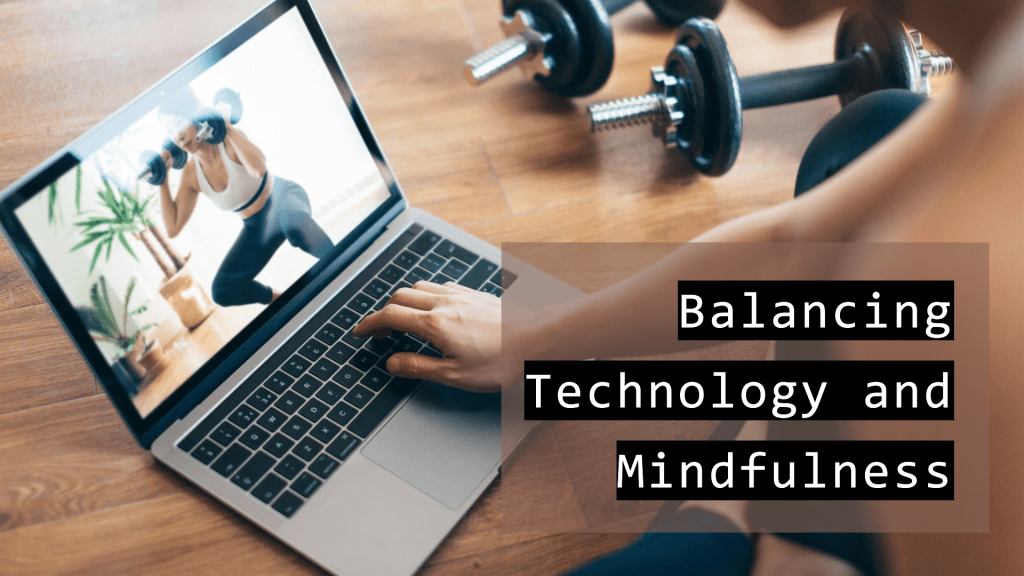
In today’s world, technology surrounds us—phones, laptops, and smart devices are integral parts of our daily lives. While these tools offer convenience and connectivity, they can also contribute to stress, anxiety, and burnout. But what if there was a way to merge our digital existence with wellness? Holistic wellness for the digital age focuses on finding balance between using technology and maintaining mindfulness, helping us thrive in both realms without compromising well-being.
The Digital Dilemma: How Technology Impacts Wellness
Technology has brought many benefits, but it has also introduced new challenges. Prolonged screen time, social media overload, and the constant pressure to be available 24/7 can take a toll on our mental and physical health. Research has shown that excessive technology use can contribute to sleep problems, anxiety, and even depression.
Yet, technology doesn’t have to be the enemy. When used mindfully, it can actually enhance our well-being. The key is to find a balance between engaging with the digital world and nurturing our mental, emotional, and physical health.
The Intersection of Technology and Holistic Wellness
Holistic wellness takes a mind-body-spirit approach to health, focusing on balance and harmony. When applied to the digital age, it means integrating technology in ways that support rather than hinder our well-being. Here’s how:
Mindful Use of Technology Practicing mindfulness with technology involves being present and intentional about how we use our devices. This could mean setting boundaries around screen time or being selective about what content we engage with.
Tip: Try scheduling “digital detox” periods during the day, where you completely unplug and focus on being present in the moment. Start small, like a 30-minute detox before bed.
Digital Tools for Wellness While excessive tech use can be harmful, there are countless digital tools designed specifically to enhance well-being. Meditation apps, fitness trackers, and mental health platforms can help you stay grounded and connected to your health.
Tip: Incorporate wellness apps like Headspace for meditation, Sleep Cycle for better sleep, or Fitbit to track physical activity and ensure you’re staying active.
Digital Boundaries for Mental Health Constant connectivity can lead to burnout and overwhelm. Setting digital boundaries is crucial for maintaining balance in the digital age. This could include limiting notifications, scheduling breaks from screens, or creating a tech-free zone in your home.
Tip: Use apps like Forest that encourage you to stay focused and off your phone by rewarding you with a growing tree for every period of focus.
How to Balance Technology with Mindfulness
Finding balance in the digital age means being intentional about how we use technology while prioritizing mindfulness and holistic wellness practices. Here are some actionable steps you can take:
Create a Morning Ritual Without Technology Start your day with mindfulness instead of reaching for your phone. This can include a short meditation, journaling, or simply sitting quietly with a cup of tea. By starting the day in a calm and intentional way, you set the tone for more mindful interactions with technology.
Use Technology as a Tool for Wellness, Not a Distraction Choose technology that supports your wellness journey. Meditation apps, fitness trackers, and nutrition planners can all be valuable tools in staying on top of your health goals. However, make sure these tools enhance your life rather than distract from it.
Practice Digital Minimalism Digital minimalism is the practice of curating your digital life by removing unnecessary apps, notifications, and distractions. Focus on the essentials and get rid of what doesn’t serve your well-being.
Take Regular Breaks Regular breaks from screens are essential for maintaining your mental and physical health. Every 60 minutes, step away from your device for a few minutes. Use this time to stretch, walk, or practice deep breathing.
Implement a Digital Detox Routine Consider scheduling regular digital detoxes—periods where you disconnect from technology entirely. This could be a few hours each week or a whole weekend every month, allowing you to recharge and reconnect with yourself.
Use Blue Light Blockers for Screen Time The blue light emitted from screens can disrupt your sleep and strain your eyes. Use blue light filter apps, wear blue light blocking glasses, or adjust the settings on your devices to reduce eye strain and improve your sleep cycle.
The Future of Wellness in a Digital World
As technology continues to evolve, so too does our relationship with it. More wellness-focused innovations are emerging, like virtual reality meditation spaces and AI-driven health tools, offering new ways to enhance our well-being. The future of wellness in the digital age lies in our ability to balance technological advancements with mindfulness and holistic health practices.
By embracing a mindful approach to technology, we can harness its benefits while minimizing the negative effects. The digital age doesn’t have to be a barrier to wellness—when approached with intention, it can be a powerful tool for cultivating balance, health, and harmony.
Conclusion
Holistic wellness in the digital age is about striking the right balance between our technological world and our inner well-being. By practicing mindfulness with technology, setting boundaries, and using digital tools to support our health, we can create a harmonious relationship with the devices that dominate our lives. In doing so, we open the door to a healthier, more balanced way of living—one that embraces the best of both worlds.
For more insights into balancing modern life with mindful practices, check out my book, The Mindful Executive: https://www.amazon.com/dp/B0D75YJCLW.
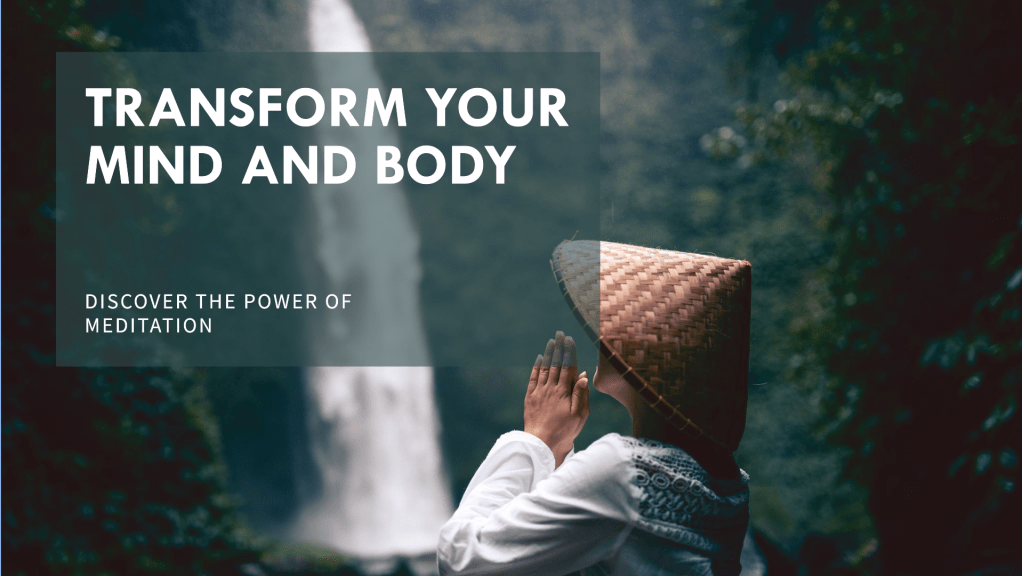
Meditation is a powerful tool for enhancing both mental and physical well-being. Whether you’re looking to reduce stress, improve focus, or simply cultivate a greater sense of inner peace, the practice of meditation offers numerous benefits. Here, we explore how regular meditation can positively impact your mind and body, providing a holistic approach to health.
1. Reduces Stress and Anxiety
Meditation is widely recognized for its ability to reduce stress and anxiety. By focusing on the breath and being present in the moment, meditation helps calm the mind, lower cortisol levels, and decrease overall stress. Over time, regular practice can lead to a more relaxed state of being, helping you manage life’s challenges with greater ease.
2. Enhances Emotional Health
Meditation encourages mindfulness, which allows you to become more aware of your thoughts and emotions without judgment. This increased awareness can lead to better emotional regulation and a more positive outlook on life. Studies have shown that mindfulness meditation can reduce symptoms of depression and increase overall well-being.
3. Improves Concentration and Attention
One of the key benefits of meditation is its ability to enhance concentration and attention. By training the mind to focus on a single point of reference, such as the breath, you can improve your ability to concentrate on tasks and reduce distractions. This heightened focus can lead to greater productivity and efficiency in daily life.
4. Promotes Better Sleep
Meditation can also improve the quality of your sleep. By practicing mindfulness or deep relaxation techniques before bed, you can quiet the mind, release tension, and prepare your body for restful sleep. Over time, regular meditation can help alleviate insomnia and other sleep disorders, leading to more restorative nights.
5. Boosts Physical Health
The benefits of meditation extend beyond the mind. Regular practice has been linked to a variety of physical health benefits, including lower blood pressure, improved heart health, and a stronger immune system. By reducing stress and promoting relaxation, meditation supports the body’s natural healing processes.
6. Encourages Self-Awareness
Meditation fosters a deeper connection with yourself. As you practice, you become more aware of your thoughts, feelings, and behaviors. This increased self-awareness can help you make healthier choices, break negative patterns, and cultivate a greater sense of self-compassion.
7. Supports Mind-Body Connection
Meditation strengthens the connection between the mind and body. By tuning into your bodily sensations and practicing mindfulness, you can develop a greater sense of harmony and balance. This mind-body connection is essential for overall well-being and can lead to a more holistic approach to health.
Conclusion
Incorporating meditation into your daily routine can have profound effects on both your mind and body. Whether you’re seeking stress relief, emotional balance, or improved physical health, meditation offers a path to greater well-being. Start with just a few minutes each day and gradually increase your practice as you become more comfortable. Over time, you’ll likely find that meditation becomes an integral part of your life, providing you with the tools you need to navigate life’s challenges with grace and ease.
Starting your day with positive affirmations can set the tone for a productive and happy day. Affirmations are powerful tools that help cultivate a positive mindset and boost self-confidence. Here’s a guide on how to incorporate morning affirmations into your daily routine.
What are Affirmations?
Affirmations are positive statements that can help you challenge and overcome negative thoughts. When you repeat them regularly and believe in them, you can start to make positive changes in your life.
Benefits of Morning Affirmations
Boosts Self-Esteem: Affirmations can help increase your self-worth and confidence.
Reduces Stress: Positive affirmations can help you manage stress and reduce anxiety.
Enhances Focus: Starting your day with affirmations helps set a positive tone and keeps you focused on your goals.
Improves Mood: Affirmations can lift your spirits and improve your overall mood.
How to Practice Morning Affirmations
1. Find a Quiet Space
Choose a quiet place where you won’t be disturbed. This could be your bedroom, a cozy corner, or any place where you feel comfortable and relaxed.
2. Use a Mirror
Stand in front of a mirror and look into your eyes as you say your affirmations. This helps reinforce the positive message and makes the practice more personal.
3. Speak with Conviction
Say your affirmations with confidence and belief. The more conviction you have, the more effective the affirmations will be.
4. Be Consistent
Practice your affirmations daily. Consistency is key to making affirmations a powerful habit.
Examples of Morning Affirmations
“I am confident and capable.”
“Today is going to be a great day.”
“I am grateful for all the positive things in my life.”
“I am in control of my thoughts and emotions.”
“I am worthy of love and respect.”
Incorporating Affirmations into Your Routine
1. Write Them Down
Keep a journal of your favorite affirmations. Writing them down can help reinforce the positive messages.
2. Use Technology
Set reminders on your phone or use an affirmation app to prompt you throughout the day.
3. Pair with Other Routines
Incorporate affirmations into your existing morning routine. Say them while brushing your teeth, making breakfast, or during your commute.
Call to Action
Start your day with positive affirmations to boost your confidence and set a positive tone for the day. Visit Holistic Wellness Guide for more tips and insights on practicing affirmations and leading a balanced life.
Waking up early is a habit that many successful people swear by. While it offers numerous benefits, it’s not without its challenges. Here’s a detailed look at the good and the bad of waking up early, along with practical tips to help you incorporate this habit into your daily routine.
The Benefits of Waking Up Early
1. Increased Productivity
Waking up early allows you to start your day with a clear mind and fewer distractions. This quiet time can be used for focused work, planning, or personal development.
2. Better Mental Health
Starting the day early can reduce stress by giving you more time to prepare and organize. It also allows for a calm and peaceful start, setting a positive tone for the rest of the day.
3. Improved Physical Health
Early risers often have more time to exercise and prepare healthy meals. Regular physical activity and a balanced diet contribute to overall health and well-being.
4. Enhanced Sleep Quality
Maintaining a consistent sleep schedule can improve your sleep quality. Going to bed and waking up at the same time every day helps regulate your body’s internal clock.
Examples and Studies:
A study published in the Journal of Psychiatric Research found that early risers tend to be happier and healthier than night owls.
Successful individuals like Tim Cook, CEO of Apple, and Richard Branson, founder of Virgin Group, attribute part of their success to waking up early.
The Challenges of Waking Up Early
1. Difficulty Adjusting
Switching to an early morning routine can be challenging, especially if you’re not a morning person. It requires a consistent effort and can take time to adapt.
2. Potential Fatigue
If you don’t get enough sleep, waking up early can lead to fatigue and decreased productivity. It’s essential to ensure you’re getting adequate rest each night.
3. Social Life Impact
Waking up early might conflict with social activities that occur later in the evening, potentially affecting your social life and interactions.
4. Risk of Overextending
Starting your day too early without proper planning can lead to an extended workday, increasing the risk of burnout.
Tips to Successfully Wake Up Early
1. Gradually Adjust Your Schedule
Shift your bedtime and wake-up time gradually by 15-30 minutes each day until you reach your desired schedule. This makes the transition smoother and more sustainable.
2. Create a Relaxing Bedtime Routine
A calming bedtime routine helps signal your body that it’s time to wind down. Avoid screens, caffeine, and heavy meals before bed. Consider activities like reading or taking a warm bath.
3. Set a Consistent Wake-Up Time
Consistency is key. Wake up at the same time every day, even on weekends, to help regulate your sleep cycle.
4. Use Light to Your Advantage
Natural light helps regulate your internal clock. Open your curtains as soon as you wake up or use a light therapy box if natural light is limited.
5. Stay Motivated
Keep yourself motivated by focusing on the benefits of waking up early. Use this time for activities you enjoy or that contribute to your personal growth.
Call to Action
Start incorporating these tips into your routine to experience the benefits of waking up early. Visit Holistic Wellness Guide for more insights and practical advice on leading a healthy and balanced life.
Living a long and happy life is a goal for many. By incorporating specific habits into your daily routine, you can enhance your well-being and longevity. Here are some practical steps to help you achieve a healthier, more joyful life.
1. Maintain a Balanced Diet
Eating a balanced diet rich in fruits, vegetables, whole grains, and lean proteins supports overall health and longevity. Foods high in antioxidants, vitamins, and minerals boost your immune system and prevent chronic diseases. Learn more about healthy eating.
2. Stay Physically Active
Regular physical activity is crucial for maintaining a healthy body and mind. Aim for at least 150 minutes of moderate aerobic exercise or 75 minutes of vigorous exercise each week. Activities like walking, swimming, and cycling are excellent for cardiovascular health. Explore exercise tips.
3. Practice Mindfulness and Meditation
Mindfulness and meditation reduce stress, enhance emotional well-being, and improve focus. Dedicate a few minutes each day to practice deep breathing, meditation, or mindfulness exercises. Discover mindfulness practices.
4. Get Adequate Sleep
Quality sleep is essential for physical and mental health. Aim for 7-9 hours of sleep each night. Establish a regular sleep schedule and create a restful environment to improve sleep quality. Read about sleep hygiene.
5. Stay Hydrated
Drinking enough water is vital for maintaining bodily functions, energy levels, and overall health. Aim to drink at least 8 glasses of water a day. Hydration supports digestion, skin health, and cognitive function. Understand the importance of hydration.
6. Foster Strong Relationships
Healthy relationships contribute to emotional well-being and longevity. Spend time with loved ones, engage in meaningful conversations, and participate in social activities. Strong social connections reduce stress and improve happiness. Learn about the benefits of social connections.
7. Keep Your Mind Active
Engage in activities that challenge your brain, such as reading, puzzles, learning new skills, or playing musical instruments. Mental stimulation keeps your brain healthy and may reduce the risk of cognitive decline. Explore brain-boosting activities.
8. Manage Stress Effectively
Chronic stress can negatively impact your health. Practice stress management techniques such as yoga, meditation, deep breathing, or hobbies you enjoy. Managing stress improves your mood and overall health. Discover stress management techniques.
9. Avoid Harmful Habits
Avoid smoking, excessive alcohol consumption, and other harmful behaviors. These habits can lead to serious health issues and reduce your lifespan. Focus on adopting healthier alternatives and seek support if needed. Read about quitting smoking.
10. Regular Health Check-ups
Regular health check-ups help detect potential health issues early. Schedule routine visits with your healthcare provider for screenings, vaccinations, and overall health assessments. Understand the importance of regular check-ups.
Call to Action
Incorporate these habits into your daily life to enhance your well-being and longevity. Visit Holistic Wellness Guide for more tips and insights on living a long and happy life.









 Holistic Wellness Guide