
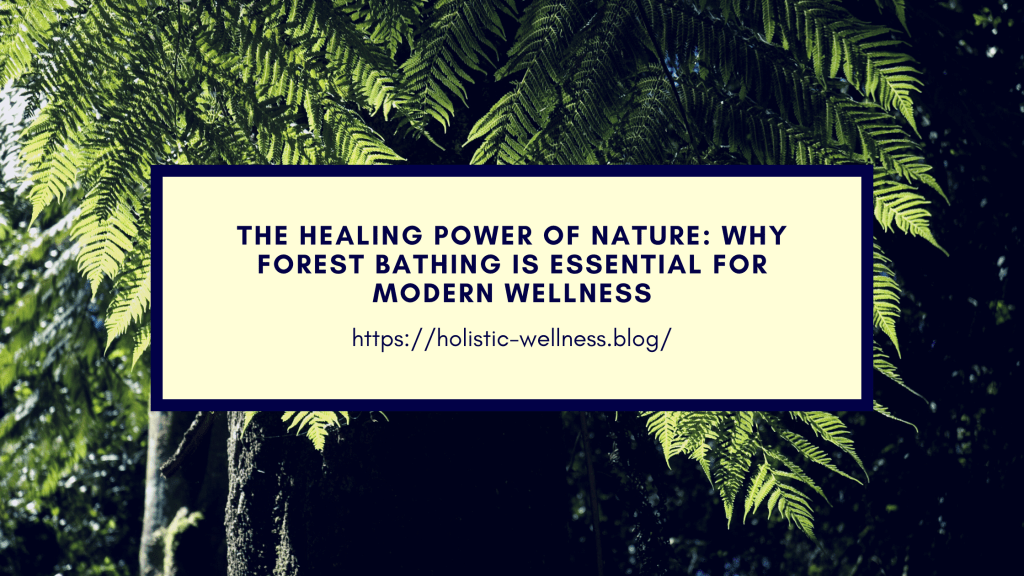
The Healing Power of Nature: Why Forest Bathing is Essential for Modern Wellness

In our concrete jungles and climate-controlled environments, we’ve become increasingly disconnected from the natural world that once nurtured our ancestors. This separation comes at a profound cost to our physical, mental, and spiritual well-being. Enter shinrin-yoku, or “forest bathing”—a Japanese practice that’s revolutionizing how we understand nature’s role in healing and wellness.

What is Forest Bathing?

Forest bathing isn’t about hiking, exercising, or achieving any particular goal. It’s the simple practice of mindfully immersing yourself in a forest environment, engaging all your senses to absorb the natural atmosphere. This meditative approach to nature connection has been practiced in Japan since the 1980s and is now recognized worldwide as a powerful therapeutic intervention.

Unlike traditional outdoor activities focused on physical exertion or destination-reaching, forest bathing emphasizes presence, stillness, and sensory awareness. You might spend hours in a small forest area, sitting quietly, breathing deeply, and allowing nature to work its subtle magic on your nervous system.

The Science Behind Nature’s Healing Power

Research from Japan’s National Institute of Public Health reveals that forest bathing produces measurable physiological benefits. When you spend time in forests, you inhale phytoncides—antimicrobial compounds released by trees and plants. These natural chemicals boost your immune system by increasing the production of natural killer (NK) cells, which help fight infections and even cancer cells.

Studies show that just two hours of forest bathing can lower cortisol levels by up to 16%, reduce blood pressure, and decrease inflammation markers. The practice activates your parasympathetic nervous system, shifting you from stress mode into rest-and-digest mode, where healing naturally occurs.

Dr. Qing Li’s groundbreaking research at Nippon Medical School demonstrates that forest bathing benefits can last for weeks after a single session. Participants showed increased NK cell activity for up to 30 days following forest exposure, suggesting that nature’s healing effects have remarkable staying power.

Mental Health Benefits of Natural Environments

Time in nature serves as a powerful antidote to modern mental health challenges. The Japanese concept of “nature deficit disorder” describes the psychological costs of environmental disconnection—increased anxiety, depression, ADHD symptoms, and difficulty concentrating.

Forest environments naturally reduce rumination, the repetitive negative thinking patterns associated with depression and anxiety. The gentle sounds of rustling leaves, flowing water, and bird songs activate the brain’s default mode network in healing ways, promoting mental restoration and emotional regulation.

Research from Stanford University found that 90-minute nature walks significantly reduced activity in the brain’s subgenual prefrontal cortex, an area associated with depression and anxiety. Participants reported decreased brooding and showed improved mood and cognitive function.

Spiritual and Energetic Healing in Nature

Beyond measurable physiological benefits, many people experience profound spiritual renewal in natural settings. Indigenous cultures worldwide have long understood forests as sacred spaces where healing, wisdom, and connection to something greater naturally occur.

Trees and forests emit specific electromagnetic frequencies that resonate with human brainwaves, potentially explaining why many people feel immediate peace and clarity in forest environments. This bioenergetic connection suggests that our relationship with nature operates on levels beyond current scientific understanding.

Many practitioners report increased intuition, creative insights, and spiritual experiences during forest bathing sessions. The practice seems to quiet the analytical mind while awakening deeper ways of knowing and being.

How to Practice Forest Bathing

Finding Your Forest You don’t need an ancient growth forest to experience benefits. Urban parks, wooded areas, or even spaces with several mature trees can serve as forest bathing locations. The key is finding a place where you feel safely surrounded by green growing things.

Engaging Your Senses Begin by leaving your phone behind or putting it in airplane mode. Walk slowly and without destination, allowing your body to guide you to a spot that feels inviting. Sit or stand comfortably and begin engaging each sense deliberately.

Notice the visual textures of bark, leaves, and light patterns. Listen to the layered sounds of wind, birds, insects, and rustling vegetation. Breathe deeply, savoring the complex scents of earth, plants, and fresh air. If appropriate, touch tree bark, leaves, or other natural textures.

Mindful Presence Rather than thinking about nature, practice being with nature. When your mind wanders to daily concerns, gently redirect attention to immediate sensory experiences. This isn’t meditation in the traditional sense—it’s a practice of receptive awareness and connection.

Tree Meditation Many forest bathers develop relationships with particular trees, sitting with them regularly and observing their seasonal changes. This practice deepens your connection to natural cycles and provides a sense of continuity and grounding.

Bringing Nature Indoors

When forest access is limited, you can still harness nature’s healing power at home. Fill your living space with plants, which improve air quality and provide psychological benefits. Essential oils from forest plants like pine, cedar, and eucalyptus can recreate some forest bathing benefits indoors.

Create a daily practice of connecting with houseplants, tending them mindfully and appreciating their growth and beauty. Even brief moments of plant connection can shift your nervous system toward calm and restoration.

Urban Forest Bathing

City dwellers can adapt forest bathing principles to urban green spaces. Early morning visits to parks, before crowds arrive, can provide surprising levels of natural immersion. Focus on finding pockets of wildness within urban environments—old trees, garden areas, or waterfront spaces.

Even brief nature connections during lunch breaks or commutes can provide meaningful benefits. The key is approaching these moments with the same mindful presence you’d bring to a deep forest experience.

Seasonal Forest Bathing

Each season offers unique healing gifts through forest bathing practice. Spring forests buzz with new life energy, supporting renewal and growth. Summer forests provide lush abundance and full sensory immersion. Autumn forests teach lessons about letting go and natural cycles. Winter forests offer profound stillness and introspection.

Developing a year-round forest bathing practice connects you to natural rhythms that modern life often obscures, supporting your overall health and well-being through all seasons.

The Global Forest Bathing Movement

As research validates ancient wisdom about nature’s healing power, forest bathing programs are appearing in hospitals, schools, and wellness centers worldwide. South Korea has designated “forest healing centers,” while European countries integrate forest therapy into healthcare systems.

This growing movement represents a return to fundamental human needs—connection with the natural world that shaped our evolution and continues to shape our well-being.

Creating Your Forest Bathing Practice

Start with whatever time and space you have available. Even 20 minutes in a local park can provide meaningful benefits. Gradually extend your sessions as you develop comfort with slow, mindful nature connection.

Remember that forest bathing is about quality of attention rather than quantity of experience. A deeply present 30-minute session can be more beneficial than hours of distracted outdoor time.

Your body remembers its connection to the natural world. Forest bathing simply creates space for that ancient relationship to reawaken, bringing healing, peace, and profound well-being into your modern life.


For deeper insights into transforming your relationship with health and wellness through mindful practices, explore “The Path to Wellness: A Journey of Self-Discovery and Healing” – a comprehensive guide to creating lasting change in your well-being journey.
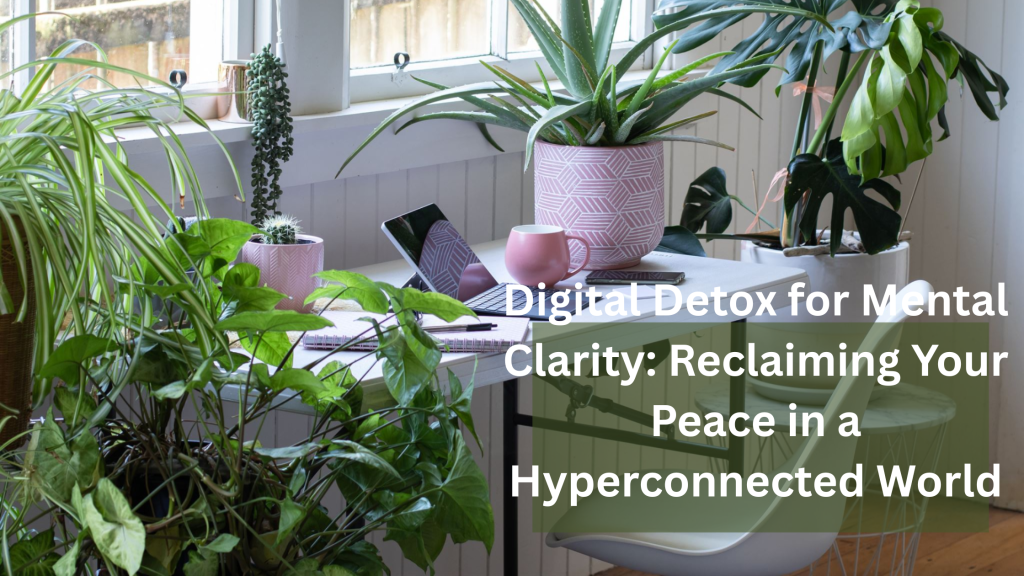
Digital Detox for Mental Clarity: Reclaiming Your Peace in a Hyperconnected World

In our always-on digital age, the average person checks their phone 96 times daily and spends over seven hours staring at screens. While technology has brought incredible conveniences, it’s also created an unprecedented level of mental overwhelm, anxiety, and disconnection from our inner wisdom. The solution isn’t abandoning technology entirely—it’s learning to create healthy boundaries that restore mental clarity and inner peace.

The Hidden Cost of Digital Overwhelm

Your brain wasn’t designed to process the constant stream of information, notifications, and stimulation that modern devices provide. This digital overload triggers your stress response, flooding your system with cortisol and keeping you in a perpetual state of fight-or-flight.

Research from the University of California, Irvine reveals that it takes an average of 23 minutes to regain focus after a digital interruption. When you consider how often we’re interrupted throughout the day, it becomes clear why so many people struggle with concentration, decision fatigue, and mental fog.

The blue light emitted by screens disrupts your circadian rhythm, interfering with melatonin production and compromising sleep quality. Poor sleep then creates a cascade of health issues, from weakened immunity to increased inflammation and emotional instability.

Signs You Need a Digital Detox

Your body and mind are constantly sending signals about digital overwhelm. Common signs include feeling anxious when separated from your phone, experiencing phantom vibrations, struggling to focus on single tasks, feeling mentally exhausted despite minimal physical activity, and having difficulty falling asleep or staying asleep.

You might notice increased irritability, a constant sense of urgency, or feeling like you’re always “on” without ever truly relaxing. These symptoms indicate that your nervous system is stuck in overdrive, desperately needing the reset that only digital boundaries can provide.

The Neuroscience of Digital Addiction

Social media platforms and apps are deliberately designed to trigger dopamine release, creating addictive patterns similar to gambling. Each notification, like, or comment provides a small hit of pleasure, training your brain to crave more digital stimulation.

This constant dopamine seeking disrupts your brain’s natural reward system, making it harder to find satisfaction in simple, present-moment experiences. Activities that once brought joy—reading a book, having a conversation, enjoying nature—may feel boring or insufficient compared to the artificial highs of digital engagement.

Creating Your Personal Digital Detox Plan

Start with Awareness Begin by tracking your current digital habits without judgment. Use built-in screen time features or apps to understand exactly how much time you’re spending on various platforms. Many people are shocked to discover they’re spending 3-5 hours daily on social media alone.

Establish Sacred Spaces and Times Designate your bedroom as a phone-free zone to protect your sleep and create a peaceful sanctuary. Keep devices out of reach during meals to foster mindful eating and meaningful connections. Consider implementing a “no phones” rule during the first hour after waking and the hour before bed.

Practice Gradual Reduction Rather than going cold turkey, gradually reduce your digital consumption. Start by removing social media apps from your phone’s home screen, requiring intentional effort to access them. Turn off non-essential notifications, keeping only truly urgent ones like calls or important messages.

Replace Digital Habits with Nourishing Activities Nature abhors a vacuum, so fill the space left by reduced screen time with activities that genuinely nourish your soul. This might include meditation, journaling, reading physical books, taking walks, practicing yoga, cooking, gardening, or engaging in creative pursuits.

The Mental Clarity Benefits

Within just a few days of implementing digital boundaries, most people notice improved focus and concentration. Without constant interruptions, your brain can engage in deeper thinking and creative problem-solving. You may find that solutions to challenges arise more naturally when your mind has space to wander and process.

Sleep quality typically improves within a week, leading to better mood regulation, increased energy, and enhanced immune function. Many people report feeling more present in their relationships and more connected to their own thoughts and feelings.

Mindful Technology Use

The goal isn’t to eliminate technology but to use it intentionally rather than compulsively. Before picking up your device, pause and ask: “What am I hoping to accomplish?” This simple question can prevent mindless scrolling and help you use technology as a tool rather than an escape.

Set specific times for checking email and social media rather than allowing these activities to interrupt your day randomly. Batch similar digital tasks together to minimize context switching and preserve mental energy for more important activities.

Creating Digital-Free Rituals

Develop morning and evening routines that don’t involve screens. Begin your day with meditation, journaling, or gentle movement rather than immediately diving into news and notifications. End your evening with reading, gratitude practice, or calming activities that prepare your mind for restorative sleep.

Consider implementing regular digital sabbaths—designated periods where you completely disconnect from devices. This might be a few hours weekly or an entire day monthly, allowing your nervous system to fully reset and your creativity to flourish.

The Ripple Effects of Digital Wellness

As you create healthier relationships with technology, you’ll likely notice positive changes extending beyond personal mental clarity. Your relationships may deepen as you become more present with loved ones. Your productivity may increase as you focus on fewer things with greater attention.

You might rediscover hobbies and interests that digital distractions had crowded out. Many people find that reducing screen time naturally leads to increased physical activity, better nutrition choices, and greater connection with nature.

Building Long-Term Digital Wellness

Sustainable digital wellness requires ongoing attention and adjustment. Technology continues evolving, and new platforms constantly compete for your attention. Regular check-ins with your digital habits help ensure your boundaries remain effective and aligned with your values.

Remember that digital detox isn’t about perfection—it’s about progress. Some days you’ll use technology more than intended, and that’s perfectly normal. The key is returning to your intentional practices without self-judgment.

In our hyperconnected world, the ability to disconnect has become a superpower. By reclaiming control over your digital consumption, you’re not just improving your mental clarity—you’re modeling healthy boundaries for others and contributing to a more mindful, present world.

Your attention is your most precious resource. Invest it wisely, and watch as your mental clarity, creativity, and sense of peace naturally flourish in the space you create.


For deeper insights into transforming your relationship with health and wellness through mindful practices, explore “The Path to Wellness: A Journey of Self-Discovery and Healing” – a comprehensive guide to creating lasting change in your well-being journey.
The Mind-Body Connection: How Your Thoughts Directly Impact Your Physical Health

The ancient wisdom “as above, so below” takes on profound meaning when we explore the intricate relationship between our mental and physical states. The mind-body connection isn’t just a philosophical concept—it’s a scientifically proven reality that can transform how we approach health and healing.

Understanding the Science Behind Mind-Body Medicine

Your thoughts, emotions, and beliefs create measurable changes in your body’s chemistry. When you experience stress, anxiety, or negative emotions, your brain releases cortisol and adrenaline, triggering inflammation and compromising your immune system. Conversely, positive thoughts and emotions flood your system with beneficial hormones like serotonin, dopamine, and oxytocin, promoting healing and vitality.

Research from Harvard Medical School demonstrates that chronic stress can literally rewire your brain, affecting memory, decision-making, and emotional regulation. Meanwhile, practices like meditation and mindfulness create positive neuroplasticity, strengthening neural pathways associated with calm, focus, and resilience.

The Physical Manifestations of Mental States

Your body serves as a mirror for your inner world. Persistent worry often manifests as digestive issues, tension headaches, or insomnia. Suppressed anger may appear as inflammation, autoimmune conditions, or chronic pain. Fear and anxiety frequently show up as respiratory problems, heart palpitations, or muscle tension.

This isn’t to suggest that all physical ailments stem from mental causes, but rather to recognize the powerful influence our psychological state has on our physical well-being. Traditional Chinese Medicine and Ayurveda have understood this connection for millennia, treating the person as a whole rather than isolated symptoms.

Practical Ways to Harness Your Mind-Body Connection

Daily Mindfulness Practice Begin each day with five minutes of conscious breathing. This simple practice activates your parasympathetic nervous system, reducing stress hormones and promoting healing. Focus on deep, slow breaths, allowing your belly to expand with each inhale.

Emotional Awareness and Processing Create space to acknowledge and process your emotions rather than suppressing them. Journaling, meditation, or speaking with a trusted friend can prevent emotional energy from becoming trapped in your physical body.

Positive Visualization Spend time each day visualizing your body in perfect health. See your immune system strong and vibrant, your organs functioning optimally, and your energy flowing freely. Your subconscious mind doesn’t distinguish between vividly imagined experiences and reality, making visualization a powerful healing tool.

Gratitude Practice Cultivate genuine appreciation for your body and its incredible capabilities. Thank your heart for beating, your lungs for breathing, and your immune system for protecting you. This practice shifts your energy from criticism to celebration, promoting healing at the cellular level.

Movement as Medicine Choose physical activities that bring you joy rather than punishment. Whether it’s dancing, walking in nature, or gentle yoga, movement that feels good creates positive associations in your nervous system, enhancing both mental and physical well-being.

The Role of Belief in Healing

Your beliefs about your health significantly impact your healing capacity. The placebo effect demonstrates that believing in recovery can trigger real physiological changes, even without active treatment. Conversely, nocebo effects show how negative expectations can worsen symptoms or create new ones.

Examine your health beliefs honestly. Do you see your body as fragile or resilient? Do you believe in your capacity to heal, or do you feel powerless over your health? Shifting limiting beliefs to empowering ones can dramatically accelerate your healing journey.

Creating a Holistic Healing Environment

Your external environment influences your internal state. Surround yourself with beauty, whether through plants, art, music, or natural light. These elements signal safety to your nervous system, promoting relaxation and healing.

Equally important is your social environment. Supportive relationships boost immune function, while toxic relationships create chronic stress. Prioritize connections that nourish your soul and set boundaries with those that drain your energy.

Integrating Mind-Body Practices into Daily Life

Start small and build consistency. Choose one practice that resonates with you—perhaps morning meditation, evening gratitude, or midday breathing exercises. As this becomes habit, gradually add other elements.

Remember that healing isn’t linear. Your body may need time to release old patterns and integrate new ones. Be patient and compassionate with yourself throughout this process.

The Future of Holistic Health

As conventional medicine increasingly recognizes the mind-body connection, we’re seeing exciting developments in integrative care. Hospitals now offer meditation programs, doctors prescribe nature therapy, and research validates ancient healing practices.

This shift represents a return to treating humans as complete beings rather than collections of symptoms. By embracing the mind-body connection in your own life, you become part of this healing revolution.

Your thoughts are powerful medicine. Use them wisely, and watch as your entire being transforms from the inside out. The journey to optimal health begins not just with what you put in your body, but with what you allow in your mind.


For deeper insights into transforming your relationship with health and wellness through mindful practices, explore “The Path to Wellness: A Journey of Self-Discovery and Healing” – a comprehensive guide to creating lasting change in your well-being journey.

Reset and Renew: A 30-Day Holistic Lifestyle Challenge for the New Year

The new year is the perfect time for a fresh start, and a holistic lifestyle challenge can help you reset, renew, and embrace wellness on every level—mind, body, and spirit. This 30-day guide is designed to inspire positive habits, improve your health, and bring balance to your life. Whether you’re new to holistic practices or looking to deepen your journey, this challenge offers actionable steps for a transformative start to the year.


Week 1: Detox and Declutter

Focus on creating a clean slate in your physical and mental space.

Day 1-3: Declutter Your Space

  • Clear one area of your home each day, starting with high-traffic zones like your kitchen, bedroom, or workspace. A clutter-free environment promotes mental clarity.
  • Pro Tip: Donate or recycle items that no longer serve you.

Day 4-5: Digital Detox

  • Spend two days decluttering your digital life—organize your inbox, delete unused apps, and unfollow accounts that drain your energy.
  • Pro Tip: Set screen time limits to reduce digital distractions.

Day 6-7: Nourish Your Body

  • Start incorporating fresh, whole foods into your diet. Add one green smoothie or a nutrient-packed salad to your meals.
  • Pro Tip: Keep a food journal to track how you feel after each meal.

Week 2: Mindful Practices

Introduce mindfulness into your daily routine to enhance mental clarity and emotional balance.

Day 8-10: Start a Morning Meditation Practice

  • Dedicate 5-10 minutes each morning to mindfulness meditation. Focus on your breath and set a positive intention for the day.
  • Pro Tip: Use a meditation app like Calm or Insight Timer to get started.

Day 11-12: Gratitude Journaling

  • Write down three things you’re grateful for each day. This practice helps shift your focus to positivity and abundance.
  • Pro Tip: Reflect on small moments of joy, such as a kind word or a peaceful walk.

Day 13-14: Mindful Movement

  • Try yoga, tai chi, or a gentle stretch routine to connect your body and mind.
  • Pro Tip: Join an online class or follow a free session on YouTube.

Week 3: Self-Care and Connection

Prioritize your well-being while deepening your connections with others.

Day 15-16: Schedule Self-Care Rituals

  • Dedicate time to activities that rejuvenate you, like a warm bath, reading, or a DIY spa day.
  • Pro Tip: Set boundaries to ensure uninterrupted self-care time.

Day 17-19: Deepen Personal Connections

  • Spend quality time with loved ones. Plan a meaningful activity or simply have a heartfelt conversation.
  • Pro Tip: Practice active listening to foster stronger relationships.

Day 20-21: Explore Creativity

  • Engage in a creative activity like painting, writing, or cooking a new recipe. Creativity is a powerful way to express emotions and recharge.
  • Pro Tip: Allow yourself to play and explore without judgment.

Week 4: Empower and Sustain

Focus on creating sustainable habits to carry your holistic lifestyle forward.

Day 22-24: Vision Board for the Future

  • Create a vision board reflecting your goals and aspirations. Use images, affirmations, and colors that inspire you.
  • Pro Tip: Keep your vision board in a visible spot to stay motivated.

Day 25-27: Establish an Evening Routine

  • Develop a relaxing evening routine to wind down and prepare for restful sleep. This could include journaling, meditation, or aromatherapy.
  • Pro Tip: Dim the lights and avoid screens an hour before bed.

Day 28-30: Reflect and Plan Ahead

  • Reflect on what you’ve learned during the challenge and plan how to sustain these habits.
  • Pro Tip: Write down your intentions for the year, focusing on what brings you joy and balance.

Conclusion

This 30-day holistic lifestyle challenge is your guide to starting the year with purpose and intention. By focusing on detoxing, mindfulness, self-care, and sustainable habits, you’ll create a strong foundation for a healthier, more balanced life. Remember, each small step contributes to lasting transformation. Take the challenge, embrace the journey, and make this year your most vibrant yet.

The Power of Mind-Body Connection: How Your Thoughts Influence Your Health

In today’s fast-paced world, the mind-body connection has become an essential topic of discussion among health enthusiasts, scientists, and spiritual leaders alike. The idea that our mental state can influence our physical health isn’t new, but it’s gaining more recognition and credibility as research continues to shed light on the profound impact our thoughts, emotions, and mental habits can have on our overall well-being.

1. Understanding the Mind-Body Connection

The mind-body connection is the concept that our thoughts, feelings, beliefs, and attitudes can positively or negatively affect our biological functioning. In other words, our minds have the power to influence our bodies, and vice versa. This connection is evident in everyday experiences — like how stress can lead to a headache or how a positive mindset can improve recovery from illness.

Research has shown that psychological stress can manifest physically, leading to various health problems, including heart disease, digestive issues, and a weakened immune system. Conversely, practices that promote mental well-being, such as mindfulness, meditation, and positive thinking, can enhance physical health and longevity.

2. The Science Behind the Connection

Several studies have explored how the mind-body connection works. For example, the field of psychoneuroimmunology examines how our mental and emotional states affect our immune system. When we’re stressed, our bodies release cortisol, a hormone that, in high levels, can suppress the immune system and increase the risk of disease.

Moreover, neuroplasticity — the brain’s ability to reorganize itself by forming new neural connections — plays a crucial role in how our thoughts and experiences shape our brain structure and function. Meditation and mindfulness practices have been shown to increase gray matter in the brain, improve emotional regulation, and reduce symptoms of anxiety and depression.

3. Practices to Strengthen the Mind-Body Connection

The good news is that there are several ways to enhance the mind-body connection and improve overall health. Here are some effective practices:

  • Mindfulness Meditation: Regular mindfulness meditation can help you become more aware of your thoughts and how they influence your emotions and physical sensations. This practice can reduce stress, improve focus, and enhance emotional resilience.
  • Breathwork: Controlled breathing exercises can help calm the nervous system, reduce stress, and improve mental clarity. Practices like diaphragmatic breathing, box breathing, or alternate nostril breathing are simple yet powerful tools to connect the mind and body.
  • Yoga: Yoga combines physical postures, breath control, and meditation to create a holistic practice that benefits both the mind and body. It has been shown to reduce stress, improve flexibility, and promote a sense of inner peace.
  • Journaling: Writing down your thoughts and feelings can help you process emotions and gain insight into how your mind influences your body. Journaling can also be a therapeutic practice for managing stress and anxiety.
  • Gratitude Practice: Focusing on gratitude can shift your mindset from negativity to positivity, which can have a profound impact on your physical health. Regularly acknowledging what you’re grateful for can improve your mood, boost your immune system, and even improve sleep quality.

4. Real-Life Examples of Mind-Body Healing

Many individuals have experienced profound healing through mind-body practices. For instance, cancer patients who incorporate mindfulness and meditation into their treatment plan often report reduced stress, less pain, and a better quality of life. Athletes, too, use visualization techniques to enhance their performance, demonstrating the powerful connection between the mind and physical capabilities.

5. Integrating Mind-Body Practices into Your Daily Life

It’s not necessary to overhaul your entire routine to benefit from the mind-body connection. Start small by incorporating one or two practices into your daily life:

  • Morning Mindfulness: Begin your day with a few minutes of mindfulness meditation to set a positive tone for the day.
  • Lunchtime Breathing Exercises: Take a few deep breaths before or after lunch to re-center and reduce stress.
  • Evening Journaling: Reflect on your day and jot down any thoughts or feelings that arise, helping you clear your mind before bed.

Conclusion

The mind-body connection is a powerful tool for enhancing overall health and well-being. By understanding and nurturing this connection, we can better manage stress, improve our physical health, and live more balanced, fulfilling lives. Start integrating these practices into your routine today and experience the transformative effects of a healthy mind-body relationship.

Call to Action: Ready to unlock the power of the mind-body connection? Visit our Holistic Wellness Guide for more tips, insights, and practices to help you achieve holistic health and well-being.

The Power of Rituals: How Creating Daily Wellness Rituals Can Transform Your Life

There was a time when my days felt like a chaotic blur, rushing from one task to the next with little time to breathe, let alone reflect. The idea of creating daily rituals seemed unnecessary, even frivolous. But as burnout loomed, I realized something had to change. And that’s when I discovered the transformative power of rituals.

The Discovery of Rituals: My journey into rituals began with a simple morning routine—something I could control amidst the unpredictability of life. Inspired by the Ayurvedic practice of Abhyanga, or self-massage, I started incorporating this into my mornings. It wasn’t just about the physical act of applying oil to my skin; it was about starting the day with intention, care, and presence. This small ritual became a sacred moment of calm before the day’s chaos.

Creating Your Own Rituals: Rituals don’t have to be elaborate to be effective. They can be as simple as a cup of herbal tea enjoyed in silence or a few minutes of deep breathing before bed. The key is consistency—engaging in these practices regularly helps anchor your day in moments of peace and reflection. For example, a nightly journaling ritual can help you process the day’s events, set intentions, and clear your mind for restful sleep.

The Impact of Rituals: As I incorporated more rituals into my life, I noticed a profound shift. My stress levels dropped, my focus improved, and I found myself more grounded and connected. Whether it was a mid-day mindfulness break or an evening gratitude practice, these rituals provided structure, stability, and a sense of purpose.

Scientific Perspective: Research supports the benefits of rituals, showing that they can reduce anxiety, enhance performance, and improve mental health . Rituals create a sense of control and predictability, which is particularly comforting in times of uncertainty. They also help in establishing healthy habits, reinforcing positive behavior through repetition.

Conclusion: Incorporating daily rituals into your life isn’t just about adding more to your to-do list—it’s about creating space for what truly matters. These small, intentional practices can transform not only your day but your entire approach to life. I invite you to start with just one ritual and see how it changes your world.

DailyRituals #MindfulLiving #WellnessJourney #SelfCare #HolisticHealth #MentalHealth #WellnessRituals #CalmAndCentered #MindBodySoul

How Forest Bathing Can Transform Your Mental Health: A Personal Journey into Nature’s Healing Power

I used to be someone who scoffed at the idea of nature therapy. The thought of walking aimlessly through a forest in search of “healing” seemed, well, a bit too whimsical for my taste. But life has a way of humbling you, and after a particularly stressful year, I found myself desperate for a change.

The First Encounter with Forest Bathing: My introduction to Shinrin-yoku, or Forest Bathing, came unexpectedly during a conversation with a friend. She spoke of it as a form of meditation that involves immersing oneself in a forest environment, not just to walk or hike, but to truly connect with nature. Curious, I decided to give it a try. I remember my first attempt vividly—it was awkward at first, feeling self-conscious about just standing among the trees, breathing deeply. But as I began to focus on the rustle of leaves, the scent of pine, and the dappled sunlight filtering through the branches, I felt something shift within me.

The Journey into the Forest: The first few minutes of my forest experience were tinged with doubt. But gradually, the sounds of distant birds and the whispering wind became a soothing symphony. I found a quiet spot beneath a large oak tree, closed my eyes, and just listened. It wasn’t long before the noise of my thoughts began to quiet, replaced by a sense of calm I hadn’t felt in years.

The Healing Effects: By the time I left the forest, I felt lighter, as if the weight of my stress had been left among the roots and leaves. Over the following weeks, I made forest visits a weekly ritual. Each time, I noticed a deeper sense of peace, improved sleep, and a marked decrease in anxiety. The forest, it seemed, was a therapist of sorts, offering solace in its silence and wisdom in its ancient presence.

Scientific Backing: Forest Bathing isn’t just a whimsical idea—it’s backed by science. Research has shown that spending time in nature can lower cortisol levels, reduce blood pressure, and even boost immune function. Studies published by the National Institutes of Health have highlighted how Shinrin-yoku can significantly improve mood and reduce stress, making it a powerful tool for mental health .

How to Start Your Own Practice: If you’re interested in trying Forest Bathing yourself, you don’t need to live near a national park. Even local parks or wooded areas can provide the natural environment needed for this practice. The key is to engage all your senses: feel the texture of the bark, listen to the birds, smell the fresh earth, and allow yourself to be fully present. If you’re in an urban area, creating a small nature sanctuary at home with plants, natural light, and nature sounds can also be effective.

Conclusion: Forest Bathing has become a cornerstone of my self-care routine, a way to reconnect with myself and the world around me. It’s more than just a walk in the woods—it’s a profound practice of mindfulness and healing. I encourage you to step into the forest and experience its quiet magic for yourself.

The Power of Mind-Body Connection: Unlocking Your Full Potential

The concept of the mind-body connection emphasizes the powerful relationship between our mental and physical states. Understanding and nurturing this connection can significantly improve your overall well-being, productivity, and emotional resilience.

1. Understanding the Mind-Body Connection

The mind-body connection is the theory that our thoughts, feelings, and mental health directly impact our physical health. Stress, for instance, can lead to physical symptoms such as headaches, muscle tension, and a weakened immune system. Conversely, maintaining a healthy physical state through exercise, nutrition, and sleep can enhance mental clarity and emotional stability.

2. Techniques to Strengthen the Mind-Body Connection

  • Mindfulness Meditation: Practicing mindfulness can reduce stress, improve focus, and foster a sense of calm. Incorporating regular meditation into your routine helps align your mental and physical states, leading to a more harmonious existence.
  • Breathing Exercises: Deep breathing techniques, like diaphragmatic breathing, can calm the nervous system and reduce stress hormones, promoting a state of relaxation and mental clarity.
  • Physical Exercise: Regular exercise not only strengthens the body but also boosts mood and cognitive function by increasing the release of endorphins, the brain’s natural mood lifters.

3. Benefits of a Strong Mind-Body Connection

  • Improved Mental Health: Strengthening the mind-body connection can alleviate symptoms of anxiety and depression, leading to a more positive outlook on life.
  • Enhanced Physical Health: A positive mental state can improve immune function, lower blood pressure, and increase overall vitality.
  • Increased Emotional Resilience: By fostering a strong mind-body connection, you become better equipped to handle life’s challenges with grace and poise.

4. Practical Tips for Daily Mind-Body Practice

  • Start Your Day with Meditation: Begin your morning with a 10-minute mindfulness meditation to set a positive tone for the day.
  • Incorporate Movement into Your Routine: Engage in daily physical activities, such as yoga, walking, or strength training, to keep both your mind and body in peak condition.
  • Practice Gratitude: Before bed, take a few minutes to reflect on what you’re grateful for. This practice can enhance your emotional well-being and strengthen your mind-body connection.

Call to Action:

Start integrating mind-body practices into your daily routine to unlock your full potential. Visit Holistic Wellness Guide for more tips on enhancing your mental and physical well-being.

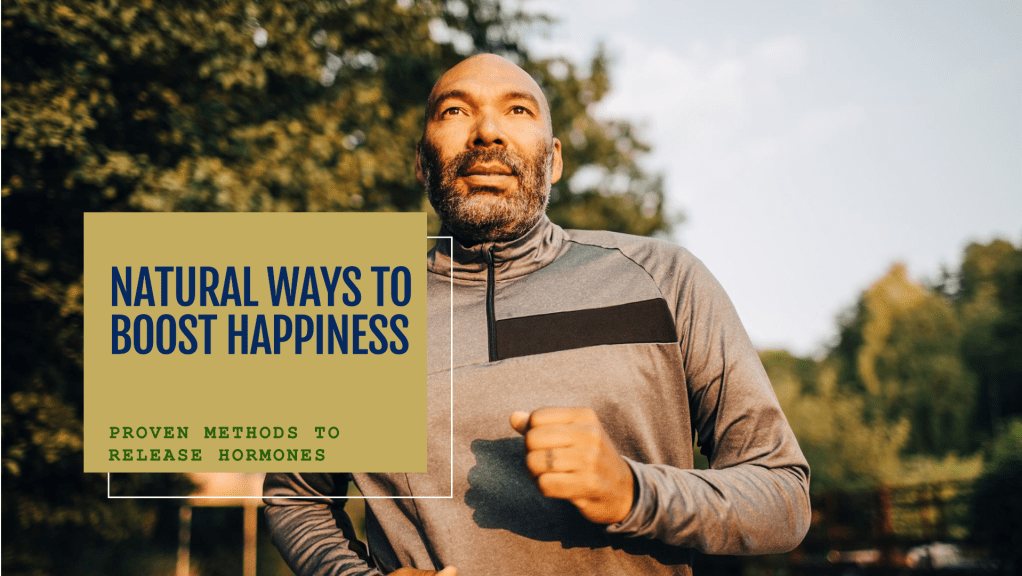
Proven Methods: How to Release Happiness Hormones Naturally

Happiness hormones, also known as “feel-good” hormones, play a crucial role in regulating our mood, stress levels, and overall well-being. By incorporating certain habits and activities into your daily life, you can naturally boost the production of these hormones and enhance your emotional health. Here are some effective ways to release happiness hormones naturally:

1. Exercise Regularly Physical activity is one of the most effective ways to boost endorphins, which are the body’s natural painkillers and mood elevators. Whether it’s a brisk walk, a run, or a yoga session, regular exercise can significantly improve your mood and reduce feelings of stress and anxiety.

2. Spend Time in Nature Connecting with nature has been shown to increase serotonin levels, a hormone that contributes to feelings of happiness and well-being. Activities like hiking, gardening, or simply spending time in a park can help you feel more relaxed and content.

3. Eat a Healthy, Balanced Diet Certain foods can naturally boost the production of happiness hormones. Omega-3 fatty acids found in fish, nuts, and seeds help increase dopamine levels, which are associated with feelings of pleasure and motivation. Dark chocolate is also known to boost endorphins, making it a delightful treat that enhances mood.

4. Practice Mindfulness and Meditation Mindfulness and meditation practices can help increase dopamine and serotonin levels, promoting feelings of peace and contentment. Regular meditation helps reduce stress, improves focus, and enhances overall emotional well-being.

5. Socialize and Connect with Loved Ones Spending time with friends and family, engaging in meaningful conversations, and participating in group activities can boost oxytocin levels. Oxytocin, often called the “love hormone,” is released during social bonding and contributes to feelings of trust, empathy, and connection.

6. Get Enough Sleep Quality sleep is essential for maintaining balanced hormone levels. Lack of sleep can lead to decreased serotonin levels, making it harder to feel happy and energized. Aim for 7-9 hours of sleep each night to support your mental and emotional health.

7. Practice Gratitude Cultivating a habit of gratitude can increase dopamine production. By focusing on the positive aspects of your life and expressing appreciation for what you have, you can boost your mood and overall happiness.

8. Laugh More Laughter is a powerful way to release endorphins. Whether you’re watching a funny movie, spending time with humorous friends, or simply finding joy in everyday moments, laughter can instantly lift your spirits.

9. Listen to Music Listening to your favorite music can increase dopamine levels and improve your mood. Music has a unique ability to evoke emotions, and upbeat or calming tunes can help you feel more positive and relaxed.

10. Practice Acts of Kindness Doing something kind for others, whether it’s volunteering, helping a friend, or simply offering a smile, can increase oxytocin levels. Acts of kindness not only benefit the recipient but also enhance your own sense of happiness and fulfillment.

By incorporating these habits into your daily routine, you can naturally boost your happiness hormones and enjoy a more positive and fulfilling life.

9 Things to Let Go of to Become a Stronger, Happier Person

1. Negative Self-Talk

2. Fear of Failure

  • Description: Fear of failure can paralyze your actions and prevent you from pursuing your goals. Embrace failure as a learning opportunity and a stepping stone to success.
  • Link: Forbes on Embracing Failure

3. Grudges and Resentment

  • Description: Holding onto grudges and resentment weighs you down emotionally. Practice forgiveness to free yourself from the past and focus on the present.
  • Link: Psychology Today on Forgiveness

4. Perfectionism

5. Toxic Relationships

6. Comparison with Others

7. Need for Approval

8. Unhealthy Habits

  • Description: Unhealthy habits such as poor diet, lack of exercise, and inadequate sleep can affect your physical and mental well-being. Adopt a healthier lifestyle for overall happiness.
  • Link: Mayo Clinic on Breaking Unhealthy Habits

9. Fear of Change

  • Description: Fear of change can prevent you from exploring new opportunities. Embrace change as a chance for growth and new experiences.
  • Link: Psychology Today on Embracing Change

Conclusion Letting go of these nine things can lead to a stronger, happier, and more fulfilling life. Focus on building positive habits and nurturing your mental and emotional health.

Call to Action: Start your journey towards a stronger, happier self today by letting go of these limiting factors. Visit Holistic Wellness Guide for more insights and tips on personal growth and happiness.

#PersonalGrowth #Happiness #MentalHealth #SelfImprovement #PositiveLiving #LetGo #HolisticWellness #EmotionalHealth #Wellbeing