Restful Nights: How Akira Improved His Sleep with Meditation
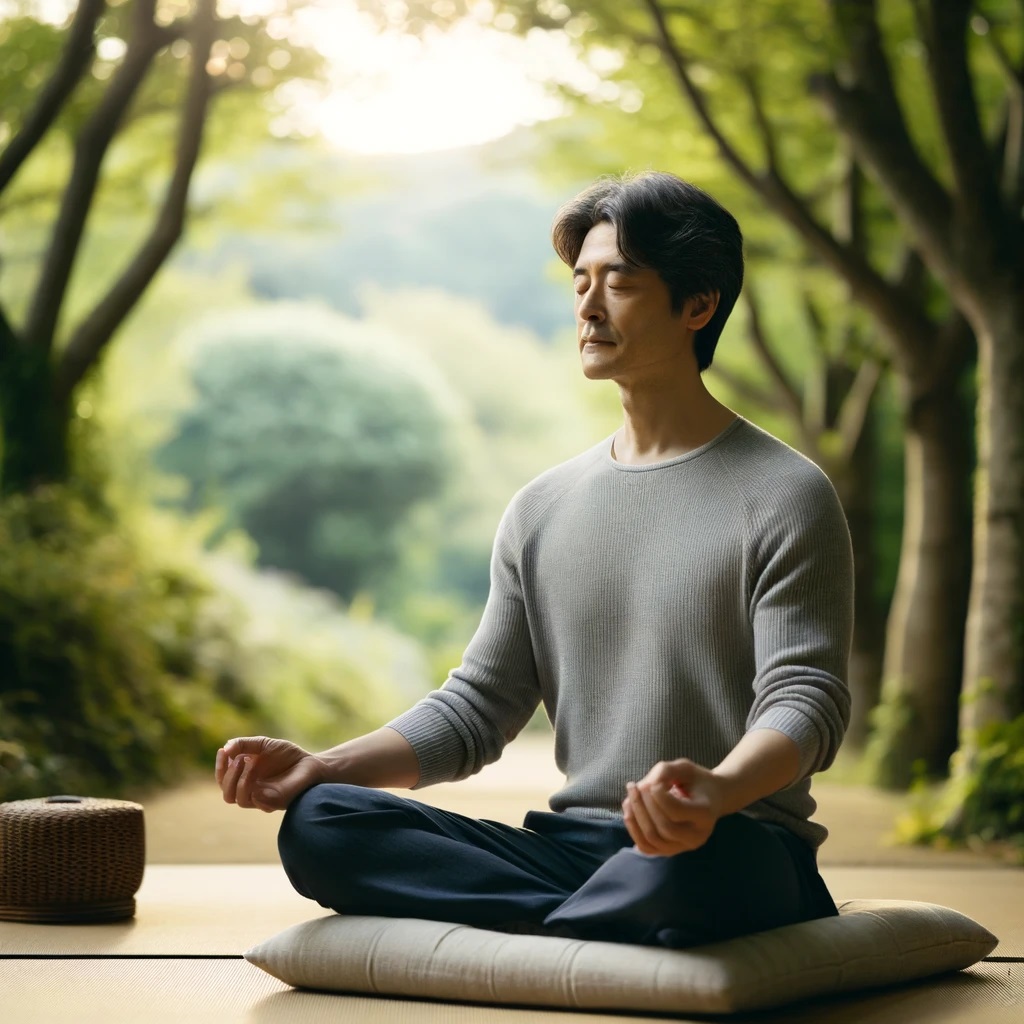
Meet Akira: Akira, a 38-year-old businessman from Tokyo, struggled with insomnia due to stress from work. Seeking a natural solution, he turned to meditation.
Starting Meditation: Akira began with short, guided meditations to help him relax before bedtime.
Example: Each night, Akira listened to a 10-minute guided meditation that focused on deep breathing and relaxation.
Building a Routine: He established a nightly meditation routine, gradually increasing the duration as he became more comfortable.
Example: Over time, Akira extended his meditation sessions to 20 minutes, finding it easier to relax and fall asleep.
Incorporating Mindfulness: Akira practiced mindfulness throughout the day to reduce overall stress and improve his sleep quality.
Example: During breaks at work, Akira practiced mindful breathing exercises to stay calm and focused.
The Result: Within a few months, Akira experienced better sleep quality and reduced stress. Meditation became an essential part of his nightly routine.
Finding Inner Peace: How Sarah Transformed Her Life with Daily Meditation
Meet Sarah, a 28-year-old software engineer who struggled with anxiety and stress due to her demanding job. Discover how she transformed her mental health and found inner peace through the practice of daily meditation. In this post, we’ll share Sarah’s inspiring journey and the practical steps she took to incorporate meditation into her routine.
Sarah’s Story: Sarah’s high-pressure job left her feeling overwhelmed and anxious. She had trouble sleeping and constantly felt on edge. Determined to find a solution, she turned to meditation after reading about its benefits for mental health.
Step 1: Starting Small: Sarah began her meditation journey with just 5 minutes a day. She found a quiet space in her home and focused on her breath, gradually increasing the duration as she became more comfortable.
Example: Sarah used a meditation app to guide her through short sessions, helping her stay focused and consistent.
Step 2: Creating a Routine: To make meditation a habit, Sarah incorporated it into her daily routine. She meditated first thing in the morning, setting a positive tone for the day.
Example: Sarah set her alarm 10 minutes earlier and dedicated those few minutes to meditation before starting her day.
Step 3: Exploring Different Techniques: Sarah experimented with various meditation techniques, including guided meditations, body scans, and mindfulness practices, to find what worked best for her.
Example: On stressful days, Sarah preferred guided meditations that helped her relax and clear her mind.
Step 4: Joining a Community: To stay motivated, Sarah joined a local meditation group where she could share her experiences and learn from others.
Example: The group met once a week for group meditations and discussions, providing Sarah with a sense of support and community.
Sarah’s Transformation: After a few months of consistent practice, Sarah noticed significant improvements in her mental health. She felt calmer, more focused, and better equipped to handle stress. Meditation became an essential part of her daily routine, helping her maintain inner peace and balance.
Sarah’s journey demonstrates the profound impact of daily meditation on mental health and overall well-being. At Alchemy International, we believe in the power of mindfulness practices like meditation to promote holistic wellness. Start your meditation journey today and discover the transformative benefits for yourself.
Yoga is an ancient practice that combines physical postures, breathing exercises, meditation, and a distinct philosophy to promote overall health and well-being. This holistic approach can provide numerous benefits for the mind, body, and spirit. Here’s how incorporating yoga into your daily routine can enhance your health and well-being.
1. Physical Health Benefits
Yoga offers a wide range of physical health benefits, making it an excellent addition to your fitness routine.
Improves Flexibility: Regular yoga practice helps increase flexibility, reducing the risk of injuries and improving overall mobility.
Example: Practicing poses like the forward bend or seated stretches can gradually improve flexibility over time.
Builds Strength: Many yoga poses are weight-bearing, which helps build and tone muscles throughout the body.
Example: Holding poses like plank, warrior, and chair pose can strengthen various muscle groups.
Enhances Balance and Coordination: Yoga poses often involve balancing on one leg or holding a pose for an extended period, which improves balance and coordination.
Example: Tree pose and eagle pose are excellent for developing balance.
Supports Cardiovascular Health: Certain styles of yoga, like Vinyasa or Power Yoga, can provide a cardiovascular workout that enhances heart health.
Example: Flowing through a series of sun salutations increases heart rate and improves cardiovascular endurance.
2. Mental Health Benefits
Yoga is well-known for its positive effects on mental health, helping to reduce stress, anxiety, and depression.
Reduces Stress: Yoga encourages relaxation and helps reduce the production of stress hormones.
Example: Incorporating relaxation poses like child’s pose and corpse pose into your routine can help reduce stress levels.
Improves Mood: The combination of physical activity, breathing exercises, and meditation in yoga promotes the release of endorphins, which can enhance mood.
Example: Practicing a gentle yoga sequence followed by a short meditation session can lift your spirits.
Enhances Focus and Concentration: The mindfulness aspect of yoga helps improve focus and concentration, making it easier to stay present in daily activities.
Example: Breathing exercises, such as alternate nostril breathing, can improve mental clarity and concentration.
Promotes Better Sleep: Regular yoga practice can help regulate sleep patterns and improve the quality of sleep.
Example: Practicing restorative yoga or gentle stretches before bed can promote relaxation and better sleep.
3. Emotional Health Benefits
Yoga helps cultivate a positive mindset and emotional resilience, which are essential for overall well-being.
Boosts Self-Esteem: Achieving and holding challenging poses can enhance self-esteem and confidence.
Example: Mastering poses like crow pose or headstand can boost your sense of accomplishment and self-worth.
Encourages Mindfulness: Yoga teaches you to be present in the moment, which can enhance your appreciation of life and foster a positive outlook.
Example: Mindful breathing exercises during yoga practice help you stay connected to the present moment.
Improves Emotional Regulation: The meditative aspects of yoga can help you manage and process emotions more effectively.
Example: Incorporating meditation and mindfulness practices into your yoga routine can help you stay calm and balanced in stressful situations.
4. Spiritual Health Benefits
Yoga can deepen your spiritual awareness and foster a sense of inner peace and connection.
Promotes Inner Peace: The meditative practices in yoga help you connect with your inner self, fostering a sense of peace and tranquility.
Example: Practicing yoga nidra, a form of guided meditation, can promote deep relaxation and inner peace.
Encourages Personal Growth: Yoga’s philosophy encourages self-reflection and personal growth, helping you develop a deeper understanding of yourself and your purpose.
Example: Keeping a yoga journal to reflect on your practice and personal insights can promote self-awareness and growth.
Fosters a Sense of Connection: Yoga encourages a sense of connection to others and the world around you, promoting compassion and empathy.
Example: Group yoga classes and community events can foster a sense of belonging and connection.
5. Practical Tips for Incorporating Yoga into Your Daily Routine
Start Small: Begin with short, manageable sessions and gradually increase the duration and intensity as you become more comfortable.
Example: Start with a 10-minute morning yoga routine and gradually increase it to 30 minutes.
Create a Dedicated Space: Set up a quiet, clutter-free space in your home where you can practice yoga without distractions.
Example: Use a yoga mat, blocks, and a cushion to create a comfortable practice area.
Follow Online Classes: If you’re new to yoga, consider following online classes or tutorials to guide your practice.
Example: Platforms like YouTube, Yoga with Adriene, and Gaia offer a variety of classes for all levels.
Join a Yoga Community: Joining a local yoga class or community can provide support and motivation.
Example: Participate in group classes or workshops to deepen your practice and connect with like-minded individuals.
Listen to Your Body: Pay attention to your body’s signals and modify poses as needed to avoid injury.
Example: If a pose feels uncomfortable or painful, use props or adjust the pose to suit your body’s needs.
Crystals and gemstones have been used for centuries for their healing properties and ability to enhance well-being. Each crystal has unique energy and benefits, making them powerful tools for physical, emotional, and spiritual healing. Here’s how you can harness the power of gemstones to improve your overall health and well-being.
Understanding Crystal Healing
Crystal healing involves placing gemstones on or around the body to draw out negative energy, balance the body’s energy, and promote healing. The belief is that crystals interact with the body’s energy field, or chakra system, to restore harmony and health.
Popular Healing Crystals and Their Benefits
1. Amethyst
Amethyst is known for its calming and protective properties. It’s often used to reduce stress, enhance spiritual awareness, and promote restful sleep.
Example: Place an amethyst crystal under your pillow or on your nightstand to help improve sleep quality and reduce insomnia.
2. Rose Quartz
Rose quartz is the stone of love and compassion. It’s believed to promote self-love, emotional healing, and harmony in relationships.
Example: Wear a rose quartz pendant or keep a small stone in your pocket to encourage feelings of love and compassion throughout the day.
3. Clear Quartz
Clear quartz is known as the “master healer” for its ability to amplify energy and thought. It’s used to enhance clarity, focus, and overall energy.
Example: Meditate with a clear quartz crystal to clear your mind and enhance your focus during meditation sessions.
4. Citrine
Citrine is associated with prosperity and abundance. It’s believed to attract success, wealth, and positive energy.
Example: Place a citrine crystal in your workspace or wallet to attract financial success and abundance.
5. Black Tourmaline
Black tourmaline is a powerful grounding stone that protects against negative energy and electromagnetic radiation.
Example: Keep a piece of black tourmaline near your computer or carry it with you to protect against negative energy and EMF exposure.
6. Selenite
Selenite is known for its purifying and cleansing properties. It’s used to clear negative energy and enhance mental clarity.
Example: Use a selenite wand to cleanse your aura or place selenite crystals in your home to promote a peaceful environment.
7. Labradorite
Labradorite is a stone of transformation and protection. It’s believed to enhance intuition, psychic abilities, and spiritual growth.
Example: Meditate with labradorite to enhance your intuition and connect with your higher self.
8. Hematite
Hematite is a grounding and protective stone. It’s used to absorb negative energy and promote emotional stability.
Example: Wear a hematite bracelet to stay grounded and protect yourself from negative energy throughout the day.
How to Use Healing Crystals
1. Wear Them as Jewelry
One of the easiest ways to benefit from crystals is by wearing them as jewelry. This keeps the crystals close to your body, allowing you to absorb their energy throughout the day.
Example: Choose crystal bracelets, necklaces, or rings made from your favorite gemstones to wear daily.
2. Place Them in Your Environment
Placing crystals in your home or workspace can help create a positive and healing environment.
Example: Arrange crystals in a grid or place them in areas where you spend a lot of time, such as your bedroom, living room, or office.
3. Meditate with Crystals
Meditating with crystals can enhance your meditation practice by providing focus and amplifying your intentions.
Example: Hold a crystal in your hand or place it on your body while meditating to deepen your meditation and connect with the crystal’s energy.
4. Use Them in Healing Practices
Crystals can be incorporated into various healing practices, such as Reiki, chakra balancing, and massage therapy.
Example: Place specific crystals on different chakra points to balance and align your energy centers during a healing session.
5. Create Crystal Elixirs
Crystal elixirs are made by infusing water with the energy of crystals. Drinking crystal-infused water can help you absorb the crystal’s healing properties.
Example: Place a cleansed crystal in a glass of water and let it sit for several hours or overnight. Remove the crystal and drink the infused water.
Cleansing and Charging Your Crystals
It’s important to regularly cleanse and charge your crystals to maintain their energy and effectiveness.
Example: Cleanse your crystals by rinsing them under running water, smudging them with sage, or placing them in sunlight or moonlight. Charge them by placing them on a selenite slab or in a crystal grid.
Positive thinking is more than just a habit; it’s a powerful tool that can transform your life in numerous ways. By adopting a positive mindset, you can improve your mental health, enhance your physical well-being, and create a more fulfilling and optimistic life. Here’s how positive thinking can make a difference and practical ways to cultivate it in your daily life.
Understanding Positive Thinking: Positive thinking involves focusing on the good in any situation and maintaining an optimistic outlook. It doesn’t mean ignoring life’s challenges but rather approaching them with a positive attitude. For example, when faced with a setback at work, instead of feeling defeated, you might view it as an opportunity to learn and grow.
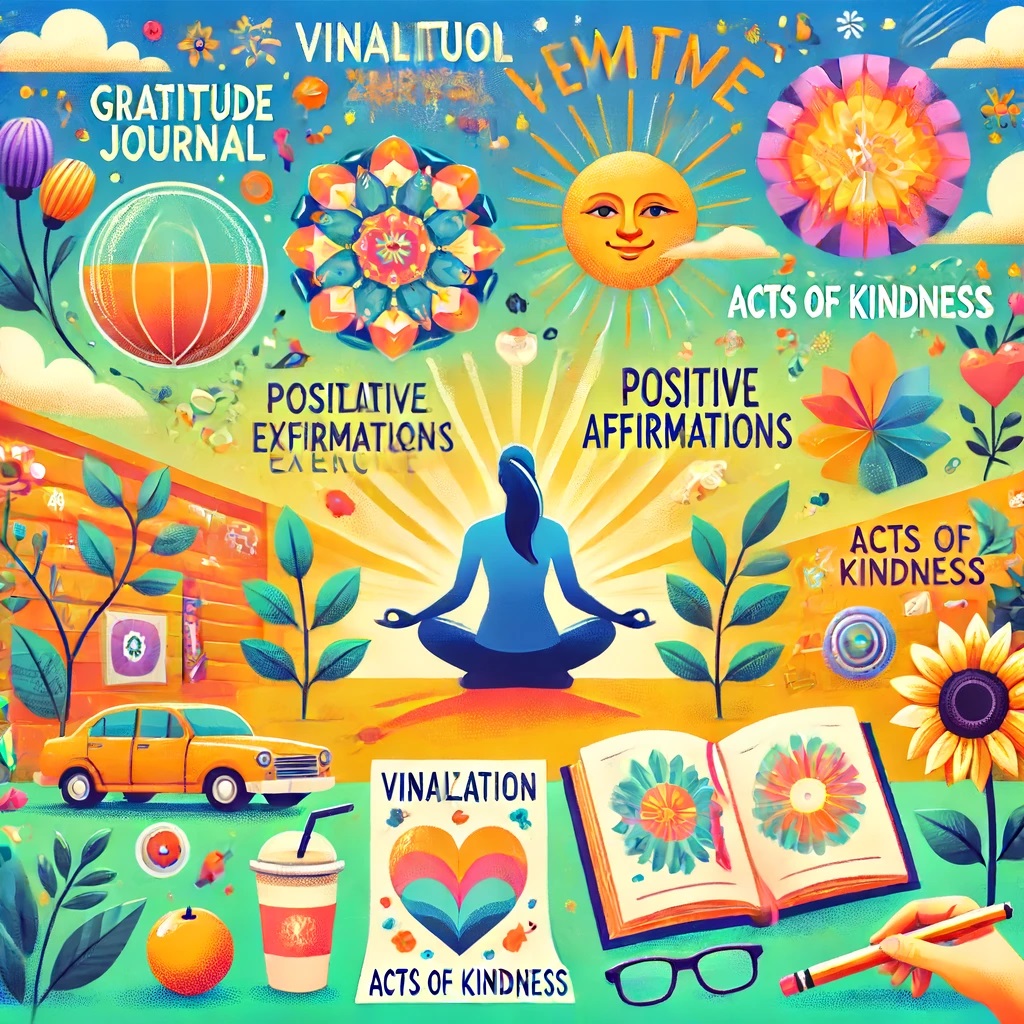
Daily Affirmations: Using daily affirmations can help promote positive thinking. For instance, start your day with affirmations like “I am capable and strong,” “I can handle whatever comes my way,” or “Today will be a great day.” Repeating these affirmations can help set a positive tone for your day.
Gratitude Practice: Incorporating gratitude into your routine can shift your focus from what’s lacking to what you have. Consider keeping a gratitude journal where you write down three things you’re thankful for each day. For example, “I am grateful for my supportive family,” “I appreciate the delicious meal I had today,” or “I am thankful for the sunny weather.”
Visualization Techniques: Visualization can help you achieve your goals by imagining yourself succeeding. Take a few minutes each day to visualize your goals as if they are already accomplished. For instance, if you aim to run a marathon, visualize yourself crossing the finish line, feeling strong and accomplished.
Surrounding Yourself with Positivity: Your environment can significantly influence your mindset. Surround yourself with positive influences, such as uplifting books, inspiring podcasts, and supportive friends. For example, join a local club or online community that shares your interests and values.
Mindfulness and Meditation: Mindfulness and meditation practices can help manage negative thoughts and cultivate a positive mindset. Spend a few minutes each day in meditation, focusing on your breath and letting go of negative thoughts. Apps like Headspace and Calm offer guided meditations that can help you get started.
Positive Self-Talk: Replacing negative self-talk with positive affirmations can boost your self-esteem and outlook. For example, if you catch yourself thinking, “I can’t do this,” replace it with, “I am capable of overcoming this challenge.”
Acts of Kindness: Performing acts of kindness can enhance your mood and promote positivity. Simple actions like complimenting a colleague, helping a neighbor, or volunteering at a local charity can make a big difference. These acts not only benefit others but also bring a sense of joy and fulfillment to your own life.
Setting Realistic Goals: Setting achievable goals can maintain your motivation and positive outlook. For instance, instead of setting a vague goal like “get fit,” set a specific and measurable goal like “exercise for 30 minutes three times a week.” Break larger goals into smaller, manageable steps, and celebrate your progress along the way.
Personal Stories and Testimonials: Many individuals have transformed their lives through positive thinking. For example, Sarah, a school teacher, found that starting each day with a gratitude journal helped her stay positive and resilient, even during challenging times. Similarly, John, a business executive, used daily affirmations and visualization techniques to stay motivated and achieve his career goals.
Meditation is a powerful practice that can help reduce stress, improve mental clarity, and enhance overall well-being. For beginners, starting a meditation practice may seem daunting, but with simple techniques and consistent practice, anyone can harness its benefits. Here’s a guide to help you get started with meditation.
Understanding Meditation
Meditation involves focusing the mind and eliminating distractions to achieve a state of mental clarity and emotional calm. It can be practiced in various forms, such as mindfulness meditation, guided meditation, and transcendental meditation.
Benefits of Meditation
Regular meditation can reduce stress, enhance concentration, improve emotional health, increase self-awareness, and promote better sleep. It can also lower blood pressure and improve overall physical health.
Getting Started with Meditation
1. Find a Quiet Space
Choose a quiet, comfortable space where you won’t be disturbed. This helps create a conducive environment for meditation.
Example: Set up a corner in your home with a comfortable cushion or chair, dim lighting, and minimal distractions. This can become your dedicated meditation space.
2. Set a Regular Time
Establish a regular meditation routine by setting aside a specific time each day. Consistency is key to developing a successful practice.
Example: Start with 5-10 minutes of meditation each morning or evening. Gradually increase the duration as you become more comfortable with the practice.
3. Focus on Your Breath
One of the simplest and most effective meditation techniques is focusing on your breath. This helps anchor your mind and bring your attention to the present moment.
Example: Sit comfortably, close your eyes, and take slow, deep breaths. Focus on the sensation of the breath entering and leaving your nostrils. If your mind wanders, gently bring it back to your breath.
4. Guided Meditation
Guided meditation involves following along with a recorded meditation session led by an instructor. This can be especially helpful for beginners.
Example: Use meditation apps like Headspace, Calm, or Insight Timer, which offer a variety of guided meditation sessions for different needs and skill levels.
5. Body Scan Meditation
Body scan meditation involves paying attention to different parts of your body, from head to toe, to release tension and promote relaxation.
Example: Lie down or sit comfortably. Close your eyes and slowly bring your attention to each part of your body, starting from your toes and moving up to your head. Notice any sensations or areas of tension and relax them as you go.
6. Loving-Kindness Meditation
Loving-kindness meditation focuses on cultivating compassion and positive feelings toward yourself and others.
Example: Sit comfortably and close your eyes. Begin by silently repeating phrases like “May I be happy, may I be healthy, may I be safe, may I live with ease.” Gradually extend these wishes to loved ones, acquaintances, and even people you have conflicts with.
7. Walking Meditation
Walking meditation combines movement with mindfulness. It’s a great way to meditate if sitting still feels challenging.
Example: Find a quiet place where you can walk slowly. Pay attention to the sensation of each step, the movement of your legs, and the contact of your feet with the ground. Focus on your breathing and stay present with each step.
8. Use a Mantra
A mantra is a word or phrase repeated during meditation to help focus the mind and eliminate distractions.
Example: Choose a simple mantra like “peace,” “calm,” or “om.” Repeat it silently or aloud as you meditate, synchronizing it with your breath.
9. Start Small
As a beginner, it’s important to start with short meditation sessions and gradually increase the duration. This helps build your practice without feeling overwhelmed.
Example: Begin with 3-5 minutes of meditation each day. As you become more comfortable, gradually extend the sessions to 10, 15, or 20 minutes.
10. Be Patient and Compassionate
Meditation is a skill that takes time and practice to develop. Be patient with yourself and approach your practice with compassion, without judgment.
Example: If your mind wanders during meditation, gently bring your focus back to your breath or mantra. Understand that distractions are natural, and each session is an opportunity to practice refocusing.
Productivity isn’t just about working hard; it’s about working smart. Successful people across various fields often share common habits that help them stay productive and maintain a healthy work-life balance. Here are some of their top tips and practices that you can incorporate into your daily routine for a more productive and fulfilling day.
1. Start Your Day Early
Many successful people, including CEOs and entrepreneurs, swear by the habit of waking up early. Starting your day early gives you a head start and allows you to tackle important tasks before the day gets busy.
Example: Apple CEO Tim Cook reportedly wakes up at 4:30 AM to get a head start on his day. Use the early morning hours for activities like exercise, meditation, or planning your day.
2. Prioritize Exercise
Regular physical activity is crucial for maintaining energy levels and mental clarity. Exercise helps reduce stress, improve mood, and increase overall productivity.
Example: Former First Lady Michelle Obama makes time for a daily workout. Aim for at least 30 minutes of physical activity, whether it’s a morning jog, a yoga session, or a trip to the gym.
3. Practice Mindfulness and Meditation
Mindfulness and meditation can help you stay focused, reduce stress, and improve mental clarity. Incorporating these practices into your daily routine can enhance your overall well-being and productivity.
Example: Media mogul Oprah Winfrey practices meditation daily. Spend a few minutes each morning in meditation or practice mindfulness throughout the day to stay present and focused.
4. Plan Your Day
Planning your day ahead of time helps you stay organized and ensures that you tackle your most important tasks. Use tools like to-do lists, calendars, or productivity apps to keep track of your schedule.
Example: Virgin Group founder Richard Branson uses lists to stay organized. Start your day by listing your top priorities and allocating specific times for each task.
5. Maintain a Healthy Diet
What you eat can significantly impact your energy levels and productivity. A balanced diet that includes plenty of fruits, vegetables, whole grains, and lean proteins can help you stay focused and energized throughout the day.
Example: Facebook COO Sheryl Sandberg emphasizes the importance of a healthy diet. Prepare nutritious meals and snacks ahead of time to avoid unhealthy choices during busy days.
6. Take Regular Breaks
Taking regular breaks is essential for maintaining productivity and preventing burnout. Short breaks can help you recharge and return to your tasks with renewed focus.
Example: Google encourages employees to take breaks and even provides nap pods in their offices. Use techniques like the Pomodoro Technique, where you work for 25 minutes and then take a 5-minute break.
7. Set Clear Goals
Setting clear, achievable goals helps you stay focused and motivated. Break down larger goals into smaller, manageable tasks and track your progress.
Example: Tesla and SpaceX CEO Elon Musk sets clear goals and timelines for his projects. Use SMART goals (Specific, Measurable, Achievable, Relevant, Time-bound) to outline your objectives.
8. Stay Hydrated
Staying hydrated is essential for maintaining concentration and energy levels. Keep a water bottle with you and make it a habit to drink water throughout the day.
Example: Model and entrepreneur Miranda Kerr emphasizes the importance of staying hydrated. Aim to drink at least eight glasses of water daily.
9. Foster a Positive Mindset
A positive mindset can significantly impact your productivity and overall happiness. Practice gratitude, stay optimistic, and focus on the positives in your life.
Example: Motivational speaker and author Tony Robbins practices gratitude daily. Start your day by listing things you are grateful for to cultivate a positive outlook.
10. Get Enough Sleep
Adequate sleep is crucial for cognitive function, memory, and overall health. Ensure you get 7-9 hours of quality sleep each night to stay productive and alert.
Example: Amazon founder Jeff Bezos prioritizes sleep to maintain productivity. Establish a relaxing bedtime routine and create a sleep-friendly environment to improve your sleep quality.
In today’s fast-paced world, we are constantly surrounded by digital devices that demand our attention. While technology offers numerous benefits, it can also lead to stress, anxiety, and a sense of disconnection from the real world. A digital detox can help you unplug, reduce screen time, and reconnect with life. Here are some practical steps to help you embark on a successful digital detox.
Understanding the Need for a Digital Detox
Excessive screen time can have negative effects on both mental and physical health. It can lead to eye strain, poor posture, sleep disturbances, and increased stress levels. A digital detox allows you to take a break from technology, helping you regain balance and improve overall well-being.
Set Clear Goals and Boundaries
Start by setting clear goals for your digital detox. Determine what you want to achieve, whether it’s reducing screen time, improving sleep quality, or spending more time with loved ones. Establish specific boundaries, such as no screens during meals, no phone use after a certain hour, or designated screen-free days.
Create a Tech-Free Zone
Designate certain areas of your home as tech-free zones. For example, make your bedroom a sanctuary for rest and relaxation by removing all electronic devices. This can help improve sleep quality and create a peaceful environment. Similarly, create tech-free spaces in your living room or dining area to encourage face-to-face interactions.
Schedule Regular Digital Breaks
Incorporate regular digital breaks into your daily routine. Use techniques like the Pomodoro Technique, where you work for 25 minutes and then take a 5-minute break without any screens. During these breaks, engage in activities that relax and refresh you, such as stretching, deep breathing, or taking a short walk.
Engage in Offline Activities
Rediscover the joy of offline activities that don’t involve screens. Read a book, practice a hobby, exercise, or spend time outdoors. Engage in activities that stimulate your mind and body without the use of technology. For instance, take up gardening, painting, or cooking, and enjoy the satisfaction of creating something tangible.
Reconnect with Nature
Spending time in nature is a powerful way to disconnect from digital devices and reconnect with the world around you. Go for hikes, visit parks, or simply take a walk in your neighborhood. Nature has a calming effect that can reduce stress and improve mental clarity.
Practice Mindfulness and Meditation
Mindfulness and meditation can help you stay present and reduce the urge to constantly check your devices. Set aside time each day for mindfulness practices, such as meditation, deep breathing, or yoga. These practices can help you become more aware of your digital habits and make conscious choices about your screen time.
Limit Social Media Use
Social media can be a major source of distraction and stress. Limit your social media use by setting specific times for checking your accounts and avoiding mindless scrolling. Consider using apps that track and limit your social media usage. You can also declutter your feed by unfollowing accounts that don’t add value to your life.
Communicate Your Intentions
Inform your friends, family, and colleagues about your digital detox plans. This helps set expectations and reduces the likelihood of interruptions. Let them know how they can reach you in case of emergencies. By communicating your intentions, you also gain their support and understanding.
Reflect and Adjust
At the end of your digital detox, take time to reflect on your experience. Assess how the detox has impacted your well-being and identify any changes in your habits. Use this reflection to adjust your digital usage going forward. Consider making digital detoxes a regular practice, such as once a month or during vacations, to maintain a healthy balance.
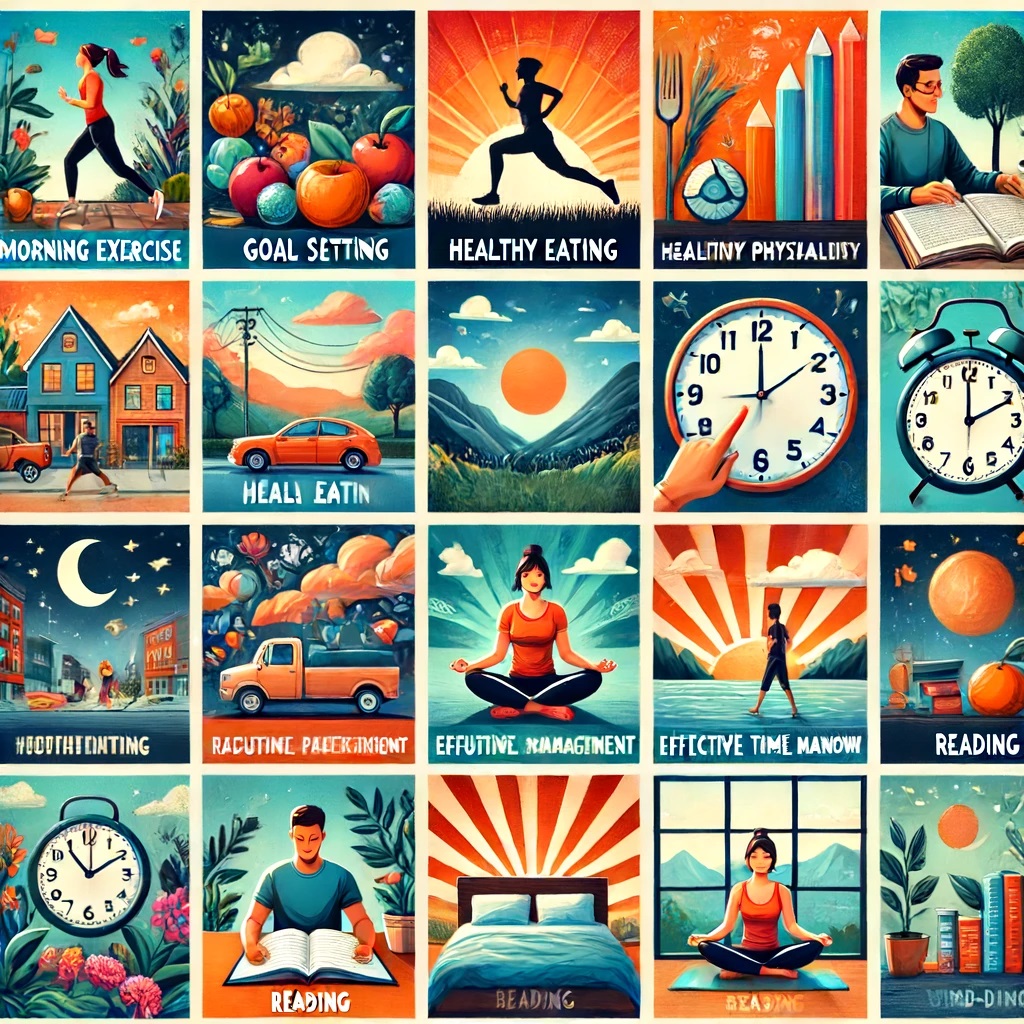
Explore a typical day of a mindful executive who balances work responsibilities with mindfulness practices and healthy habits to maintain well-being and productivity.
Morning Routine: The mindful executive begins the day with intentional practices to set a positive tone.
Example: Wake up at 6 AM and start the day with a glass of warm lemon water. Spend 10 minutes practicing mindfulness meditation, followed by a light stretching routine to awaken the body.
Healthy Breakfast: A nourishing breakfast fuels the body and mind for the busy day ahead.
Example: Prepare a bowl of oatmeal topped with fresh berries, nuts, and a drizzle of honey. Enjoy this while reviewing the day’s schedule and setting intentions.
Commute with Purpose: Use the commute time as an opportunity for mindfulness or learning.
Example: Listen to a motivational podcast or an audiobook related to personal development during the commute to the office.
Mindful Work Practices: Incorporate mindfulness techniques to stay focused and calm throughout the workday.
Example: Begin the workday with a brief team meditation or mindfulness exercise. Schedule short breaks between meetings to stretch, breathe, and reset.
Lunch Break: Enjoy a balanced meal that supports sustained energy and mental clarity.
Example: Have a quinoa salad with mixed greens, avocado, cherry tomatoes, and grilled salmon. Take a walk outside after lunch to get fresh air and clear the mind.
Afternoon Focus: Maintain productivity with focused work periods and mindful breaks.
Example: Use the Pomodoro Technique to break work into intervals with short breaks. During breaks, practice deep breathing or do a quick mindfulness exercise.
Evening Wind-Down: Transition from work to personal time with activities that promote relaxation and well-being.
Example: Leave the office by 6 PM and head to a yoga class to unwind and release tension. Follow this with a light, nutritious dinner at home.
Family Time and Relaxation: Spend quality time with loved ones and engage in relaxing activities.
Example: Have a family dinner, then engage in a calming activity such as reading, playing a board game, or taking a walk together.
Nighttime Routine: Create a peaceful evening routine to prepare for restful sleep.
Example: Take a warm bath with lavender essential oil, followed by a cup of chamomile tea. Reflect on the day with a gratitude journal and set positive intentions for the next day.
Starting the day with a calm and focused mindset can significantly enhance your overall well-being and productivity. Integrating yoga and meditation into your morning routine helps you begin the day with clarity and energy.
Begin with Gentle Yoga: Kickstart your morning with gentle yoga poses to wake up your body and mind. Poses like Cat-Cow, Downward-Facing Dog, and Child’s Pose are excellent for stretching and energizing your body.
Example: Spend 10 minutes in the morning practicing these poses on a yoga mat in a quiet space. This helps improve flexibility and reduce morning stiffness.
Transition to Meditation: After yoga, transition to a meditation session. Find a comfortable seated position, close your eyes, and focus on your breath. Meditation helps calm the mind, reduce stress, and set a positive tone for the day.
Example: Practice meditation for 10-15 minutes. Use guided meditation apps if needed, focusing on deep breathing and mindfulness.
Create a Peaceful Environment: Set up a dedicated space for your morning routine. Ensure it’s quiet, clutter-free, and filled with natural light. Adding elements like plants, candles, or soft music can enhance the ambiance.
Example: Designate a corner of your room for yoga and meditation. Decorate it with calming colors and inspirational quotes to motivate you.
Consistency is Key: Consistency is essential for reaping the benefits of yoga and meditation. Make this routine a daily habit to experience long-term improvements in your mental and physical health.
Example: Stick to your routine even on busy days. The consistency will help you maintain balance and resilience throughout your daily challenges.
By starting your day with yoga and meditation, you cultivate mindfulness and serenity, preparing yourself for whatever the day may bring.









 Holistic Wellness Guide