
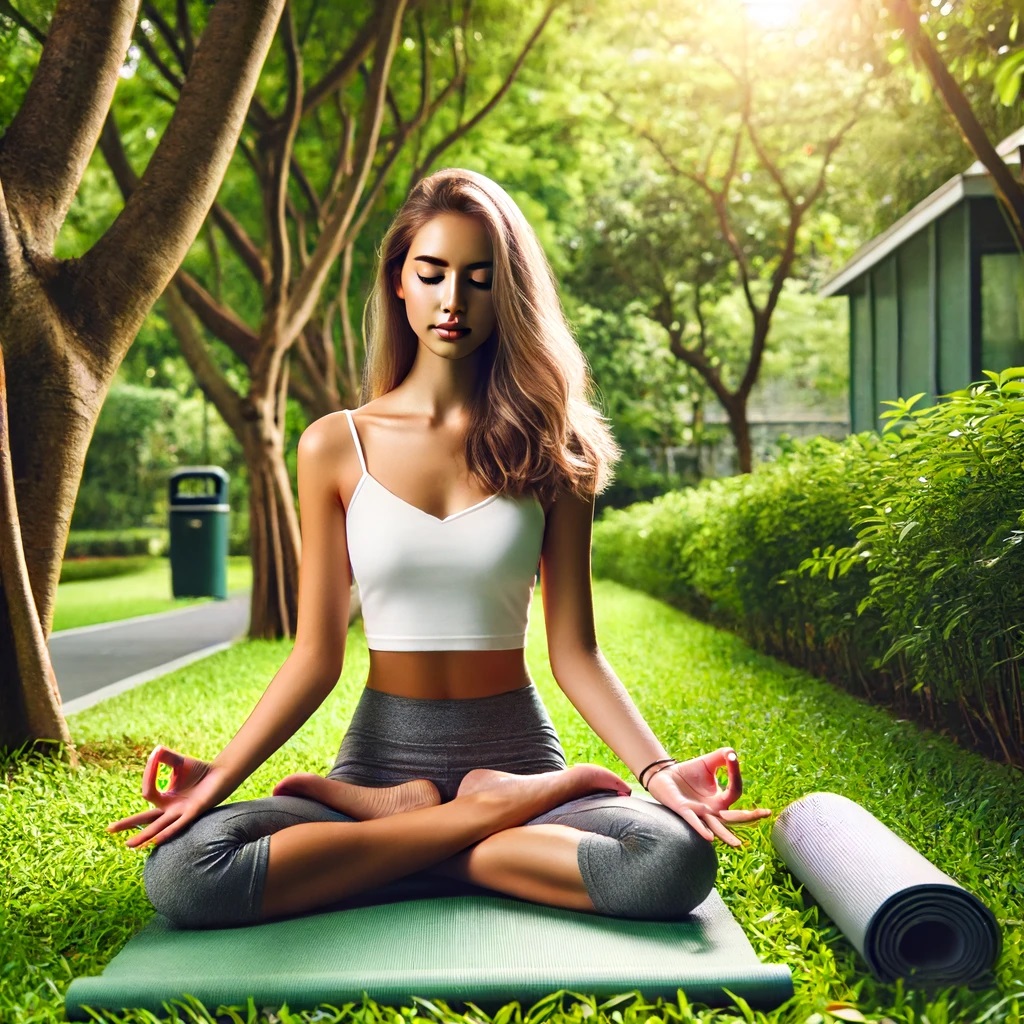
Meditation is a powerful practice that can help reduce stress, improve mental clarity, and enhance overall well-being. For beginners, starting a meditation practice may seem daunting, but with simple techniques and consistent practice, anyone can harness its benefits. Here’s a guide to help you get started with meditation.
Understanding Meditation
Meditation involves focusing the mind and eliminating distractions to achieve a state of mental clarity and emotional calm. It can be practiced in various forms, such as mindfulness meditation, guided meditation, and transcendental meditation.
Benefits of Meditation
Regular meditation can reduce stress, enhance concentration, improve emotional health, increase self-awareness, and promote better sleep. It can also lower blood pressure and improve overall physical health.
Getting Started with Meditation
1. Find a Quiet Space
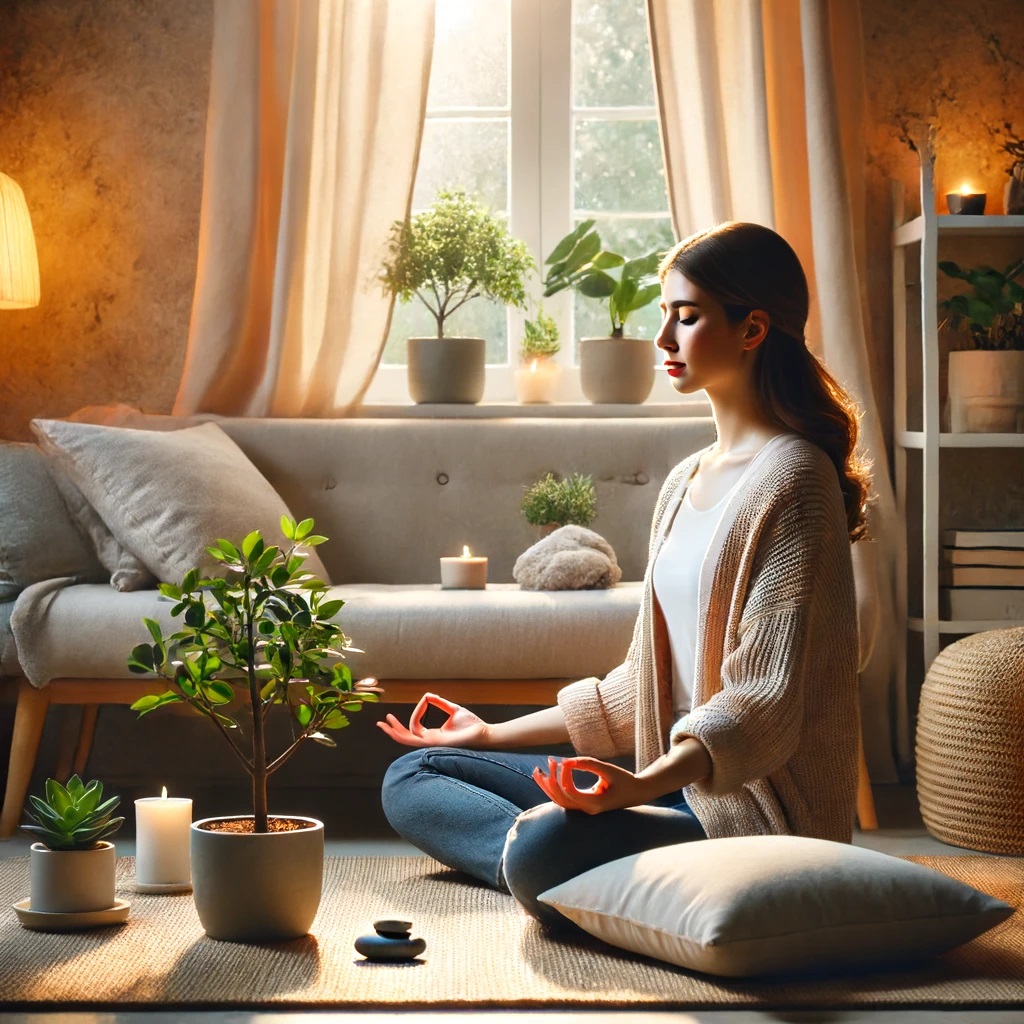
Choose a quiet, comfortable space where you won’t be disturbed. This helps create a conducive environment for meditation.
- Example: Set up a corner in your home with a comfortable cushion or chair, dim lighting, and minimal distractions. This can become your dedicated meditation space.
2. Set a Regular Time
Establish a regular meditation routine by setting aside a specific time each day. Consistency is key to developing a successful practice.
- Example: Start with 5-10 minutes of meditation each morning or evening. Gradually increase the duration as you become more comfortable with the practice.
3. Focus on Your Breath
One of the simplest and most effective meditation techniques is focusing on your breath. This helps anchor your mind and bring your attention to the present moment.
- Example: Sit comfortably, close your eyes, and take slow, deep breaths. Focus on the sensation of the breath entering and leaving your nostrils. If your mind wanders, gently bring it back to your breath.
4. Guided Meditation
Guided meditation involves following along with a recorded meditation session led by an instructor. This can be especially helpful for beginners.
- Example: Use meditation apps like Headspace, Calm, or Insight Timer, which offer a variety of guided meditation sessions for different needs and skill levels.
5. Body Scan Meditation
Body scan meditation involves paying attention to different parts of your body, from head to toe, to release tension and promote relaxation.
- Example: Lie down or sit comfortably. Close your eyes and slowly bring your attention to each part of your body, starting from your toes and moving up to your head. Notice any sensations or areas of tension and relax them as you go.
6. Loving-Kindness Meditation
Loving-kindness meditation focuses on cultivating compassion and positive feelings toward yourself and others.
- Example: Sit comfortably and close your eyes. Begin by silently repeating phrases like “May I be happy, may I be healthy, may I be safe, may I live with ease.” Gradually extend these wishes to loved ones, acquaintances, and even people you have conflicts with.
7. Walking Meditation
Walking meditation combines movement with mindfulness. It’s a great way to meditate if sitting still feels challenging.
- Example: Find a quiet place where you can walk slowly. Pay attention to the sensation of each step, the movement of your legs, and the contact of your feet with the ground. Focus on your breathing and stay present with each step.
8. Use a Mantra
A mantra is a word or phrase repeated during meditation to help focus the mind and eliminate distractions.
- Example: Choose a simple mantra like “peace,” “calm,” or “om.” Repeat it silently or aloud as you meditate, synchronizing it with your breath.
9. Start Small
As a beginner, it’s important to start with short meditation sessions and gradually increase the duration. This helps build your practice without feeling overwhelmed.
- Example: Begin with 3-5 minutes of meditation each day. As you become more comfortable, gradually extend the sessions to 10, 15, or 20 minutes.
10. Be Patient and Compassionate
Meditation is a skill that takes time and practice to develop. Be patient with yourself and approach your practice with compassion, without judgment.
- Example: If your mind wanders during meditation, gently bring your focus back to your breath or mantra. Understand that distractions are natural, and each session is an opportunity to practice refocusing.
 Holistic Wellness Guide