
The Healing Power of Stillness: Why Doing Nothing Is Medicine

We live in a culture obsessed with doing. Hustle is glorified. Busyness is worn like a badge of honor. But in the endless pursuit of productivity, we’ve forgotten how to just be.

Stillness is not the absence of progress—it’s where healing, clarity, and inner intelligence begin. In fact, stillness is the missing nutrient in most people’s lives. And without it, your nervous system never truly rests.

We recharge our phones more than we recharge our minds. It’s time to change that.


1. What Is Stillness and Why It’s Essential

Stillness isn’t laziness. It’s presence without motion. It’s the deliberate act of creating space between stimulus and response—space that allows your nervous system to reset, your intuition to rise, and your body to heal.

🧠 Neurologically: Stillness shifts brainwaves from beta (problem-solving) to alpha and theta (creative, intuitive, restorative).
🫀 Physiologically: It activates the parasympathetic nervous system, lowering cortisol and inflammation.
💡 Energetically: It clears your emotional “static” and allows clarity to surface.

You don’t need hours of meditation. Even moments of stillness—waiting at a red light, sipping tea with no phone—are enough to shift your state.


2. What Happens to the Body in Stillness

In true stillness (not scrolling, not zoning out), your body enters a state of repair. Here’s what happens behind the scenes:

✔️ Heart rate slows
✔️ Blood pressure drops
✔️ Muscles relax
✔️ Digestion improves
✔️ Immune system activates
✔️ Brain releases GABA and serotonin (feel-good neurotransmitters)

Most of us live in a low-grade fight-or-flight mode. Stillness is your off-ramp.


3. 5 Ways to Practice Intentional Stillness

🌿 1. The One-Minute Pause
Set a timer. Do nothing. No thoughts. No effort. Just breathe and observe. It’s awkward at first, then blissful.

🪞 2. Morning Gaze Practice
Start your day by staring out the window for 2–3 minutes in silence. Let your eyes soften. Let the day arrive to you, instead of rushing into it.

🧘 3. Soft Focus Meditation
Sit with your eyes half-open, unfocused. Let your mind wander gently, without grabbing any thought. Stay in the in-between.

🕯️ 4. Candle or Fire Watch
Stare into a flame. Let your mind become as still as the wick. Fire is a natural nervous system soother.

🛁 5. Bath or Shower Without Distraction
No music, no phone. Just water and breath. Let your body melt. Notice what ideas rise when you’re not looking for them.


4. The Inner Healing that Happens in Stillness

Stillness allows your subconscious to integrate. Emotions that were “on hold” come forward. Old mental clutter drifts up and out. It’s not always comfortable—but it’s powerful.

In silence, you meet your real self.

The self beyond your job title, your plans, your worries. The self that knows what you need.
You don’t find answers by thinking harder. You find them by listening deeper.


5. Building a Stillness Practice in a Busy World

You don’t need a mountaintop or retreat. You need micro-moments.

✨ Before you pick up your phone in the morning
✨ Before your first bite of lunch
✨ During your evening wind-down
✨ When waiting in line or on hold

Stillness isn’t a luxury. It’s your biological right. Without it, you burn out. With it, you rise restored.

Start with just 3 minutes a day. You’ll begin to crave it.


You are not a machine. You’re a rhythmic, energetic, living being who needs pause, softness, and nothingness to heal. Stillness is the medicine you forgot you needed.

Let silence work on you. Let it whisper what chaos drowns out.

And if you’re ready to embrace a deeper rhythm of life, check out my book The Mindful Executive—a guide to intentional living, inner clarity, and modern-day healing: https://www.amazon.com/dp/B0D75YJCLW
The Mind-Body Connection: How Your Thoughts Directly Impact Your Physical Health

The ancient wisdom “as above, so below” takes on profound meaning when we explore the intricate relationship between our mental and physical states. The mind-body connection isn’t just a philosophical concept—it’s a scientifically proven reality that can transform how we approach health and healing.

Understanding the Science Behind Mind-Body Medicine

Your thoughts, emotions, and beliefs create measurable changes in your body’s chemistry. When you experience stress, anxiety, or negative emotions, your brain releases cortisol and adrenaline, triggering inflammation and compromising your immune system. Conversely, positive thoughts and emotions flood your system with beneficial hormones like serotonin, dopamine, and oxytocin, promoting healing and vitality.

Research from Harvard Medical School demonstrates that chronic stress can literally rewire your brain, affecting memory, decision-making, and emotional regulation. Meanwhile, practices like meditation and mindfulness create positive neuroplasticity, strengthening neural pathways associated with calm, focus, and resilience.

The Physical Manifestations of Mental States

Your body serves as a mirror for your inner world. Persistent worry often manifests as digestive issues, tension headaches, or insomnia. Suppressed anger may appear as inflammation, autoimmune conditions, or chronic pain. Fear and anxiety frequently show up as respiratory problems, heart palpitations, or muscle tension.

This isn’t to suggest that all physical ailments stem from mental causes, but rather to recognize the powerful influence our psychological state has on our physical well-being. Traditional Chinese Medicine and Ayurveda have understood this connection for millennia, treating the person as a whole rather than isolated symptoms.

Practical Ways to Harness Your Mind-Body Connection

Daily Mindfulness Practice Begin each day with five minutes of conscious breathing. This simple practice activates your parasympathetic nervous system, reducing stress hormones and promoting healing. Focus on deep, slow breaths, allowing your belly to expand with each inhale.

Emotional Awareness and Processing Create space to acknowledge and process your emotions rather than suppressing them. Journaling, meditation, or speaking with a trusted friend can prevent emotional energy from becoming trapped in your physical body.

Positive Visualization Spend time each day visualizing your body in perfect health. See your immune system strong and vibrant, your organs functioning optimally, and your energy flowing freely. Your subconscious mind doesn’t distinguish between vividly imagined experiences and reality, making visualization a powerful healing tool.

Gratitude Practice Cultivate genuine appreciation for your body and its incredible capabilities. Thank your heart for beating, your lungs for breathing, and your immune system for protecting you. This practice shifts your energy from criticism to celebration, promoting healing at the cellular level.

Movement as Medicine Choose physical activities that bring you joy rather than punishment. Whether it’s dancing, walking in nature, or gentle yoga, movement that feels good creates positive associations in your nervous system, enhancing both mental and physical well-being.

The Role of Belief in Healing

Your beliefs about your health significantly impact your healing capacity. The placebo effect demonstrates that believing in recovery can trigger real physiological changes, even without active treatment. Conversely, nocebo effects show how negative expectations can worsen symptoms or create new ones.

Examine your health beliefs honestly. Do you see your body as fragile or resilient? Do you believe in your capacity to heal, or do you feel powerless over your health? Shifting limiting beliefs to empowering ones can dramatically accelerate your healing journey.

Creating a Holistic Healing Environment

Your external environment influences your internal state. Surround yourself with beauty, whether through plants, art, music, or natural light. These elements signal safety to your nervous system, promoting relaxation and healing.

Equally important is your social environment. Supportive relationships boost immune function, while toxic relationships create chronic stress. Prioritize connections that nourish your soul and set boundaries with those that drain your energy.

Integrating Mind-Body Practices into Daily Life

Start small and build consistency. Choose one practice that resonates with you—perhaps morning meditation, evening gratitude, or midday breathing exercises. As this becomes habit, gradually add other elements.

Remember that healing isn’t linear. Your body may need time to release old patterns and integrate new ones. Be patient and compassionate with yourself throughout this process.

The Future of Holistic Health

As conventional medicine increasingly recognizes the mind-body connection, we’re seeing exciting developments in integrative care. Hospitals now offer meditation programs, doctors prescribe nature therapy, and research validates ancient healing practices.

This shift represents a return to treating humans as complete beings rather than collections of symptoms. By embracing the mind-body connection in your own life, you become part of this healing revolution.

Your thoughts are powerful medicine. Use them wisely, and watch as your entire being transforms from the inside out. The journey to optimal health begins not just with what you put in your body, but with what you allow in your mind.


For deeper insights into transforming your relationship with health and wellness through mindful practices, explore “The Path to Wellness: A Journey of Self-Discovery and Healing” – a comprehensive guide to creating lasting change in your well-being journey.

The 6 AM Reset: Why Early Mornings Are a Secret Weapon for Holistic Wellness

There’s a quiet magic to the world at 6 AM. The streets are still, the sky blushes with the first rays of light, and the world hasn’t started shouting at you yet. It’s in that silence that you can hear yourself again — your breath, your thoughts, your truth.

If you’re serious about living a holistic lifestyle, rewiring your day to begin earlier might be the missing link. It’s not just productivity hacks or discipline talk — waking up at 6 AM (or earlier) aligns your mind, body, and energy with natural rhythms that modern life has largely forgotten.

Let’s explore why the 6 AM reset is more than a morning — it’s a revolution in how you live.


🌞 1. Aligns You With the Circadian Rhythm

Waking up early naturally syncs your body with the earth’s cycle — something Ayurveda, Traditional Chinese Medicine, and even modern neuroscience agree on.
Your cortisol levels peak early in the morning, preparing your body to wake up and move. Ignoring this rhythm causes sluggishness, brain fog, and disrupted hormones.

Holistic Tip: Wake up with the sunlight, not your smartphone. Open a window, let the light in, and let your body feel nature’s clock again.


🧘‍♀️ 2. The Stillness is Sacred

Before the world starts demanding things from you, early mornings offer peace. This stillness is perfect for:

  • Meditation
  • Journaling
  • Gratitude practices
  • Mindful stretching or yoga

Your mind is most impressionable in the early morning. What you feed it — peace or panic — sets the tone for the entire day.


🫖 3. Morning Rituals Build Emotional Resilience

Having a 6 AM ritual grounds you. Whether it’s sipping warm lemon water, reading something inspiring, or doing breathwork — the consistency builds emotional security.

Why it works: Rituals reduce decision fatigue and activate the parasympathetic nervous system, keeping your mood more stable.

Bonus Practice: Try a simple Ayurvedic routine:

  • Wake up
  • Scrape tongue
  • Drink warm water
  • Lightly oil your skin (Abhyanga)
  • Move gently
  • Breathe deeply

🧠 4. Your Brain Loves Mornings

Research shows that your brain’s prefrontal cortex is most active in the early hours. That means:

  • Clearer thinking
  • Stronger willpower
  • More focus

For creatives, this is gold. For busy professionals, it’s uninterrupted flow. For parents, it’s your time before the house wakes up.


🥗 5. Better Choices Flow From Better Starts

When your morning is rushed, you’re in survival mode. When your morning is nourishing, your decisions all day improve.
You’re more likely to:

  • Eat cleaner
  • Say no to things that don’t serve you
  • Stay present
  • Avoid unnecessary conflict

The Science: Dopamine circuits respond positively to a sense of control and predictability, especially early in the day.


🛏️ 6. It Improves Sleep Quality

Ironically, waking up early helps you sleep better — but only when it’s done with consistency and intention.
Your body craves rhythm. Going to bed early and waking early reinforces melatonin production, improves sleep cycles, and reduces insomnia.

Sleep tip: Unwind without screens for 1 hour before bed. Journal or listen to calming music instead.


🧭 How to Start the 6 AM Reset (Even If You’re Not a Morning Person)

  1. Move Your Wake Time Back Gradually – 15 minutes earlier every 3 days.
  2. Create a Beautiful Reason to Wake Up – A new book, a walk, morning tea.
  3. Design a Simple Routine You Love – Keep it cozy, not complex.
  4. Stick to the Same Sleep-Wake Schedule (Even on Weekends!)
  5. Don’t Reach for Your Phone First Thing – Delay dopamine until after you’ve checked in with yourself.

✨ The 6 AM Shift Is a Lifestyle, Not a Rule

This isn’t about forcing yourself to rise early with shame. It’s about reclaiming the beginning of your day as yours. It’s sacred. It’s transformational.

Start slowly. Respect your current routine. But if you give it a few weeks, the benefits — clarity, creativity, calmness — will be impossible to ignore.


For more insights on building mindful routines and personal transformation, check out my book:
👉 The Mindful Executive

Harnessing Sound Healing for Better Well-Being

Sound is more than just something we hear—it’s a vibrational force that can influence our physical, emotional, and mental well-being. Ancient cultures have used sound healing for thousands of years, from Tibetan singing bowls to chanting mantras. Today, science is catching up, showing that sound therapy can reduce stress, improve sleep, enhance focus, and even promote cellular healing.

Let’s explore the science behind sound healing, its benefits, and how you can integrate it into your daily life for better health and balance.


1. The Science Behind Sound Healing

Sound isn’t just something we hear—it’s a vibrational frequency that interacts with the body on a deep level.

🔬 How It Works:

  • Sound frequencies affect brainwave states, shifting us from stress to relaxation.
  • Vibrations can stimulate the vagus nerve, which regulates mood and inflammation.
  • Sound therapy can synchronize brainwaves to induce meditative states.

📊 Scientific Evidence:

  • A 2016 study found that Tibetan singing bowls reduce tension, anxiety, and depression.
  • Binaural beats have been shown to enhance focus and relaxation by altering brainwave frequencies.
  • Music therapy is used in hospitals to help manage pain, anxiety, and recovery.
  • Pro Tip: Low-frequency sounds (e.g., Tibetan bowls, gongs) promote deep relaxation, while high-frequency sounds (e.g., chimes, singing) increase alertness and clarity.

2. The Health Benefits of Sound Healing

✔️ Reduces Stress & Anxiety – Lowers cortisol levels and promotes calmness.
✔️ Improves Sleep – Slows brainwaves to delta state (deep sleep).
✔️ Enhances Focus & Creativity – Binaural beats help with cognitive performance.
✔️ Boosts Emotional Release – Helps process emotions stored in the body.
✔️ Supports Physical Healing – Some studies suggest sound vibrations improve circulation and reduce pain.

  • Pro Tip: Listen to solfeggio frequencies (e.g., 528 Hz for healing, 432 Hz for relaxation) to enhance benefits.

3. 5 Powerful Sound Healing Techniques to Try

🔔 1. Tibetan Singing Bowls (Best for Deep Relaxation & Energy Healing)

  • How to Practice:
    • Strike or play the bowl while sitting comfortably.
    • Focus on the vibration and let it calm your mind.
  • Best Time to Use: Before bed or during meditation.

🎵 2. Binaural Beats (Best for Focus & Mental Clarity)

  • How to Practice:
    • Listen with headphones to binaural beats (e.g., 8 Hz for deep meditation).
    • Choose tracks based on your desired brain state (alpha for relaxation, beta for focus).
  • Best Time to Use: While working or before meditation.

🕉️ 3. Chanting & Mantras (Best for Emotional Release & Mindfulness)

  • How to Practice:
    • Chant simple mantras like “Om” or “So Hum” while breathing deeply.
    • Repeat for at least 5-10 minutes to calm the nervous system.
  • Best Time to Use: Morning routine or during moments of stress.

🌊 4. Nature Sounds (Best for Stress Reduction & Sleep)

  • How to Practice:
    • Listen to rain, ocean waves, or birds to naturally relax your mind.
    • Play nature sounds at night for better sleep.
  • Best Time to Use: Before sleep or during breaks.

🔔 5. Gong & Sound Bath Therapy (Best for Energy Cleansing & Deep Healing)

  • How to Practice:
    • Attend a live sound bath or use recorded gong frequencies.
    • Close your eyes and let the vibrations cleanse your energy field.
  • Best Time to Use: After a stressful day or when seeking deep relaxation.
  • Pro Tip: Experiment with different sound frequencies (e.g., 639 Hz for relationships, 741 Hz for intuition) to see which resonates with you.

4. How to Incorporate Sound Healing Into Your Routine

🎶 Morning: Chant mantras or listen to high-frequency music to start the day.
💻 Work Breaks: Use binaural beats for better focus and concentration.
🌙 Evening: Play Tibetan bowls or solfeggio frequencies for relaxation and better sleep.

  • Pro Tip: Keep a small singing bowl at your desk for quick resets.

5. Common Sound Healing Myths & Truths

Myth: Sound healing is just a placebo effect.
✔️ Truth: Studies confirm measurable physiological changes, like reduced stress hormones.

Myth: Only trained professionals can use sound therapy.
✔️ Truth: Anyone can practice binaural beats, chanting, or listening to healing frequencies at home.

Myth: You need expensive tools for sound healing.
✔️ Truth: Even listening to free recordings online can bring benefits.

  • Pro Tip: Try different healing frequencies and track how they affect your mood and energy.

Conclusion

Sound is more than just entertainment—it’s a powerful healing tool that influences brainwaves, emotions, and even physical health. By incorporating sound healing into your routine, you can experience deep relaxation, emotional balance, and enhanced mental clarity. Whether through Tibetan bowls, binaural beats, or chanting, sound therapy is an accessible and effective way to promote holistic wellness.


For more holistic wellness insights, check out my book, The Mindful Executive: https://www.amazon.com/dp/B0D75YJCLW.

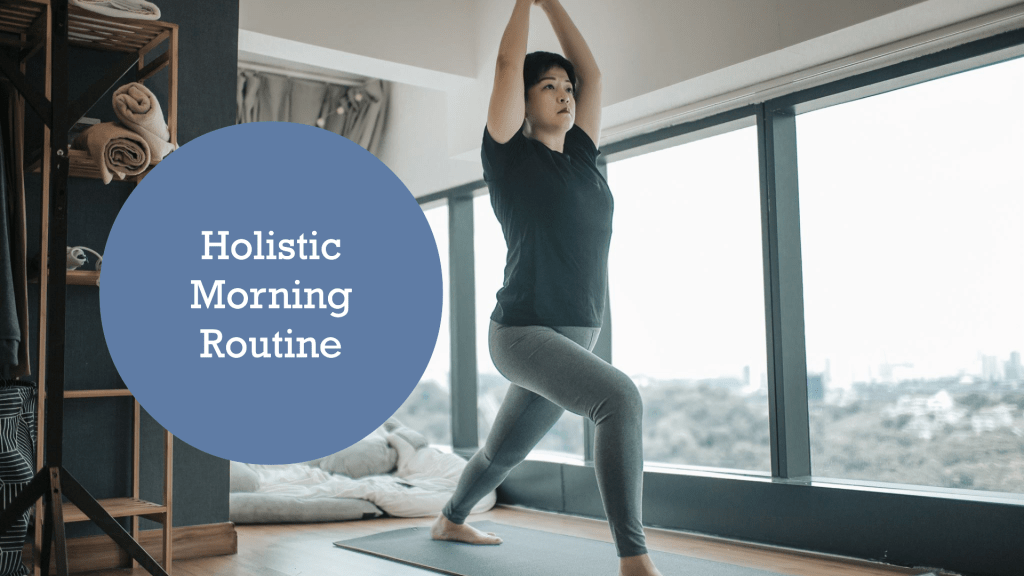
Designing Your Morning Routine for Holistic Success

The way you start your day sets the tone for everything that follows. A mindful morning routine can help you cultivate energy, clarity, and balance, allowing you to navigate your day with ease and purpose. By integrating holistic practices into your mornings, you nurture your mind, body, and spirit from the very beginning. Let’s explore how to design a morning routine that fosters holistic success and aligns with your well-being goals.


1. Wake Up with Intention

Begin your day with intention instead of rushing into tasks or distractions. This simple shift creates a sense of calm and control.

  • How to Practice: Set your alarm 10 minutes earlier and spend that time breathing deeply, stretching, or thinking about one positive thing you’re looking forward to.
  • Pro Tip: Place a journal or a gratitude notebook beside your bed to jot down your first thoughts of the day.

2. Hydrate for Vitality

After a night of rest, your body needs hydration to wake up your metabolism and energize your cells.

  • How to Practice: Drink a glass of room-temperature water with a squeeze of lemon to flush out toxins and hydrate your body.
  • Pro Tip: Keep a water bottle or glass near your bed to make hydration the first thing you do upon waking.

3. Move Your Body

Physical movement in the morning gets your blood flowing, energizes your body, and clears mental fog. It doesn’t have to be intense—a gentle stretch can do wonders.

  • How to Practice: Spend 5-10 minutes doing light yoga, stretching, or even a short walk outside. Focus on movements that feel good and energize you.
  • Pro Tip: Follow a quick yoga or mobility routine on YouTube to get started.

4. Practice Mindfulness or Meditation

A few minutes of mindfulness or meditation in the morning can calm your mind and set a positive tone for the day.

  • How to Practice: Sit quietly for 5-10 minutes, focusing on your breath or using a guided meditation app like Headspace or Calm.
  • Pro Tip: Pair meditation with a calming essential oil, such as lavender or frankincense, to deepen your practice.

5. Fuel Your Body with a Nutritious Breakfast

A balanced breakfast fuels your body and mind, giving you the energy and focus you need to start your day.

  • How to Practice: Include a mix of protein, healthy fats, and fiber. Examples include avocado toast, oatmeal with nuts and seeds, or a green smoothie.
  • Pro Tip: Prep ingredients the night before to save time and reduce decision fatigue in the morning.

6. Set Daily Intentions

Taking a moment to set intentions helps you approach your day with purpose and focus. It’s a way to align your actions with your values and goals.

  • How to Practice: Write down 1-3 intentions for the day, such as “stay present,” “be patient,” or “complete a project with focus.”
  • Pro Tip: Use affirmations like “I am capable of achieving my goals” to start the day with confidence.

7. Limit Technology First Thing in the Morning

Avoid diving into emails, social media, or news right after waking. This preserves your mental clarity and prevents overwhelm.

  • How to Practice: Set a “no technology” rule for the first 30 minutes of your day. Use this time for mindful activities instead.
  • Pro Tip: Replace your phone alarm with a traditional alarm clock to resist the urge to check notifications.

8. Create a Morning Playlist

Music can uplift your mood and create a positive atmosphere as you prepare for the day.

  • How to Practice: Curate a playlist of calming or energizing songs that inspire you. Play it as you move through your morning routine.
  • Pro Tip: Include instrumental tracks or nature sounds for a soothing vibe.

9. Journal for Clarity

Morning journaling clears your mind and helps you process thoughts or emotions before the day begins.

  • How to Practice: Write down your thoughts, goals, or anything that’s on your mind for 5-10 minutes. Focus on gratitude, affirmations, or even a quick brain dump.
  • Pro Tip: Use prompts like “What am I excited about today?” or “How can I show kindness today?”

10. Embrace Nature

Connecting with nature in the morning grounds you and boosts your mood. Even a few minutes outdoors can make a difference.

  • How to Practice: Spend time on your balcony, garden, or by a window with a view of greenery. If possible, take a short walk outside.
  • Pro Tip: Combine this practice with mindfulness by observing the sights and sounds around you.

Conclusion

A well-designed morning routine is a gift to yourself, creating space for intentionality, self-care, and focus. By incorporating hydration, mindfulness, movement, and nourishing habits, you can set the stage for a productive and peaceful day. Start small, experiment with these practices, and customize your routine to suit your unique needs. Your morning can become a powerful tool for holistic success, guiding you toward balance and fulfillment every day.


For more ideas on mindfulness and intentional living, check out my book, The Mindful Executive: https://www.amazon.com/dp/B0D75YJCLW.

12 Ways to Elevate Your Vibration for a Positive and Balanced Life

Raising your vibration is about aligning your energy with positivity, balance, and inner peace. When you operate at a higher vibrational frequency, you attract positivity, connect more deeply with yourself, and experience an overall sense of well-being. Here are 12 transformative practices to help you elevate your vibration, creating a harmonious, energized life.


1. Practice Daily Gratitude

Gratitude is a powerful way to raise your vibration by shifting focus to the positive aspects of your life. Acknowledging even small blessings can bring joy, which uplifts your entire energy.

  • How to Practice: Each day, write down three things you’re grateful for, focusing on the feeling of gratitude. Reflecting on these moments with appreciation helps create a positive mindset.

2. Nourish Your Body with High-Vibration Foods

The foods we consume have their own energy. Fresh fruits, vegetables, whole grains, and other unprocessed foods carry high vibrational energy, enhancing both your physical and mental well-being.

  • How to Practice: Incorporate more whole foods into your diet, focusing on colorful fruits, leafy greens, and foods rich in antioxidants. Avoid processed foods, which tend to carry lower vibrational energy.

3. Connect with Nature Regularly

Nature’s pure, grounding energy naturally raises your vibration. Time outdoors helps calm the mind, balances energy, and provides a sense of connectedness.

  • How to Practice: Spend at least 10-15 minutes each day in nature. Walk barefoot on grass, sit under a tree, or enjoy the beauty around you to feel grounded and recharged.

4. Practice Forgiveness to Release Negative Energy

Holding onto grudges or resentment lowers your vibration. Practicing forgiveness allows you to release negative energy, freeing up space for love, compassion, and positivity.

  • How to Practice: Reflect on any resentment you may be holding. Visualize releasing it, focusing on the benefits of letting go. This can be a silent practice or one done through journaling.

5. Meditate to Center and Elevate Your Energy

Meditation brings clarity, reduces stress, and raises your energy by aligning your mind with calmness and positivity. It creates a peaceful inner environment conducive to higher vibrations.

  • How to Practice: Dedicate 5-10 minutes daily to meditation. Focus on your breath or use a mantra that resonates with you, like “peace” or “love,” to cultivate calm and elevate your energy.

6. Listen to High-Vibrational Music

Sound has a powerful impact on our mood and energy. High-frequency music, such as 432 Hz or 528 Hz tunes, can calm your mind, clear negativity, and raise your vibrational state.

  • How to Practice: Listen to soothing or uplifting music that resonates with you. Spend time each day listening to calming sounds or songs with positive lyrics.

7. Surround Yourself with Positive Influences

The people and environment around you can affect your vibration. Spending time with those who uplift and inspire you helps maintain a high-energy state, while negative influences can bring you down.

  • How to Practice: Be mindful of the people you spend time with and the media you consume. Choose influences that bring positivity, support, and inspiration into your life.

8. Practice Self-Love and Positive Self-Talk

How you speak to yourself affects your vibrational energy. Embracing self-love and kindness raises your vibration, promoting confidence, resilience, and inner peace.

  • How to Practice: Consciously replace self-critical thoughts with affirmations and positive language. Try affirmations like “I am worthy” or “I radiate love” to reinforce a positive self-image.

9. Engage in Acts of Kindness

Giving and receiving kindness generates positive energy. Acts of kindness—big or small—benefit both the giver and receiver, raising the vibration of everyone involved.

  • How to Practice: Perform small acts of kindness daily, such as helping someone, offering a compliment, or expressing gratitude. Notice how each act lifts your mood and energy.

10. Use Crystals for Energetic Balance

Crystals like amethyst, rose quartz, and clear quartz are known for their high vibrations and balancing effects. Working with crystals can help align your energy with calm and positivity.

  • How to Practice: Keep a crystal nearby or carry it with you. Hold it during meditation or set an intention with it to amplify your energy and keep your vibration high.

11. Declutter Your Space for a Clean Energy Flow

Clutter can create stagnant energy, lowering your vibration. An organized, clean space helps energy flow freely and promotes a calm, positive atmosphere.

  • How to Practice: Set aside time each week to declutter your space, starting with small areas like your desk or bedroom. Clearing physical clutter can help you feel more mentally and emotionally open.

12. Practice Visualization to Manifest Positivity

Visualization allows you to focus on positive outcomes, helping you create a high-vibration mindset. Imagining your goals and dreams helps align your thoughts and energy with what you want to attract.

  • How to Practice: Spend a few minutes each day visualizing positive outcomes. Picture yourself achieving your goals, feeling happy and fulfilled. This practice aligns your vibration with your aspirations.

Conclusion

Elevating your vibration is about cultivating positive energy, releasing negativity, and connecting with practices that nourish your mind, body, and spirit. By adopting even a few of these practices, you can create a balanced, vibrant life that aligns with your highest self. Remember, small actions add up, and as you consistently choose practices that elevate you, your energy will naturally shift to a higher frequency.


For more guidance on living a balanced and high-vibration life, check out my book, The Mindful Executive: https://www.amazon.com/dp/B0D75YJCLW.

10 Types of Breathwork Techniques and Their Benefits for Wellness

Breathwork is a powerful, natural tool for enhancing physical, mental, and emotional well-being. By practicing intentional breathing, you can reduce stress, increase energy, and improve focus. Breathwork techniques vary widely, from energizing and invigorating methods to calming and grounding exercises. Here are 10 different types of breathwork techniques, each offering unique benefits to support your holistic wellness journey.


1. Box Breathing: The Stress Reliever

Box breathing, also known as four-square breathing, is a technique that promotes calmness by balancing oxygen and carbon dioxide levels in the blood. It’s commonly used by athletes and military personnel to manage stress and improve focus.

  • How to Practice: Inhale for 4 counts, hold for 4 counts, exhale for 4 counts, and hold again for 4 counts. Repeat for several cycles.

2. Alternate Nostril Breathing: The Energy Balancer

Also known as Nadi Shodhana, alternate nostril breathing balances the energy channels in the body, promoting mental clarity and reducing anxiety. It’s especially helpful for enhancing focus and calming the mind.

  • How to Practice: Using your thumb, close your right nostril and inhale through the left nostril. Then close your left nostril, open the right, and exhale. Inhale through the right, close it, and exhale through the left. Repeat for 5-10 cycles.

3. Diaphragmatic Breathing: The Deep Relaxer

Diaphragmatic or belly breathing involves breathing deeply into the diaphragm rather than shallowly into the chest. This technique activates the parasympathetic nervous system, promoting relaxation and reducing stress.

  • How to Practice: Place one hand on your chest and one on your abdomen. Inhale deeply, expanding your belly rather than your chest. Exhale slowly. Practice for 5-10 minutes to feel deeply relaxed.

4. 4-7-8 Breathing: The Sleep Promoter

Developed by Dr. Andrew Weil, the 4-7-8 technique is often recommended for relaxation and improving sleep quality. It slows down your heart rate, making it ideal for winding down at night.

  • How to Practice: Inhale for 4 counts, hold for 7 counts, and exhale for 8 counts. Repeat 4-5 times before bed for a restful night’s sleep.

5. Kapalabhati: The Energizer

Kapalabhati, or “Skull Shining Breath,” is a powerful, energizing technique often used in yoga. It involves short, forceful exhales, which stimulate the respiratory system and energize the body.

  • How to Practice: Sit comfortably and take a deep inhale. Begin a series of rapid, forceful exhales through the nose while pulling in your abdomen, allowing natural inhales between each exhale. Practice for 1-2 minutes to boost energy.

6. Ujjayi Breath: The Oceanic Calm

Ujjayi, also known as “Ocean Breath,” creates a soothing sound that mimics ocean waves. This technique is common in yoga practice for its calming effects and its ability to center the mind during challenging poses.

  • How to Practice: Inhale deeply through the nose, slightly constricting the back of your throat as you exhale, producing a gentle ocean-like sound. Repeat throughout your yoga session or anytime you need to calm your mind.

7. Lion’s Breath: The Tension Releaser

Lion’s Breath is an expressive technique that involves opening your mouth wide and exhaling forcefully, which helps release physical and emotional tension.

  • How to Practice: Take a deep breath in through your nose, then open your mouth wide, stick out your tongue, and exhale with a loud “ha” sound. Repeat 3-5 times for a refreshing tension release.

8. Bhramari: The Humming Bee Breath

Bhramari, or Humming Bee Breath, produces a calming, buzzing sound during exhalation. This vibration helps soothe the nervous system and is effective for relieving anxiety.

  • How to Practice: Inhale deeply, then close your mouth and create a gentle humming sound as you exhale. Feel the vibration in your head and body. Practice for 5-10 minutes to experience tranquility.

9. Shitali: The Cooling Breath

Shitali, or Cooling Breath, is a technique that cools down the body and mind, making it ideal for use in warm weather or during heated situations.

  • How to Practice: Roll your tongue into a “U” shape, inhale deeply through it, then close your mouth and exhale through your nose. Repeat for several breaths to cool down and feel refreshed.

10. Wim Hof Method: The Immune Booster

Developed by Wim Hof, this technique combines controlled hyperventilation with cold exposure and has been shown to strengthen the immune system. It’s known for boosting resilience, energy, and focus.

  • How to Practice: Inhale fully through the nose or mouth, then exhale naturally. Repeat for 30 breaths, then hold your breath for as long as possible after the last exhale. Breathe in deeply, hold for 15 seconds, then release. Repeat 2-3 cycles.

Conclusion

Breathwork can transform your well-being, providing a direct pathway to relaxation, energy, and balance. Incorporating even one or two of these techniques into your daily routine can make a significant difference. Experiment with these practices to discover which ones resonate with you and bring more calm, energy, and clarity into your life.


For further exploration of mindfulness practices, check out my book, The Mindful Executive: https://www.amazon.com/dp/B0D75YJCLW.

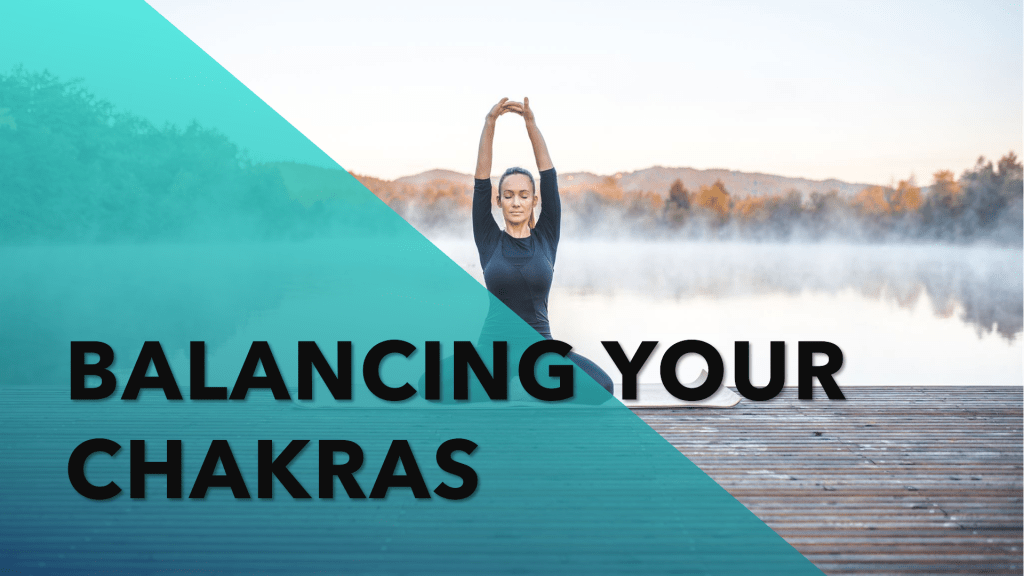
10 Daily Habits to Balance Your Chakras Naturally

Our body contains seven primary energy centers, known as chakras, that influence our physical, mental, and spiritual health. When these chakras are balanced, energy flows freely, promoting overall wellness. However, daily stresses and negative patterns can create blockages, leading to emotional or physical imbalance. By incorporating simple habits into your routine, you can keep your chakras aligned, supporting a harmonious and healthy life. Here are 10 daily habits to naturally balance your chakras and create energetic harmony.


1. Ground Yourself with Root Chakra Practices

The root chakra, located at the base of the spine, represents stability and security. When balanced, it helps you feel grounded and safe. Practicing grounding exercises can strengthen your root chakra and connect you to the earth.

  • Daily Habit: Begin your day with a grounding exercise, like walking barefoot on natural surfaces, or sitting outdoors and focusing on your breath, visualizing roots connecting you to the earth.

2. Incorporate Creative Expression for the Sacral Chakra

The sacral chakra, located just below the navel, governs creativity, pleasure, and emotional health. Keeping it balanced allows you to enjoy life and embrace change. Creativity and emotional openness are key to a healthy sacral chakra.

  • Daily Habit: Engage in a creative activity, such as drawing, dancing, or journaling, allowing your emotions and thoughts to flow freely.

3. Build Self-Confidence with Solar Plexus Chakra Exercises

The solar plexus chakra, located in the upper abdomen, is the seat of personal power, self-confidence, and willpower. A balanced solar plexus chakra helps you feel in control of your life and assertive.

  • Daily Habit: Practice positive affirmations in the morning, such as “I am powerful” or “I am confident.” Visualize a bright yellow light in your solar plexus, radiating warmth and strength.

4. Practice Heart-Opening Exercises for the Heart Chakra

The heart chakra, located in the center of the chest, represents love, compassion, and connection. A balanced heart chakra helps you build healthy relationships with others and foster self-love.

  • Daily Habit: Spend a few minutes each day doing a heart-opening yoga pose, like a gentle backbend or seated chest opener. Focus on breathing deeply and sending love to yourself and others.

5. Use Mindful Communication for the Throat Chakra

The throat chakra governs communication, expression, and truth. When balanced, it allows you to express yourself clearly and confidently. Practicing mindful speech can help keep this chakra in alignment.

  • Daily Habit: Take time each day to practice speaking mindfully and expressing your true thoughts. Avoid gossip or negative talk, and focus on clear, kind communication.

6. Nurture Your Intuition with Third Eye Chakra Meditation

The third eye chakra, located between the eyebrows, is the center of intuition, wisdom, and spiritual insight. A balanced third eye helps you connect with your inner self and trust your intuition.

  • Daily Habit: Spend 5-10 minutes each day meditating with your eyes closed, focusing on the space between your eyebrows. Visualize a deep indigo light expanding and brightening with each breath.

7. Cultivate Spiritual Awareness for the Crown Chakra

The crown chakra, located at the top of the head, represents spiritual connection and enlightenment. A balanced crown chakra helps you feel connected to the universe and your higher self.

  • Daily Habit: End your day with a short gratitude practice or meditation, visualizing a pure white light at the top of your head. Focus on your connection to the universe and express gratitude for the day.

8. Eat Foods that Correspond to Each Chakra

The food you eat can also influence your chakra health. Each chakra has a color associated with it, and eating foods of those colors can help balance the respective chakras.

  • Daily Habit: Incorporate a colorful variety of fruits and vegetables into your diet. For example, eat red foods (like strawberries) for the root chakra, orange foods (like carrots) for the sacral, and so on.

9. Practice Breathwork to Balance Energy

Breathwork is a powerful tool for balancing all the chakras, as it helps energy flow smoothly throughout the body. Regular breathwork helps release blockages and promotes relaxation.

  • Daily Habit: Try alternate nostril breathing or deep belly breathing for 5 minutes each day to calm your mind, balance your energy, and align your chakras.

10. Use Affirmations for Each Chakra

Positive affirmations are an effective way to reset your mindset and reinforce positive energy in each chakra. Repeating specific affirmations helps you connect with and energize each chakra.

  • Daily Habit: Use a different affirmation for each chakra daily. For example: “I am grounded” (Root), “I am creative” (Sacral), “I am strong” (Solar Plexus), “I am loved” (Heart), “I speak my truth” (Throat), “I trust my intuition” (Third Eye), and “I am connected to the divine” (Crown).

Conclusion

Balancing your chakras doesn’t require drastic changes to your routine. Small, daily practices can help align your energy centers, bringing peace, clarity, and vitality into your life. By incorporating these simple habits, you’ll be able to support your holistic wellness journey and create a balanced and harmonious life.


For more insights on holistic practices, check out my book, The Mindful Executive: https://www.amazon.com/dp/B0D75YJCLW.

12 Mindful Practices to Reduce Stress in Under 10 Minutes

In today’s fast-paced world, stress has become a constant companion for many of us. The good news is that you don’t need hours of meditation or an elaborate wellness routine to bring some peace into your life. There are simple, effective practices that can help reduce stress in under 10 minutes, providing immediate relief and grounding. These quick mindfulness techniques are perfect for even the busiest of days. Let’s explore 12 ways to de-stress quickly and effectively.

1. Deep Breathing

One of the quickest ways to calm your mind and body is through deep breathing. By focusing on your breath, you can lower your heart rate, reduce tension, and bring your focus back to the present moment.

  • How to: Inhale deeply through your nose for four counts, hold for four counts, and exhale slowly through your mouth for four counts. Repeat for 2-3 minutes.

2. Body Scan

A body scan is a mindfulness practice that involves paying attention to each part of your body, noticing areas of tension or discomfort. This technique helps you release physical stress and reconnect with your body.

  • How to: Close your eyes, and starting from your feet, slowly move your awareness up through your body, noticing any sensations. Breathe into any areas of tension, and consciously relax each part.

3. Mindful Walking

Walking, especially in nature, is a great way to reduce stress. Mindful walking involves being fully present as you walk, paying attention to each step and the sensations in your body as you move.

  • How to: Take a short walk outside or around your home, focusing on the movement of your feet, the feel of the ground beneath you, and the rhythm of your breath.

4. Gratitude Practice

Shifting your focus to gratitude can instantly lift your mood and reduce stress. This practice allows you to focus on the positive aspects of your life, which helps shift your perspective away from stressors.

  • How to: Write down three things you’re grateful for in a journal or simply reflect on them in your mind for a few minutes.

5. Visualization

Visualization is a powerful tool for reducing stress. By imagining yourself in a peaceful, calming place, you can create a mental retreat that helps soothe your nervous system.

  • How to: Close your eyes and imagine a place where you feel safe and relaxed, such as a beach, forest, or mountain. Picture the details, sounds, and smells of this place, and spend a few moments soaking in the calm.

6. Progressive Muscle Relaxation

This technique involves tensing and then releasing each muscle group in your body, helping you release physical tension and stress.

  • How to: Start by tensing the muscles in your feet for five seconds, then relax them. Work your way up through your body, tensing and relaxing each muscle group until you reach your head.

7. Journaling

Writing down your thoughts and feelings can be an effective way to reduce mental clutter and stress. It helps you process emotions and release any pent-up tension.

  • How to: Spend five minutes writing about whatever is on your mind, without judgment. Let your thoughts flow freely onto the page.

8. Mindful Eating

Eating mindfully can transform even a short snack into a moment of relaxation. By focusing on the flavors, textures, and sensations of your food, you create a mindful moment that brings you back to the present.

  • How to: The next time you eat, take small bites, chew slowly, and savor the flavors and textures. Focus solely on the act of eating without distractions.

9. Breathing with Essential Oils

Essential oils such as lavender, chamomile, or eucalyptus have calming properties that can enhance a breathing practice. Inhaling these oils can help soothe your mind and body even faster.

  • How to: Place a drop of your favorite calming essential oil on your palms, rub them together, and cup your hands over your nose as you inhale deeply.

10. 5-Minute Meditation

You don’t need a long meditation session to benefit from mindfulness. Even five minutes of meditation can reduce stress and bring clarity.

  • How to: Find a quiet space, sit comfortably, and close your eyes. Focus on your breath, allowing thoughts to come and go without judgment. Simply observe, and bring your attention back to your breath if your mind wanders.

11. Affirmations

Positive affirmations can help reduce stress by shifting your mindset from negative to positive. Repeating affirmations allows you to rewire your thought patterns and reduce anxiety.

  • How to: Choose a calming affirmation like “I am at peace” or “I release stress and welcome calm.” Repeat it to yourself for a few minutes, either silently or out loud.

12. Earthing

Connecting with the earth, also known as “earthing,” can help you reduce stress and feel more grounded. Walking barefoot outside allows you to absorb the earth’s natural energy and release built-up tension.

  • How to: Step outside and walk barefoot on grass, dirt, or sand. Focus on the sensations beneath your feet and the connection you feel to the earth.

Conclusion

Stress relief doesn’t need to take up hours of your time. With these quick, mindful practices, you can reduce stress in under 10 minutes, no matter where you are or what your day looks like. Incorporating these techniques into your daily routine will help you stay calm, grounded, and centered, even in the midst of a busy life.


For more tips on reducing stress and improving your well-being, check out my book, The Mindful Executive: https://www.amazon.com/dp/B0D75YJCLW.

Biohacking with Nature: Ancient Wisdom Meets Modern Wellness Technology

In a world where the line between technology and health is becoming increasingly blurred, there’s an exciting movement that’s taking wellness to new heights: biohacking. While this might conjure up images of futuristic gadgets and extreme diets, biohacking is also deeply rooted in ancient wisdom. By blending the time-tested practices of holistic health—like herbal remedies, meditation, and energy healing—with cutting-edge wellness technology, you can optimize your body and mind for peak performance. This integration of ancient and modern practices offers a unique path to ultimate well-being.

What Is Biohacking?

At its core, biohacking is the practice of making small, strategic changes to your body and lifestyle to enhance your overall health and well-being. These hacks range from dietary adjustments and sleep optimization to more advanced practices like wearable tech and cold therapy. The beauty of biohacking lies in its flexibility—you can mix and match what works for you, creating a personalized wellness routine.

But what makes it truly powerful is its overlap with holistic wellness, where the aim is not just physical optimization, but balance and harmony within the body.

Ancient Biohacks: The Wisdom of Holistic Practices

Before there were wearable devices or supplements designed to boost cognitive function, ancient cultures had their own ways of optimizing health and longevity. These time-tested practices are now being recognized for their biohacking potential:

  • Ayurveda: This ancient Indian system of medicine emphasizes balance through diet, exercise, and mindfulness. Ayurveda also utilizes adaptogenic herbs, like Ashwagandha, to manage stress—a natural biohack for modern lives.
  • Traditional Chinese Medicine (TCM): Practices like acupuncture, herbal medicine, and Qigong (a form of meditative movement) aim to balance the body’s energy (Qi). These methods work with the body’s natural healing processes, an early form of biohacking.
  • Indigenous Healing: Many indigenous cultures have long practiced natural medicine and healing, from using medicinal plants to incorporating rituals that align the mind, body, and spirit.

These ancient practices laid the foundation for modern biohacking by showing us how to tap into the body’s innate ability to heal and regenerate.

Modern Biohacking: The Tech-Savvy Approach to Wellness

In the digital age, biohacking has evolved into a sophisticated science that leverages technology to track and optimize various aspects of health. Some of the most popular modern biohacks include:

  • Wearable Technology: Devices like the Oura Ring or Fitbit help track your sleep, activity, and even heart rate variability (HRV), giving you real-time insights into your body’s needs. This data allows for personalized adjustments to sleep, fitness, and stress management.
  • Cold Therapy: Popularized by biohackers like Wim Hof, cold exposure (via ice baths or cryotherapy) activates the body’s natural defenses, boosting immunity and improving mental clarity.
  • Nootropics and Supplements: Biohackers often use brain-enhancing supplements, or nootropics, to boost focus, creativity, and mental stamina. These range from natural herbs like Rhodiola to more advanced stacks designed to optimize brain chemistry.

By combining these modern techniques with ancient practices, we create a biohacking system that is both holistic and highly personalized.

Bridging the Gap: How to Combine Ancient and Modern Biohacks

The key to unlocking your body’s full potential is to merge the wisdom of the past with the innovations of today. Here’s how you can integrate both:

  1. Start with the Basics: Mindfulness and Meditation Ancient practices like mindfulness and meditation are essential for grounding your biohacking efforts. By calming the mind and centering the body, you set the foundation for better health. Modern meditation apps like Headspace or Calm can enhance this practice with guided sessions tailored to your needs.
  2. Incorporate Adaptogens and Herbal Remedies Ancient herbal remedies, like those used in Ayurveda and TCM, can be combined with modern supplements to optimize your body’s stress response. Try using ashwagandha or holy basil as part of your daily routine to reduce cortisol levels and enhance mental clarity.
  3. Leverage Technology for Personalized Data Wearable devices allow you to monitor the effects of ancient practices on your health. Use a fitness tracker to see how meditation impacts your heart rate variability, or track your sleep cycles after taking adaptogens. This data-driven approach allows you to fine-tune your biohacking plan.
  4. Try Cold Exposure and Breathwork Cold therapy may sound modern, but it has roots in ancient practices. Indigenous cultures and Tibetan monks have used cold exposure and breathwork for centuries. Start small with cold showers and work your way up to ice baths, combining this practice with modern breathing techniques like those from the Wim Hof Method.
  5. Dietary Optimization with a Holistic Twist Combine intermittent fasting—a modern biohacking practice—with the principles of ancient diets like Ayurveda or TCM. Focus on balancing meals with seasonal foods and including medicinal herbs to enhance digestion and energy levels.

The Future of Biohacking: A Holistic Approach

As wellness continues to evolve, the future of biohacking is heading toward a more holistic approach. By incorporating ancient wisdom into modern wellness practices, we create a more sustainable and balanced way of optimizing health. This integration honors the body’s natural rhythms while leveraging technology to make wellness more accessible and personalized.

Conclusion

Biohacking isn’t just about high-tech gadgets and extreme diets—it’s about harnessing the best of both worlds: ancient wisdom and modern science. By blending practices like Ayurveda, TCM, and Indigenous healing with today’s technological advancements, we can create a powerful synergy that enhances our health, longevity, and overall well-being.

For more insights into the fusion of wellness and leadership, check out my book, The Mindful Executive: https://www.amazon.com/dp/B0D75YJCLW.