Incorporating superfoods into your children’s diet can significantly enhance their overall health and development. Moringa, beets, and lemon are three powerhouse ingredients that can provide a wealth of nutrients and benefits. Here’s a detailed guide on meal plans featuring these superfoods to help your kids thrive.
1. Moringa: The Miracle Tree
Moringa is packed with essential nutrients like vitamins A, C, and E, calcium, and iron. It’s known for its anti-inflammatory properties and can boost the immune system.
Moringa Smoothie Recipe
1 cup of almond milk
1 banana
1 tablespoon of moringa powder
1 handful of spinach
1 tablespoon of honey Blend all ingredients until smooth. Serve chilled.
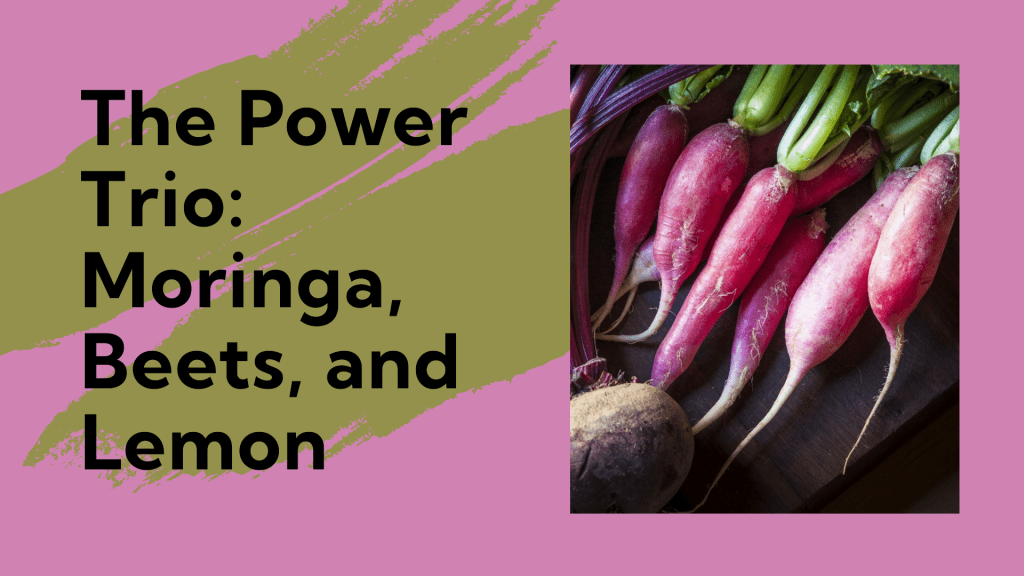
Moringa, beets, and lemon are not just everyday foods; they are superfoods packed with an array of nutrients that can significantly benefit your body. Here’s a deep dive into the remarkable health benefits of these three powerhouse ingredients.
1. Moringa: The Miracle Tree
Moringa oleifera, often referred to as the “miracle tree,” is rich in vitamins, minerals, and antioxidants.
Benefits:
Nutrient Dense: Moringa leaves contain high levels of vitamins A, C, and E, calcium, potassium, and protein, providing essential nutrients to the body.
Anti-Inflammatory: Its anti-inflammatory properties can help reduce inflammation, which is beneficial for conditions such as arthritis and muscle pain.
Antioxidant Powerhouse: Moringa is rich in antioxidants, which help protect cells from damage by free radicals, potentially reducing the risk of chronic diseases.
Aromatherapy, the practice of using essential oils extracted from plants for therapeutic purposes, has been used for centuries to promote health and wellness. These oils can positively affect both the mind and body, offering a natural way to improve overall well-being. Here’s how you can harness the healing power of aromatherapy and essential oils to enhance your health and wellness.
Understanding Aromatherapy
Aromatherapy involves the use of essential oils, which are concentrated extracts from the roots, leaves, seeds, or blossoms of plants. These oils contain the plant’s essence and are believed to have healing properties when inhaled or applied to the skin.
Benefits of Aromatherapy
Aromatherapy can provide numerous benefits, including reducing stress, improving mood, enhancing sleep, and relieving pain. Different essential oils have unique properties that can address specific health concerns.
Popular Essential Oils and Their Benefits
1. Lavender
Lavender oil is widely known for its calming and relaxing properties. It can help reduce anxiety, improve sleep quality, and alleviate headaches.
Benefits: Reduces stress and anxiety, improves sleep, relieves headaches.
Example: Add a few drops of lavender oil to your pillow or use it in a diffuser before bedtime to promote restful sleep.
2. Peppermint
Peppermint oil has a refreshing and invigorating scent. It’s often used to relieve headaches, improve focus, and alleviate digestive issues.
Example: Inhale peppermint oil directly from the bottle or add a few drops to a tissue and breathe deeply to relieve a headache.
3. Eucalyptus
Eucalyptus oil is known for its ability to clear the respiratory system and relieve congestion. It also has anti-inflammatory and pain-relieving properties.
Example: Add a few drops of lemon oil to a diffuser to create an energizing atmosphere in your home or office.
6. Frankincense
Frankincense oil is known for its grounding and calming effects. It’s often used in meditation and yoga practices to promote mental clarity and relaxation.
Example: Add a few drops of ylang ylang oil to your bath or diffuser to create a calming and uplifting atmosphere.
How to Use Essential Oils
1. Diffusion
Using a diffuser is one of the most popular ways to enjoy the benefits of essential oils. Diffusers disperse the oils into the air, allowing you to inhale their therapeutic scents.
Example: Add 5-10 drops of your favorite essential oil to a diffuser filled with water. Turn it on and enjoy the aroma.
2. Inhalation
Direct inhalation involves breathing in the essential oil directly from the bottle or from a tissue with a few drops of the oil.
Example: Place a few drops of essential oil on a tissue and hold it close to your nose. Inhale deeply for several breaths.
3. Topical Application
Essential oils can be applied to the skin, but they should be diluted with a carrier oil to prevent irritation.
Example: Mix a few drops of essential oil with a carrier oil, such as coconut or jojoba oil, and apply it to your wrists, neck, or temples.
4. Bathing
Adding essential oils to your bath can enhance relaxation and provide therapeutic benefits.
Example: Add 5-10 drops of essential oil to your bathwater along with a cup of Epsom salts for a soothing and aromatic experience.
5. Massage
Incorporating essential oils into a massage can enhance relaxation and provide additional health benefits.
Example: Dilute essential oils with a carrier oil and use the mixture for a relaxing massage.
Safety Tips for Using Essential Oils
Always dilute essential oils with a carrier oil before applying them to the skin.
Perform a patch test to check for allergic reactions.
Use essential oils in well-ventilated areas.
Keep essential oils out of reach of children and pets.
Consult with a healthcare professional before using essential oils, especially if you are pregnant, nursing, or have a medical condition.



 Holistic Wellness Guide